Countries that officially recognize sign language
The movement to officially recognize sign languages has gained remarkable momentum over the past few decades. What started as isolated efforts by deaf communities has evolved into a global campaign that has transformed how governments view these rich, complex languages. Today, sign languages enjoy various forms of legal protection across dozens of countries, marking a significant shift in linguistic rights and accessibility.
Around the world, deaf communities have fought tirelessly to gain recognition for their natural languages. 81 countries have achieved sign language legislation, representing 41.5% of the world’s 195 nations, while 58.5% of countries do not recognize their national sign language. Here’s a comprehensive look at the nations leading this important human rights movement.
New Zealand
New Zealand Sign Language became the country’s third official language, joining English and Māori, when the New Zealand Sign Language Act 2006 was passed in the New Zealand Parliament on 6 April 2006. This groundbreaking legislation made New Zealand one of the first countries to grant full official status to its sign language. The recognition ensures that deaf New Zealanders can use NZSL in legal proceedings, government services, and educational settings without requiring special accommodations.
South Korea

The Korean Sign Language Act, which was adopted on 3 February 2016 and came into effect on 4 August 2016, established Korean Sign Language as an official language for the Deaf in South Korea equal in status with Korean. The law goes beyond symbolic recognition by requiring national and local governments to provide translation services. After Korean Sign Language had been established, it became a requirement for there to be signed interpretations in court, and the language now appears during public events and social services programs.
South Africa
South Africa has taken sign language recognition to unprecedented levels. South African Sign Language was legally recognised, and then it became the 12th official language of South Africa in a move that places it alongside the country’s spoken languages. This constitutional recognition gives South African Sign Language the highest legal status possible, ensuring equal treatment under the law and comprehensive protection for users.
United Kingdom

British Sign Language was recognised through the British Sign Language Act 2022, legally acknowledging it in England, Scotland, and Wales. The legislation came after decades of advocacy from the British deaf community and represents a major victory for linguistic rights. The UK government recognizes BSL as an official language. This gives BSL users legal protection in education and public services, while technology integration has expanded with BSL appearing regularly on BBC programming.
Spain
Spain has embraced regional linguistic diversity in its approach to sign language recognition. In 2007, the Spanish parliament, the Cortes Generales, passed the Law 27/2007 on the recognition of sign languages in the country, including Spanish Sign Language. The country goes further by recognizing regional variations, with Catalan Sign Language recognised in Catalunya in 2010, acknowledging the linguistic complexity within its borders.
Argentina
Argentina’s Law 27710 recognises Argentine Sign Language as a natural language and cultural heritage in 2023. This recent legislation demonstrates the continuing global momentum toward sign language recognition. By specifically mentioning cultural heritage, Argentina acknowledges that sign languages represent more than communication tools—they embody entire cultural traditions and community identities.
Austria
Austrian Sign Language was officially recognized by the Austrian Parliament in 2005. Austria’s recognition reflects the broader European trend toward sign language rights, with many EU countries implementing similar protections following parliamentary resolutions encouraging member states to adopt official recognition.
Belgium
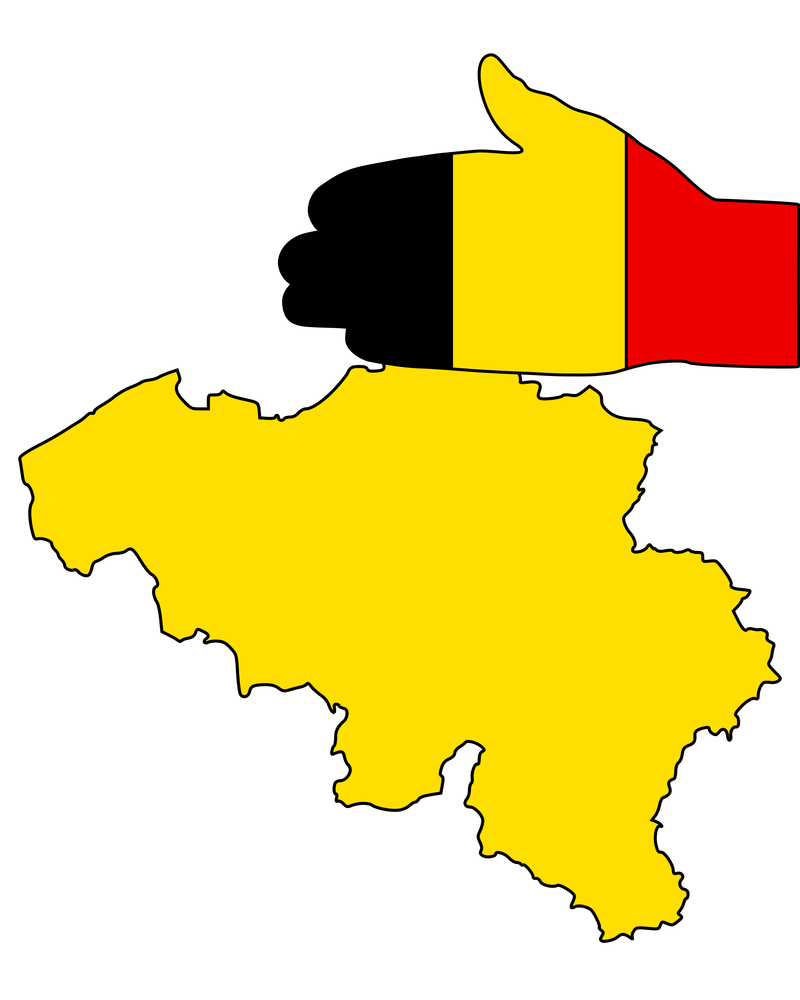
Belgium’s multilingual approach extends to sign language recognition. Belgium has recognized its three regional sign languages: LSFB by the French Community, VGT in Flanders, and DGS by the German-speaking Community across multiple years from 2003 to 2019. This comprehensive approach ensures that deaf communities in each linguistic region receive appropriate recognition and services.
Kenya

Kenyan Sign Language is recognised under Article 7(3)(b) of the Kenyan Constitution, which mandates its promotion and development, alongside the Kenyan Sign Language Bill through legislation spanning 2010 to 2024. Kenya represents important progress in African sign language recognition, with constitutional protection providing the strongest possible legal foundation.
Peru
Peru officially recognized Peruvian Sign Language as the country’s national sign language by law in 2010. This South American recognition demonstrates the global reach of sign language rights movements, with Peru joining other Latin American countries in providing legal protections for deaf communities.
Russia
Russian Sign Language has had legal recognition since 2012. Since the federal Law on Protection of People with Disabilities passed and the UN Convention on the Rights of Persons with Disabilities was implemented, services in Russian Sign Language have been greatly expanded. The practical impact has been significant, with substantial interpretation services now available to deaf Russians.
Slovakia
Slovak Sign Language was recognised in 1995 by law, making Slovakia one of the earlier adopters of sign language recognition in post-communist Europe. This early recognition helped establish precedents for other countries in the region to follow.
Uruguay

Although Uruguay has no “official” languages, Uruguayan Sign Language was legally recognised as the language of deaf persons on 10 July 2001. Uruguay’s approach shows that formal recognition can exist even without traditional official language structures, with LSU considered a mother tongue of Uruguayan citizens in education laws.
Venezuela

Venezuelan Sign Language was recognised in the country’s constitution on 12 November 1999, making it one of the earliest constitutional recognitions of sign language rights in Latin America. Constitutional recognition provides the highest level of legal protection possible within a country’s legal framework.
Finland

Finland represents Nordic leadership in sign language rights. The report outlines good practice in New Zealand, Finland, Austria and Hungary, indicating Finland’s status as a model for other countries seeking to implement comprehensive sign language protections.
Norway
Norway officially recognised Norwegian Sign Language as one of the country’s official languages through the Language Act in 2021. This recent recognition shows the continuing evolution of language rights in developed nations, with Norway joining other Scandinavian countries in providing strong legal protections.
Philippines
Republic Act No. 11106, the Filipino Sign Language Act, declares Filipino Sign Language as the national sign language of the Filipino Deaf in 2018. The Philippines’ recognition demonstrates growing awareness of sign language rights in Southeast Asia, with practical implications for education and government services.
Bangladesh
Bangla Sign Language was officially recognised in Bangladesh in general disability law in 2013. Bangladesh’s recognition represents important progress in South Asian sign language rights, showing how recognition can be achieved through broader disability legislation rather than language-specific laws.
Malta
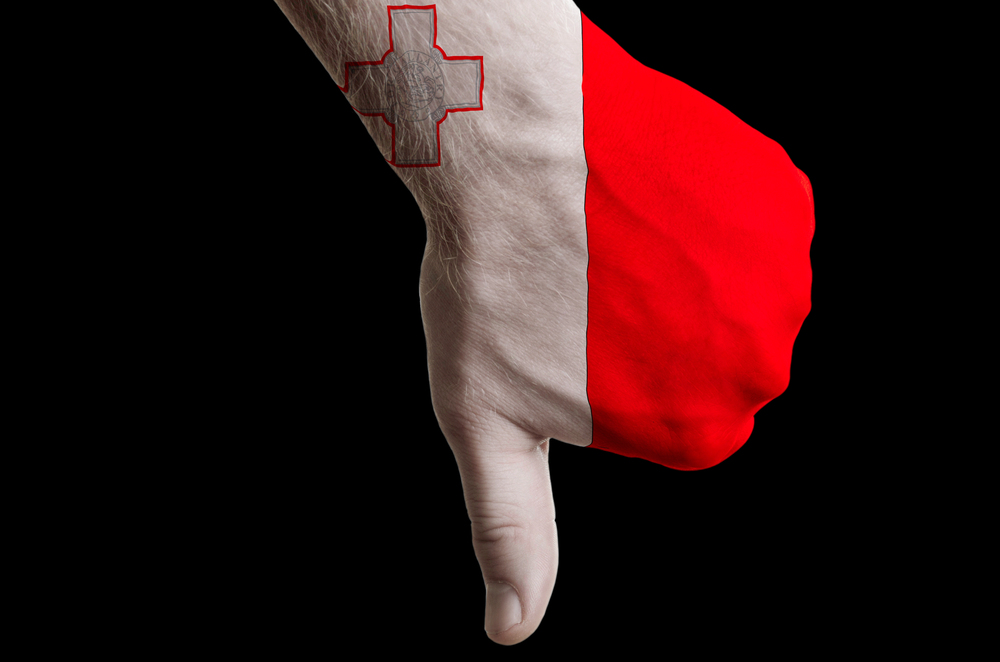
Malta officially recognised Maltese Sign Language through the Maltese Sign Language Recognition Act in 2016. As one of Europe’s smallest countries, Malta’s recognition demonstrates that national size doesn’t determine commitment to linguistic rights and deaf community support.
Zimbabwe
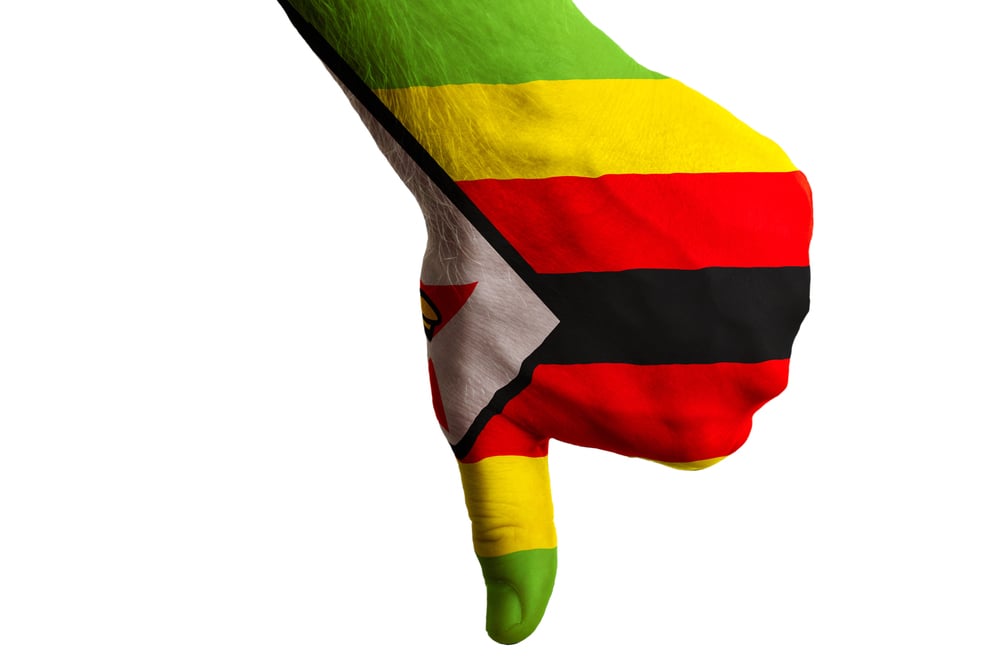
Zimbabwe Sign Language was recognised in the Constitution in 2013. Zimbabwe’s constitutional approach provides strong legal protections and represents significant progress in African sign language recognition, joining other African nations in acknowledging deaf linguistic rights.
The broader recognition landscape
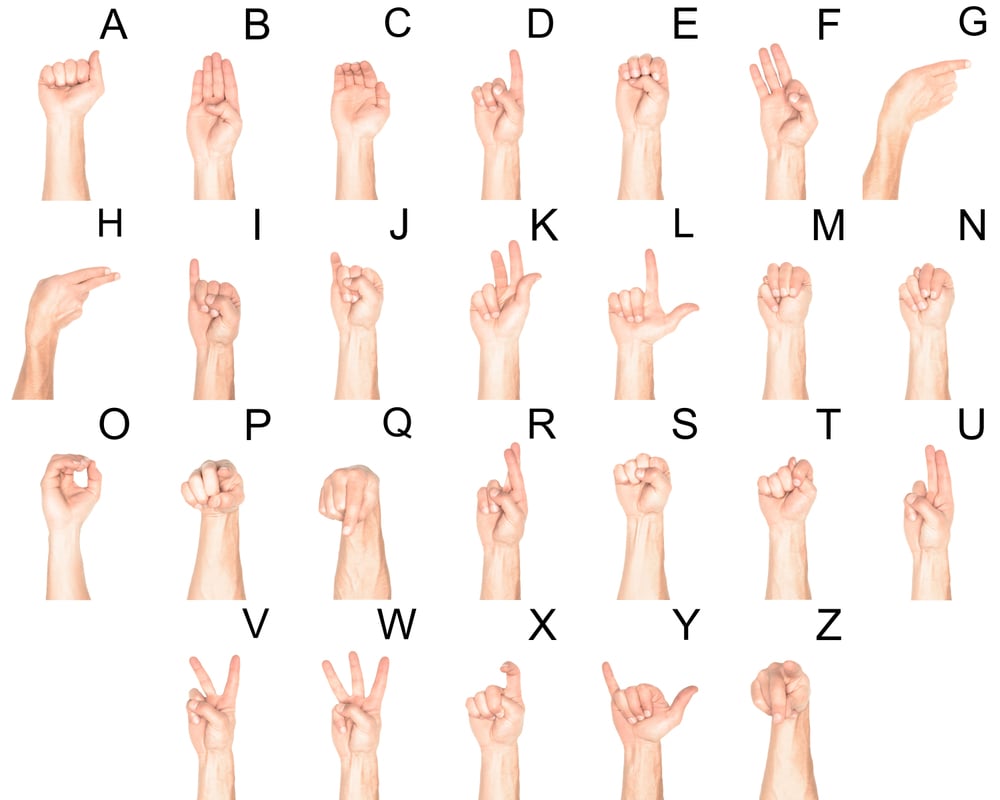
Of the 41 countries that recognize sign language as an official language, 26 are in Europe, reflecting the continent’s leadership in linguistic rights. The European Parliament approved the resolution requiring all member states to adopt sign language in an official capacity on June 17, 1988, providing early institutional support for recognition efforts.
The distribution shows interesting regional patterns. Of the remaining countries, six are in South America, four are in Africa (Kenya, South Africa, Uganda, Zimbabwe), two are in Oceania (Papua New Guinea and New Zealand), two are in Asia (South Korea and Japan), while Mexico is the only North American state. This geographic spread demonstrates that sign language recognition transcends economic development levels and cultural boundaries.
From advocacy to implementation

The transformation from grassroots advocacy to official recognition represents decades of persistent effort by deaf communities worldwide. The International Day of Sign Languages was first celebrated in 2018 as part of the International Week of the Deaf, with the choice of 23 September commemorating the date that the WFD was established in 1951. These observances have helped maintain global momentum for recognition efforts.
The United Nations Convention on the Rights of Persons with Disabilities recognizes sign languages as real languages. Countries that sign on are supposed to promote and protect sign language rights in schools and public life. This international framework provides crucial support for national recognition efforts, giving advocates powerful tools to pressure governments for action.
The recognition movement continues gaining strength as more countries join the growing list of nations protecting sign language rights. What began as scattered efforts by isolated deaf communities has evolved into a coordinated global campaign that has fundamentally changed how societies view sign languages. Each new recognition builds momentum for remaining countries, creating an unstoppable tide toward universal linguistic equality.
More from Go2Tutors!

- The Romanov Crown Jewels and Their Tragic Fate
- 13 Historical Mysteries That Science Still Can’t Solve
- Famous Hoaxes That Fooled the World for Years
- 15 Child Stars with Tragic Adult Lives
- 16 Famous Jewelry Pieces in History
Like Go2Tutors’s content? Follow us on MSN.



