15 Things That Were Once in Every Mall (But Haven’t Been Seen in Years)
Remember when visiting the mall was a full-day activity? Those busy retail palaces were home to many stores and events that shaped American society for decades. Many formerly common mall items have quietly vanished, though, as buying patterns have changed and internet retail has taken the stage.
Here is a list of 15 mall staples that were everywhere just a few years ago but have now mostly vanished from the retail landscape.
Arcades
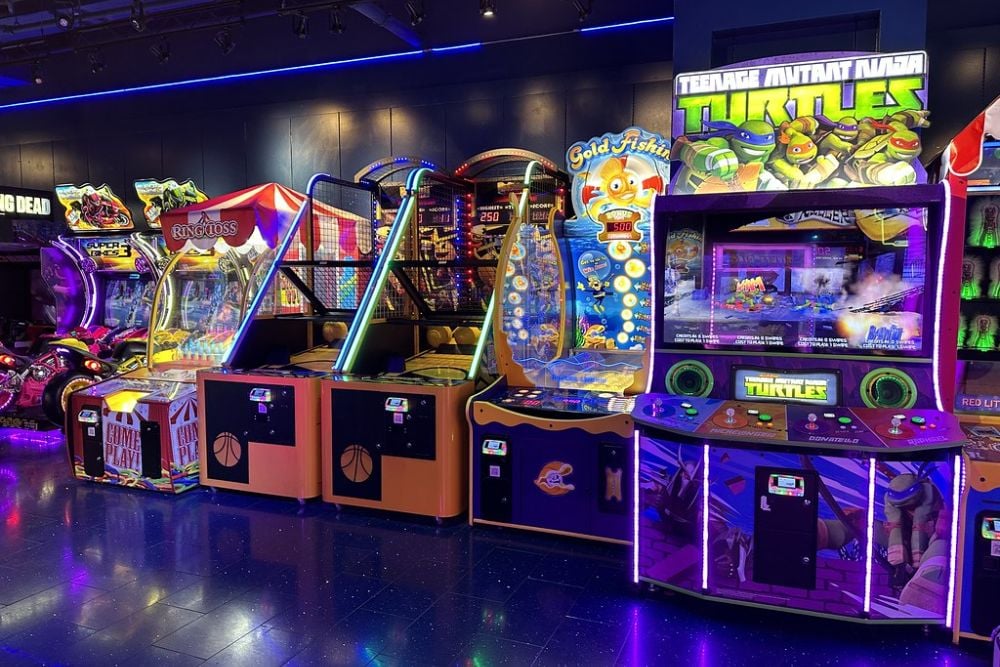
The flashing lights and electronic beeps of mall arcades were impossible to miss in their heyday. These dimly lit gaming havens served as teenage gathering spots where quarters disappeared faster than allowance money.
Today, home gaming systems and mobile phones have made these once-thriving entertainment centers nearly obsolete, with only a handful of specialty arcade venues surviving.
Photo Booths
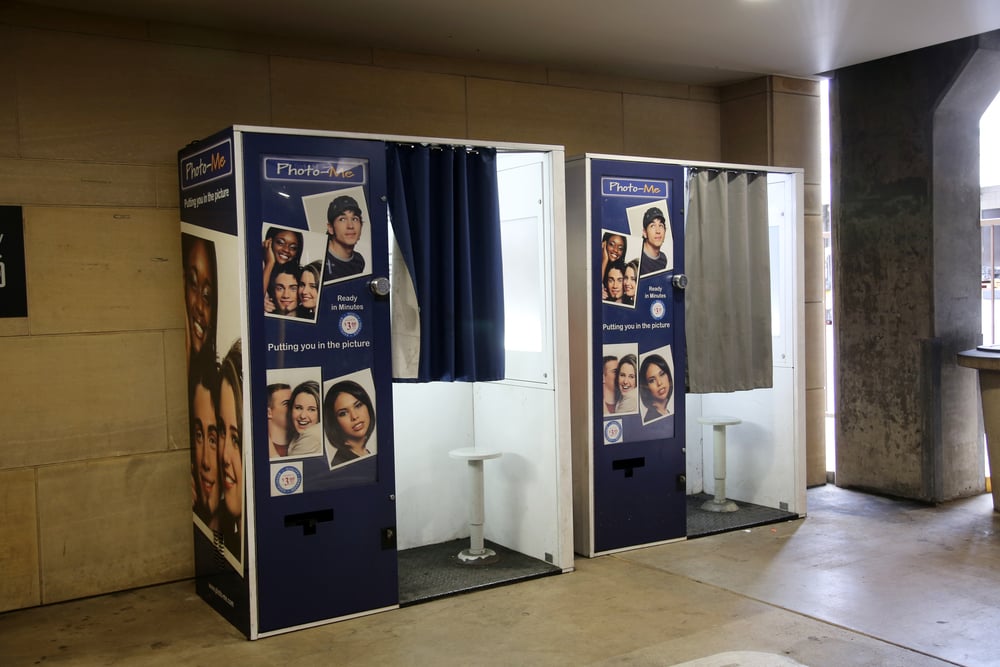
Those curtained booths where friends crammed together to make silly faces and capture memories were mall fixtures for generations. The small strip of four black-and-white photos became treasured keepsakes that decorated lockers and bedroom mirrors.
Smartphone cameras have rendered these charming contraptions unnecessary, but a few nostalgic versions still occasionally appear at movie theaters or trendy events.
CD Stores
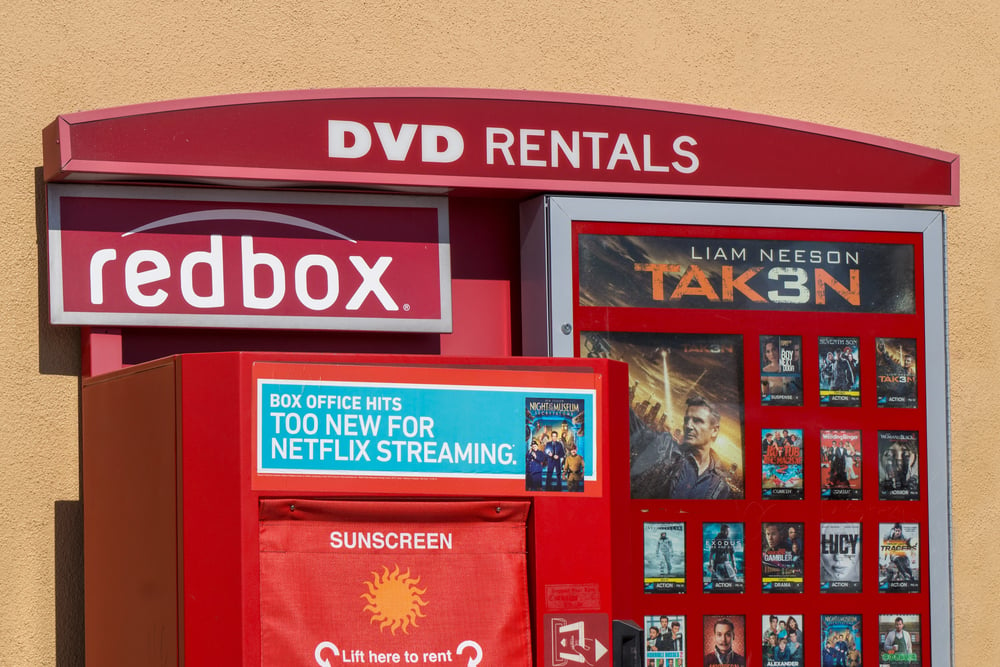
Do you recall spending hours looking through plastic CD covers at Tower Records or Sam Goody? Teenagers found new bands and lined up for midnight album releases at these music stores, which served as cultural centers.
Physical media stores were among the first significant mall casualties of the internet age, as the digital revolution fundamentally changed the way we listen to music.
Sbarro
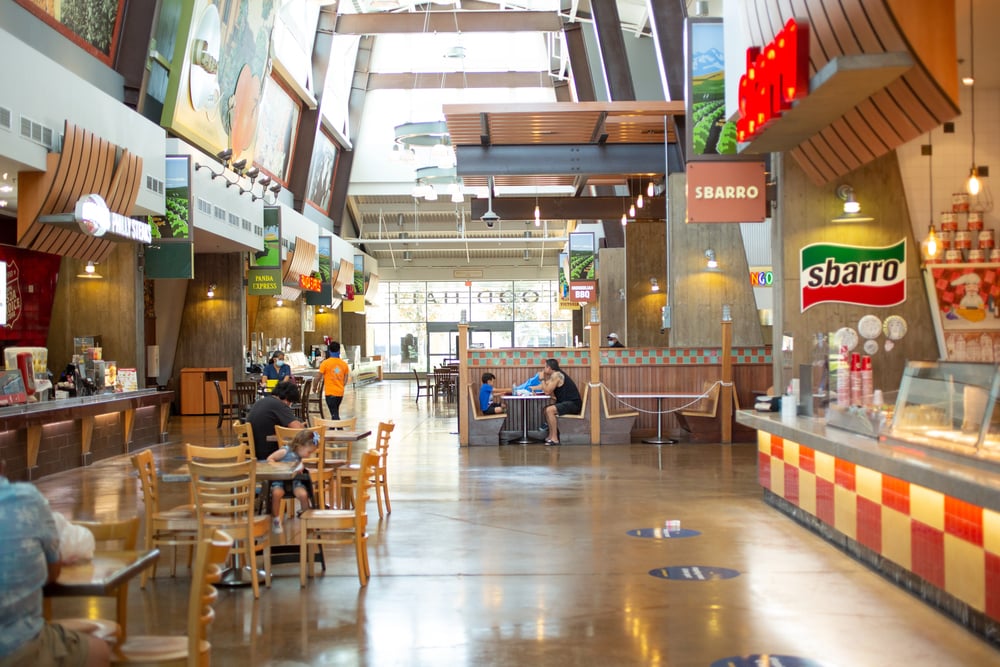
This pizza chain was such a staple of mall food courts that it became synonymous with mall dining itself. Those massive slices under heat lamps represented quick, affordable meals for shoppers needing a break.
While Sbarro still exists in some locations, its overwhelming presence in virtually every American mall has dramatically diminished as food courts have evolved toward more diverse and upscale options.
Radio Shack
Once the go-to destination for electronics, batteries, and gadgets of all kinds, Radio Shack occupied prime real estate in malls nationwide. The retailer that promised ‘You’ve got questions, we’ve got answers’ couldn’t compete when big-box stores and online retailers entered the electronics game.
Its rapid decline left technological voids in malls across America.
Fountain Courts
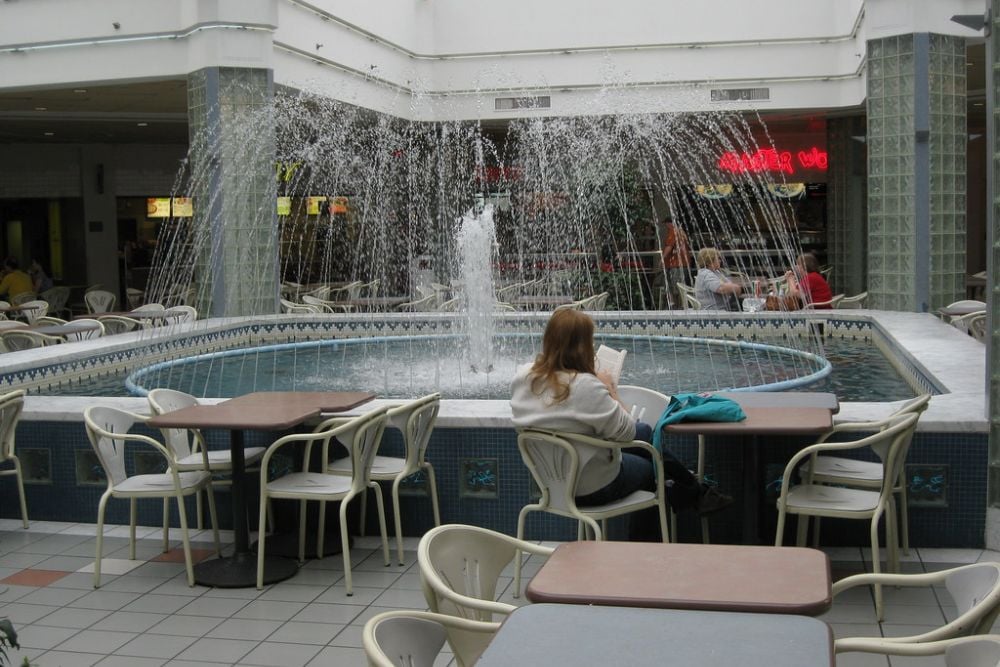
Those central areas with pennies glittering at the bottom of shallow pools were more than decorative features—they were meeting spots and wishing wells combined. Children would toss coins while making wishes as parents rested their shopping-weary feet on nearby benches.
Modern mall renovations have largely replaced these water features with seating areas or kiosks to maximize revenue-generating space.
Bookstores
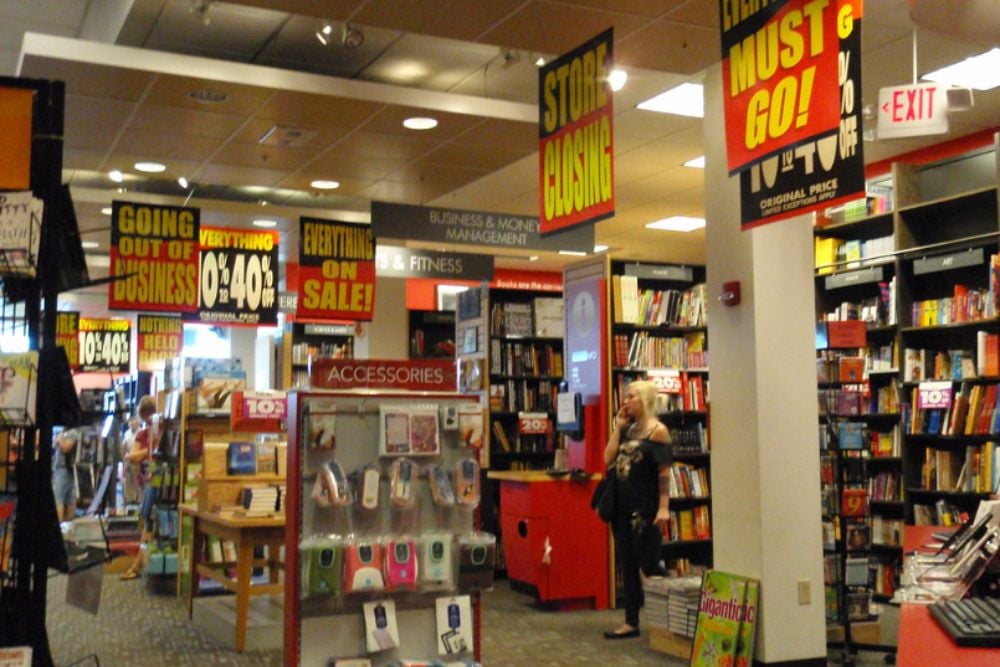
Waldenbooks, B. Dalton, and Borders were once anchors of mall culture, offering browsing opportunities and comfortable chairs for literary exploration. The rise of Amazon and e-readers dealt these chains devastating blows.
While some independent bookstores have found renewed success in standalone locations, the mall bookstore has largely turned its final page.
Spencer Gifts
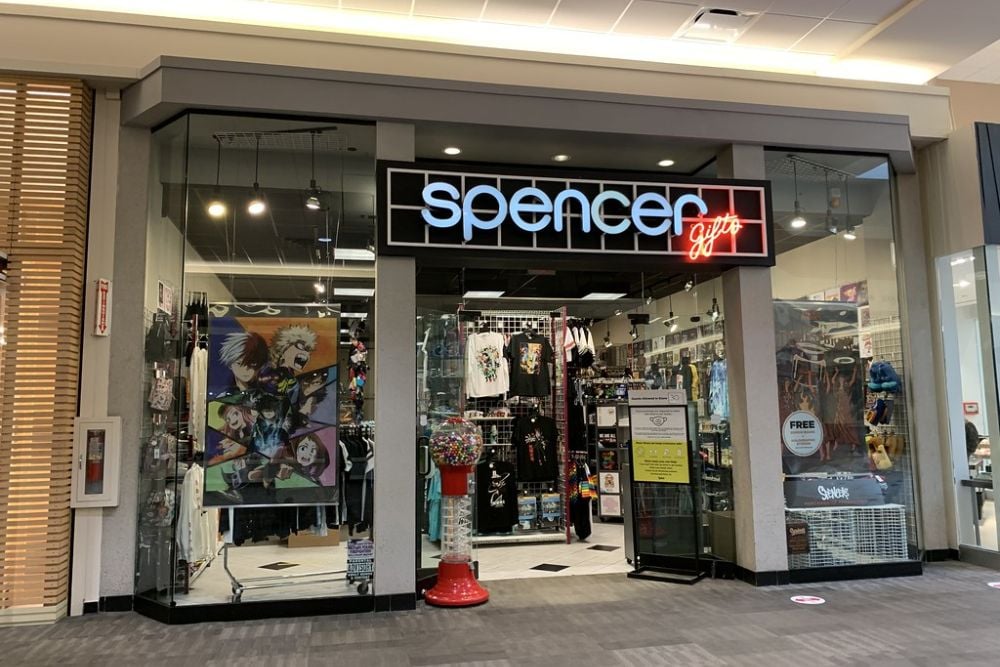
This unique retailer specialized in gag gifts, black light posters, and items that pushed the boundaries of taste. Teenagers flocked to Spencer’s to giggle at risqué novelties and browse merchandise that parents might not approve of.
Though some locations remain, their formerly ubiquitous presence has dwindled significantly as novelty shopping moved online.
Orange Julius
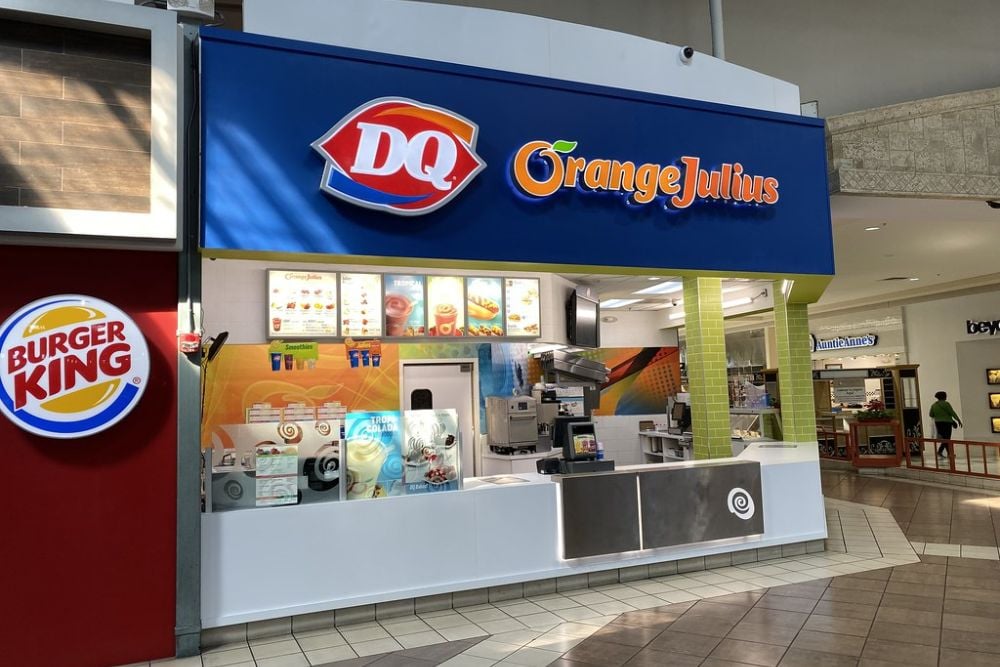
The frothy, sweet orange drink was a mall shopping tradition for decades. The distinctive taste and the ritual of stopping for refreshment made this chain a landmark in virtually every food court in America.
While some Dairy Queen locations still serve the beverage, the standalone Orange Julius counters with their signature orange decor have mostly vanished.
Travel Agencies
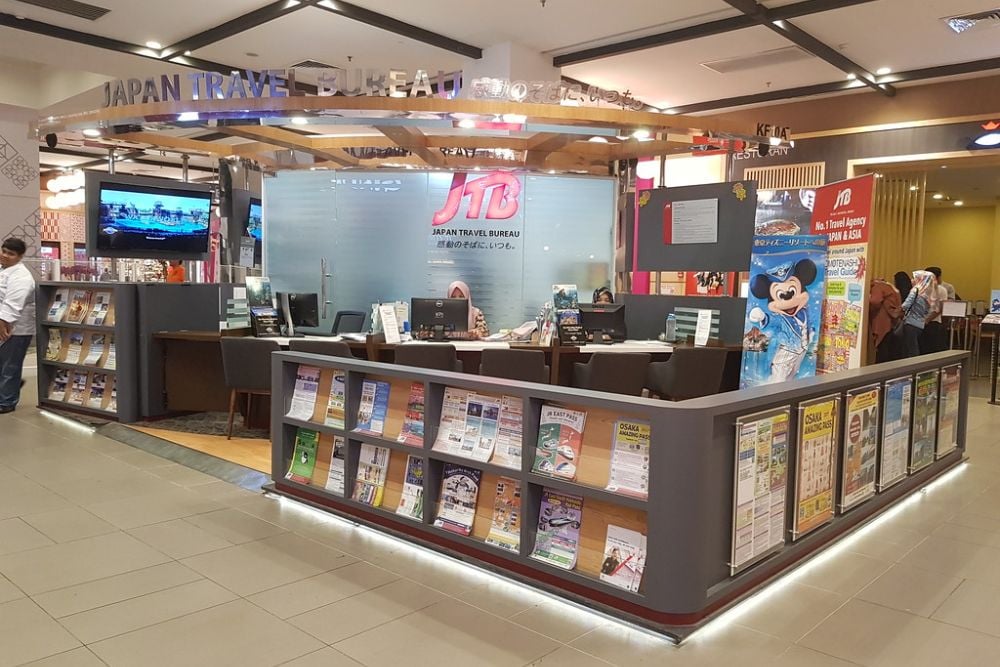
Before online booking revolutionized vacation planning, mall travel agencies with their window displays of tropical destinations were how most Americans arranged their getaways. Agents would sit with customers, flip through glossy brochures, and book complete vacations packages.
The internet transformed this industry almost overnight, making these storefronts early casualties of digital disruption.
Glamour Shots
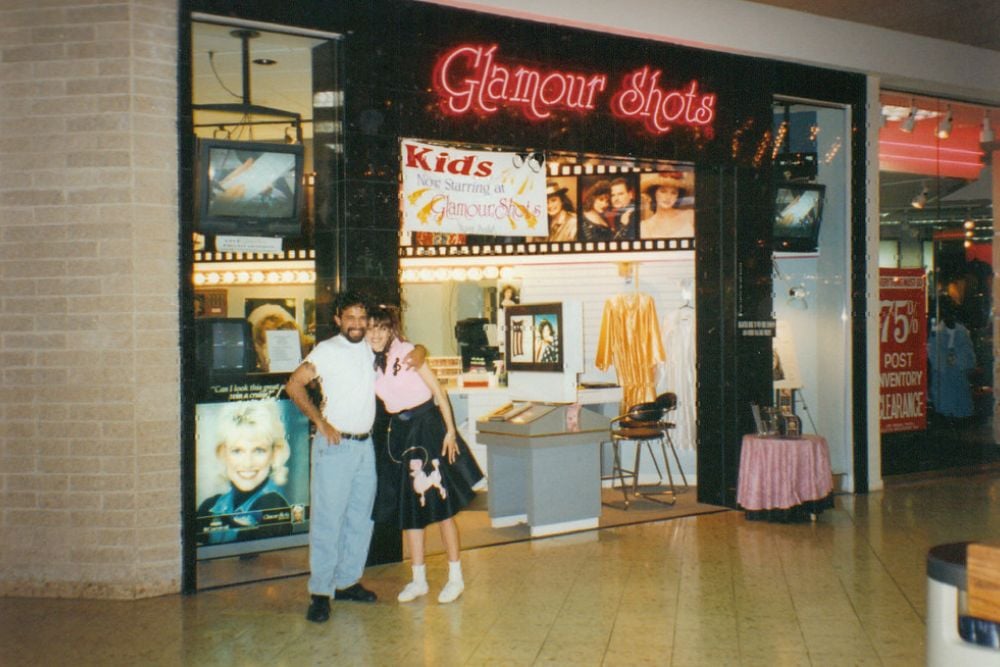
Nothing says ’90s mall culture like the soft-focus, over-styled portrait sessions at Glamour Shots. These photo studios provided makeovers and professional shoots, transforming ordinary people into their most dramatic selves, adorned with feather boas and dramatic lighting.
Social media and digital photography eliminated the need for these once-coveted portrait sessions.
Pay Phones
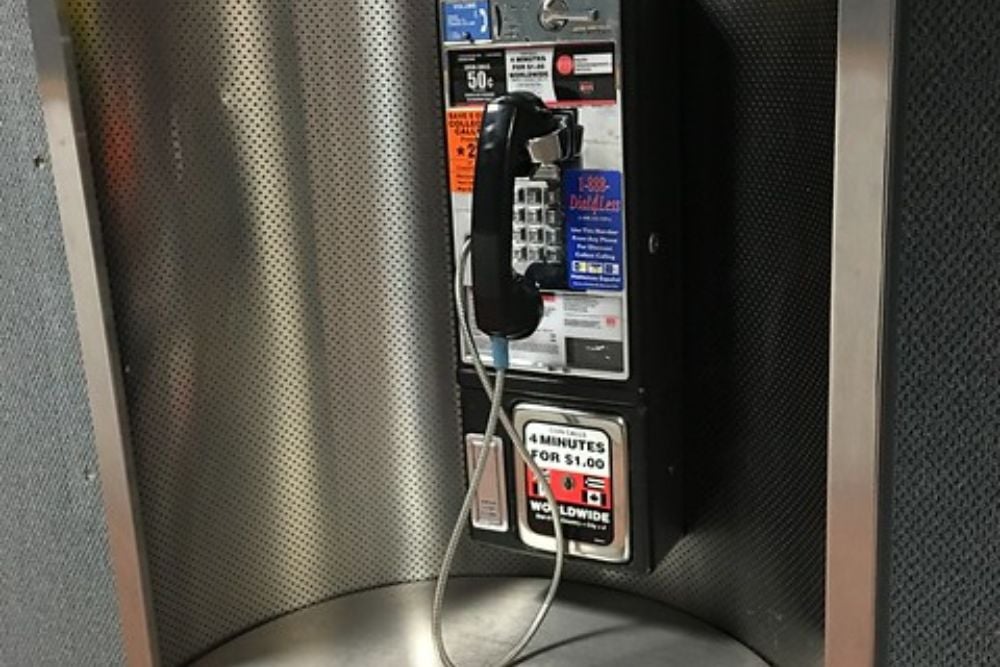
Those clustered communication stations near mall entrances and food courts served as lifelines before cell phones became ubiquitous. Teens would call for rides home, friends would coordinate meetups, and adults would check in with babysitters.
Today, these communication hubs have all but disappeared, making those iconic phone booths relics of a not-so-distant past.
Smoking Areas
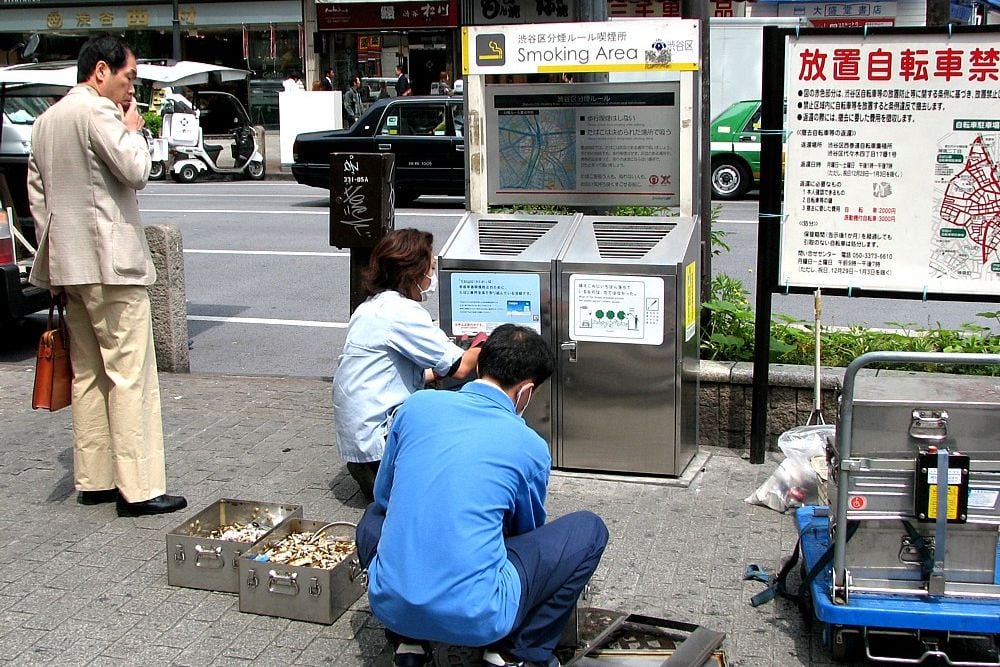
Hard to imagine now, but malls once designated specific sections where shoppers could take smoking breaks. These areas, often near entrances or in secluded corridors, featured distinctive ashtrays and were frequently crowded during peak shopping hours.
Changing health regulations and social attitudes toward smoking have eliminated these spaces entirely from the modern mall experience.
Video Rental Stores
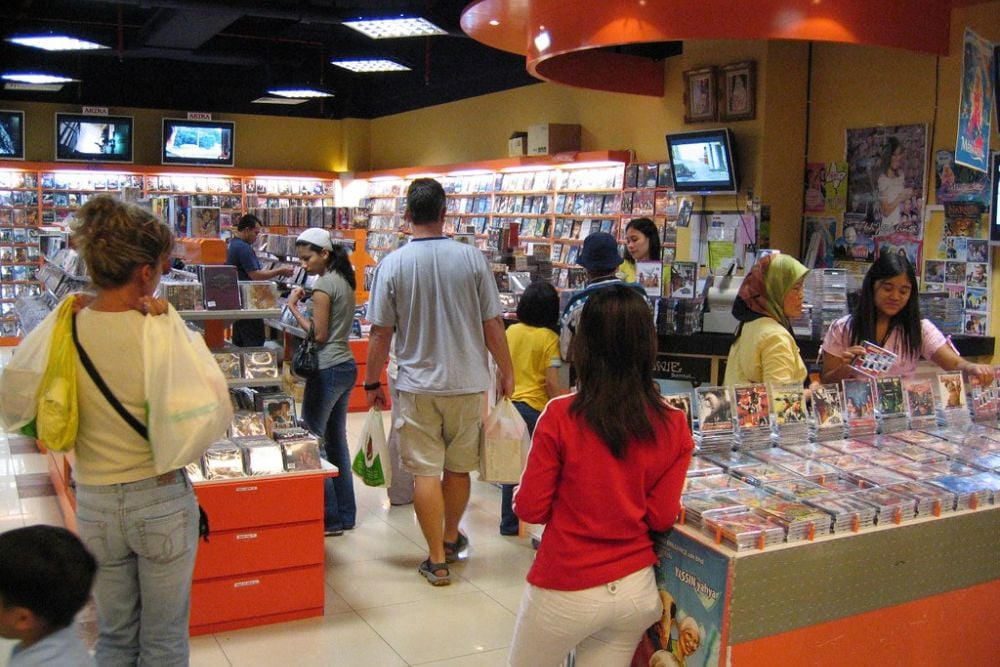
Blockbuster and other video rental chains were weekend destination spots where families would browse for movie night selections. The distinctive atmosphere of these stores—with their categorized shelves and new release walls—created a shared cultural experience.
Streaming services have completely replaced this once-essential mall tenant, leaving only memories of late fees and ‘be kind, rewind’ stickers.
Department Store Cafeterias
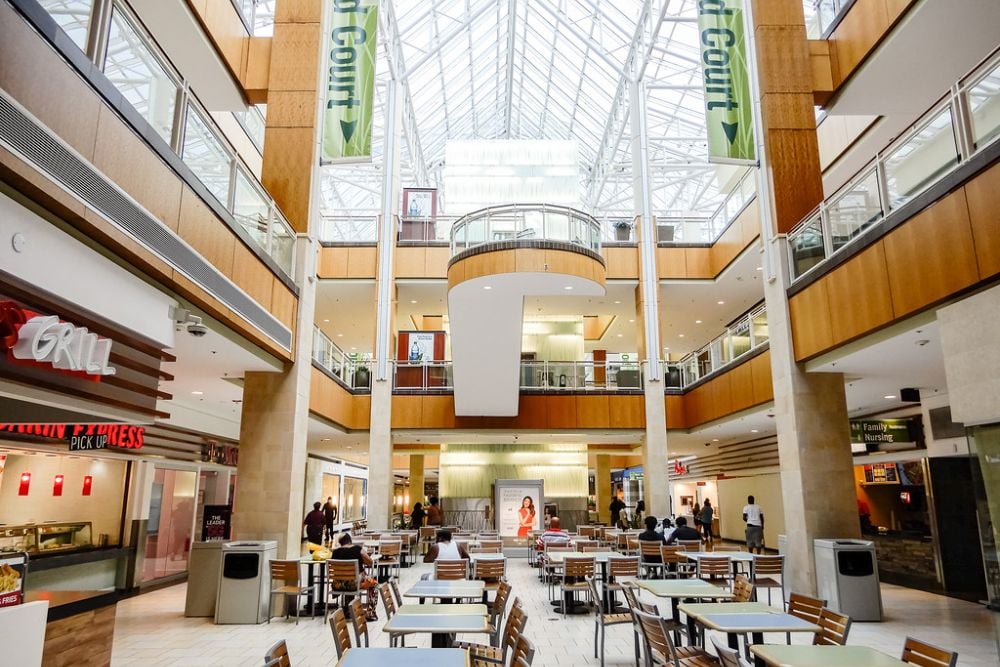
Many anchor department stores like JCPenney, Sears, and Macy’s once featured full-service restaurants where shoppers could enjoy affordable meals in surprisingly elegant settings. These cafeterias were particularly popular with older shoppers and families looking for a proper sit-down meal during marathon shopping trips.
Most have closed as department stores have struggled to maintain profitability in changing retail landscapes.
The Retail Time Capsule
The American mall represents more than just shopping—it captures distinct eras of our collective experience. While these 15 once-ubiquitous features have largely disappeared, they’ve left lasting impressions on generations who grew up meeting friends at the fountain or spending allowances at the arcade.
As retail continues evolving, today’s mall staples may similarly fade into memory, creating nostalgia for future generations about things we currently take for granted.
More from Go2Tutors!

- The Romanov Crown Jewels and Their Tragic Fate
- 13 Historical Mysteries That Science Still Can’t Solve
- Famous Hoaxes That Fooled the World for Years
- 15 Child Stars with Tragic Adult Lives
- 16 Famous Jewelry Pieces in History
Like Go2Tutors’s content? Follow us on MSN.