Film scores that defined movie history
From the moment sound first graced cinema screens, music became the invisible force that could make audiences weep, cheer, or jump out of their seats. Film scores don’t just accompany movies—they become part of our cultural DNA, instantly transporting us back to pivotal moments in cinematic history.
Certain compositions have done more than enhance their respective films; they’ve fundamentally changed how movies are made and experienced. Here are 15 film scores that didn’t just define their movies—they defined movie history itself.
King Kong
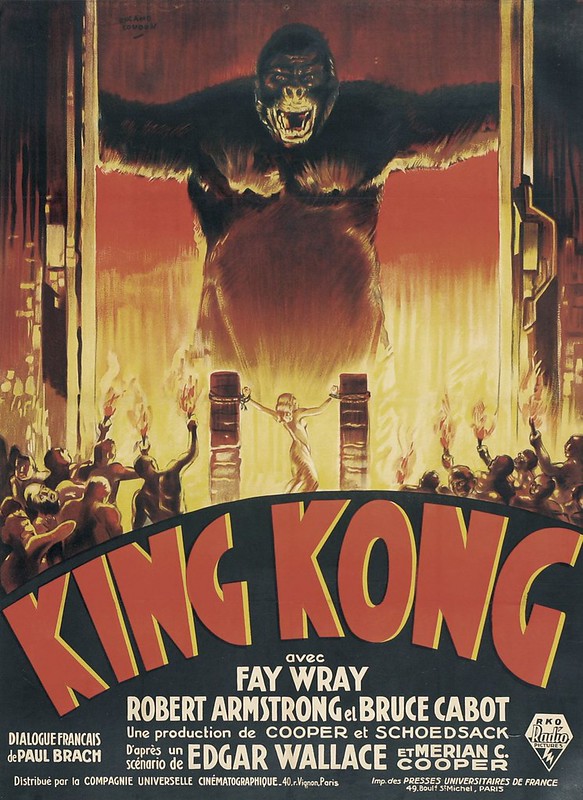
Max Steiner’s 1933 masterpiece for King Kong literally saved RKO Pictures from bankruptcy and established the blueprint for modern film scoring. Before this groundbreaking work, most films used generic mood music or recycled classical pieces. Steiner created individual musical themes for characters and locations, pioneering the leitmotif technique that became standard practice. Producer Merian Cooper paid $50,000 out of his own pocket for the orchestral recording because he understood what studio executives didn’t—that original music could make or break a film’s emotional impact.
Gone with the Wind
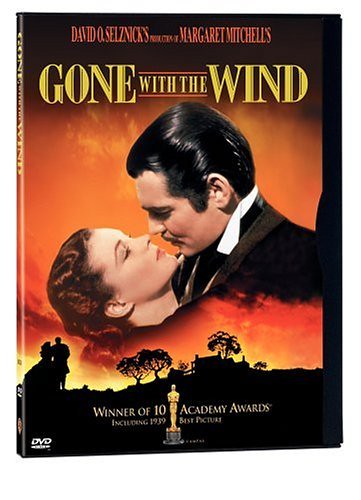
Steiner struck gold again in 1939 with Gone with the Wind, creating what many consider the most recognizable film theme of all time. The sweeping ‘Tara’ theme perfectly captures Scarlett O’Hara’s deep connection to her plantation home, while the score’s romantic grandeur helped define how epic period dramas should sound. This score ranked second on the American Film Institute’s list of greatest film scores, cementing Steiner’s reputation as the father of film music.
Casablanca
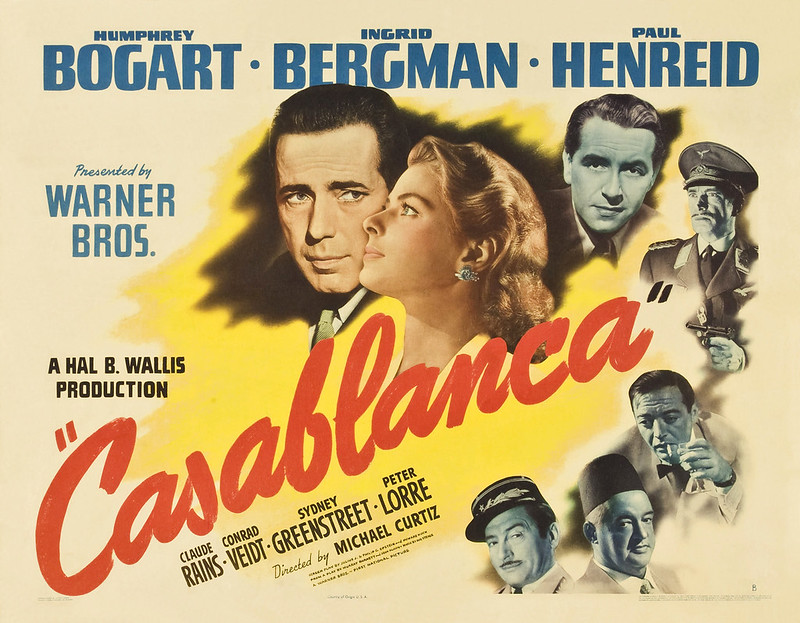
Though Steiner didn’t write ‘As Time Goes By’—and famously hated the song—his 1942 score for Casablanca transformed Herman Hupfeld’s forgotten 1931 tune into one of cinema’s most beloved themes. Steiner’s genius lay in weaving the melody throughout the film in countless variations, each one perfectly matched to the emotional beats of Rick and Ilsa’s doomed romance. His orchestral arrangements proved that a great composer could elevate even material they personally disliked into something transcendent.
Citizen Kane
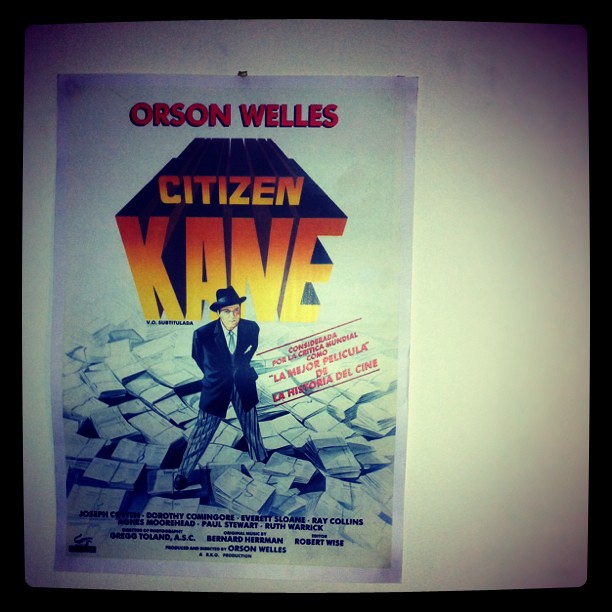
Bernard Herrmann’s innovative 1941 score broke every rule in Hollywood’s book. Instead of providing constant musical accompaniment, Herrmann used strategic silence and unconventional orchestrations to mirror the psychological complexity of Charles Foster Kane. His use of radio-broadcast techniques and stark, modernist harmonies influenced generations of composers who realized film music didn’t always have to be pretty—it just had to serve the story.
Psycho
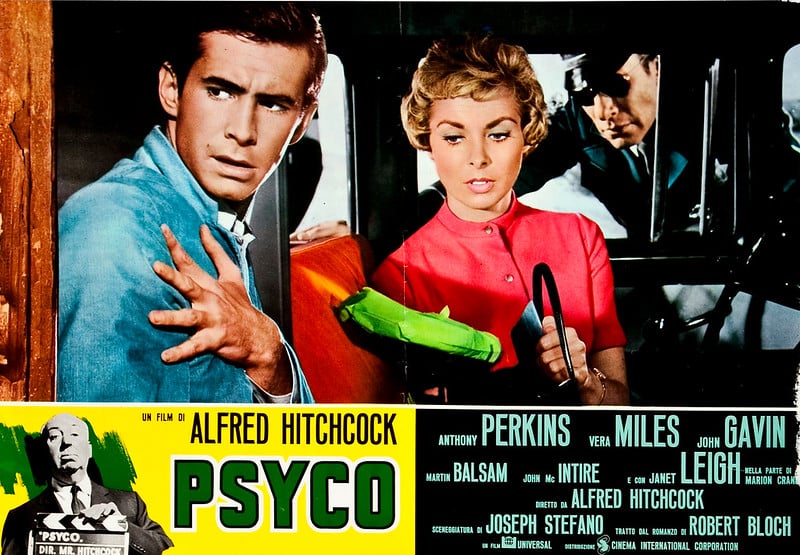
Herrmann’s 1960 Psycho score, composed entirely for strings, proved that less could definitely be more. The shrieking violins during the shower scene created one of cinema’s most terrifying moments using nothing but acoustic instruments. Herrmann’s decision to score the film in black and white sonically—using only string instruments—perfectly matched Hitchcock’s stark visual approach and established new possibilities for horror film music.
The Good, the Bad and the Ugly
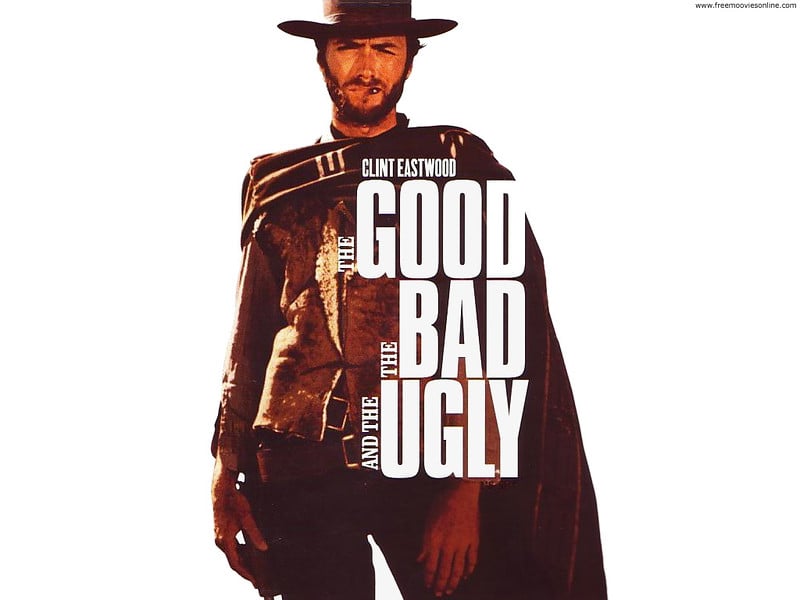
Ennio Morricone’s 1966 spaghetti western score changed everything about how westerns could sound. Trading traditional orchestral arrangements for electric guitars, whistling, and unconventional percussion, Morricone created a sound that was both modern and timeless. The main theme’s instantly recognizable whistle became a cultural shorthand for showdowns, while Morricone’s innovative approach influenced everyone from rock musicians to avant-garde composers.
2001: A Space Odyssey
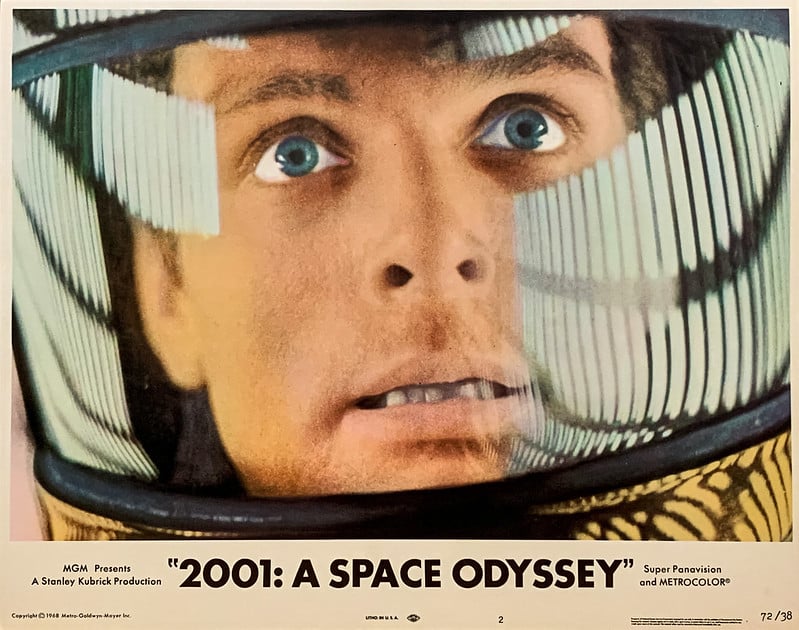
Stanley Kubrick’s bold 1968 decision to use existing classical recordings instead of commissioned music was revolutionary in its own right. By pairing Richard Strauss’s ‘Also Sprach Zarathustra’ with stunning visuals of space travel, Kubrick demonstrated that the right classical piece could feel more futuristic than any specially written score. This approach influenced countless directors to consider pre-existing music as a viable alternative to original compositions.
Jaws
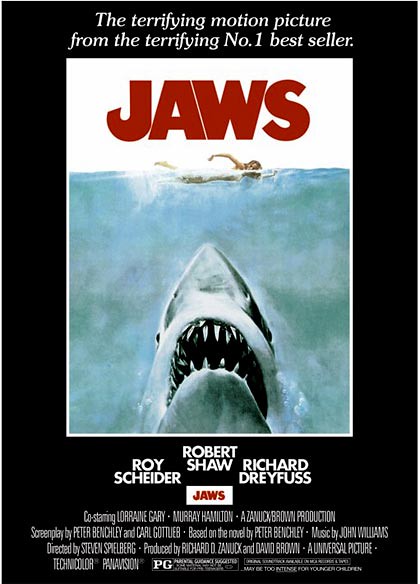
John Williams’s deceptively simple 1975 Jaws theme—just two alternating notes—became the most effective musical scare tactic in film history. The brilliance lies not in complexity but in restraint; Williams understood that sometimes the most powerful music is also the most economical. Those two notes created a Pavlovian response in audiences that persists decades later, proving that memorable film music doesn’t require elaborate orchestrations.
Star Wars
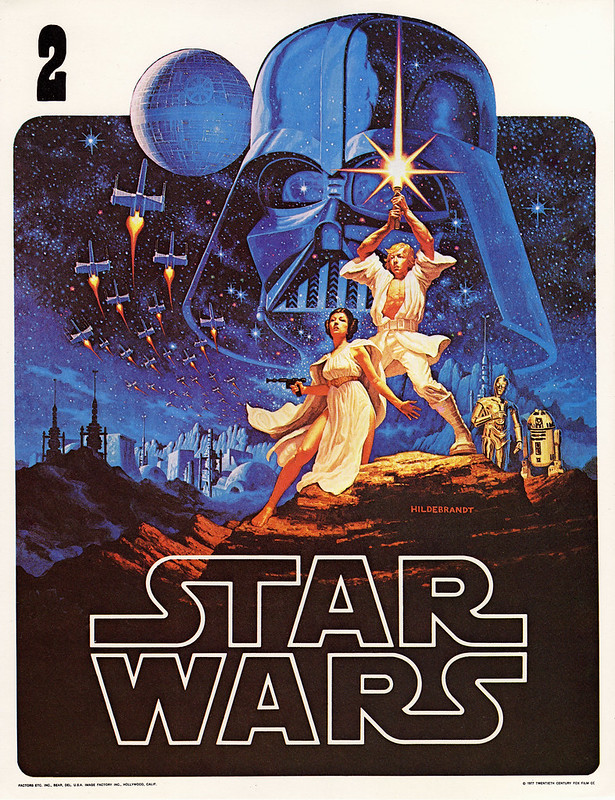
Williams’s 1977 Star Wars score single-handedly brought symphonic film music back from the dead. During the 1970s, many filmmakers favored pop songs and synthesizers over traditional orchestras. Williams’s romantic, neo-Wagnerian approach reminded Hollywood and audiences alike of orchestral music’s emotional power. The main theme became instantly iconic, while Williams’s use of leitmotifs created a musical universe as complex as the fictional galaxy on screen.
E.T. the Extra-Terrestrial
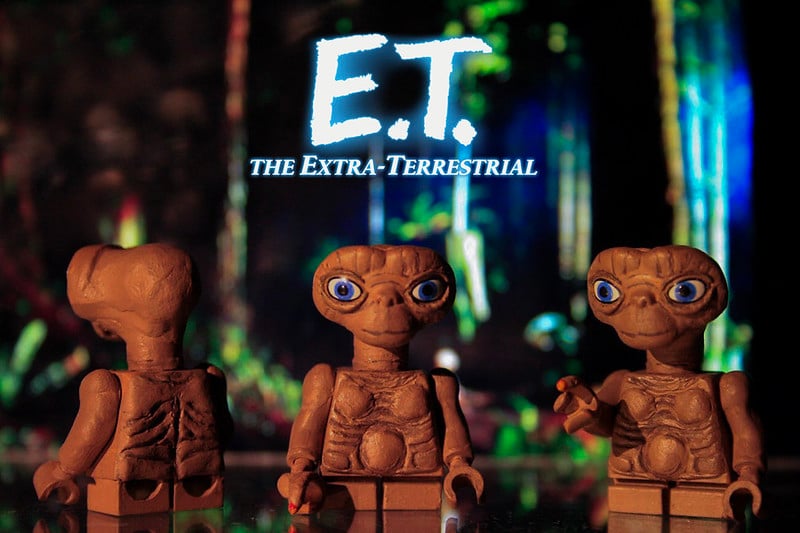
Williams’s 1982 masterpiece for E.T. demonstrated his unparalleled ability to capture pure emotion through music. The soaring theme perfectly embodies the wonder and heartbreak of Elliott’s relationship with the alien visitor. Williams’s skill at creating melodies that feel both magical and deeply human helped establish him as the most successful film composer in history, with more Academy Award nominations than any individual except Walt Disney.
Blade Runner
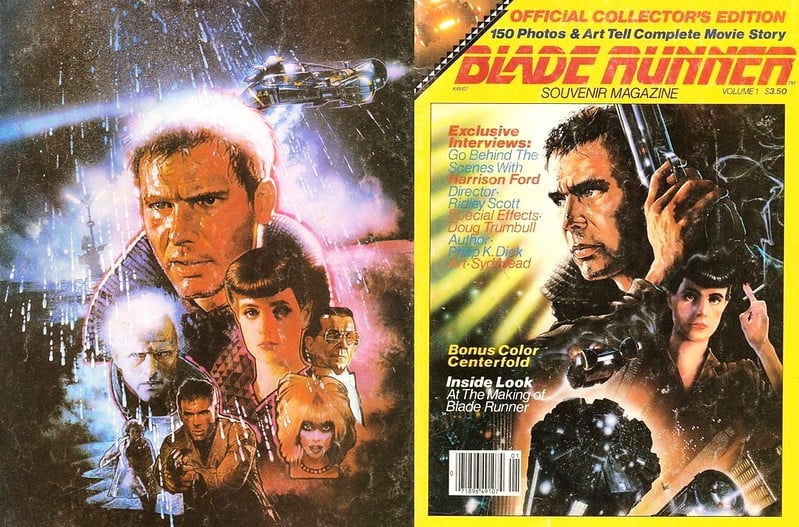
Vangelis’s groundbreaking 1982 electronic score for Blade Runner proved that synthesizers could create atmosphere just as effectively as traditional orchestras. The Greek composer’s ambient, futuristic soundscapes perfectly matched the film’s dystopian vision while influencing an entire generation of electronic musicians. This score demonstrated that film music could be both commercially successful and artistically innovative, paving the way for electronic music in mainstream cinema.
Batman
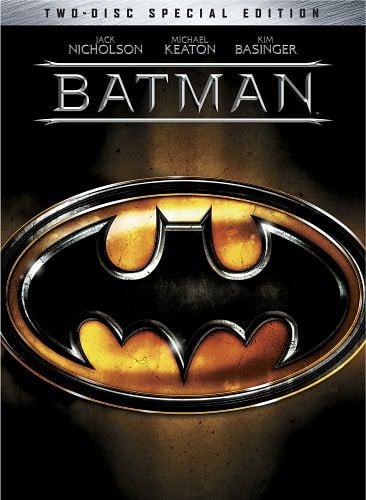
Danny Elfman’s dark, gothic 1989 score for Tim Burton’s Batman proved that superhero movies could have serious musical depth. Elfman’s brooding orchestrations perfectly captured the psychological complexity of both Batman and Gotham City. His success with Batman launched him into the top tier of film composers while establishing the template for how modern superhero films should sound—dark, complex, and emotionally grounded.
Jurassic Park
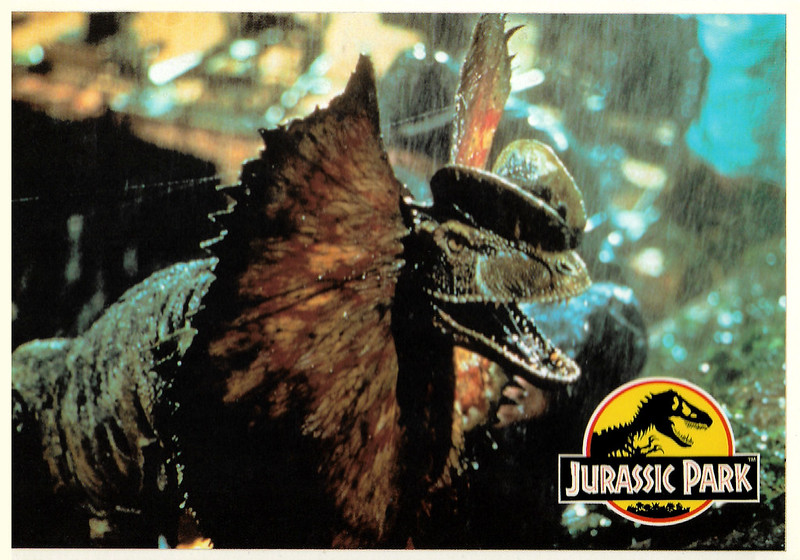
Williams’s 1993 Jurassic Park score masterfully balanced wonder and terror, creating themes that could shift from majestic to menacing within moments. The main theme captures the awe-inspiring beauty of seeing dinosaurs for the first time, while Williams’s action cues during the raptors’ hunt sequences created edge-of-your-seat tension. This score proved that blockbuster entertainment and sophisticated composition weren’t mutually exclusive.
The Lion King
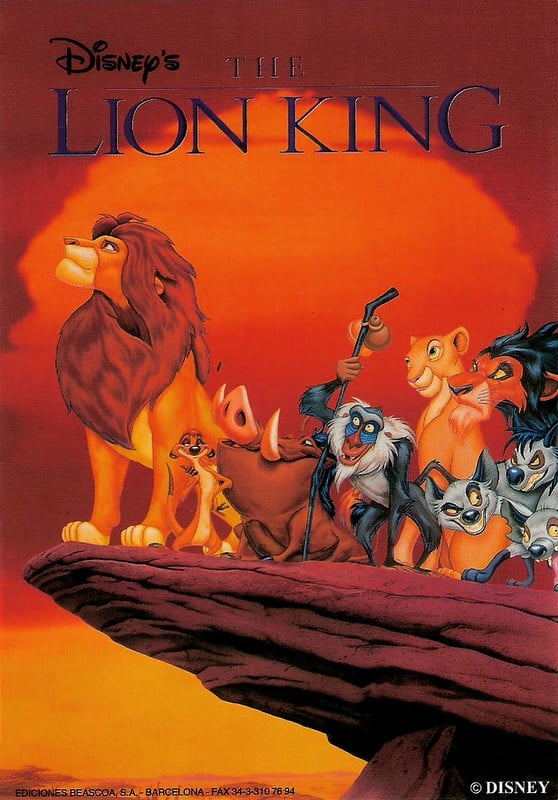
Hans Zimmer’s 1994 collaboration with Elton John for The Lion King revolutionized animated film music by blending African musical traditions with Western orchestral techniques. Songs like ‘Circle of Life’ became global phenomena, while Zimmer’s instrumental score used authentic African instruments and vocal techniques to create unprecedented authenticity. This approach influenced how animated films incorporated world music traditions into their storytelling.
Gladiator
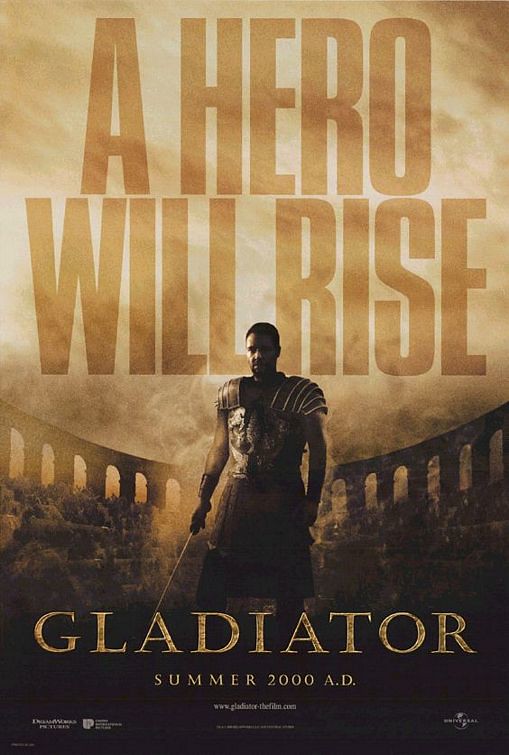
Zimmer’s 2000 Gladiator score, featuring vocals by Lisa Gerrard, created a new template for historical epics by blending ancient-sounding vocals with modern electronic techniques. The haunting main theme became synonymous with heroic sacrifice, while Zimmer’s innovative production techniques influenced countless action films. This score demonstrated how traditional orchestral music could be enhanced by electronic processing without losing emotional impact.
The lasting power of great film music
These fifteen scores didn’t just enhance their respective films—they became cultural touchstones that continue influencing composers, filmmakers, and audiences today. From Steiner’s pioneering work in the 1930s to Zimmer’s modern innovations, each score expanded the possibilities of what film music could achieve. They proved that when image and sound work in perfect harmony, the result transcends mere entertainment to become something approaching art.
More from Go2Tutors!

- 16 Historical Figures Who Were Nothing Like You Think
- 12 Things Sold in the 80s That Are Now Illegal
- 15 VHS Tapes That Could Be Worth Thousands
- 17 Historical “What Ifs” That Would Have Changed Everything
- 18 TV Shows That Vanished Without a Finale
Like Go2Tutors’s content? Follow us on MSN.



