17 Outrageous Product Recalls You Forgot About
Product recalls happen all the time, but most fade into the background noise of corporate announcements and consumer warnings. While we remember the big ones like Samsung’s exploding phones or Tylenol’s cyanide crisis, countless other recalls have been equally shocking, dangerous, or downright bizarre.
Some of these recalls make you wonder how the products ever made it to market in the first place. Here is a list of 17 outrageous product recalls that slipped from public memory despite their jaw-dropping circumstances.
Ford Pinto
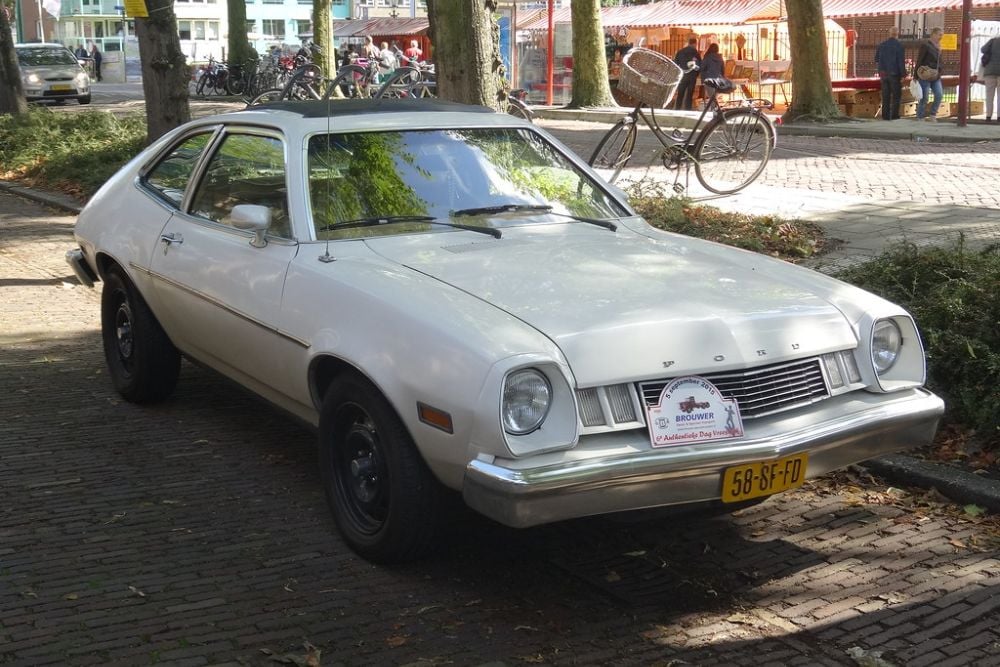
In 1978, 1.5m Pintos were recalled after it was discovered that a flaw in the design of the fuel tank could cause the car to erupt into flames after suffering just the tiniest of bumps. The fuel tank’s placement behind the rear axle made it vulnerable to puncture during rear-end collisions.
Ford ran a cost-benefit analysis on the matter and found it would be cheaper to pay off the possible lawsuits of crash victims in out–of–court settlements. This cold calculation became known as ‘The Pinto Memo’ and remains one of the most cynical corporate decisions in automotive history.
Easy-Bake Oven
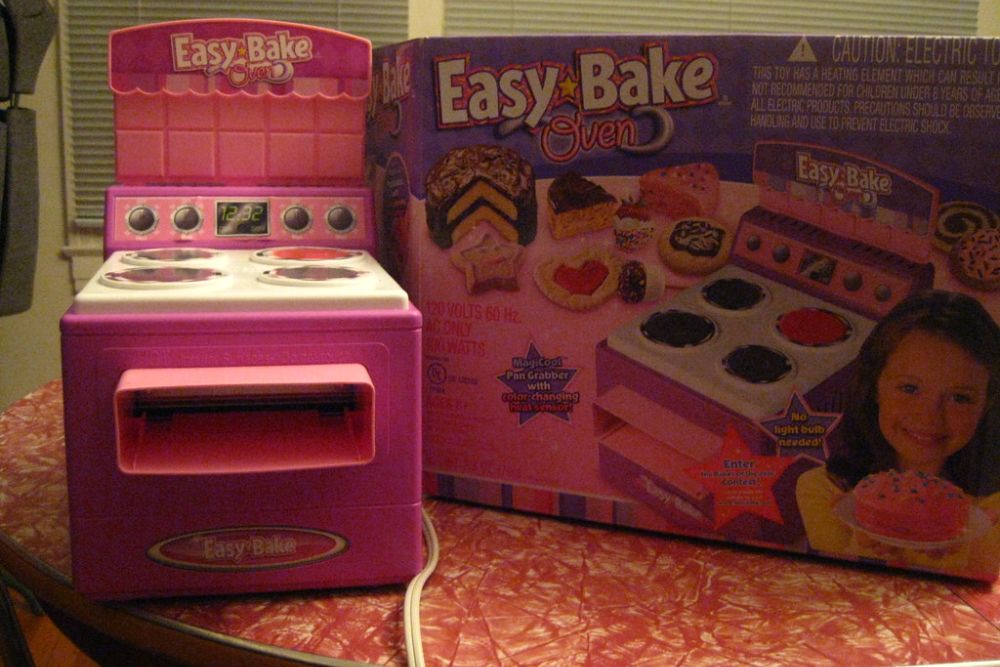
Almost 1 million Easy-Bake Ovens were recalled in February 2007 due to entrapment and burn hazards. Children were getting their fingers trapped in the oven’s opening, leading to severe burns that required amputation in some cases.
The toy that was supposed to inspire young chefs was instead sending kids to the emergency room with injuries that would affect them for life.
Like Go2Tutors’s content? Follow us on MSN.
CSI Fingerprint Kit
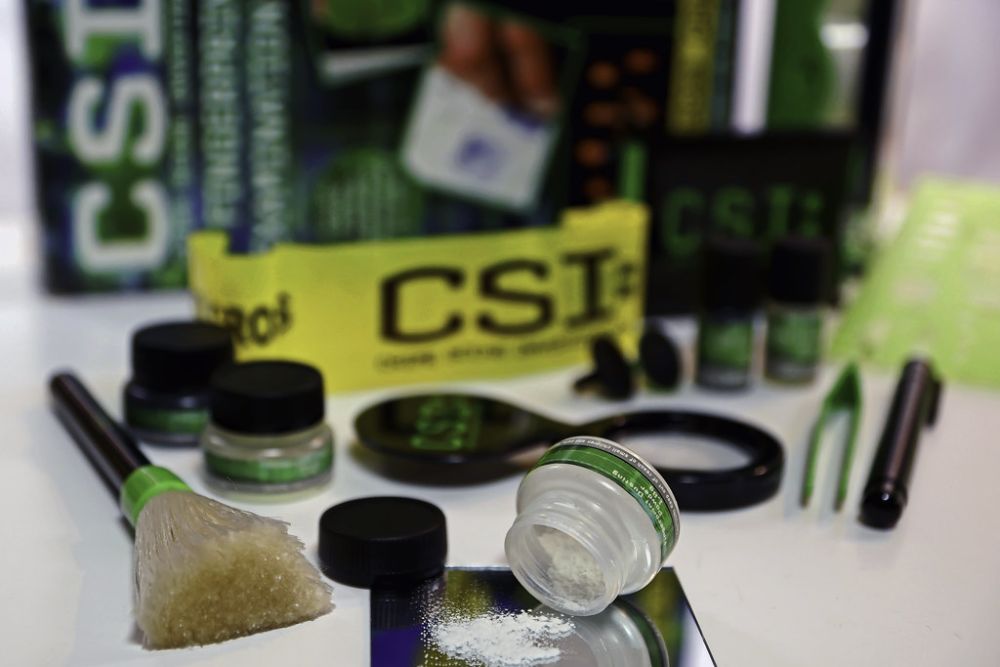
The popular forensics kit contained actual asbestos in its fingerprint powder. CSI Fingerprint Kit (asbestos) was among the dangerous toys that posed serious health hazards to children.
Kids playing detective were unknowingly exposing themselves to a known carcinogen that could cause lung cancer and mesothelioma decades later. The irony was thick – a crime-solving toy that could create future victims.
CPSC Safety Pins

In a cruel twist of irony, the pins had to be recalled for containing too much lead as well as sharp edges and clips that presented a possible choking hazard. The Consumer Product Safety Commission had distributed around 80,000 lapel pins to promote toy safety in 1974.
These pins, meant to advocate for safer products, turned out to be dangerous themselves, creating one of the most embarrassing moments in regulatory history.
Aqua Dots
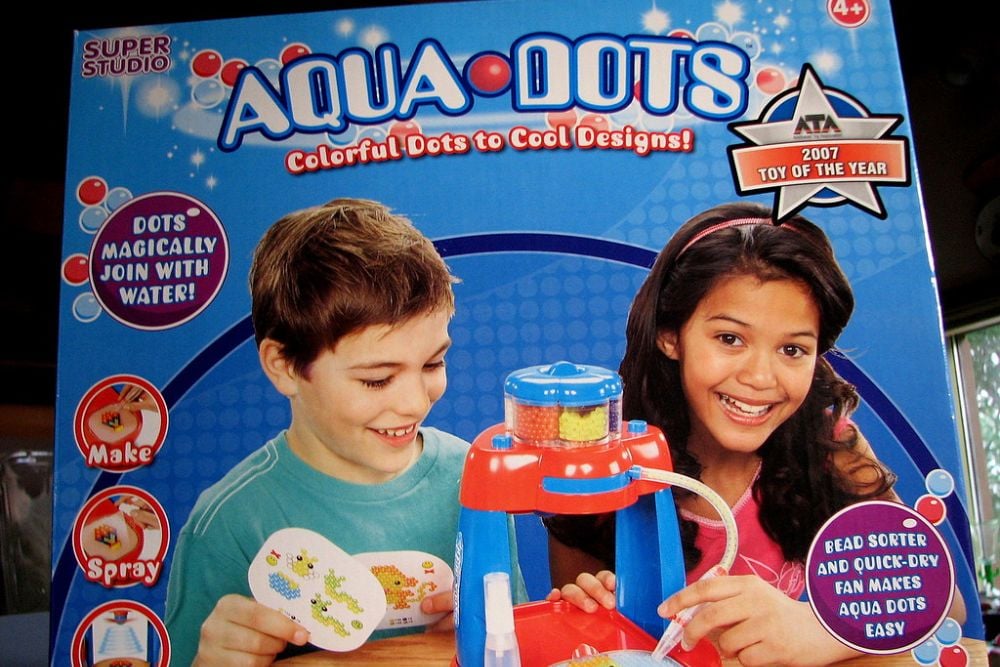
Produced by the Spin Master Corporation, Aqua Dots were small, colorful beads that were part of a multidimensional design craft kit. The problem was that the beads contained a chemical that metabolized into a date-rape drug when ingested.
Children who swallowed the beads fell into comas, with some requiring life support. The craft kit designed for creativity became a nightmare for parents and emergency room doctors.
Like Go2Tutors’s content? Follow us on MSN.
Polly Pocket Dolls
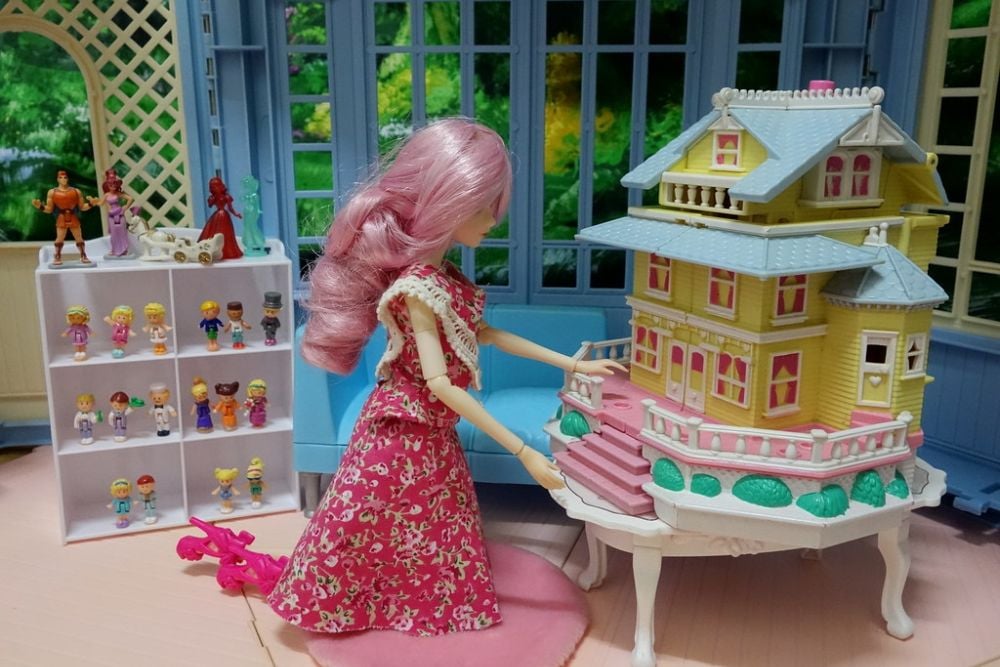
In August 2007, the CPSC issued a notice of voluntary recall on Polly Pocket dolls and play sets on behalf of Mattel. This recall advised consumers to stop using approximately 7.3 million toys sold between May 2006 and January 2007.
The tiny magnetic accessories were detaching and being swallowed by children, causing internal injuries when the magnets would attract each other through intestinal walls. The adorable pocket-sized dolls were literally tearing kids apart from the inside.
Lawn Darts

These backyard game projectiles were essentially missiles disguised as toys. Lawn Darts (injuries) were among the most dangerous toys ever created, causing multiple deaths and thousands of injuries before being banned.
The weighted metal tips could penetrate skulls when thrown with enough force, turning family barbecues into potential crime scenes.
Flubber
Mattel’s attempt to recreate the magical bouncing compound from Disney movies resulted in a product that gave children severe rashes and respiratory problems. Flubber (rashes) was listed among toys that posed serious hazards to children.
The synthetic material contained borax and other chemicals that caused allergic reactions so severe that some children required hospitalization.
Like Go2Tutors’s content? Follow us on MSN.
Kite Tubes
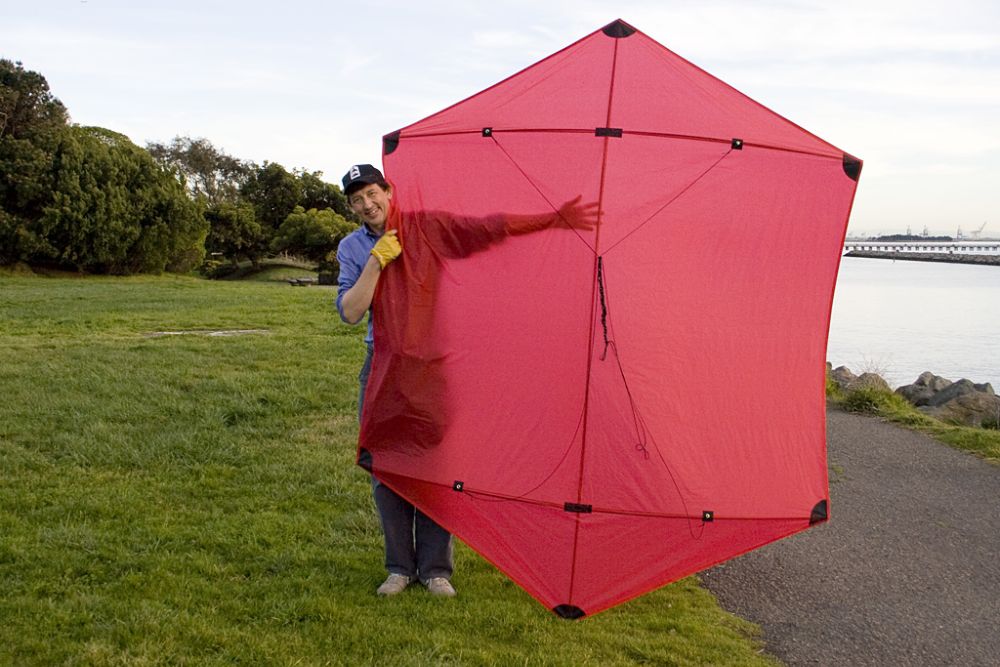
Kite Tubes (fatal) were inflatable snow tubes designed to be pulled behind snowmobiles, but they became airborne like kites, leading to fatal crashes. The tubes would lift riders 10-15 feet into the air before slamming them back down onto frozen ground or into trees.
Multiple deaths forced manufacturers to pull these winter thrill rides from the market.
Water Beads
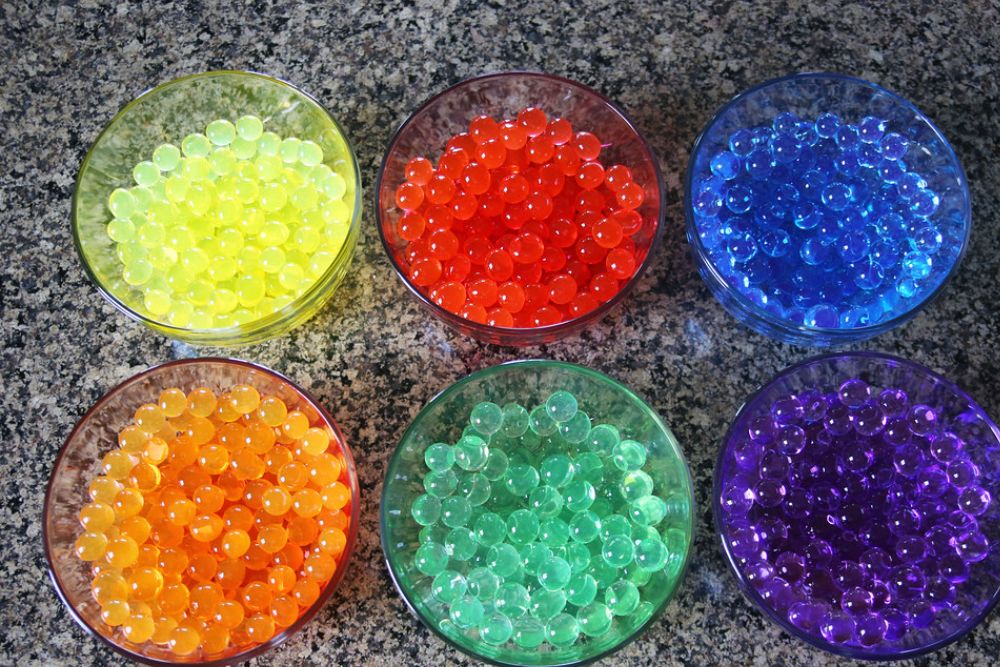
Water Beads (choking) presented serious choking hazards to young children who mistook them for candy or small toys. These super-absorbent polymer beads expand dramatically when wet, causing intestinal blockages that require surgical removal.
What seemed like harmless sensory toys turned into emergency surgery nightmares for families.
Takata Airbags
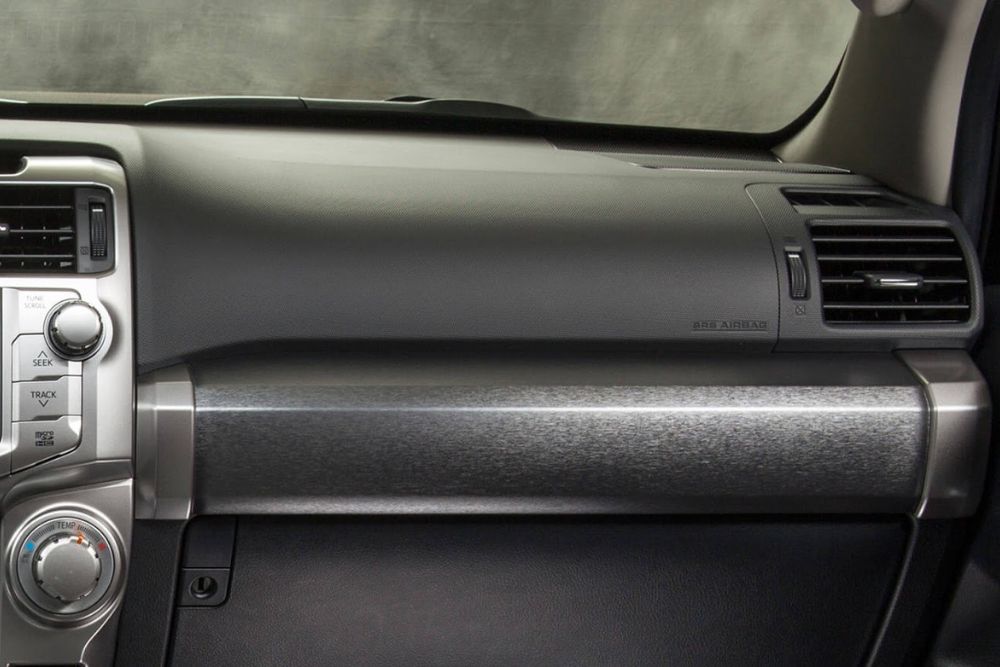
Faulty air-bag inflators made by now-bankrupt Takata were used by virtually every major automaker on the planet. The issue: The inflators can explode and eject a shrapnel-like material that has been linked to at least 20 deaths.
The safety devices designed to save lives in crashes were instead shooting metal fragments at drivers and passengers. This recall affected tens of millions of vehicles worldwide and bankrupted the company responsible.
Like Go2Tutors’s content? Follow us on MSN.
Peanut Corporation Products
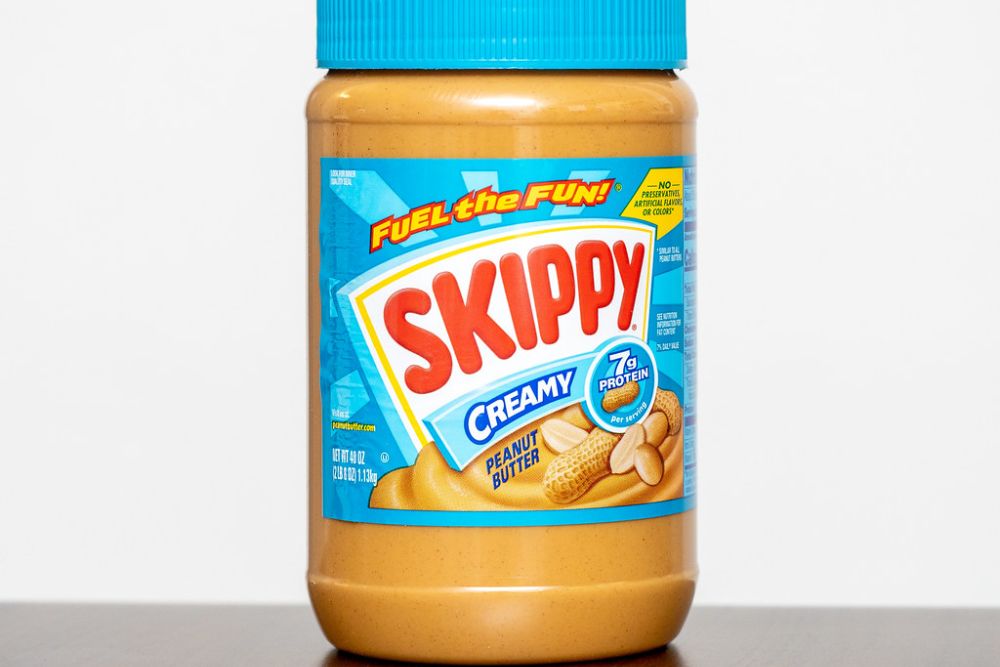
Because of the myriad of consumer items PCA’s bulk products went into, the Food and Drug Administration eventually recalled 3913 different products from at least 361 companies – one of the most extensive food recalls in US history. The salmonella contamination wasn’t accidental – executives knowingly shipped contaminated products, leading to criminal charges and prison sentences.
Nine people died and hundreds became ill from this corporate negligence.
Tylenol Cyanide Crisis
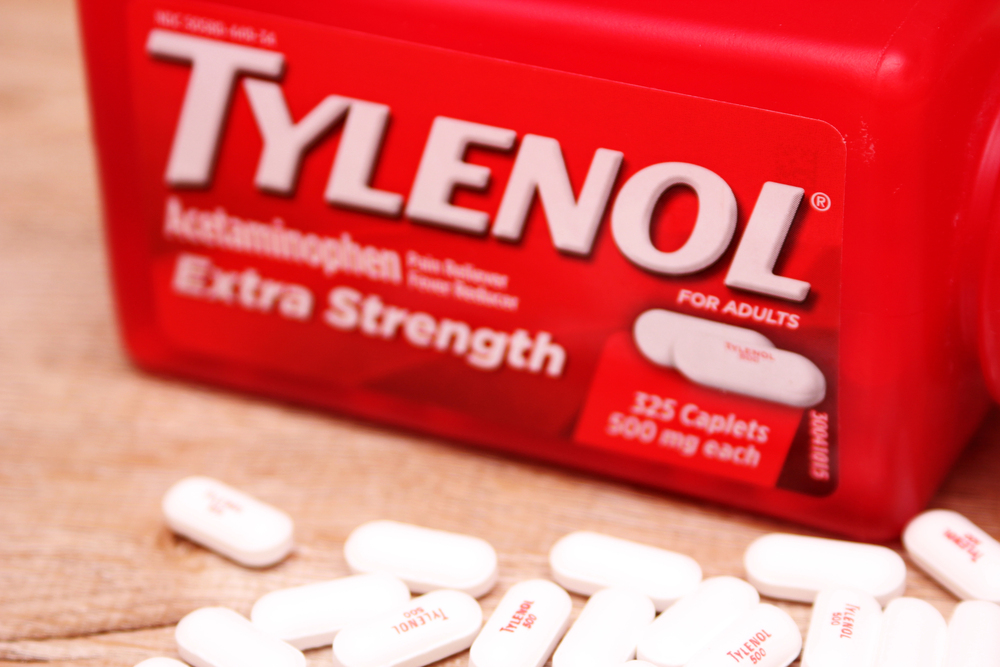
In September, 1982 Johnson & Johnson recalled all of its Tylenol products after 13 people died after taking pills that were purchased in the Chicago area. It was concluded that an individual had entered retail stores and tampered with the bottles – adding potassium cyanide.
While this wasn’t a manufacturing defect, the recall became the gold standard for corporate crisis management. Johnson & Johnson’s swift action and transparent communication helped restore public trust and revolutionized product packaging forever.
Magnetix Building Sets
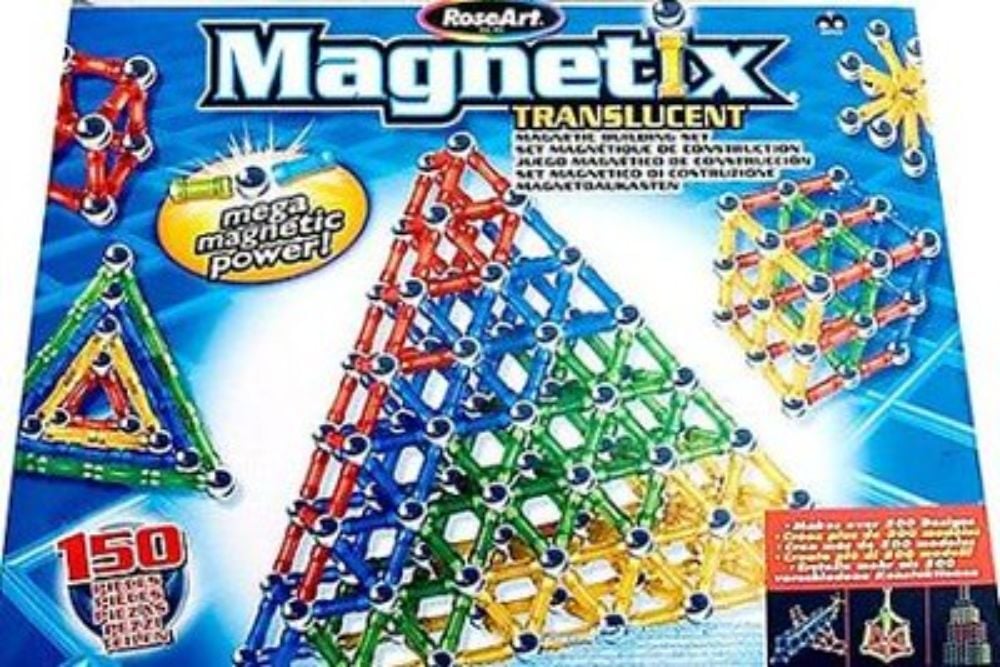
These magnetic construction toys seemed educational and fun until children started swallowing the powerful magnets. When multiple magnets were ingested, they would attract each other through intestinal walls, causing perforations, blockages, and requiring emergency surgery.
The toys that promised to build creativity instead built medical emergencies for families across the country.
Like Go2Tutors’s content? Follow us on MSN.
Fisher-Price Rock ‘n Play Sleeper
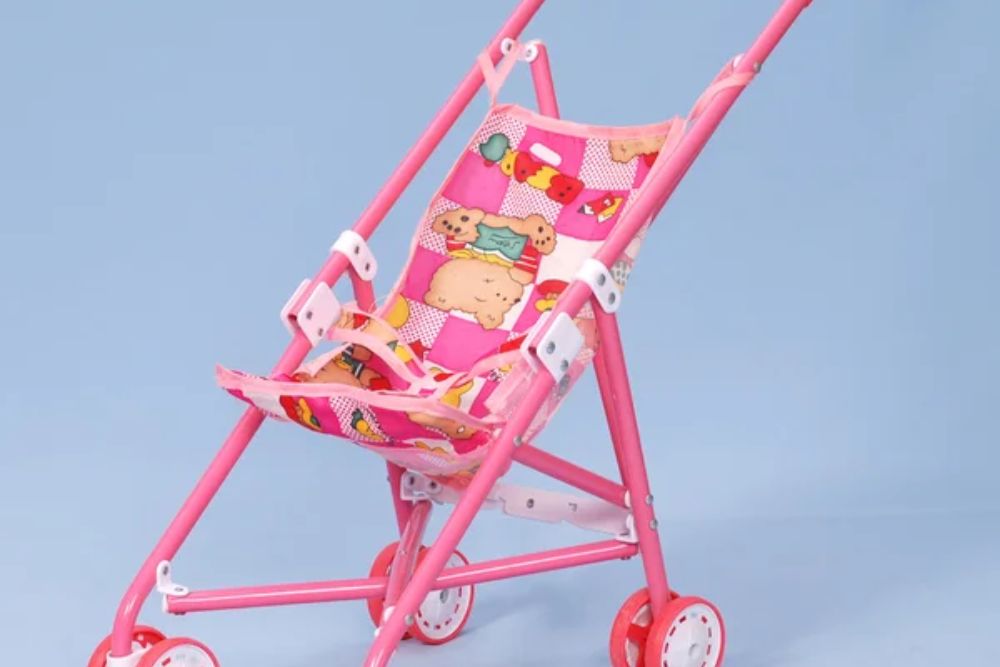
This popular infant sleeper was linked to over 30 deaths after babies rolled over and couldn’t breathe properly due to the inclined design. Parents trusted this product to keep their babies safe during sleep, but the very feature that made it appealing – the rocking motion and inclined angle – created deadly conditions for infants who couldn’t yet control their head and neck movements.
Samsung Galaxy Note 7
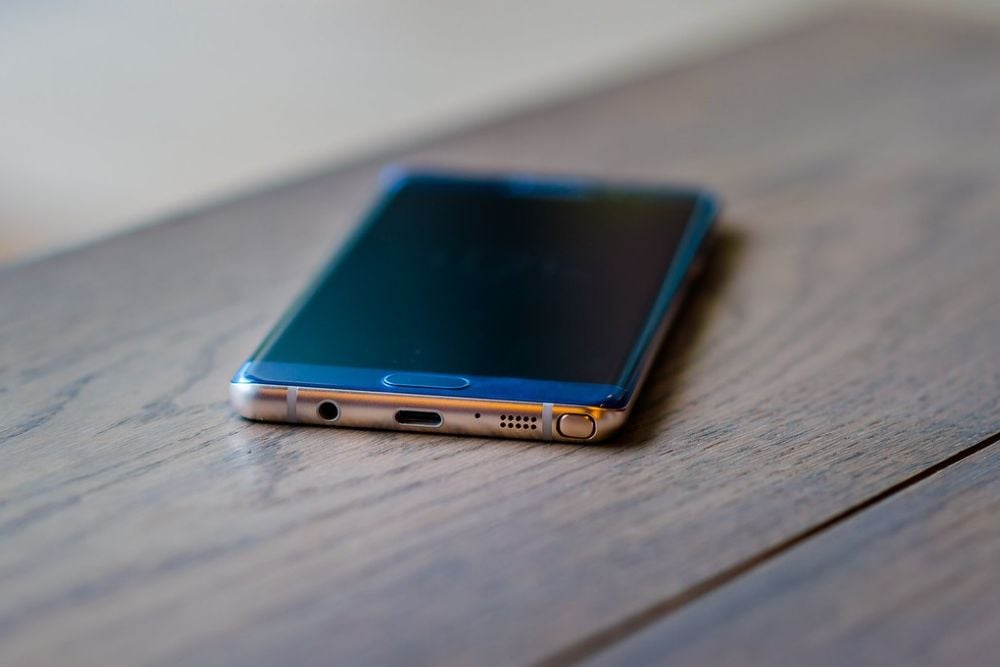
While more recent and well-remembered, this recall deserves mention for its sheer absurdity – phones that literally exploded. The lithium-ion batteries would overheat and catch fire, leading to burns, property damage, and even banned air travel.
Samsung’s flagship phone became so dangerous that airlines prohibited them entirely, creating a new category of banned items alongside weapons and explosives.
Hover Boards
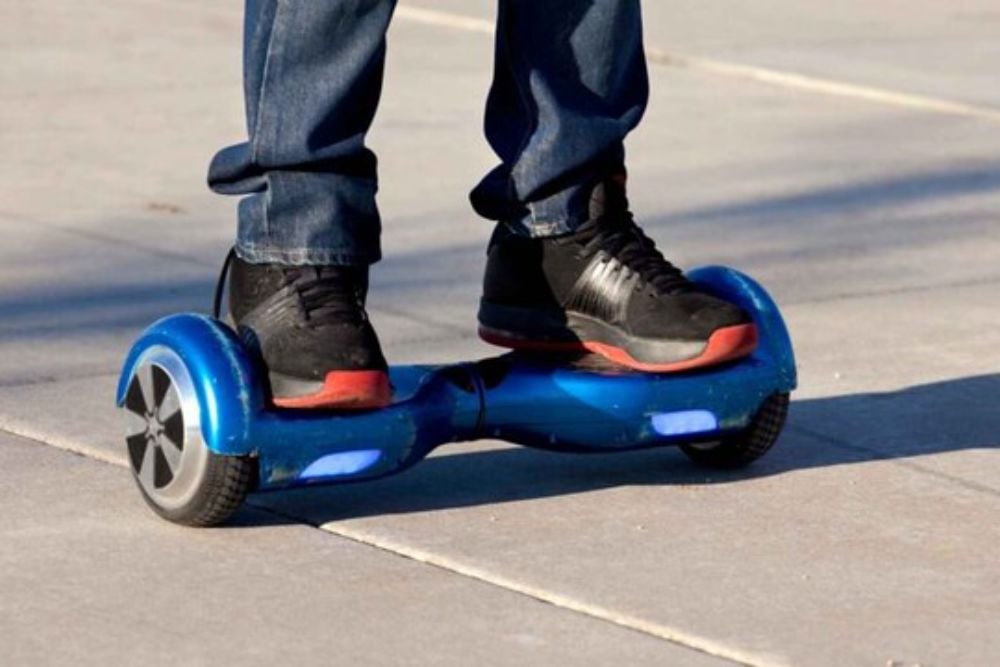
These self-balancing scooters became the must-have gift until they started catching fire while charging. Cheaply made lithium batteries would overheat and explode, burning down houses and injuring riders.
The futuristic transportation devices that promised to revolutionize personal mobility instead revolutionized home insurance claims and emergency room visits.
Like Go2Tutors’s content? Follow us on MSN.
When Safety Becomes the Enemy

These recalls remind us that even the most trusted brands and safety-focused products can harbor deadly flaws. From government safety pins containing lead to children’s toys laced with date-rape drugs, the most innocent-looking items sometimes pose the greatest threats.
The companies behind these products often knew about the dangers but chose profits over people, leading to preventable injuries and deaths. Today’s stricter regulations and faster communication help catch dangerous products more quickly, but consumer vigilance remains our best defense against the next outrageous recall waiting to happen.
More from Go2Tutors!

- 16 Historical Figures Who Were Nothing Like You Think
- 12 Things Sold in the 80s That Are Now Illegal
- 15 VHS Tapes That Could Be Worth Thousands
- 17 Historical “What Ifs” That Would Have Changed Everything
- 18 TV Shows That Vanished Without a Finale
Like Go2Tutors’s content? Follow us on MSN.