The Real Meaning of Roman Numerals
Roman numerals may appear to be archaic artifacts found only on expensive clocks or in movie sequels, but they are actually telling tales that have influenced human civilization for almost two millennia. You’re looking at more than just numbers when you see those well-known letters: I, V, X, L, C, D, and M.
You’re seeing the development of mathematical reasoning, trade, and human communication that shaped Europe for more than 1,800 years. Roman numerals are more than just an outdated method of writing numbers, despite what most people believe.
These symbols show how ancient societies developed systems that outlasted empires, adopted ideas from other cultures, and resolved real-world issues. Here is a list of fascinating meanings and stories behind Roman numerals that reveal their true significance in human history.
They Started as Practical Counting Tools

Ever wonder how you’d keep track of hundreds of sheep without modern technology? Roman numerals didn’t emerge from academic mathematics – they grew from everyday necessity.
The most compelling theory suggests shepherds created early versions by cutting marks into tally sticks, where a single notch became ‘I’, every fifth animal earned a double-cut resembling ‘V’, and every tenth got a cross-cut that looked like ‘X’. This wasn’t abstract mathematics – it was survival and livelihood translated into symbols that actually worked.
The Etruscans Laid the Foundation
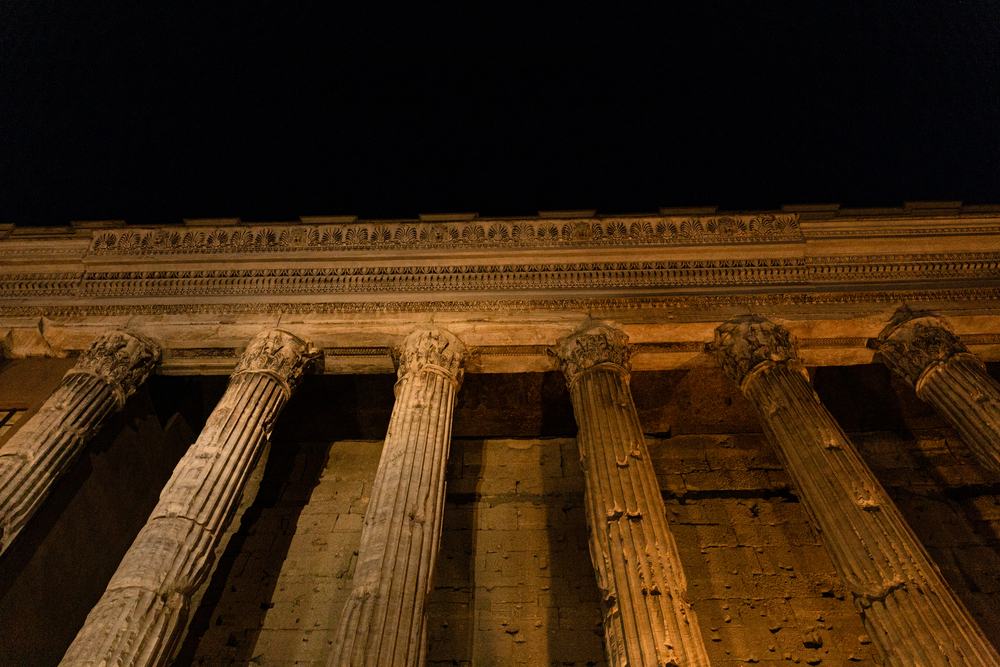
Roman numerals didn’t spring from Roman minds at all – they’re actually borrowed technology. The system directly descended from Etruscan number symbols, which themselves adapted Greek Attic numerals.
Romans took these foreign concepts and refined them into the letters we recognize today, proving that even ancient civilizations knew how to improve upon existing ideas.
Like Go2Tutors’s content? Follow us on MSN.
Hand Signals Influenced the Symbols

Picture an ancient marketplace where merchants from different cultures needed to communicate numbers despite speaking different languages. The theory suggests that I, II, and III represented fingers held up during bidding, while V showed a hand with thumb extended and fingers together.
For the number 10, merchants would cross their thumbs, creating an X shape that became a permanent symbol transcending spoken language.
They Powered an Empire’s Administration
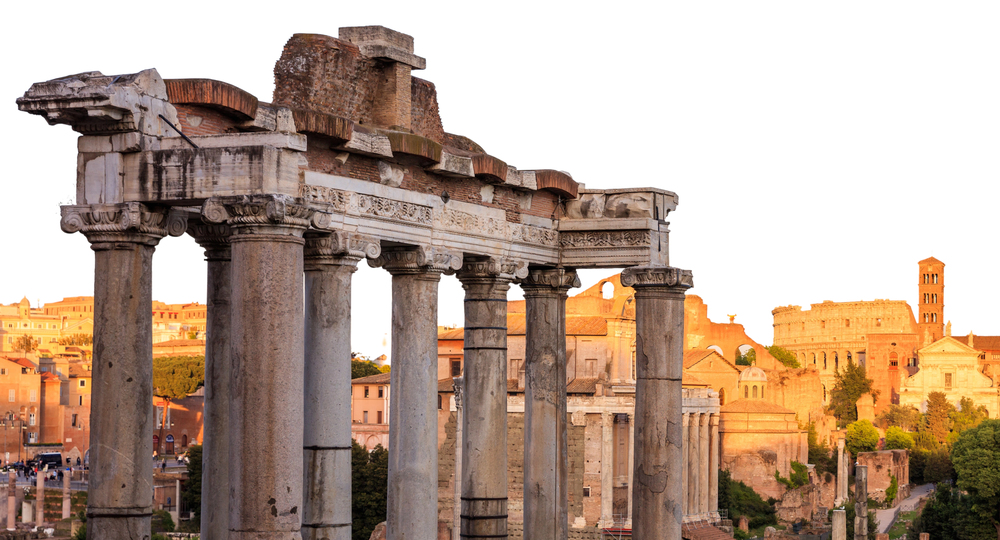
Roman numerals served as the administrative backbone of history’s most successful empire, handling everything from military records to architectural measurements for monuments like the Colosseum. Consider the organizational complexity required to manage territories spanning three continents using only these symbols.
Romans used these numbers for complicated mathematical applications including accounting, architecture, and engineering projects that still amaze us today. Every stone placed and every measurement calculated relied on Roman numerals to build the roads, aqueducts, and structures that defined their civilization.
The System Reveals Mathematical Thinking
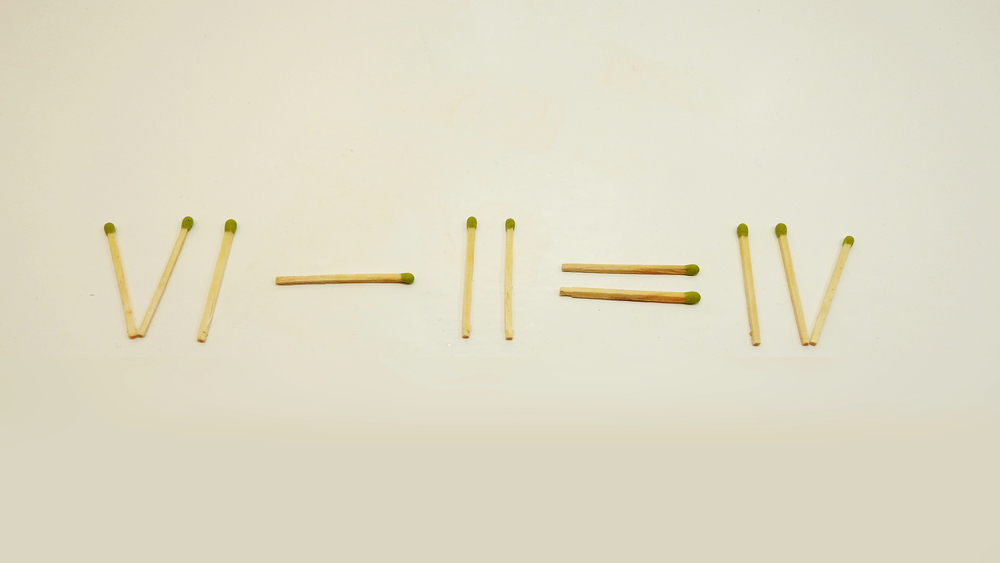
Roman numerals operate on additive and subtractive principles that seem simple but require sophisticated logical thinking for their time. When symbols appear in descending order, you add their values – but when a smaller symbol precedes a larger one, you subtract.
This dual-logic system demonstrates mathematical reasoning that influenced European thought for centuries. The rule limiting consecutive identical symbols to three created elegant subtractive combinations like IV for four, showing how the Romans valued both efficiency and readability.
Like Go2Tutors’s content? Follow us on MSN.
They Had No Concept of Zero

The Roman system contained a fundamental gap that limited its mathematical potential – no symbol for zero. Romans used the word ‘nulla’ meaning ‘none’ to represent the concept, but this limitation hindered complex calculations and revealed how different cultures approached mathematical concepts in vastly different ways.
Medieval scholars eventually used the letter N (from ‘nulla’ or ‘nihil’) to represent zero in Roman numeral contexts, showing how the system adapted over time.
Fractions Posed Serious Challenges
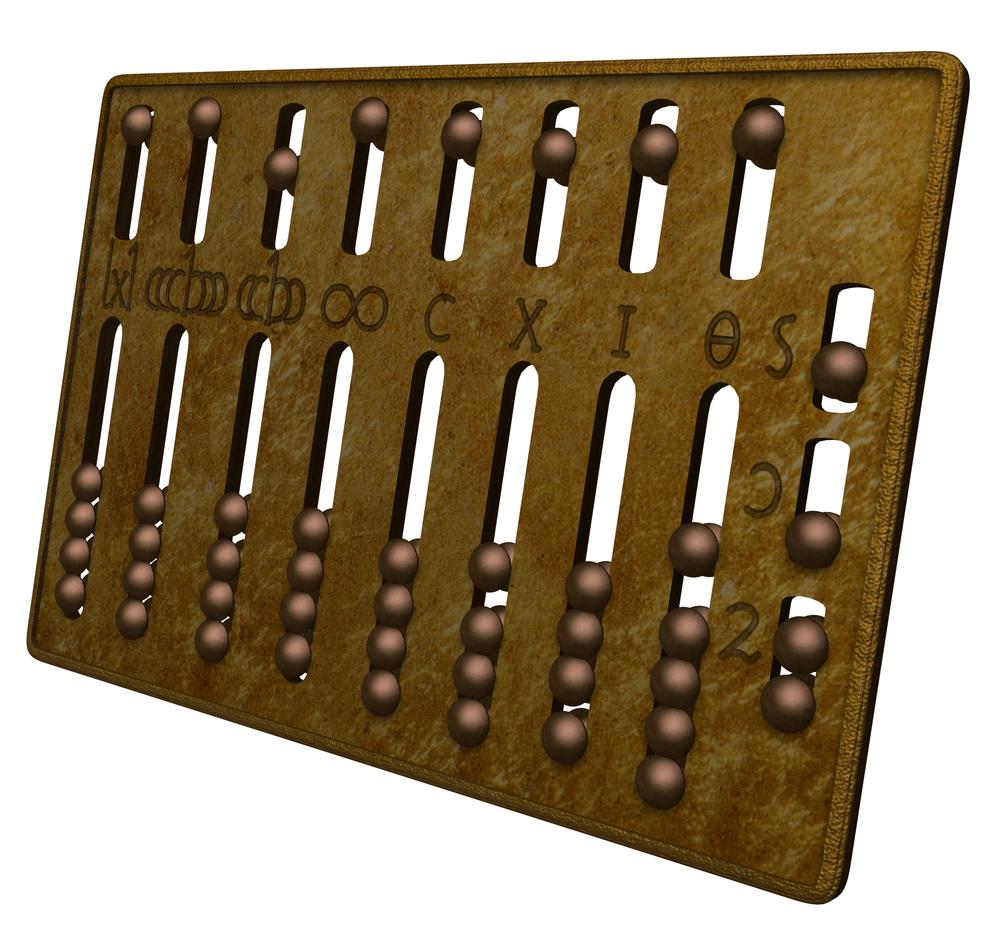
Imagine trying to split a pizza into portions without being able to write down ¼ or ⅛ – that was the Roman reality. Romans understood fractions but couldn’t express them numerically within their system, so instead of writing ¼, they would write ‘tres octavae’ (three-eighths) in words.
Most Roman fractions relied on the ‘uncia’ system, where everything was divided into twelfths, requiring mental gymnastics that made calculations incredibly cumbersome. This constraint shaped how Romans approached engineering, commerce, and scientific thinking in ways that limited their mathematical advancement.
They Dominated Europe for 1,800 Years

Roman numerals remained Europe’s primary numerical system for nearly 1,800 years – that’s far longer than our current Hindu-Arabic system has existed. Think about it: even after Rome fell, these symbols continued dominating European mathematics, commerce, and record-keeping throughout the entire Middle Ages.
The system only began losing ground in the 14th century when Hindu-Arabic numerals started spreading through Europe, largely thanks to Fibonacci’s ‘Liber Abaci’ published in 1202. For perspective, our current number system has only dominated for about 600-700 years, making Roman numerals the true marathon champions of mathematical systems.
Like Go2Tutors’s content? Follow us on MSN.
The Printing Press Accelerated Their Decline
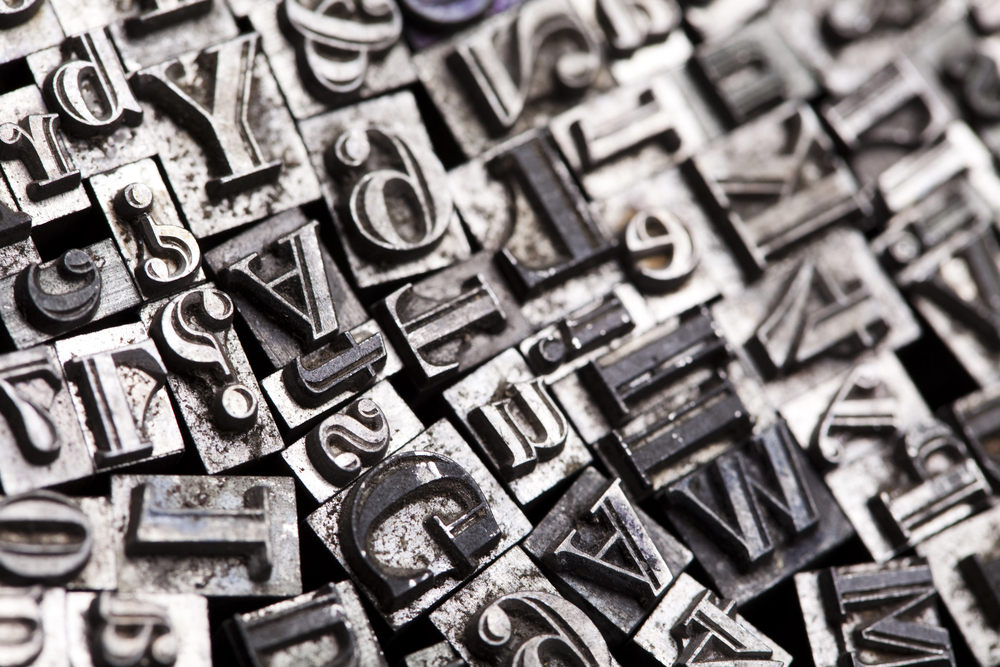
The introduction of printing presses in the mid-15th century, combined with emerging capitalism in the early 16th century, finally caused Hindu-Arabic numerals to largely replace Roman numerals by the 17th century. This transition wasn’t just about mathematics – it reflected changing economic systems that demanded more efficient calculation methods because commerce and banking required mathematical operations that Roman numerals couldn’t handle efficiently.
Money literally talked, driving the change when multiplication and division with Roman numerals proved so cumbersome that economic necessity forced the shift to more practical alternatives.
They Carry Cultural Prestige Today
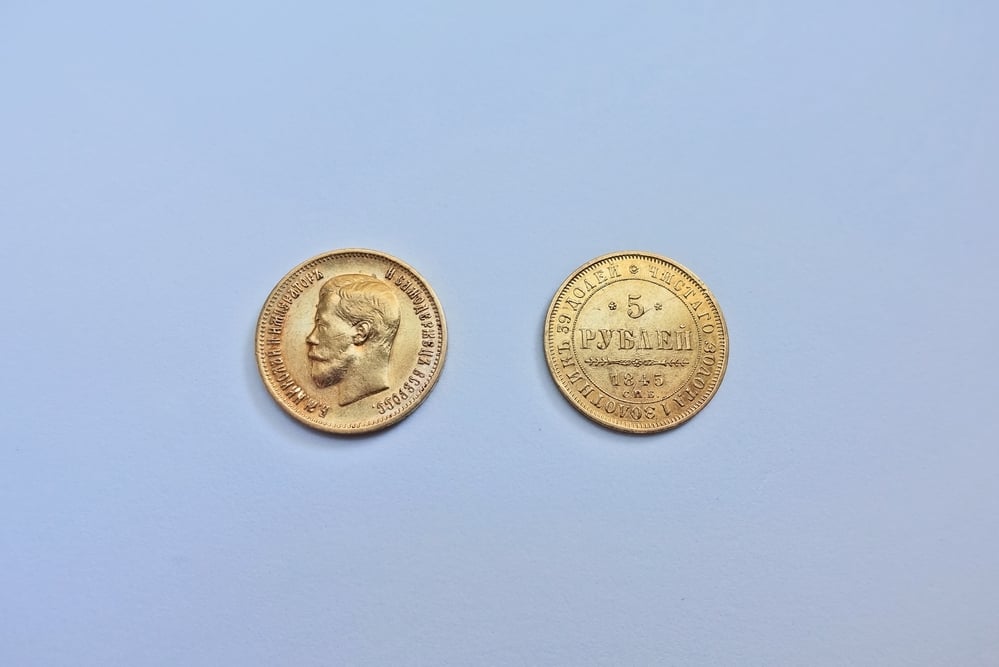
Modern usage of Roman numerals deliberately evokes tradition, authority, and timelessness – notice how popes choose Roman numerals for their names (Leo XIV), monarchs use them in titles (Charles III), and major events like the Super Bowl employ them for gravitas. Movie studios use Roman numerals in sequels partly because they look more sophisticated than regular numbers, making ‘Rocky II’ carry different connotations than ‘Rocky 2’.
These aren’t practical choices at all – they’re cultural statements about heritage and importance that connect modern events to ancient traditions.
They Influenced Language and Education
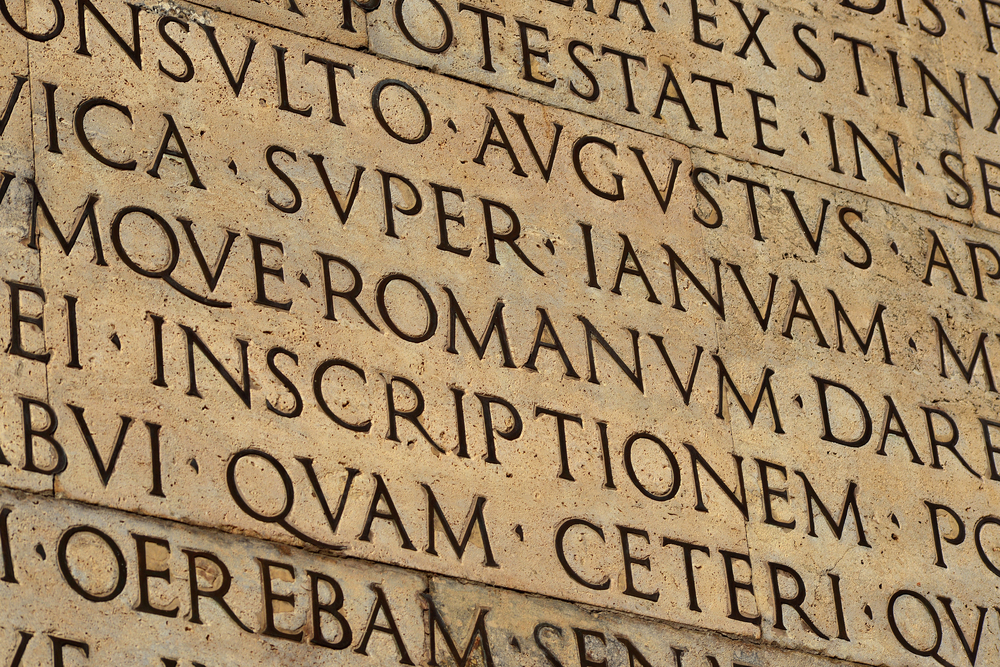
English words like ‘ounce’ derive directly from the Roman ‘uncia’, showing how their mathematical concepts embedded themselves into language itself and demonstrating that Roman numerals weren’t just calculation tools – they were fundamental building blocks of Western thought. Roman numerals remain part of educational curricula worldwide because they teach historical thinking and alternative mathematical approaches.
Students learning these symbols aren’t just memorizing ancient facts – they’re developing cognitive flexibility and cultural literacy that enhances their understanding of how human societies develop and adapt ideas across centuries.
Like Go2Tutors’s content? Follow us on MSN.
Architecture and Monuments Tell Stories
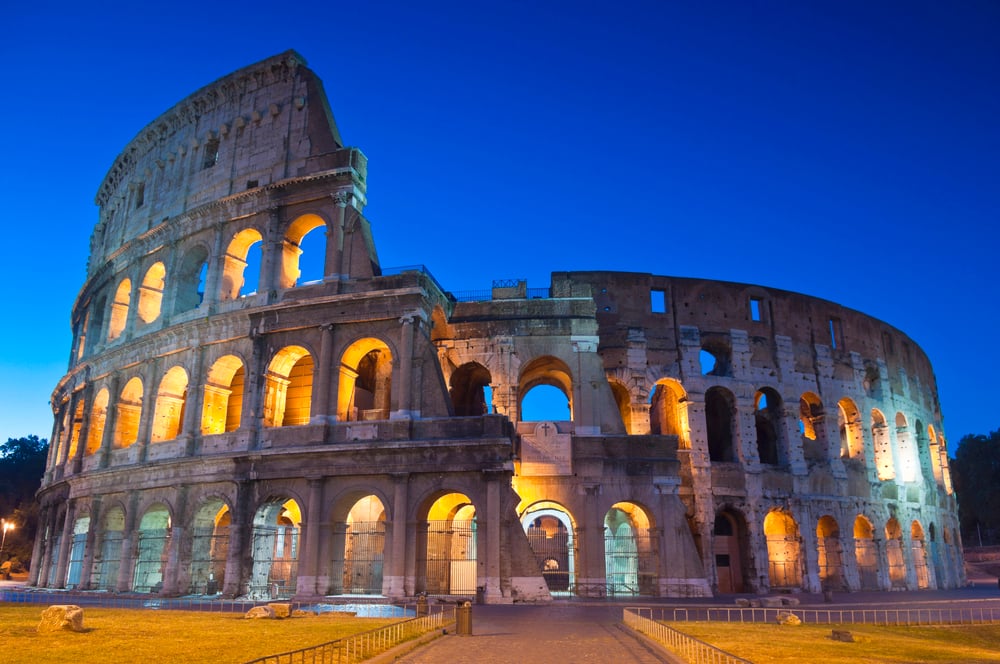
Roman numerals on buildings serve as historical timestamps that connect modern observers to past events, turning architecture into storytelling devices. When you see ‘MCMLIV’ carved into a cornerstone, you’re reading ‘1954’ in a format that emphasizes the structure’s connection to classical traditions.
The extensive use of Roman numerals on monuments like the Colosseum and Roman Forum wasn’t just practical record-keeping – it was cultural messaging about the permanence and authority of Roman civilization. Every numeral carved in stone represented the empire’s confidence in its lasting legacy, which turned out to be remarkably accurate.
The Bridge Between Ancient and Modern Worlds

Roman numerals are still used in our modern world because they have cultural significance that regular numbers cannot match, not because we need them for calculations. As a reminder that human civilization is built upon innumerable layers of inherited knowledge, they serve as a link between ancient wisdom and modern life.
You are engaging in a dialogue that spans more than 2,500 years of human mathematical thought when you come across these symbols, whether they are found on a building cornerstone, movie credits, or a sophisticated watch. Realizing that numbers are more than just tools for calculations requires an understanding of Roman numerals.
These cultural artifacts provide insights into how societies evolve, adjust, and pass on knowledge to future generations. These archaic symbols serve as a reminder that mathematical thinking encompasses more than efficiency in our digital age of instantaneous computation; it also includes tradition, beauty, and the extraordinary human ability to develop long-lasting solutions to basic issues.
More from Go2Tutors!

- 16 Historical Figures Who Were Nothing Like You Think
- 12 Things Sold in the 80s That Are Now Illegal
- 15 VHS Tapes That Could Be Worth Thousands
- 17 Historical “What Ifs” That Would Have Changed Everything
- 18 TV Shows That Vanished Without a Finale
Like Go2Tutors’s content? Follow us on MSN.