17 Flash Floods That Wiped Towns Off the Map
Flash floods strike with terrifying speed, transforming peaceful streams into raging torrents within minutes. Unlike regular flooding that builds gradually over days, these sudden deluges catch communities completely off guard. The sheer force of rushing water can demolish entire neighborhoods, sweep away buildings, and forever alter the landscape where generations once called home.
Throughout history, some flash floods have been so catastrophic they’ve literally erased towns from existence. Here is a list of 17 flash floods that completely destroyed communities, leaving behind only memories and historical records of places that once thrived.
Johnstown, Pennsylvania (1889)

The Johnstown Flood remains America’s most infamous flash flood disaster, claiming over 2,200 lives in a matter of hours. When the South Fork Dam failed on May 31, 1889, it released 20 million tons of water that traveled 14 miles to Johnstown at speeds reaching 40 mph.
The massive wall of water, debris, and mud completely destroyed the downtown area and wiped entire neighborhoods off the map, leaving survivors to rebuild from nothing.
Austin, Pennsylvania (1911)
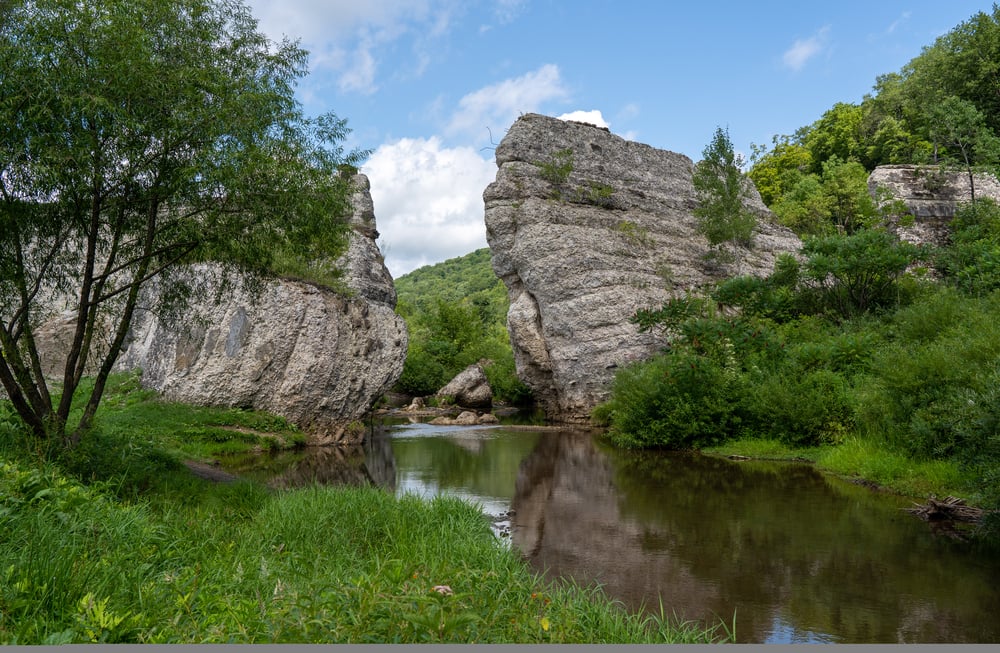
This small Potter County town met its end when the Bayless Dam collapsed during heavy September rains. The resulting flash flood swept through Austin’s main street, destroying nearly every building in its path and killing 78 residents.
The devastation was so complete that the town never fully recovered, and today only scattered foundations mark where Austin once stood.
Like Go2Tutors’s content? Follow us on MSN.
Buffalo Creek, West Virginia (1972)
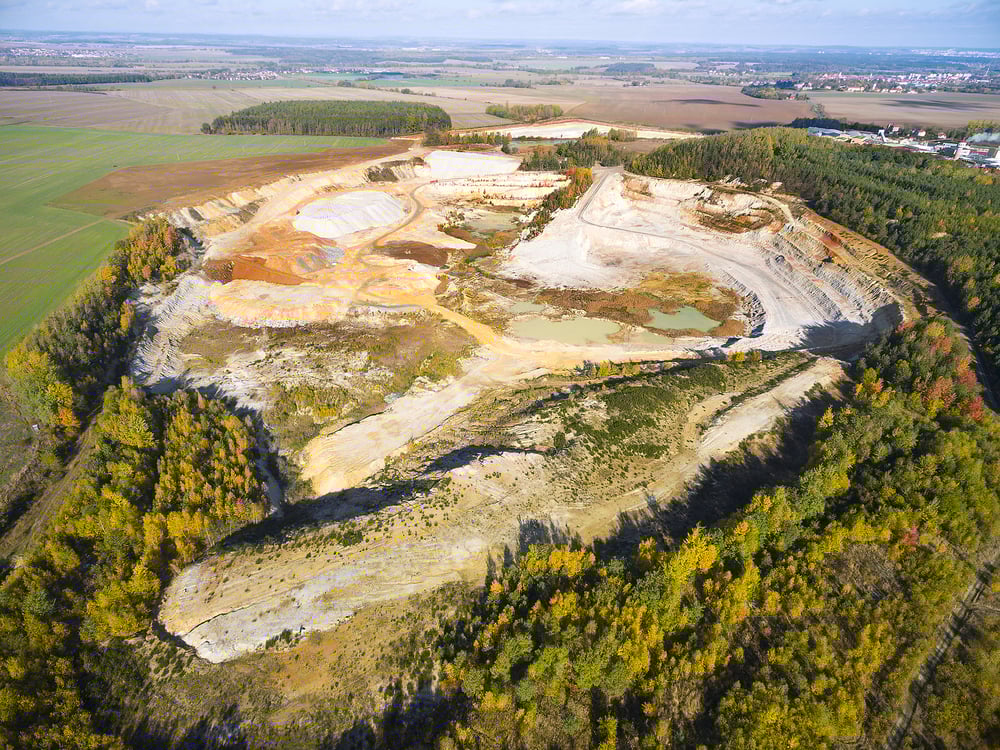
A coal waste dam failure created a deadly black wave that obliterated 16 communities along Buffalo Creek on February 26, 1972. The flood killed 125 people and left 4,000 homeless as entire towns like Saunders, Pardee, and Lorado were completely erased.
Many of these mining communities were never rebuilt, their former locations now marked only by memorial plaques and overgrown foundations.
Rapid City, South Dakota (1972)
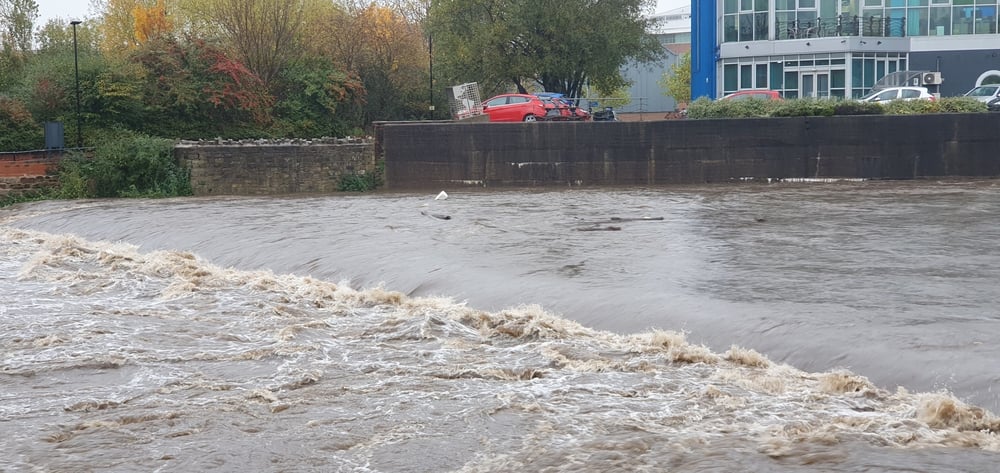
The same year as Buffalo Creek, Rapid City faced its own devastating flash flood when 15 inches of rain fell in just five hours on June 9-10. Rapid Creek became a torrential monster that carved a new path through the city, completely destroying entire residential areas and claiming 238 lives.
The flood was so severe that the city chose not to rebuild in the most devastated areas, creating permanent green space where neighborhoods once existed.
Big Thompson Canyon, Colorado (1976)

Colorado’s deadliest natural disaster struck on July 31, 1976, when up to 12 inches of rain fell in four hours along the Big Thompson River. The narrow canyon acted like a funnel, creating a 20-foot wall of water that scoured everything in its path.
Small communities like Drake were completely obliterated, and 144 people lost their lives in what became known as Colorado’s most devastating flash flood.
Like Go2Tutors’s content? Follow us on MSN.
Shadyside, Ohio (1990)
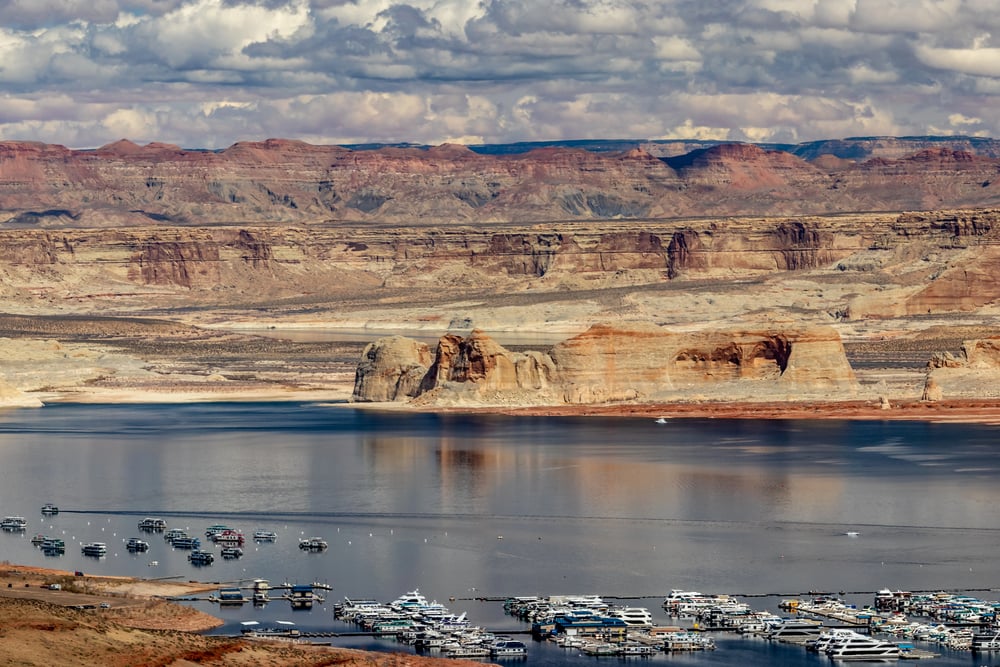
This Ohio River town was nearly erased from existence when Wegee Creek overflowed during a severe thunderstorm on June 14, 1990. The flash flood destroyed 70 homes and businesses while killing 26 residents in this community of just 4,000 people.
Many families never returned, and large sections of Shadyside remain empty lots where homes and businesses once thrived.
La Conchita, California (1995 and 2005)
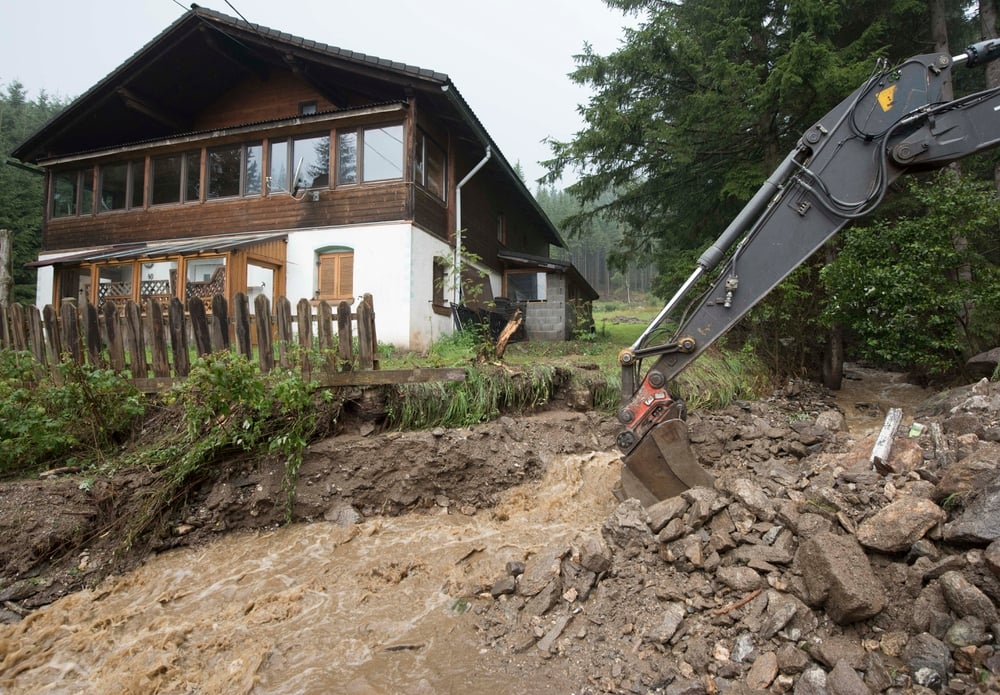
This small coastal community faced not one but two devastating events that essentially wiped it off the map. Heavy rains triggered massive debris flows that buried homes under tons of mud and rock.
The 2005 event was particularly catastrophic, killing 10 people and destroying 15 homes completely. Most residents abandoned the area permanently, leaving La Conchita as a virtual ghost town.
Antelope Canyon, Arizona (1997)

While not a traditional town, this popular hiking destination became the site of a tragic flash flood that demonstrated nature’s devastating power. Eleven hikers, including seven from France, were killed when a sudden thunderstorm miles away sent a wall of water through the narrow slot canyon.
The flood scoured the canyon clean and forever changed how visitors access this natural wonder.
Like Go2Tutors’s content? Follow us on MSN.
Fort Collins, Colorado (1997)

The Spring Creek Flash Flood hit Fort Collins on July 28, 1997, after six inches of rain fell in six hours. The flood destroyed 200 homes, damaged 500 businesses, and killed five people in what became Colorado’s costliest natural disaster at the time.
Entire mobile home parks were swept away completely, leaving nothing but scoured earth where families had lived for decades.
Boscastle, England (2004)

This picturesque Cornish village was nearly obliterated when two inches of rain fell in just two hours on August 16, 2004. The River Valency became a raging torrent that swept cars, buildings, and debris out to sea through the village center.
While miraculously no lives were lost, the flood destroyed 58 properties and left the historic village center unrecognizable.
Cedar City, Utah (2010)
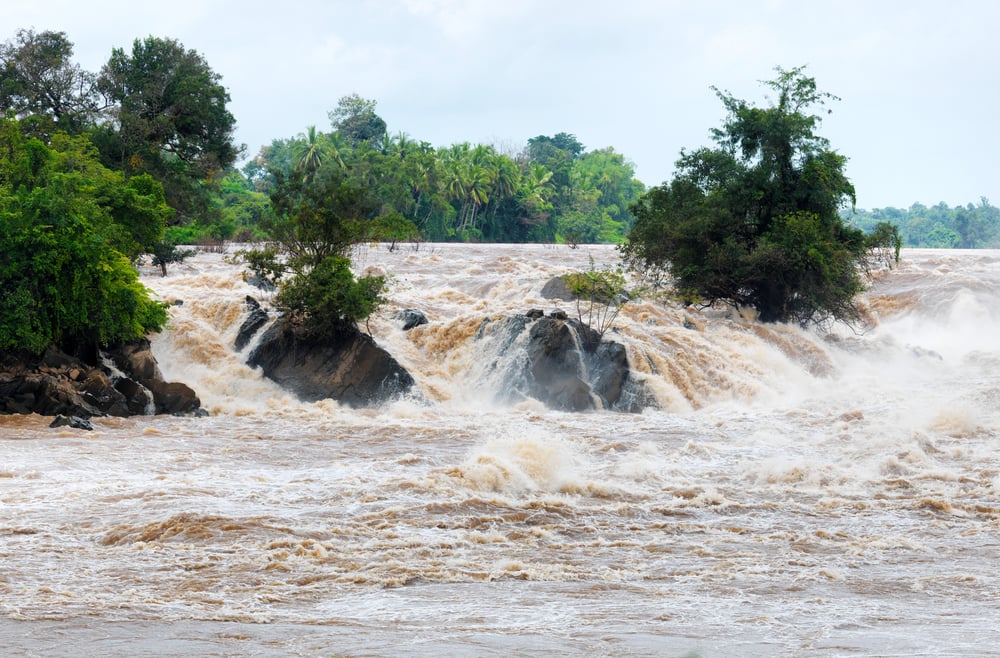
A sudden cloudburst dumped three inches of rain in 90 minutes, creating flash floods that devastated several neighborhoods in this southern Utah city. The Coal Creek flood destroyed dozens of homes and businesses, causing $25 million in damage.
Some residential areas were so severely scoured that they were never rebuilt, remaining as empty fields today.
Like Go2Tutors’s content? Follow us on MSN.
Ellicott City, Maryland (2016 and 2018)

This historic Maryland town suffered two catastrophic flash floods just two years apart, earning it the unfortunate distinction of being repeatedly wiped clean. The July 30, 2016 flood killed two people and destroyed dozens of businesses along Main Street.
The May 27, 2018 flood was even more devastating, killing one person and prompting many business owners to permanently abandon the flood-prone downtown area.
West Virginia Mountain Communities (2016)

The June 23, 2016 flash floods across West Virginia were particularly devastating to small mountain communities. Towns like Clendenin, Rainelle, and White Sulphur Springs saw entire neighborhoods disappear under raging floodwaters that reached record levels.
Twenty-three people died, and many communities lost so many homes and businesses that recovery remained incomplete years later.
Montecito, California (2018)

Following the Thomas Fire, this wealthy Santa Barbara County community was struck by devastating debris flows on January 9, 2018. The combination of burned hillsides and heavy rain created mudflows that reached speeds of 30 mph, destroying 130 homes and killing 23 people.
Entire neighborhoods were buried under tons of mud, boulders, and debris, with some areas declared uninhabitable.
Like Go2Tutors’s content? Follow us on MSN.
Waverly, Tennessee (2021)

This small Tennessee town was devastated when Humphreys County received 17 inches of rain in less than 24 hours on August 21, 2021. The flooding killed 20 people and destroyed hundreds of homes and businesses in Waverly’s downtown area.
The force of the water was so intense that it moved homes off their foundations and swept away entire sections of the community.
European River Towns (2021)
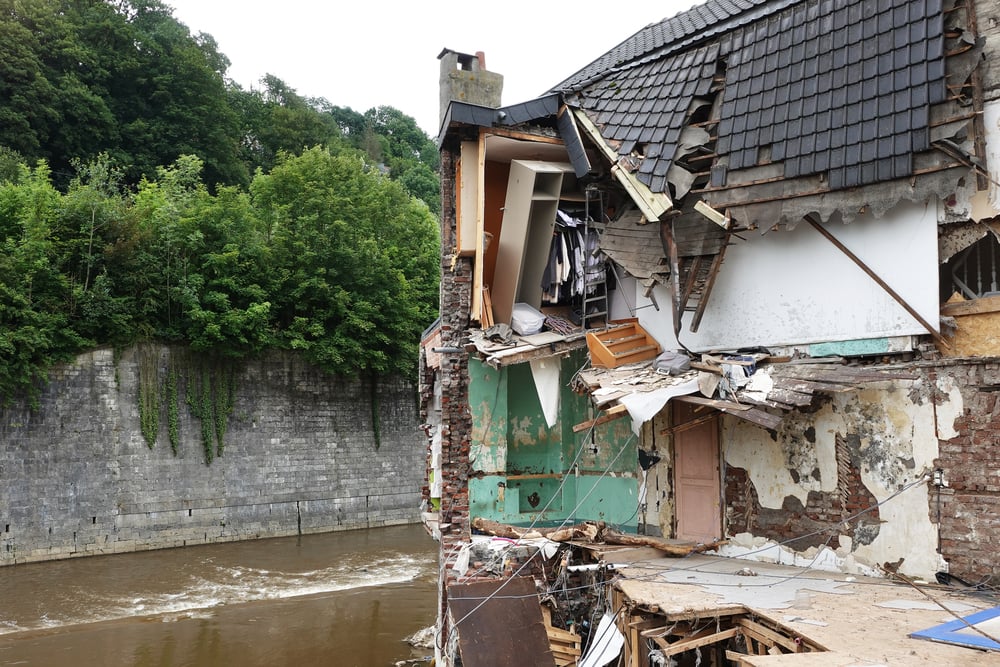
The July 2021 European floods were particularly devastating to small German and Belgian communities along various rivers. Towns like Schuld, Germany, and Pepinster, Belgium, saw their historic centers completely destroyed by raging waters.
More than 200 people died across the region, and many small communities were so thoroughly devastated that rebuilding efforts are still ongoing years later.
Eastern Kentucky Communities (2022)

The July 28, 2022 flash floods across eastern Kentucky were among the most devastating in the region’s history. Small towns like Hindman and Hazard saw entire neighborhoods swept away when over eight inches of rain fell in just a few hours.
Thirty-seven people died, and many mountain communities lost so many homes that residents permanently relocated to other areas.
Like Go2Tutors’s content? Follow us on MSN.
When Waters Recede, Memories Remain

These 17 catastrophic events remind us that flash floods represent one of nature’s most unpredictable and destructive forces. While modern warning systems and emergency management have improved significantly, the fundamental vulnerability of communities in flood-prone areas remains unchanged.
The towns that vanished serve as sobering reminders that sometimes the safest response to nature’s fury is simply to stay away from harm’s reach. Today, many of these former community sites remain empty, transformed into parks, memorials, or simply returned to nature, bearing silent witness to the awesome power of rushing water.
More from Go2Tutors!

- 16 Historical Figures Who Were Nothing Like You Think
- 12 Things Sold in the 80s That Are Now Illegal
- 15 VHS Tapes That Could Be Worth Thousands
- 17 Historical “What Ifs” That Would Have Changed Everything
- 18 TV Shows That Vanished Without a Finale
Like Go2Tutors’s content? Follow us on MSN.



