Scarecrow Trivia: From Farms To Folklore
Scarecrows look simple — straw, sticks, a hat balanced at a jaunty angle — but their story runs deeper than most imagine. Across fields and centuries, they’ve been both guardians of crops and shadows in folklore.
Here’s a list of curious facts that show how scarecrows shifted from farm tools to cultural icons.
Ancient Egypt
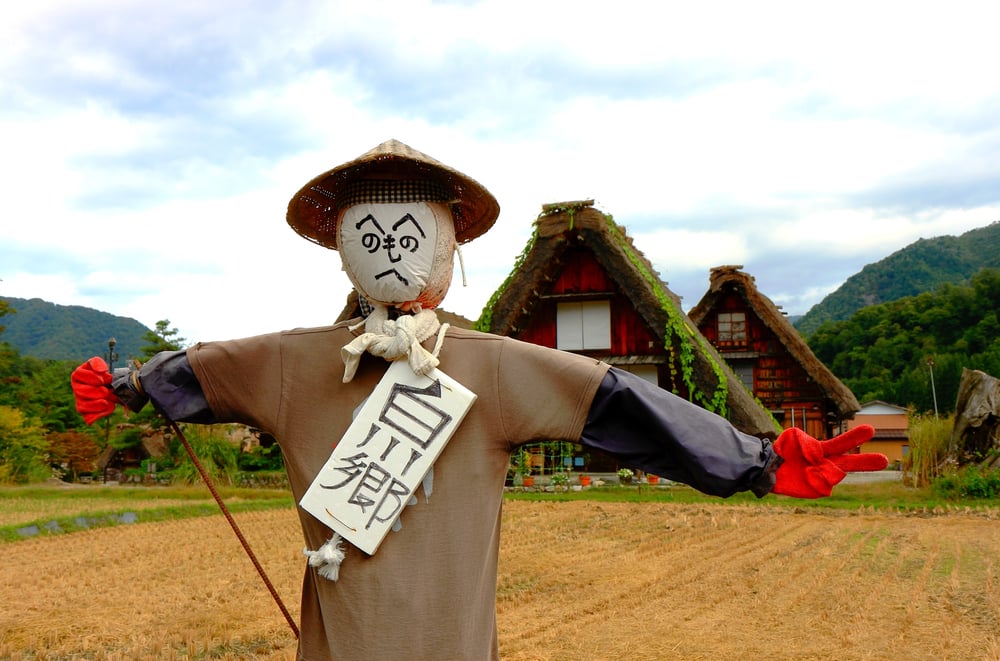
Egyptian farmers were among the first to use scarecrows. Wooden frames stood in wheat fields along the Nile to chase off flocks of quail. Crude, yes, but effective.
And even then, birds remained stubborn.
Japanese Kakashi

In Japan, scarecrows are called kakashi. They weren’t just stuffed with straw — some wore tattered robes, straw hats, even carried mock weapons like bows. Others were charred slightly at the edges so they looked smoky and menacing.
Not just a figure. A warning.
Medieval Europe

During the Middle Ages, children often worked as “bird scarers,” shouting and clapping to protect crops. After the Black Death, labour shortages forced farmers to improvise with straw figures instead.
A grim shift born of necessity.
The Corn Spirit
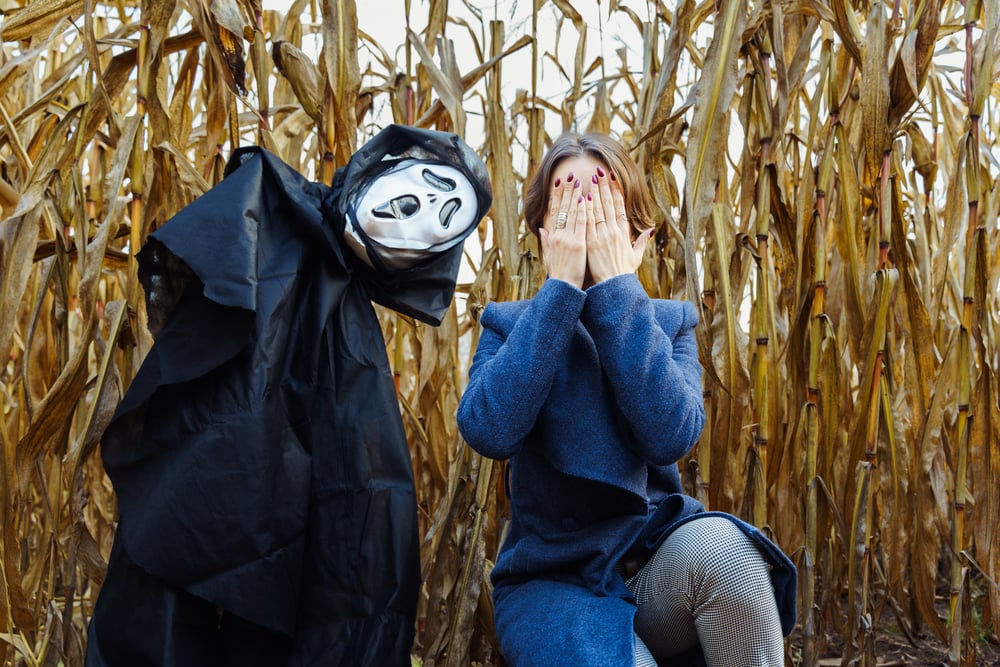
Folklore in parts of Europe held that crops carried a “corn spirit.” After harvest, the spirit needed a form — a scarecrow provided the vessel. The figure standing alone in the field wasn’t just for birds. It carried something unseen.
Unnerving, when you think about it.
Native American Fields
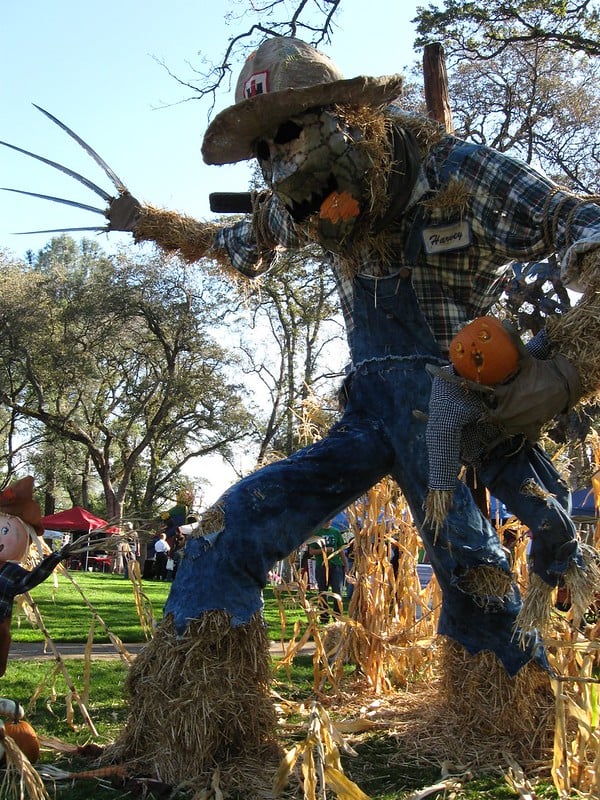
Before Europeans arrived, Native American tribes built scarecrow-like guardians. Animal skins, shells, or bones were hung from poles, rattling in the wind to frighten pests.
The mix of sound and movement worked — and must have looked unsettling on a still night.
The Harvest Festival
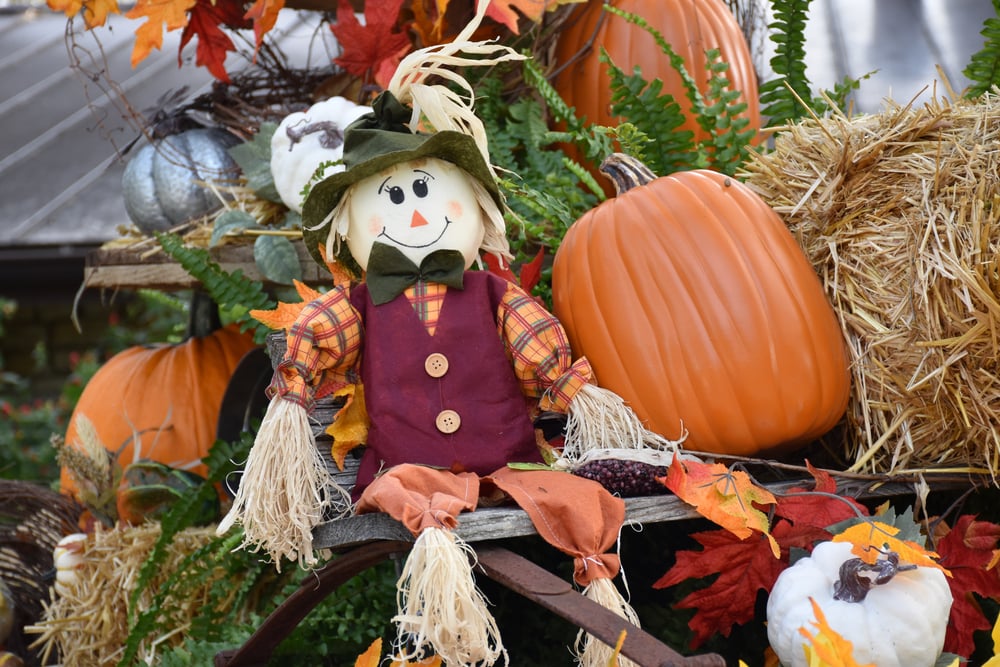
In Britain, scarecrows sometimes appeared in harvest celebrations. They could be paraded, burned, or simply dressed up by children with old coats that smelled faintly of smoke from the hearth.
More than protection. A symbol of the season itself.
The Wizard of Oz
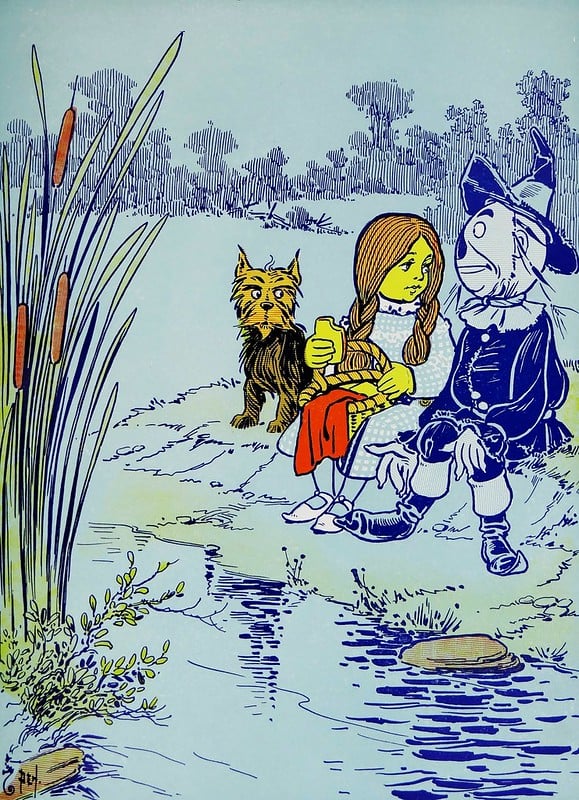
The scarecrow in L. Frank Baum’s classic tale is perhaps the most famous of all. Longing for brains but showing wisdom in practice, he turned a simple farm figure into an enduring symbol of hope, foolishness, and discovery.
A stuffed icon who still walks in imagination.
Scary Scarecrows
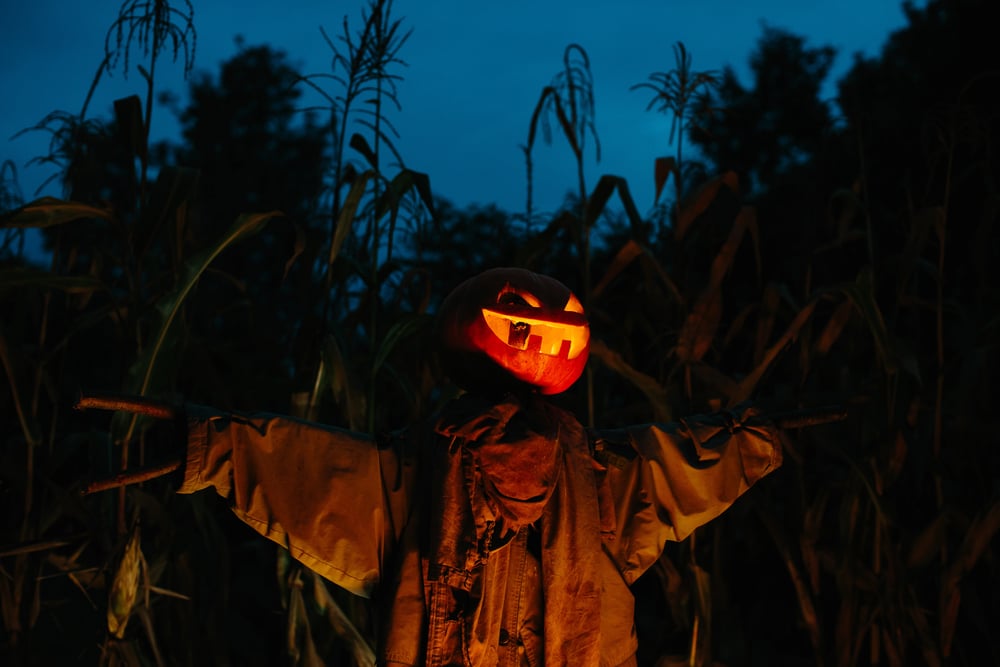
Folk tales and horror movies twisted the scarecrow into something darker. A motionless figure in the night, eyes painted on, clothes sagging. Almost human, but not.
Still, people can’t seem to stop using them as Halloween props. Creepy works.
Modern Bird Control

Today’s farmers don’t rely only on straw men. They use reflective tape, loud gas cannons, even drones to keep birds away. Scarecrows remain — but often as decoration more than defense.
Still, a straw hat moving in the breeze can spook a crow. Sometimes.
Festivals and Competitions
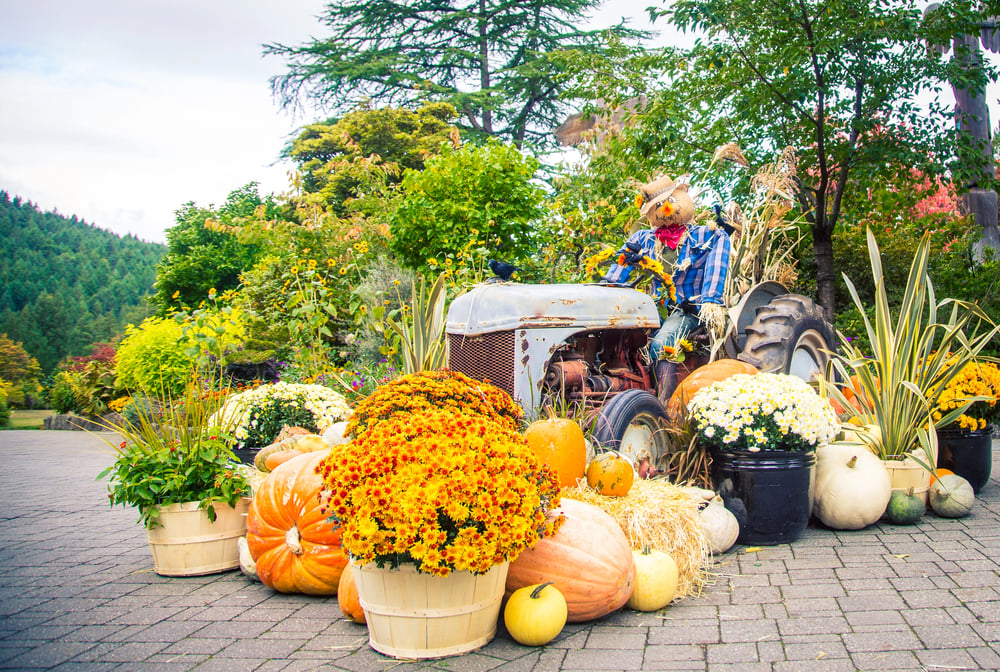
All over the world, communities now host scarecrow festivals. Streets fill with dozens of figures — some comic, some grotesque, some surprisingly lifelike. Families compete to see whose creation draws the most attention.
Farm tool turned art form.
Tiny Details
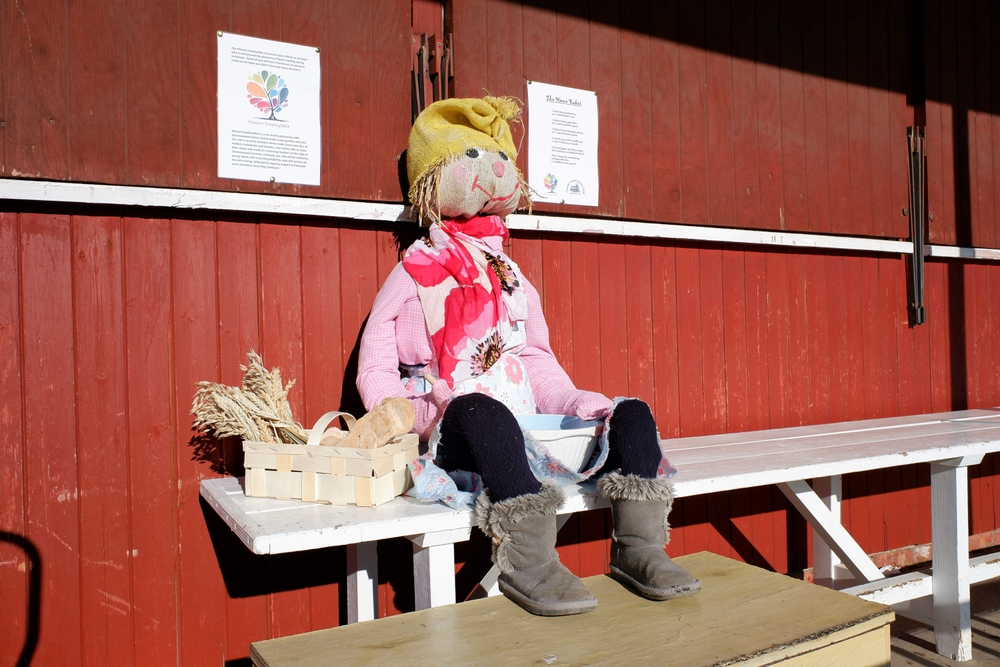
— Photo by PeterFleming
Not every scarecrow is slapped together. Some are crafted with care:
- Gloves on hands.
- Boots stuffed with straw.
- A scarf tied neatly around the neck.
Small touches that make them feel uncomfortably real.
Folklore of Standing Guard
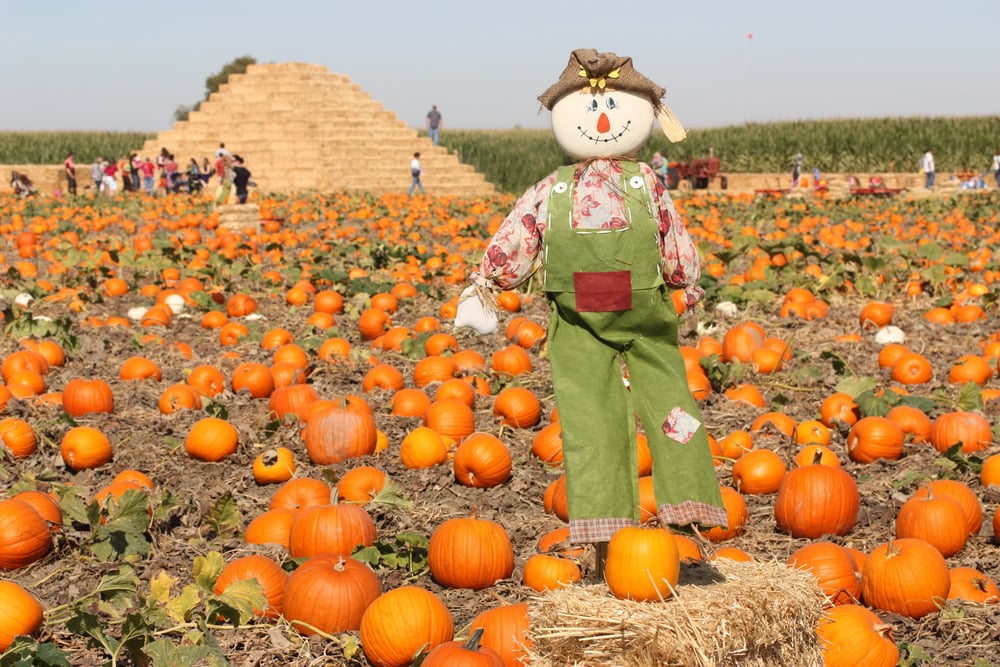
In certain traditions, scarecrows weren’t just protectors of crops but guardians of boundaries. A figure at the edge of a field might also ward off thieves or unwelcome spirits.
A sentinel. Silent, but watchful.
Seasonal Symbol
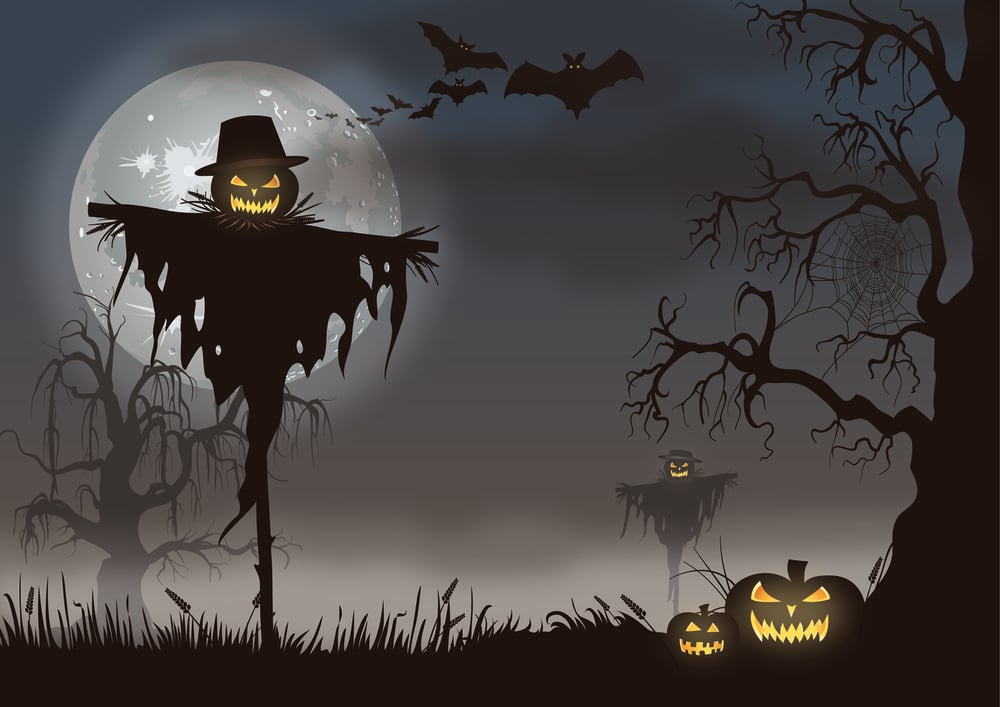
Over time, scarecrows shifted into cultural symbols of autumn. They’re tied to Halloween, pumpkin patches, and rustic decorations. Ragged or cheerful, they show up whenever leaves turn gold.
A farm tool turned seasonal mascot.
Shadows in the Field
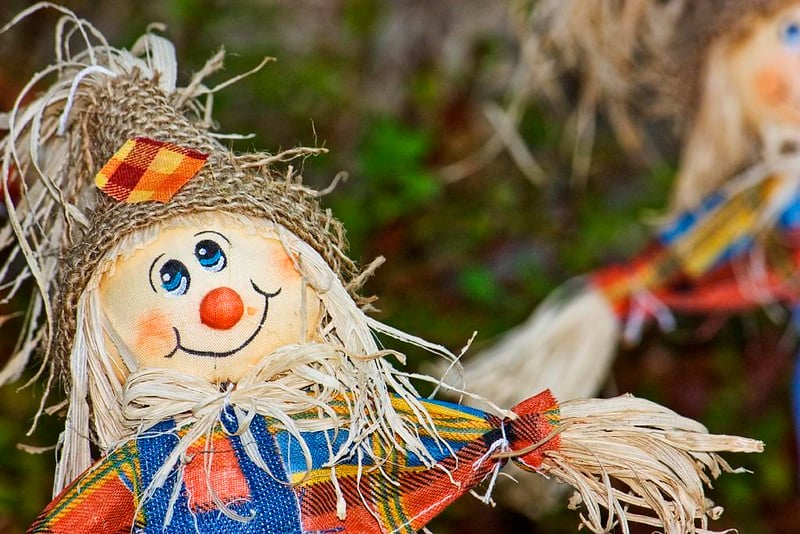
From Egypt’s grain valleys to modern parades, scarecrows stand at the strange border between utility and myth. Useful, unsettling, sometimes whimsical — they remain one of the most enduring figures in human imagination.
Always there. Always watching.
More from Go2Tutors!

- 16 Historical Figures Who Were Nothing Like You Think
- 12 Things Sold in the 80s That Are Now Illegal
- 15 VHS Tapes That Could Be Worth Thousands
- 17 Historical “What Ifs” That Would Have Changed Everything
- 18 TV Shows That Vanished Without a Finale
Like Go2Tutors’s content? Follow us on MSN.