Restaurants That Created Famous Signature Dishes
Some of the world’s most iconic bites didn’t come from grandma’s recipe box or centuries of tradition. They were born in the heat of busy kitchens, sometimes by accident, sometimes by brilliant design, and occasionally because a chef had no other choice.
What started as one-off creations inside particular restaurants went on to become household names, spreading far beyond their original walls. Think about it: a salad mixed tableside in Tijuana turns into a steakhouse classic.
A pasta dish made for a new mom in Rome? Now a global comfort food. Here’s a roundup of 16 restaurants that gave us dishes we almost take for granted today.
Delmonico’s
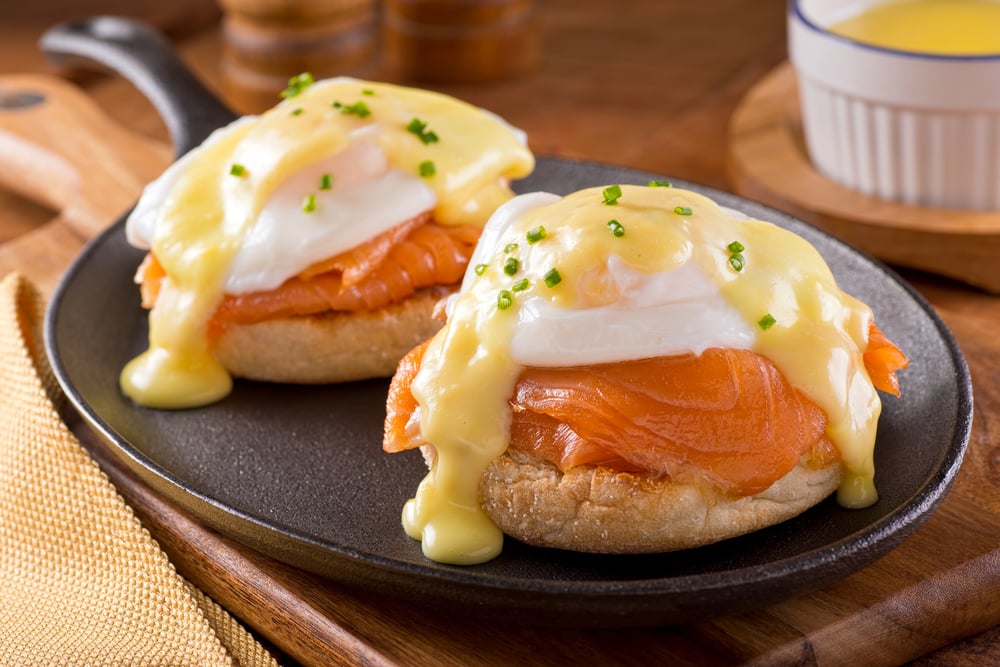
New York’s Delmonico’s, founded back in 1827, is basically the birthplace of American fine dining. And the chefs there weren’t shy about leaving their mark. The restaurant claims it invented Eggs Benedict (though plenty of food historians debate the details).
It also introduced the dramatic Baked Alaska—ice cream wrapped in meringue and briefly set aflame—and the ultra-rich Lobster Newburg. If the menu reads fancy, that’s because it was. Delmonico’s was where “special occasion food” really began.
Alfredo alla Scrofa
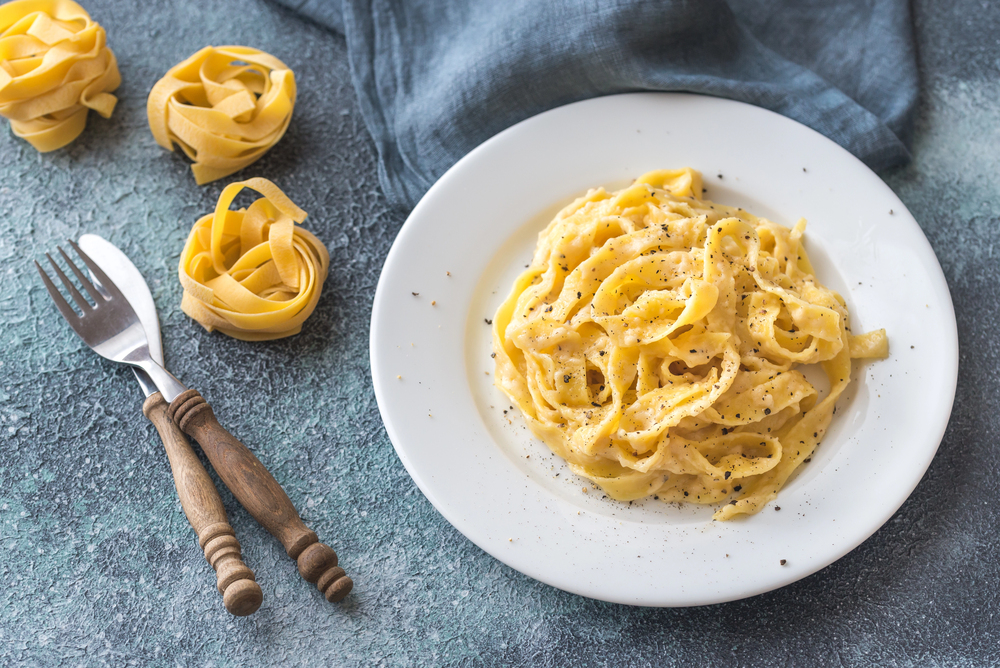
In 1908, Alfredo di Lelio whipped up a simple butter-and-cheese pasta in Rome, but not for paying customers. He made it for his wife, who’d lost her appetite after giving birth.
That dish—fettuccine Alfredo—might have stayed a family meal if Hollywood royalty Mary Pickford and Douglas Fairbanks hadn’t tried it on their honeymoon in 1927. They raved about it, brought the recipe stateside, and the rest is creamy, cheesy history.
Ironically, Italians still see it as “American food.”
Anchor Bar
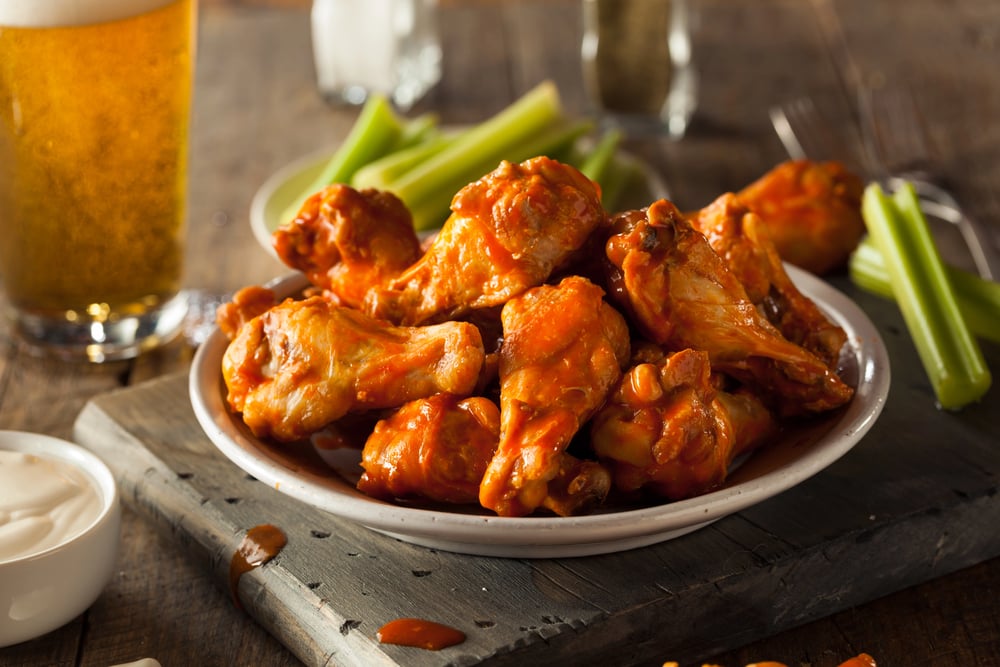
Buffalo wings? Yep, they really did come from Buffalo. In 1964, Teressa Bellissimo at the Anchor Bar needed to feed her son and his friends late one night. All she had were chicken wings, a cut usually thrown into stock.
She fried them, tossed them in hot sauce, and served them up with celery and blue cheese. Necessity became invention—and today, no sports bar menu is complete without them.
Caesar’s Restaurant
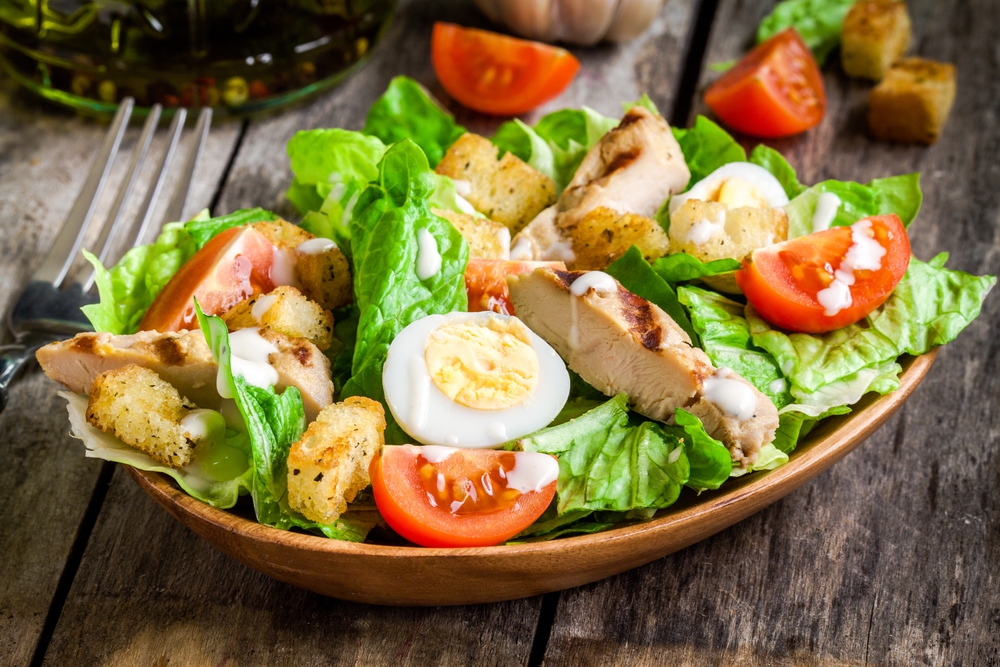
The Caesar salad wasn’t born in Rome, but in Tijuana. On July 4, 1924, Italian immigrant Caesar Cardini faced a packed holiday rush with dwindling ingredients. He threw together romaine, Parmesan, croutons, eggs, garlic, olive oil, and Worcestershire, mixing it with flair right at the table.
That little touch of theater sealed the deal—the salad became as much about the performance as the taste.
Antoine’s
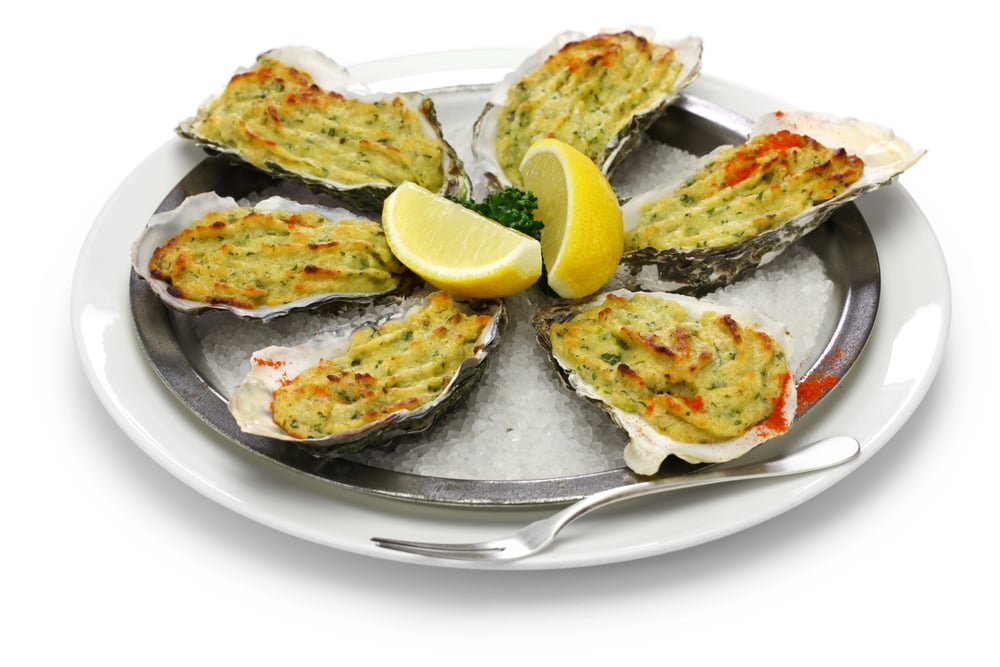
At Antoine’s in New Orleans, Jules Alciatore created Oysters Rockefeller in 1899. The dish got its name from John D. Rockefeller because it was “rich”—and it has been a symbol of indulgence ever since.
The exact recipe? Still a tightly guarded family secret, kept in a vault. What we do know: green sauce, oysters, butter, breadcrumbs, baked until golden. That mystery just makes it taste better.
Hotel Sacher
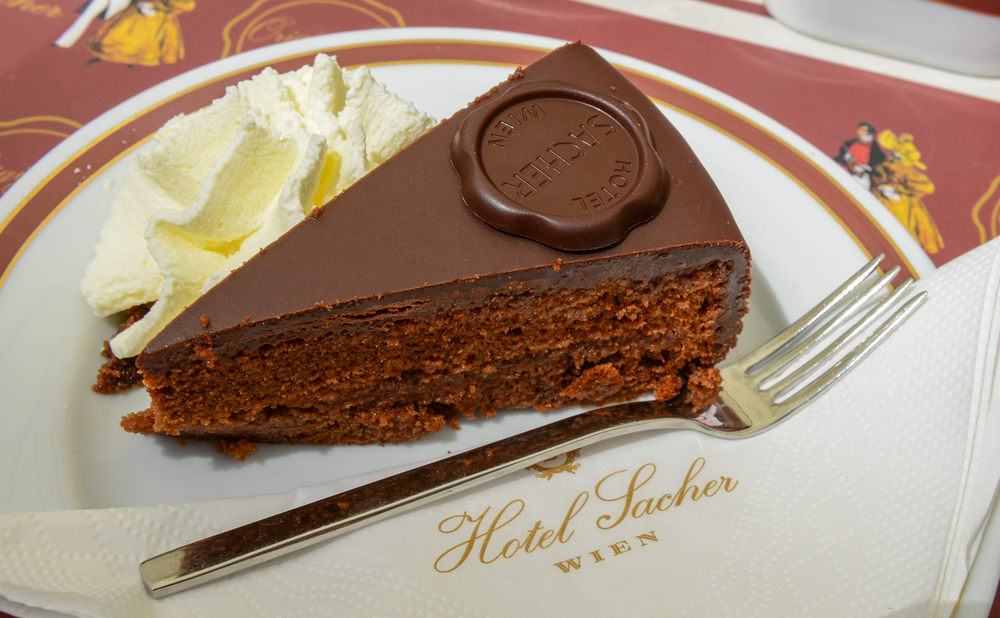
— Photo by nordseegold
Vienna’s Hotel Sacher owes its fame to a teenage apprentice. In 1832, when the head chef fell ill, 16-year-old Franz Sacher was left to create a dessert for Prince Metternich’s important guests.
He delivered the Sacher Torte—a dense chocolate cake layered with apricot jam and sealed in glossy chocolate icing. Decades later, the hotel turned it into their signature, sparking a legal battle over who could rightfully call theirs “the original.” (Spoiler: Hotel Sacher won.)
Brennan’s
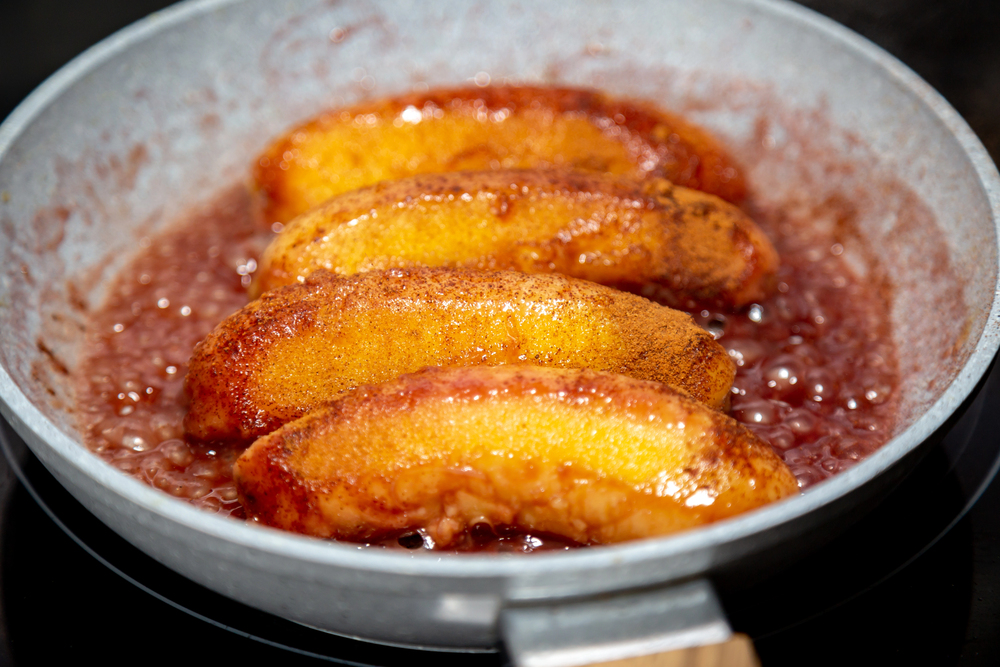
Bananas Foster was born in 1951 at Brennan’s in New Orleans. Chef Paul Blangé created it for Richard Foster, a friend of the restaurant’s owner. Bananas were flambéed in butter, sugar, cinnamon, and rum, then spooned over vanilla ice cream.
To this day, Brennan’s goes through around 35,000 pounds of bananas every year just for this dish. That’s a lot of pyrotechnics for dessert.
Raffles Hotel
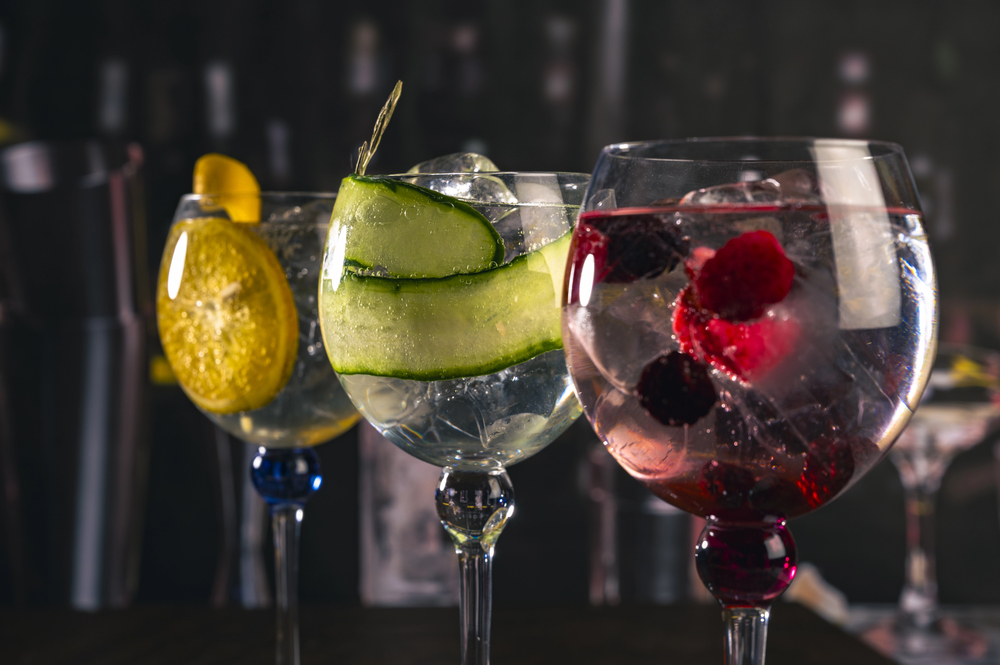
Between 1910 and 1915, bartender Ngiam Tong Boon at Singapore’s Raffles Hotel dreamed up the Singapore Sling. It was clever—women weren’t supposed to be seen drinking alcohol in public, so he disguised the gin-based cocktail to look like a fruit punch.
Sweet, pink, and refreshing, it quickly caught on. The recipe has shifted over time, but the original idea—sneaky sophistication—still defines it.
Reuben’s Delicatessen
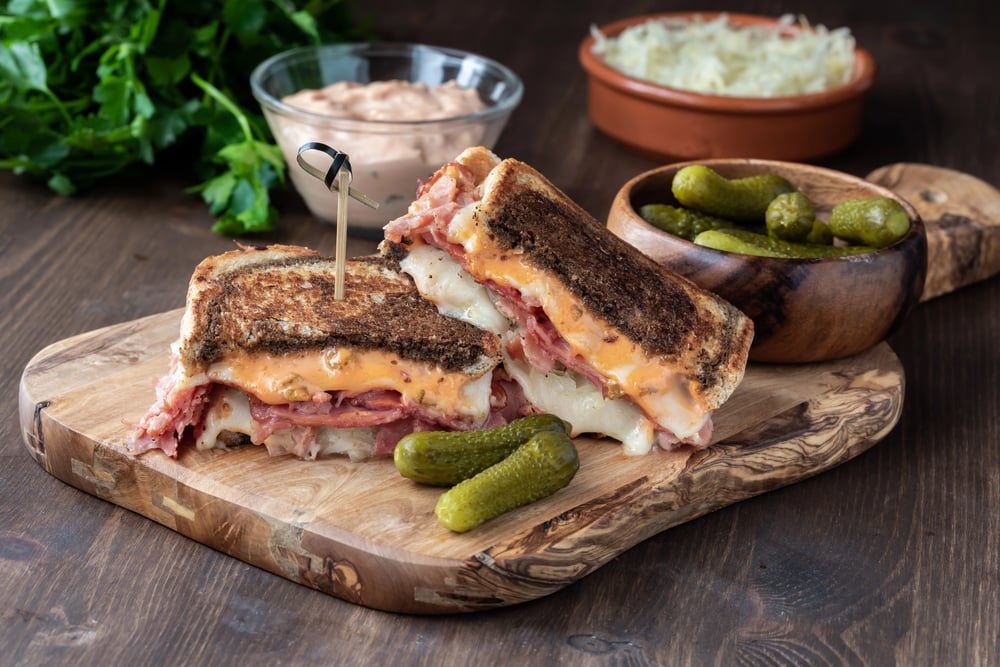
The Reuben sandwich has murky origins, but the strongest claim goes to Arnold Reuben of Reuben’s Delicatessen in New York City around 1914. Piled with corned beef, sauerkraut, Swiss, and Russian dressing on rye, then grilled until gooey, it somehow just… works.
What sounds like an odd mashup turned into a deli icon that’s still beloved more than a century later.
Original Joe’s
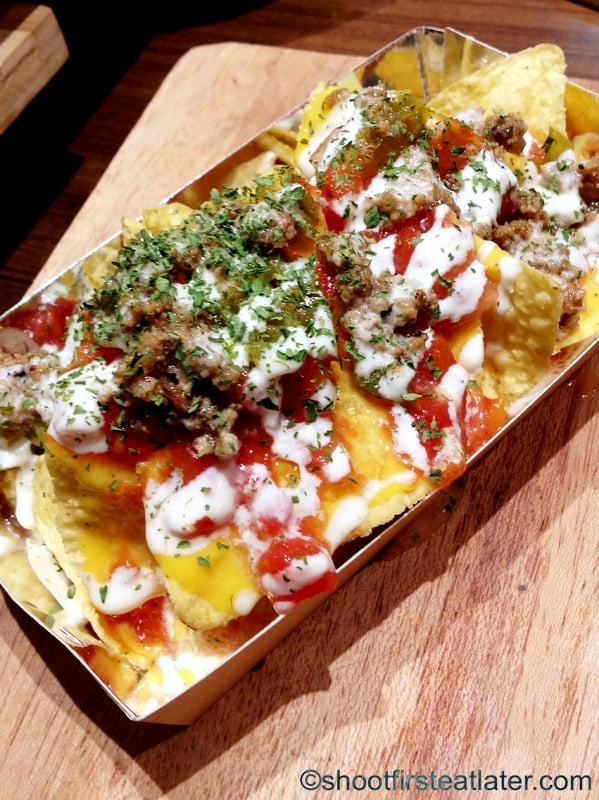
In Depression-era San Francisco, a hungry late-night customer wandered into Original Joe’s. The chef scraped together ground beef, spinach, onions, and eggs into a hearty scramble.
The result, “Joe’s Special,” caught on and became a staple for breakfast, lunch, and dinner alike. Proof that desperate meals can sometimes turn legendary.
Chez Panisse
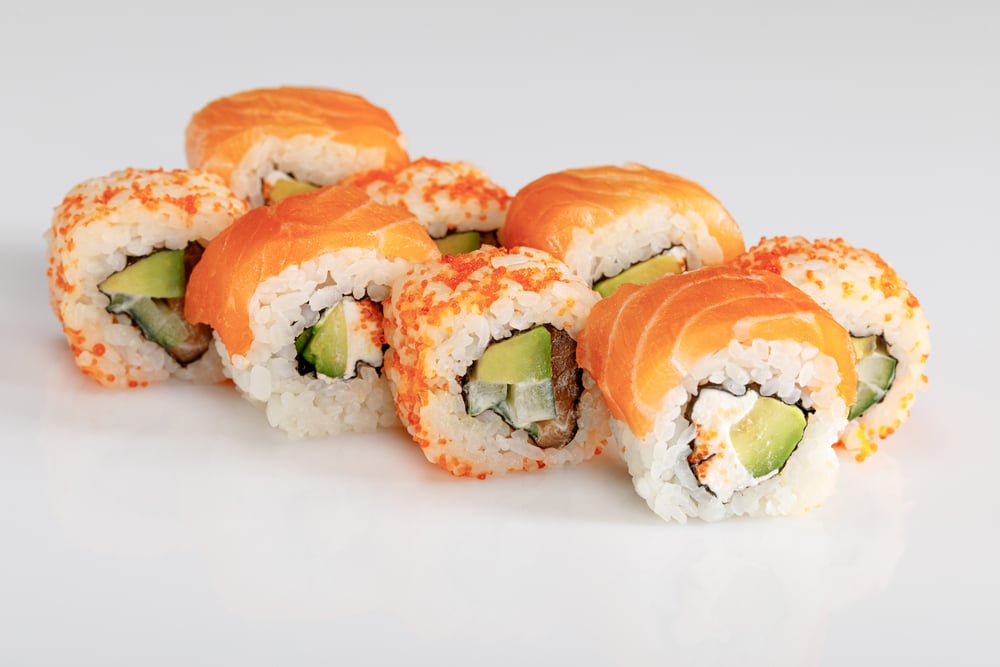
Chez Panisse, founded by Alice Waters in 1971, didn’t invent a single iconic dish—it invented a whole movement. Waters’ “California Cuisine” pushed the idea of farm-to-table, seasonal eating. The menu changed daily based on what local farmers could supply.
It wasn’t just a restaurant; it shifted how Americans thought about freshness, simplicity, and where their food came from.
Joe’s Stone Crab
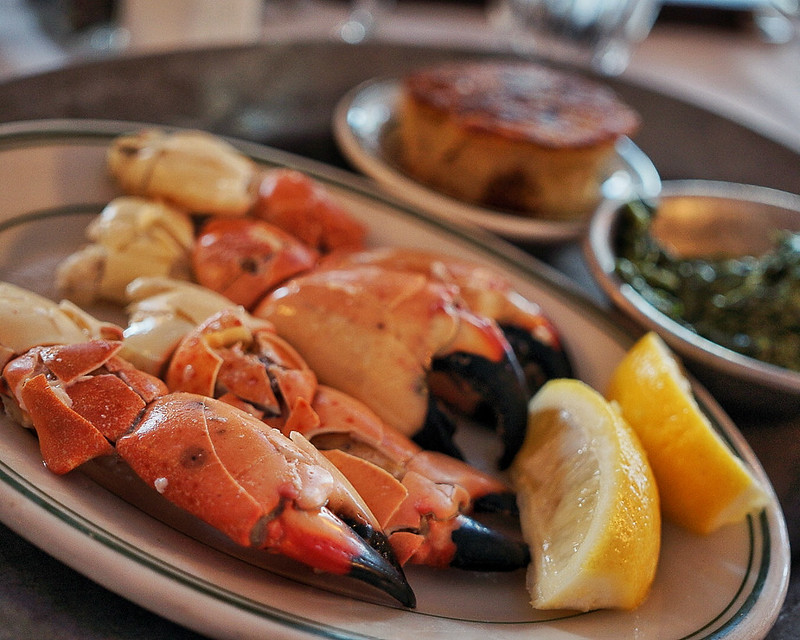
Joe’s Stone Crab in Miami, established in 1913, transformed a once-ignored crustacean into a delicacy. Working with marine biologists, Joe Weiss pioneered sustainable harvesting—take one claw, return the crab to regenerate it.
Add in the restaurant’s tangy mustard dipping sauce, and the claws became a national obsession. Today, Joe’s even ships them across the U.S. so fans don’t have to fly to Florida.
The Brown Hotel
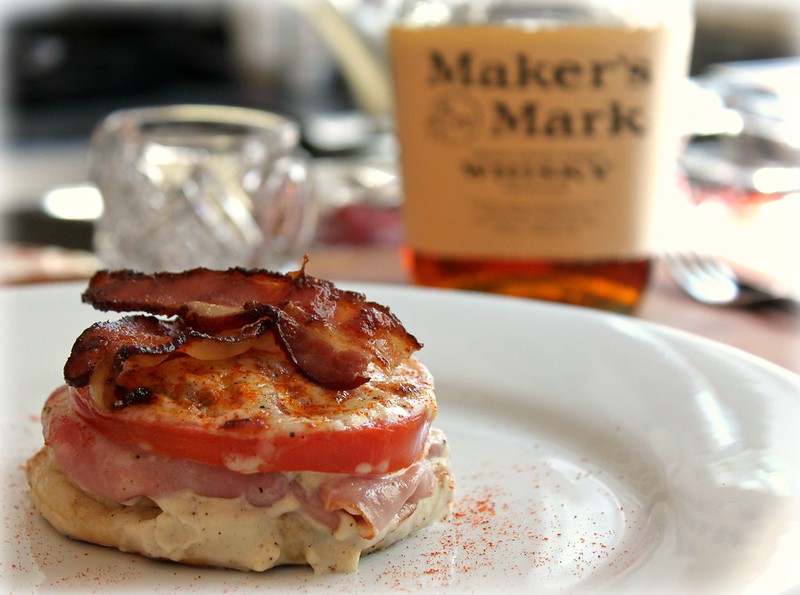
The Hot Brown came about in 1926 at The Brown Hotel in Louisville. Chef Fred Schmidt wanted a hearty late-night snack for guests who’d danced the night away.
His solution: an open-faced turkey sandwich topped with bacon and creamy Mornay sauce, broiled until bubbling. Kentucky embraced it so fully that it’s now considered a state classic.
Bob’s Big Boy
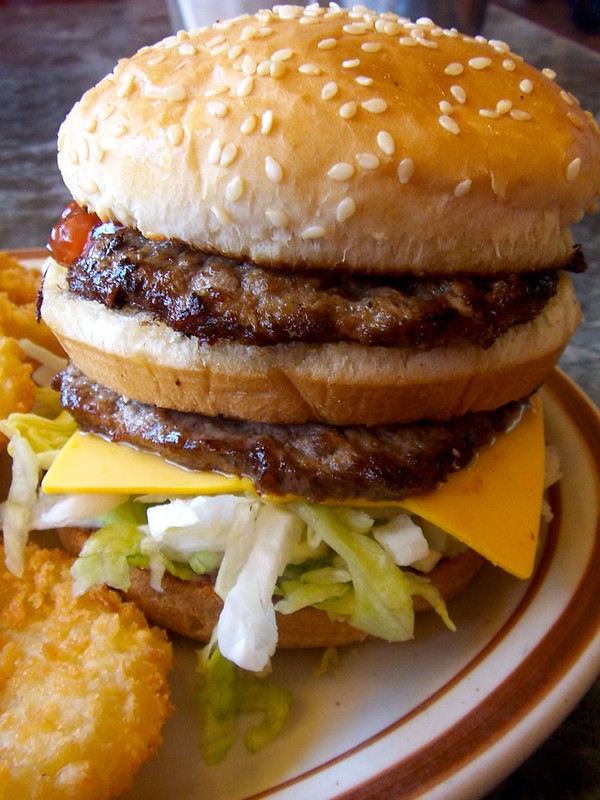
In 1937, Bob Wian in Glendale, California, decided one patty wasn’t enough. He sliced a bun into three parts, stacked in two beef patties, and the double-deck burger was born.
His creation became the signature at Bob’s Big Boy, paired with a cartoon mascot so recognizable it practically defined diner culture. Without this burger, fast food history would look very different.
Lawry’s The Prime Rib
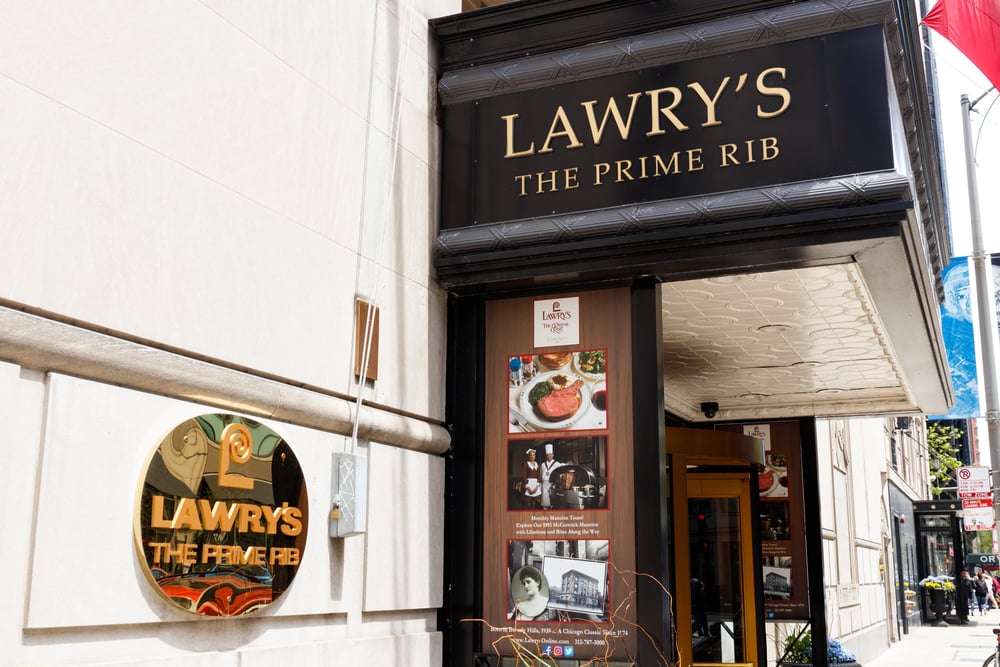
Lawry’s in Beverly Hills, opened in 1938, made dining a spectacle. Servers rolled silver carts tableside to carve prime rib and spun salads over bowls of ice before guests’ eyes.
With Yorkshire pudding, creamed corn, and plenty of drama, Lawry’s turned what could’ve been a simple roast into an event worth dressing up for.
Pizzeria Brandi
In 1889, Naples’ Pizzeria Brandi hosted Queen Margherita of Italy. Chef Raffaele Esposito made three pizzas for her visit, and she loved the one with mozzarella, tomatoes, and basil—colors of the Italian flag. Esposito named it Pizza Margherita, and it became the standard for Neapolitan pizza everywhere.
The pizzeria still proudly displays the queen’s thank-you note.
From Kitchen Experiments to Global Icons
These dishes show that culinary fame doesn’t always need centuries of tradition. Sometimes it’s an improvisation during a holiday rush, a favor for a regular, or even just using up scraps in the fridge.
What started as local experiments grew into worldwide icons, now enjoyed by people who might never know their true origins. And maybe that’s the highest honor a restaurant can get—creating food so timeless, everyone feels like it’s theirs.
More from Go2Tutors!

- The Romanov Crown Jewels and Their Tragic Fate
- 17 Halloween Costumes Once Considered Taboo
- Famous Hoaxes That Fooled the World for Years
- 15 Child Stars with Tragic Adult Lives
- 16 Famous Jewelry Pieces in History
Like Go2Tutors’s content? Follow us on MSN.