Classic Cars That Redefined Design
The automotive world has never been shy about pushing boundaries. From the first Benz motorwagen to modern supercars, designers have chased speed, safety, and style in equal measure.
Some cars mattered because they put the world on wheels; others mattered because they forced designers to rethink what a car could be. These classics didn’t just look brilliant—they changed how we imagine automobiles.
Ford Model T
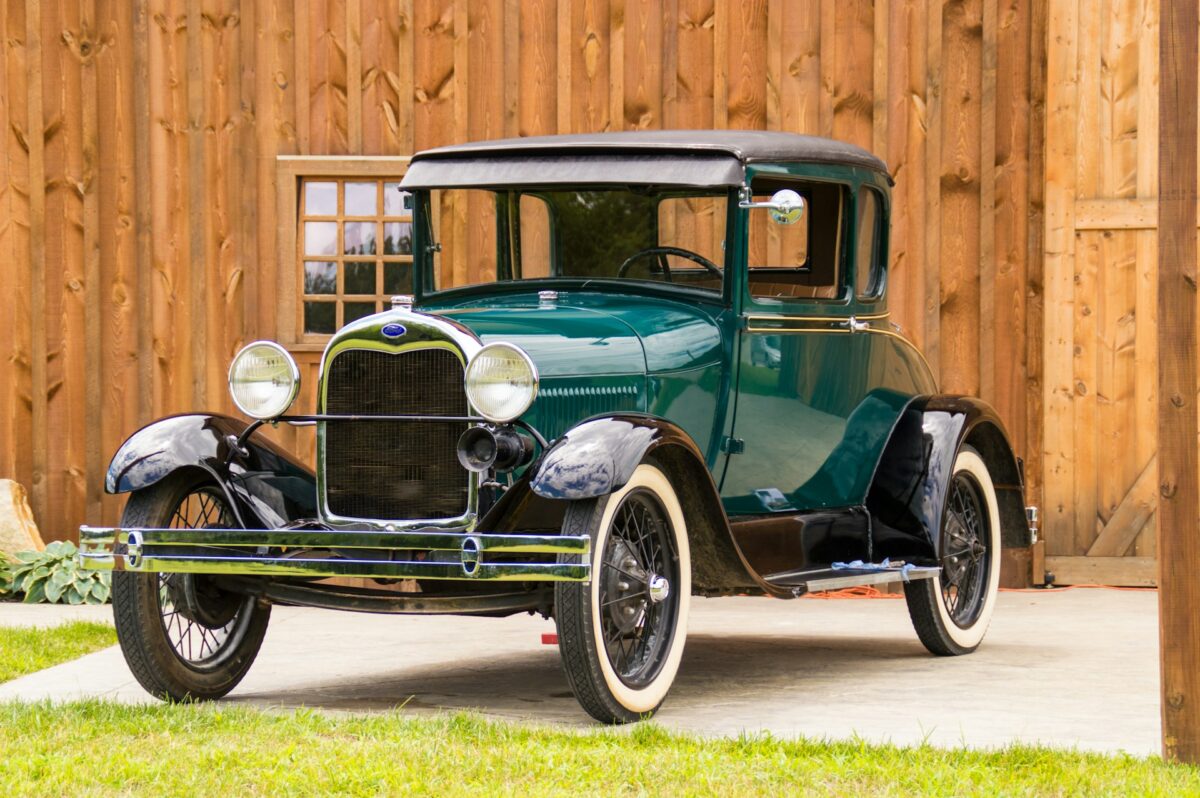
The Model T wasn’t built to be glamorous—and that’s exactly why it mattered. Henry Ford’s innovation was less about aesthetics and more about access: a car simple, reliable, and cheap enough for ordinary people to own.
Mass production meant identical cars rolled off the line, and yes, they mostly came in black because that paint dried fastest. By 1927, millions were on the road, and the idea that cars could be everyday tools, not just luxury toys, had taken hold.
Volkswagen Beetle
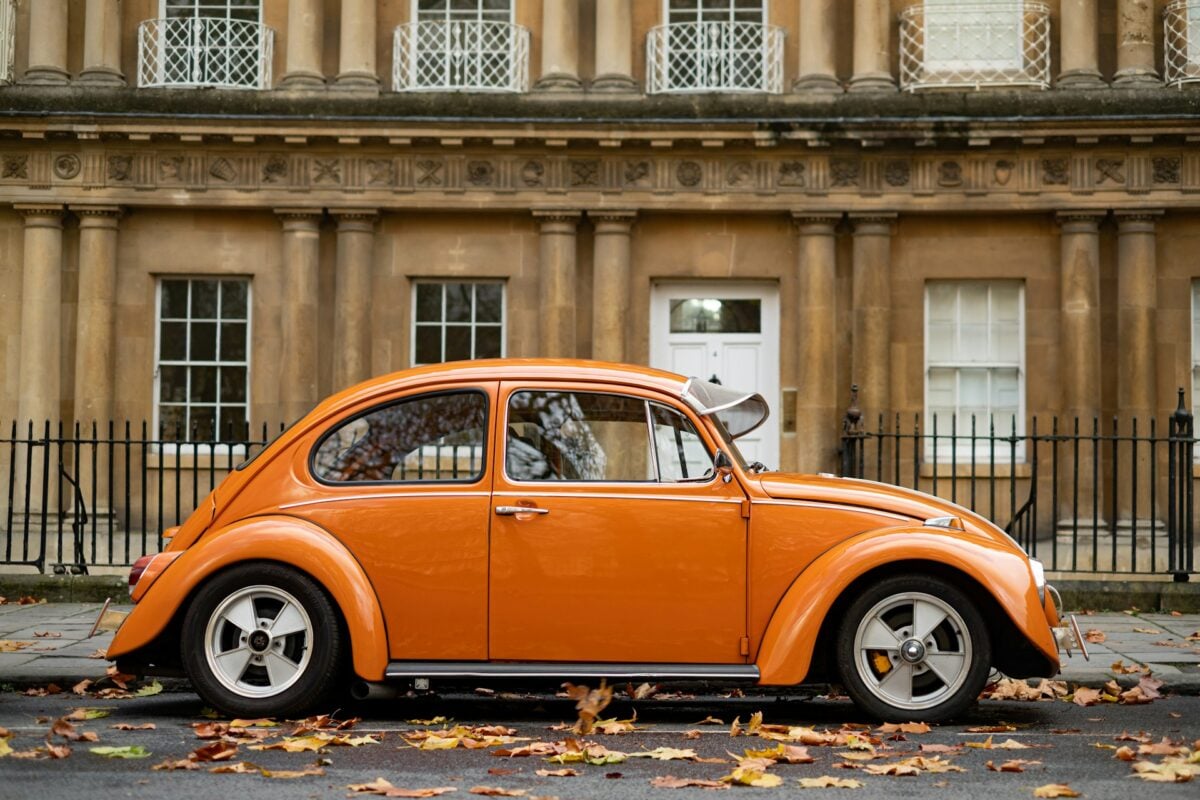
Ferdinand Porsche set out to build a people’s car and the Beetle was the result: mechanically straightforward, famously durable, and oddly lovable. That rounded silhouette did more than charm buyers—it was practical and aerodynamic, with a rear-mounted, air-cooled engine that was easy to maintain.
The Beetle became a cultural touchstone the world over, selling in the tens of millions and earning a place in both garages and pop culture.
Like Go2Tutors’s content? Follow us on MSN.
Jaguar E-Type
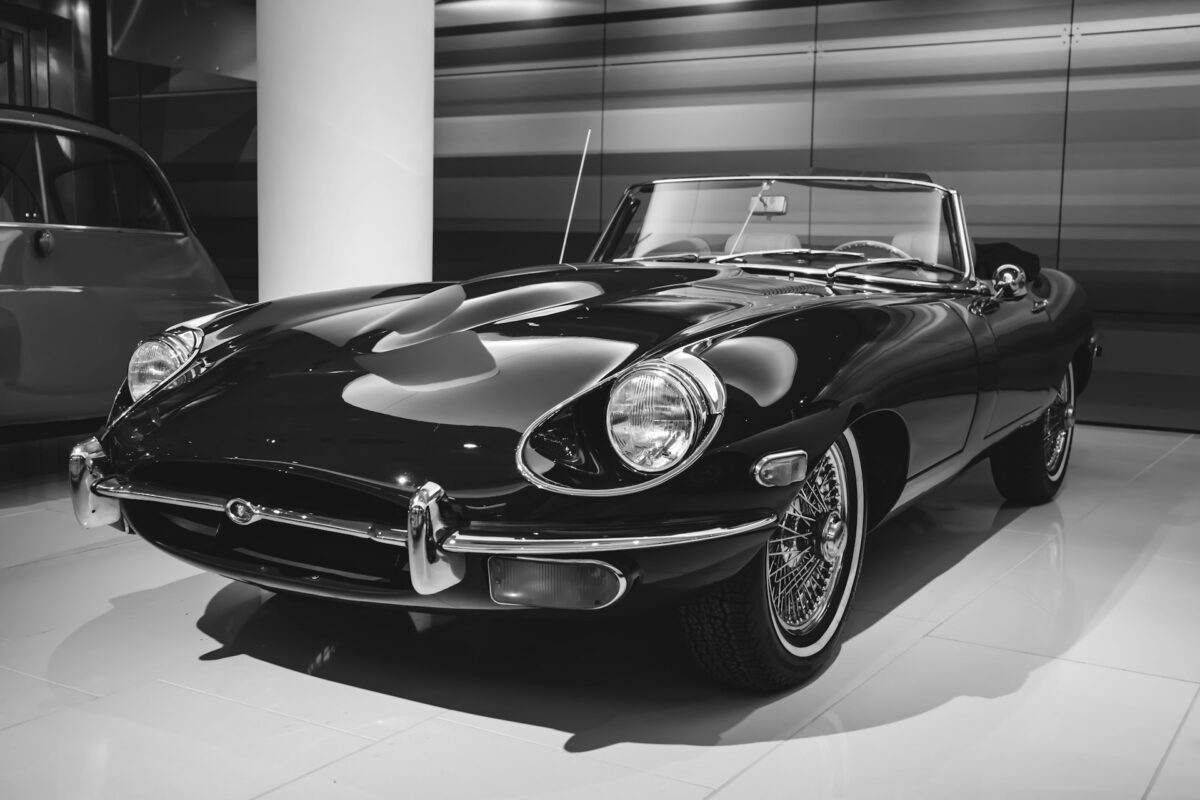
Enzo Ferrari allegedly called it the most beautiful car ever made, and the E-Type still makes people gasp. It paired breathtaking styling with real performance—top speeds once reserved for exotic machines.
Its long bonnet, covered headlights, and elegant proportions set a new bar for what a sports car could look like. Best of all, it offered a slice of exotic flair for far less than its Italian rivals.
Porsche 911
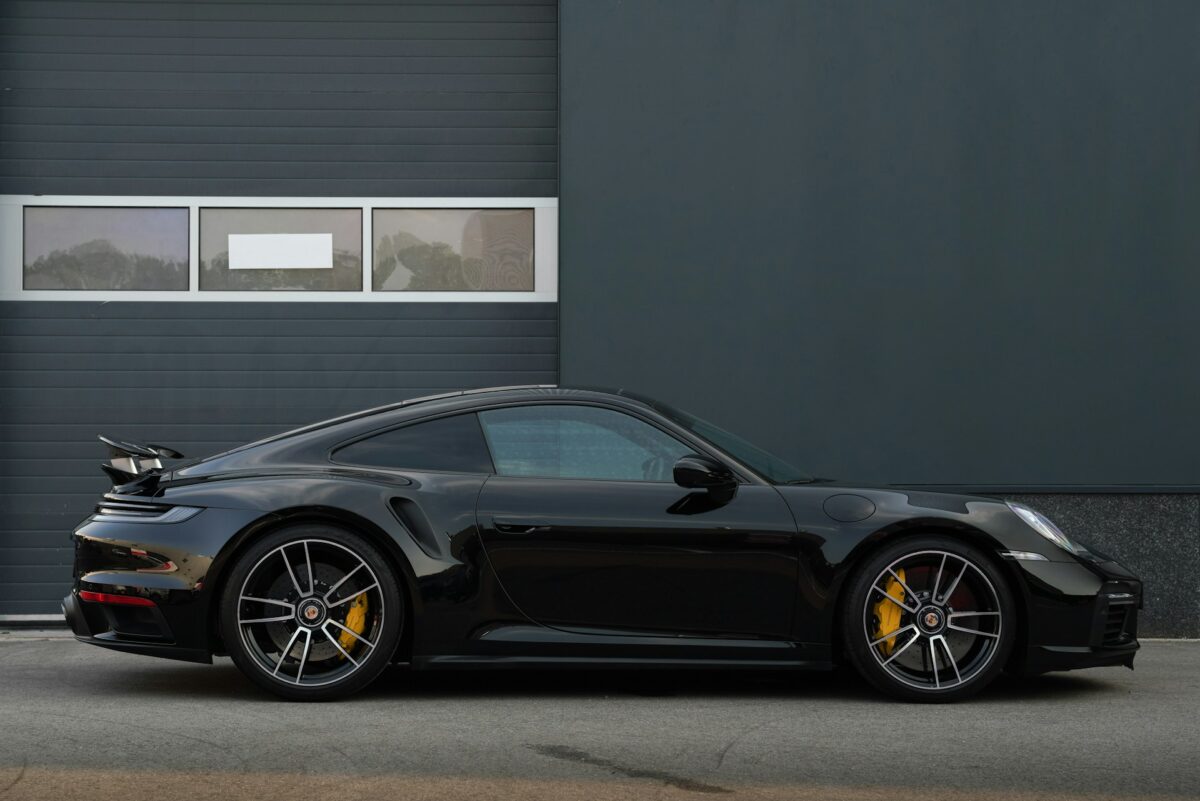
The 911’s proportions are instantly recognizable: a silhouette that’s endured for decades. A rear-engine layout raised eyebrows at first, but Porsche honed that design into a defining character trait—tight handling, a unique sound, and a personality all its own.
The 911 proves that great design can evolve without losing its essence; you recognize one at a glance, even generations later.
Chevrolet Corvette

America wanted a bona fide sports car and the Corvette answered the call with fiberglass bodywork and V8 punch. Early versions felt raw, but by the mid-’60s the Corvette had matured into a serious performer.
Those quad taillights and the assertive stance are pure American automotive iconography. The Corvette showed that the U.S. could build sports cars that mattered on style and performance.
Like Go2Tutors’s content? Follow us on MSN.
Ford Mustang
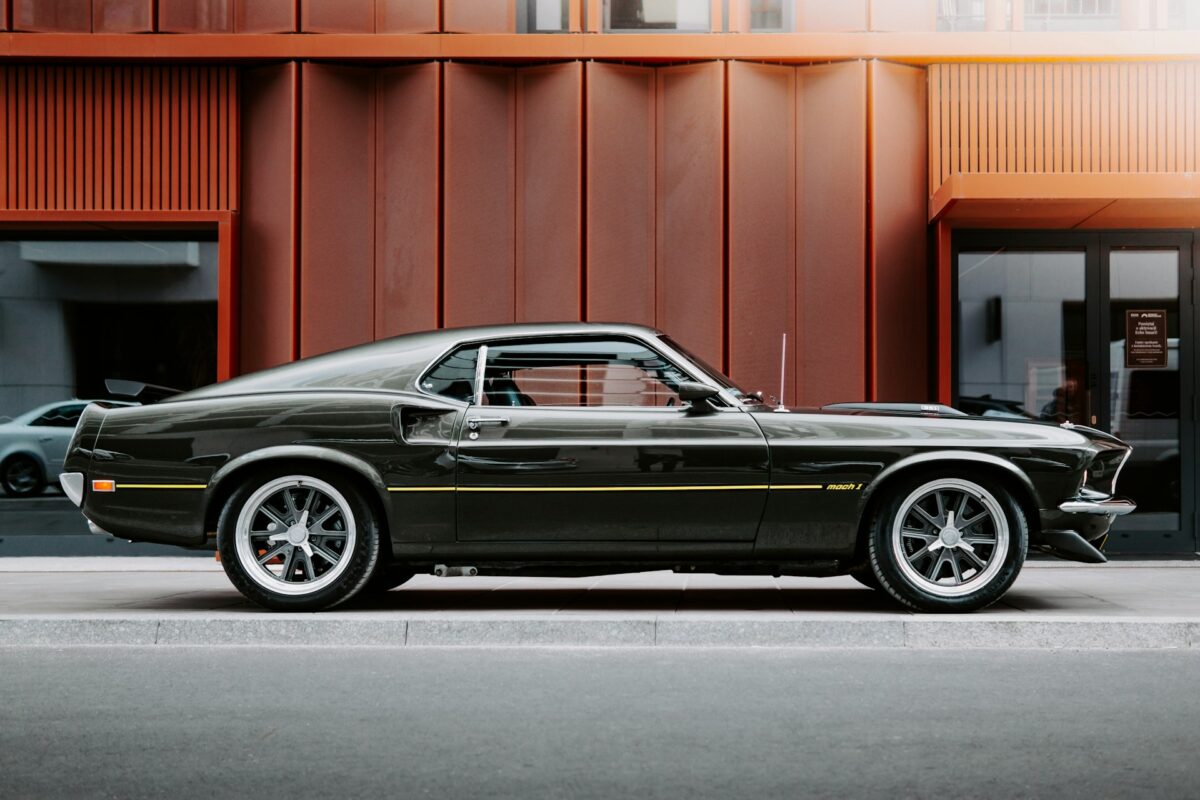
Lee Iacocca and the Mustang gave young buyers exactly what they wanted: style, choice, and punch. The long-hood/short-deck profile became the visual shorthand for the “pony car.”
Affordable performance was the point—you could spec a Mustang as a sensible commuter or as a roaring V8 muscle car. Selling more than a million examples in the first year proved the idea was a cultural home run.
Mercedes-Benz 300SL
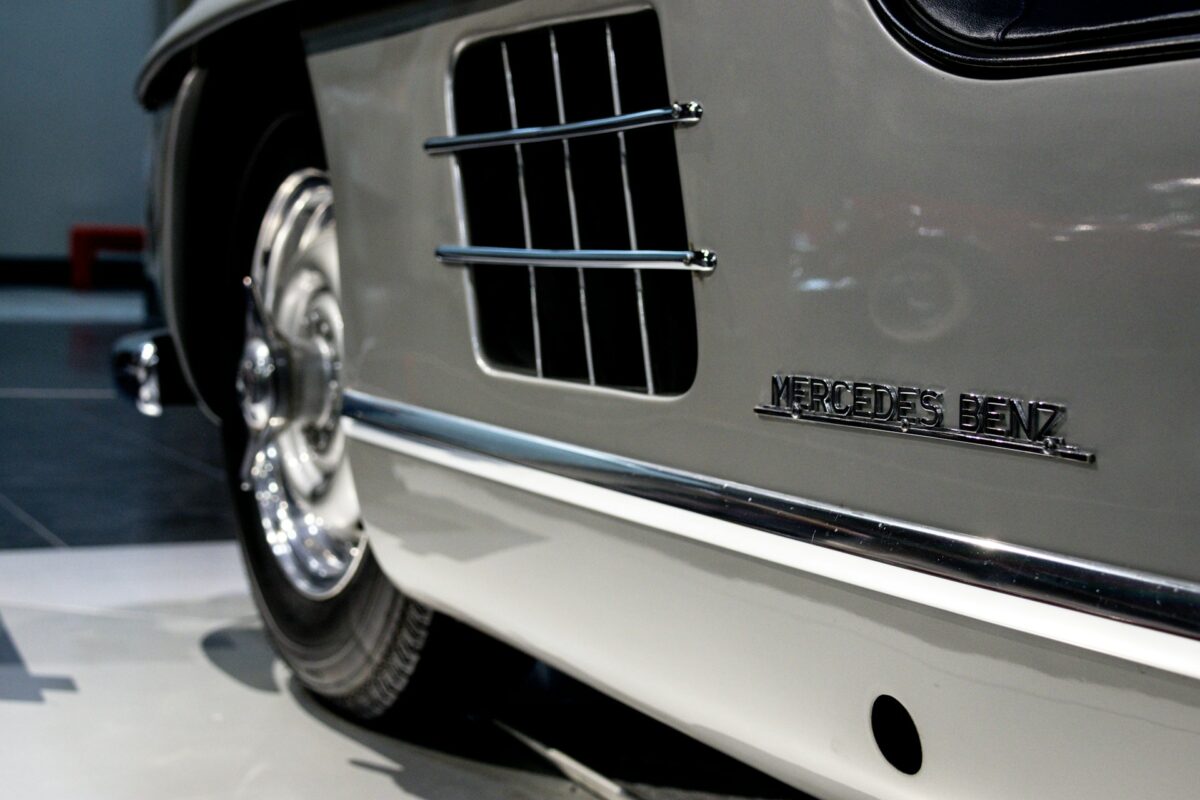
The 300SL looked like a racer that had wandered straight onto the boulevard—and those gullwing doors were impossible to ignore. They were born of engineering necessity: a spaceframe chassis that didn’t allow normal doors.
Under the skin, the car was tech-forward too—early fuel injection, racing pedigree, and a top speed that blew past the competition. It became an instant aspirational classic.
Mini Cooper
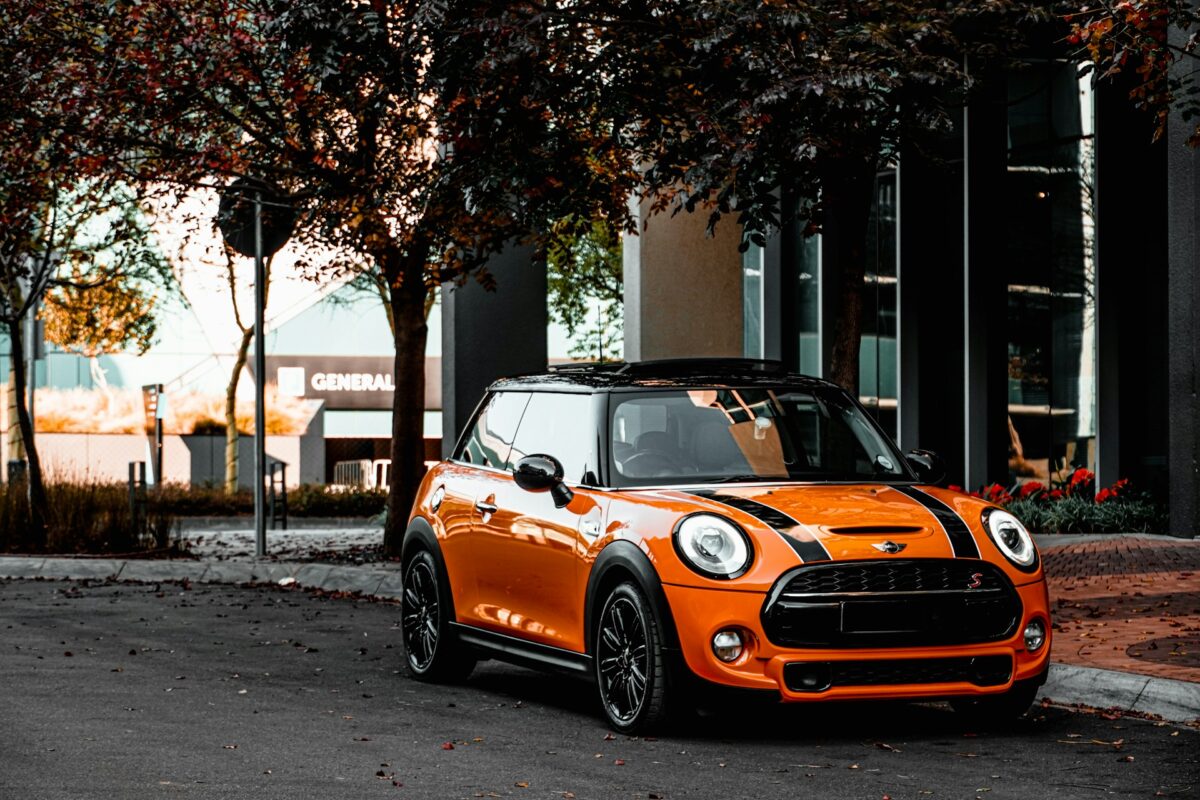
Alec Issigonis rearranged everything—sideways engine, wheels pushed to the corners—to squeeze maximum interior space into a tiny footprint. The result was brilliant packaging and astonishingly fun handling.
Racing versions became rally legends, showing that clever engineering and balance could beat raw horsepower. The Mini rewrote the playbook for small-car design.
Like Go2Tutors’s content? Follow us on MSN.
Citroën DS
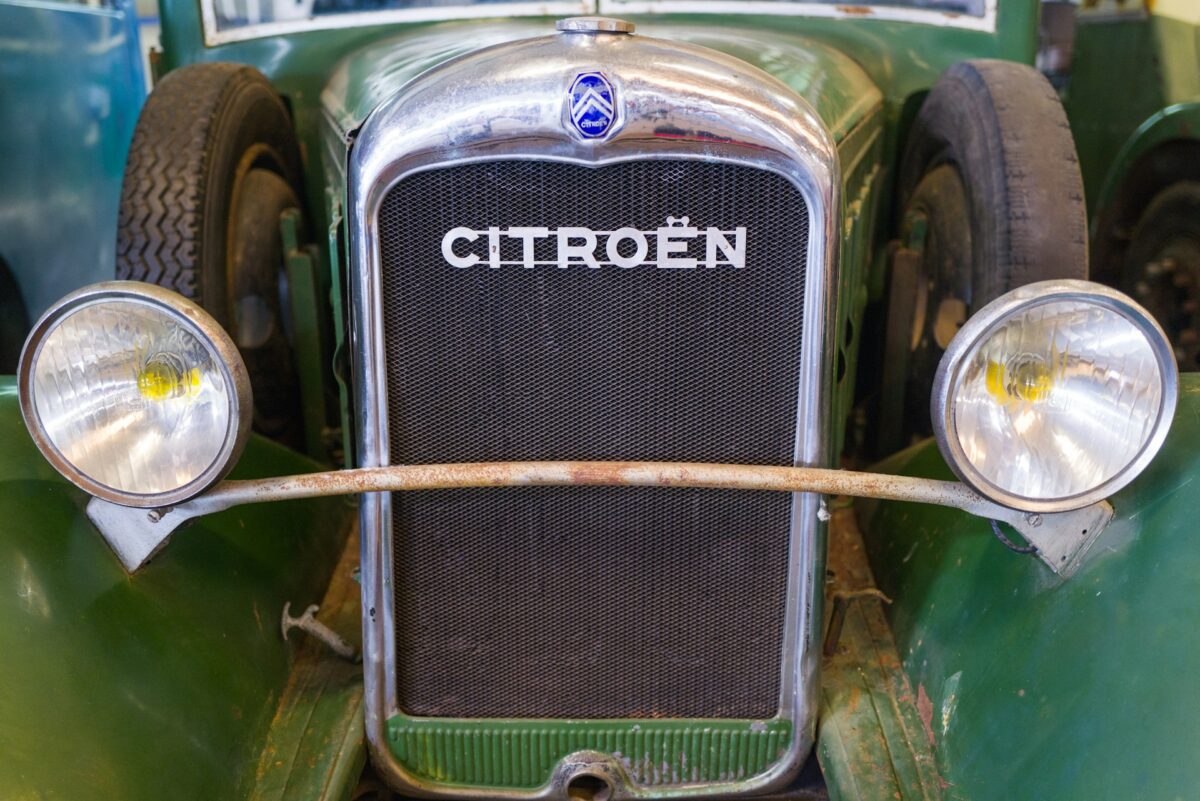
When the DS debuted it looked like a car from the future—sleek, low, and oddly otherworldly. Its hydropneumatic suspension delivered a floaty, adjustable ride that felt like magic to drivers of the era
. Swiveling headlights, self-leveling suspension, and early adoption of disc brakes made the DS a technological tour de force as well as a styling statement. It was ahead of its time in nearly every way.
Lamborghini Miura
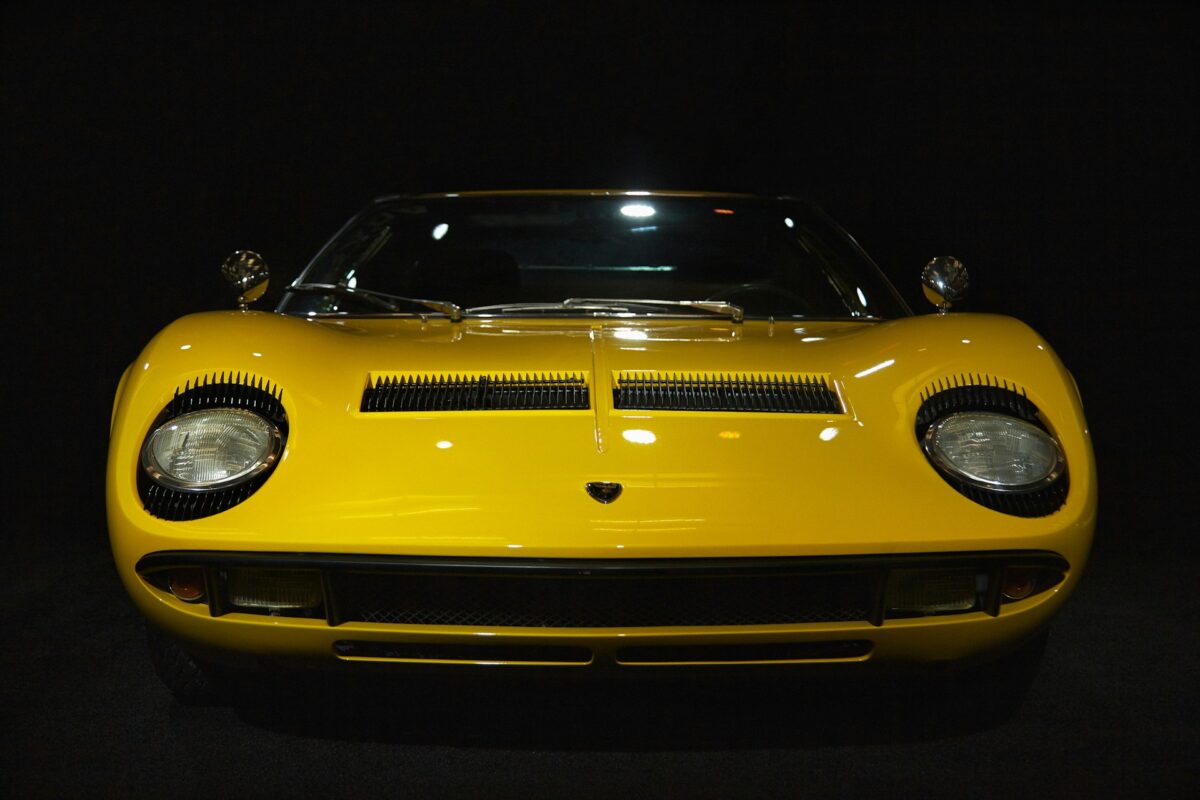
The Miura did for supercars what the Beatles did for rock: it changed everything almost overnight. By burying a V12 behind the seats, Lamborghini established the mid-engine layout as the performance template for the future.
Marcello Gandini’s bodywork was sensual and dramatic—parts art piece, parts race car. The Miura made the supercar exotica a visual and mechanical target for everyone to chase.
Jeep CJ
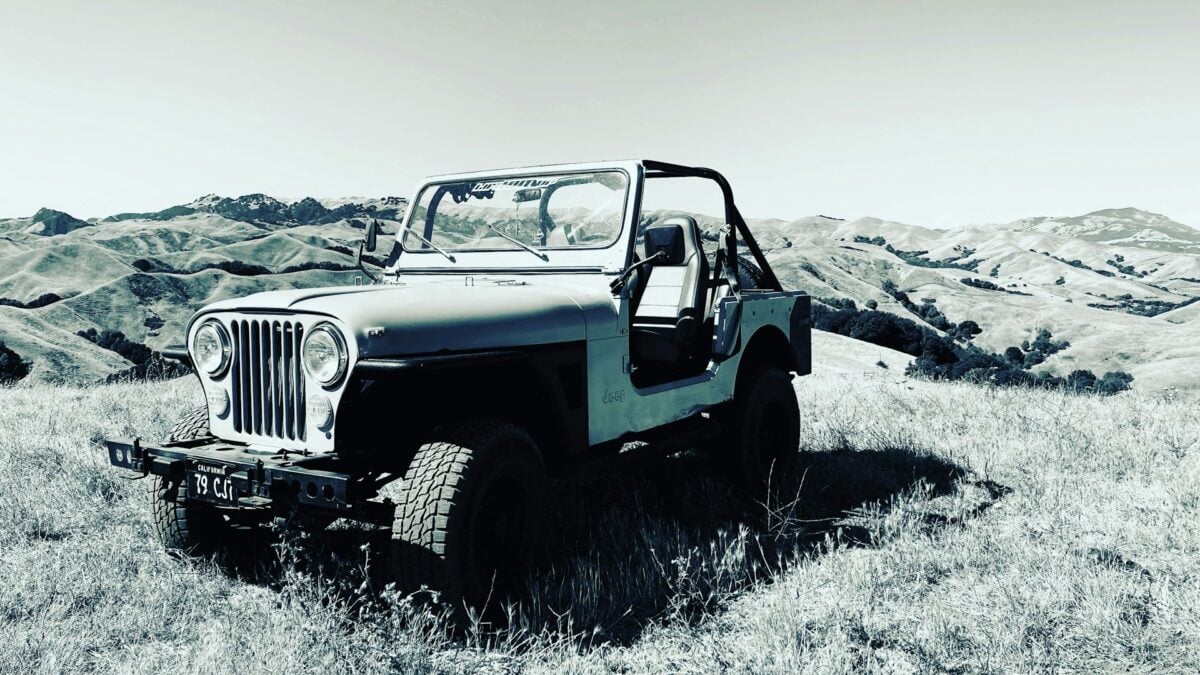
The Jeep’s roots are blunt and practical: forged in war, designed for utility. That rugged simplicity made it unstoppable off-road and unexpectedly desirable in peacetime.
Civilians fell for the go-anywhere capability, and a whole category of SUVs grew from that seed. The CJ proved that usefulness could be as alluring as speed or luxury.
Like Go2Tutors’s content? Follow us on MSN.
Ferrari 250 GTO
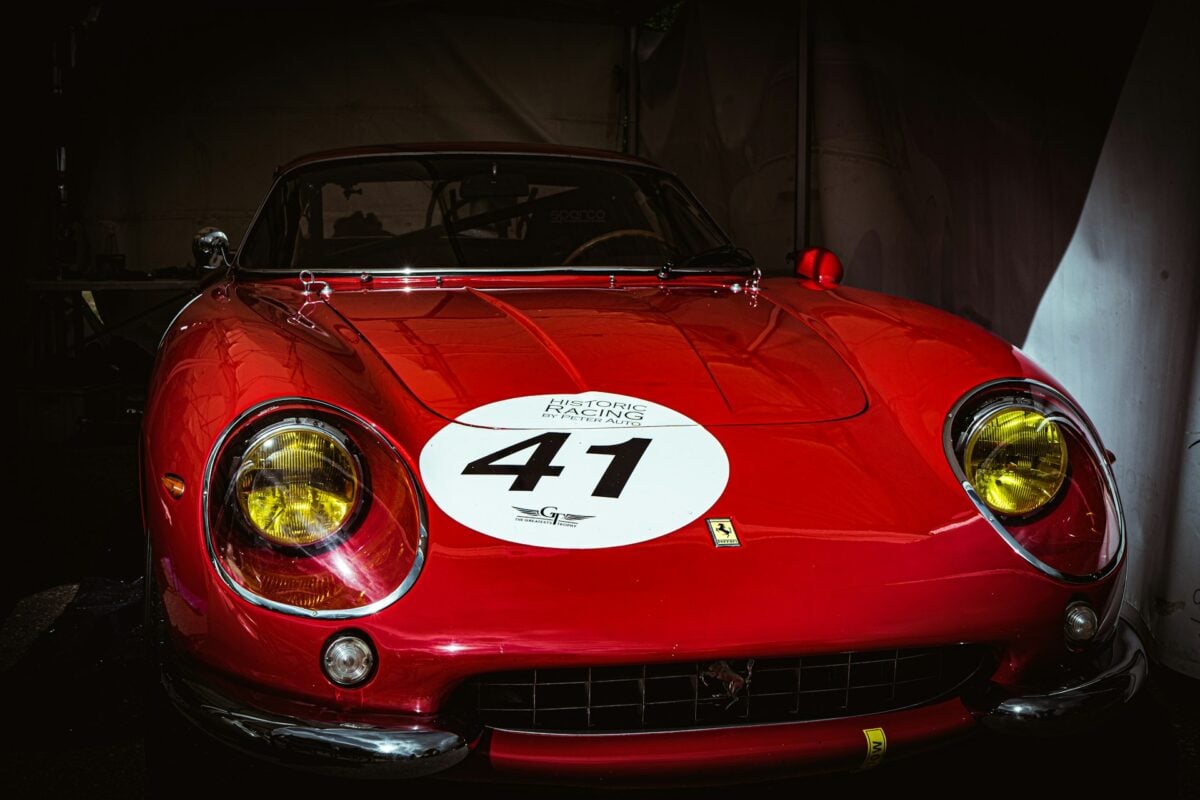
Only a few dozen were made, but the 250 GTO’s reputation is outsized. Built for the track, its lines are at once beautiful and purposefully aerodynamic.
Lightweight construction, a ripping V12, and race-bred chassis engineering made it dominant in competition. Today, its scarcity and pedigree make it among the most valuable cars on earth.
BMW 2002
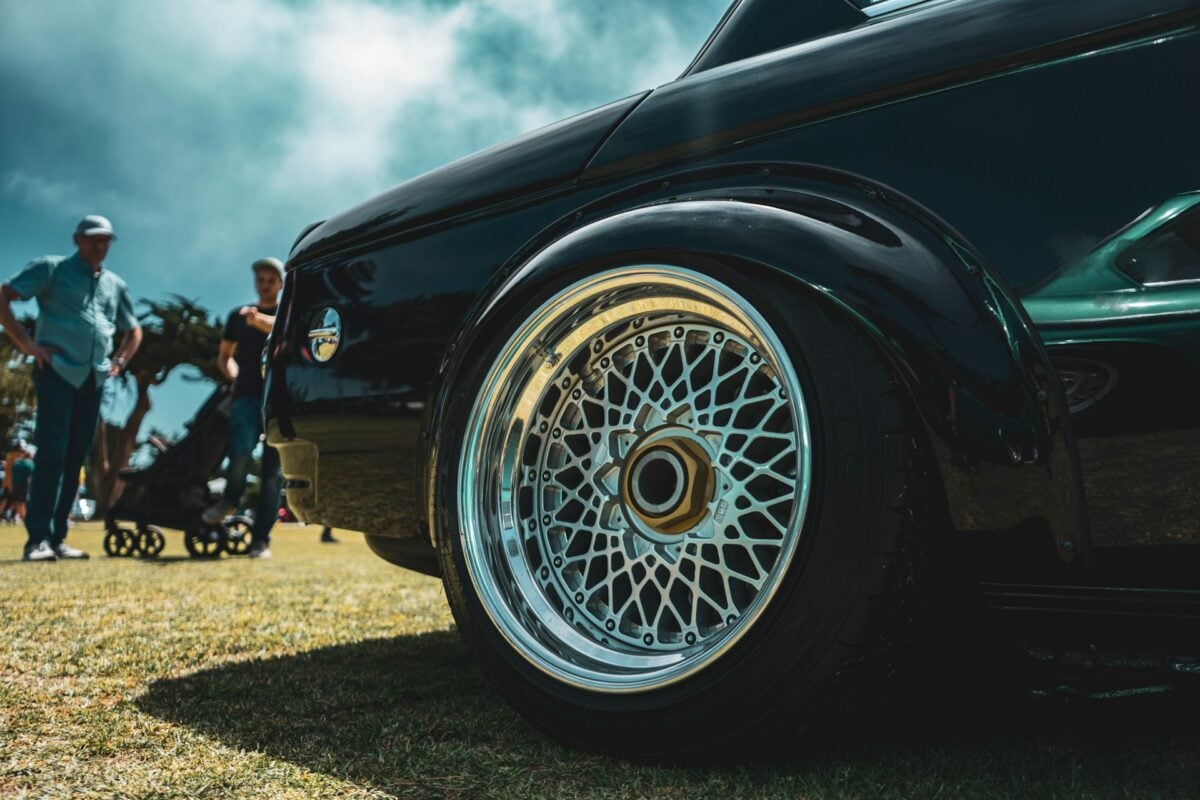
The 2002 rescued BMW’s reputation and reshaped what a compact sporty sedan could be. It married a practical two-door body with eager engines and precise handling—fun without sacrificing daily usability.
Americans took notice, and BMW’s “driver’s car” identity was born from that tidy, balanced formula.
Dodge Charger
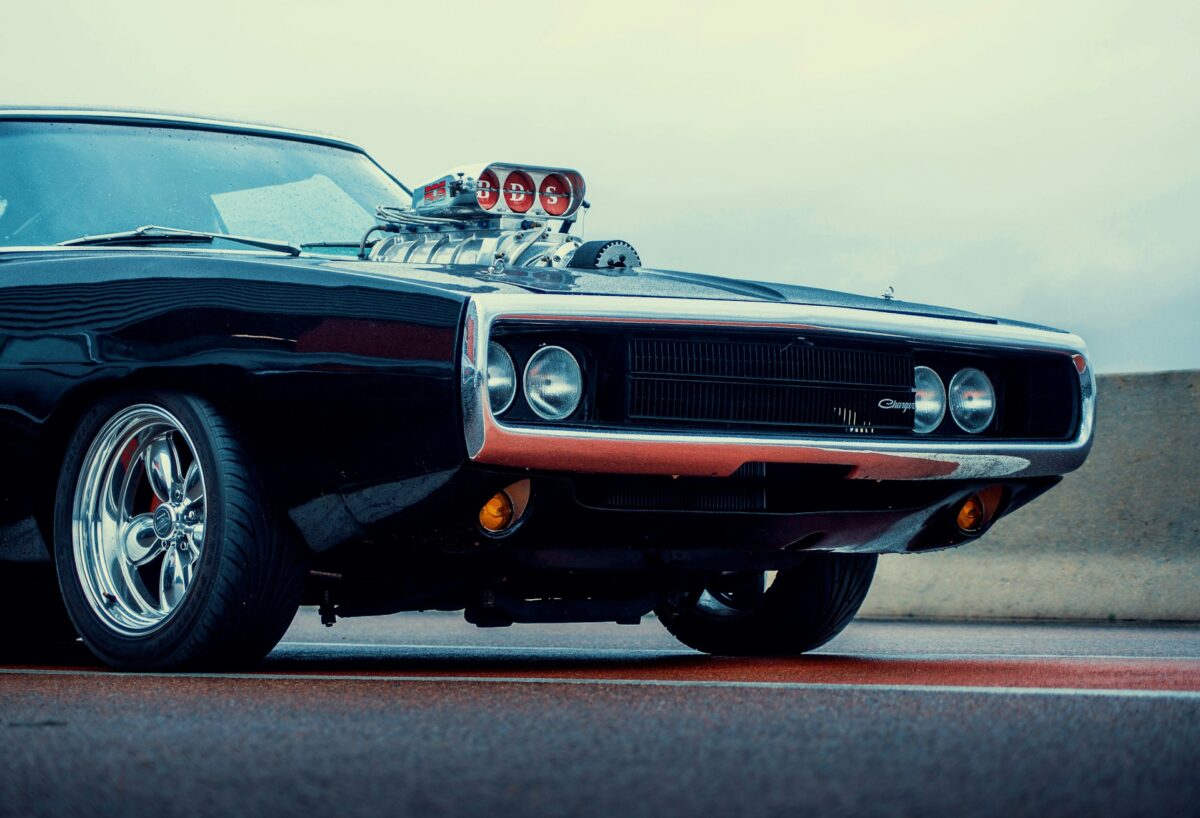
The Charger is pure muscle-era swagger: wide, bold, and built to roar. The second-generation styling—with its flying-buttress C-pillar and hidden headlights—gave it a silhouette that’s unforgettable.
Under the hood, options ranged from pleasant to apocalyptic (look up the 426 Hemi). It’s a poster car for a certain era of American excess.
Like Go2Tutors’s content? Follow us on MSN.
Audi Quattro
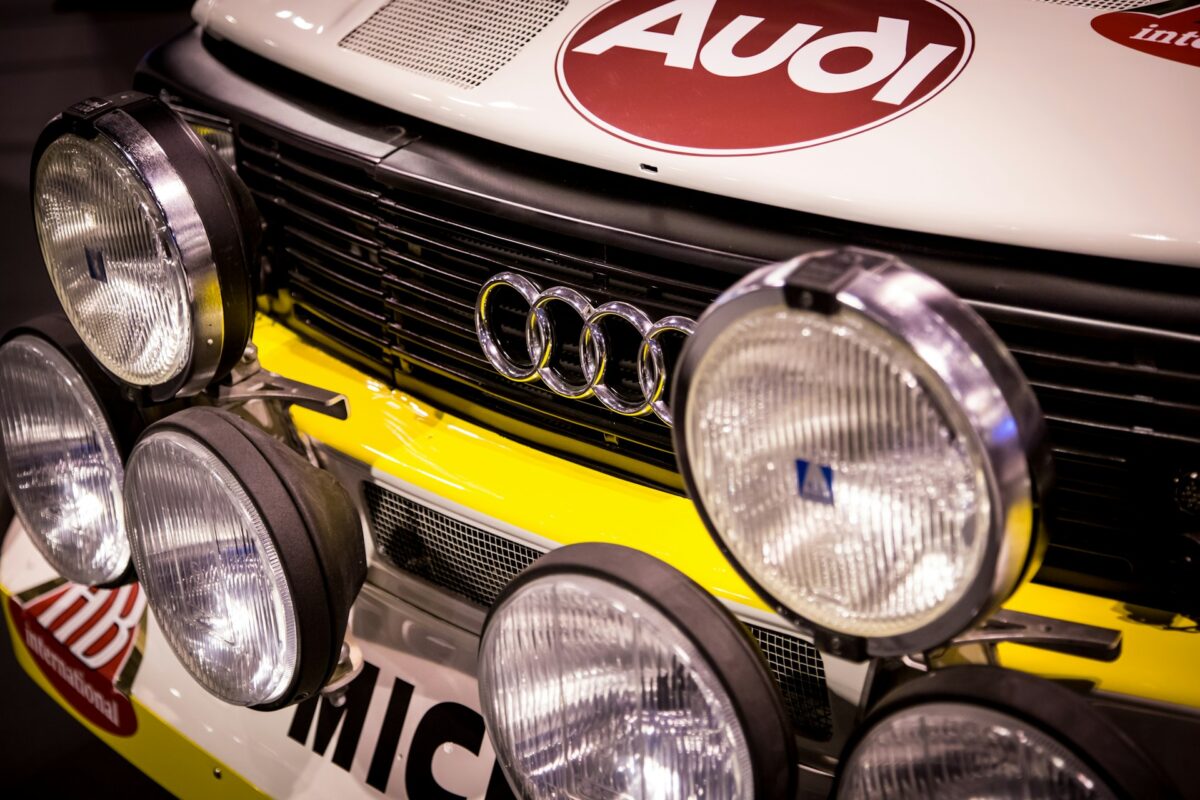
Audi walked onto the rally stage with a different idea—permanent all-wheel drive—and promptly rewrote the playbook. The Quattro’s grip and turbocharged punch made it a terror on loose surfaces.
Its success changed how manufacturers thought about drivetrain layout: AWD went from niche utility to a bona fide performance tool.
DeLorean DMC-12
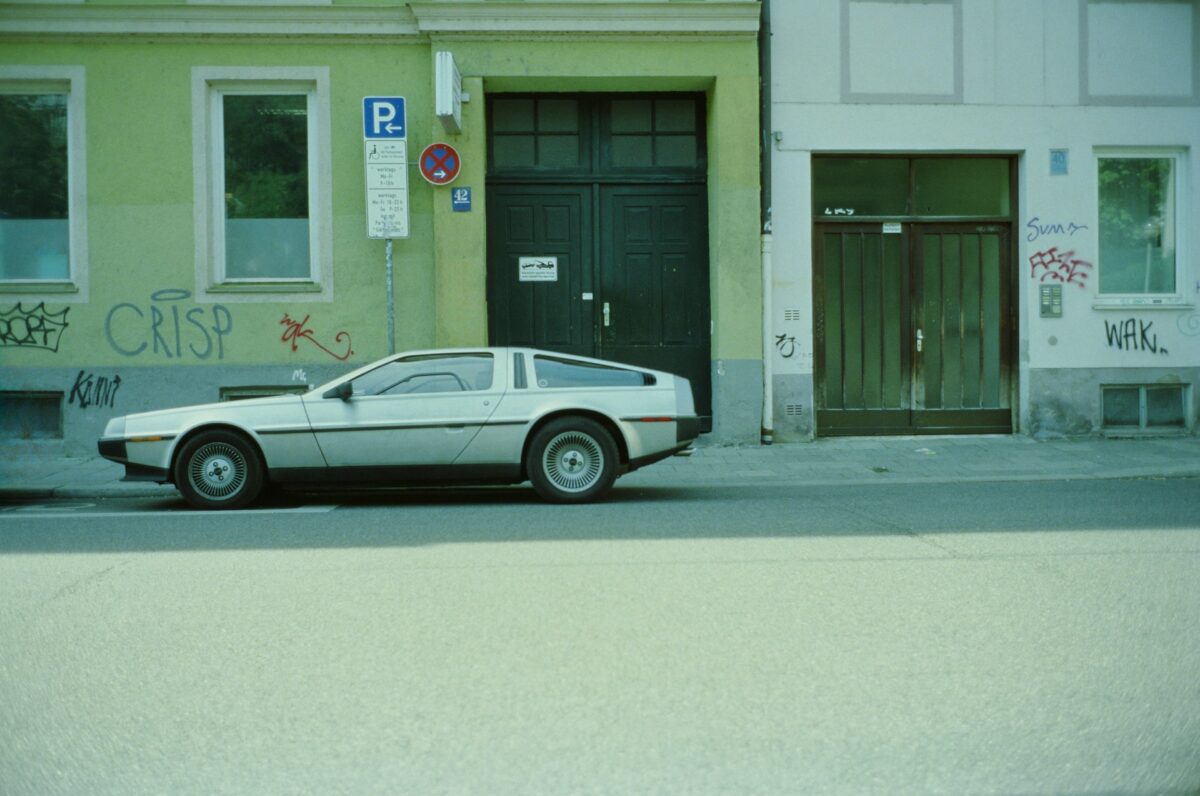
The DeLorean is proof that bold styling can outlive commercial failure. Stainless steel body panels, gullwing doors, and a story of high ambitions made it unforgettable.
Business missteps doomed the company, but the car itself gained immortality—especially after starring in a certain time-travel movie and becoming a pop-culture icon.
Range Rover
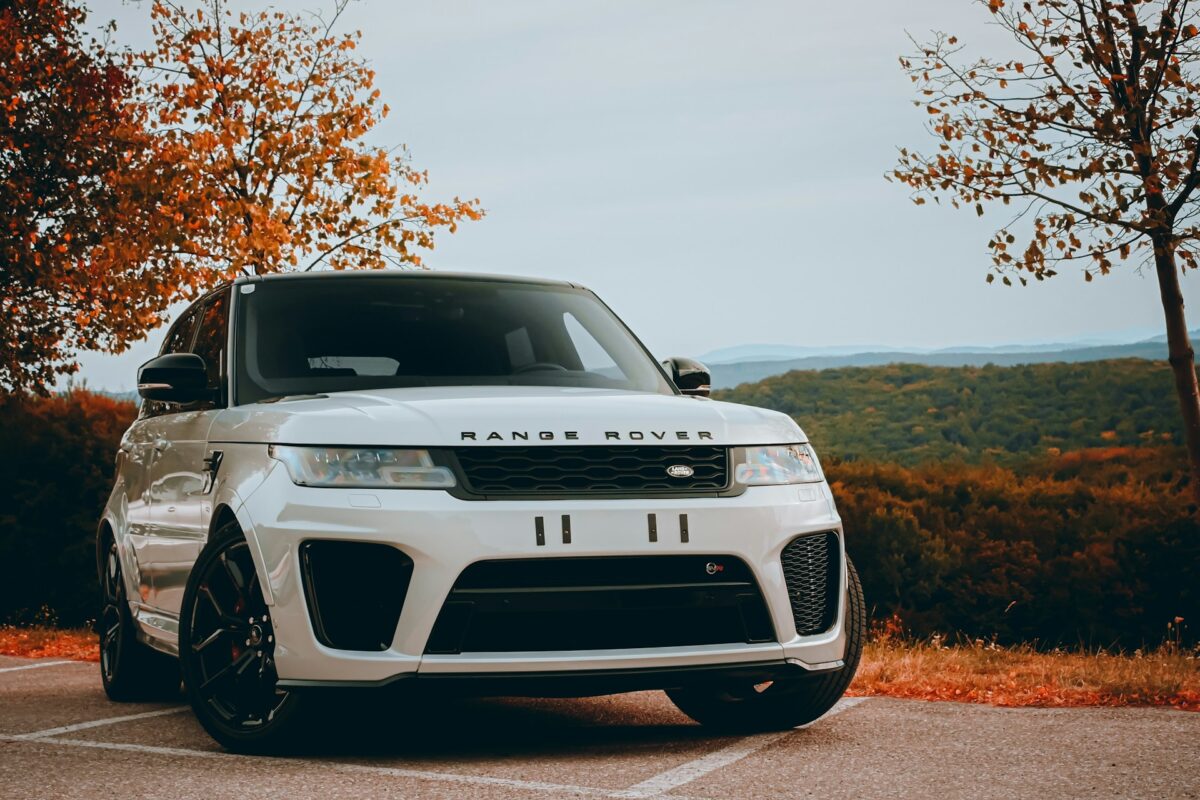
Range Rover fused genuine off-road capability with levels of comfort previously unheard of in utility vehicles. It could climb a muddy slope in the morning and arrive at a country club in the afternoon—no compromise required.
That blend of competence and luxury created the luxury-SUV category that dominates today’s market.
Like Go2Tutors’s content? Follow us on MSN.
Where Innovation Meets the Road

These seventeen cars did more than answer the needs of their moment; they nudged the whole industry in new directions. Some made motoring democratic, others scaled up performance, and a few simply showed what was possible when designers and engineers stopped playing it safe.
The cars we admire today owe a debt to these risk-takers—machines that didn’t just fit into their era, they helped define it.
More from Go2Tutors!

- 16 Historical Figures Who Were Nothing Like You Think
- 12 Things Sold in the 80s That Are Now Illegal
- 15 VHS Tapes That Could Be Worth Thousands
- 17 Historical “What Ifs” That Would Have Changed Everything
- 18 TV Shows That Vanished Without a Finale
Like Go2Tutors’s content? Follow us on MSN.