Armor Facts That Hollywood Ignores
Movies love showing knights in shining armor charging into battle, swords clanging against metal plates while heroes leap and spin with impossible agility. The armor looks impressive, the action flows smoothly, and no one questions how any of it actually worked.
But real armor functioned nothing like what you see on screen. The physics, the practicality, and the historical reality get sacrificed for spectacle and choreography that would be impossible if actors wore authentic protection.
Plate Armor Didn’t Exist for Most of the Medieval Period

Hollywood puts knights in full plate armor regardless of what century the story takes place in. But plate armor only became common in the late 1300s and reached its peak in the 1400s and early 1500s.
For most of the medieval period, soldiers wore chainmail, padded cloth, or combinations of partial plates with mail. A knight from 1100 looked completely different from one in 1400.
Earlier medieval warriors relied on mail hauberks and nasal helmets. Later periods saw the development of an articulated plate that covered the entire body.
Movies ignore this evolution and show plate armor in settings where it wouldn’t have existed yet. This matters because different armor types had different strengths and weaknesses.
Chainmail stopped cuts but not thrusts. Plate armor could deflect almost any weapon but cost enormous amounts and required specialized craftsmen.
Showing the wrong armor in the wrong period is like putting a jet fighter in a World War I dogfight.
You Could Actually Move in Armor

The biggest myth movies perpetuate is that armor makes people slow and clumsy. Full plate armor weighed between 45 and 55 pounds, distributed across the entire body.
Modern soldiers carry more weight in gear, and football players wear comparable loads. Knights could run, jump, mount horses without assistance, and fight for extended periods.
The armor articulated at every joint with carefully designed plates that slid over each other. A knight could perform cartwheels in a full plate if he wanted to.
Period sources describe knights doing acrobatic maneuvers and mounting horses by vaulting into the saddle. The armor restricted movement less than you’d think because it was custom-fitted and engineered for mobility.
Movies show armored fighters moving like they’re wearing concrete because it looks more dramatic when the hero fights someone slow and cumbersome. But real armored combat was fast and aggressive, with both fighters moving quickly and striking hard.
Armor Cost More Than Most People Earned in Years

A full suit of plate armor could cost the equivalent of a small farm or several years’ wages for a common laborer. Only wealthy nobles, successful knights, and professional soldiers could afford quality armor.
Most people fighting in medieval battles wore minimal protection—maybe a helmet and a padded jacket if they were lucky. Movies show entire armies in matching plate armor because it looks impressive.
Reality featured armies where equipment varied wildly based on what individuals could afford or scavenge. Lords provided some gear for their troops, but nothing like the uniform protection that films depict.
This economic reality shaped how battles were fought. Armored knights were valuable assets that armies tried to capture for ransom rather than kill.
Common soldiers knew they couldn’t afford to lose or damage their gear, so they fought more conservatively than movies suggest.
Helmets Destroyed Your Peripheral Vision
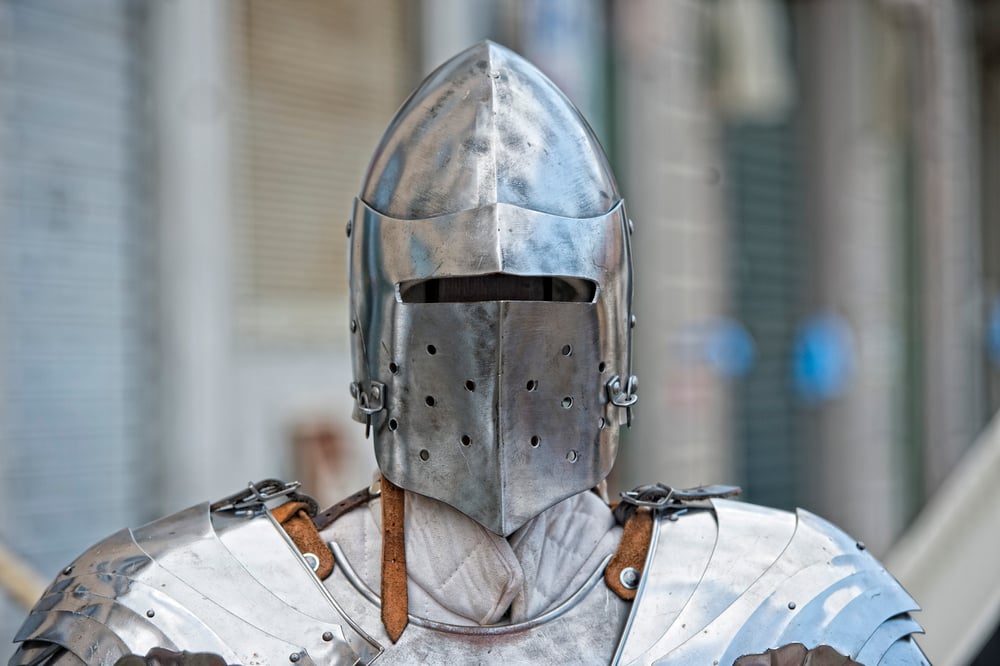
Knights in movies wear helmets that somehow let them see everything around them. Real helmets, particularly great helmets and later full visored bascinets, severely limited vision.
Some designs gave you a narrow horizontal slit to see through. Others had breathing pits that provided ventilation but made it hard to see anything not directly in front of you.
This limitation changed combat tactics. Knights in enclosed helmets relied on sound and the movement they could glimpse through narrow openings.
They fought in formations that protected their blind spots. Squires and companions helped armored fighters navigate when they couldn’t see clearly.
Tournament helms were even worse, offering minimal vision because the risk of eye injuries outweighed the need to see well. Knights competing in jousts aimed their lances by lining up during the approach, then hoping they stayed on target when their vision disappeared behind metal.
Maintenance Was Constant and Necessary

Armor rusted if you didn’t maintain it constantly. Knights and their servants cleaned armor after every use, oiled it to prevent corrosion, and checked for damage that needed repair.
A single day of rain could cause rust spots that weaken the metal if not addressed immediately. Movies show characters wearing armor that looks pristine despite being used in muddy battles and stored carelessly.
Real armor required dedicated care. Servants spent hours scouring mail rings with sand in vinegar to remove rust.
Plate armor needed oiling and careful storage in dry places. Damaged armor didn’t just look bad—it failed to protect properly.
A bent plate or broken strap could expose vulnerable areas or restrict movement at critical moments. Keeping armor functional was a serious responsibility that took significant time and resources.
Different Situations Required Different Armor
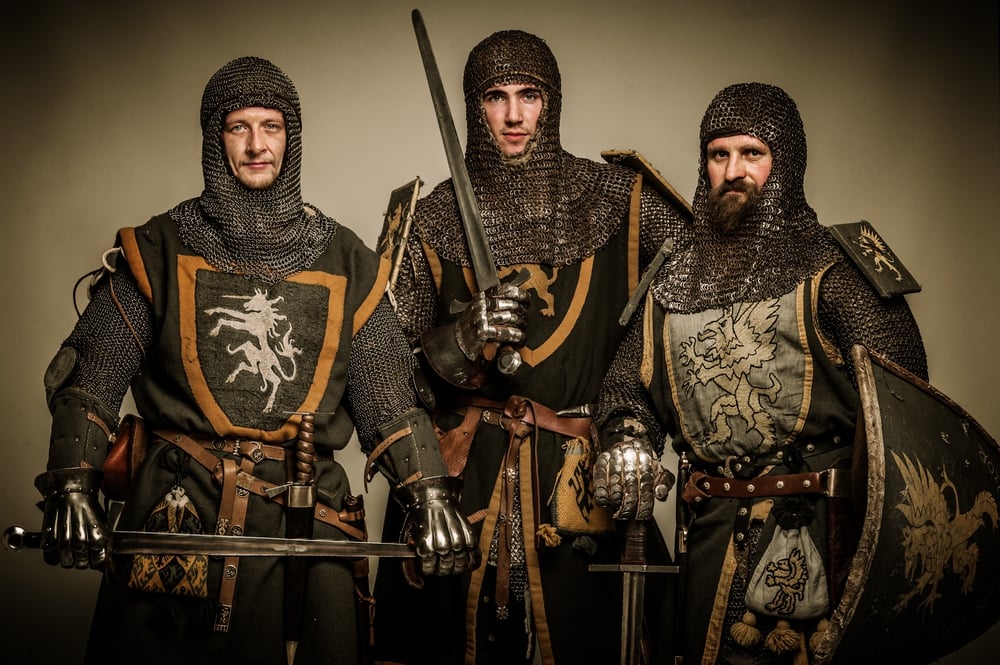
Knights didn’t wear tournament armor into battle or battle armor to tournaments. The tournament plate was heavier and more protective because the stakes were lower—you might get injured, but you probably wouldn’t die.
Battle armor prioritized mobility and endurance because fights lasted hours and you needed to move quickly. Cavalry armor differed from infantry armor.
Mounted fighters needed more protection on their left side and front, where enemy weapons typically struck. Infantry required better leg protection and more mobile arm joints for close combat.
Movies show one-size-fits-all armor that characters wear in every situation. Real warriors owned multiple sets or adjusted their gear based on what they were doing.
Wearing the wrong armor for the situation could be fatal.
Arrows Penetrated Some Armor Easily
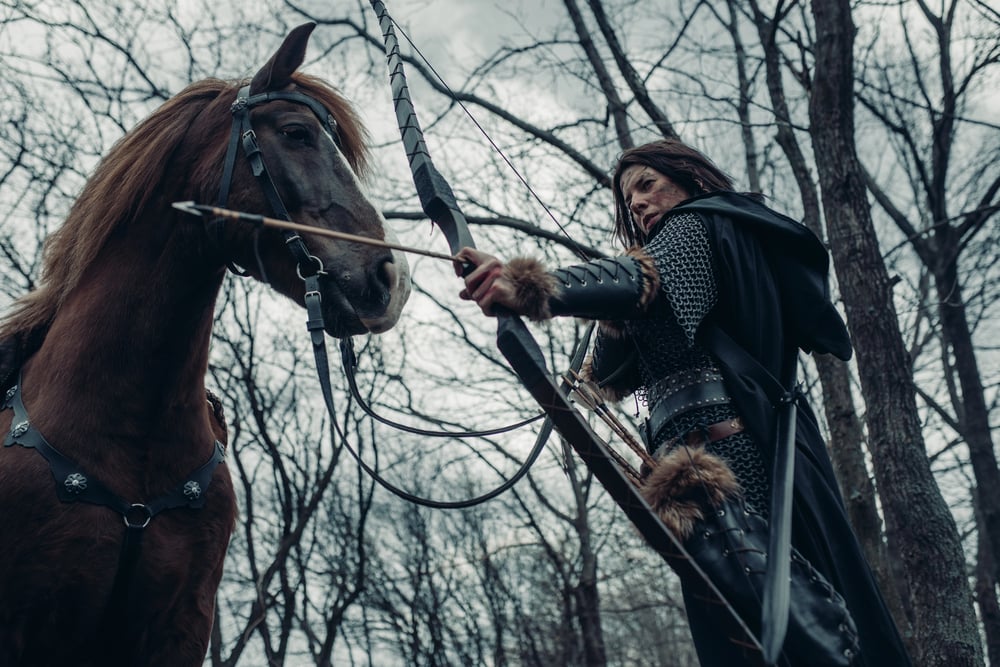
Movies either make armor invincible or useless depending on what the plot needs. Reality was more nuanced.
Arrows could penetrate mail and padded armor, especially at close range. Longbows and crossbows at full draw could punch through some plate armor, particularly older or cheaper versions.
This is why armor evolved constantly. As weapons improved, armor had to improve too.
Thicker plates, better angles, and improved metallurgy all responded to weapons becoming more effective. The arms race between offensive and defensive technology never stopped.
Knights did get hit by arrows and sometimes died from them. Arrows found gaps in armor, struck weak points, or penetrated plates that weren’t thick enough.
The idea that plate armor made you immune to arrows is as wrong as showing arrows easily piercing quality plate armor.
Blunt Weapons Beat Swords Against Armor
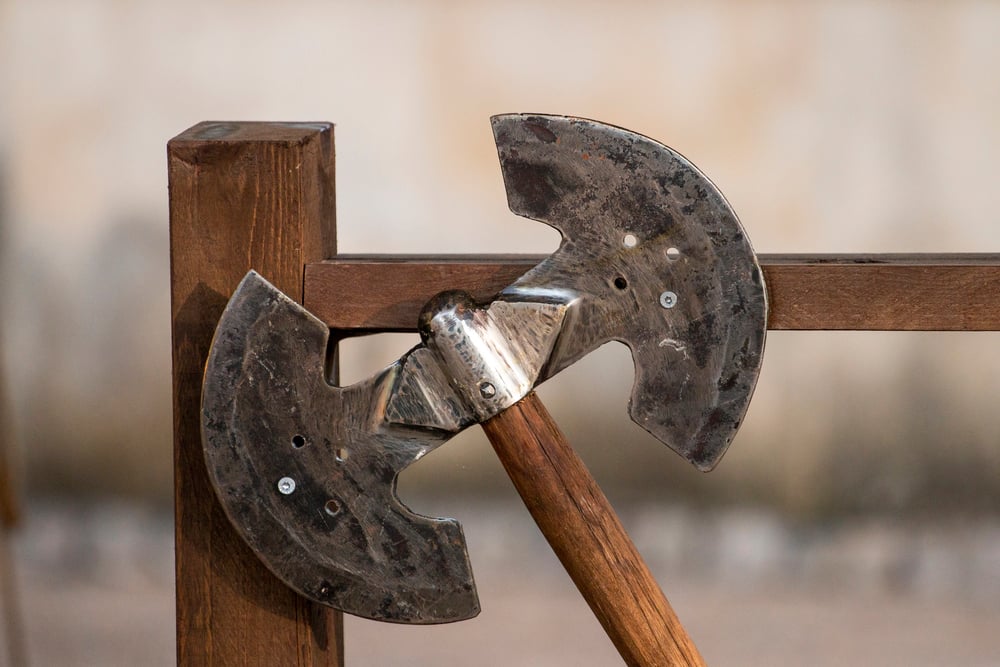
Hollywood loves sword fights, so every battle features knights clashing swords against armor. Real armored combat relied on hammers, maces, axes, and polearms.
Swords couldn’t cut through plate armor—they just scratched the surface or bounced off. Knights fighting armored opponents used weapons that could crush armor through blunt force trauma or pierce it at weak points.
Warhammers concentrated force on small areas that could dent or penetrate plates. Pollaxes combined axe blades, hammer heads, and spikes to attack armor from multiple angles.
Swords were backup weapons for armored knights or primary weapons against unarmored opponents. When movies show swords cutting through armor or knocking armored fighters down with slashing attacks, they’re depicting something that wouldn’t work.
Armor Wasn’t Standardized Across Armies

Medieval armies looked nothing like the uniform forces in movies. Soldiers wore whatever armor they could get, creating mismatched collections of gear from different periods and regions.
An army might have some fighters in full plate, others in chainmail, and many in just padded cloth or leather. This diversity reflected economic reality and the decentralized nature of medieval warfare.
Lords called up vassals who brought their own equipment. Mercenaries wore what they could afford or had taken from previous battles.
Only the wealthiest forces approached anything like uniformity. Movies create uniform armies because it looks better on screen and helps audiences distinguish sides.
But walking onto a real medieval battlefield would reveal fighters wearing drastically different protection levels all fighting in the same army.
Padding Underneath Made Armor Work

Knights wore multiple layers under their armor. A padded gambeson went under the mail, which went under the plate.
These layers absorbed impact, prevented chafing, and distributed weight. The padding was almost as important as the metal in keeping the wearer alive.
A blow that didn’t penetrate armor could still break bones through blunt force trauma. The padding helped absorb these impacts.
It also prevented the armor itself from cutting into skin during movement or impacts. Movies show people wearing plate armor directly over cloth shirts, which would be agonizing and ineffective.
The full system included carefully designed underlayers that made the armor functional. Without proper padding, armor caused injuries through friction and impact even when it stopped weapons.
Armor Evolved Based on Threats

Early medieval armor focused on stopping slashing attacks from swords and axes. As crossbows became common, armor needed to resist piercing.
When firearms appeared, armor had to either get thick enough to stop bullets or be discarded entirely. This evolution happened quickly in some periods, with armor designs changing within decades as new weapons appeared.
Armorers experimented with different metals, thicknesses, and constructions to counter emerging threats. Some solutions worked, others didn’t.
Movies freeze armor in time, showing the same designs across centuries. Real armor was in constant flux, responding to battlefield conditions and technological advances.
An armorer from 1200 wouldn’t recognize armor from 1500 because the entire field had transformed.
Heat Exhaustion Killed Fighters

Wearing metal in the sun while fighting is brutally hot. Knights in summer battles faced a serious risk of heat exhaustion and dehydration.
Some battles were won not by superior tactics but because one side overheated faster than the other. This limited when and how long armies could fight.
Commanders scheduled battles for cooler parts of the day when possible. Knights removed their helmets between combat to cool down.
Fighting in armor was physically exhausting beyond just the combat itself. Movies rarely show fighters overheating or struggling with the temperature inside their armor.
Real battles included pauses where exhausted fighters rested, drank water, and tried to cool down before resuming combat.
Gaps and Joints Were Deliberately Targeted
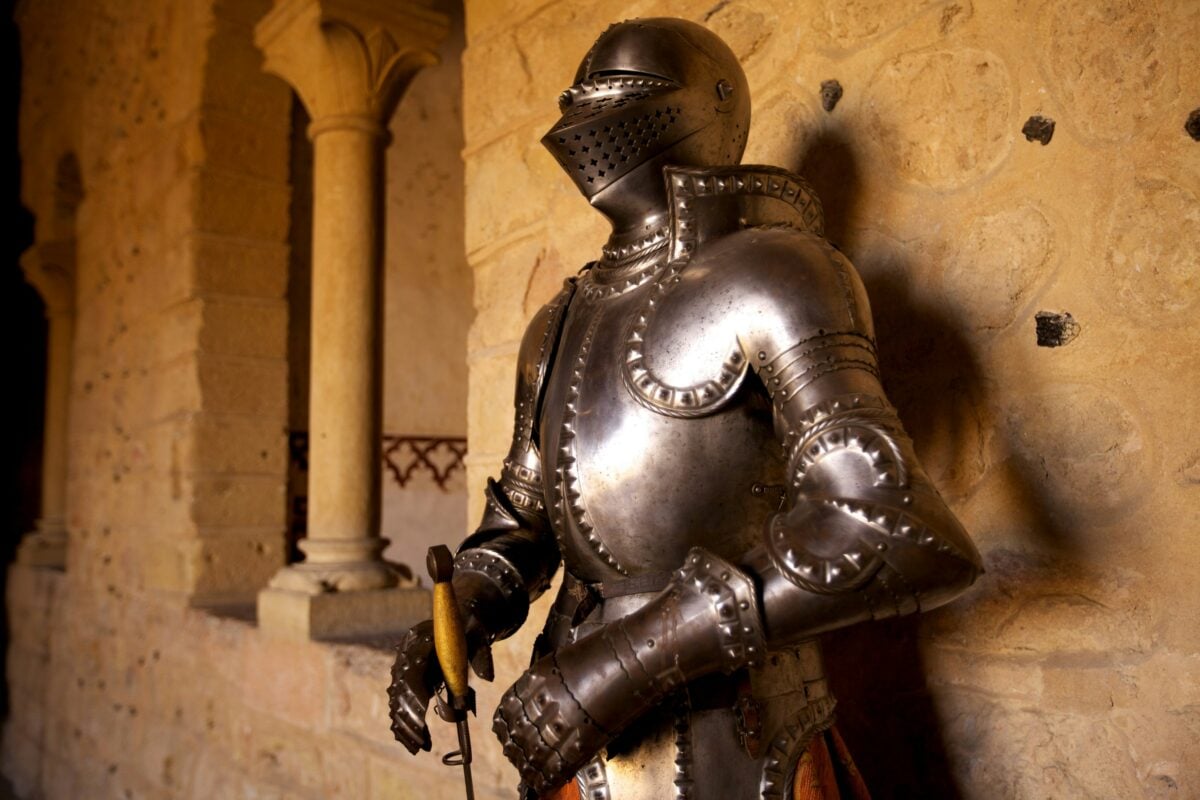
Armored combat involved trying to stab daggers or weapons into gaps at armpits, elbows, behind knees, and at the visor. Knights carried specialized weapons for this purpose—rondel daggers with narrow blades that could slip between plates.
Wrestling and grappling were essential skills for armored combat. Once you close with an opponent, you try to force them down and attack weak points at close range.
This looked nothing like the dramatic sword exchanges in movies. Half-swording—gripping the blade of your sword to use it like a short spear—was a common technique against armored opponents.
You aimed for gaps and tried to pierce through mail or between plates. The combat was technical and brutal rather than elegant and acrobatic.
When Metal Meets Fantasy
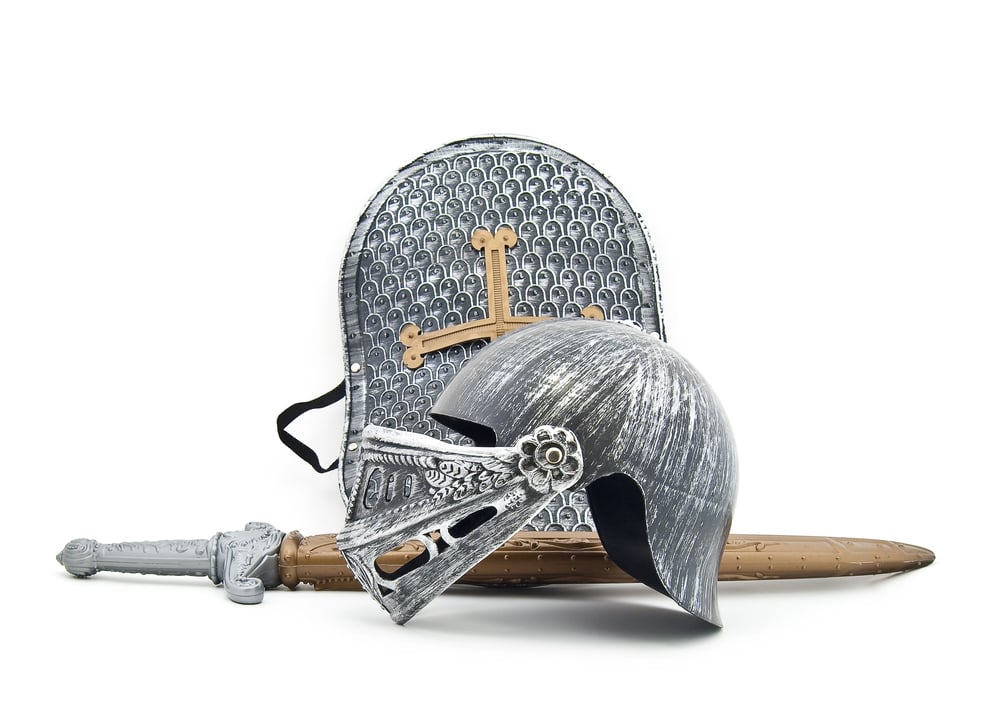
Fighting gear on screen often bends reality just to keep viewers hooked. What matters most is how a scene feels, not whether it matches old records.
When weight slows someone down dramatically, it’s usually about shaping tension – not facts. Sometimes armor gets treated like junk simply so the good guy can come out ahead.
Movements like leaping or scrambling in full metal happen because people anticipate swift moves, even if it stretches belief. The priority stays fixed: momentum over museum displays.
Truth often beats fiction, hands down. Heavy suits were high tech for their time – cost a fortune, built with smart design.
Years of training went into moving and fighting while wearing them. As dangers changed, so did the metal worn on battlefields.
Combat shifted shape since armor did its job well, pushing warriors toward new moves and tools. Showing true armored battles on screen means shorter clashes, cautious moves, one fighter watching for a gap while guarding every inch.
Most troops back then had little more than cloth or leather, only rich warriors clad head-to-toe in steel plates. A properly equipped knight? Nearly untouchable, tough to bring down – not just another body piling up at the protagonist’s feet.
Yet movies skip these facts flat. Armor shifts shape depending on what happens next – strong enough to create tension, weak enough to keep scenes moving fast.
Movement stays fluid, nimble, despite heavy metal that in reality would slow each step, bind arms, and resist quick turns like water resists swimming backward.
More from Go2Tutors!

- The Romanov Crown Jewels and Their Tragic Fate
- 13 Historical Mysteries That Science Still Can’t Solve
- Famous Hoaxes That Fooled the World for Years
- 15 Child Stars with Tragic Adult Lives
- 16 Famous Jewelry Pieces in History
Like Go2Tutors’s content? Follow us on MSN.