Movies That Changed How Cities Were Portrayed
Cities in cinema are more than backdrops. They breathe, loom, and sometimes even become characters themselves.
From neon skylines to gritty sidewalks, filmmakers have used urban landscapes to redefine not just stories but the way audiences imagine real-world places. Below are movies that shifted how cities were portrayed on screen and, in turn, how they were remembered off it.
Metropolis

Released in 1927, Metropolis set the standard for the futuristic city on film. Towering skyscrapers, multi-layered streets, and endless streams of workers moving like machinery created a vision of urban life both dazzling and oppressive.
Its stark contrasts—elite towers above, underground laborers below—offered a blueprint that influenced science fiction for nearly a century. The city wasn’t just background, it was the conflict itself.
Taxi Driver
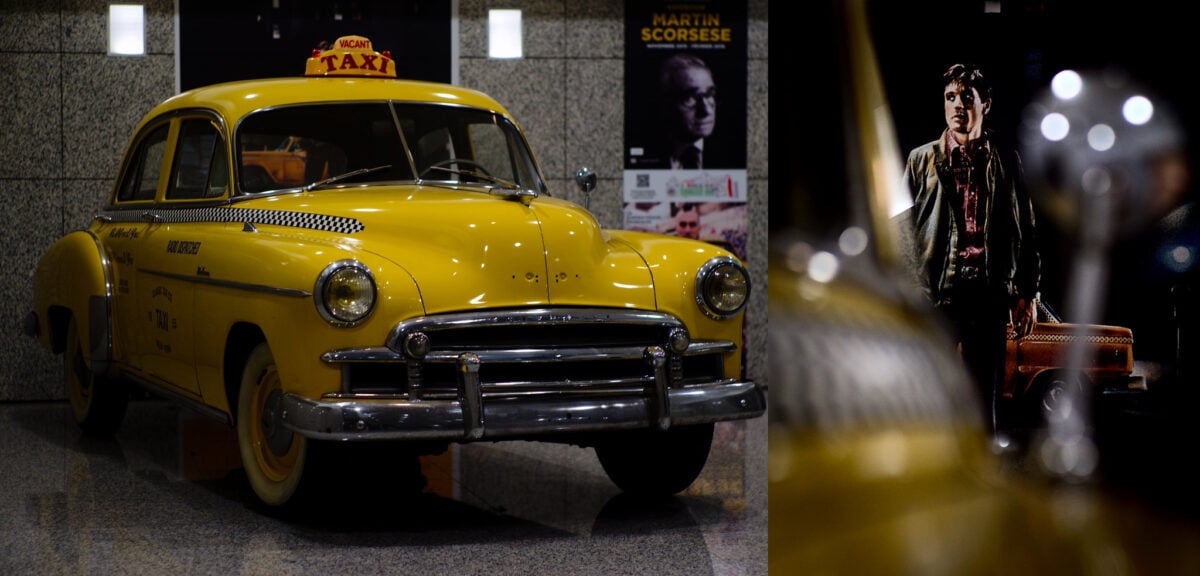
New York in the mid-1970s wasn’t polished. Taxi Driver captured the grime, neon, and claustrophobia of a city wrestling with crime and decay.
Through Travis Bickle’s eyes, Manhattan became a fever dream of isolation and unrest.And the details lingered. The hiss of steam rising from subway grates.
The glow of porn theaters lining Times Square. Not great, not glamorous, but unforgettable.
Like Go2Tutors’s content? Follow us on MSN.
Blade Runner
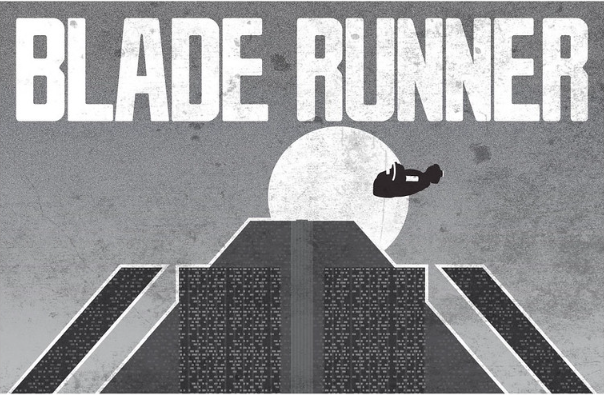
Los Angeles 2019, imagined in 1982, became one of cinema’s most iconic cityscapes. Blade Runner fused film noir with futuristic dystopia—rain-soaked streets, flashing billboards, and towering pyramids of corporate power.
It changed how sci-fi worlds looked forever. Crowded, multilingual, messy. Still, beautiful in its own strange way.
You could almost smell the wet pavement while watching.
The Third Man
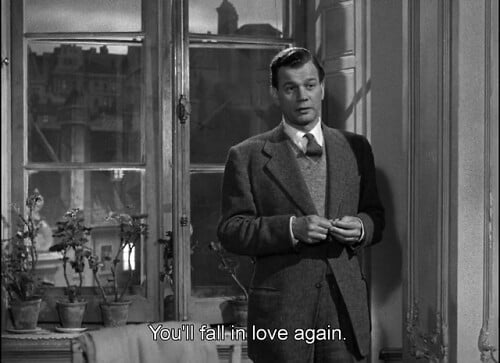
Vienna after World War II was a fractured city, divided by occupying forces and haunted by shadows. The Third Man (1949) turned its bombed-out streets and dark sewers into one of the most atmospheric settings ever filmed.
The tilted camera angles mirrored the moral crookedness of its characters. Even so, it wasn’t the people the audience remembered most. It was the city itself—half-ruin, half-mystery.
Do the Right Thing
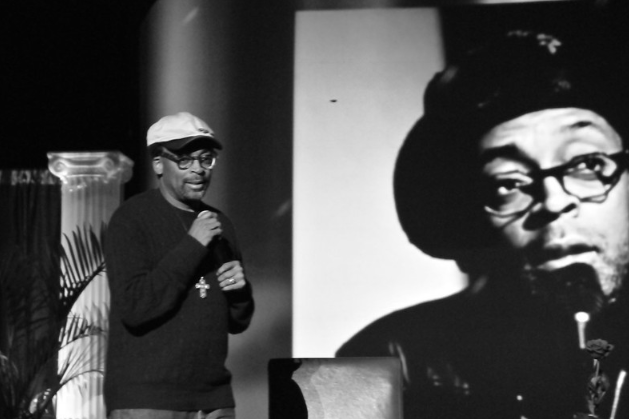
Brooklyn in the late 1980s blazed with color, tension, and heat. Do the Right Thing captured a single day in one neighborhood, showing how a city block could become the stage for community, conflict, and culture all at once.
Small details made it resonate—the hum of a boombox, kids opening fire hydrants to cool off, pizza grease on cardboard plates. Real and raw.
Like Go2Tutors’s content? Follow us on MSN.
Lost in Translation

Tokyo in the early 2000s looked like a paradox on screen—dizzying neon, karaoke bars, and luxury hotels, yet at the same time oddly isolating. Lost in Translation presented the city not as chaos but as quiet alienation.
The film shifted perceptions of modern urban life, showing how even a place brimming with people could feel strangely empty. Silence in the middle of constant noise.
La La Land
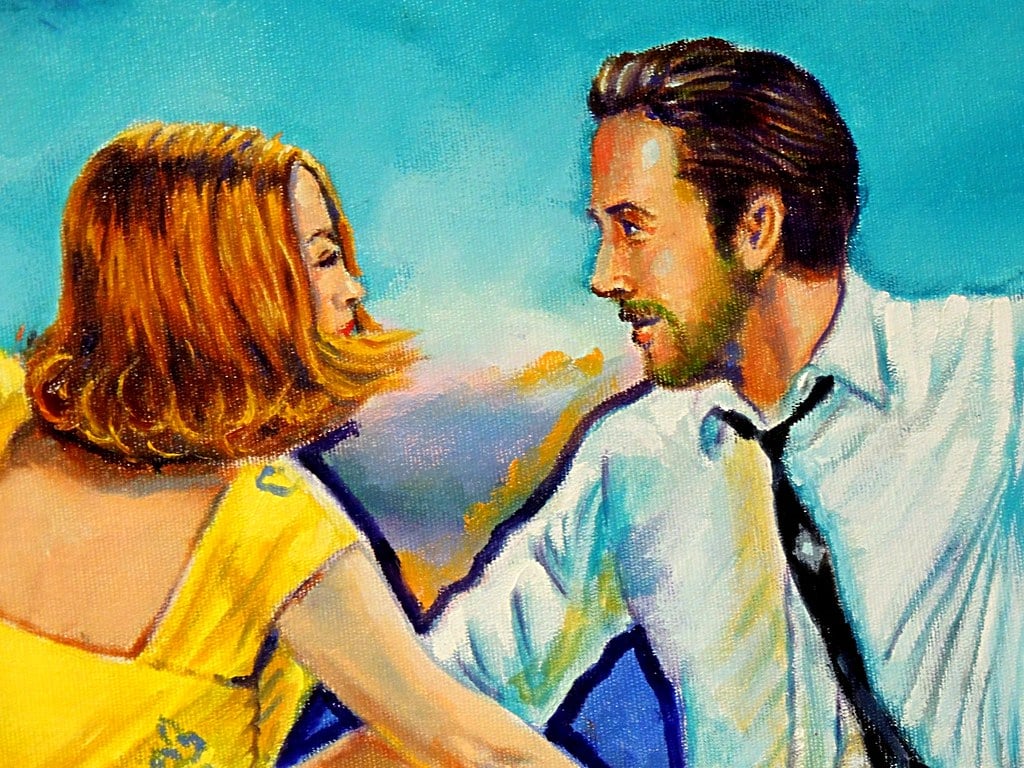
Los Angeles has been portrayed countless times, yet La La Land painted it in fresh hues. From Griffith Observatory to freeway overpasses, the city became a dreamscape of pastel sunsets and tap-dancing daydreams.
Even so, the movie didn’t ignore reality. Behind the magic, it showed the struggle of chasing ambition in a city that both nurtures and devours dreams.
The Dark Knight
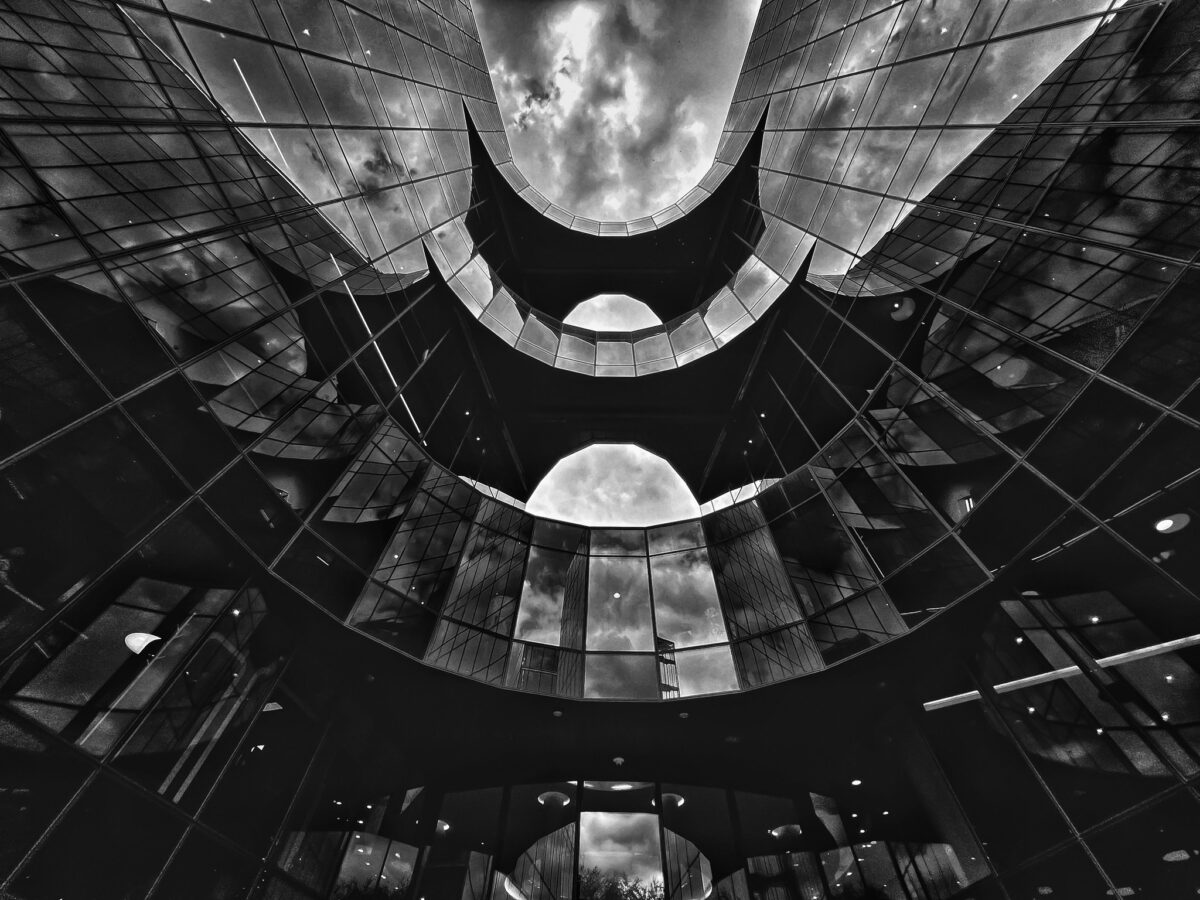
Gotham has always been fictional, yet in The Dark Knight (2008), Chicago’s streets became its body double. Suddenly, superhero cinema wasn’t about faceless skylines—it was about recognizable towers, bridges, and banks.
The realism grounded Gotham in a way that redefined how comic book cities were imagined on screen. Less fantasy, more steel and glass.
Like Go2Tutors’s content? Follow us on MSN.
Amélie

Paris had always been romanticized, but Amélie (2001) reintroduced it with a whimsical touch. Montmartre glowed in saturated reds and greens, streets looked enchanted, and even the smallest café felt magical.
It wasn’t the grand monuments that mattered. It was the details: a photo booth, a grocer’s stall, a cracked paving stone. Suddenly, Paris wasn’t just a postcard city—it was intimate.
When the City Became the Story
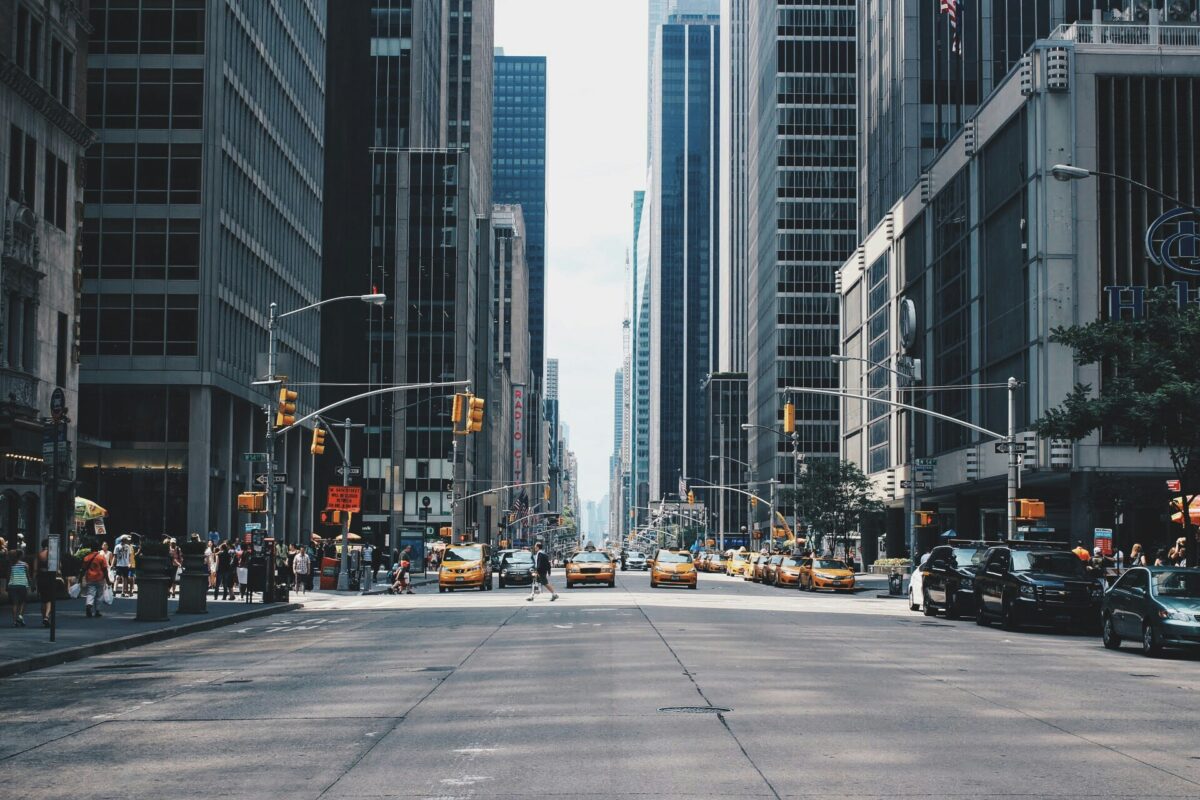
Movies don’t just happen in cities; sometimes, the city is the story. From dystopian skylines to nostalgic neighborhoods, these films altered how audiences saw urban life.
They reminded viewers that a city is never just bricks and streets—it’s mood, memory, and meaning captured in motion.
More from Go2Tutors!

- 16 Historical Figures Who Were Nothing Like You Think
- 12 Things Sold in the 80s That Are Now Illegal
- 15 VHS Tapes That Could Be Worth Thousands
- 17 Historical “What Ifs” That Would Have Changed Everything
- 18 TV Shows That Vanished Without a Finale
Like Go2Tutors’s content? Follow us on MSN.