Photos Of Bizarre Natural Rock Formations That Look Like Art
The Earth has been working on its sculpture collection for millions of years, and the results are nothing short of extraordinary. Wind, water, time, and geological forces have collaborated to create rock formations so bizarre and beautiful they could easily be mistaken for modern art installations.
These natural masterpieces stand as proof that nature remains the most creative artist of all, crafting shapes and structures that challenge our imagination and leave us wondering how such incredible forms could emerge from stone.
Antelope Canyon
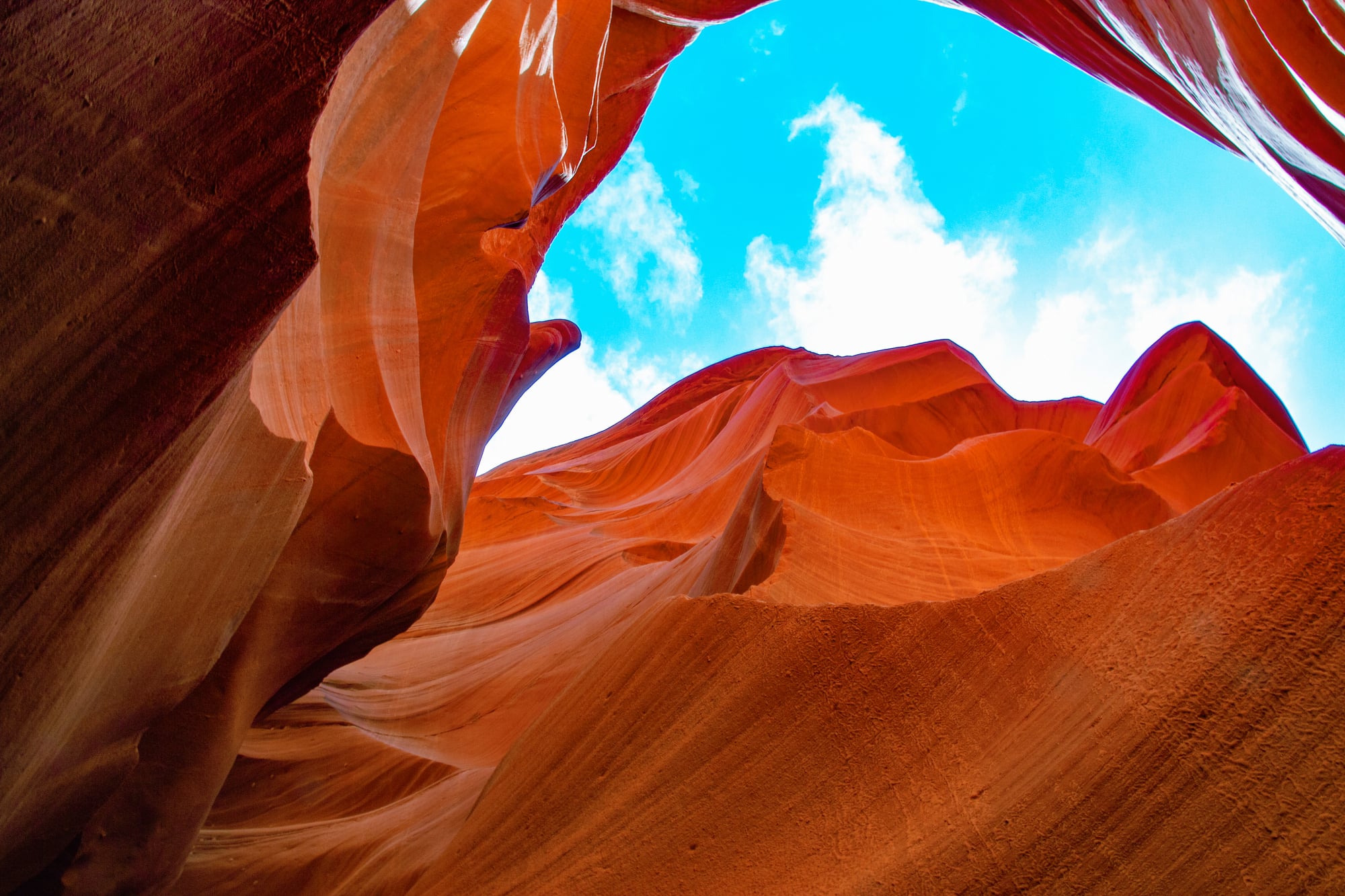
These sandstone walls don’t just contain light—they sculpt it. Narrow slot canyons in Arizona where sunbeams stream through openings above, creating illuminated columns that shift and dance throughout the day.
The rock surfaces flow like frozen waves.
Balanced Rock

A 3,577-ton boulder perched on a narrow pedestal, defying both gravity and common sense. Located in Arches National Park, this formation looks like a giant’s abandoned sculpture project.
The surrounding desert makes it appear even more surreal.
Wave Rock
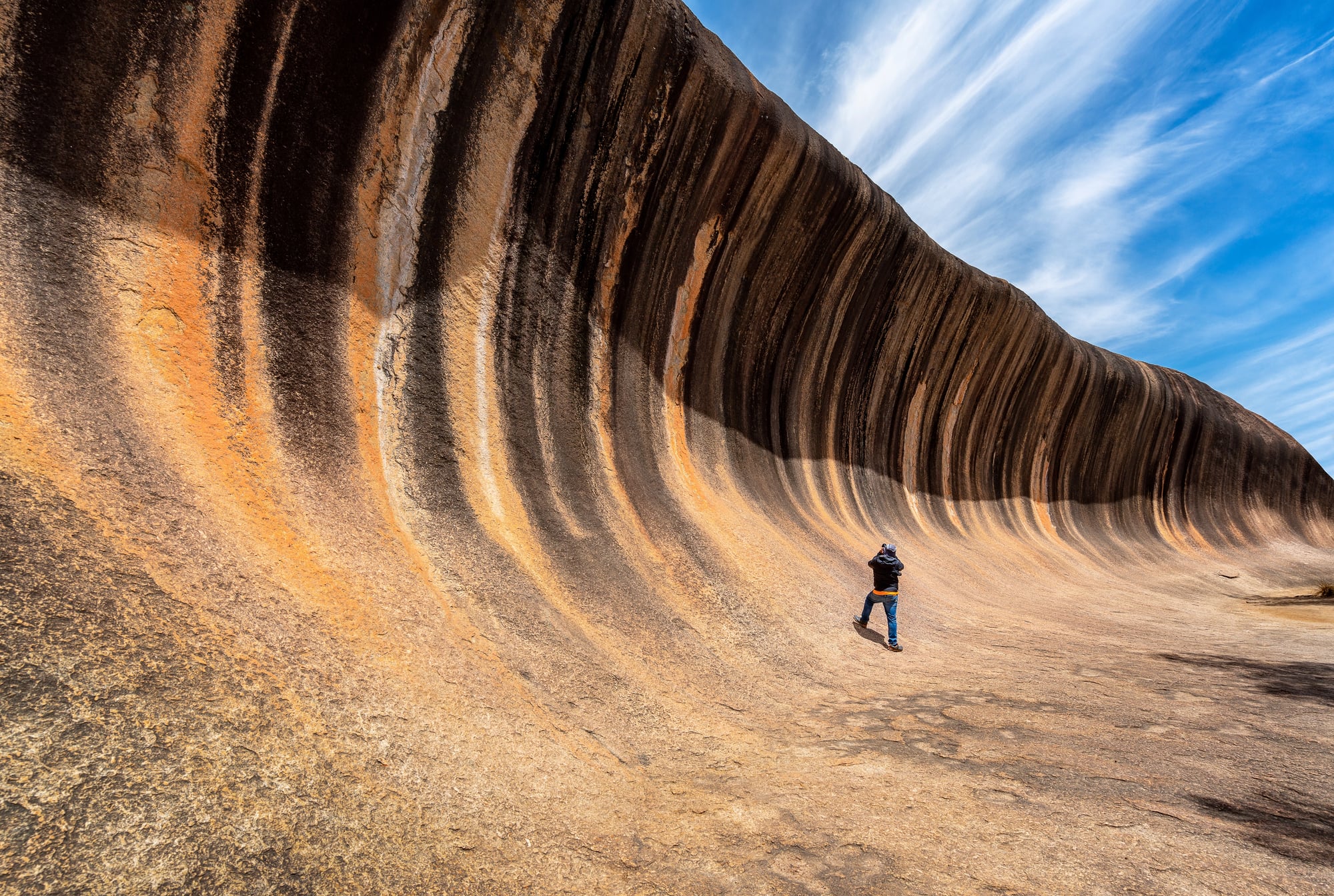
So this granite cliff in Australia decided (about 2.7 billion years ago, as it happens) to freeze itself mid-curl, creating what looks like a massive wave about to crash over the outback—which would be impressive enough on its own, but the fact that it’s been holding that pose for geological ages while wind and rain slowly carved its surface into those perfect, flowing lines makes it something that sits right at the intersection of accident and intention. The striations run horizontally across the face like brushstrokes.
And the colors shift from gray to ochre to rust depending on the mineral deposits that have stained the rock over millennia—so you’re looking at both sculpture and painting simultaneously.
The Giant’s Causeway
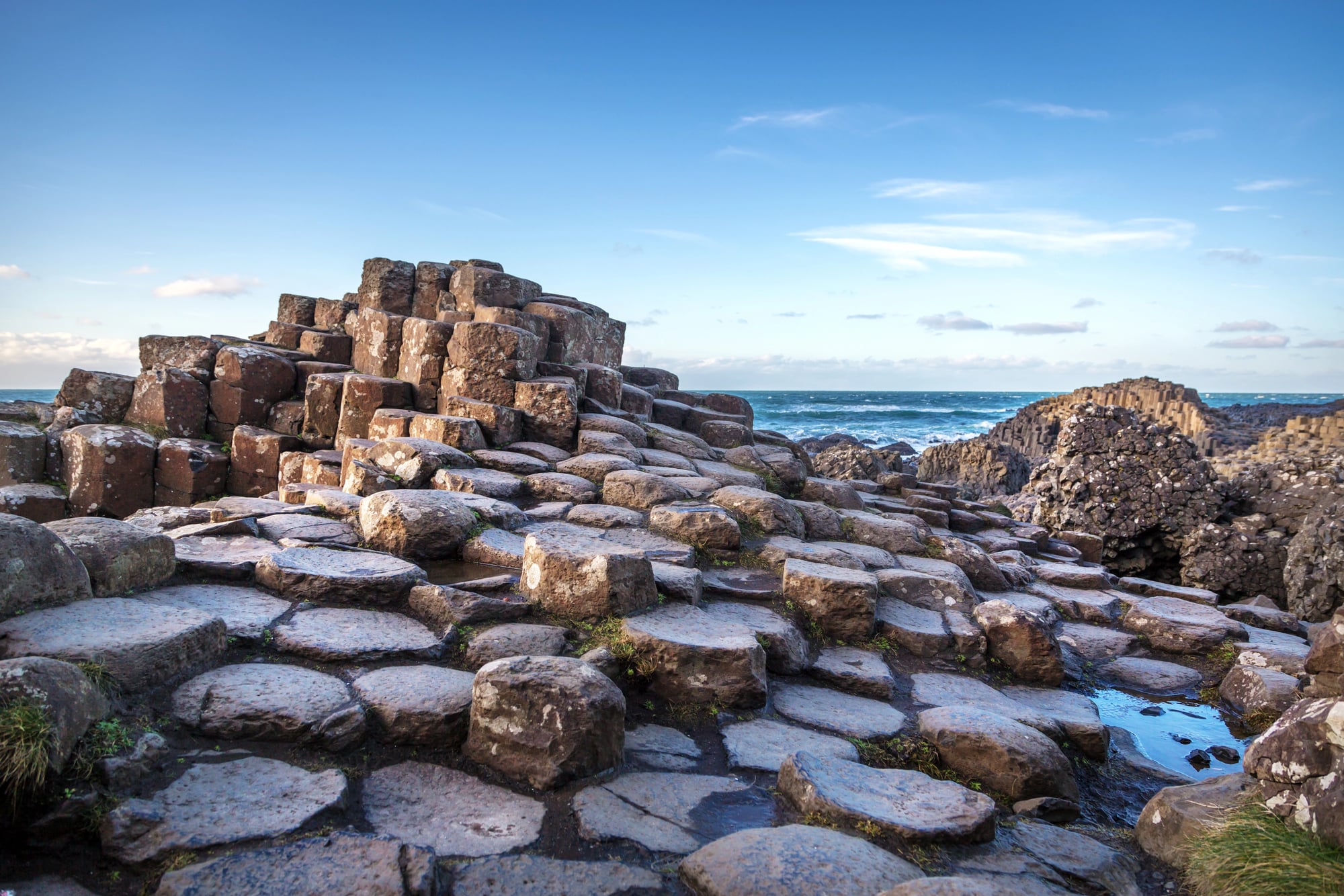
There’s something deeply satisfying about perfect geometry emerging from chaos, like finding a symphony hidden inside static. The Giant’s Causeway understands this instinctively.
Forty thousand interlocking basalt columns, each one hexagonal, each one fitted to its neighbors with the precision of a master craftsman who never existed.
The volcanic eruption that created these formations happened 50 million years ago, but the result feels both ancient and impossibly modern—a brutalist cathedral that the earth built for itself.
Thor’s Hammer

Thor’s Hammer doesn’t need to prove anything to anyone. This 150-foot limestone pillar in Bryce Canyon simply exists, balancing a massive capstone on a narrow column of rock with the kind of confidence that comes from surviving millions of years of erosion.
The surrounding hoodoos have crumbled and fallen, but Thor’s Hammer remains standing like it’s personally offended by the concept of gravity.
Delicate Arch
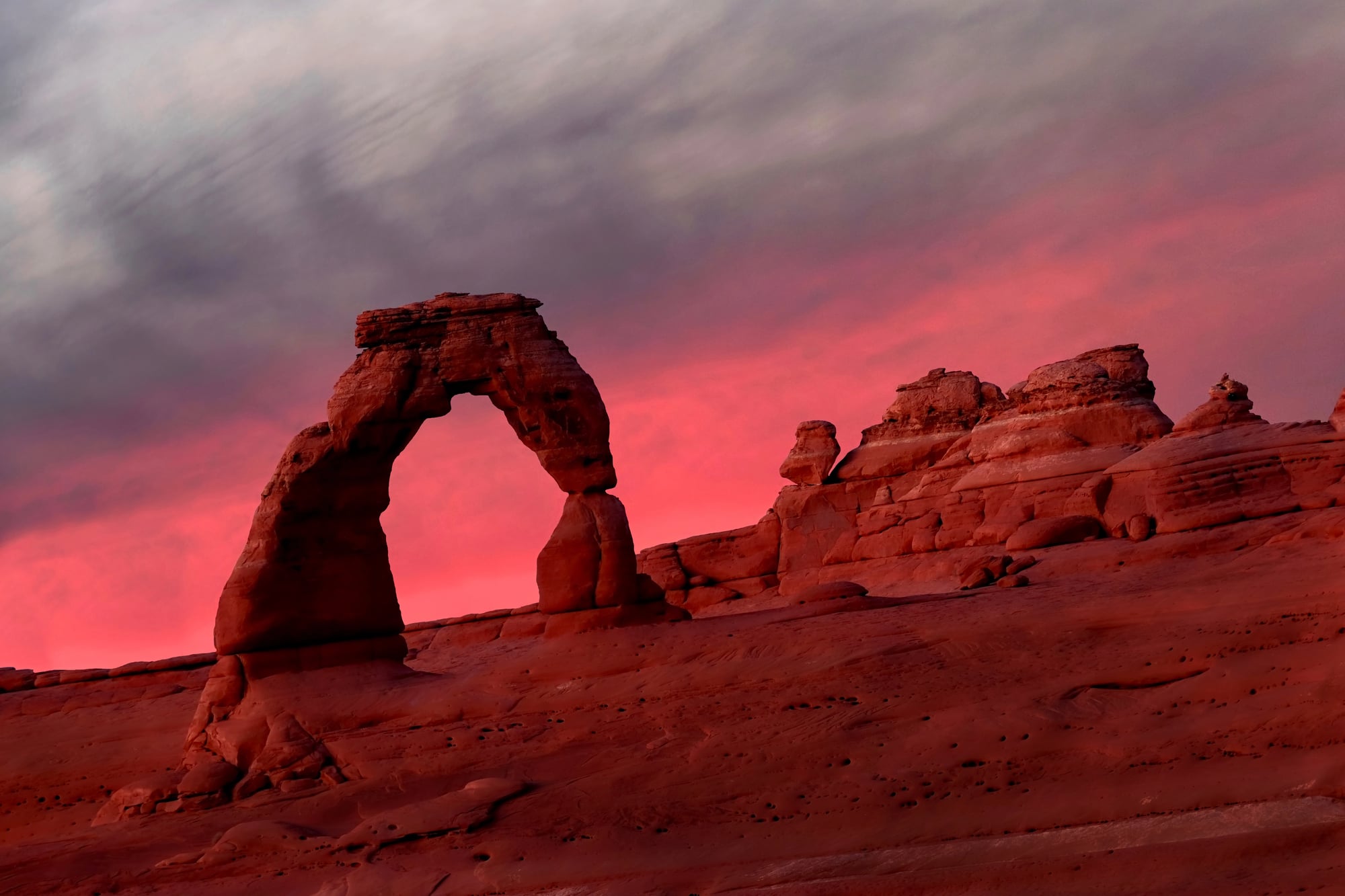
The thing about Delicate Arch (and this might sound like overstatement until you’re standing beneath it, craning your neck back to take in the full 65-foot span) is that it manages to be both impossibly fragile and stubbornly permanent at the same time—a contradiction that shouldn’t work but somehow does, like watching a ballet dancer hold a position that looks effortless but requires tremendous strength.
But here’s what gets you: the arch isn’t delicate at all. It’s survived flash floods, temperature swings, and centuries of wind that should have toppled it by now.
So the name is wrong, which makes it more interesting.
Devils Tower

Picture a volcanic plug that decided subtlety was overrated. Devils Tower erupts from the Wyoming plains like nature’s own skyscraper, its vertical columns of phonolite creating geometric patterns that seem too deliberate to be accidental.
The surrounding landscape feels flat and ordinary by comparison, which only makes this 867-foot monolith more dramatic.
Pinnacles Desert
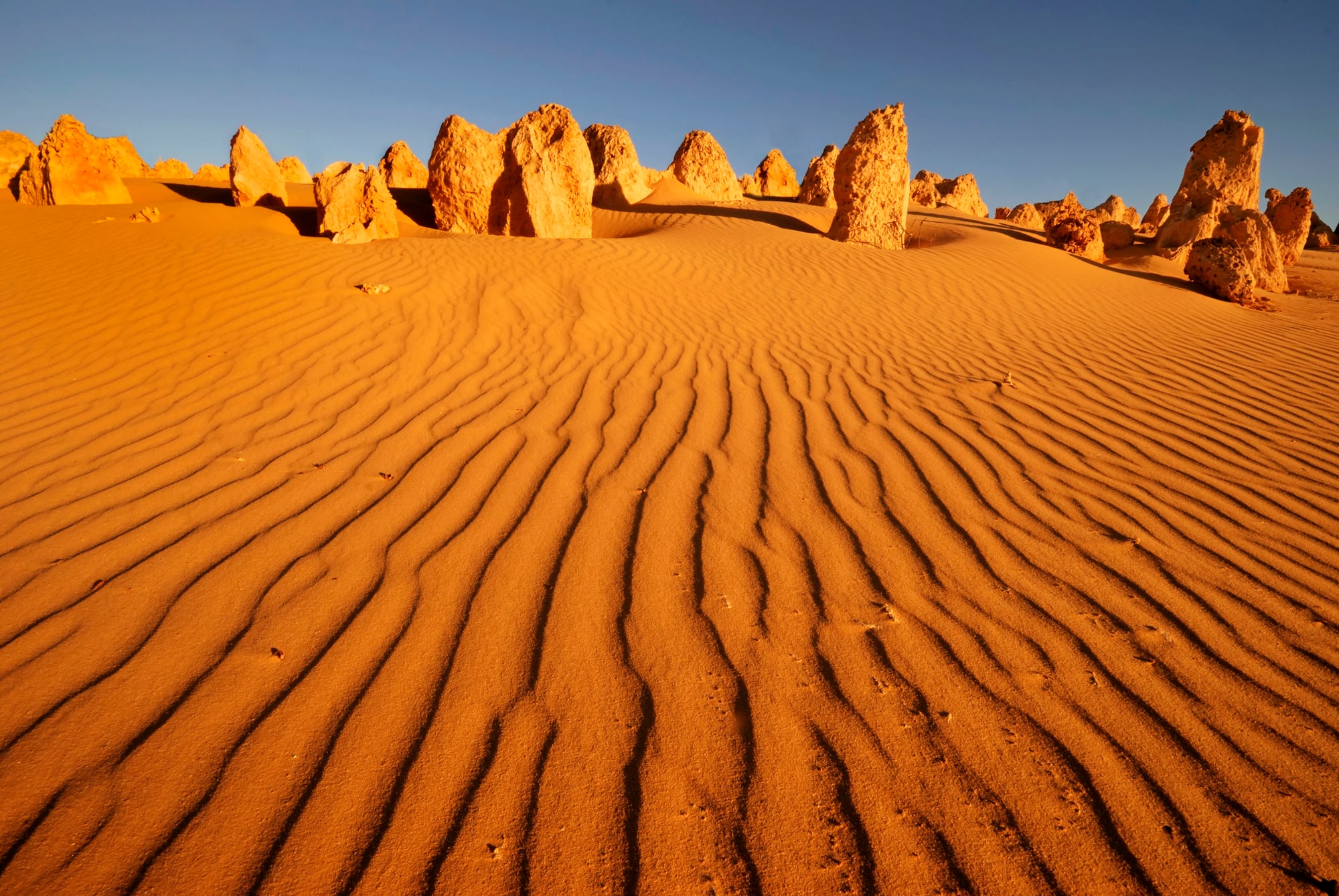
Thousands of limestone pillars scattered across Western Australia like an ancient forest turned to stone. Some reach 12 feet high, others barely clear ankle height.
The spacing between them feels intentional, as if someone designed a sculpture garden and then walked away for 30,000 years to let it weather naturally.
Natural Bridge
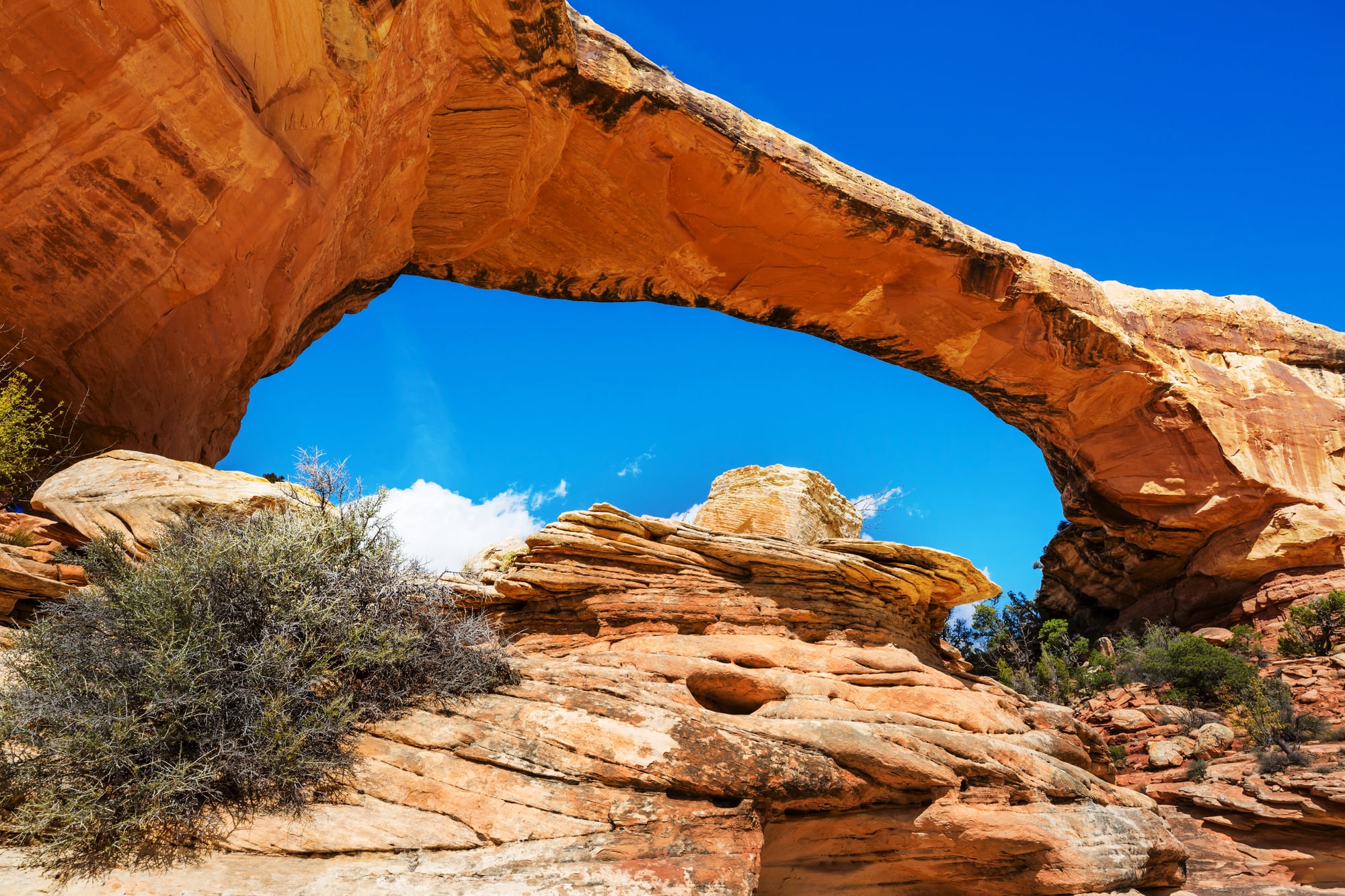
Natural Bridge doesn’t announce itself—it simply appears, spanning a gorge in Virginia with the quiet authority of something that has always been there and always will be. The limestone arch spans approximately 90 feet across and rises 215 feet above the valley floor, standing about 23 feet above Cedar Creek below.
What strikes you isn’t just the engineering marvel of it, but the way it seems to frame the landscape beyond, turning the forest into a living painting that changes with the seasons.
Mushroom Rock

Mushroom Rock proves that nature has a sense of humor, but it’s the kind of dry wit that takes millennia to deliver the punchline. These sandstone formations in Kansas feature large caps balanced on narrow stems, created when harder rock protected the stone beneath from erosion while everything around it wore away.
The result looks like something Dr. Seuss might have sketched during a geology lecture—whimsical and impossible, yet standing right there in front of you.
Old Man Of Hoy
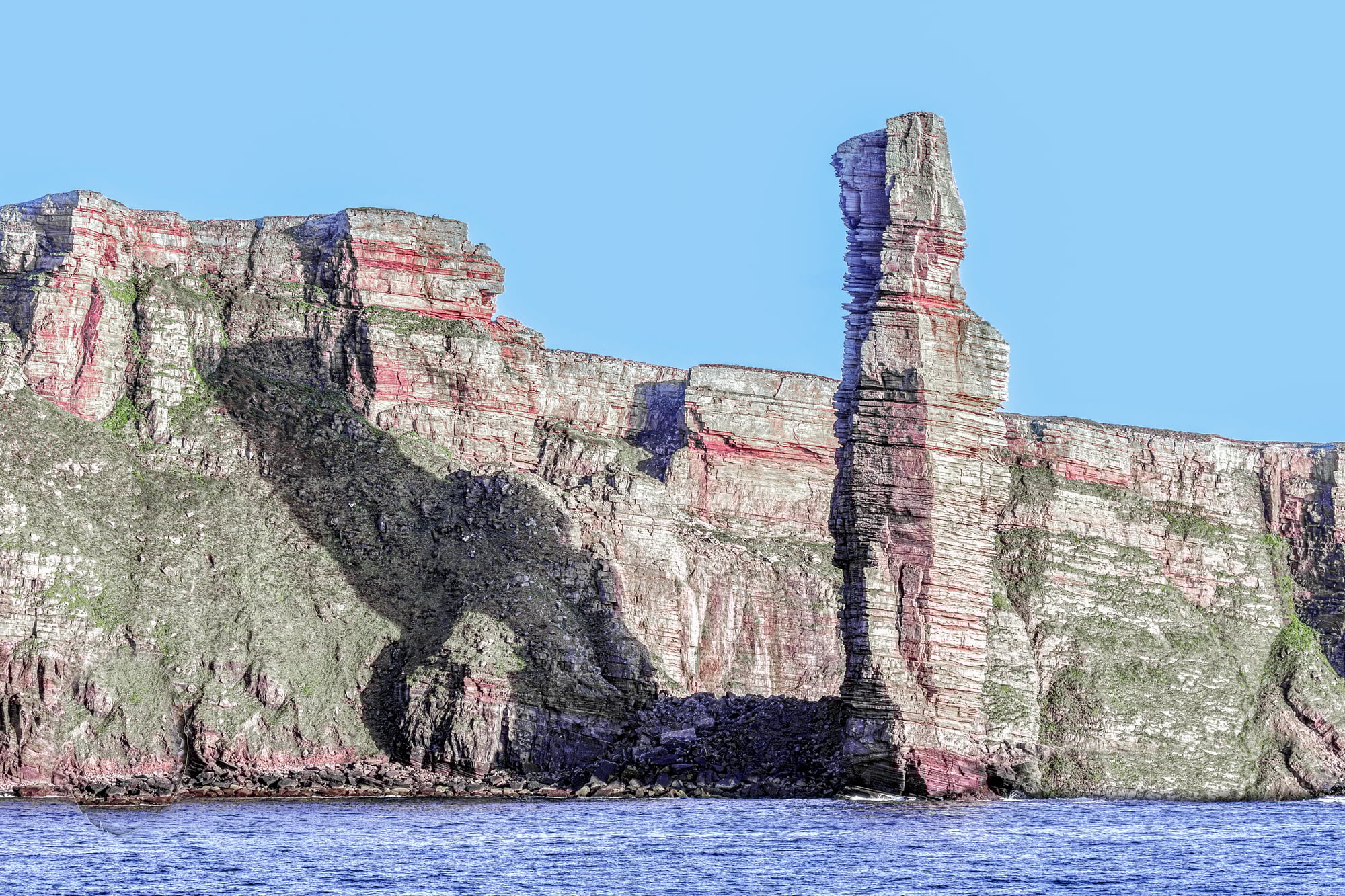
The Old Man of Hoy stands alone in the North Sea, a 449-foot sea stack that refuses to acknowledge it’s been separated from the mainland (which happened sometime around 1750, according to local accounts, though the stack itself acts like it couldn’t care less about such recent developments).
The red sandstone pillar rises from the waves off Scotland’s coast with the kind of stubborn dignity that makes you wonder if it’s actually more permanent than the land it once belonged to.
Climbers attempt its vertical faces regularly. The stack remains unimpressed.
Haystack Rock

Oregon’s Haystack Rock doesn’t try to be subtle about its presence on Cannon Beach. This 235-foot basalt monolith emerged from underwater lava flows 15 million years ago and now serves as both landmark and tidal pool ecosystem, its base revealing starfish, anemones, and crabs when the tide retreats.
The rock’s simple, massive form contrasts beautifully with the constantly changing ocean around it—permanent and temporary existing in the same frame.
Balanced Rock Formation At Garden Of The Gods
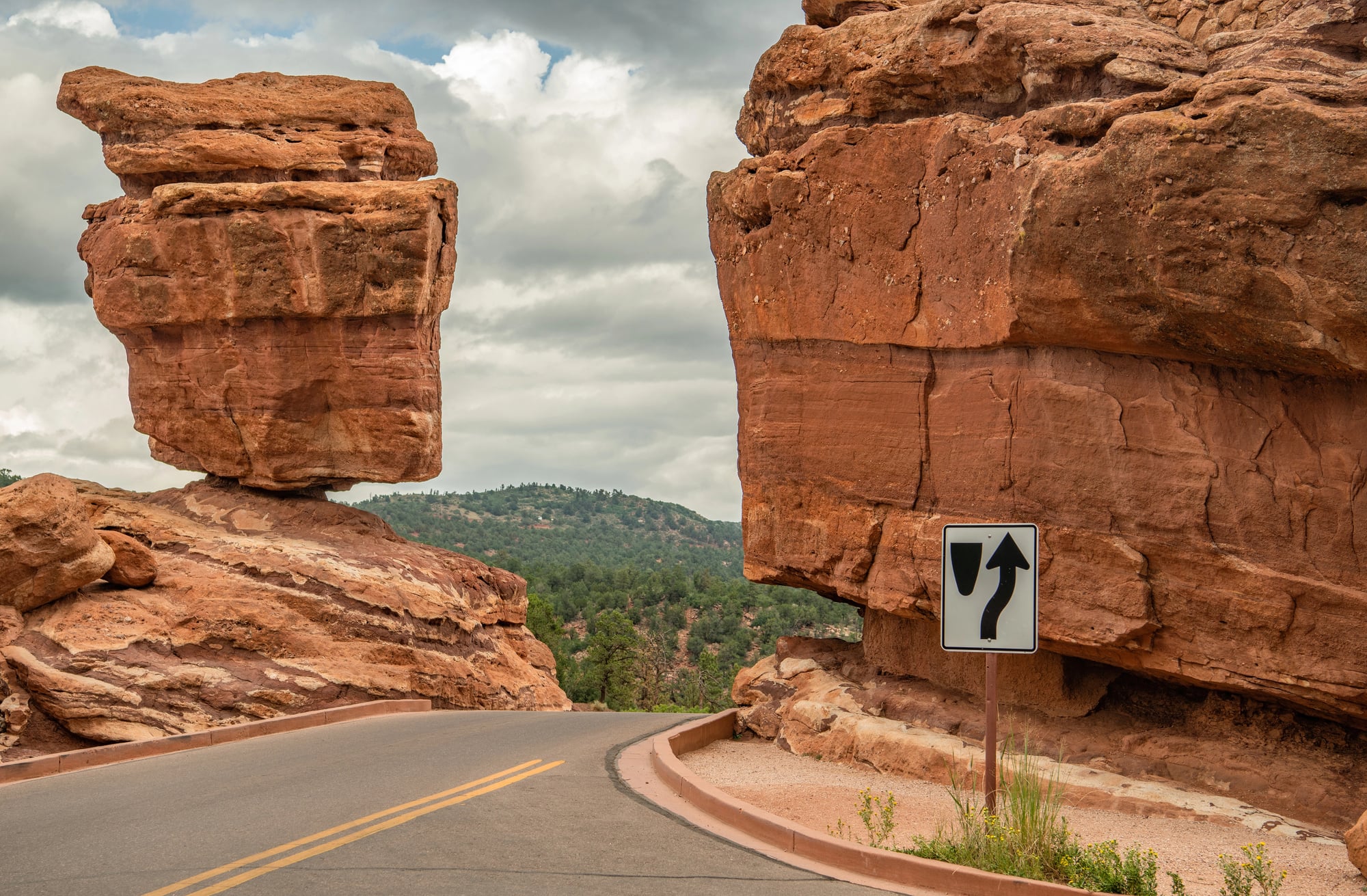
Garden of the Gods takes the concept of natural sculpture seriously. These red sandstone formations in Colorado Springs twist and balance in ways that seem to mock the laws of physics, their surfaces carved by millions of years of wind and water into shapes that range from abstract to almost figurative.
The contrast between the red rock and the blue sky behind creates a color combination that feels almost too vibrant to be real.
Arches National Park Fiery Furnace
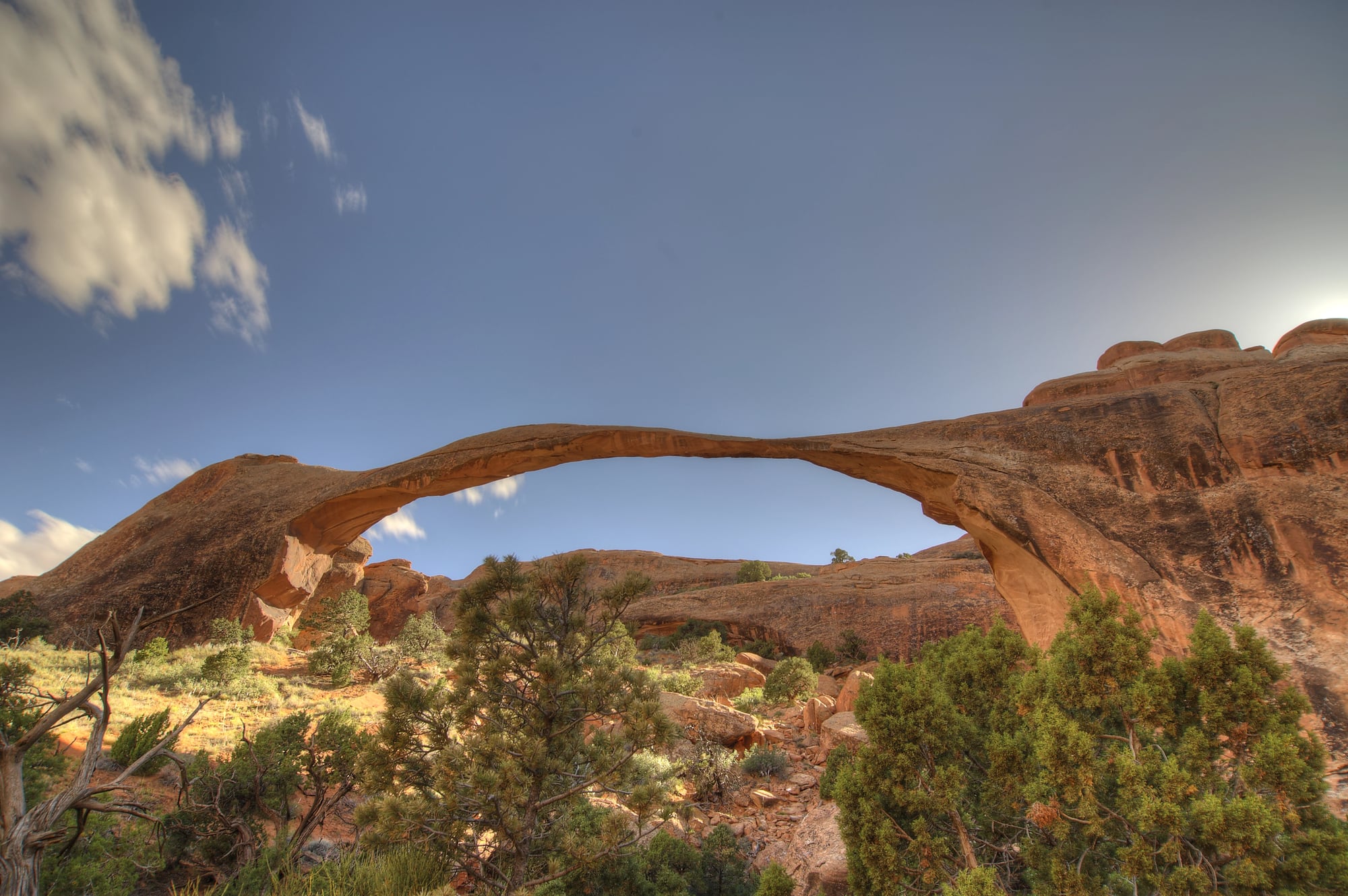
The Fiery Furnace section of Arches National Park reads like a maze designed by someone with infinite patience and a taste for the surreal. Narrow slots between towering sandstone walls create a labyrinth where the rock surfaces glow orange and red in the desert light, while hidden arches and alcoves appear around corners like secrets the landscape has been keeping.
Navigation requires a guide—not because it’s dangerous, but because it’s easy to become completely absorbed in the artistry of the stone and lose track of everything else.
Where Stone Becomes Story

These formations remind us that artistry doesn’t require intention. The most stunning sculptures can emerge from simple forces—wind, water, time—working on stone with patience that spans geological ages.
Each of these natural masterpieces tells the story of our planet’s creative process, where chance and physics collaborate to produce works that rival anything found in the world’s greatest museums.
The only difference is the gallery: instead of white walls and controlled lighting, these sculptures stand under open sky, changing with weather and season, inviting us to witness art on a scale that only the Earth itself could create.
More from Go2Tutors!

- The Romanov Crown Jewels and Their Tragic Fate
- 13 Historical Mysteries That Science Still Can’t Solve
- Famous Hoaxes That Fooled the World for Years
- 15 Child Stars with Tragic Adult Lives
- 16 Famous Jewelry Pieces in History
Like Go2Tutors’s content? Follow us on MSN.