20 Inventors Who Died Poor Despite Creating Valuable Innovations
Innovation doesn’t guarantee wealth. Throughout history, brilliant minds have created groundbreaking inventions that transformed the world, only to watch others profit from their genius while they struggled financially.
The gap between creating something valuable and actually making money from it has left countless inventors destitute, forgotten, or both. Here’s a list of 20 inventors who died poor despite their revolutionary contributions to society.
Nikola Tesla
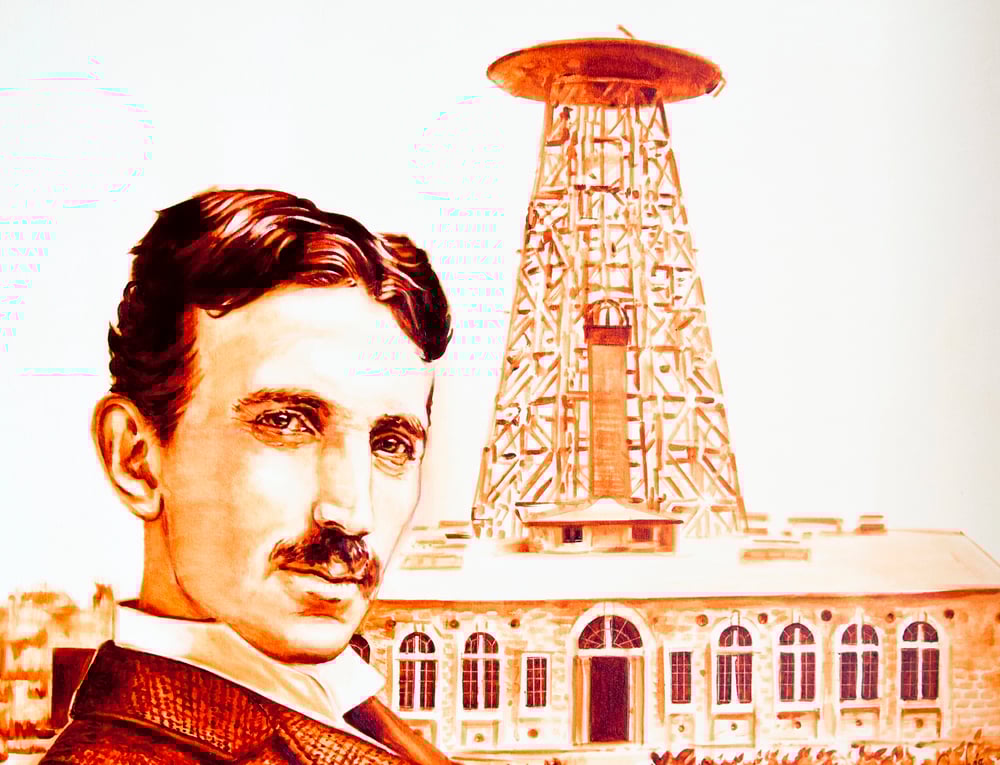
Tesla revolutionized electricity and wireless technology — holding over 300 patents for inventions that power our modern world. His alternating current system became the foundation of electrical power distribution, yet he died alone in a New York hotel room in 1943 with massive debts.
Tesla’s generous nature and poor business sense meant he often gave away his patents or sold them for far less than their worth. This left him financially broken despite changing civilization forever.
Antonio Meucci
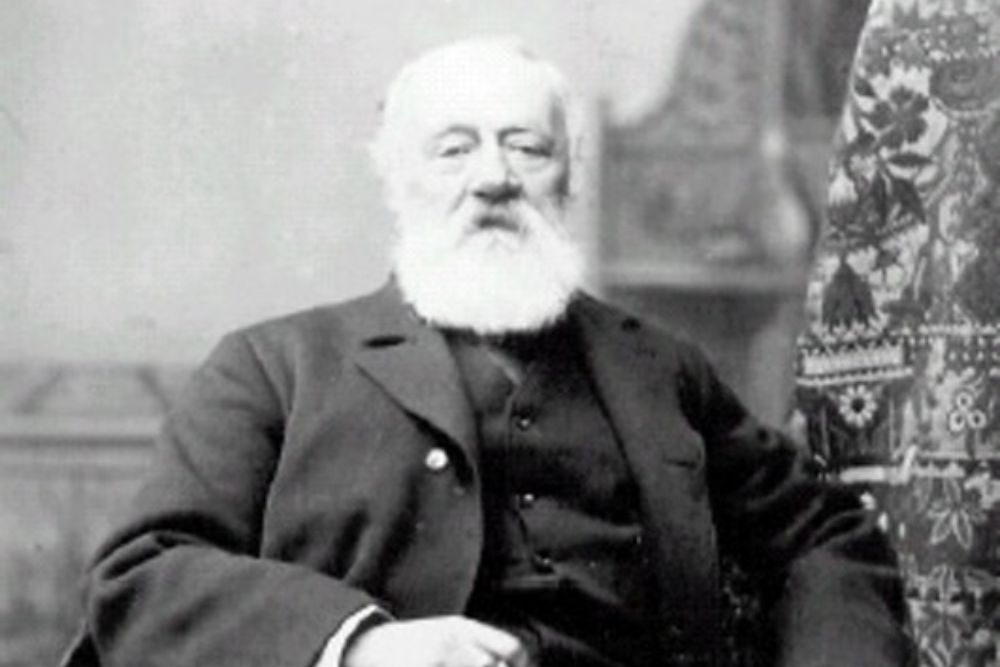
Meucci invented the telephone in 1849 — decades before Alexander Graham Bell received credit for the same invention. Unable to afford the patent renewal fees, Meucci lost his legal claim to one of history’s most important communication devices.
He spent his final years in poverty, working odd jobs while Bell’s telephone company generated enormous profits from technology that was rightfully his creation.
Like Go2Tutors’s content? Follow us on MSN.
Garrett Morgan
Morgan invented the traffic signal system still used today, along with an early gas mask that saved countless lives during World War I. Despite these life-saving innovations — racial discrimination prevented him from receiving fair compensation for his work.
Morgan died with little money, though his inventions continue to protect millions of people daily at intersections worldwide.
Ignaz Semmelweis
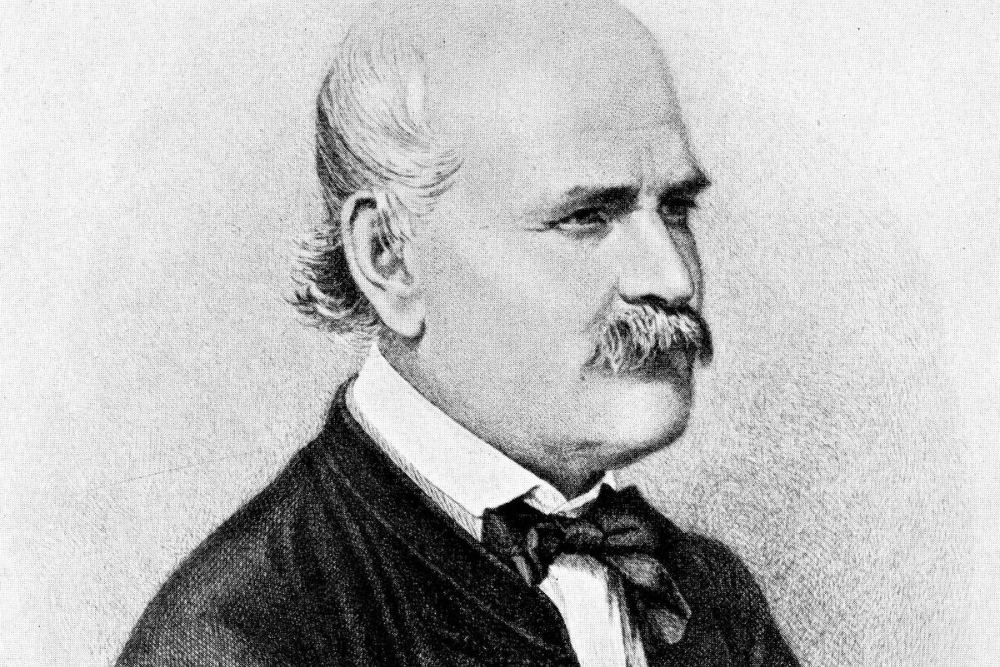
Semmelweis discovered that handwashing dramatically reduced mortality rates in hospitals, essentially founding modern antiseptic procedures. The medical establishment ridiculed his findings — and he was eventually committed to an asylum where he died in 1865.
His revolutionary understanding of hygiene came too early for acceptance, leaving him penniless and professionally destroyed despite being absolutely correct.
Philo Farnsworth
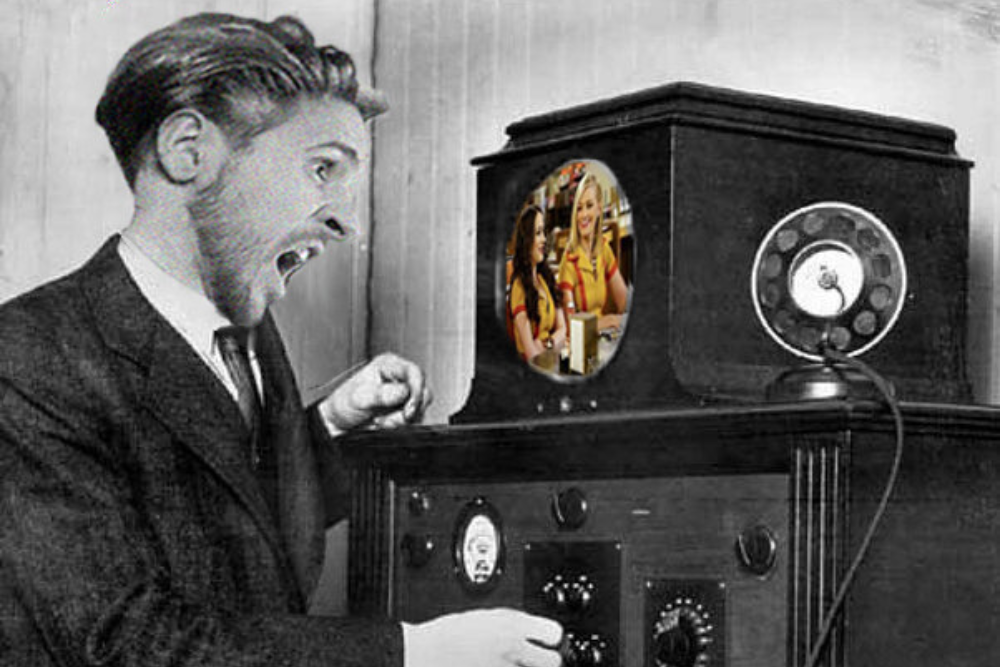
Farnsworth invented electronic television at age 21 — creating the technology that would dominate entertainment for decades. Patent disputes and corporate manipulation by companies like RCA left him fighting expensive legal battles throughout his career.
He died relatively poor in 1971, having watched television become a multi-billion dollar industry built on his innovations.
Like Go2Tutors’s content? Follow us on MSN.
Wilhelm Röntgen
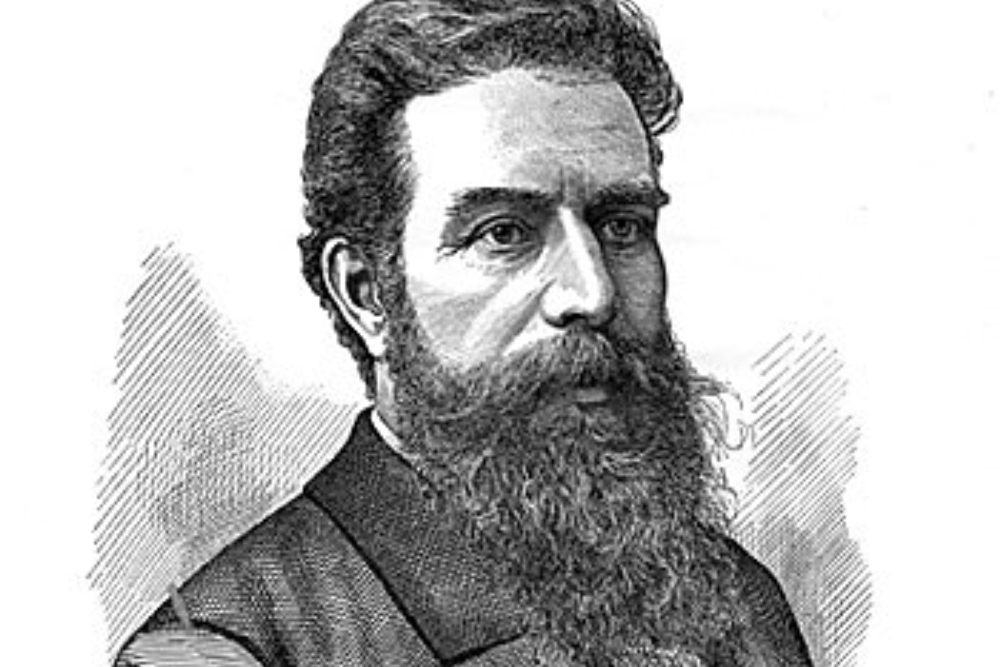
Röntgen discovered X-rays in 1895, earning him the first Nobel Prize in Physics and revolutionizing medical diagnosis. However, he refused to patent his discovery — believing medical advances should benefit all humanity freely.
This noble decision left him without the massive profits his invention generated, and he died in relative poverty in 1923.
Hedy Lamarr

Lamarr co-invented frequency hopping technology — which became essential for GPS, WiFi, and Bluetooth communications. Hollywood knew her as a glamorous actress, but the tech world largely ignored her scientific contributions during her lifetime.
She received no royalties from her patent and died in 2000 with limited financial resources, despite her invention being worth billions in today’s wireless economy.
John Fitch
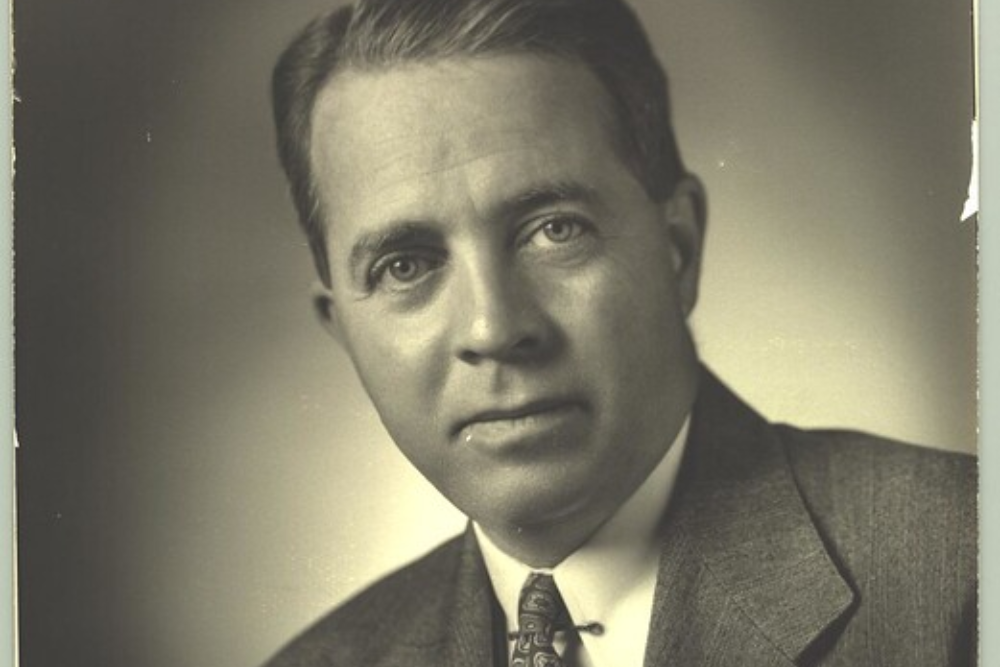
Fitch built the first working steamboat in America in 1787 — decades before Robert Fulton received credit for the same invention. His steamboat successfully carried passengers between Philadelphia and Burlington, but he couldn’t secure adequate funding to commercialize his design.
Fitch died penniless in 1798, watching others profit from steamboat technology he had pioneered.
Like Go2Tutors’s content? Follow us on MSN.
Reginald Fessenden
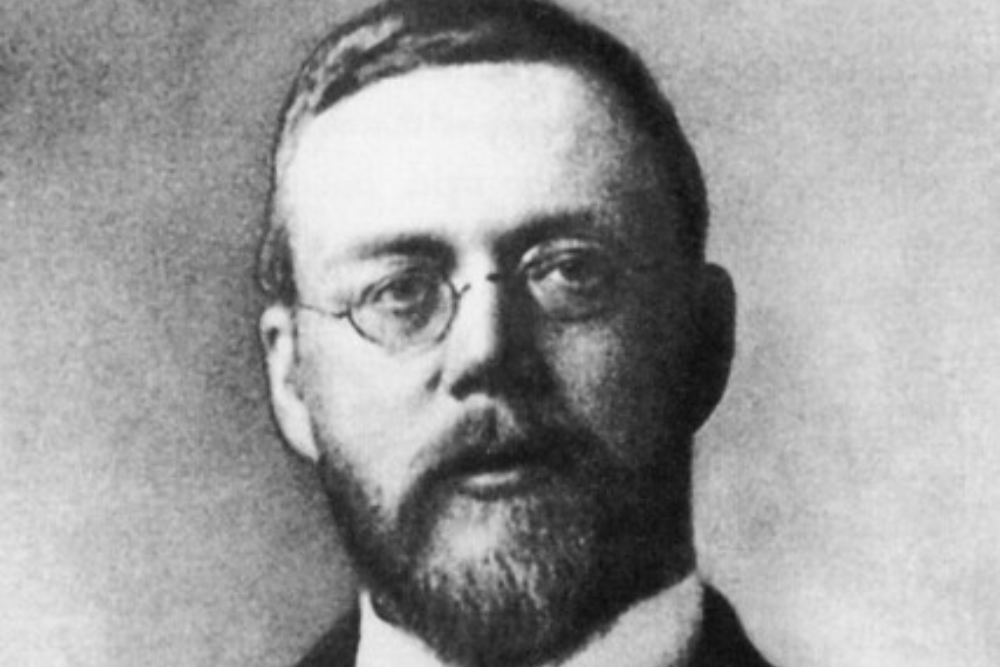
Fessenden transmitted the first AM radio broadcast in 1906 — laying the groundwork for modern radio communications. Corporate conflicts and patent disputes with companies like Marconi left him financially drained despite his fundamental contributions to broadcasting.
He died in 1932 with little money, as radio became one of the most profitable industries of the 20th century.
Joseph Swan
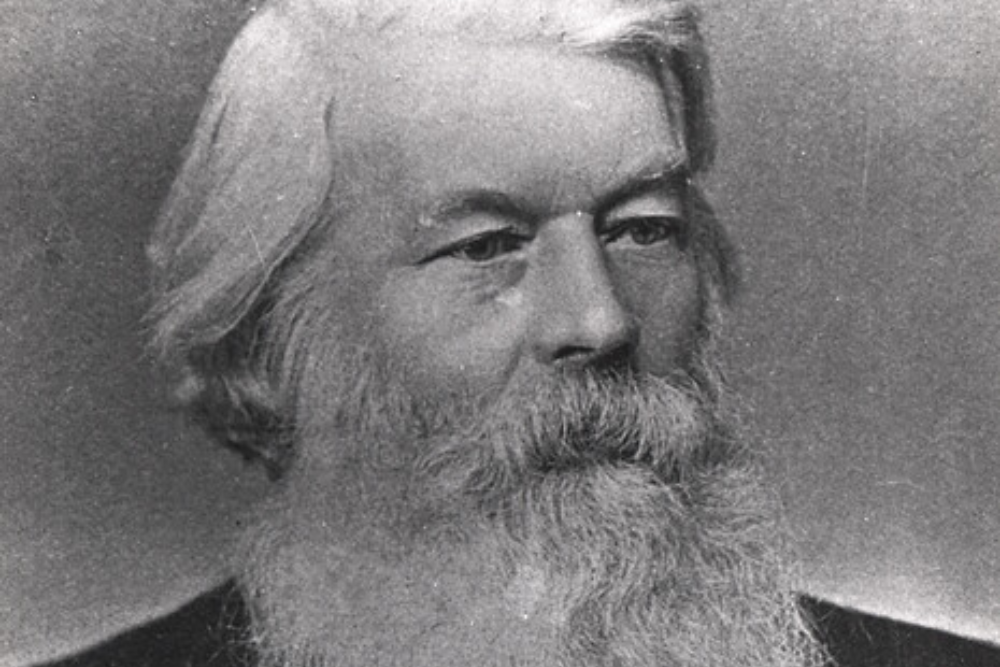
Swan invented the incandescent light bulb in Britain before Thomas Edison developed his version in America. Despite his earlier success — Swan lacked Edison’s business acumen and marketing skills to capitalize on his invention.
He died in 1914 with modest means, while Edison’s name became synonymous with electric lighting and massive commercial success.
Srinivasa Ramanujan
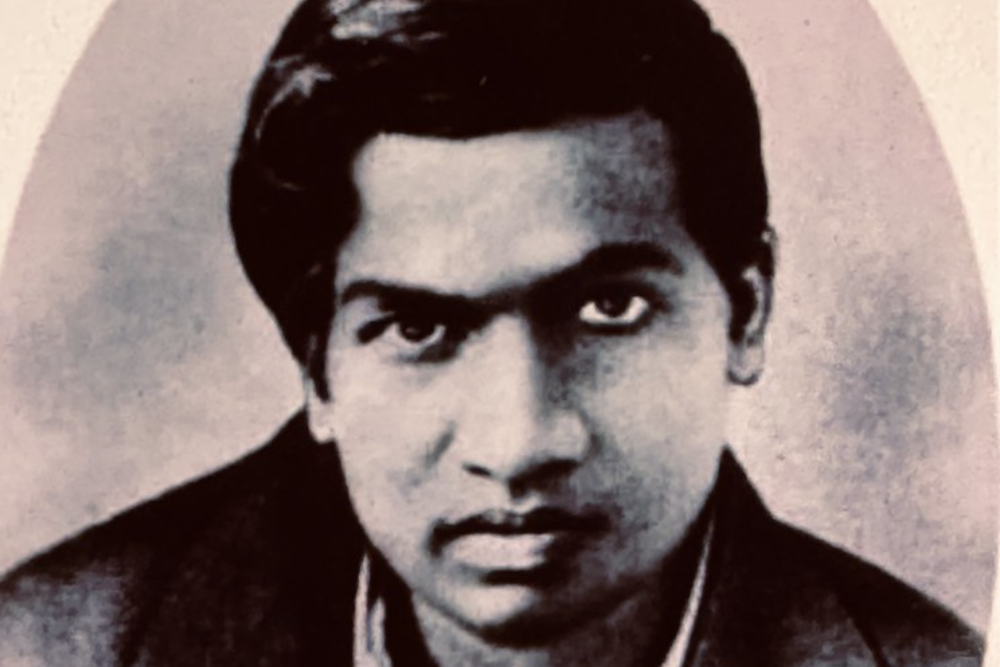
Ramanujan made extraordinary mathematical discoveries that continue advancing modern technology, particularly in computer science and physics. His work on infinite series and number theory provides the foundation for many current algorithms and mathematical applications.
Though his genius was undeniable, he died in poverty in India in 1920, never seeing how his mathematical insights would become invaluable to future generations.
Like Go2Tutors’s content? Follow us on MSN.
George Westinghouse
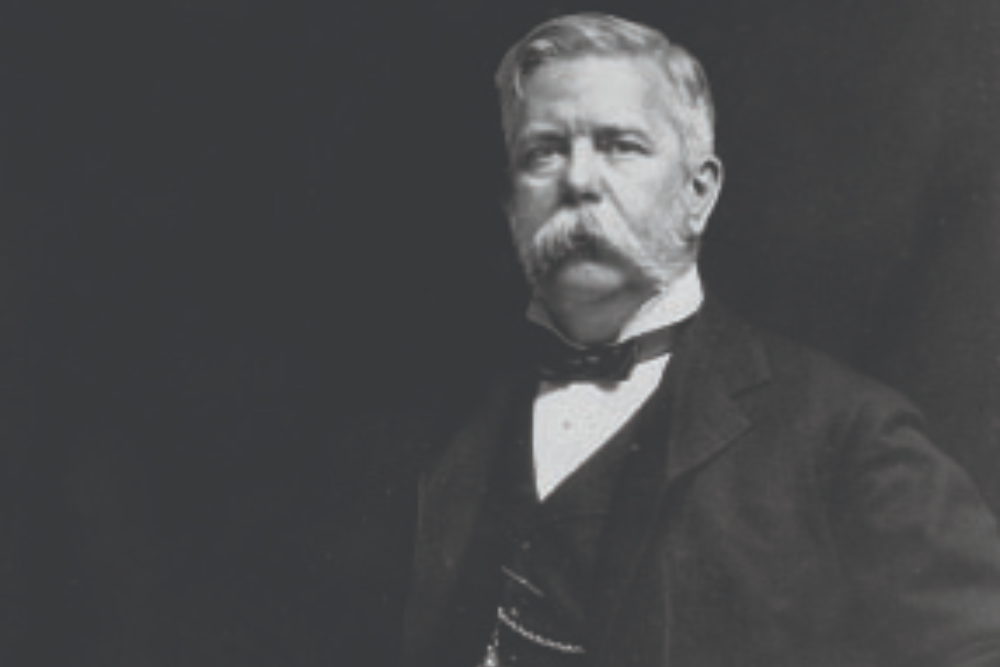
Westinghouse invented the air brake system that made train travel safe and practical, along with numerous other railway innovations. While initially successful, poor investments and financial mismanagement during economic downturns left him struggling in his later years.
He died in 1914 with significantly reduced wealth, despite his inventions continuing to save lives and improve transportation safety worldwide.
Edwin Armstrong
Armstrong invented FM radio and developed crucial improvements to AM radio technology that enhanced sound quality dramatically. Patent litigation with major corporations consumed his resources and energy for decades.
This left him financially and emotionally exhausted. He died by taking his own life in 1954, unable to continue fighting the legal battles over his revolutionary broadcasting innovations.
Chester Carlson

Carlson invented xerography, the dry photocopying process that became essential for modern office work. He spent years trying to interest companies in his invention, facing rejection after rejection before Xerox finally recognized its potential.
Though Xerox eventually became hugely profitable, Carlson’s early struggles left him with health problems and financial stress that persisted throughout his life.
Like Go2Tutors’s content? Follow us on MSN.
Elias Howe
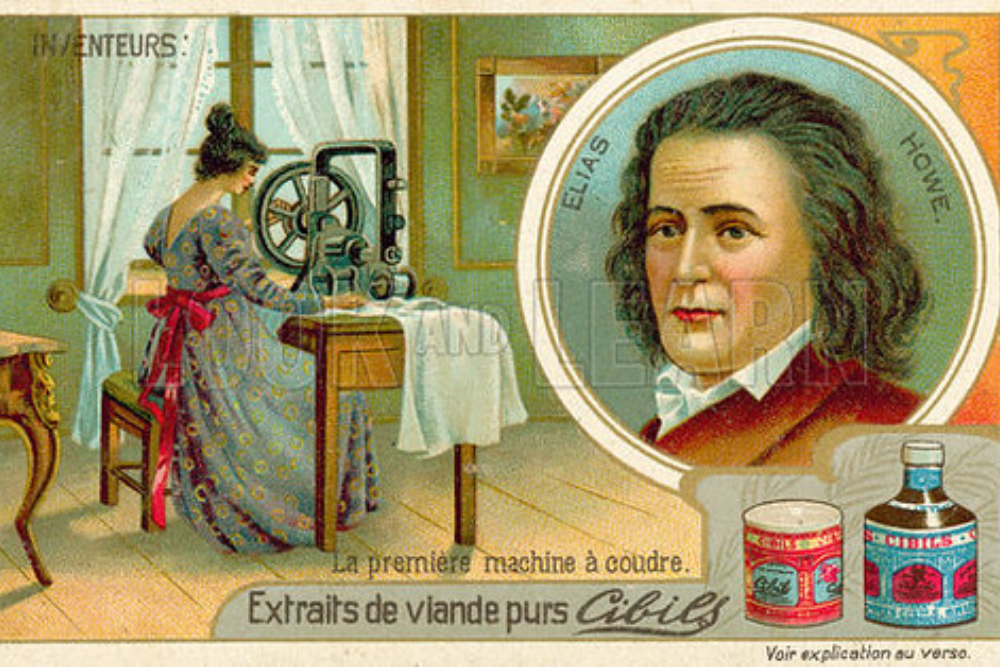
Howe invented the sewing machine in 1846. This revolutionized clothing production and textile manufacturing worldwide.
Patent infringement battles consumed most of his profits, as numerous companies copied his design without permission. He died in 1867 with limited wealth, despite his invention transforming entire industries and making fortunes for others.
Charles Goodyear
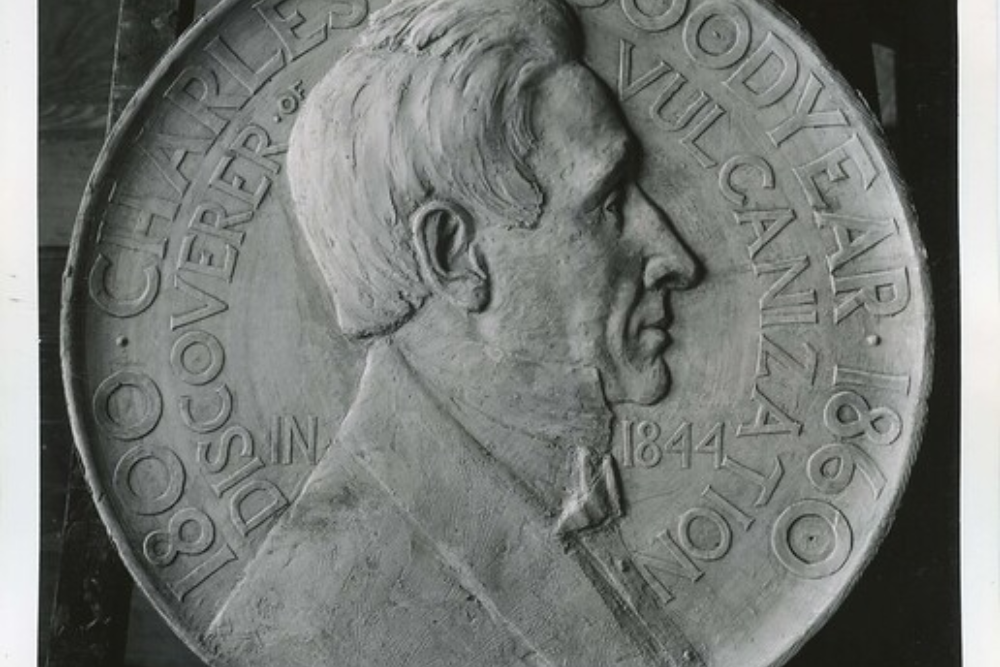
Goodyear discovered vulcanized rubber through years of experimentation, creating the foundation for modern tire and rubber industries. His obsession with perfecting the process led to financial ruin. He spent everything on research and development.
He died in 1860 with massive debts, while rubber companies built empires using his vulcanization process.
George Selden
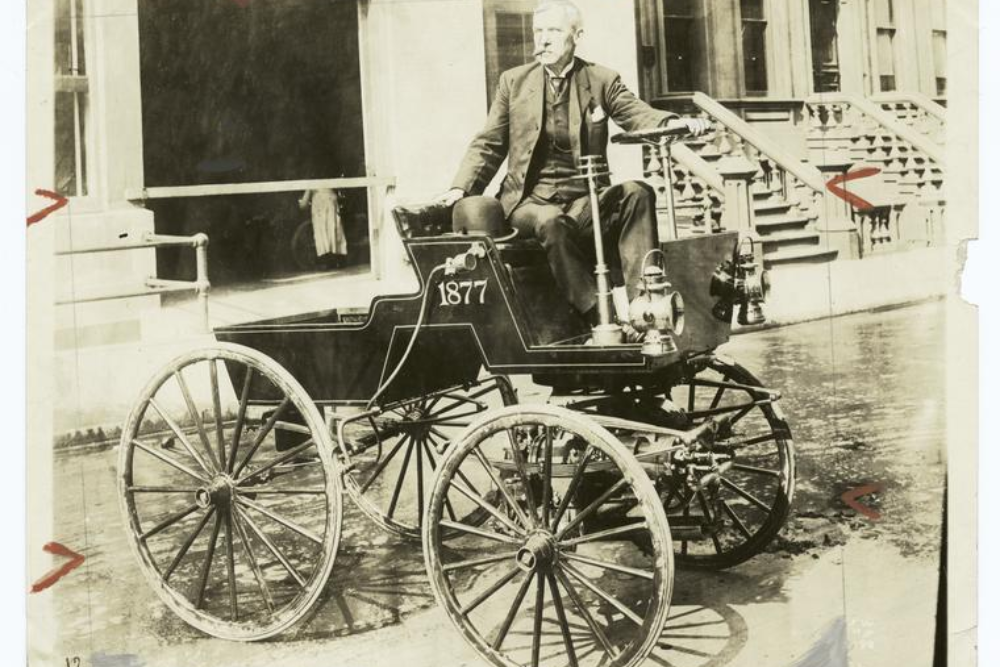
Selden received the first patent for a gasoline-powered automobile in 1895, theoretically giving him rights to profit from the emerging car industry. However, he focused on licensing rather than manufacturing, and legal challenges eventually invalidated his patent claims.
He died in 1922 with little money, as the automobile industry he helped create generated billions for manufacturers like Ford and General Motors.
Like Go2Tutors’s content? Follow us on MSN.
Percy Spencer
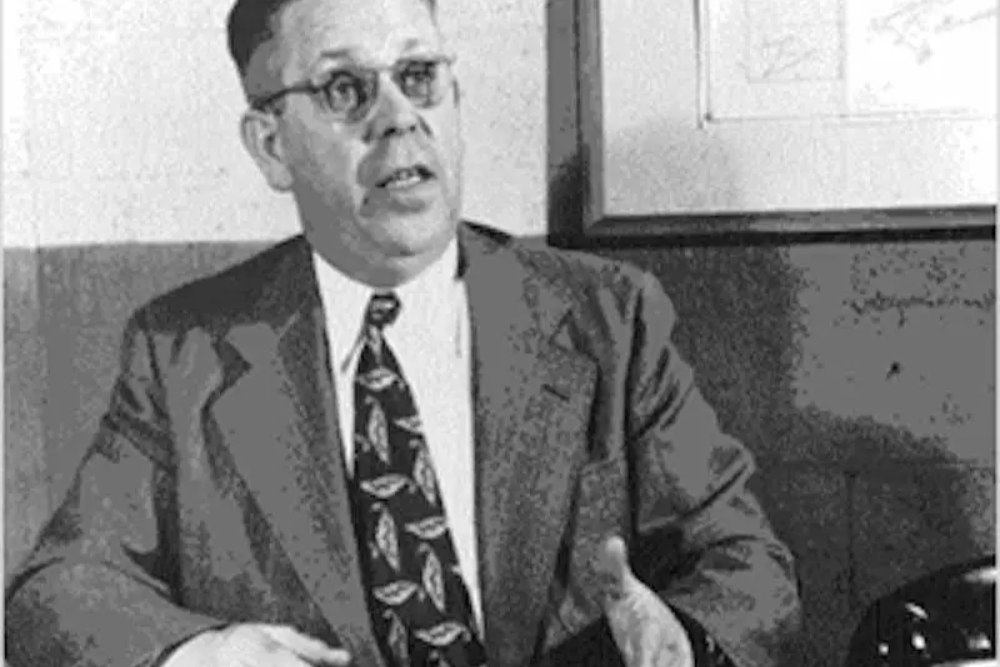
Spencer invented the microwave oven while working on radar technology, discovering that microwaves could heat food efficiently. Despite creating an appliance that would become standard in kitchens worldwide, Spencer received minimal compensation for his discovery.
He died in 1970 with modest means, as microwave oven sales generated enormous profits for appliance manufacturers.
Mary Anderson
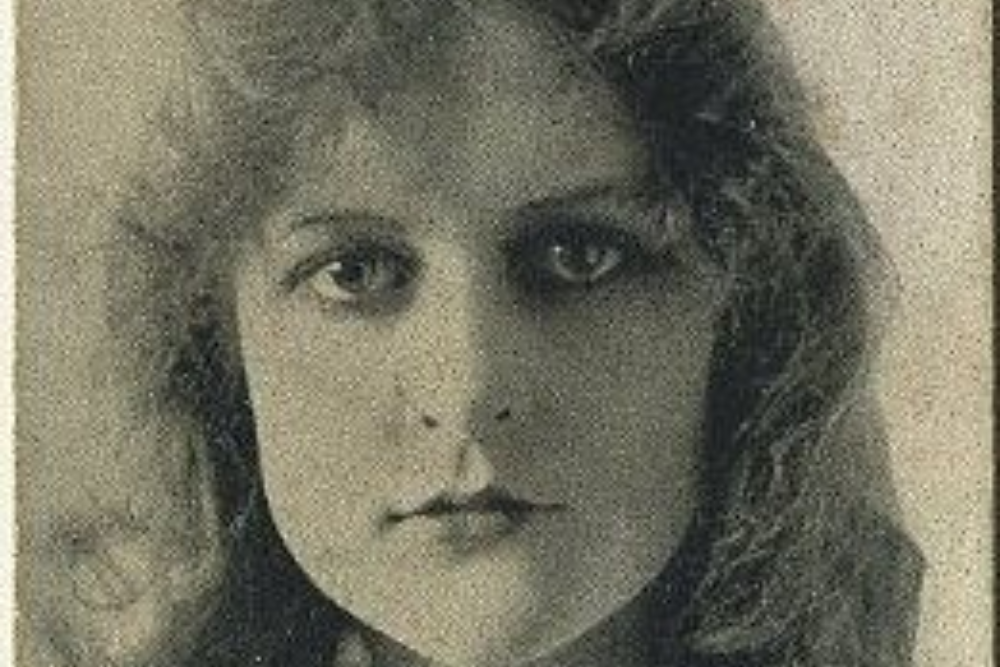
Anderson invented the windshield wiper in 1903, creating a simple but essential automotive safety device. Auto manufacturers showed little interest in her invention initially, and she couldn’t afford to maintain her patent rights.
She died in 1953 watching windshield wipers become standard equipment on every vehicle, generating massive profits for companies that used her design.
Lewis Latimer
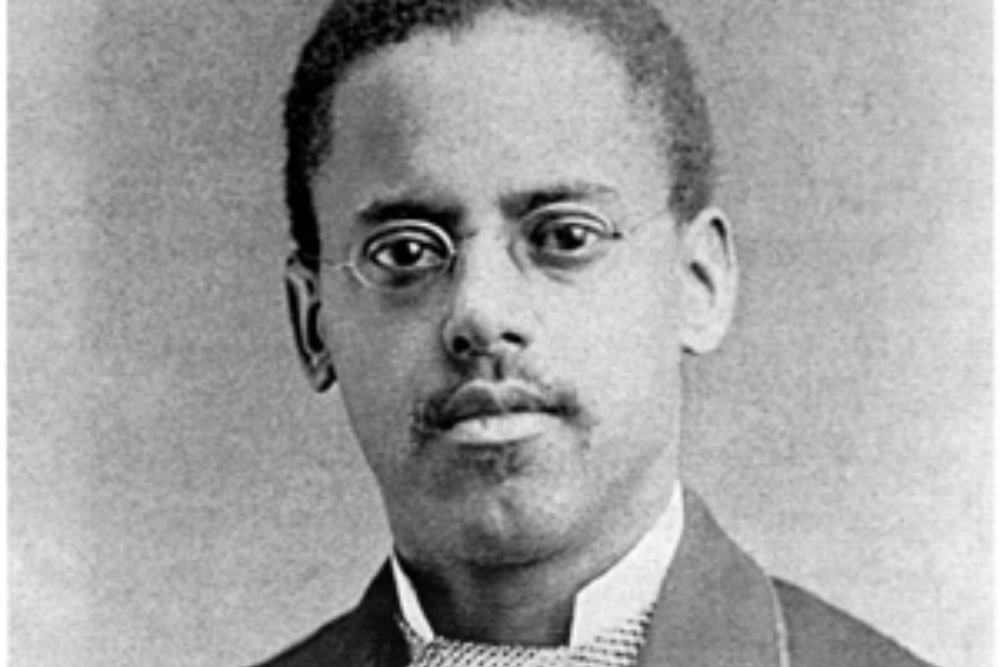
Latimer improved Edison’s light bulb design by inventing a carbon filament that lasted much longer than Edison’s original version. Despite his crucial contributions to making electric lighting practical and affordable, racial discrimination limited his recognition and compensation.
He died in 1928 with little wealth, though his improvements were essential to the success of electric lighting technology.
Like Go2Tutors’s content? Follow us on MSN.
Innovation’s Cruel Irony

These inventors prove that creating something valuable and getting paid for it remain two completely different achievements. Their stories remind us that genius alone isn’t enough.
Successful innovation requires business savvy, legal protection, and often just plain luck. While their names may not appear on corporate logos or in business magazines, their contributions continue shaping our daily lives in ways most people never realize.
The next time you flip a light switch, use GPS, or benefit from any modern convenience, remember the brilliant minds who died poor so we could live better.
More from Go2Tutors!

- 16 Historical Figures Who Were Nothing Like You Think
- 12 Things Sold in the 80s That Are Now Illegal
- 15 VHS Tapes That Could Be Worth Thousands
- 17 Historical “What Ifs” That Would Have Changed Everything
- 18 TV Shows That Vanished Without a Finale
Like Go2Tutors’s content? Follow us on MSN.



