Most Densely Packed Island Nations
Imagine living somewhere where every square kilometer is bursting with people, homes, and the constant buzz of daily activity. For quite a few independent island countries, this isn’t just imagination—it’s everyday reality.
These small lands, surrounded entirely by ocean, rank among the most densely populated places on Earth.Let’s explore these compact, bustling islands and see how their inhabitants create vibrant lives in such limited space.
Their ways of managing resources and building upward offer valuable lessons in maximizing what’s available.
Singapore
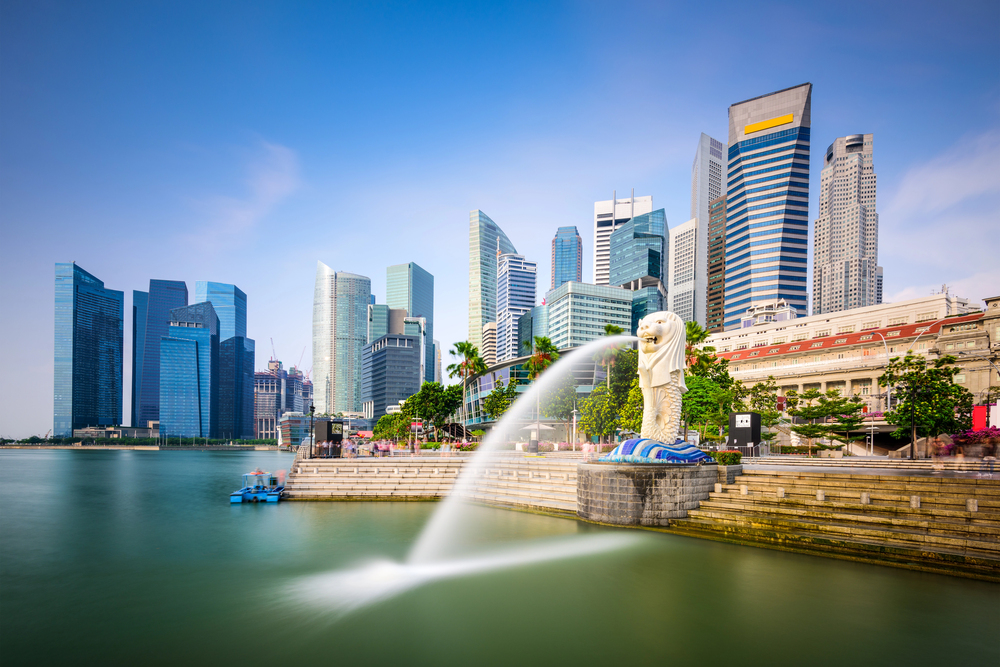
Singapore is often described as a city-state because it’s essentially one giant city that also functions as a country. It ranks among the highest in population density worldwide, not only among island nations.
Its people have perfected vertical living, with many residing in tall apartment blocks. They also innovate to maintain green spaces despite tight quarters and continually reclaim land from the sea to ease crowding and extend the city’s borders.
Bahrain
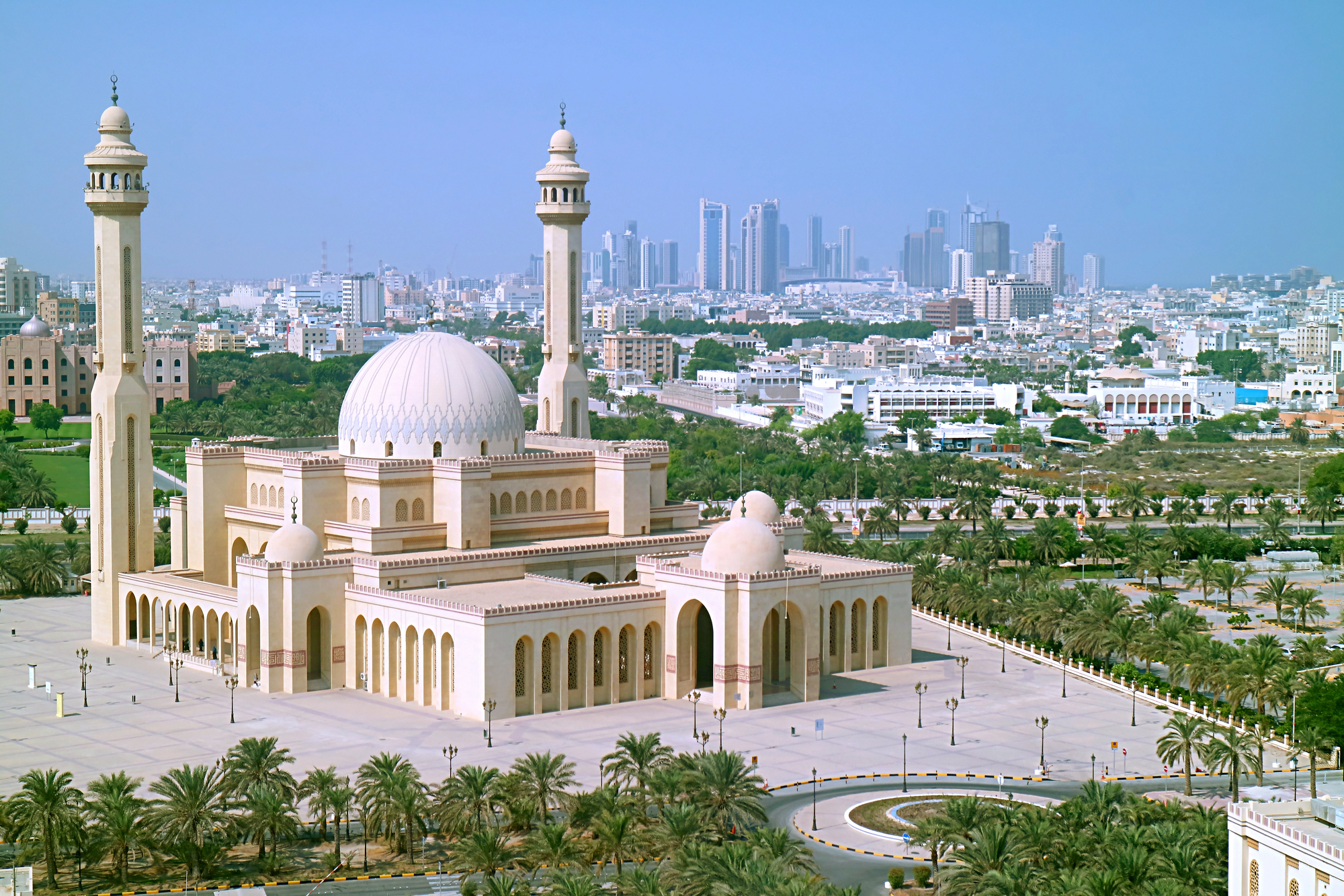
Situated in the Persian Gulf, Bahrain consists of several islands, though the majority of its population lives on the largest one. The country’s high density reflects its role as a key economic and financial center in the region.
The northern area, home to the capital and much of the industry, is especially bustling. Bahrain’s long history as a Gulf trade hub has contributed to its status as a crowded place.
Like Go2Tutors’s content? Follow us on MSN.
Malta
The Maltese islands sit in the heart of the Mediterranean Sea, serving as an important crossroads for travel and commerce over millennia. Its small landmass combined with a sizable population makes Malta one of the densest countries globally.
The ancient capital and surrounding towns blend seamlessly, showing centuries of adaptation to limited space. Constant demand for housing and infrastructure pushes development right up to the edges.
Maldives
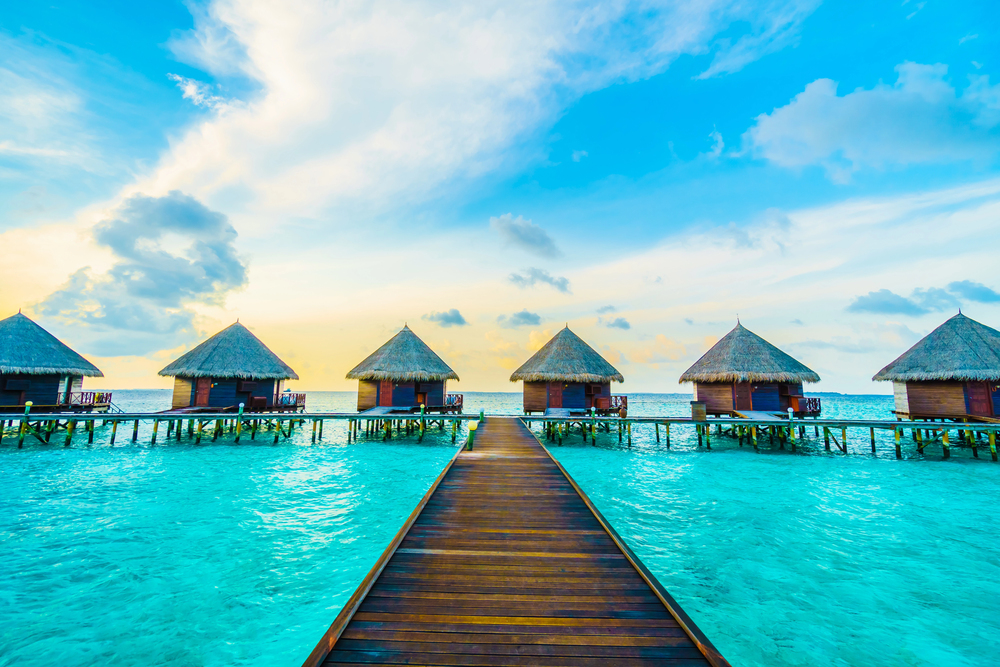
Made up of thousands of coral islands scattered across the Indian Ocean, only a few hundred of the Maldives’ islands are inhabited. Although spread over many atolls, the total land area is minuscule, driving very high population density figures.
The capital, Malé, is famously crowded, with tightly packed homes and ongoing land reclamation projects. Living on low-lying islands also presents significant challenges, especially with rising sea levels.
Barbados
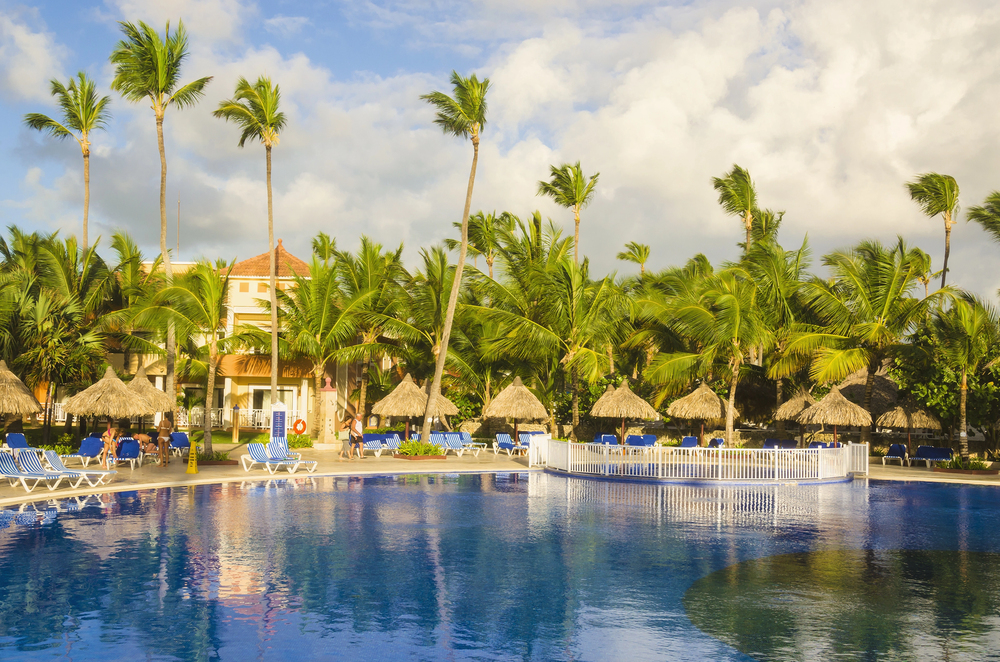
Barbados, in the eastern Caribbean, is both a favorite tourist destination and a busy home to locals, contributing to its high density. Known for stunning beaches and a strong tourism economy, the island has developed excellent infrastructure and a high quality of life.
Most people live near the coast, leaving the island’s interior somewhat less crowded.
Like Go2Tutors’s content? Follow us on MSN.
Mauritius
This Indian Ocean island boasts a strong economy, diverse communities, and limited space, resulting in one of the world’s highest population densities. Over time, towns and infrastructure have grown close together, making efficient use of every buildable patch.
Settlements stretch almost to the coastline, highlighting the pressure on available land.
Nauru
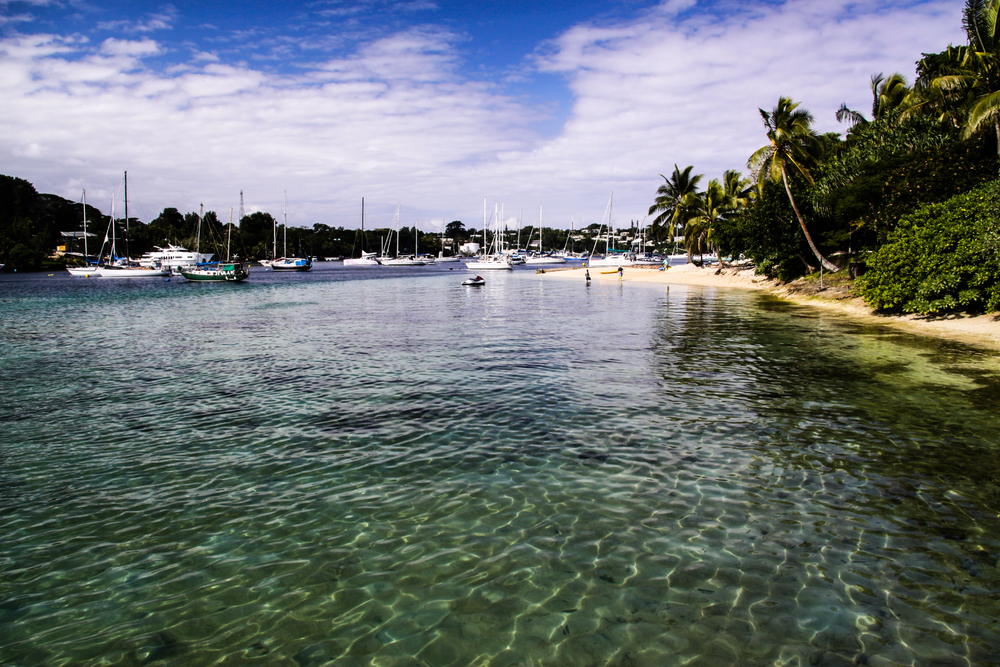
Nauru is a tiny island republic in Micronesia, making it one of the smallest independent countries worldwide. Its small land area means even a modest population creates extremely high density.
Nauru’s history, shaped by phosphate mining booms and busts, hasn’t changed the physical limitation of its tiny space. Life here revolves closely around managing the cramped environment.
Tuvalu

Tuvalu is a Polynesian nation made up of nine low-lying atolls and reef islands in the central Pacific. It ranks among the smallest countries globally by land area, which forces its population into tight-knit communities.
The absence of higher ground makes living conditions difficult, especially as rising sea levels threaten these fragile islands.
Like Go2Tutors’s content? Follow us on MSN.
Philippines
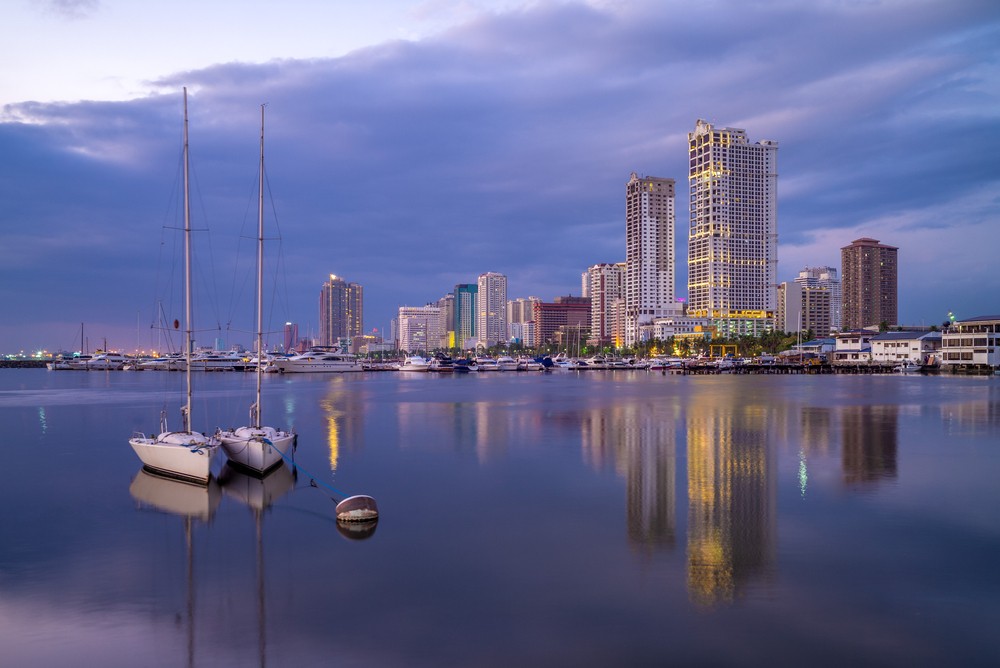
The Philippines consists of over 7,000 islands, but most of its large population is concentrated on a few major ones. Though the overall population density isn’t the highest worldwide, the density on the main islands, particularly Luzon—home to Manila—is staggering.
Manila is one of the world’s most congested metro areas, with people packed tightly in sprawling urban zones. Island geography pushes millions into dense coastal settlements.
Haiti
Sharing the island of Hispaniola with the Dominican Republic, Haiti occupies the western half. Much of its land is mountainous and unsuitable for farming or building, which funnels people into dense towns and cities.The limited usable land combined with steady population growth puts immense pressure on living space, especially around the capital.
Taiwan
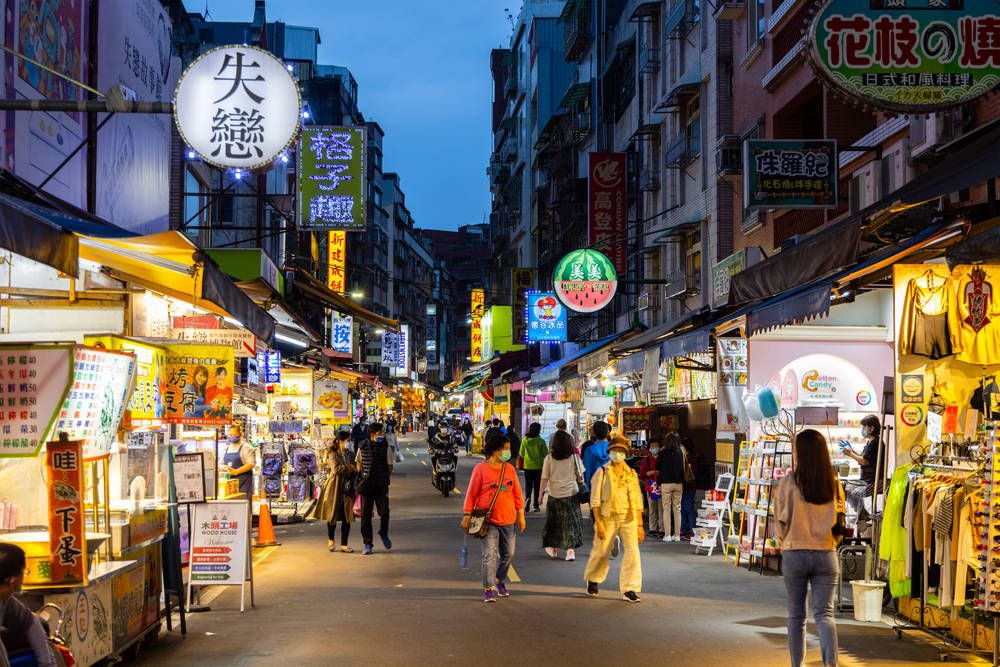
Off the coast of mainland Asia, Taiwan is an island nation with a significant population living mostly in narrow coastal plains due to mountains covering much of its interior. This forces people into dense urban centers like Taipei and its surroundings.
Cities here are vertical and bustling, a response to limited flat land.
Like Go2Tutors’s content? Follow us on MSN.
Comoros
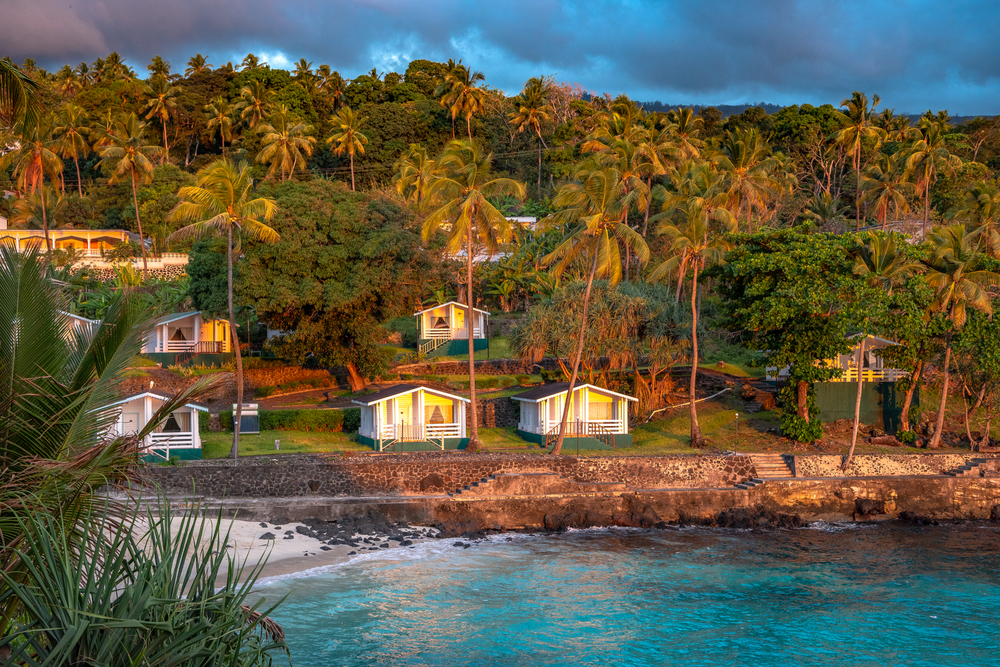
The Comoro Islands, located off Africa’s eastern coast in the Indian Ocean, are volcanic and relatively small. Their population, largely dependent on agriculture and fishing, is young and growing, keeping density levels high.
Coastal towns and villages are tightly packed as residents live near the sea.
Grenada
Known as the “Island of Spice,” Grenada in the Caribbean has a lively culture and a small land area. Most residents live in the main towns and near the capital, creating dense populated areas.
The island’s mountainous, forested interior naturally directs development toward the coasts, making coastal zones crowded.
Reflections on a Crowded Shore
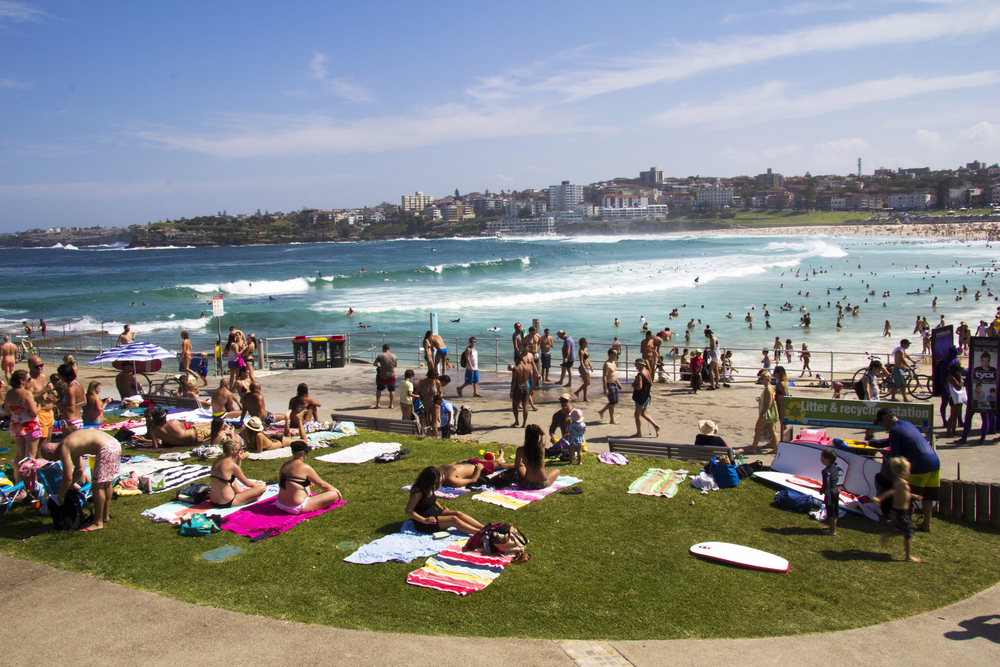
For centuries, islands were viewed as isolated retreats—quiet places separated from mainland bustle. Yet today, many have become some of the busiest spots on Earth, with people living packed into incredibly small areas.
Unlike vast continents, islands have no room to sprawl, demonstrating humanity’s remarkable ability to build rich, full lives even where space is tight. The challenges these nations face—from accommodating new housing to battling rising seas—offer valuable lessons about community, resourcefulness, and living with limits.
Like Go2Tutors’s content? Follow us on MSN.
More from Go2Tutors!

- 16 Historical Figures Who Were Nothing Like You Think
- 12 Things Sold in the 80s That Are Now Illegal
- 15 VHS Tapes That Could Be Worth Thousands
- 17 Historical “What Ifs” That Would Have Changed Everything
- 18 TV Shows That Vanished Without a Finale
Like Go2Tutors’s content? Follow us on MSN.