18 Famous Landmarks That Aren’t What They Seem
Think you know the world’s most famous landmarks? Think again. Behind those picture-perfect postcards and tourist brochures lies a collection of fascinating secrets, clever illusions, and surprising truths that might just change how you see these iconic destinations forever.
From ancient wonders built on lies to modern marvels hiding dark histories, these landmarks prove that things aren’t always what they appear to be. Here is a list of 18 famous landmarks that will make you question everything you thought you knew about the world’s most celebrated places.
The Leaning Tower of Pisa
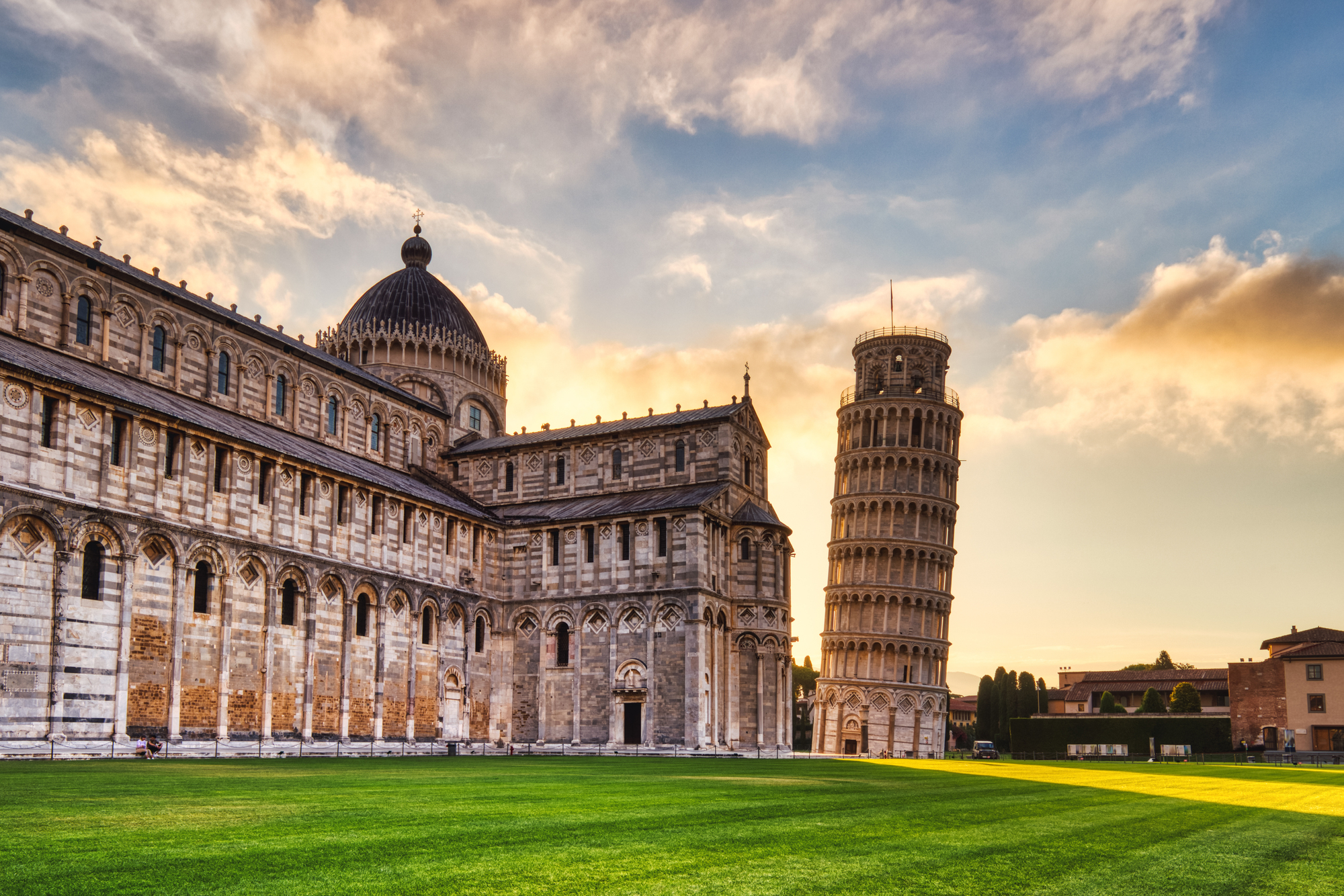
Everyone knows this Italian tower leans, but most people assume it was designed that way for artistic flair. The truth is far less romantic—the tower started tilting during construction in 1173 because the foundation was built on soft clay soil that couldn’t support the weight.
Engineers have been fighting gravity ever since, and without constant intervention, this ‘architectural marvel’ would have toppled over centuries ago. The lean actually got worse over time until modern stabilization efforts in the 1990s finally stopped its gradual descent toward disaster.
Mount Rushmore
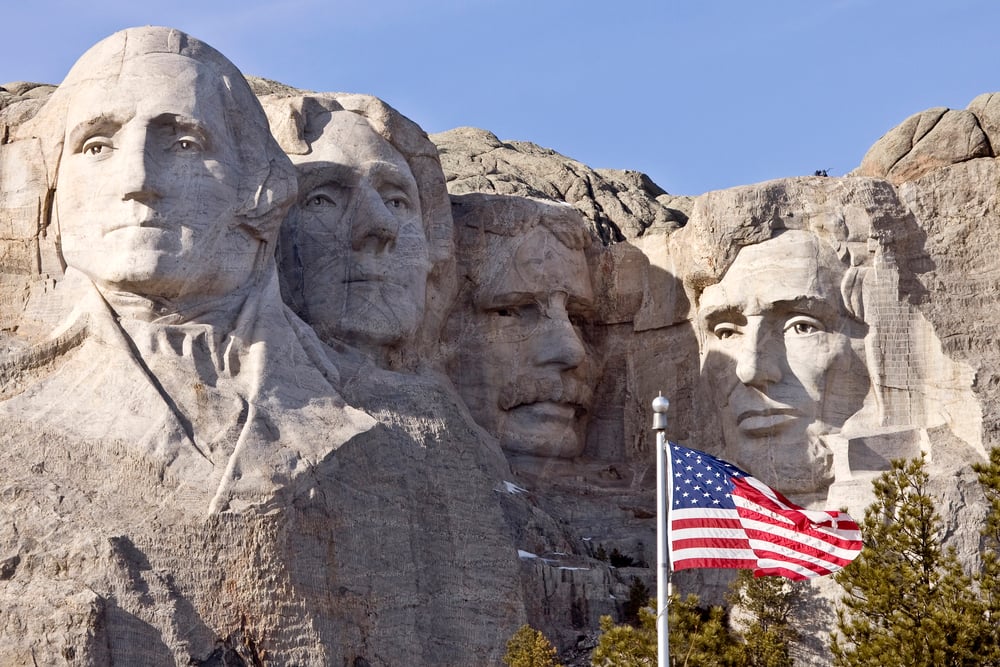
Those four presidential faces carved into South Dakota’s Black Hills look like they’ve been there forever, but the monument is barely a century old. What’s more shocking is that the mountain was considered sacred land to the Lakota Sioux, and the sculpture was carved without their permission on territory that was supposed to be theirs according to previous treaties.
The project also ran out of money before completion—the original plan called for the presidents to be carved from head to waist, making today’s version essentially an expensive, unfinished project.
The Hollywood Sign
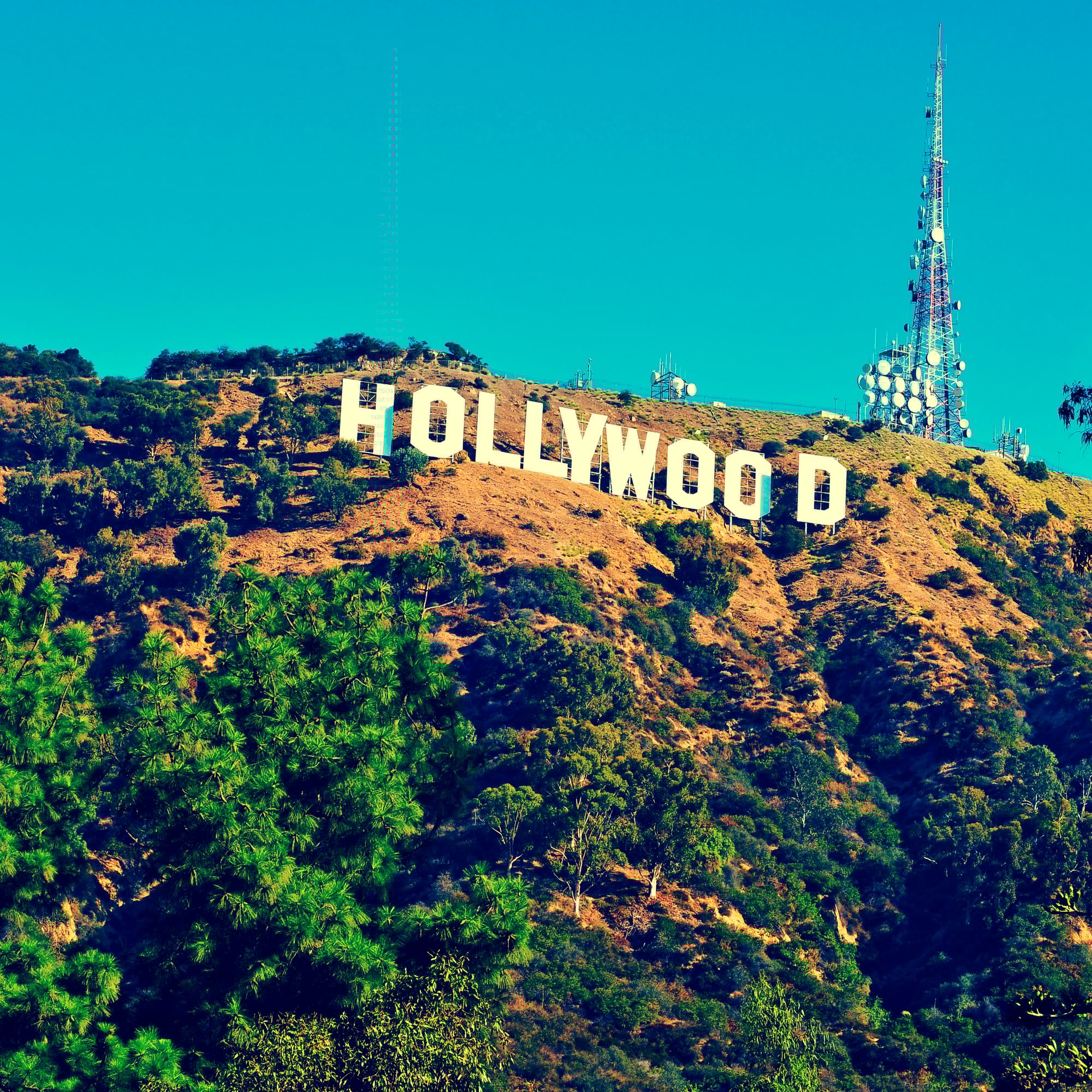
This iconic symbol of movie magic wasn’t built to celebrate the film industry at all. Originally erected in 1923, the sign read ‘HOLLYWOODLAND’ and was nothing more than a temporary real estate advertisement meant to sell houses in a new subdivision.
The sign was supposed to be removed after 18 months, but it stuck around and became so synonymous with the area that the ‘LAND’ portion was eventually removed in 1949. Today’s version is actually a complete reconstruction from 1978, making it younger than many of the movies it represents.
The Statue of Liberty

Lady Liberty’s current green color has fooled millions into thinking she was designed to look that way. In reality, she was originally a shiny brown copper color, similar to a new penny.
The green patina developed over about 30 years due to natural oxidation from exposure to air and moisture. France’s gift to America was actually inspired by the end of the Civil War and the abolition of slavery, though this connection has been largely forgotten in favor of the immigration narrative that developed later.
Stonehenge

This prehistoric monument looks ancient and untouched, but it’s been heavily restored and reconstructed multiple times over the past century. Many of the stones were repositioned, and concrete was used to hold some sections together during restoration efforts in the 1950s and 1960s.
What you see today is partly authentic ancient construction and partly 20th-century interpretation of what archaeologists thought it should look like. The mysterious arrangement that baffles visitors is as much modern guesswork as ancient engineering.
The Little Mermaid Statue
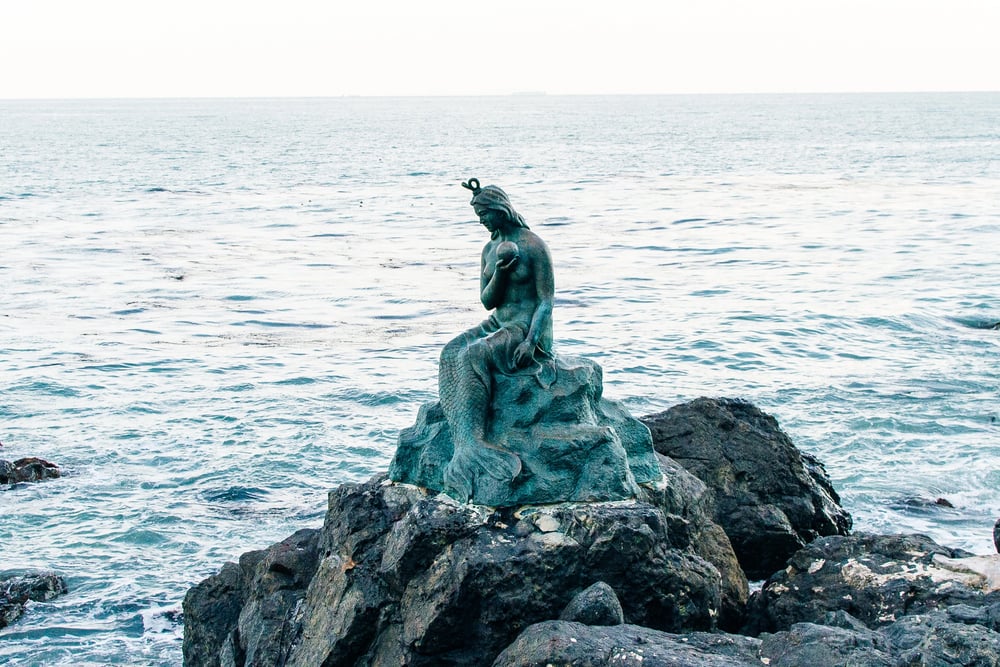
Copenhagen’s famous mermaid statue is often called disappointing by tourists who expect something grand and majestic. The bronze figure is only about 4 feet tall and sits on a small rock by the waterside, making it one of the world’s most underwhelming major tourist attractions.
Even more surprising, the statue has been decapitated, painted, and vandalized so many times that the city has considered moving it to a less accessible location. The current head isn’t even original—it’s a replacement after the real one was stolen in 1964.
Big Ben

The famous clock tower in London isn’t actually called Big Ben—that’s just the nickname for the largest bell inside the tower. The tower itself was officially named Elizabeth Tower in 2012 to honor Queen Elizabeth II’s Diamond Jubilee, though hardly anyone uses the proper name.
The clock faces are also much larger than they appear from the ground, with each one measuring 23 feet in diameter. Most people standing below can’t grasp the true scale because the tower is so tall that the clock faces look proportionally normal.
The Brandenburg Gate
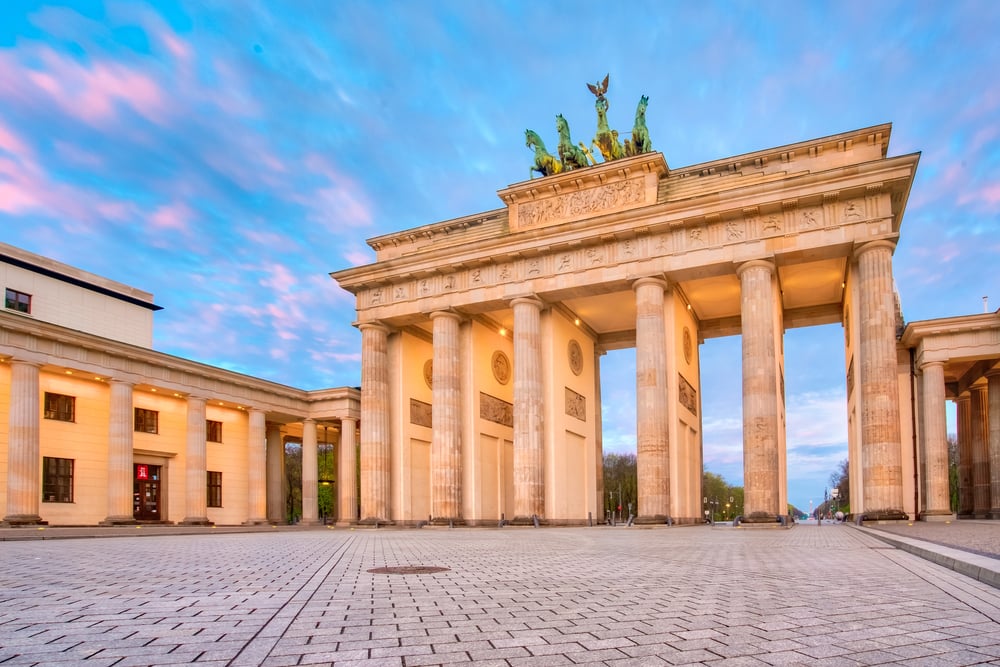
This symbol of German unity and freedom actually spent nearly three decades as a barrier rather than a gateway. When the Berlin Wall was built in 1961, it cut right through the gate, making it completely inaccessible to both East and West Berliners for 28 years.
During this time, the gate became a symbol of division rather than unity, standing empty and unused in the forbidden zone between the two sides of the city. Its current role as a symbol of reunification only began after the wall fell in 1989.
Easter Island Statues

Those mysterious stone heads scattered across Easter Island aren’t just heads at all—they have buried bodies beneath the soil. Archaeological excavations have revealed that most of the statues, called moai, are actually full figures that extend deep underground, some with bodies over 30 feet tall.
The heads are just the visible tips of much larger sculptures that have been covered by centuries of soil accumulation. The island’s inhabitants also didn’t vanish mysteriously as often portrayed—their descendants still live there today and are actively involved in preserving the site.
The Great Wall of China
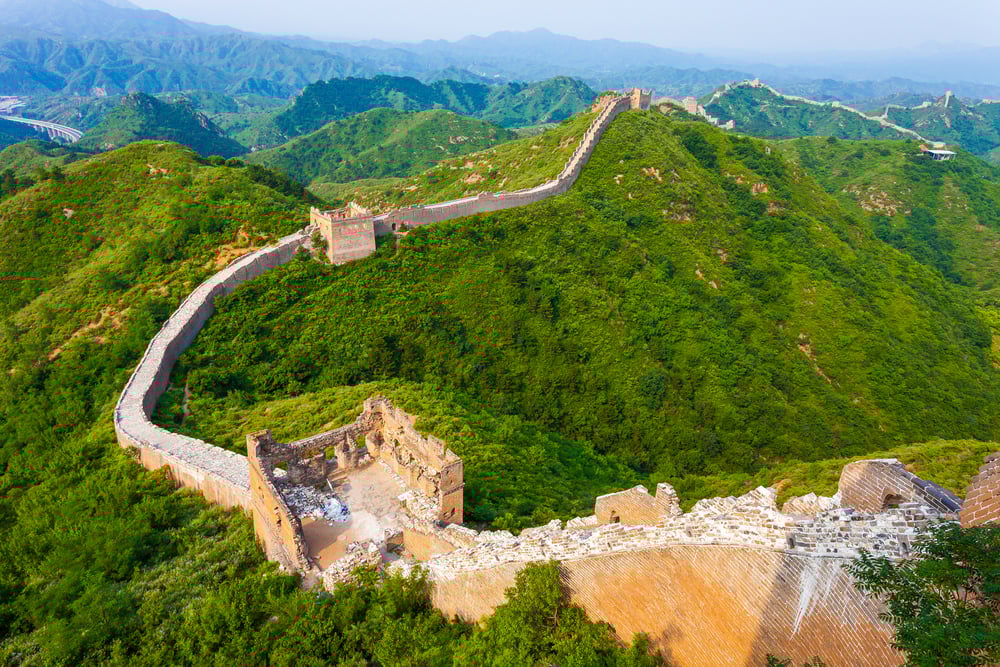
Despite the popular myth, this massive fortification isn’t visible from space with the unaided eye—at least not any more than other large human-made structures. Astronauts have repeatedly debunked this claim, explaining that the wall is too narrow and blends in too well with the surrounding landscape to be easily spotted from orbit.
The wall also isn’t a single continuous structure built at one time, but rather a series of walls built by different dynasties over more than 1,000 years, with many sections now crumbling or completely gone.
Plymouth Rock
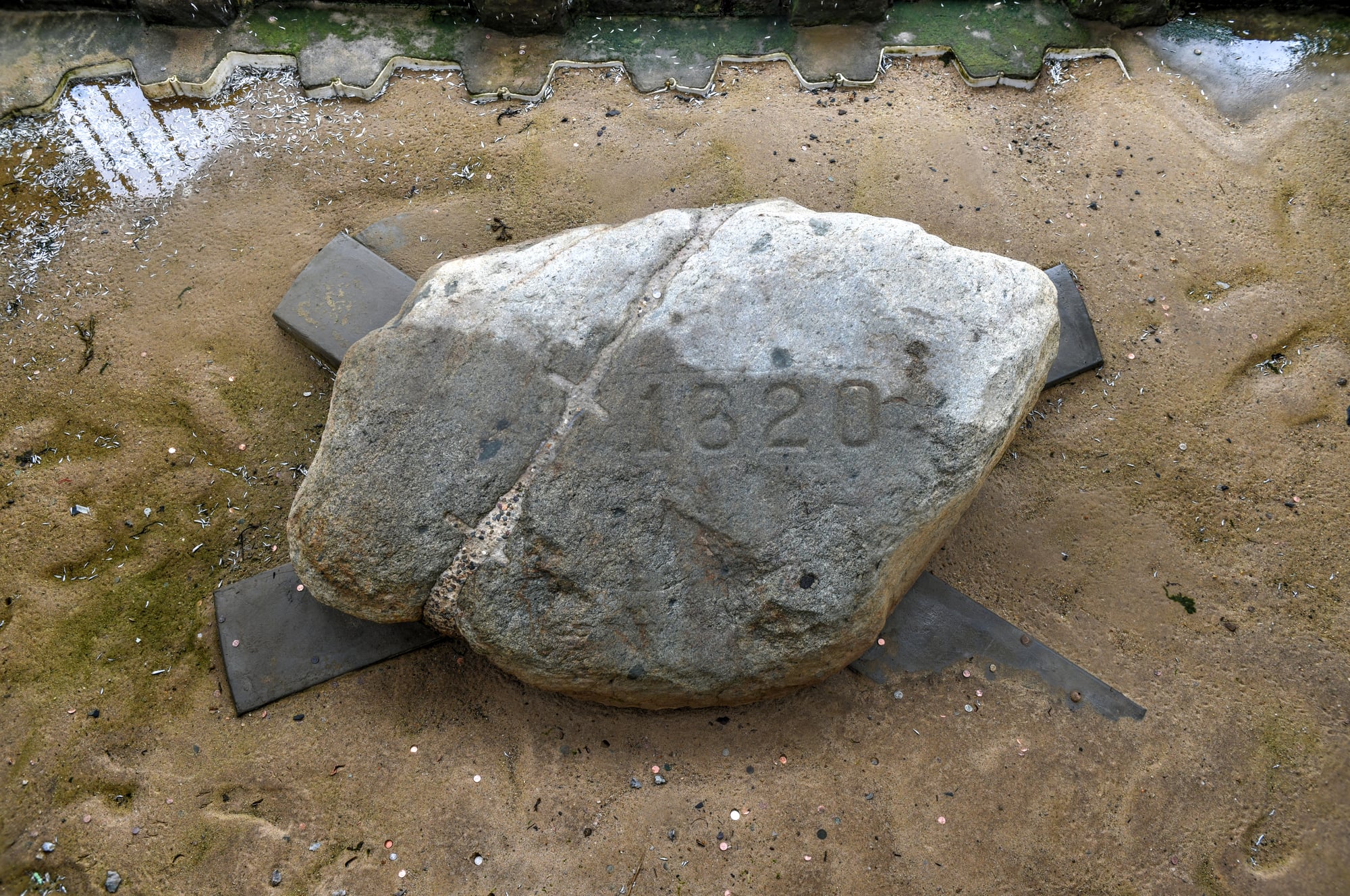
This supposed landing spot of the Mayflower pilgrims is almost certainly a historical fabrication. No contemporary accounts from 1620 mention the rock, and the first reference to it as the landing site didn’t appear until 1741—over 120 years after the fact.
The rock has also been moved several times, broken into pieces, and reassembled, so what visitors see today is partly authentic stone and partly replacement material. Many historians believe the entire story was invented to create a tangible symbol for an event that probably happened somewhere else entirely.
The Taj Mahal
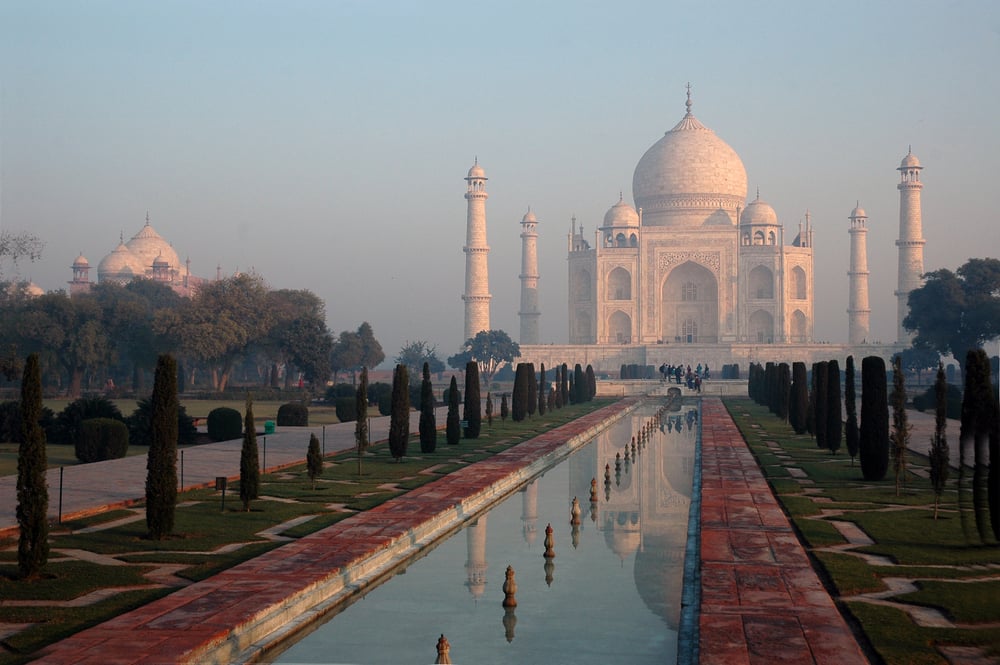
While undeniably beautiful, this monument to love required the labor of over 20,000 workers, many of whom were essentially enslaved for the project. The construction also bankrupted the Mughal empire and contributed to its eventual decline, making it as much a monument to excess as to romance.
Some historians argue that the building’s design incorporates significant Hindu and Buddhist elements that have been overlooked in favor of the Islamic narrative, suggesting the architecture represents a blend of traditions rather than a purely Islamic vision. The perfectly symmetrical gardens and reflecting pools that frame the building were also added later to enhance the visual impact.
The Christ the Redeemer Statue

This towering figure overlooking Rio de Janeiro looks like it’s made of smooth white stone, but it’s actually covered in thousands of small soapstone tiles. The statue has been struck by lightning multiple times, requiring regular repairs and maintenance that most visitors never see.
The structure also had to be built in pieces and assembled on the mountain because there was no way to transport a complete 98-foot statue to the summit. Even more surprising, the statue’s arms are hollow and contain ladders that maintenance workers use to access the exterior for repairs.
The London Bridge

The bridge that ‘fell down’ in the famous nursery rhyme isn’t the current London Bridge at all. The medieval bridge that inspired the song was demolished in the 1960s and sold to an American entrepreneur who reconstructed it in Lake Havasu City, Arizona.
The current London Bridge in London is a completely different structure built in 1973, making it younger than many of the people who cross it daily. The confusion gets even better—many tourists looking for the iconic bridge actually want to see Tower Bridge, which is a different structure entirely.
The Space Needle
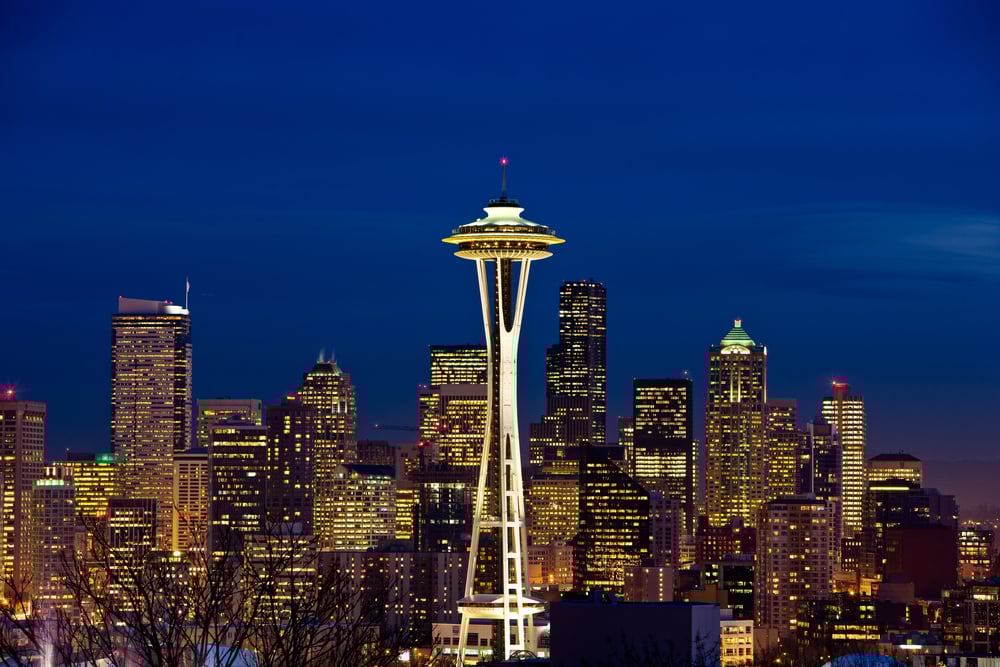
Seattle’s most recognizable landmark was built specifically for the 1962 World’s Fair and was never intended to be a permanent fixture. The structure was designed to be dismantled after the fair ended, but it proved so popular that the city decided to keep it.
The building’s futuristic design, which seemed cutting-edge in 1962, now looks distinctly retro and represents a specific moment in time rather than timeless architecture. The observation deck has been renovated multiple times to meet modern safety standards, so the experience visitors have today is quite different from what fairgoers encountered in the 1960s.
The Alamo

This symbol of Texan independence wasn’t originally built as a fortress but as a Spanish mission church. The famous battle in 1836 actually took place throughout a larger compound, not just in the small chapel that tourists visit today.
Most of the original Alamo complex was demolished in the early 1900s to make way for downtown San Antonio’s development, leaving only a fraction of the historical site intact. The building’s current appearance is also heavily reconstructed, with the distinctive curved parapet at the top being added during restoration efforts rather than being part of the original design.
The Parthenon
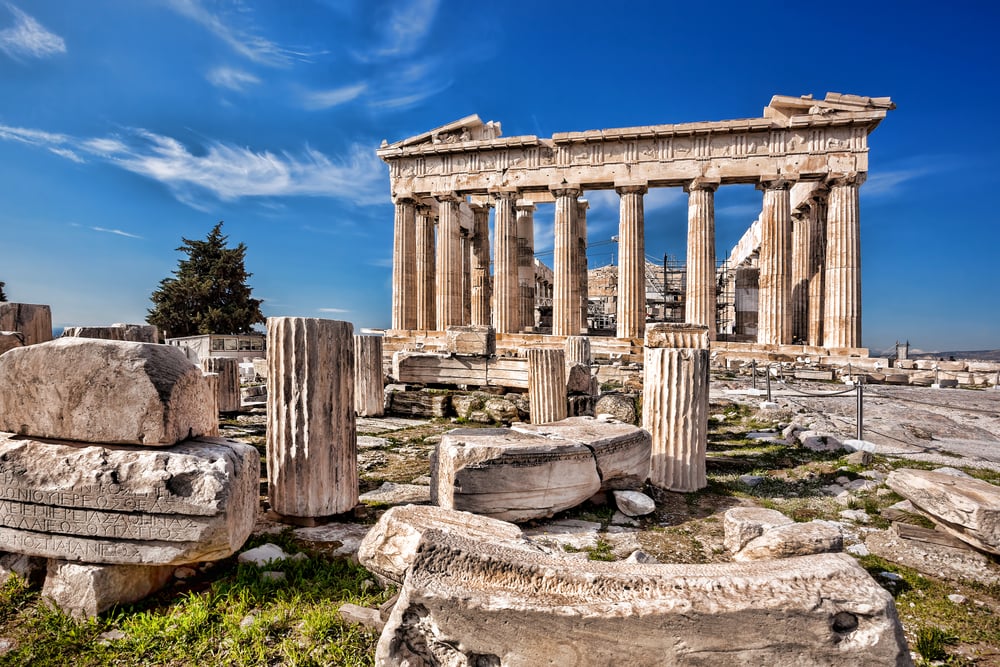
This symbol of classical Greek architecture has been reconstructed so many times that distinguishing original materials from modern additions requires an expert eye. The building was used as a Christian church, then a mosque, and later as an ammunition depot that exploded in 1687, destroying much of the interior.
Today’s Parthenon is the result of extensive restoration work that began in the 1970s and continues today, using modern materials and techniques to preserve what remains of the ancient structure. The sculptures that once decorated the building are scattered in museums around the world, with plaster copies filling many of the gaps on the actual monument.
Niagara Falls

This natural wonder isn’t as natural as it appears—the falls have been heavily modified by human engineering to control water flow and prevent erosion. During low-tourism periods, authorities divert much of the water for hydroelectric power generation, significantly reducing the falls’ volume.
In 1969, engineers actually turned off the American Falls completely for several months to study the rock face and remove accumulated debris. The falls are also gradually moving upstream due to erosion, meaning their location today is different from where they were when European explorers first saw them.
More from Go2Tutors!

- The Romanov Crown Jewels and Their Tragic Fate
- 13 Historical Mysteries That Science Still Can’t Solve
- Famous Hoaxes That Fooled the World for Years
- 15 Child Stars with Tragic Adult Lives
- 16 Famous Jewelry Pieces in History
Like Go2Tutors’s content? Follow us on MSN.



