Celebrated Scientists Whose Discoveries Were Stolen
The history of science is filled with groundbreaking discoveries that changed our understanding of the world. We celebrate the names attached to these breakthroughs, but the true stories behind many famous inventions reveal a darker side of scientific progress.
Behind some of the most celebrated discoveries in history stand forgotten researchers who did the actual work, only to watch others claim the glory.These cases aren’t just ancient history.
They reveal patterns of theft, discrimination, and exploitation that shaped which names we remember and which we forget. Here’s a list of celebrated scientists whose discoveries were stolen or whose credit was deliberately denied.
Rosalind Franklin
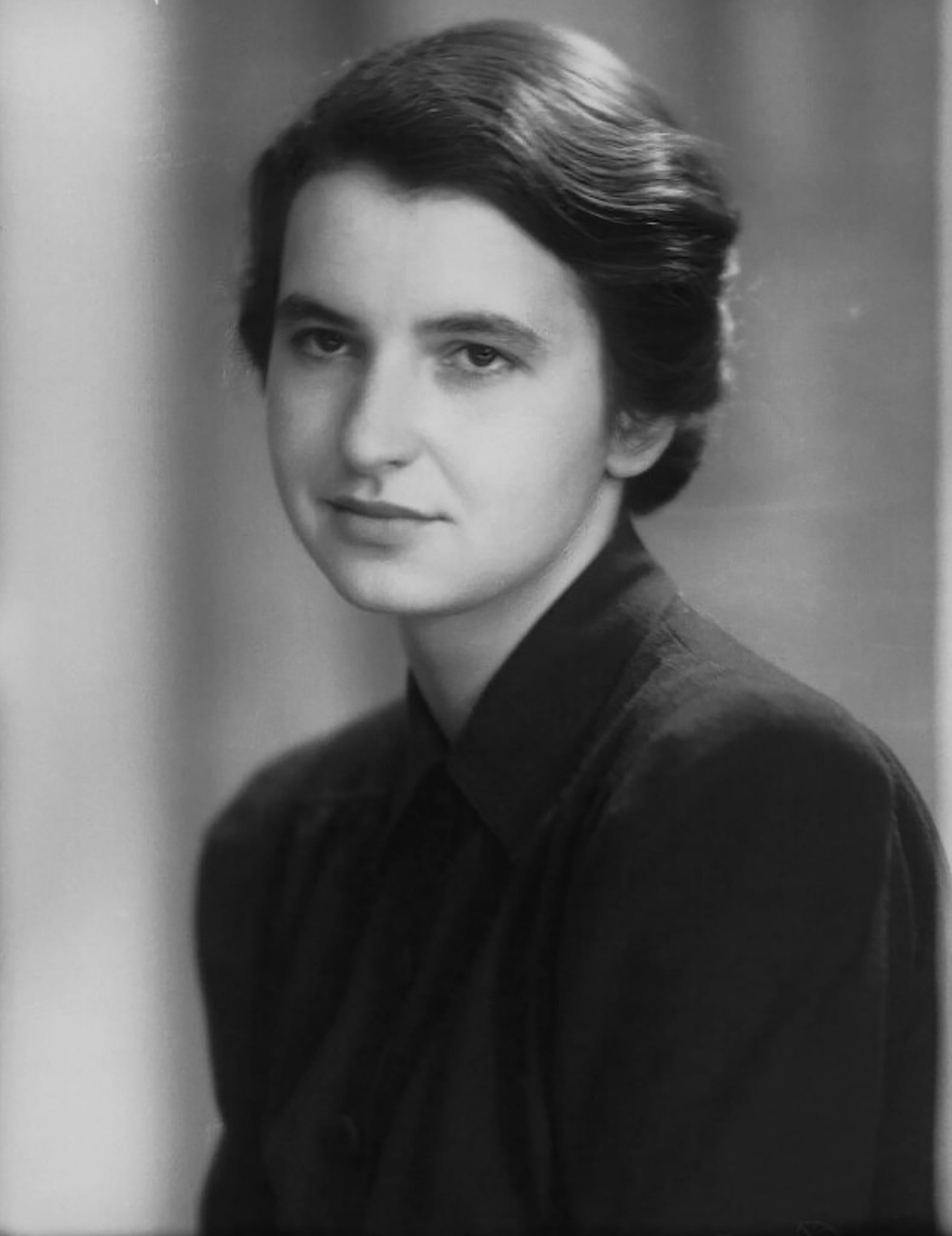
The story of DNA’s structure is incomplete without Rosalind Franklin, yet her name was missing from the Nobel Prize ceremony. Franklin worked at King’s College London, where she captured Photograph 51—an X-ray image that revealed DNA’s double helix structure.
Her colleague Maurice Wilkins showed this private research to James Watson and Francis Crick without her permission or knowledge. They used her data to publish their famous model in 1953, never mentioning Franklin’s contribution.
Watson, Crick, and Wilkins received the Nobel Prize in 1962, four years after Franklin died from ovarian cancer at age 37.
Antonio Meucci
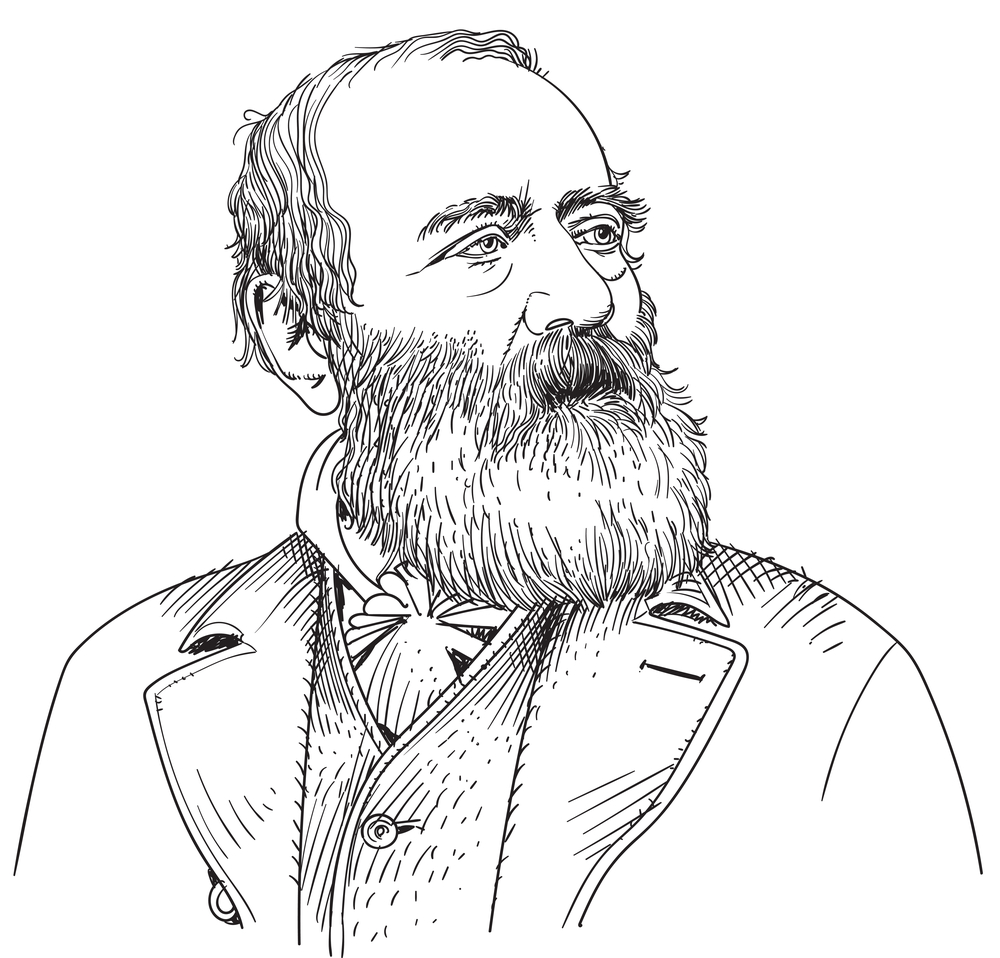
Alexander Graham Bell gets credit for inventing the telephone, but an Italian immigrant named Antonio Meucci actually developed it first. Meucci created a working voice communication device in his Staten Island home as early as 1857 and publicly demonstrated his ‘teletrofono’ in 1860.
He filed a patent caveat in 1871 but couldn’t afford the full patent fee or the renewal cost when it expired in 1874. Meucci sent his prototype and specifications to Western Union, where Bell had access to the laboratory.
Western Union claimed they lost everything, and two years later, Bell filed his own patent and became wealthy from the invention that Meucci had pioneered.
Like Go2Tutors’s content? Follow us on MSN.
Lise Meitner
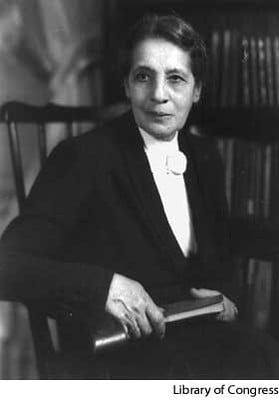
Nuclear fission could have made Lise Meitner a household name, but her identity as an Austrian Jewish woman during Hitler’s rise cost her everything. Meitner led the research group at Berlin’s Kaiser Wilhelm Institute alongside Otto Hahn, becoming Germany’s first female physics professor in 1926.
When she fled to Sweden in 1938 to escape Nazi persecution, she could only contribute to the crucial experiments through letters. Hahn published the groundbreaking findings without listing Meitner as a co-author and received the 1944 Nobel Prize in Chemistry alone, despite physicists like Niels Bohr insisting that Meitner was instrumental to the discovery.
Jocelyn Bell Burnell

As a graduate student at Cambridge, Jocelyn Bell Burnell discovered pulsars—rapidly rotating neutron stars that emit radio waves. She noticed unusual radio pulses in her data and worked with her advisor to understand what they were.
When the discovery was announced, the 1974 Nobel Prize in Physics went to her advisor and another senior scientist. Bell Burnell, who had done the actual observational work and first identified the signals, was left out entirely.
Even prominent astronomer Fred Hoyle criticized her exclusion from the prize.
Chien-Shiung Wu
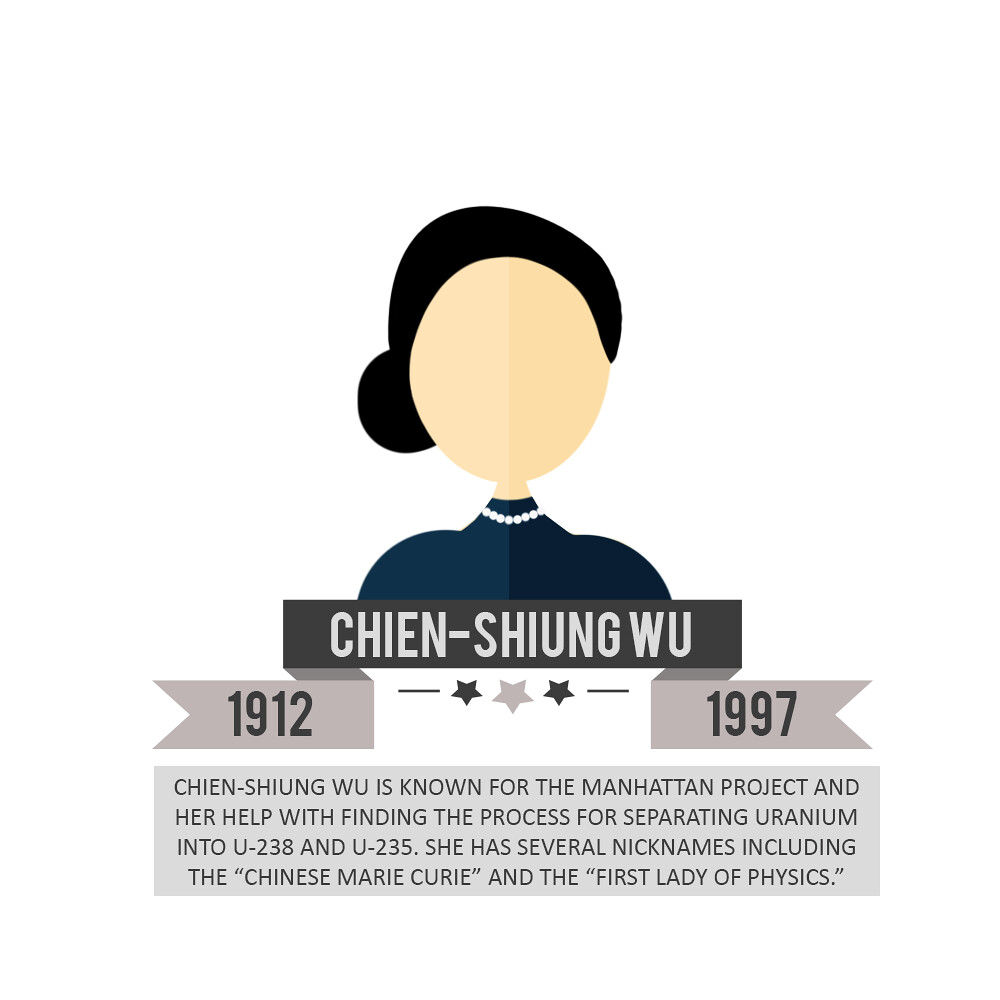
Wu designed the experiments that disproved the Conservation of Parity, a fundamental law of physics that stated mirror-image particles behave identically. Her groundbreaking work at Columbia University proved this assumption wrong.
The 1957 Nobel Prize in Physics for this discovery went to two theoretical physicists who had suggested the experiment, while Wu—who actually designed and conducted the experiments—received nothing. She had also contributed significantly to the Manhattan Project, working alongside the world’s leading physicists during World War II.
Like Go2Tutors’s content? Follow us on MSN.
Cecilia Payne-Gaposchkin
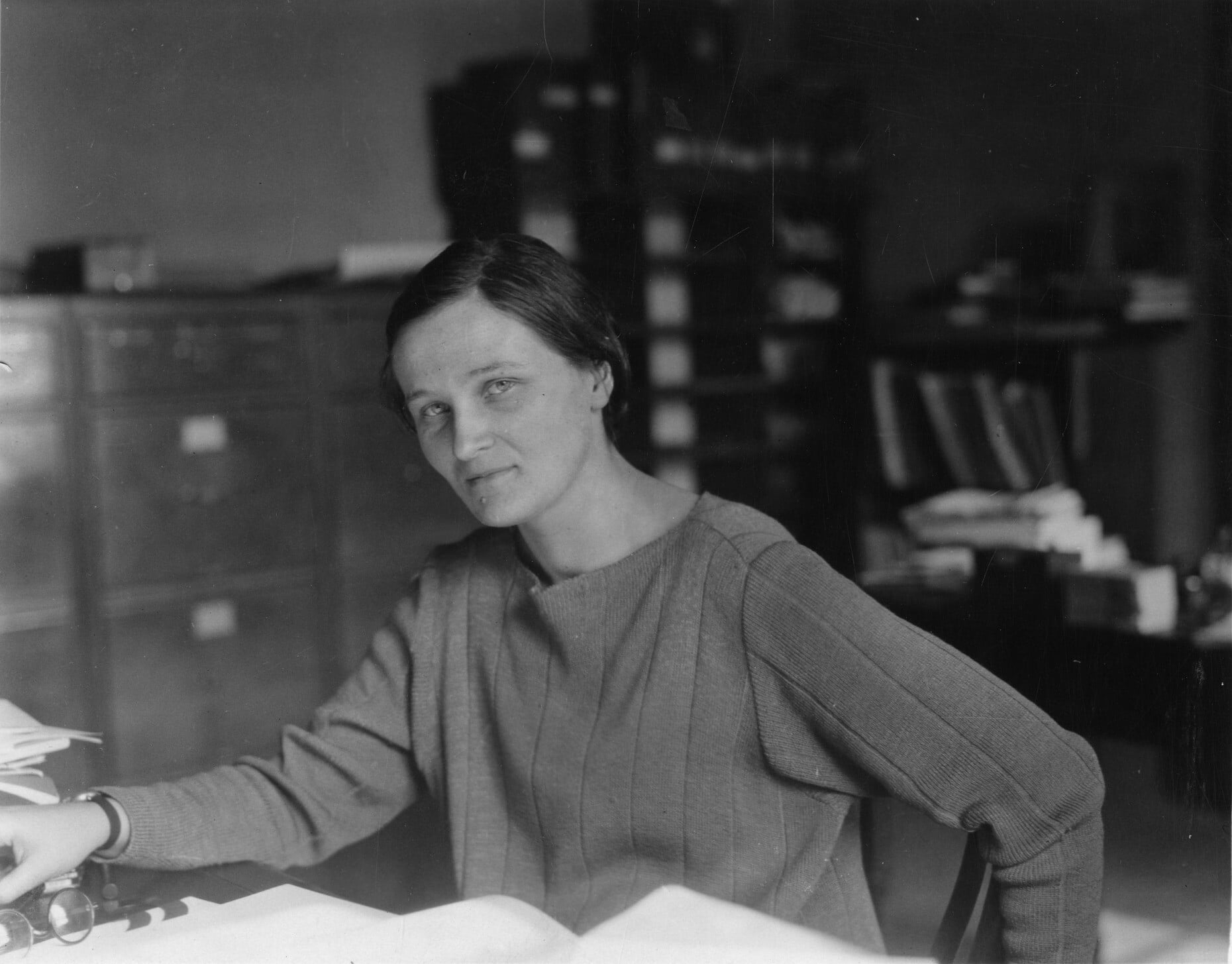
Stars are made mostly of hydrogen and helium, a fact we take for granted today. Cecilia Payne-Gaposchkin proved this in what colleagues called ‘the most brilliant PhD thesis ever written in astronomy.’
A prominent scientist named Henry Norris Russell opposed her conclusion, insisting stars contained the same materials as Earth. Payne-Gaposchkin was eventually proven correct, but Russell later published the same finding under his own name without properly crediting her.
Harvard didn’t grant her the title of professor until 1956, and during her lifetime, her published works appeared with men’s names as the main authors.
Nikola Tesla
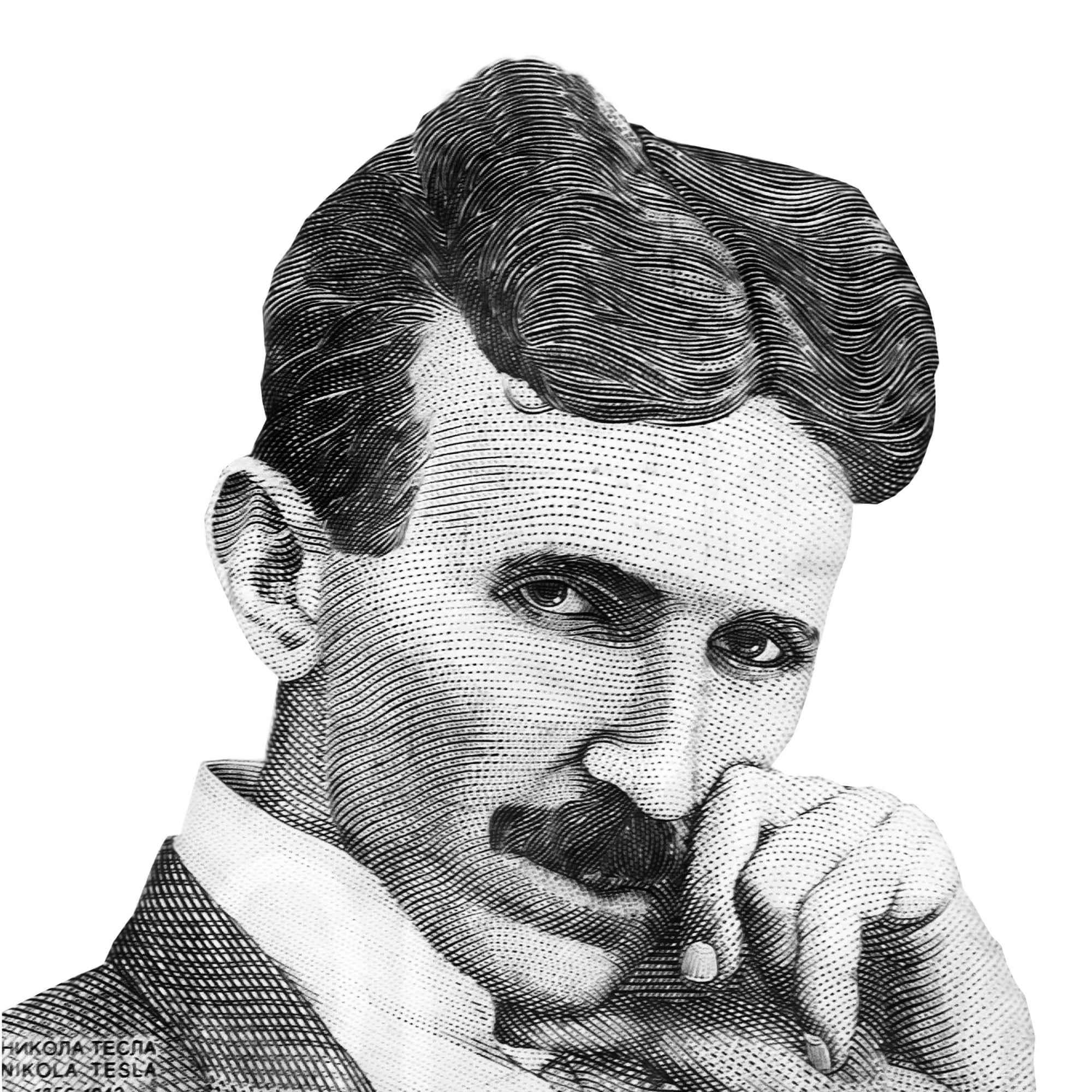
Guglielmo Marconi is celebrated as the inventor of the radio, but Nikola Tesla developed the technology first. Tesla filed patents for radio technology in the 1890s and publicly demonstrated wireless transmission before Marconi’s famous experiments.
Marconi used Tesla’s patents to develop his own radio system and received the Nobel Prize in 1909. The two men fought in court for decades over patent rights.
Only months after Tesla died in 1943, the U.S. Supreme Court ruled that Tesla’s patents were valid and Marconi’s were invalidated, finally restoring Tesla’s rightful place as the radio’s inventor.
Mary Anning
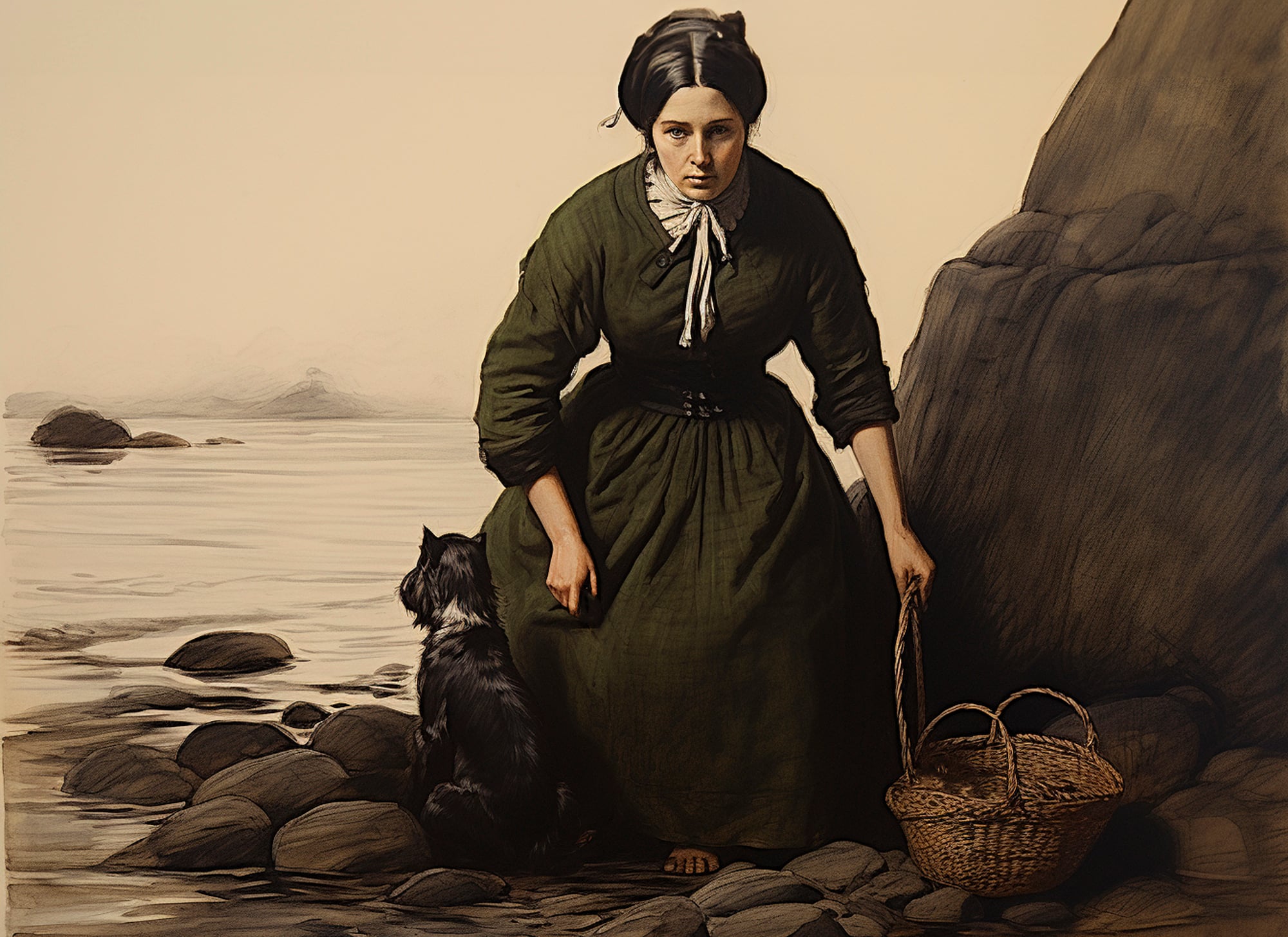
Fossil hunting in 19th-century England wasn’t considered proper work for a woman, but Mary Anning didn’t care about propriety. Born in 1799 to a poor family, she unearthed some of the most important fossils in history along the cliffs of Lyme Regis, including the first complete ichthyosaur skeleton.
Her discoveries pioneered paleontology and challenged existing ideas about prehistoric life. Wealthy male scientists bought her fossils, published papers about them, and rarely mentioned her name.
The Geological Society of London didn’t admit women as members until 1904, 51 years after Anning’s death.
Like Go2Tutors’s content? Follow us on MSN.
Vera Rubin
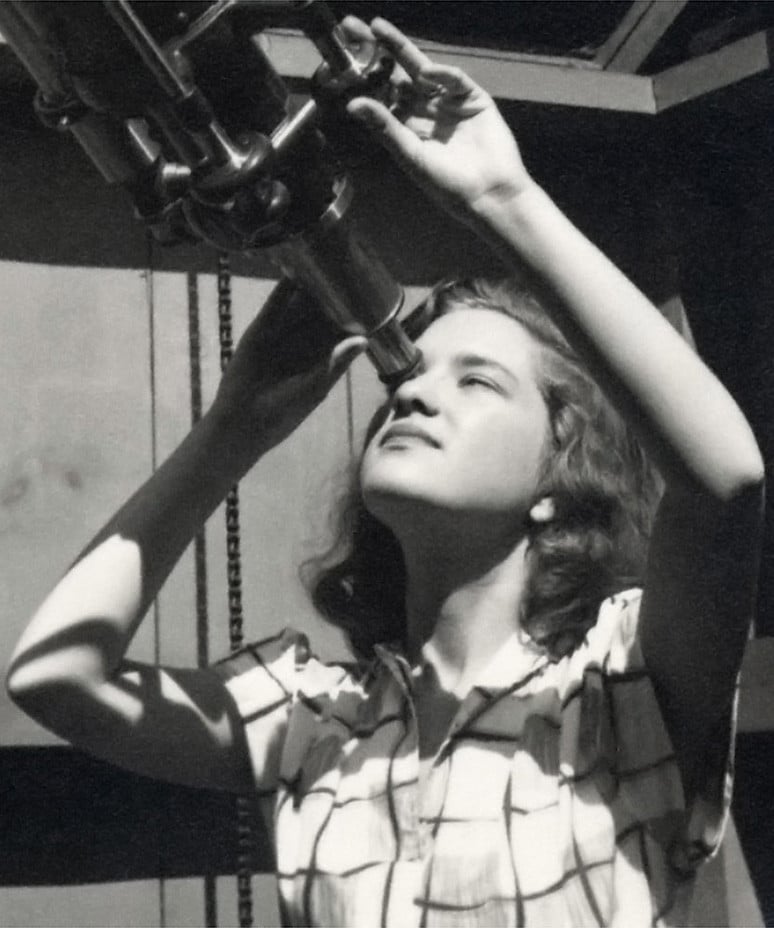
Dark matter holds the universe together, and Vera Rubin proved it exists. Working with astronomer Kent Ford in the 1960s and 70s, Rubin discovered that stars at the edges of spiral galaxies spin just as fast as those near the center, which shouldn’t be possible given the visible mass.
This observation led to the conclusion that most of the universe consists of invisible dark matter. Despite this monumental discovery, Rubin never received a Nobel Prize.
Princeton’s astronomy program had refused to even send her a course catalog in the 1940s because they didn’t accept women.
Philo Farnsworth
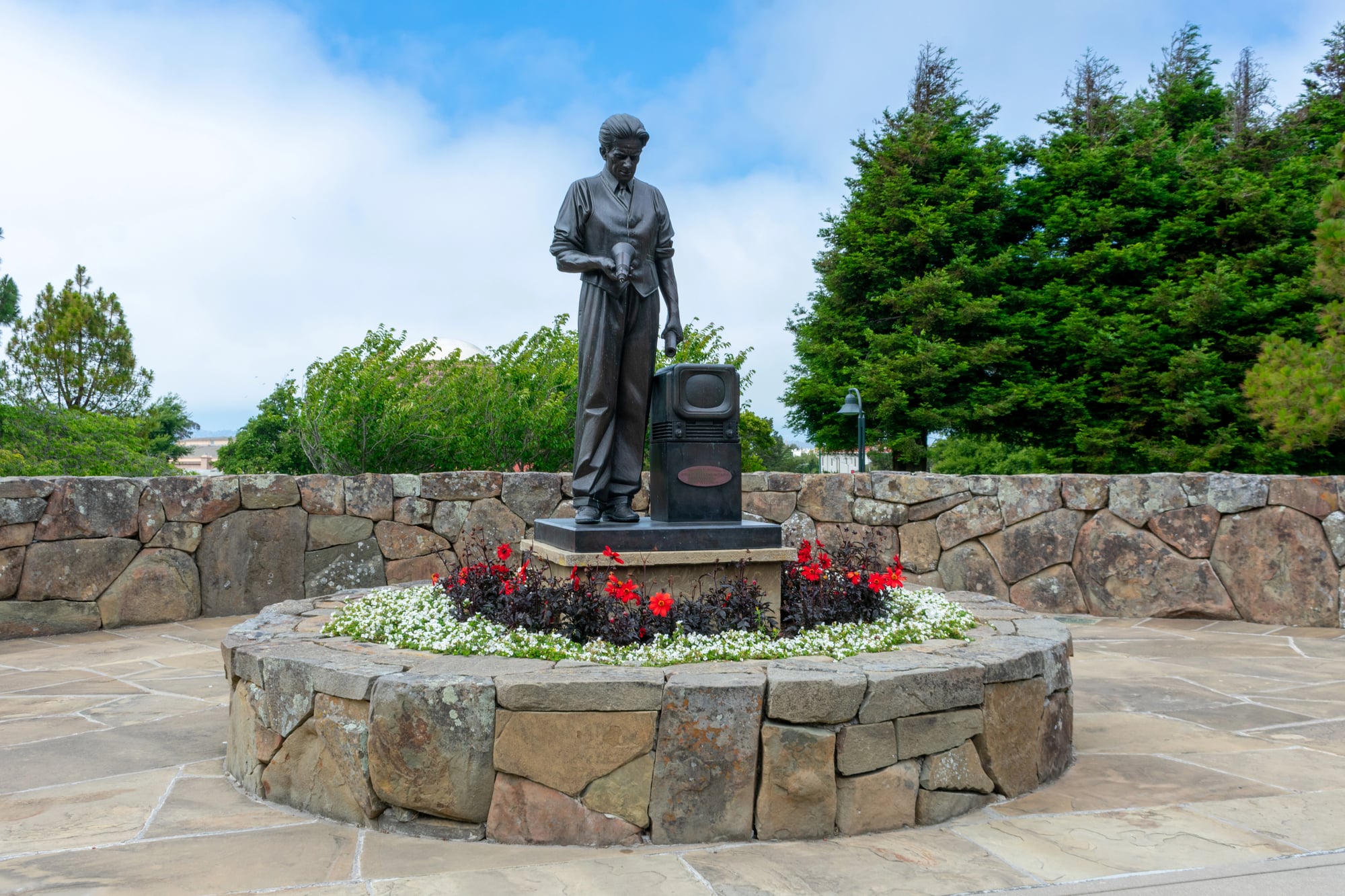
Television technology bears the name Philo Farnsworth in patent records, but Vladimir Zworykin is often given credit for the invention. Farnsworth conceived his idea for electronic television at age 14 and drew diagrams for his science teacher showing how an electron scanning tube could capture and transmit images.
Zworykin, working for RCA, developed a similar system later and claimed priority. The legal battle ended when Farnsworth’s high school teacher testified in court about those early diagrams, proving Farnsworth had the idea first.
Despite winning the case, Zworykin’s corporate backing meant his name appeared more prominently in history books.
The Pattern That Emerges

The scientists on this list represent systematic exclusion from recognition, which is more than just stolen credit. Barriers for women, immigrants, and those without institutional support or money went beyond simple oversight.
Their experiences serve as a reminder that scientific advancement has never been as transparent or equitable as textbook summaries imply. Today, we’re rewriting textbooks, adding names to plaques, and gradually redressing these historical injustices.
The issue is whether we’re doing enough at the moment to stop the same trends from happening in labs and other research facilities.
More from Go2Tutors!

- 16 Historical Figures Who Were Nothing Like You Think
- 12 Things Sold in the 80s That Are Now Illegal
- 15 VHS Tapes That Could Be Worth Thousands
- 17 Historical “What Ifs” That Would Have Changed Everything
- 18 TV Shows That Vanished Without a Finale
Like Go2Tutors’s content? Follow us on MSN.