Elite Cars With Record Price Tags
At the very top of the collector world, cars stop being transportation and start behaving like historical documents. Each one captures a moment when design, engineering, and competition aligned so perfectly that the result could never be repeated.
The prices they command are not driven by speed alone, or even beauty in isolation. They reflect rarity, provenance, and stories that cannot be recreated once the clock has moved on.
Record-breaking prices tend to emerge slowly, then all at once. Years of quiet appreciation are followed by a public auction that resets expectations for an entire market.
What follows is a look at elite cars that have achieved verified, headline-making auction prices, and why collectors were willing to pay so much to secure them.
Here’s a closer look at the cars that rewrote the upper limits of automotive value.
Ferrari 250 GTO (1962–1964)

No car defines record-setting value quite like the Ferrari 250 GTO. Built in extremely limited numbers and raced at the highest levels of international competition, it has become the benchmark for collectible automobiles.
Multiple examples have sold publicly for sums exceeding $50 million, with private transactions reported even higher.
The appeal lies in its total package. It combines racing success, unmistakable design, and near-mythical scarcity.
Each surviving example has a traceable competition history, often tied to famous drivers and teams. For collectors, owning a 250 GTO is not just about possession.
It is about holding a cornerstone of automotive history.
Mercedes-Benz 300 SLR Uhlenhaut Coupé (1955)

In 2022, a Mercedes-Benz 300 SLR Uhlenhaut Coupé became the most expensive car ever sold at auction, fetching roughly $143 million. Only two examples were built, never intended for public sale, and named after the engineer who helped develop them.
The car’s value comes from extreme rarity paired with technological ambition. It represents what Mercedes-Benz was capable of at its peak in the 1950s, before withdrawing from top-level motorsport.
The sale was tightly controlled, reinforcing the idea that some prices are as much about access as they are about the object itself.
Ferrari 335 Sport Scaglietti (1957)

The Ferrari 335 Sport Scaglietti earned its place among record holders through sheer competitive pedigree. When one example sold for more than $35 million, it reflected a history that included victories and appearances in some of the world’s most demanding endurance races.
This car represents an era when racing was raw and dangerous, and success required both mechanical innovation and courage. Its large-displacement engine and aggressive design marked the outer edge of what was possible at the time.
Collectors value it not just as a Ferrari, but as evidence of a turning point in motorsport history.
Ferrari 290 MM (1956)

Another Ferrari to command a price north of $28 million, the 290 MM is closely associated with legendary drivers and iconic races. Built specifically for long-distance competition, it was engineered to endure punishing conditions while remaining fast and reliable.
Its value is tied to context. This was a car designed for specific events, driven by figures whose names still carry weight decades later.
That combination of purpose and provenance makes it especially desirable. It is less about perfection and more about authenticity, with every mark and modification contributing to its story.
Aston Martin DBR1 (1956–1959)
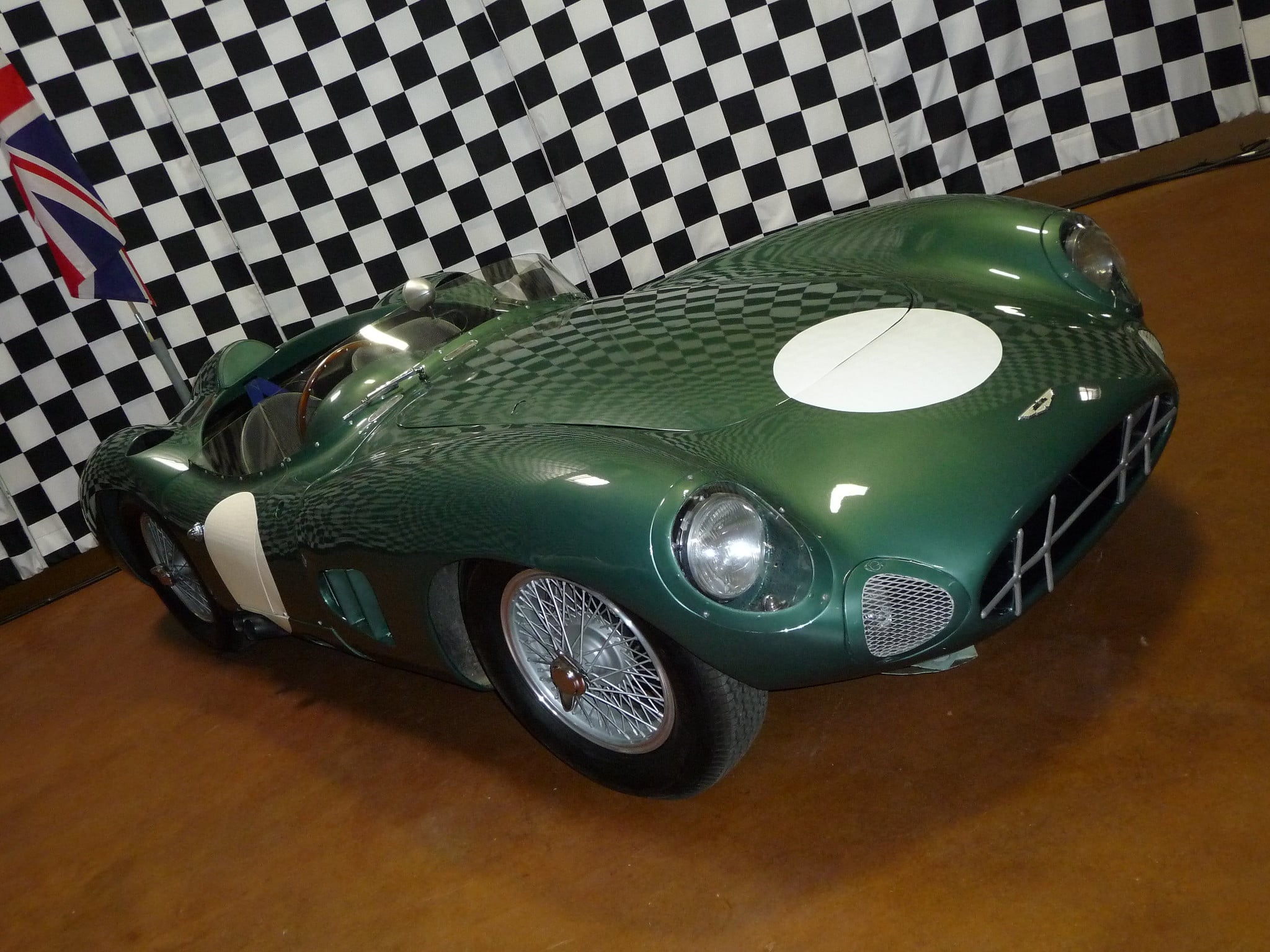
When an Aston Martin DBR1 sold for over $22 million, it marked a major moment for British automotive history. The DBR1 is best known for its overall victory at the 1959 24 Hours of Le Mans, the brand’s crowning achievement in top-level endurance racing.
Only a handful were built, and each has a well-documented competition record. The car’s design balances elegance with function, avoiding excess while remaining unmistakable.
Collectors see the DBR1 as a rare case where national pride, racing success, and visual restraint intersect at the highest level.
Jaguar D-Type (1955–1957)

The Jaguar D-Type was revolutionary in its use of aerodynamic thinking, borrowing concepts from aviation to dominate endurance racing. A competition-tested example sold for more than $21 million, reflecting its importance to both Jaguar and motorsport at large.
Its distinctive fin and lightweight construction were not stylistic flourishes. They were solutions to real performance challenges.
The D-Type’s record prices are rooted in innovation, showing how technical leaps can translate into lasting value when paired with success on the track.
Ferrari F2003-GA Formula One Car
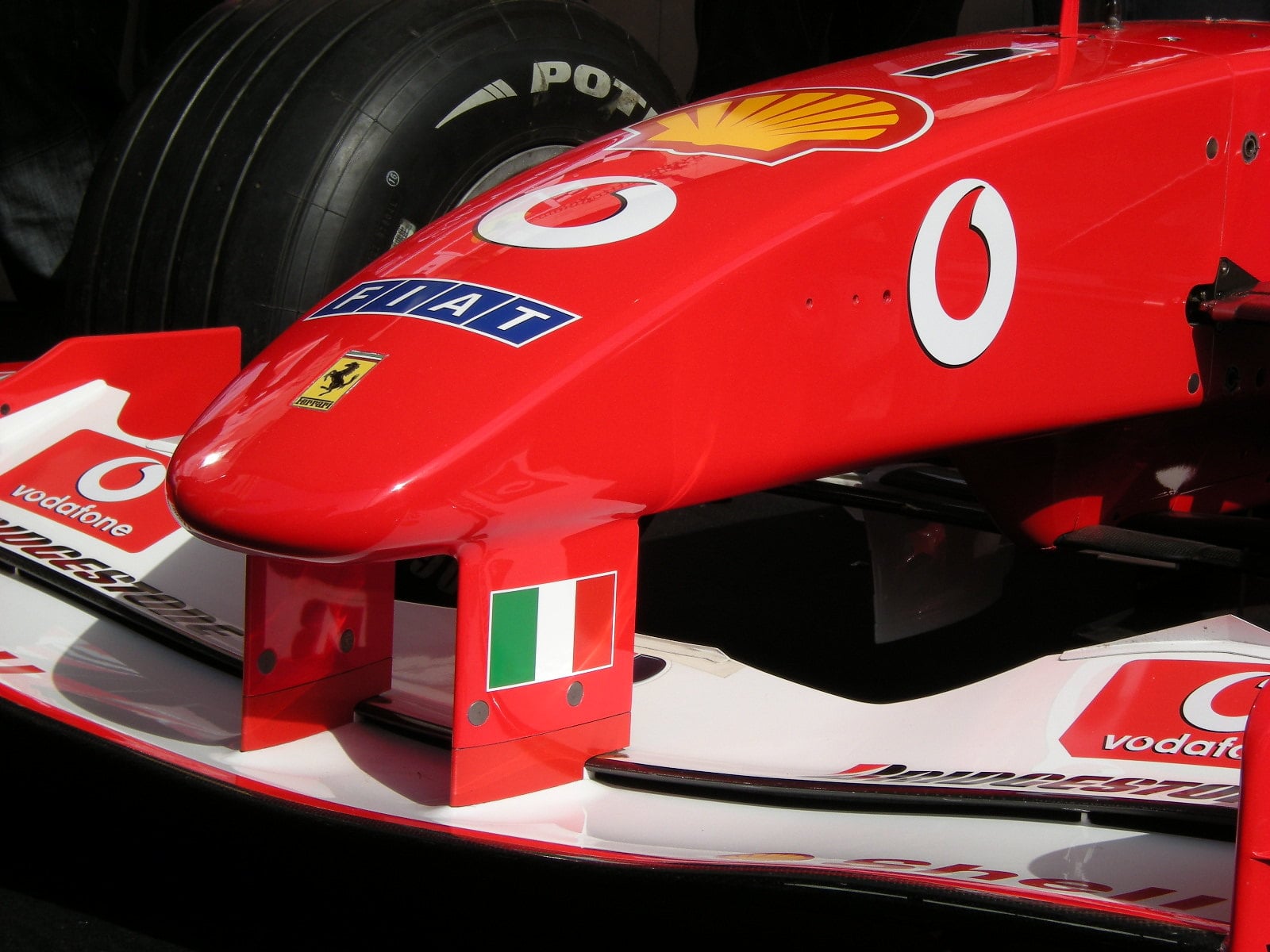
Modern racing cars rarely enter the same valuation territory as classics, but the Ferrari F2003-GA is an exception. Driven to multiple victories during a championship-winning season, it sold for more than $14 million at auction.
Its appeal lies in documentation and achievement. This is not a replica or demonstration piece, but a car that competed at the highest level of modern motorsport.
For collectors, it represents a tangible link to a dominant era, preserved exactly as it was when history was made.
Bugatti Type 57SC Atlantic (1936–1938)
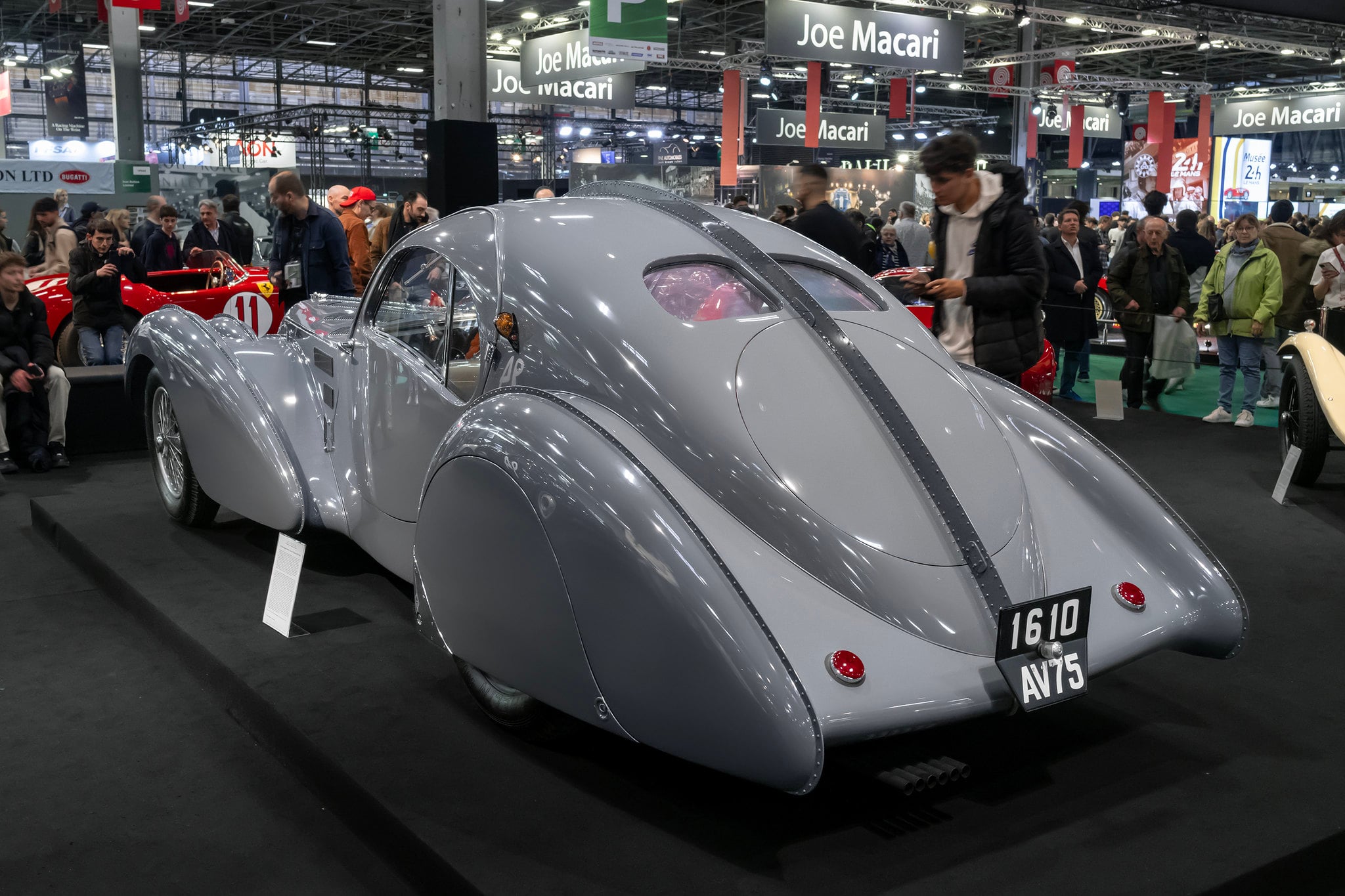
The Bugatti Type 57SC Atlantic has long been regarded as one of the most beautiful cars ever made. With only a few examples in existence, its scarcity alone would command attention.
Combined with its dramatic design and prewar engineering, it has reached valuations estimated well above $40 million.
Unlike many race-focused record holders, the Atlantic’s value leans heavily on design and craftsmanship. It reflects a period when automotive creation bordered on sculpture.
Collectors are drawn to its elegance as much as its rarity, making it an enduring reference point for artistic automotive design.
Alfa Romeo 8C 2900B Lungo Spider (1938)
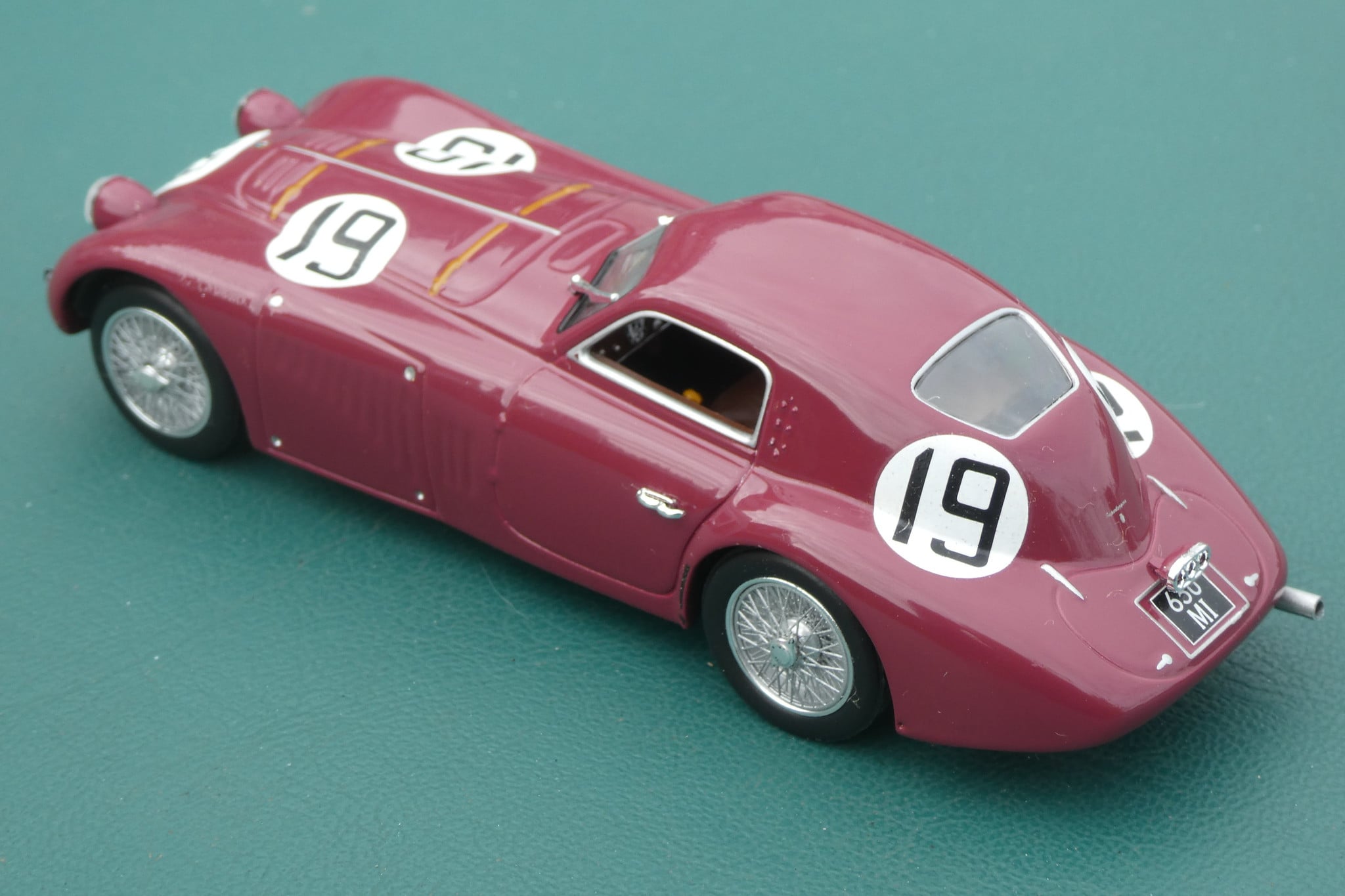
Often overlooked outside collector circles, the Alfa Romeo 8C 2900B is one of the most advanced prewar cars ever built. When a concours-winning example sold for nearly $20 million, it signaled renewed appreciation for engineering sophistication from this era.
The car combined speed, balance, and refinement in ways that were far ahead of its time. Its record price reflects a growing recognition that innovation did not begin after the war.
For collectors seeking depth rather than spectacle, the 8C offers historical significance without excess.
Why These Prices Keep Rising

What pushes values so high isn’t just longing for the past. Scarcity plays a bigger role – something no remake or reboot can fix.
Not one of these vehicles will ever increase in number. Their stories grow older, rarer, harder to reach.
Worth follows.
What stands out now is how money shapes car collecting. These vehicles mean more than luxury for some owners.
On display often, they find homes in galleries or travel to exhibitions. Care matches that of official collections.
To own one means looking after it like a guardian.
What sticks around isn’t just speed or shine. These rare machines live where craftsmanship meets moment in time.
Worth comes not from function now, yet meaning held long ago. When tales behind them stand apart, so do the figures tied to their names – rising without apology.
High numbers follow weight of memory.
More from Go2Tutors!

- The Romanov Crown Jewels and Their Tragic Fate
- 13 Historical Mysteries That Science Still Can’t Solve
- Famous Hoaxes That Fooled the World for Years
- 15 Child Stars with Tragic Adult Lives
- 16 Famous Jewelry Pieces in History
Like Go2Tutors’s content? Follow us on MSN.