Dark Truths About Everest Few Talk About
Mount Everest represents the ultimate challenge for climbers around the world. People dream of standing on top of the highest peak on Earth, taking that perfect summit photo, and coming home as heroes.
But behind all the glory and inspiring stories lies a much darker reality that most people never hear about. Let’s talk about the stuff that doesn’t make it into the feel-good documentaries or the breathtaking Instagram posts.
Climate change is exposing more horrors
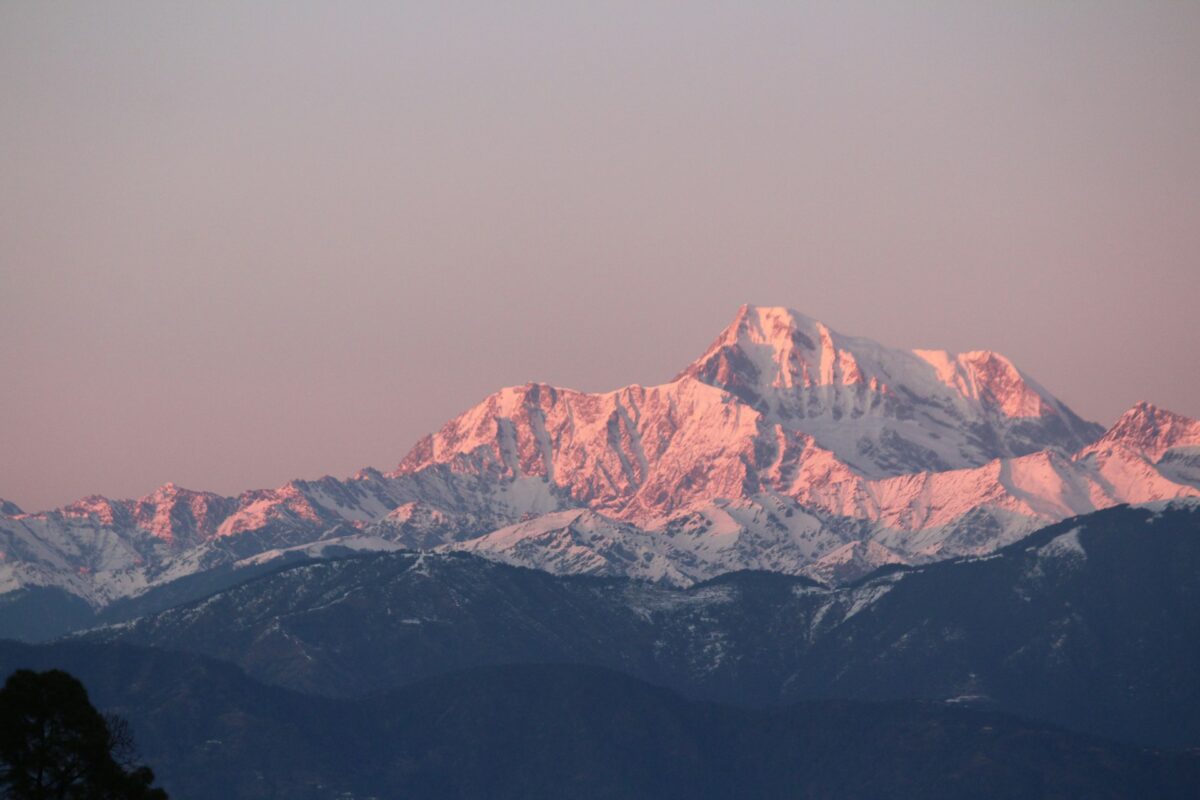
On Everest’s sacred slopes, climate change is thinning snow and ice, increasingly exposing the bodies of hundreds of mountaineers who died chasing their dream to summit the world’s highest mountain. As temperatures rise and ice melts, bodies that have been hidden for years are becoming visible again.
This creates new emotional trauma for families and additional cleanup challenges for authorities.
The commercialization has destroyed the spirit
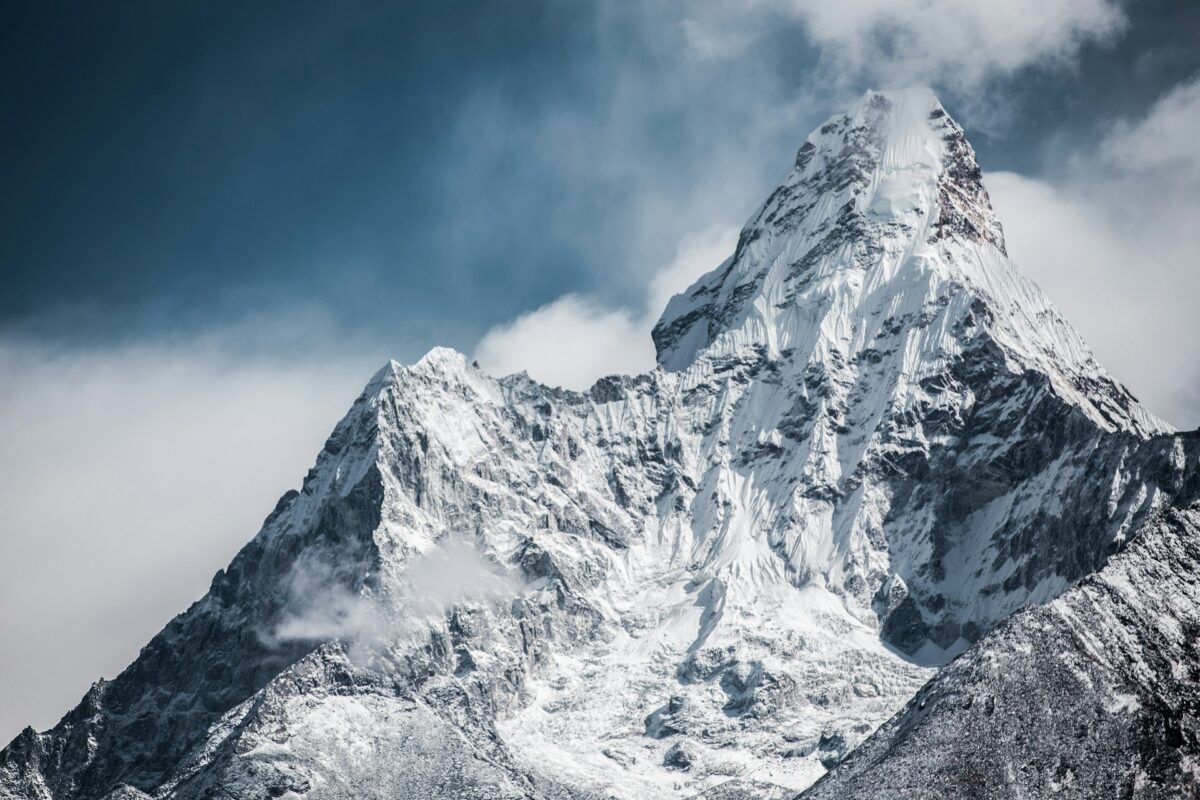
What once required years of mountaineering experience and careful preparation has become something people can buy their way into. Commercial guide companies market Everest climbs like adventure packages, downplaying the very real risks involved.
This has led to overcrowding, inexperienced climbers taking unnecessary risks, and a general cheapening of what should be a profound achievement.
Like Go2Tutors’s content? Follow us on MSN.
Guides sometimes abandon clients to die
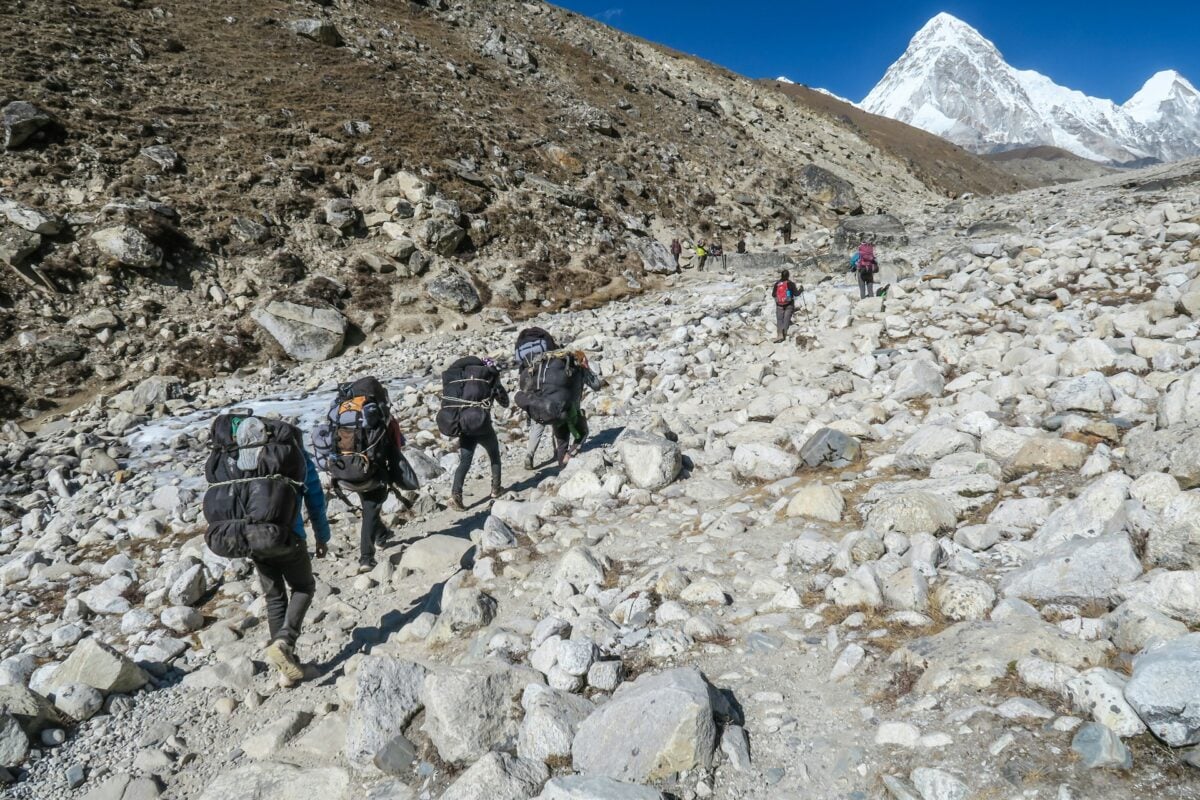
When conditions get bad, even paid guides have been known to prioritize their own survival over their clients’ lives. There are documented cases of guides leaving struggling clients behind to save themselves.
The extreme environment can strip away normal human compassion and reduce everything to basic survival instincts.
Oxygen deprivation makes everyone stupid
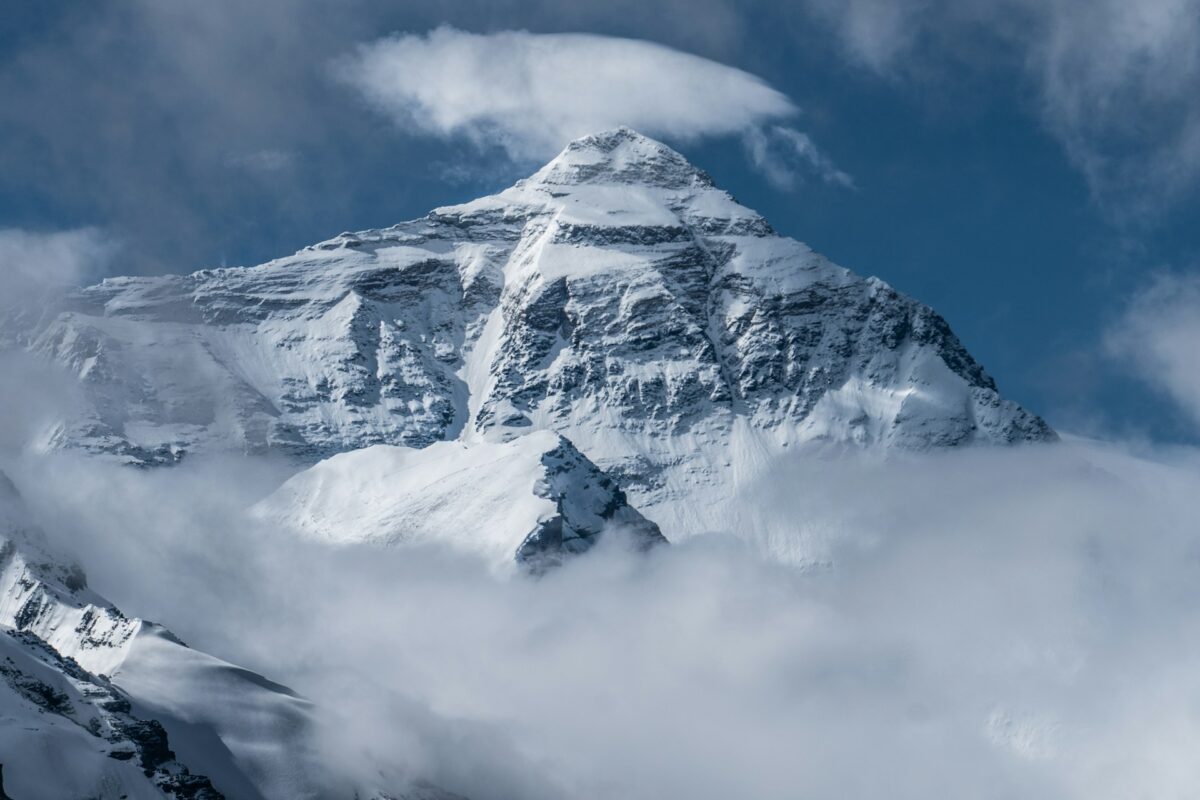
The lack of oxygen at high altitude affects judgment and decision-making abilities. Even experienced climbers make fatal errors because their brains literally can’t function properly.
People ignore obvious warning signs, take unnecessary risks, and fail to recognize when they’re in serious trouble. The mountain doesn’t forgive these oxygen-starved mistakes.
Avalanches can wipe out entire groups
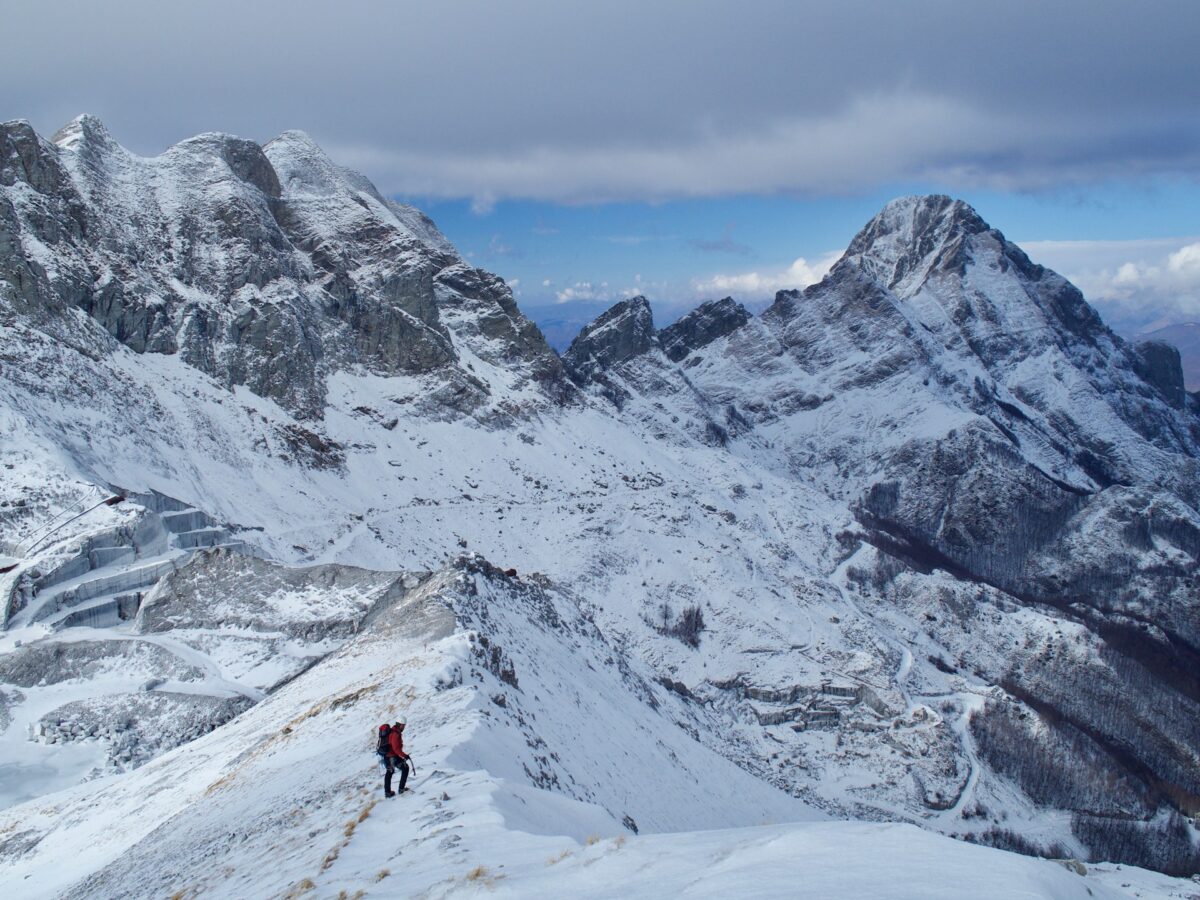
Deaths have been attributed to avalanches, falls, serac collapse, exposure, frostbite, or health problems related to conditions on the mountain. Massive chunks of ice can break off without warning, burying climbers instantly.
These aren’t just individual tragedies but mass casualties that can eliminate entire expeditions in seconds.
Like Go2Tutors’s content? Follow us on MSN.
Some bodies become permanent landmarks
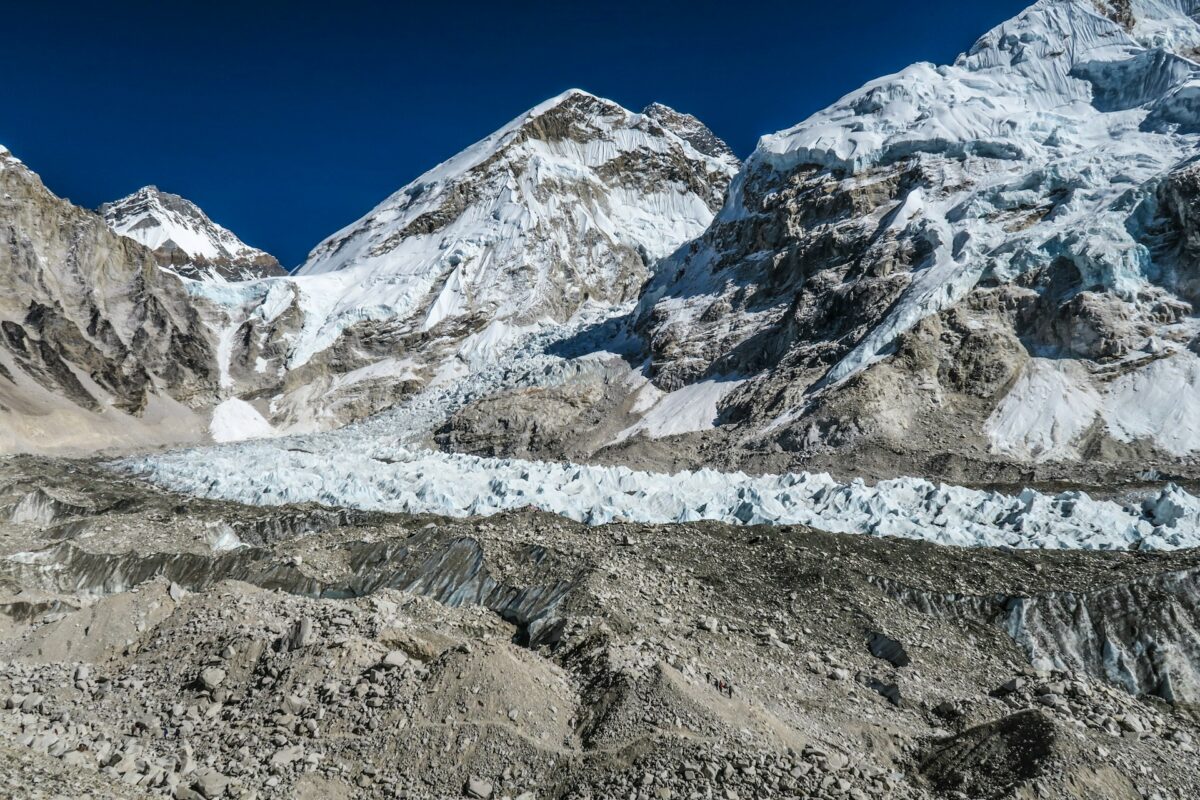
Certain deceased climbers have become so well-known that other mountaineers use them as navigation markers. “Green Boots” is one famous example of a climber whose body serves as a reference point for others passing by.
It’s deeply disturbing that human remains have become part of the standard climbing route.
Weather can turn deadly in minutes
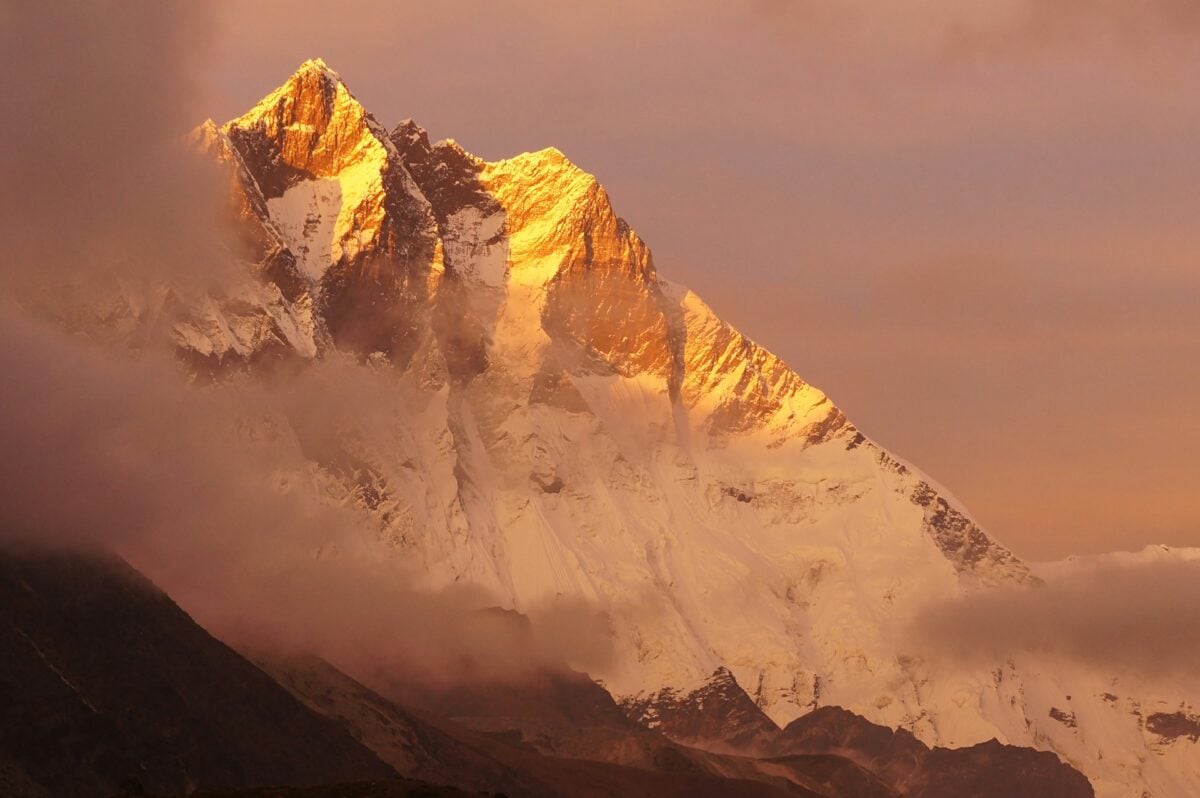
Everest’s weather patterns are notoriously unpredictable and violent. Sudden storms can drop temperatures to minus 60 degrees Fahrenheit and create winds over 100 miles per hour.
Many climbers have died when caught in unexpected weather changes, frozen to death just hours after perfect climbing conditions.
Rescue operations are nearly impossible
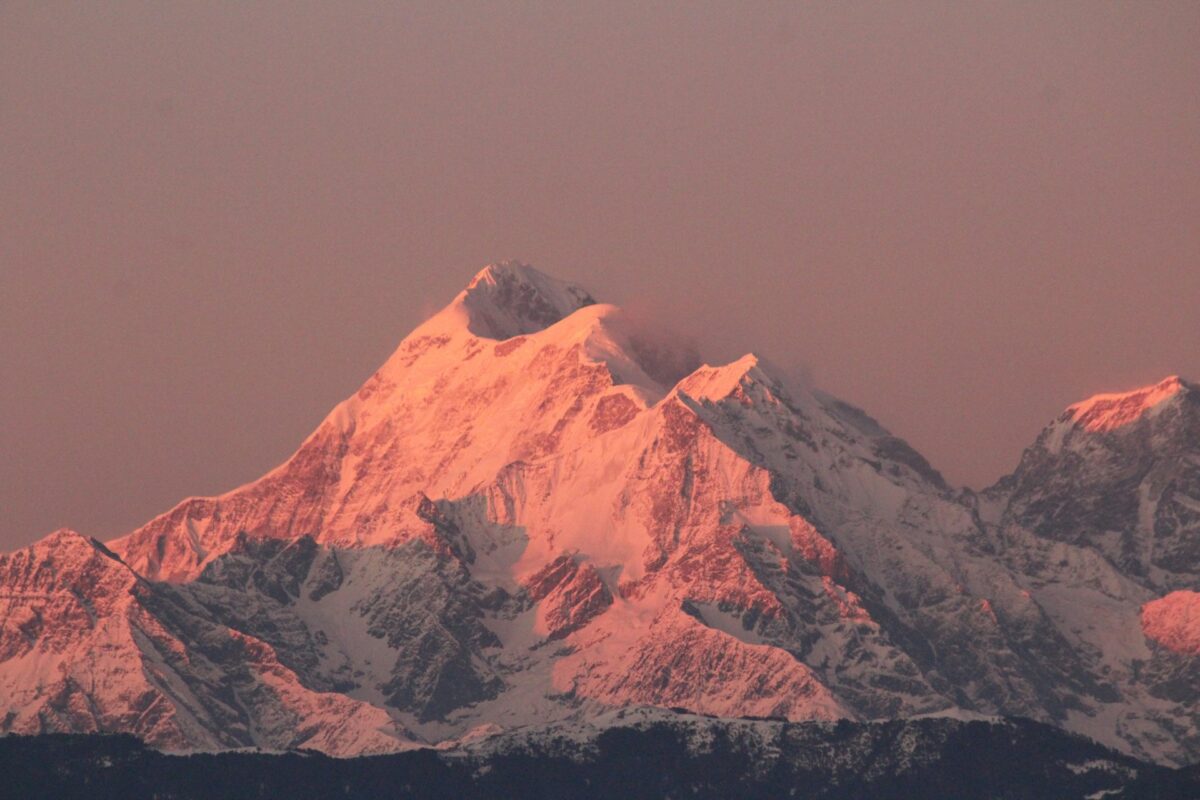
When things go wrong high on Everest, help is usually not coming. Helicopter rescues are extremely dangerous and often impossible due to thin air and unpredictable weather.
Many climbers who get into trouble are simply left to die because attempting a rescue would likely kill the rescuers too.
Like Go2Tutors’s content? Follow us on MSN.
The permit system encourages dangerous overcrowding
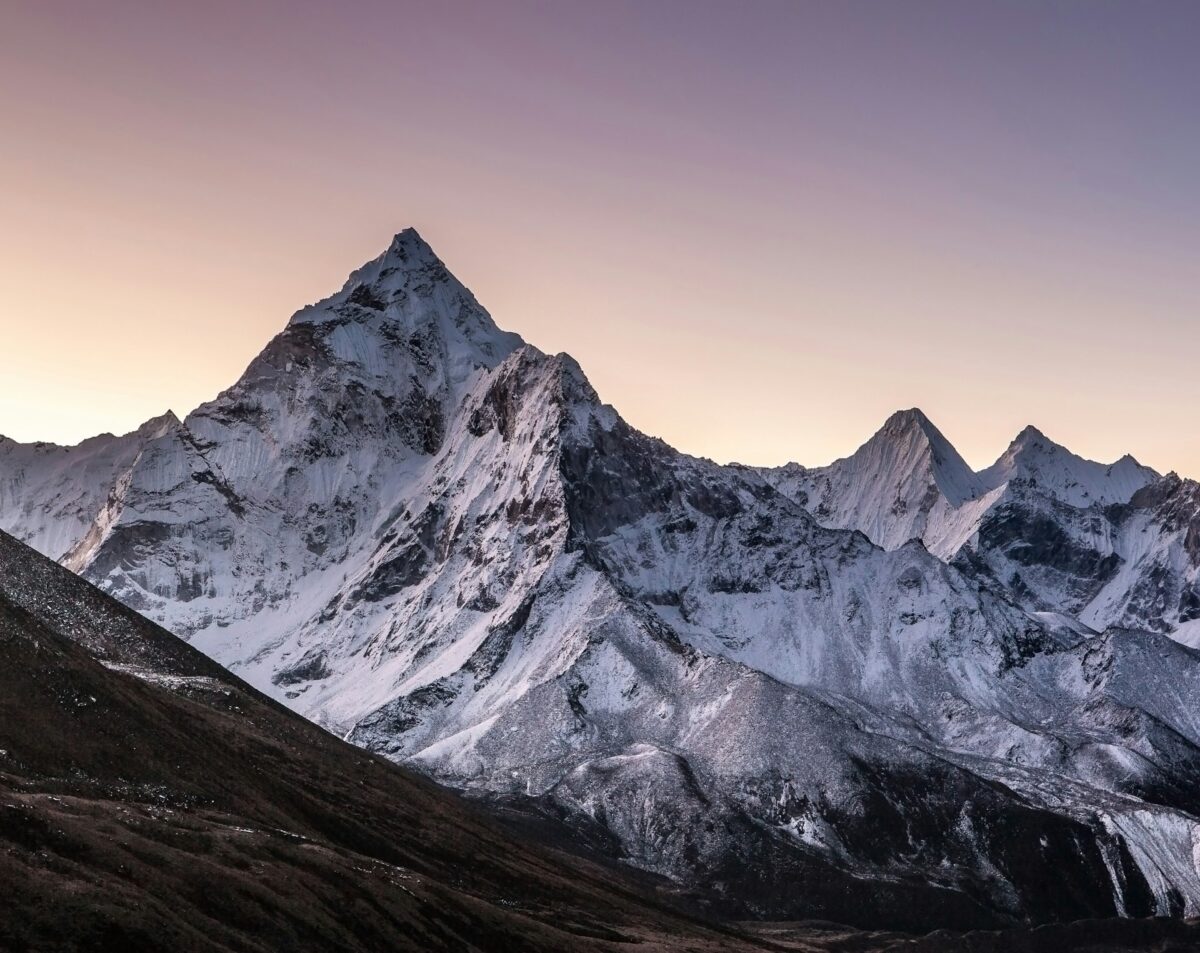
Nepal makes significant money from Everest climbing permits, creating a financial incentive to allow as many climbers as possible each season. This leads to dangerous overcrowding during the brief weather windows when summit attempts are possible.
More climbers mean more money for Nepal but also more deaths and environmental damage.
Altitude sickness can kill you quickly
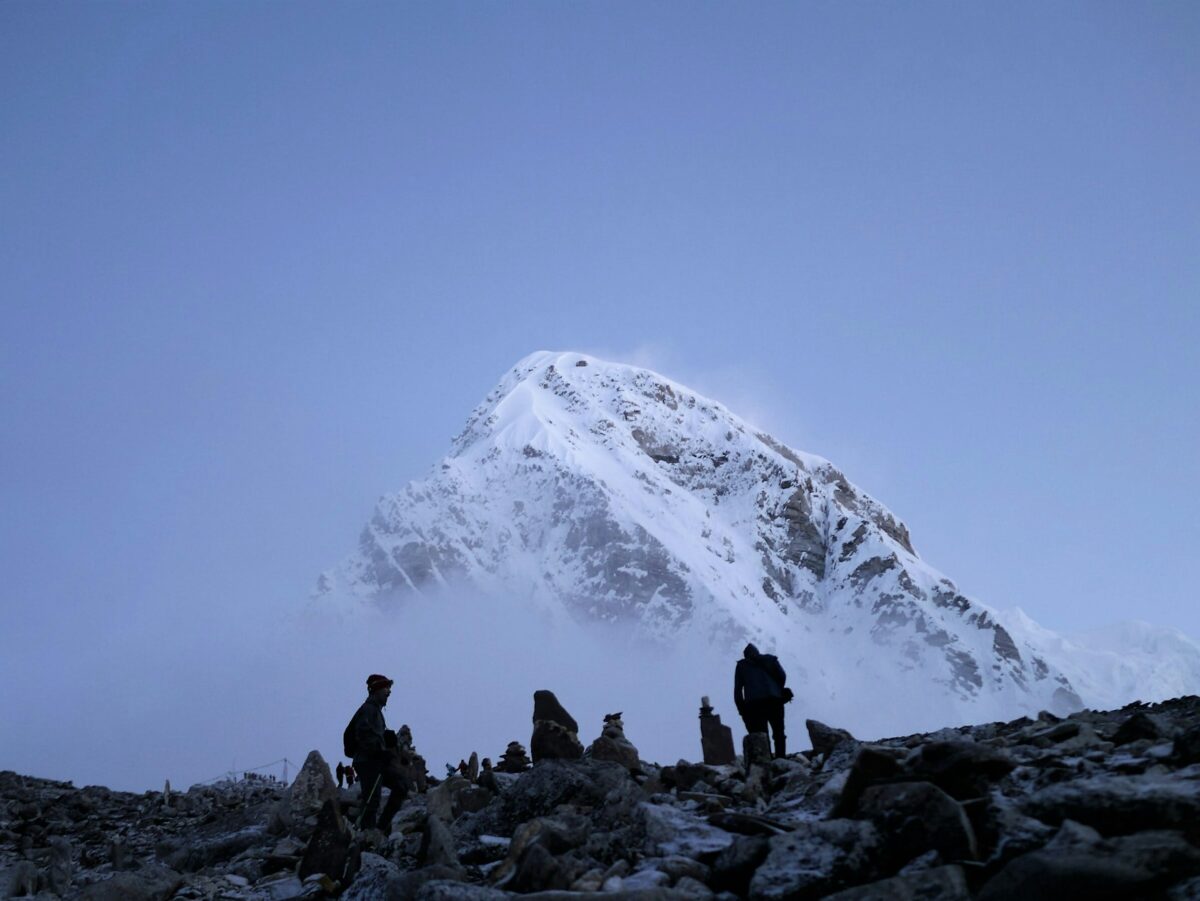
High altitude cerebral edema and high altitude pulmonary edema can develop rapidly and prove fatal within hours. These conditions cause the brain and lungs to fill with fluid, leading to death if not treated immediately.
The only real treatment is immediate descent, but many climbers are too high and too weak to get down quickly enough.
Frostbite and amputations are common
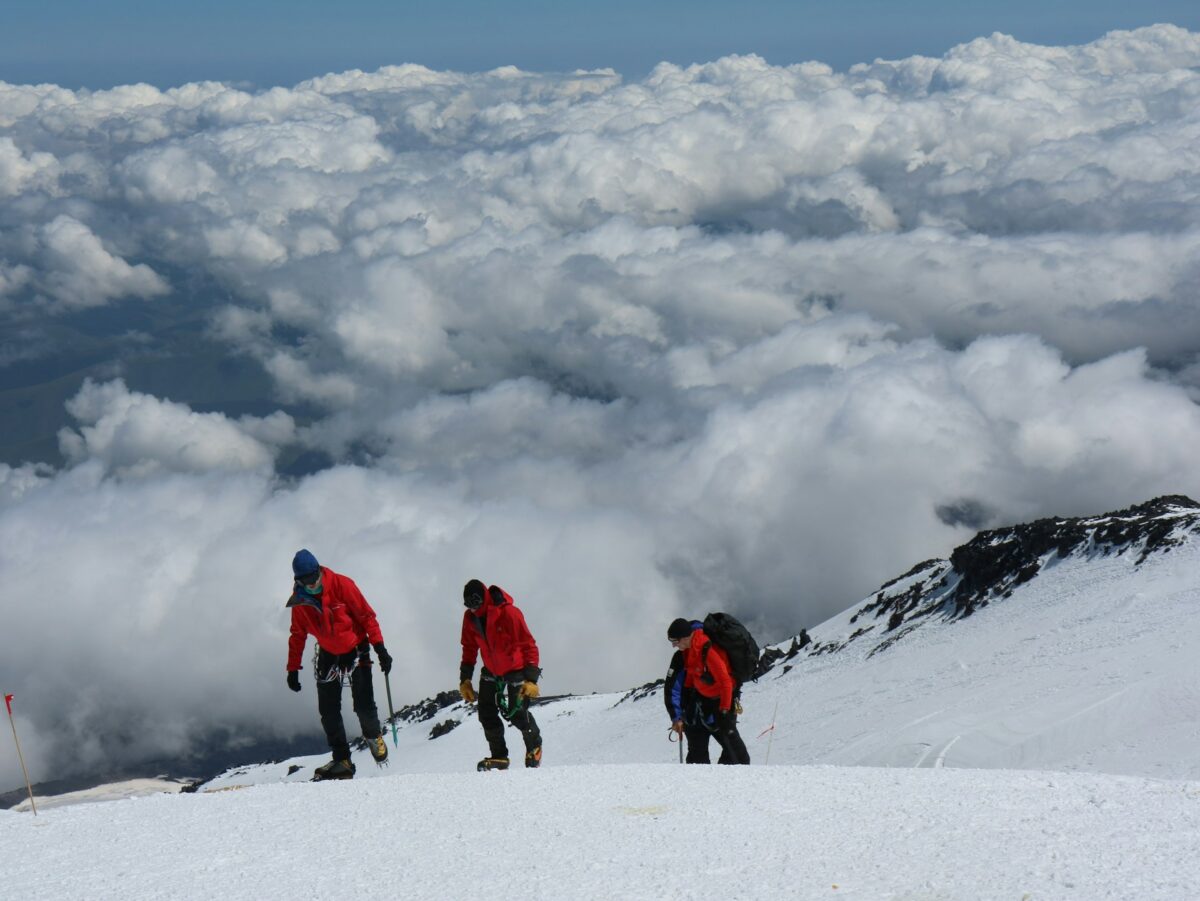
Even survivors often pay a terrible physical price for their Everest experience. Severe frostbite commonly results in lost fingers, toes, or entire hands and feet.
Many climbers return home as amputees, having literally left pieces of themselves on the mountain. The extreme cold can cause tissue death in minutes when clothing fails or gets wet.
Like Go2Tutors’s content? Follow us on MSN.
Why the dark truth matters more than ever
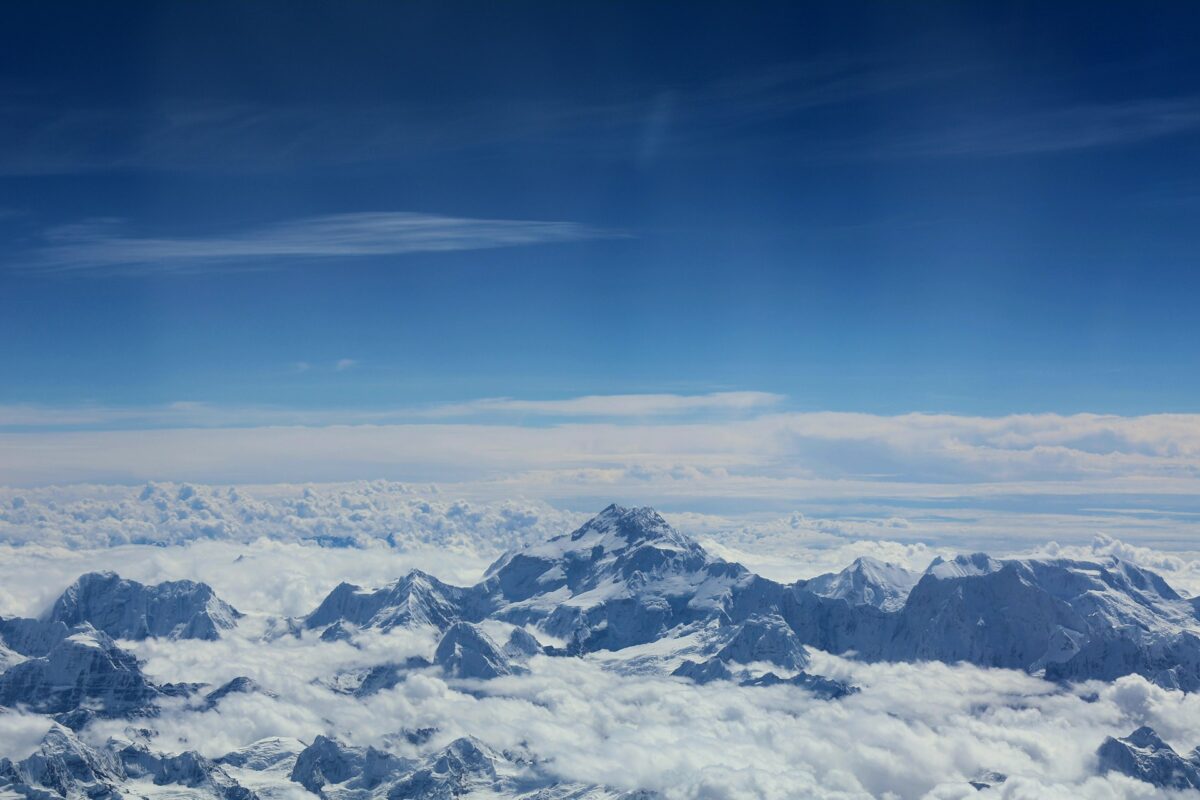
The romanticized version of Everest climbing that dominates popular culture does a disservice to everyone involved. Between 1990 and 2019, more than 300 people have lost their lives in an attempt to set foot on Everest.
On average, six people die every year while ascending and descending the peak. Understanding these harsh realities isn’t about discouraging adventure or crushing dreams.
It’s about respecting the mountain and the people who have died there.When climbers know what they’re really getting into, they can make better decisions about training, preparation, and whether they’re truly ready for this ultimate test.
The mountain will always be dangerous, but ignorance and wishful thinking make it unnecessarily deadly.
More from Go2Tutors!

- 16 Historical Figures Who Were Nothing Like You Think
- 12 Things Sold in the 80s That Are Now Illegal
- 15 VHS Tapes That Could Be Worth Thousands
- 17 Historical “What Ifs” That Would Have Changed Everything
- 18 TV Shows That Vanished Without a Finale
Like Go2Tutors’s content? Follow us on MSN.