Strange Weather Events From Historical Records
Some storms and atmospheric anomalies are far more severe than the usual snowfall or rain, but the weather has always been unpredictable. People have witnessed grapefruit-sized hailstones, frog-raining skies, and temperatures that dropped so fast that whole rivers froze in mid-flow.
These were neither myths nor exaggerations. These were real events that many witnesses documented, often with lasting consequences that permanently changed communities.
These weather phenomena are fascinating because, in addition to being odd, they challenged people’s conceptions of nature. In the days before modern meteorology, unusual weather often appeared to be the result of divine punishment or supernatural intervention. Even though most of these occurrences can now be explained, their importance remains unchanged.
Here is a list of 15 weather events from the past that still capture our imagination today.
The Year Without a Summer
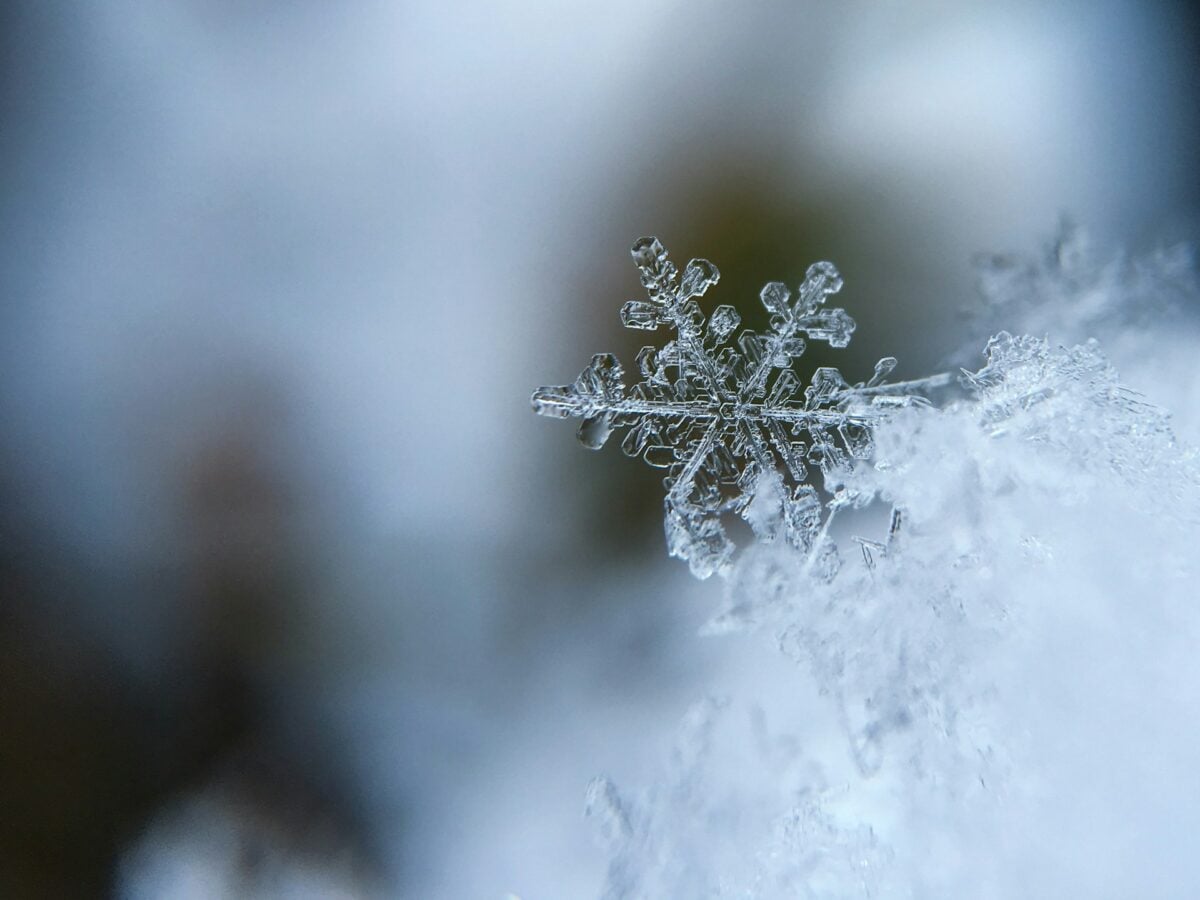
1816 earned its grim nickname honestly. Snow fell in June across New England, frost killed crops in July, and ice formed on lakes in August.
The culprit was Mount Tambora in Indonesia, which had erupted the previous year with such violence that it hurled millions of tons of ash into the upper atmosphere. This volcanic debris circled the globe, blocking sunlight and dropping temperatures worldwide.
Farmers watched their harvests fail, food prices skyrocketed, and people literally starved. Mary Shelley happened to be spending that dreary summer in Switzerland, where the persistently gloomy weather kept her indoors writing what would become Frankenstein.
For most people though, it was a nightmare. Europe saw food riots, and the crisis triggered one of the last major subsistence crises in the Western world.
The Great Frost of 1709
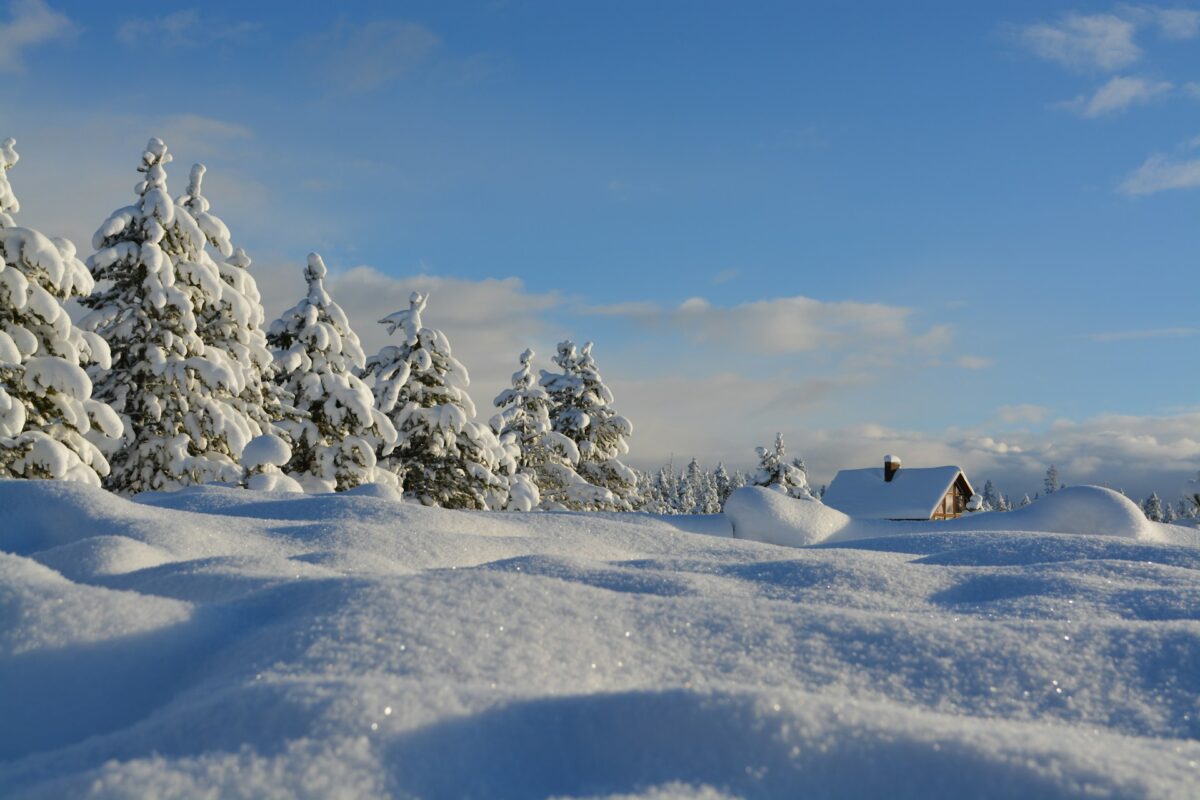
Europe nearly froze solid during the winter of 1709. The cold hit so hard and fast that witnesses reported dramatic scenes of wildlife perishing in the extreme conditions.
Wine froze in barrels, splitting the wood. The Baltic Sea turned to ice so thick that armies marched across it.
In France, olive groves that had stood for centuries died, along with most of the livestock. Venetian lagoons froze over, something that rarely happened even during harsh winters.
The bitter cold lasted from January through late March, and estimates suggest hundreds of thousands of people perished across Europe. The agricultural devastation took years to recover from, and the economic impact reshaped European politics.
Raining Animals in Yoro
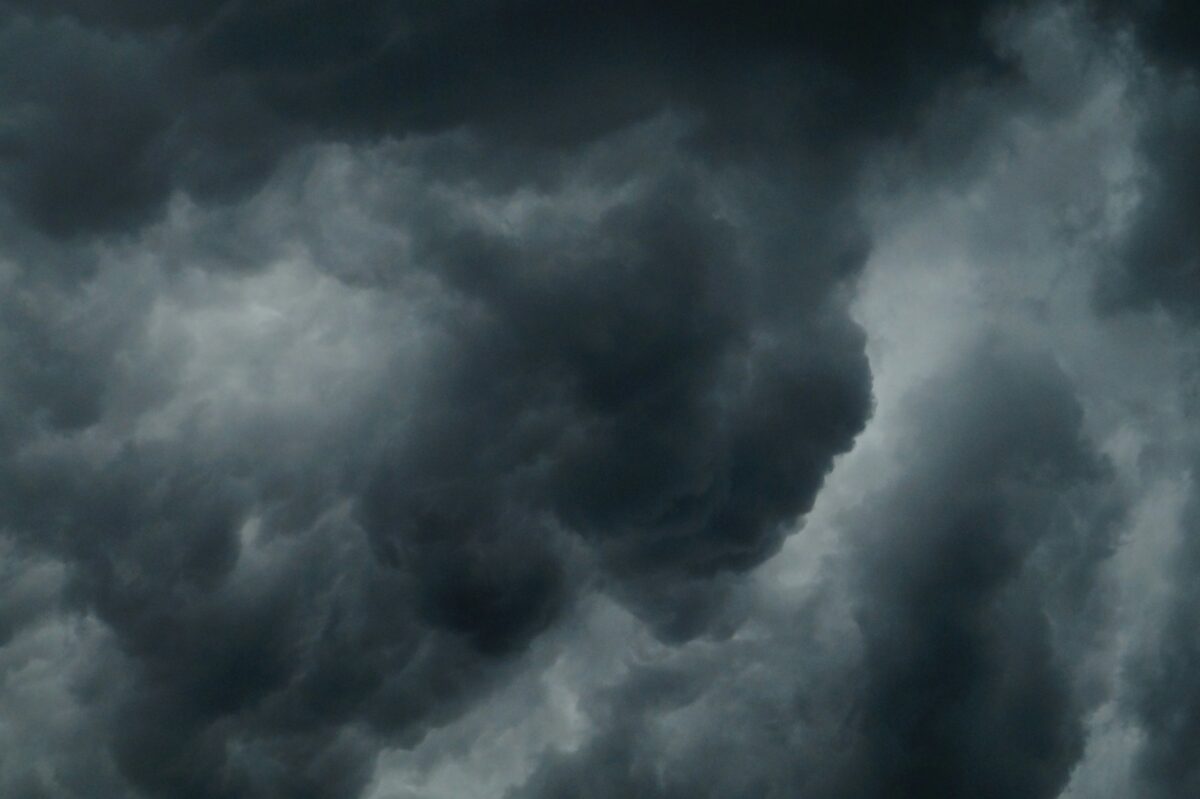
The town of Yoro in Honduras has experienced something so strange that locals celebrate it annually. Starting in the 1800s and continuing sporadically into modern times, small fish have fallen from the sky during heavy storms.
Witnesses report hearing loud noises followed by the discovery of hundreds of fish flopping in the streets and fields. Scientists hypothesize that waterspouts or strong updrafts from nearby bodies of water might suck up fish and carry them inland before dropping them, though this explanation hasn’t been conclusively proven.
While the phenomenon isn’t unique to Yoro, it happens there with enough regularity that residents have embraced it as part of their identity. The fish are real, edible, and very much alive when they land.
The Dark Day of 1780
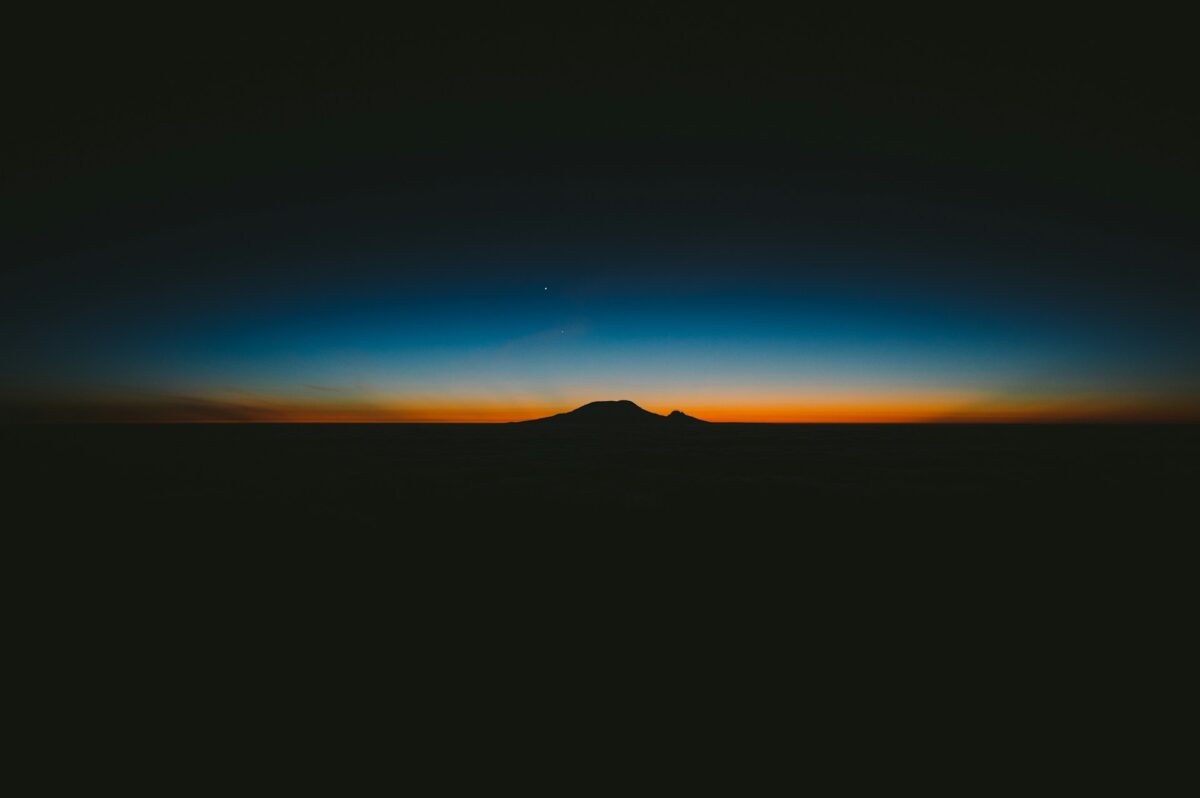
On May 19, 1780, darkness fell over New England in the middle of the day. By noon, the sky had turned so black that candles were needed indoors, chickens went to roost, and people panicked.
Some thought Judgment Day had arrived. The Connecticut legislature was in session when darkness descended, and one representative famously said that if it was the end of the world, he wanted to be found doing his duty, so they lit candles and continued working.
The mystery baffled people for centuries. Most evidence points to massive forest fires in Canada combined with thick fog to create the eerie darkness.
The smoke traveled hundreds of miles, blocking out the sun completely in some areas.
The Great Hurricane of 1780
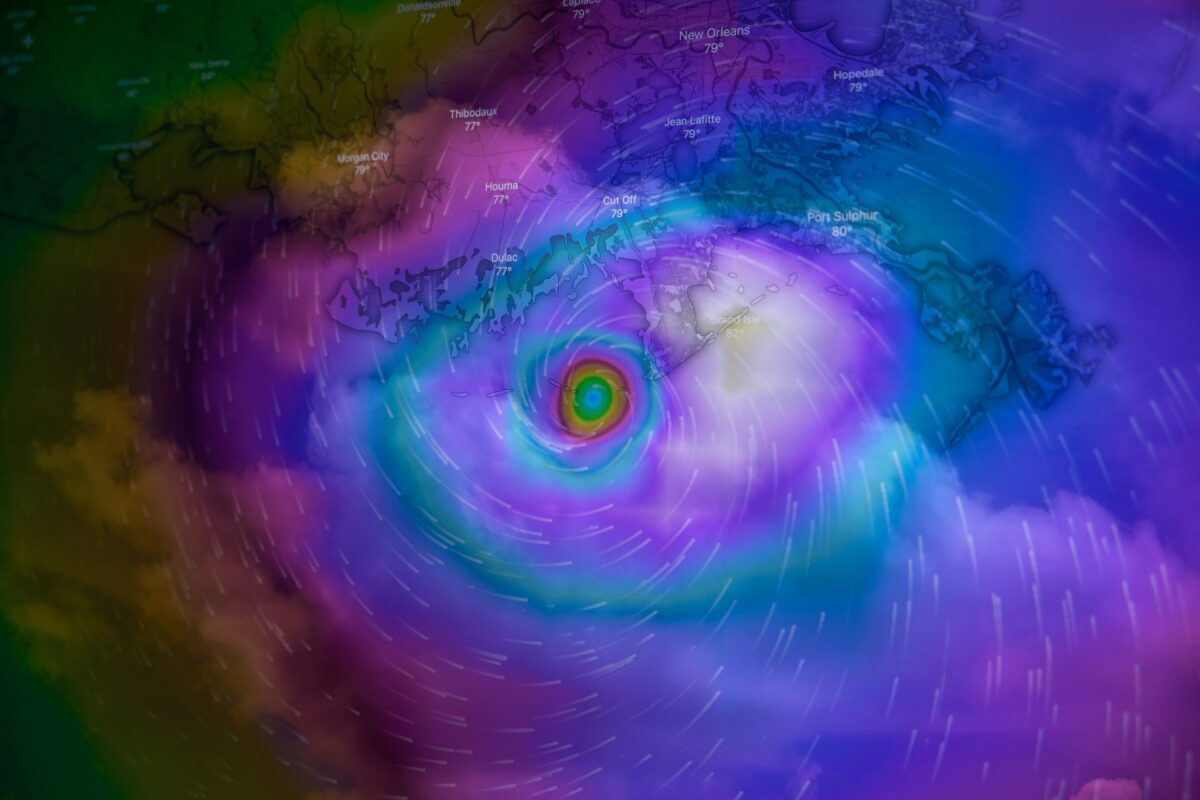
October 1780 brought the deadliest Atlantic hurricane ever recorded. The storm killed between 22,000 and 27,000 people across the Caribbean, though exact numbers remain uncertain because record-keeping was spotty.
The hurricane destroyed entire fleets of British and French warships engaged in Revolutionary War operations. Witnesses described the bark being stripped from trees, buildings exploding from the pressure changes, and people blown into the ocean never to be seen again.
Barbados took a direct hit, with the storm likely reaching Category 5 intensity. The storm surge submerged coastal areas completely.
What made this hurricane particularly devastating was its size and intensity, combined with the vulnerability of 18th-century settlements that had no warning systems.
The Schoolhouse Blizzard
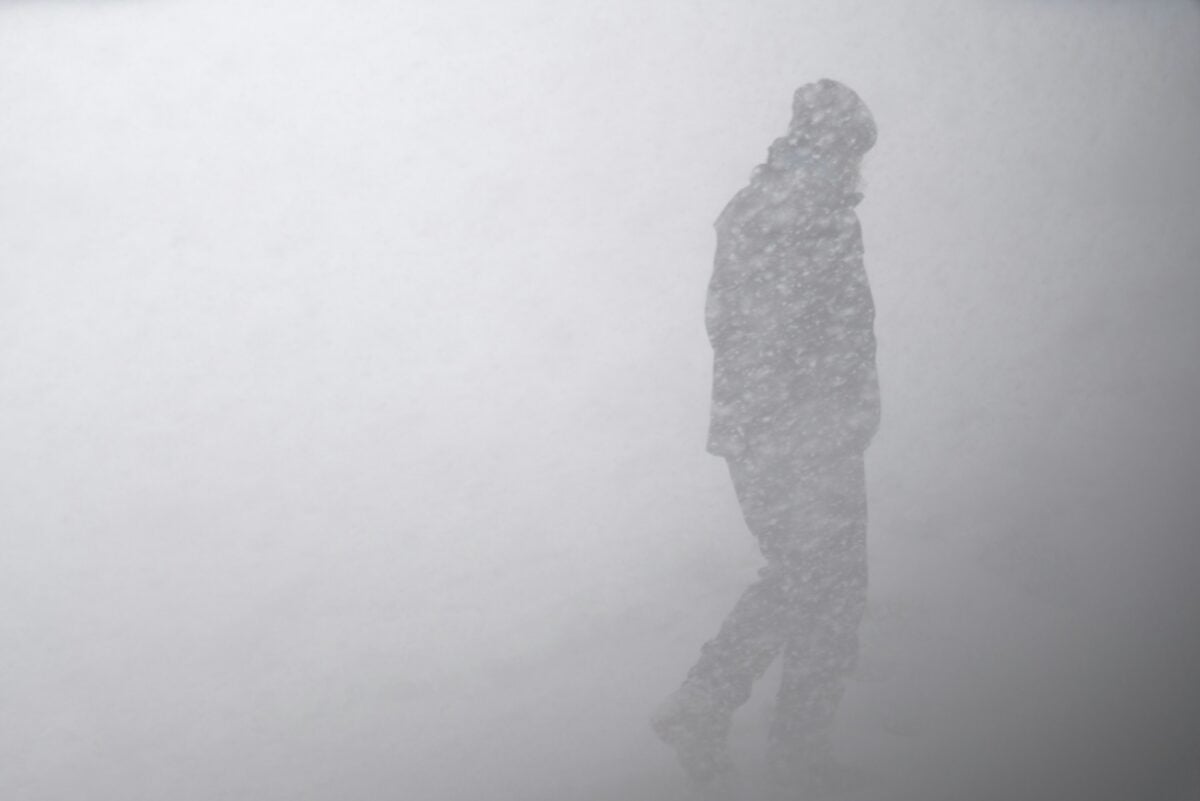
January 12, 1888 started as a surprisingly mild winter day across the Great Plains. Children walked to school without heavy coats, and farmers worked outside in shirtsleeves.
Then, without warning, temperatures dropped dramatically, in some places by more than 50 to 60 degrees in a single day. A massive blizzard roared in with zero visibility and winds that made travel impossible.
The storm earned its grim name because so many children were trapped at school or caught trying to walk home. Teachers faced impossible choices about whether to keep kids at inadequately heated schoolhouses or send them into the storm.
Estimates suggest around 235 people died, many of them children who froze to death within yards of safety. The disaster led to better weather prediction and communication systems across rural America.
The Great Thunderstorm of Widecombe
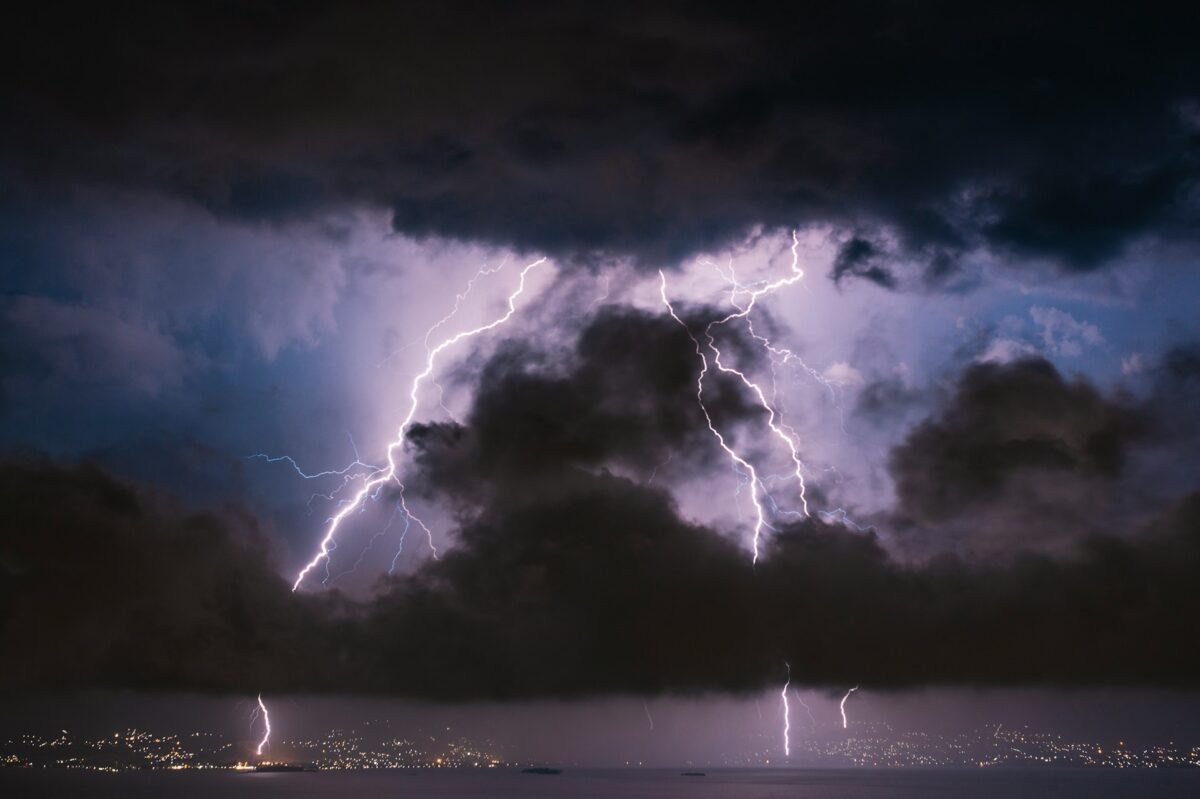
On October 21, 1638, the village of Widecombe-in-the-Moor in England experienced what witnesses called an attack from the devil himself. During a church service, a massive thunderstorm erupted directly overhead.
Lightning struck the church tower, causing a fireball to appear inside the building. Four people died instantly, and dozens more suffered severe burns.
Stone from the church was blasted outward, and witnesses reported the smell of brimstone. Parishioners believed Satan had come for the soul of a local man who was sleeping during the sermon.
The vivid accounts and death toll made it one of the most documented weather disasters of the 17th century, possibly involving rare phenomena like orb lightning, though the exact mechanism remains uncertain.
The Carrington Event
September 1859 witnessed the most powerful geomagnetic storm ever recorded. It started when astronomer Richard Carrington observed massive solar flares erupting from the sun’s surface.
Within hours, auroras lit up skies at unusually low latitudes, possibly as far south as the Caribbean, bright enough that miners in the Rocky Mountains woke up and started making breakfast, thinking it was dawn. Telegraph systems worldwide went haywire, with operators receiving electric shocks and papers catching fire from the surges.
Some telegraph lines continued working even after being disconnected from their power sources, powered purely by the geomagnetic currents. If a similar event struck today, it could cause trillions in damage to our electrical grids and satellite systems.
The Carrington Event remains the benchmark for catastrophic space weather.
Hail Disaster in Moradabad
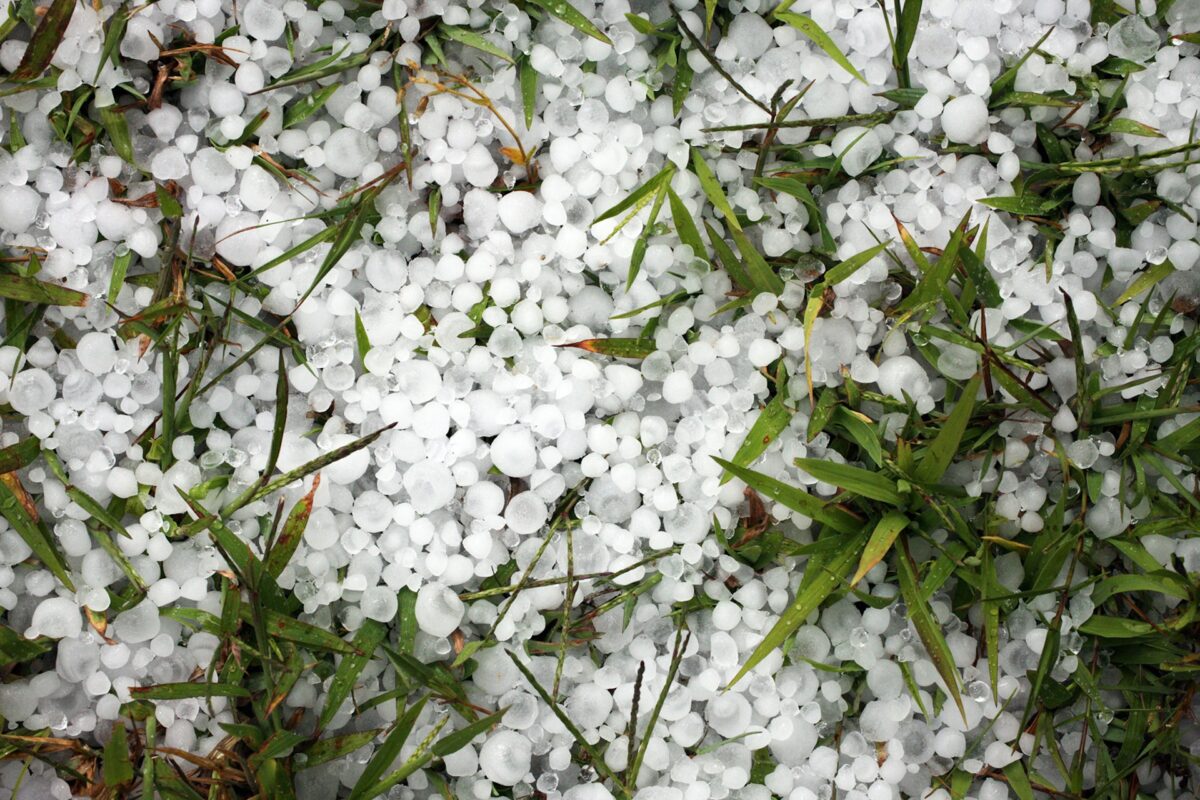
April 30, 1888 brought death from the sky in Moradabad, India. A severe thunderstorm produced reports of very large hailstones, possibly grapefruit-sized or larger according to witnesses.
The ice chunks fell with such force that they killed an estimated 246 people along with thousands of livestock and countless birds. The hail punched craters through roofs, shattered pottery, and caused injuries that ranged from broken bones to fatal head trauma.
British colonial records documented the event in detail, making it the deadliest confirmed hailstorm in recorded history. The storm struck during the evening when people were outdoors, leaving them no time to seek shelter.
Villages were devastated, and the agricultural damage compounded the human tragedy.
The Dust Bowl Storms
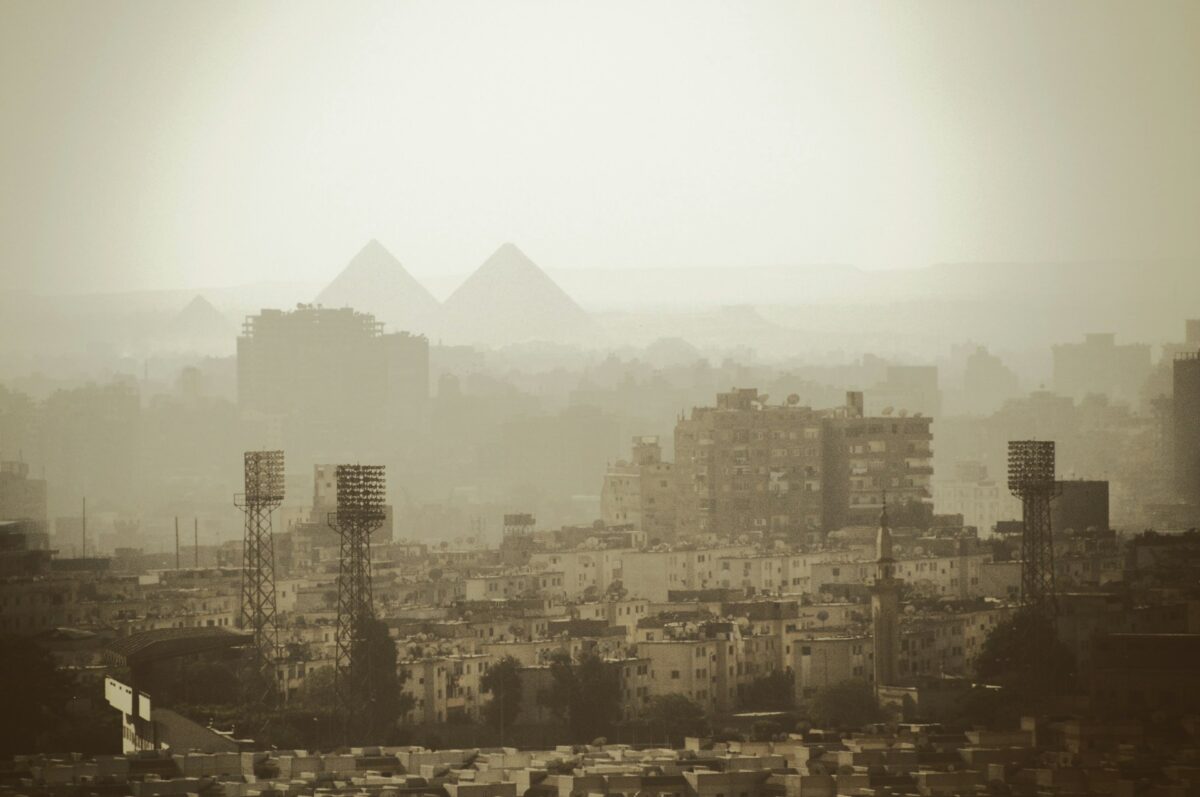
The 1930s transformed America’s Great Plains into an apocalyptic wasteland. Years of drought combined with poor farming practices stripped away topsoil, creating dust storms of unimaginable scale.
On April 14, 1935, a storm so massive it was called Black Sunday rolled across the plains. Witnesses described a wall of dirt thousands of feet high, moving like a living thing and turning day into night.
Some deaths resulted from dust inhalation and exposure to the harsh conditions. Dust penetrated every crack in homes, coating food and making breathing difficult even indoors.
The storms carried soil from Oklahoma to the Atlantic Ocean, sometimes dropping red dust on ships hundreds of miles offshore. Millions of people abandoned their farms, triggering one of the largest migrations in American history.
The Tri-State Tornado
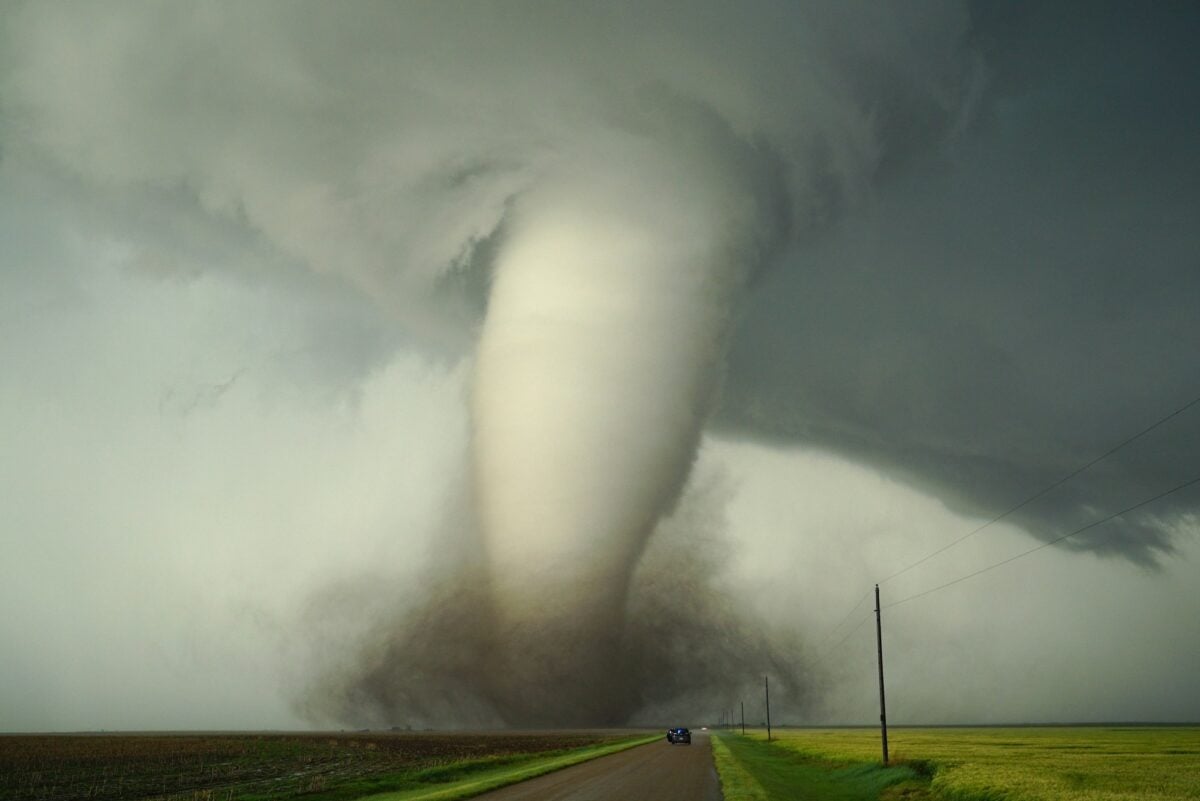
March 18, 1925 produced the deadliest single tornado in U.S. history. The monster funnel touched down in Missouri and stayed on the ground for over three hours, carving a 219-mile path of destruction across three states.
The tornado moved at speeds up to 73 miles per hour, faster than most people could run or even drive on the rural roads of the time. It killed 695 people and injured over 2,000 more.
Entire towns simply ceased to exist, wiped clean by winds estimated at EF5 intensity. What made this tornado particularly lethal was its unusual characteristics – the forward speed, the continuous ground contact, and the fact that it occurred before modern warning systems.
Many victims never saw it coming because of dust and rain that obscured the funnel.
The Great Flood of 1862
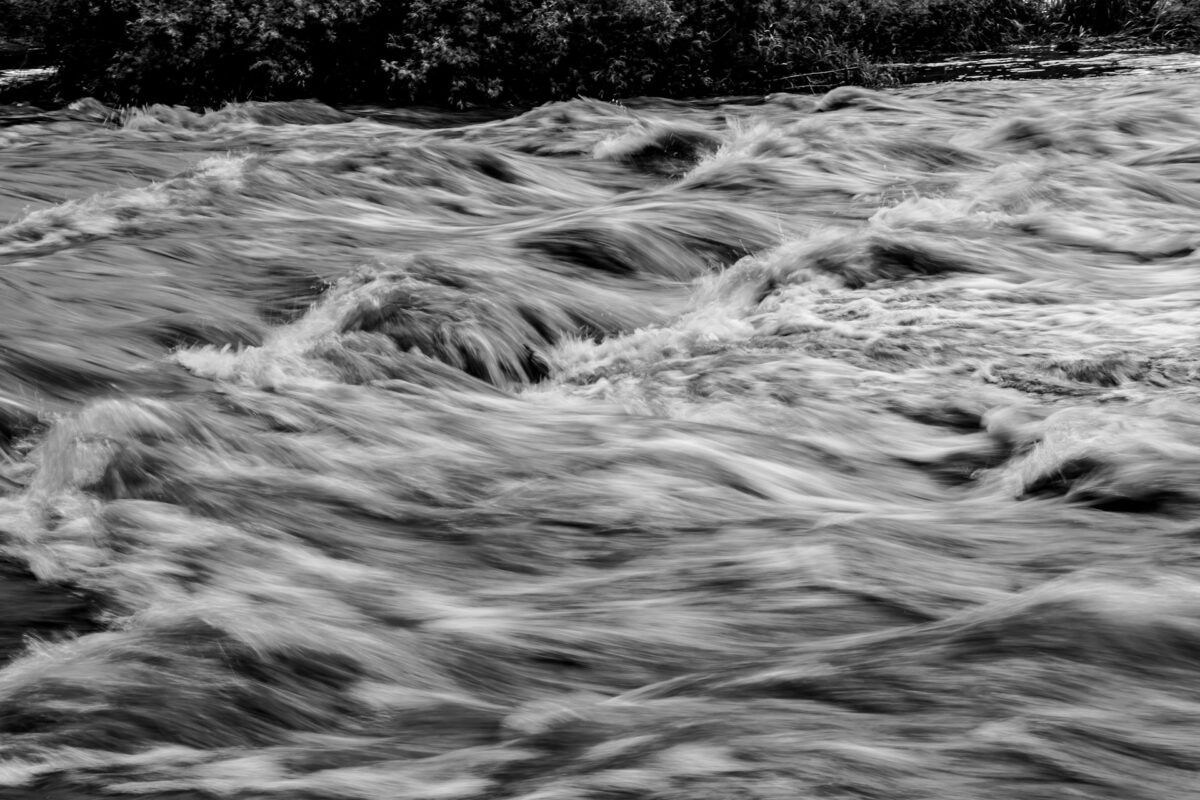
California is known for drought, but the winter of 1861-1862 proved that floods could be just as devastating. Multiple episodes of heavy rain over several weeks transformed California’s Central Valley into an inland sea 300 miles long and up to 60 miles wide.
Sacramento, the state capital, sat underwater for months. Entire herds of livestock drowned, and the state economy collapsed.
One out of every eight houses in California was destroyed. The rain resulted from a series of atmospheric rivers, powerful streams of moisture in the sky that dumped unprecedented amounts of water.
Modern research suggests similar megafloods have struck California roughly every 200 years, meaning we’re overdue for another. The event bankrupted the state government and shifted California’s economic center from Sacramento to San Francisco.
The Peshtigo Fire Weather
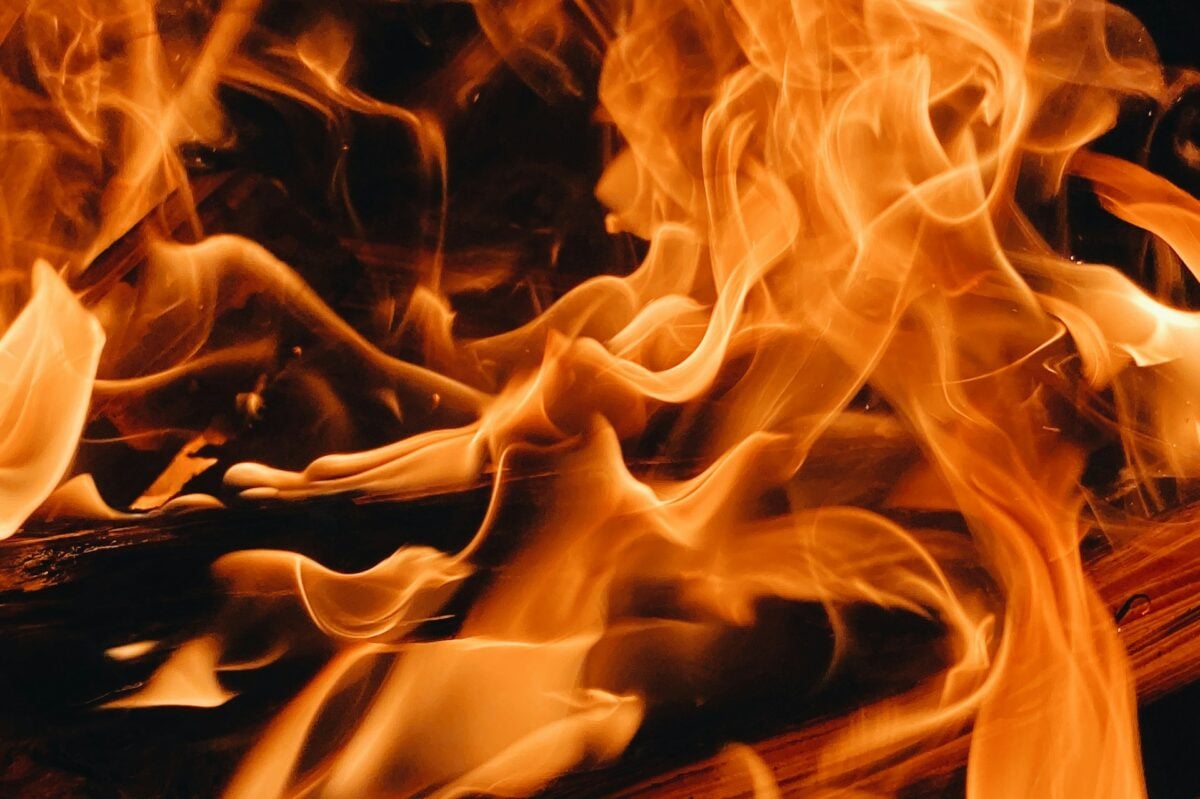
October 8, 1871 is remembered for the Great Chicago Fire, but an even deadlier disaster struck the same night. The town of Peshtigo, Wisconsin and surrounding areas burned in a firestorm that killed an estimated 1,200 to 2,500 people, the deadliest fire in U.S. history.
The weather conditions that day were extraordinary – extreme drought, powerful winds, and abnormally low humidity created a tinderbox. The fire moved so fast that it created its own weather system, generating tornado-like fire whirls and hurricane-force winds.
Witnesses described fireballs floating through the air and entire trees exploding. The fire was so hot that it cremated people completely.
Many survivors only lived because they jumped into rivers and stayed submerged for hours.
The Long Island Express Flooding
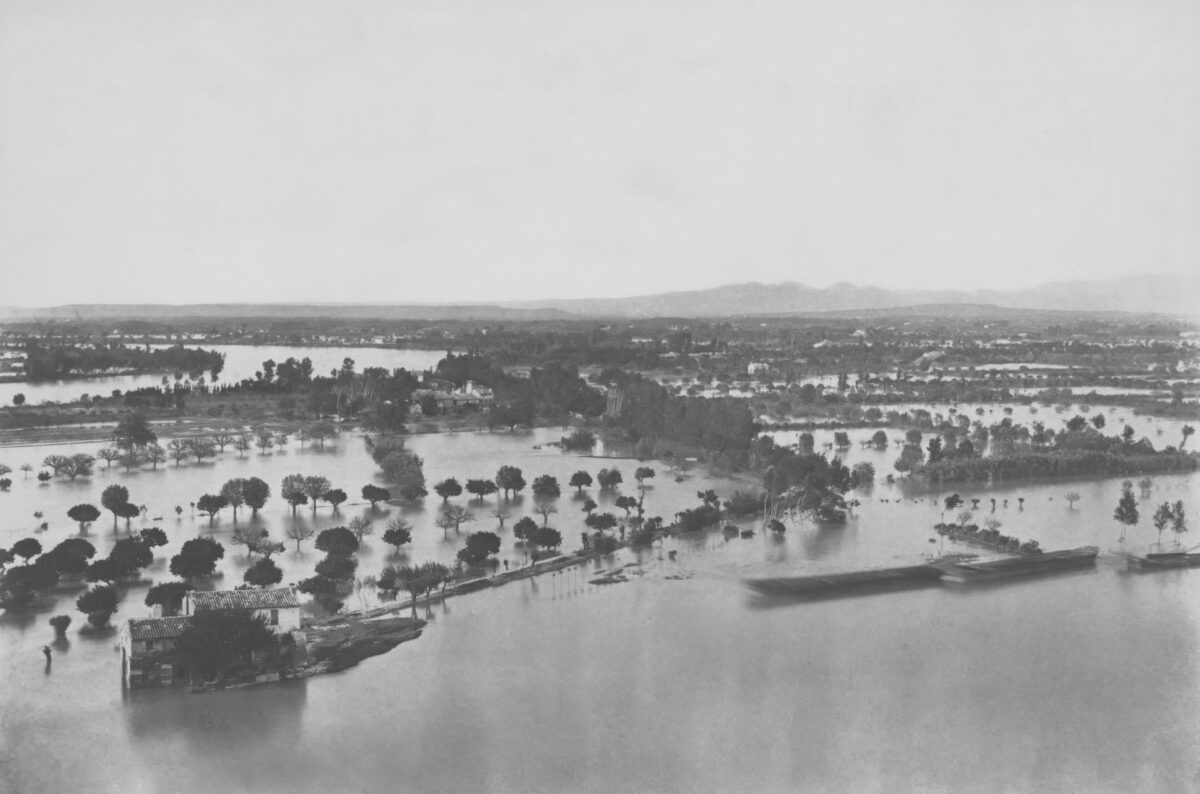
The 1938 hurricane is known for its wind, but it also caused devastating flooding. Barrier islands and coastal towns were totally submerged as a result of storm surge pushing water miles inland.
Water levels in downtown Providence, Rhode Island, rose 13 to 17 feet above mean sea level. People were trapped in buildings by the surge, and many drowned as the water rose more quickly than they could get out.
Boats ended up blocks from the waterfront, and cars were thrown about like toys. Crops were destroyed and wells were contaminated by the floodwaters.
Few people knew what storm surge was or how quickly it could occur, which made the flooding especially tragic. Residents along the coast were unfamiliar with tropical systems of this size and lacked a contemporary warning system.
The Great Appalachian Storm of 1950
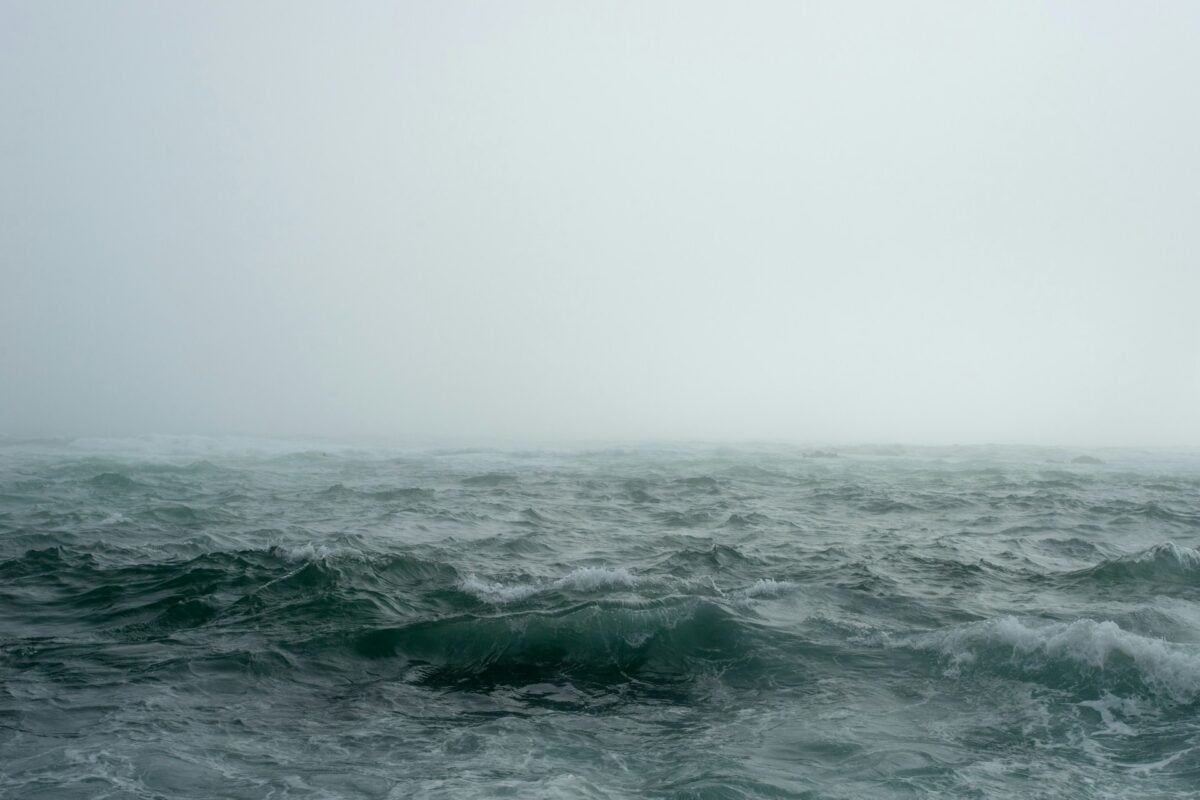
Thanksgiving weekend 1950 brought one of the most powerful extratropical storms ever to hit the eastern United States. The system generated sustained winds over 100 miles per hour at sea-level stations, with mountain-top observations recording gusts approaching 160 miles per hour.
Snow fell at rates of up to six inches per hour in the mountains. The storm killed over 350 people, many of them at sea when ships sank in the massive waves.
Ohio recorded its lowest barometric pressure ever measured. The combination of hurricane-force winds, heavy snow, and a massive geographical area affected made this storm unique.
Weather stations struggled to measure the conditions because instruments were destroyed. The storm proved that non-tropical systems could be just as deadly as hurricanes.
Lessons Written in Wind and Water
These weather events remind us that nature doesn’t care about our plans or expectations. Each storm, freeze, and atmospheric anomaly taught important lessons about self-control, readiness, and the power of forces beyond control.
Many of these disasters are directly related to modern life-saving building codes, early warning systems, and improved forecasting. The strange and terrible weather of the past contributed to the development of our current understanding of meteorology, one tragedy at a time.
More from Go2Tutors!

- 16 Historical Figures Who Were Nothing Like You Think
- 12 Things Sold in the 80s That Are Now Illegal
- 15 VHS Tapes That Could Be Worth Thousands
- 17 Historical “What Ifs” That Would Have Changed Everything
- 18 TV Shows That Vanished Without a Finale
Like Go2Tutors’s content? Follow us on MSN.



