13 Times History Almost Took a Different Turn
History feels inevitable when you look back, with major events seeming destined to happen. But in reality, history is filled with moments decided by chance, split-second decisions, or sheer coincidence.
The world as we know it exists because of countless near-misses most people never hear about.
A Soviet Officer’s Gut Feeling
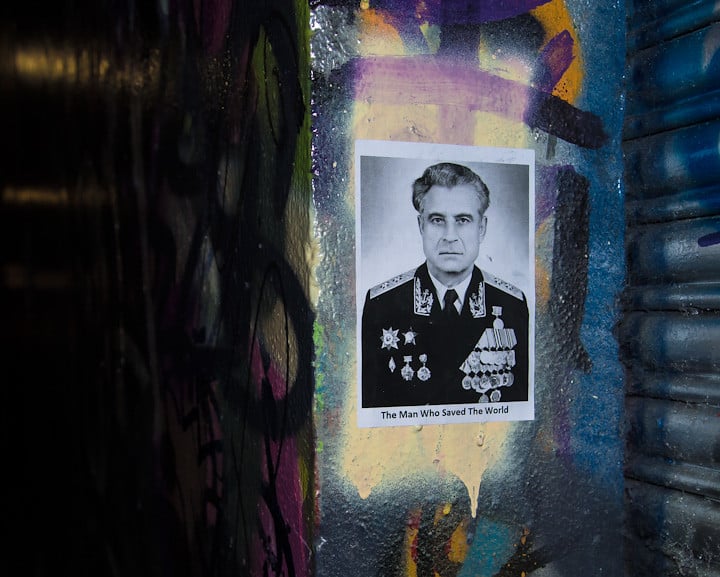
On September 26, 1983, Lieutenant Colonel Stanislav Petrov was monitoring the Soviet Union’s early warning system when alarms reported five American missiles headed toward Russia. Protocol demanded an immediate counterstrike, but Petrov hesitated.
He reasoned that a real attack would involve hundreds of missiles, not just five. His gut instinct was correct—the “missiles” were sunlight reflecting off clouds near Montana.
The Bear That Nearly Started World War III

During the Cuban Missile Crisis in October 1962, a guard at Volk Field Air Base in Wisconsin spotted an intruder on the fence and assumed Soviet saboteurs. Shots were fired, nuclear-armed jets scrambled, and the alarm spread—until someone realized the intruder was just a black bear looking for food.
One Submarine Commander’s Refusal
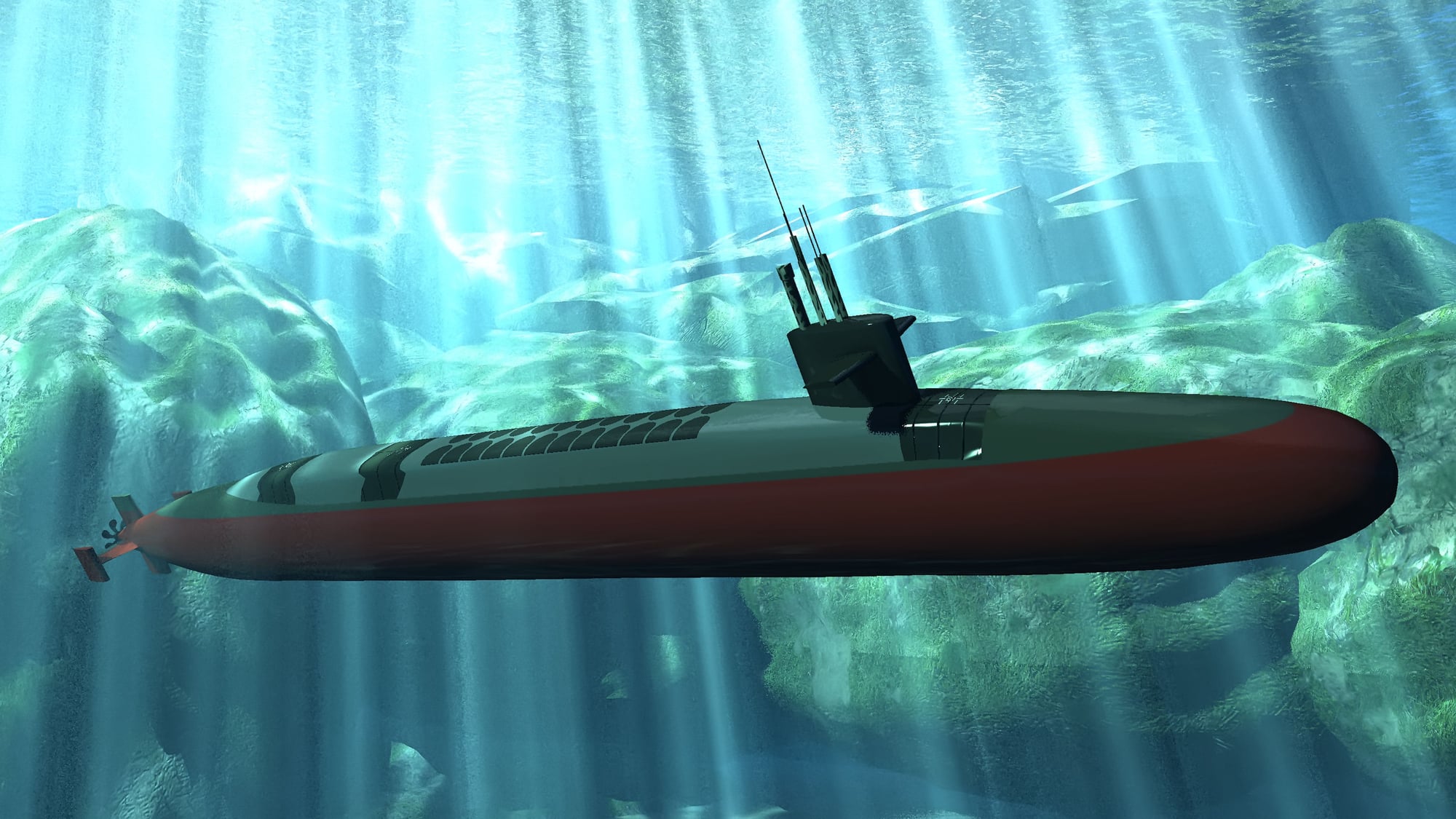
That same month, an American destroyer dropped depth charges on a Soviet submarine near Cuba. Sub captain Valentin Savitsky wanted to fire a nuclear torpedo, thinking war had begun.
Soviet protocol required three approvals for a launch, and Vasili Arkhipov refused. His dissent prevented a nuclear escalation that could have sparked World War III.
A Wrong Turn in Sarajevo
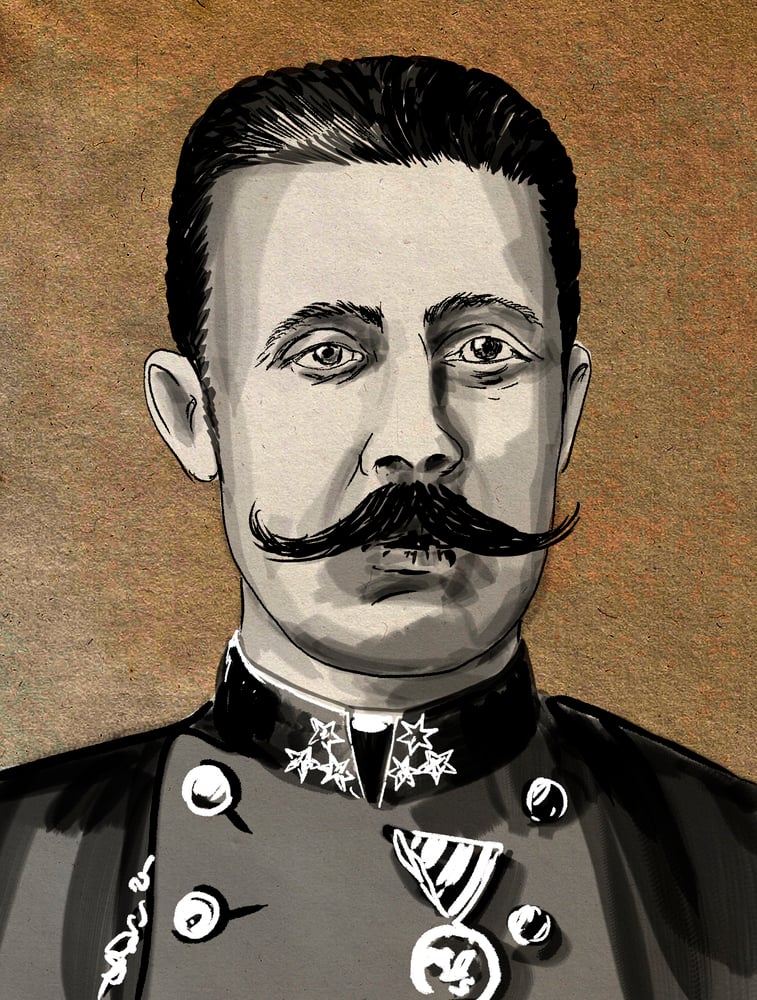
On June 28, 1914, Archduke Franz Ferdinand survived a bomb attempt in Sarajevo. His driver accidentally took a wrong turn and stalled the car.
By chance, assassin Gavrilo Princip was on that corner. He shot the Archduke and his wife, triggering World War I.
The U-2 Pilot Who Got Lost
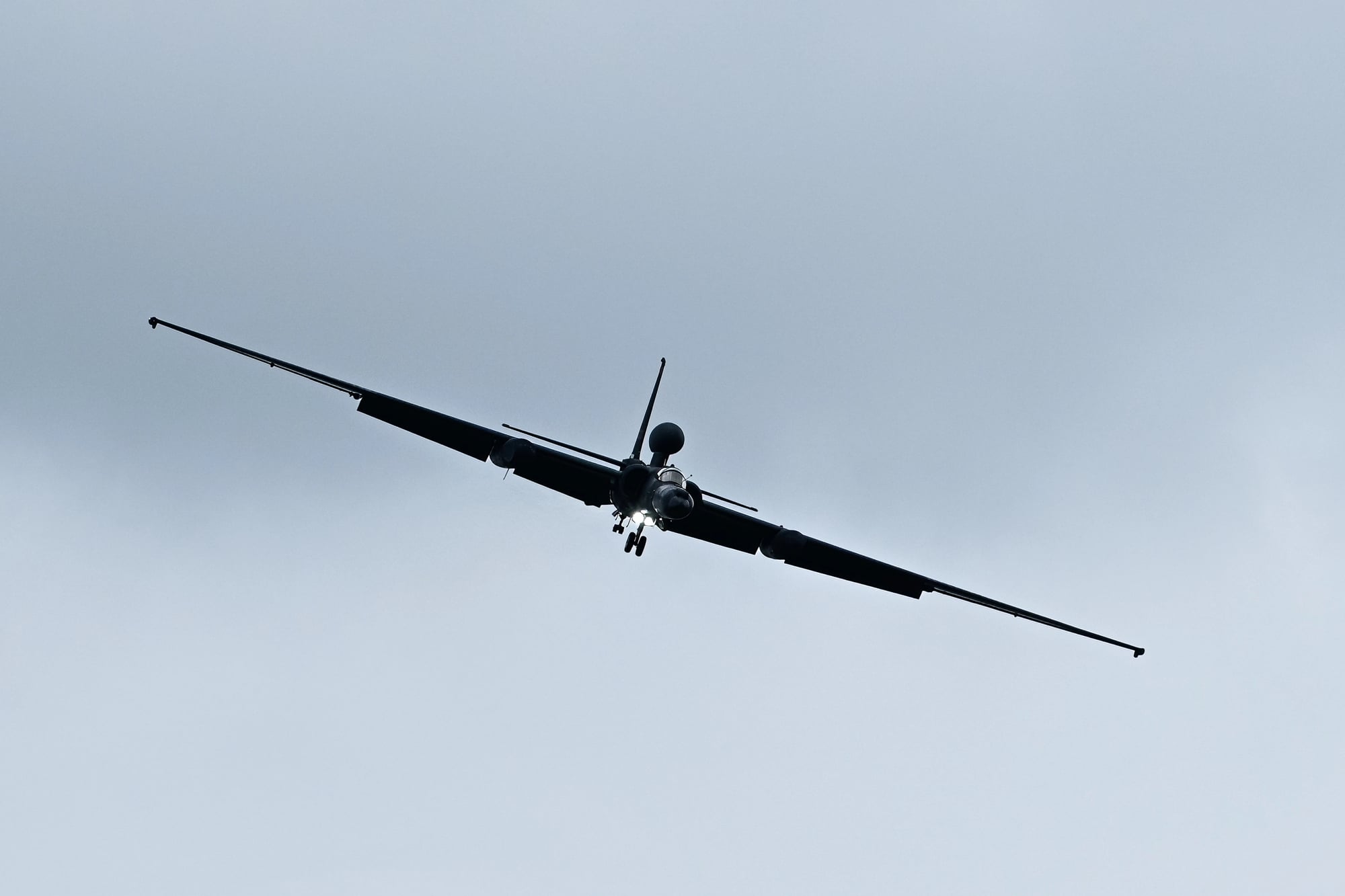
Charles Maultsby flew a U-2 reconnaissance mission near the North Pole on October 27, 1962. The aurora borealis blinded him, and he drifted into Soviet airspace.
Soviet MiGs and U.S. jets scrambled, but Maultsby managed to glide back to Alaska, narrowly avoiding a nuclear confrontation.
Apollo 11’s Computer Meltdown
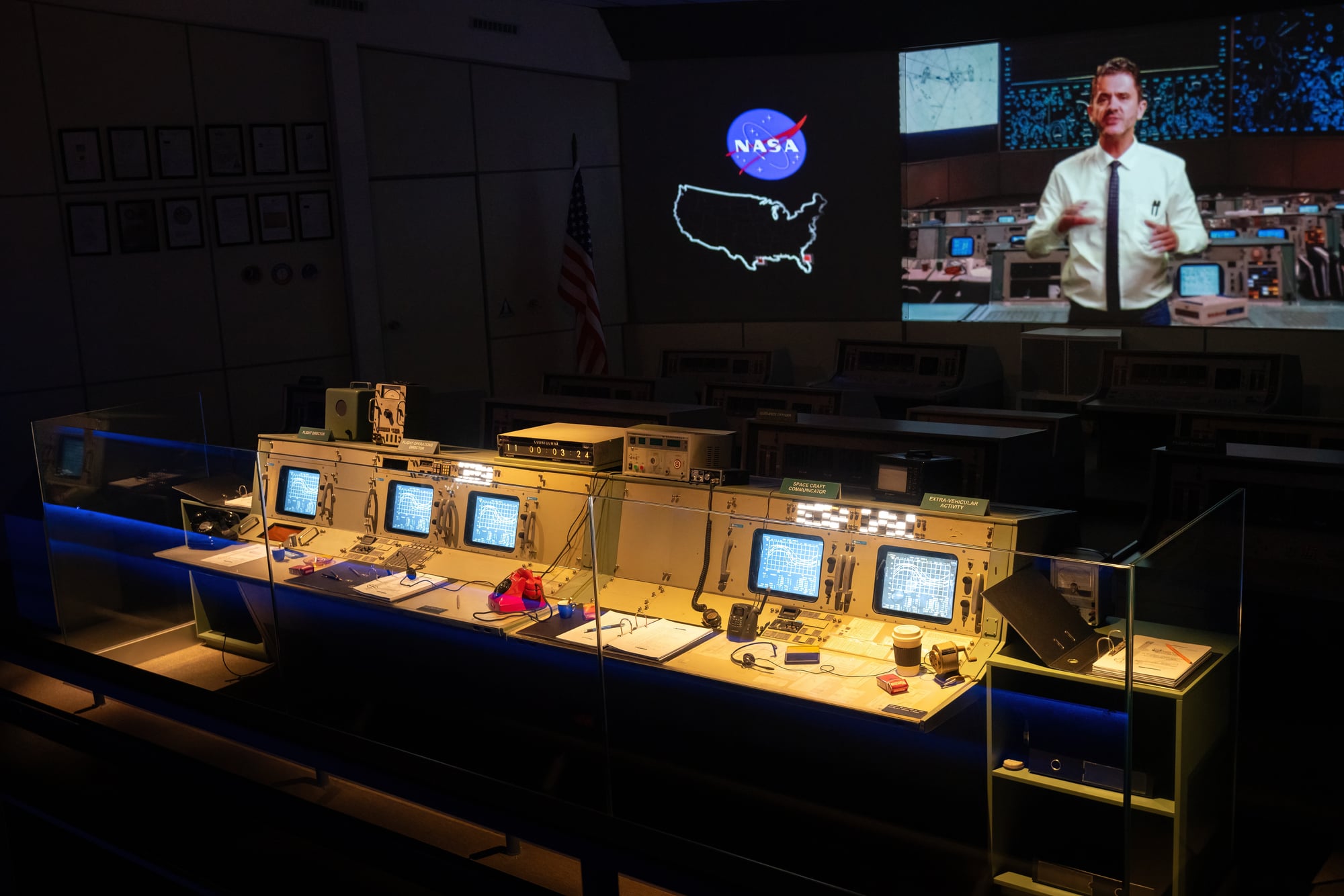
During the Moon landing, Armstrong and Aldrin’s guidance computer flashed 1201 and 1202 alarms, indicating overload. Flight controller Steve Bales recalled similar simulations and advised continuing.
The landing succeeded, making history possible.
Queen Victoria’s First Pregnancy
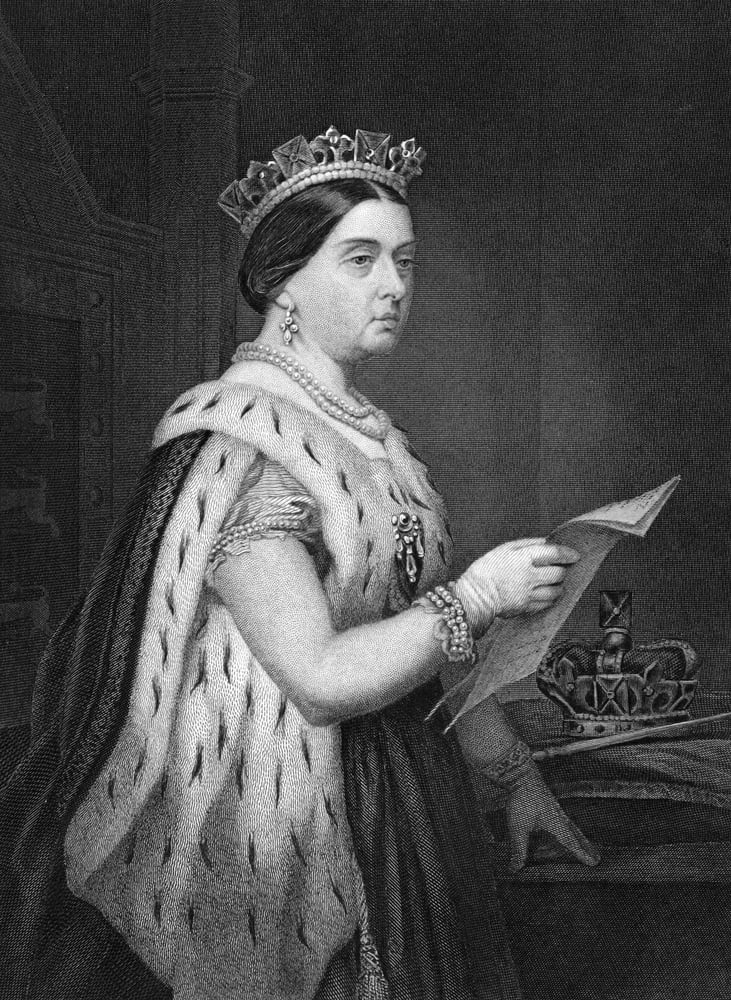
On June 10, 1840, Edward Oxford fired twice at Queen Victoria and Prince Albert, missing both times. Victoria was pregnant with her first child.
Had Oxford succeeded, key figures of World War I would never have existed.
The Penicillin Dish Fleming Almost Threw Away

In 1928, Alexander Fleming left bacterial culture dishes on his bench while on vacation. One was contaminated with mold.
Curiosity led him to investigate why bacteria wouldn’t grow near it, resulting in the discovery of penicillin, which has saved millions of lives.
The War Game That Felt Too Real
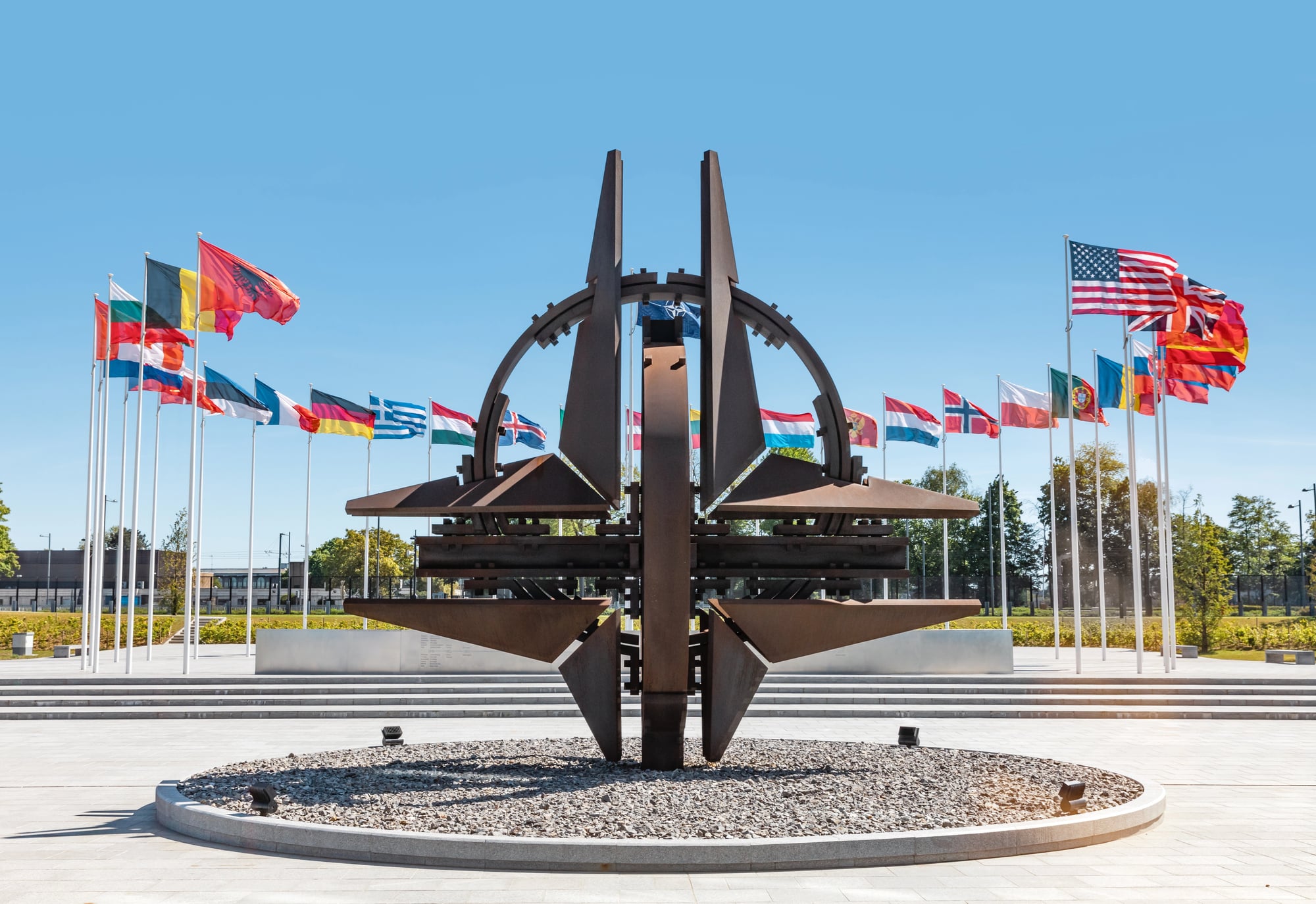
In November 1983, NATO’s Able Archer 83 exercise simulated a nuclear attack. Its realism convinced the Soviet Union it was a real strike.
Nuclear forces were put on high alert, but no conflict occurred. A simulation almost triggered actual war.
A Norwegian Weather Rocket
On January 25, 1995, a scientific rocket launch from Norway appeared on Russian radar as a potential missile strike. President Yeltsin considered retaliation but ultimately determined it was a false alarm, preventing possible catastrophe.
George Washington’s Miraculous Day
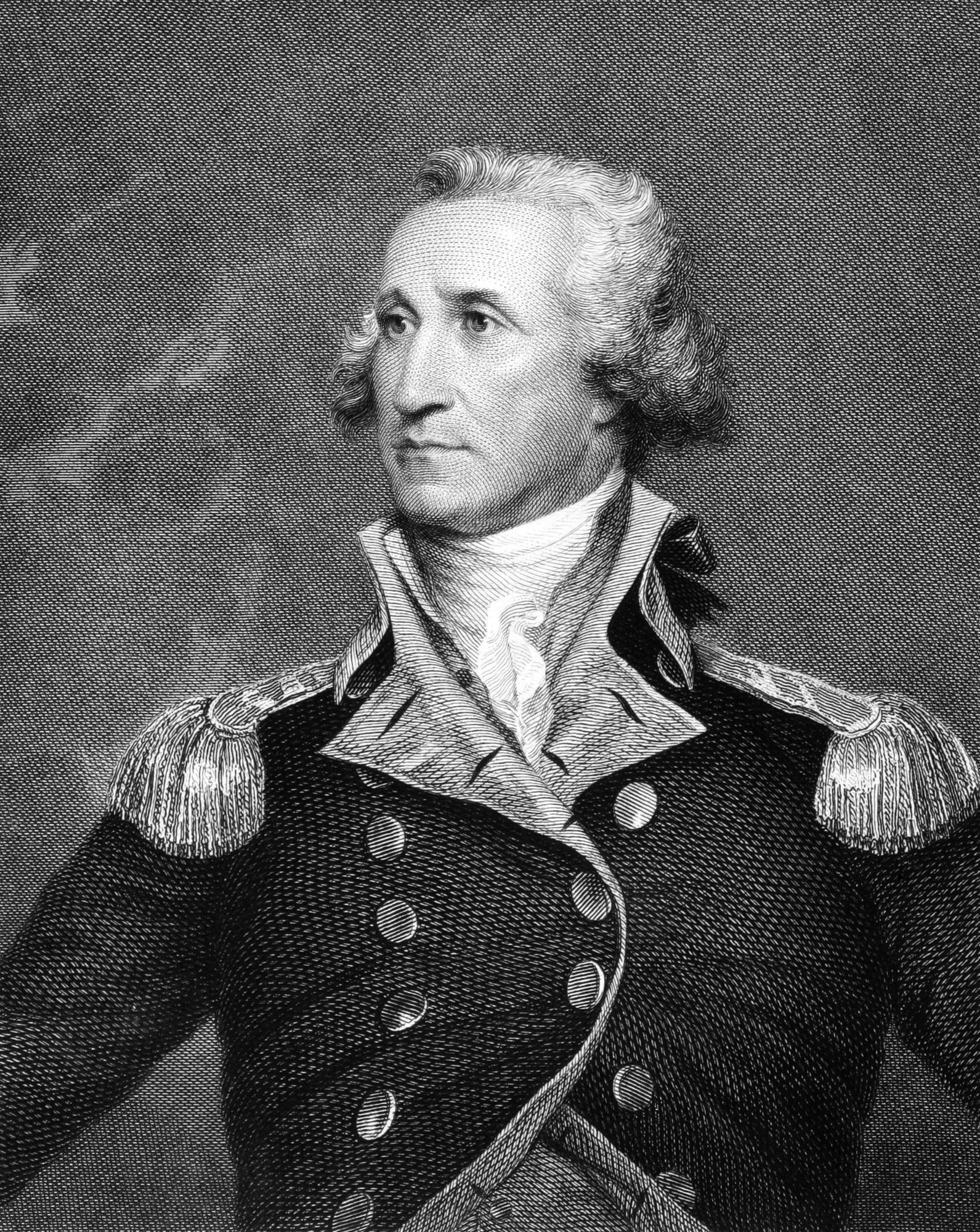
During the French and Indian War, George Washington was nearly shot by Native American allies who mistook him for an enemy. Later, he fell into an icy river and survived.
If either incident had ended differently, the American Revolution might have lost its most essential leader.
Shakespeare’s Unplanned Writing Career

Plague closures in the early 1590s left William Shakespeare without acting work. He turned to writing poetry for income.
This forced diversion launched a literary career that produced Hamlet, Macbeth, and Romeo and Juliet, cementing his place in history.
The Hawaiian Missile Alert
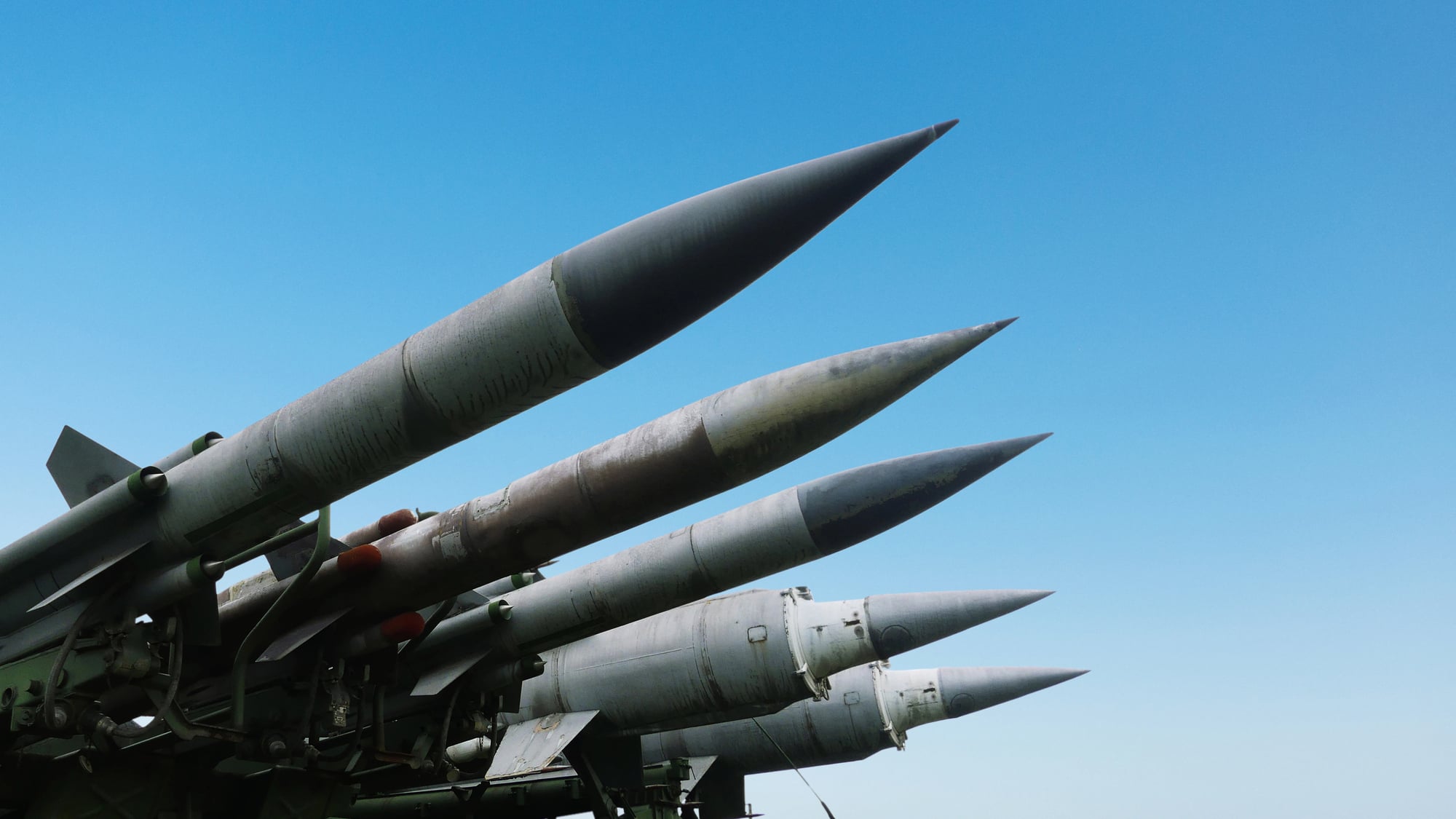
On January 13, 2018, Hawaii residents received an emergency missile alert. Panic ensued for 38 minutes before officials sent a correction.
A state employee had accidentally triggered the system during a drill, showing how easily modern errors can cause mass hysteria.
When Luck Ran Out, Then Came Back
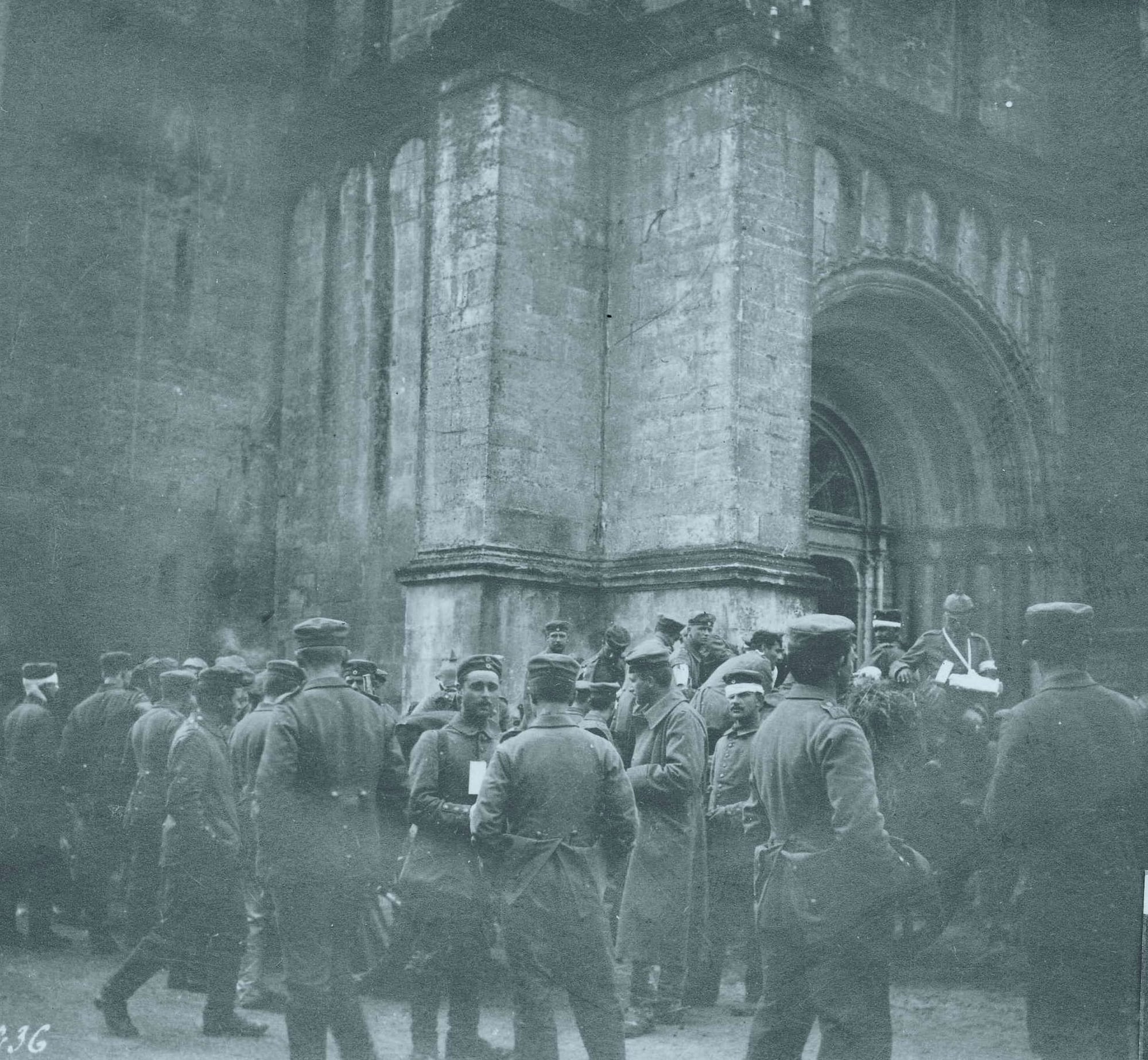
These events remind us that history is not predetermined. A Soviet officer trusted his instincts, a submarine officer refused to launch, and a scientist investigated mold rather than discarding it.
Each incident could have drastically changed humanity’s path—yet here we are, witnesses to near-misses that shaped the world.
More from Go2Tutors!

- The Romanov Crown Jewels and Their Tragic Fate
- 13 Historical Mysteries That Science Still Can’t Solve
- Famous Hoaxes That Fooled the World for Years
- 15 Child Stars with Tragic Adult Lives
- 16 Famous Jewelry Pieces in History
Like Go2Tutors’s content? Follow us on MSN.



