Unusual Befriending Behaviors in Animals
Animals surprise people all the time with the friendships they form. Dogs and cats living together might seem normal now, but nature is full of much stranger partnerships.
From whales protecting seals to unlikely roommates sharing dens, the animal kingdom shows that friendship doesn’t follow the rules humans might expect. Let’s look at some of the most interesting and unusual ways animals become friends across species lines.
Elephants mourning and comforting other species
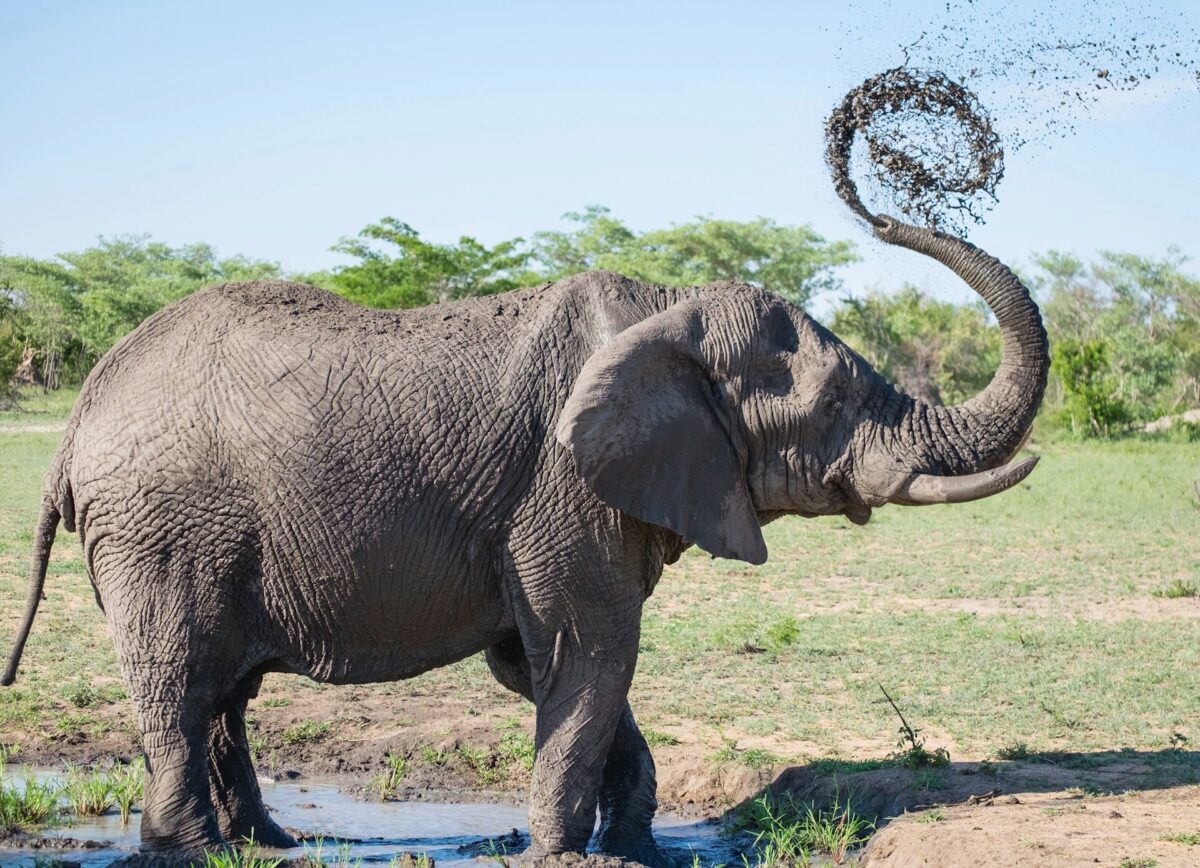
Elephants don’t just care for their own kind. They’ve been seen standing guard over dead rhinos and staying with injured animals from different species.
One elephant in India refused to leave a dying dog’s side for hours, using her trunk to gently touch the animal. These giants seem to understand pain and loss in ways that cross species boundaries.
Scientists have watched elephants return to the bones of deceased companions years later, touching the remains with their trunks in what looks like remembrance.
Crows bringing gifts to humans who feed them
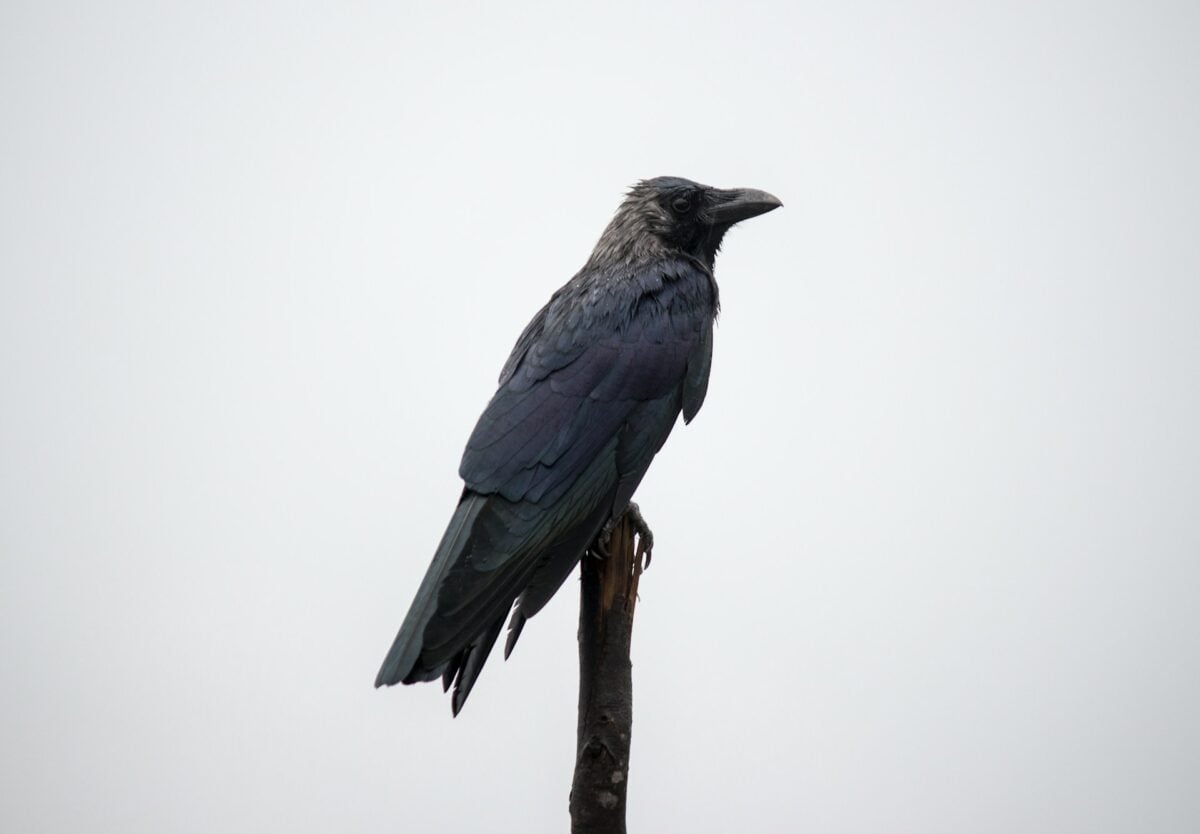
Some crows remember the faces of people who are kind to them and return the favor in unexpected ways. They’ve been known to leave shiny objects, buttons, and even small pieces of jewelry where their human friends can find them.
A girl in Seattle received dozens of gifts from crows over several years, including earrings and polished rocks. The birds seem to understand the concept of exchange and gratitude.
This behavior shows planning and memory that researchers find remarkable.
Like Go2Tutors’s content? Follow us on MSN.
Hippos allowing fish and birds to clean their skin
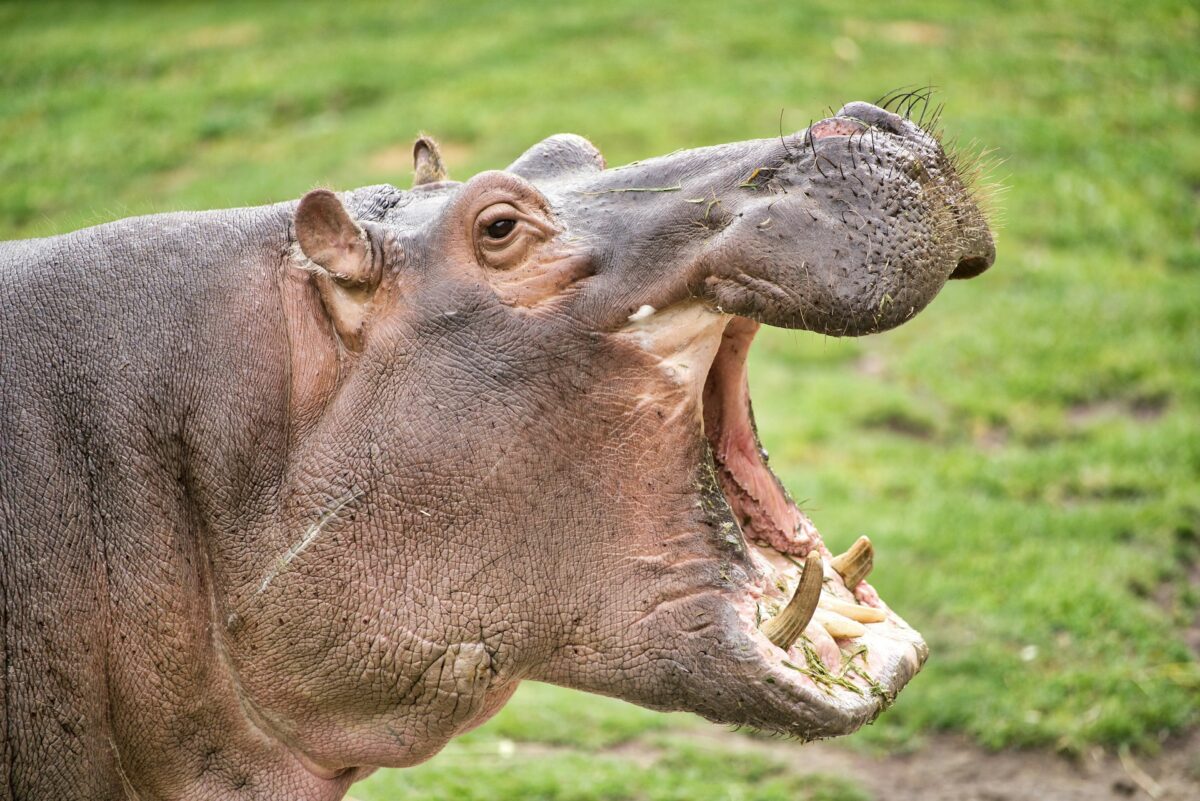
Hippos have a reputation for being aggressive, but they let certain small animals get incredibly close. Fish swim right into their mouths to eat parasites and dead skin.
Birds land on their backs and heads to pick off insects and help with grooming. The hippos stay perfectly still during these cleaning sessions, even though they could easily harm these tiny helpers.
Both sides benefit from this arrangement, but it requires trust that seems unusual for such a dangerous animal.
Dolphins guiding lost whales back to deep water
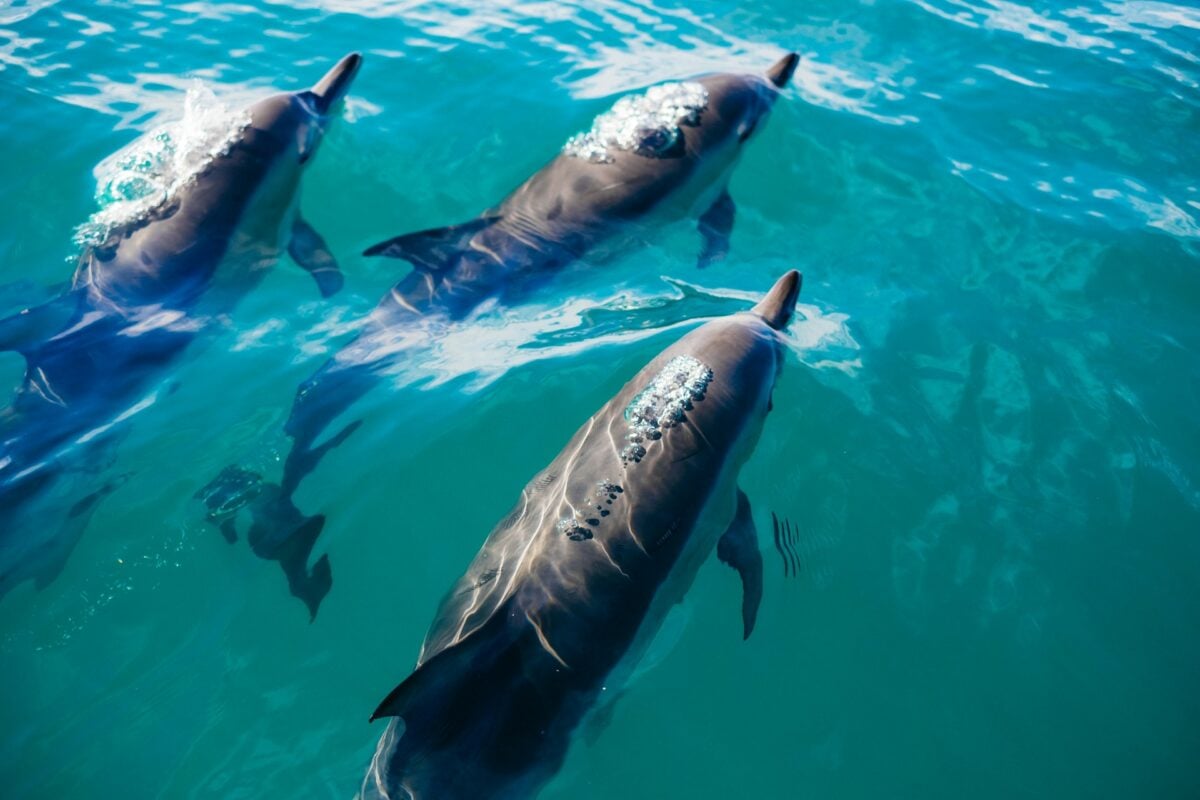
Dolphins have been observed swimming alongside confused whales that have wandered into shallow areas. They vocalize and nudge the larger animals, seemingly showing them the way back to safety.
In New Zealand, a pod of dolphins circled a stranded whale for hours until the tide changed and the whale could swim free. Marine biologists can’t fully explain why dolphins help whales since there’s no obvious benefit to them.
The behavior suggests a level of compassion that crosses species lines.
Gorillas adopting and protecting small creatures
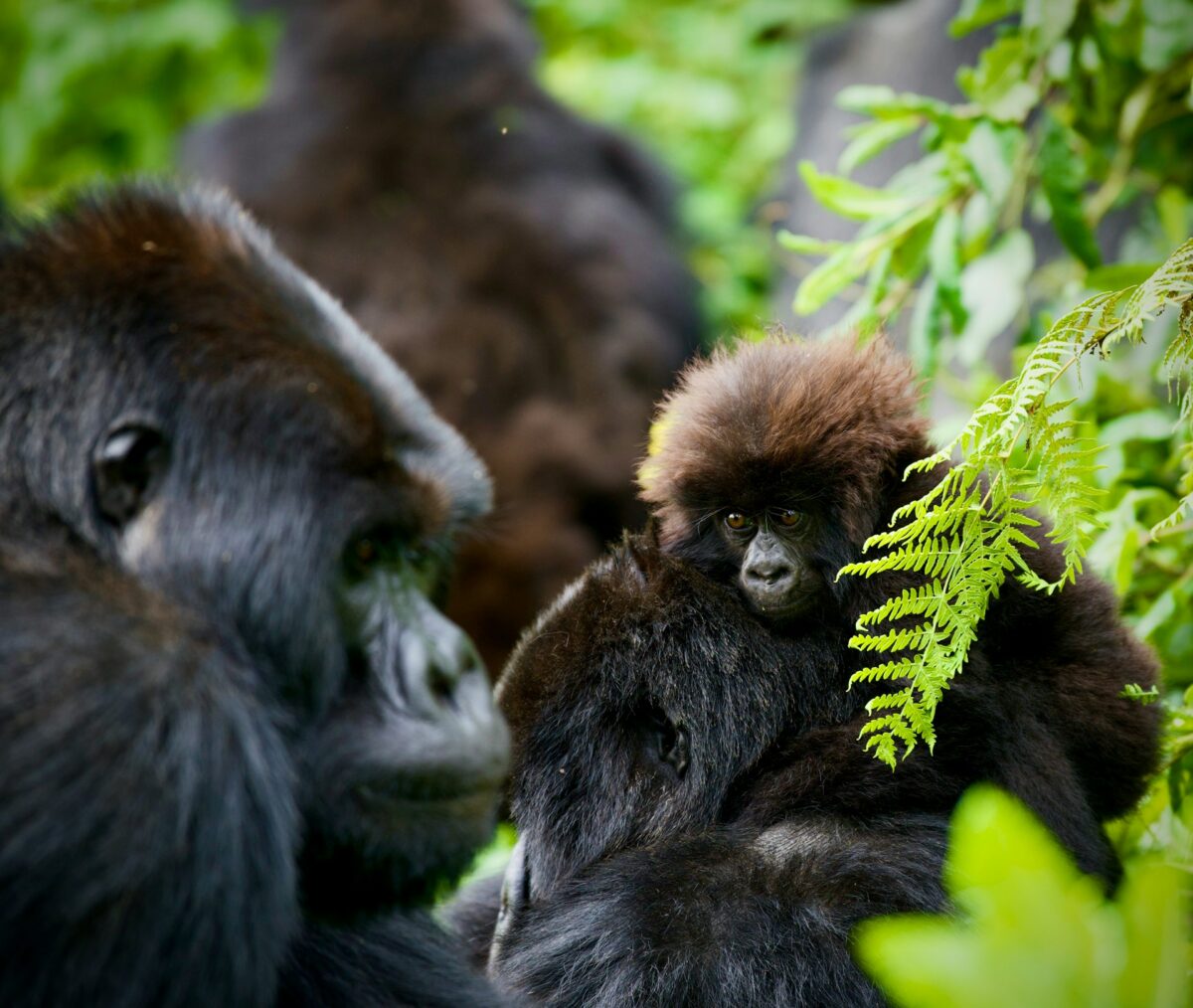
Mountain gorillas have been photographed holding and examining small animals with surprising gentleness. One famous gorilla carefully held a tiny bush baby, then placed it back on a tree branch unharmed.
Another gorilla adopted a bush baby and carried it around for days. These powerful primates show tenderness toward creatures they could crush without thinking.
The behavior challenges the idea that animals only care for their own species.
Like Go2Tutors’s content? Follow us on MSN.
Rats showing empathy by freeing trapped companions
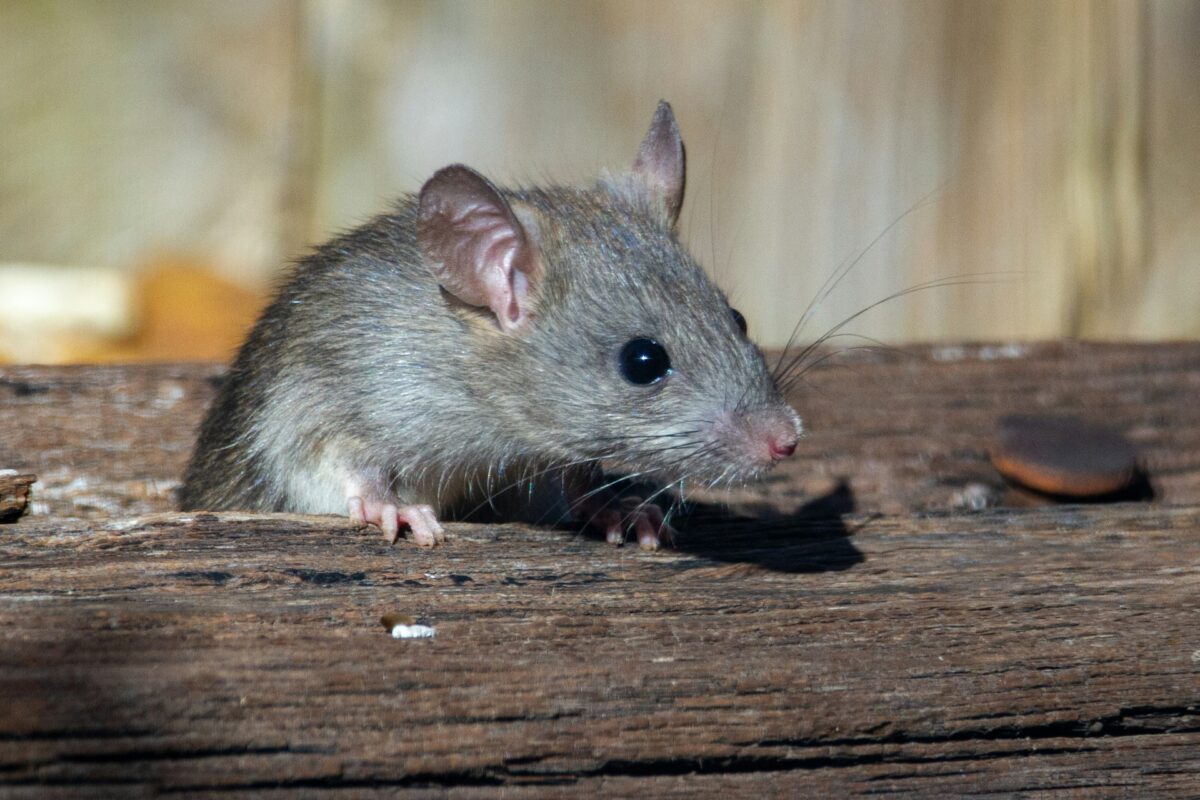
Laboratory studies have shown something unexpected about rats. When one rat is trapped and another is free, the free rat will work to release its companion even when there’s no reward.
They’ll choose to free a trapped friend before eating available food. The rats get visibly distressed when they hear another rat in trouble.
This behavior happens between rats that know each other, suggesting they form real bonds and care about each other’s wellbeing.
Humpback whales protecting seals from killer whales
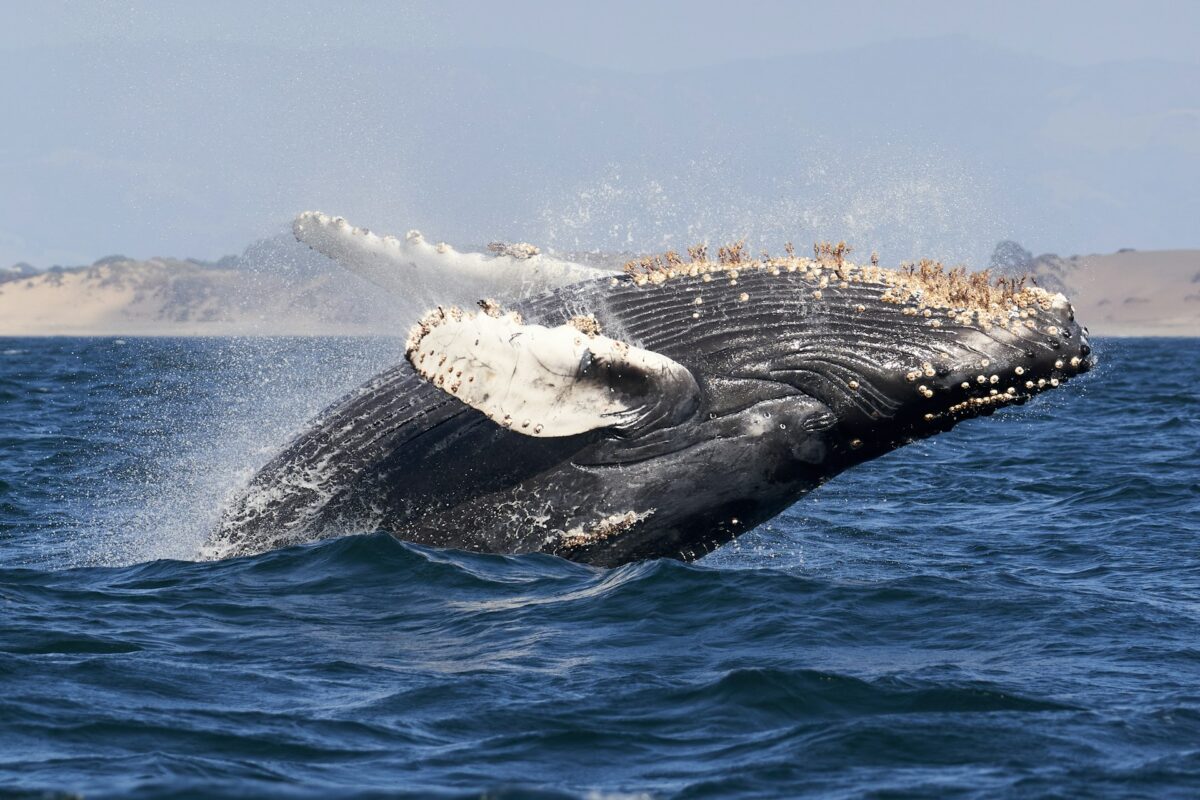
Humpback whales have been seen placing seals on their bellies to protect them from hunting killer whales. They lift the seals out of the water using their flippers and keep them safe until the danger passes.
Scientists have documented this behavior in different oceans around the world. The humpbacks gain nothing from saving seals and risk injury from aggressive killer whales.
Some researchers think the whales are protecting vulnerable animals out of instinct, while others believe it shows advanced thinking.
Cats and birds forming household friendships

While cats normally hunt birds, some develop genuine friendships with pet birds in homes. They’ll groom each other and sleep side by side.
A cat in New York became protective of an injured pigeon, refusing to let anyone near it. The cat would bring food and water bowls closer to the bird.
These friendships seem to override natural hunting instincts when the animals grow up together or meet under the right conditions.
Like Go2Tutors’s content? Follow us on MSN.
Wild deer visiting specific dogs regularly
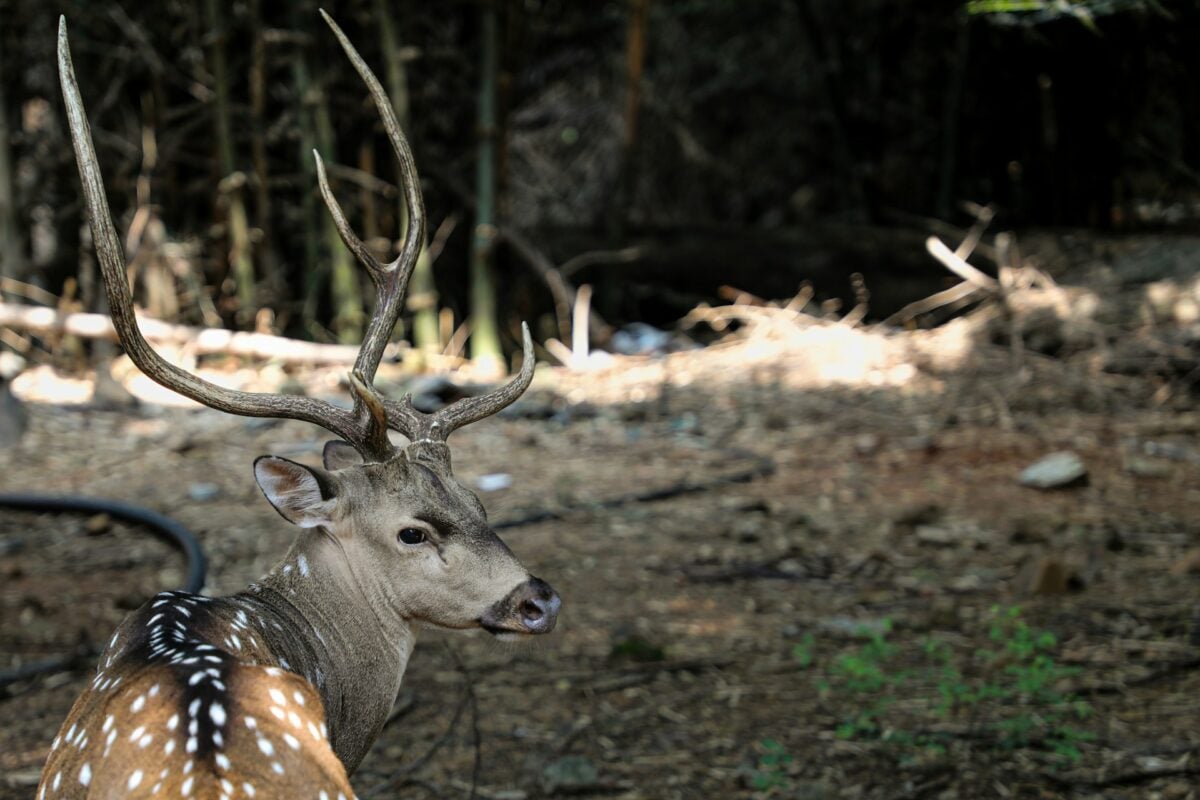
There are documented cases of wild deer returning to the same houses to interact with particular dogs. They’ll play together, touching noses and running around yards.
One deer in Estonia visited a dog every morning for years, waiting at the fence until her friend came outside. The deer would become anxious if the dog wasn’t there.
These relationships develop over time and show that wild animals can form selective friendships.
Tortoises and cats sharing food and space
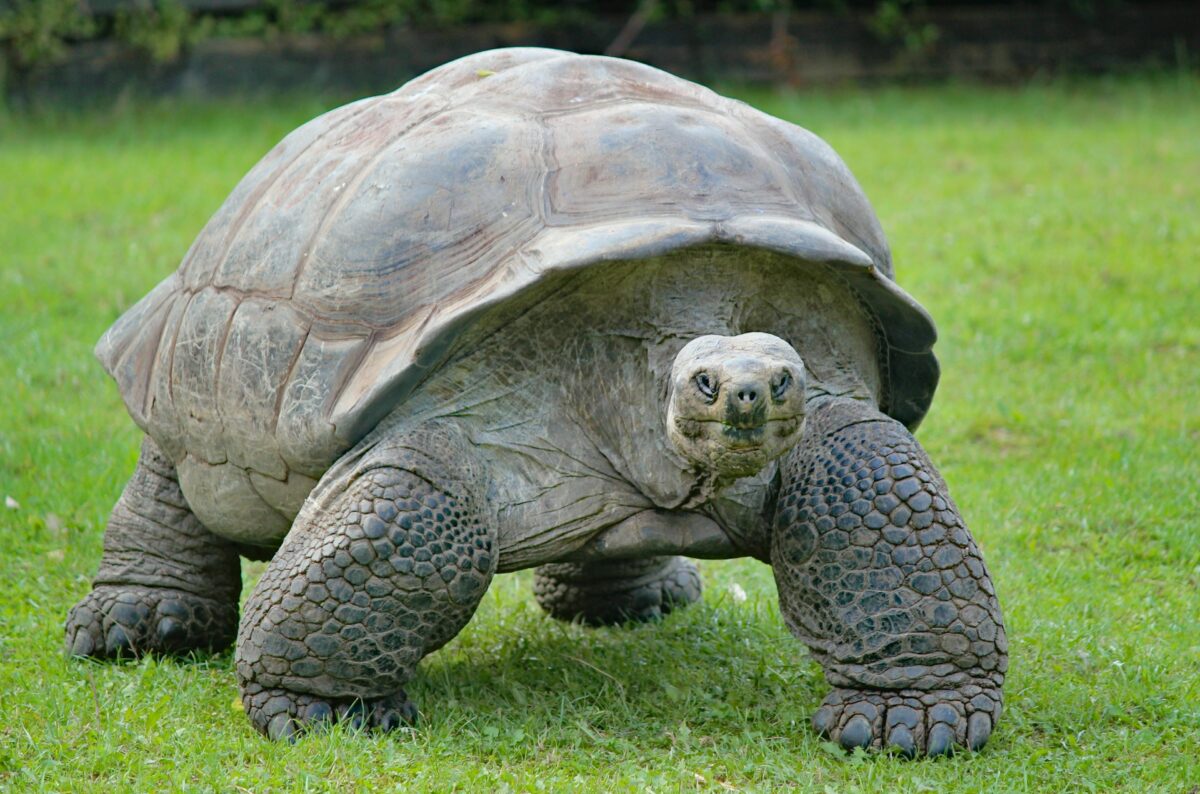
Tortoises and cats sometimes become companions in homes and yards. They’ll eat from the same bowl and rest near each other.
A tortoise in California would follow a cat around the garden every day. When the cat died, the tortoise stopped eating for weeks.
The slow movement of tortoises doesn’t seem to trigger hunting behavior in cats, and the two species often coexist peacefully.
Chimpanzees caring for disabled group members
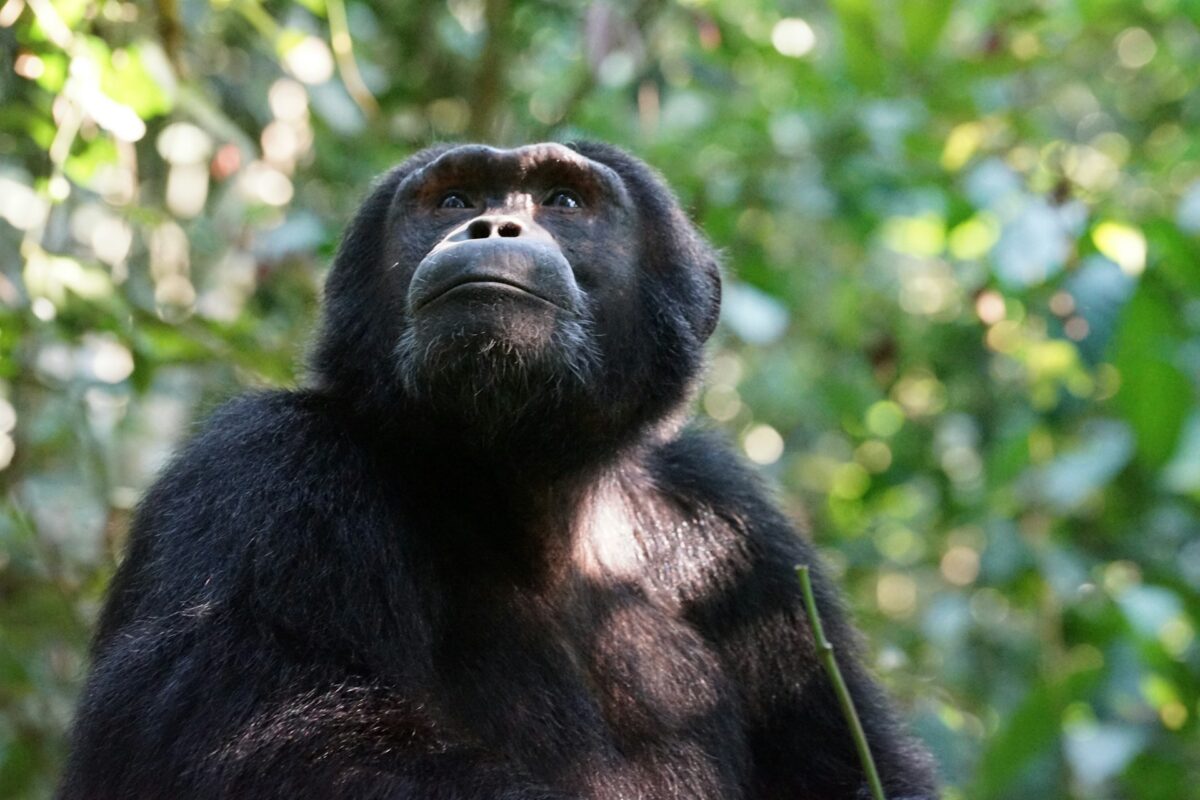
Wild chimpanzees have been observed taking care of members with disabilities. They’ll slow down for those who can’t walk well and share food with chimps who can’t forage effectively.
One chimp with a paralyzed arm was helped by others for years. The group adjusted their daily routines to accommodate the injured member.
This caregiving requires patience and understanding that not all animals show.
Like Go2Tutors’s content? Follow us on MSN.
Parrots refusing to eat until cage mates are fed
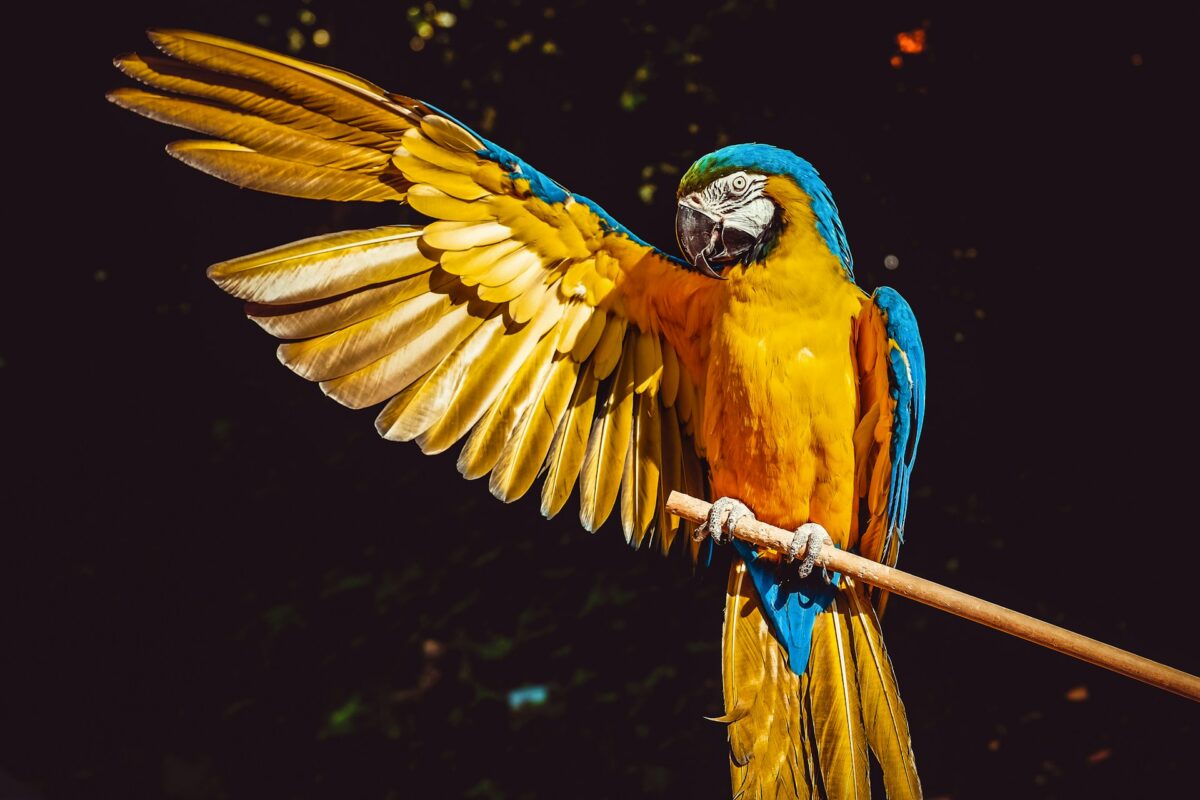
Pet parrots have been known to refuse their own food until their companion birds receive theirs first. This happens even between different parrot species.
One Amazon parrot would push food toward a smaller parakeet before taking any herself. The behavior suggests an awareness of fairness and concern for others.
Researchers studying parrot intelligence find this type of behavior indicates complex social thinking.
Dogs and goats becoming inseparable companions
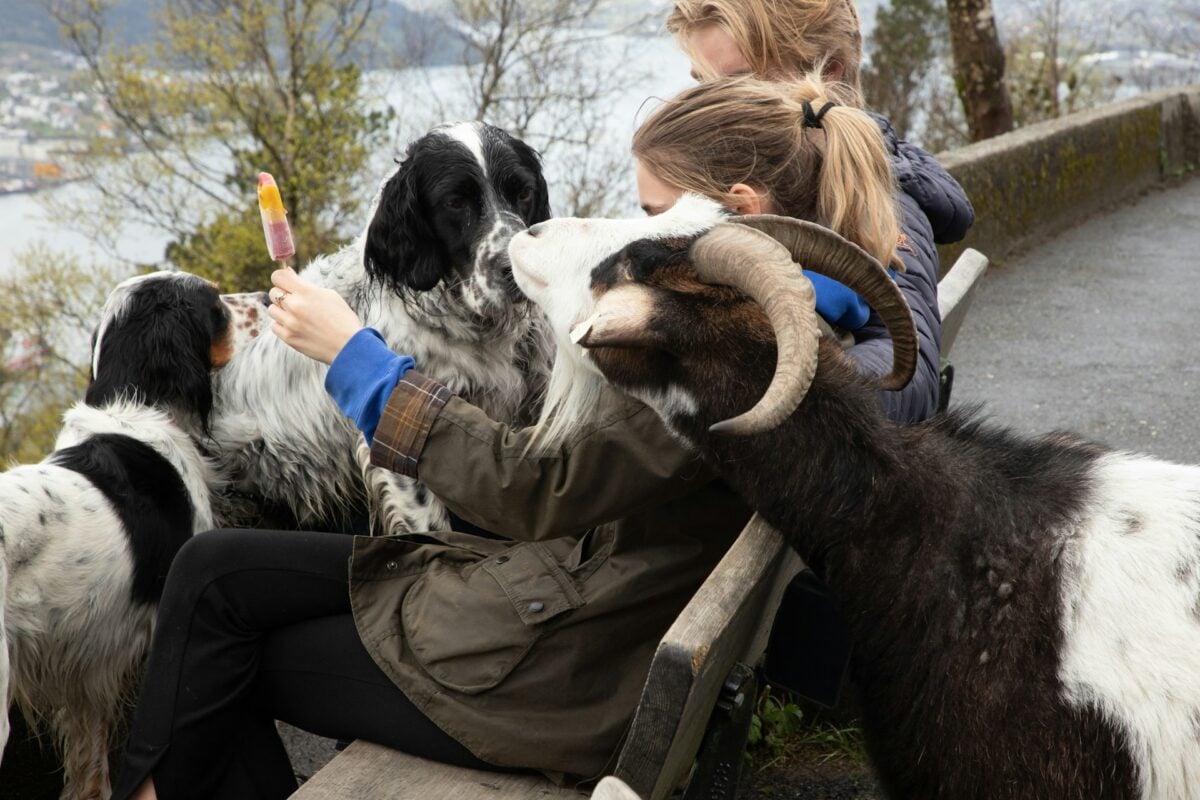
Farm dogs sometimes bond more closely with goats than with other dogs. They’ll sleep together and become distressed when separated.
A dog in England refused to leave a baby goat that was rejected by its mother, keeping the kid warm through cold nights. The dog taught the goat to play fetch and other dog games.
These cross-species bonds can be as strong as same-species relationships.
Foxes and dogs playing together regularly
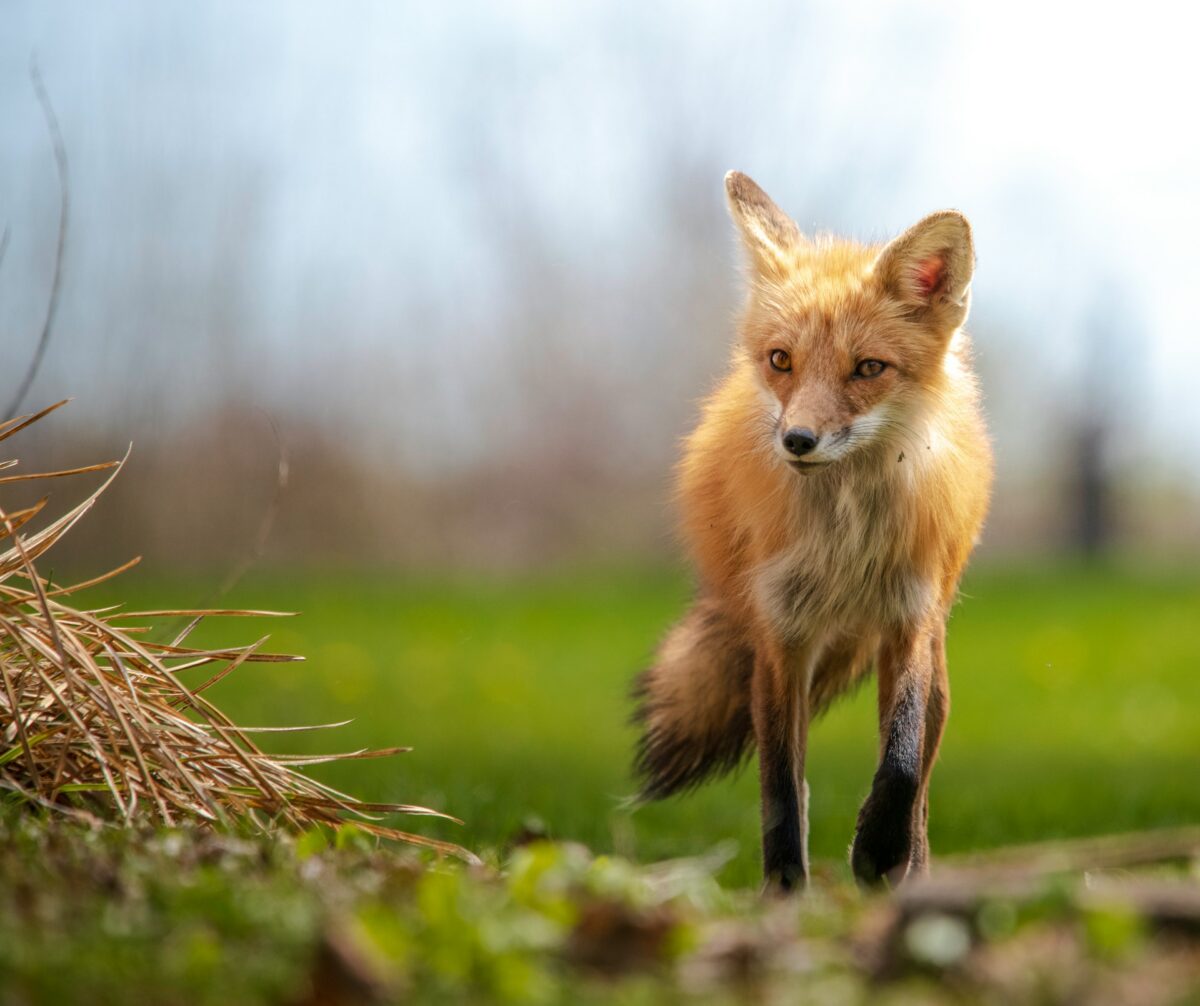
Wild foxes occasionally form friendships with domestic dogs, meeting in specific locations to play. They’ll chase each other and share spaces without aggression.
A fox in Scotland visited the same dog every evening for two years, arriving at precisely the same time. The fox would wait if the dog was late.
These meetings happen despite foxes normally avoiding domestic animals.
Like Go2Tutors’s content? Follow us on MSN.
Horses protecting smaller farm animals
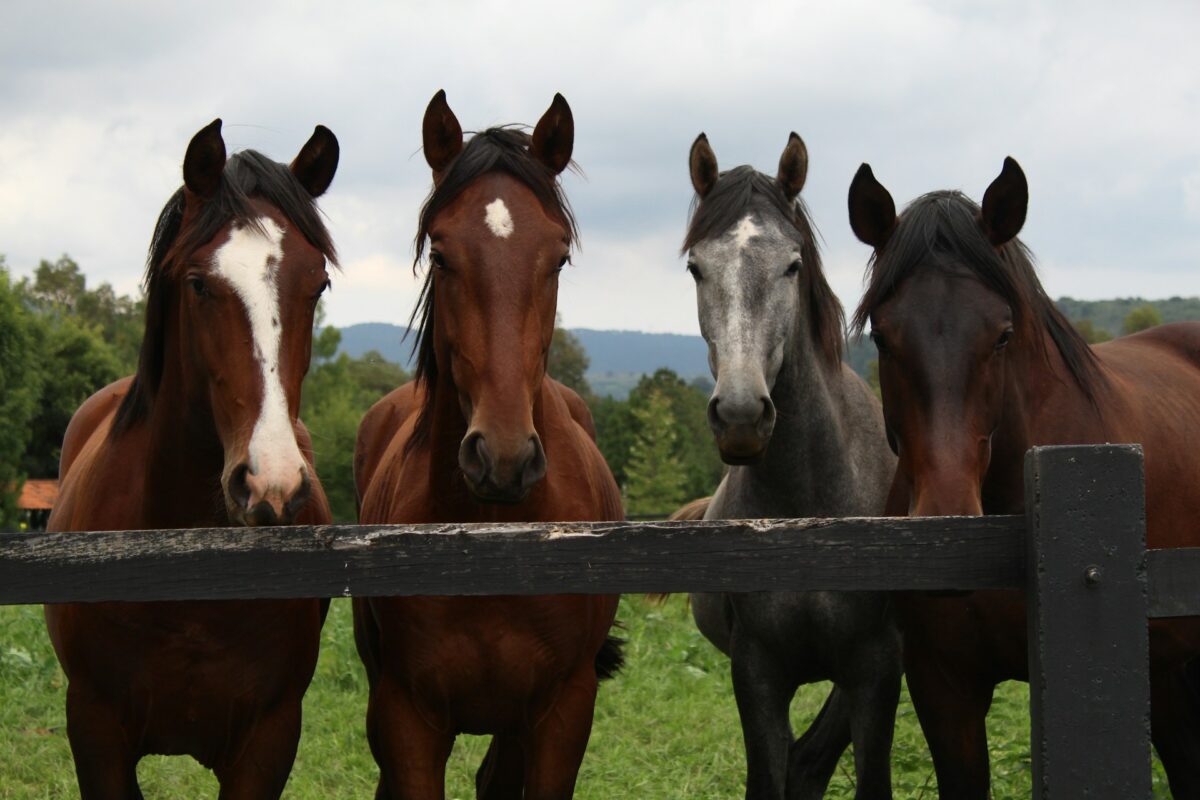
Horses will sometimes guard chickens, ducks, and even cats from predators. They position themselves between threatened animals and danger.
A horse in Australia was filmed deliberately stepping between a snake and a group of chickens, driving the snake away. Horses have also been known to allow smaller animals to shelter between their legs during storms.
This protective behavior extends to animals the horses see regularly.
Orangutans befriending dogs in sanctuaries
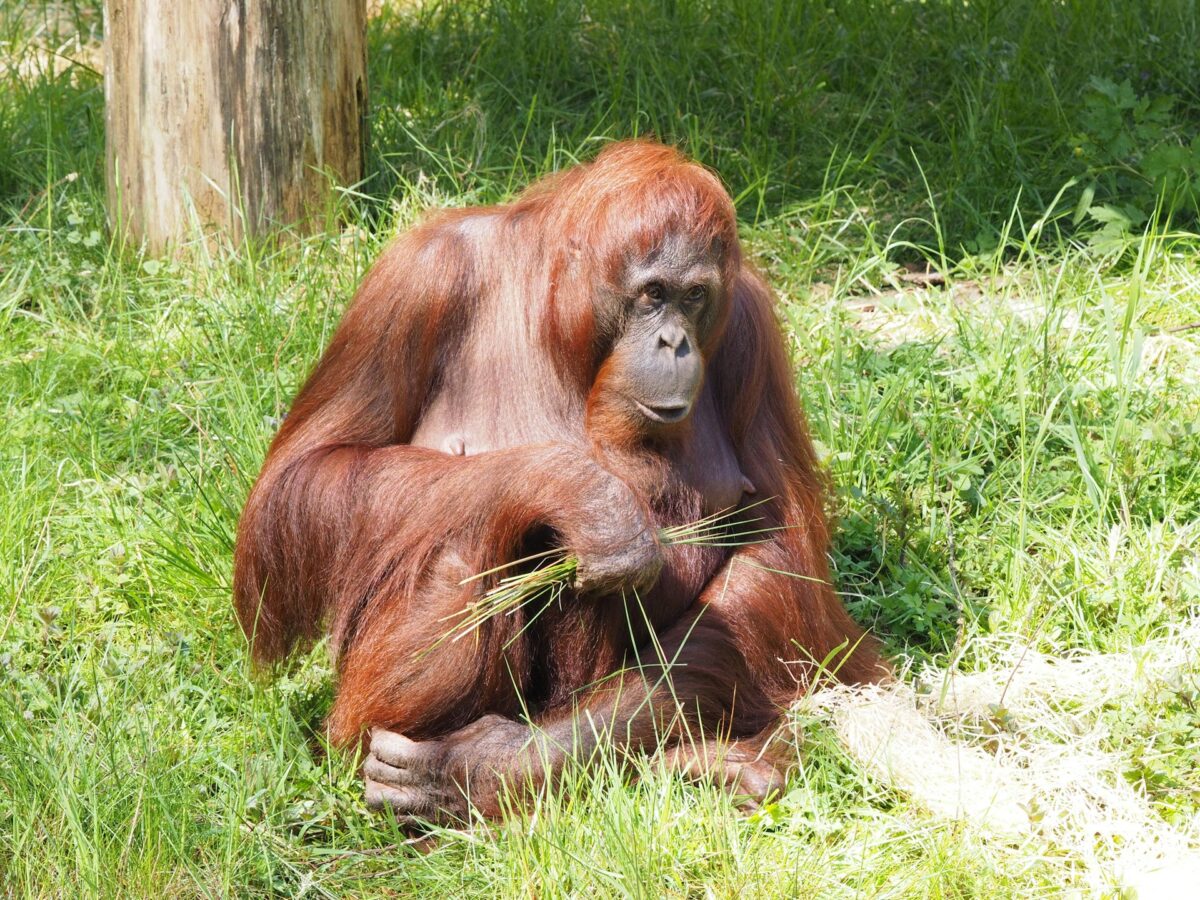
At wildlife sanctuaries, orangutans have formed bonds with stray dogs that wander through the grounds. They’ll groom the dogs and play gentle games together.
One orangutan would save fruit from her meals to give to a dog that visited daily. The dog would wait outside the orangutan’s enclosure every morning.
These friendships develop naturally without human intervention and last for years.
Wolves raising abandoned puppies alongside their own
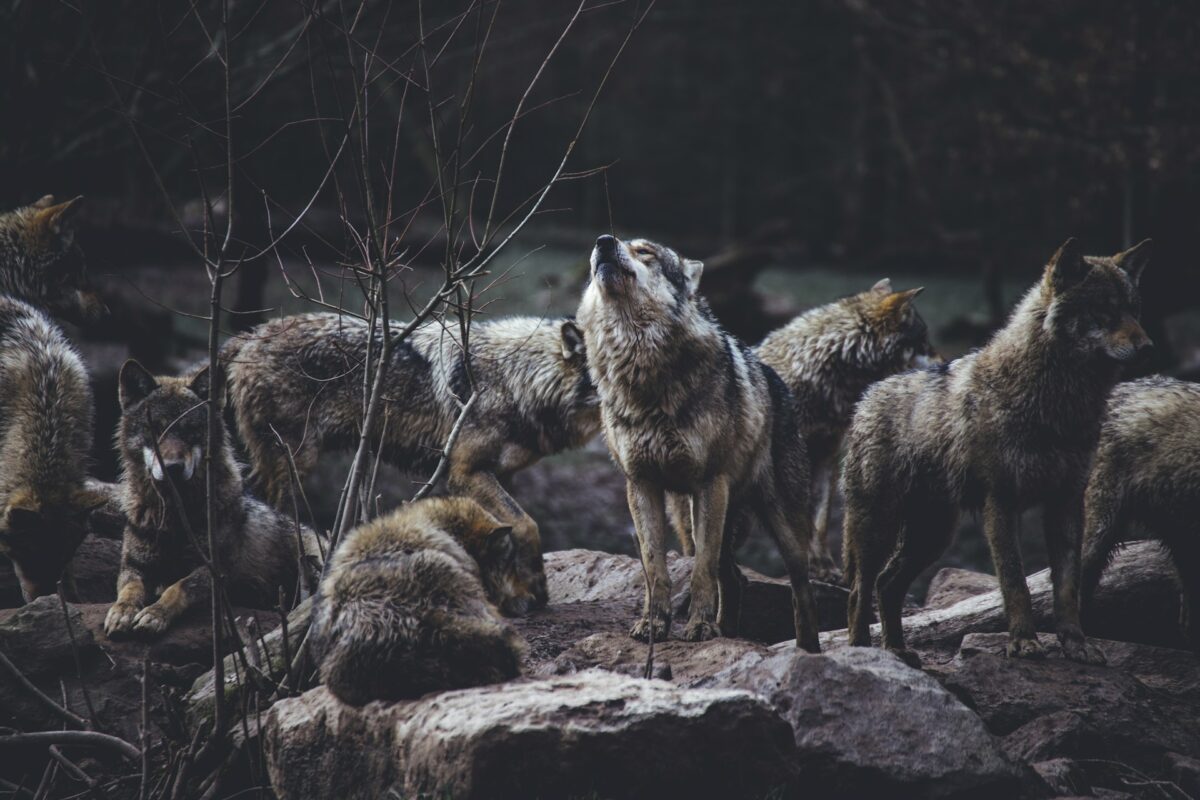
Wild wolves have been documented bringing domestic puppies into their dens and raising them with wolf cubs. The pack treats the puppies as pack members, teaching them to hunt and protecting them.
A pack in Russia raised three abandoned puppies for over a year before the dogs chose to return to human settlements. The wolves showed the same parenting behaviors toward the puppies as they did their own young.
Like Go2Tutors’s content? Follow us on MSN.
Bees appearing to comfort stressed hive members
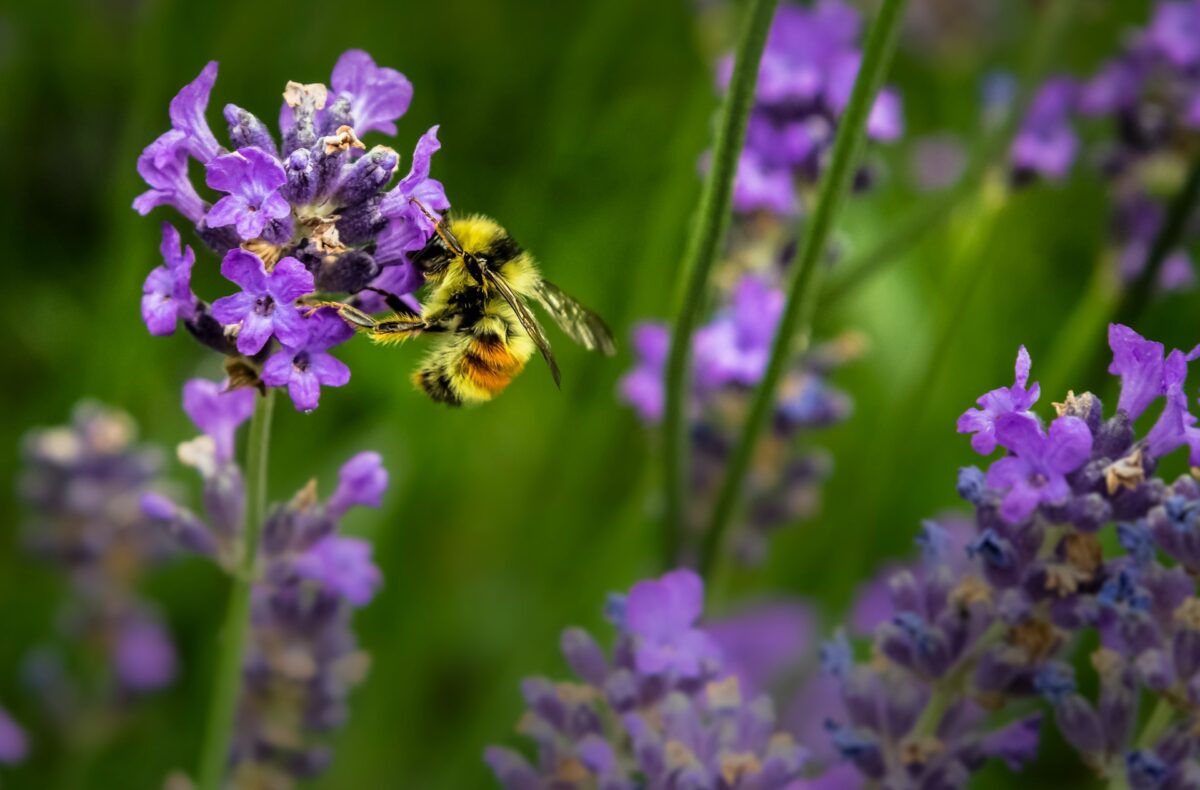
Recent research suggests honeybees may comfort agitated bees through specific movements and sounds. When a bee is stressed, others will approach and perform calming behaviors.
They vibrate at particular frequencies and touch the distressed bee with their antennae. The stressed bee’s behavior changes after these interactions, becoming less agitated.
Scientists are still studying whether this represents true empathy or an instinctive response to maintain hive harmony.
When differences don’t matter anymore
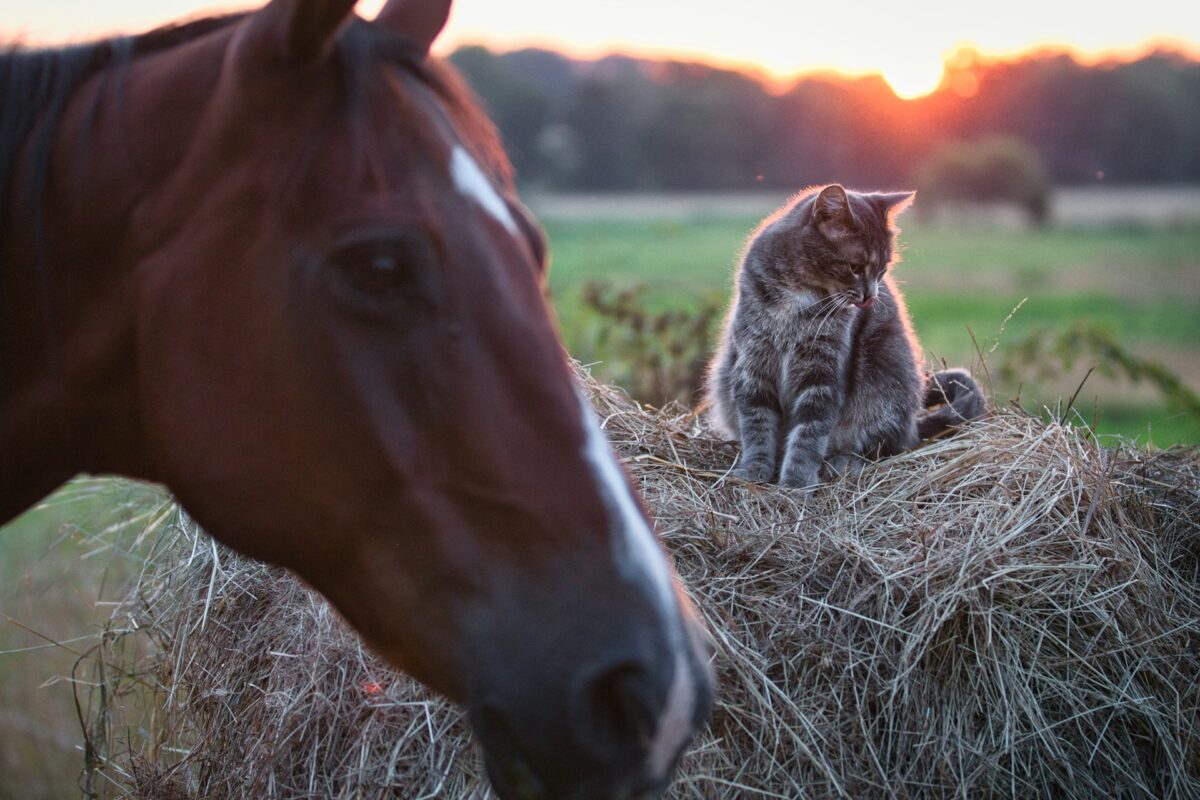
Animal friendships that cross species lines reveal something important about nature. The instincts that usually keep different animals apart can be overcome by individual experiences and personalities.
These unusual bonds happen in the wild and in homes, showing that animals are capable of recognizing individuals beyond their own kind.
More from Go2Tutors!

- 16 Historical Figures Who Were Nothing Like You Think
- 12 Things Sold in the 80s That Are Now Illegal
- 15 VHS Tapes That Could Be Worth Thousands
- 17 Historical “What Ifs” That Would Have Changed Everything
- 18 TV Shows That Vanished Without a Finale
Like Go2Tutors’s content? Follow us on MSN.