Old Hollywood’s Forgotten Designer Secrets
When you watch classic Hollywood films, the costumes look effortless and glamorous. What you don’t see are the clever tricks costume designers used behind the scenes to make stars look perfect on camera.
These ingenious techniques shaped how we remember golden age cinema, yet most of them have been lost to time or overshadowed by the final product.Here is a list of 12 forgotten designer secrets from Old Hollywood’s golden age.
Blue-Tinted Glasses for Black and White
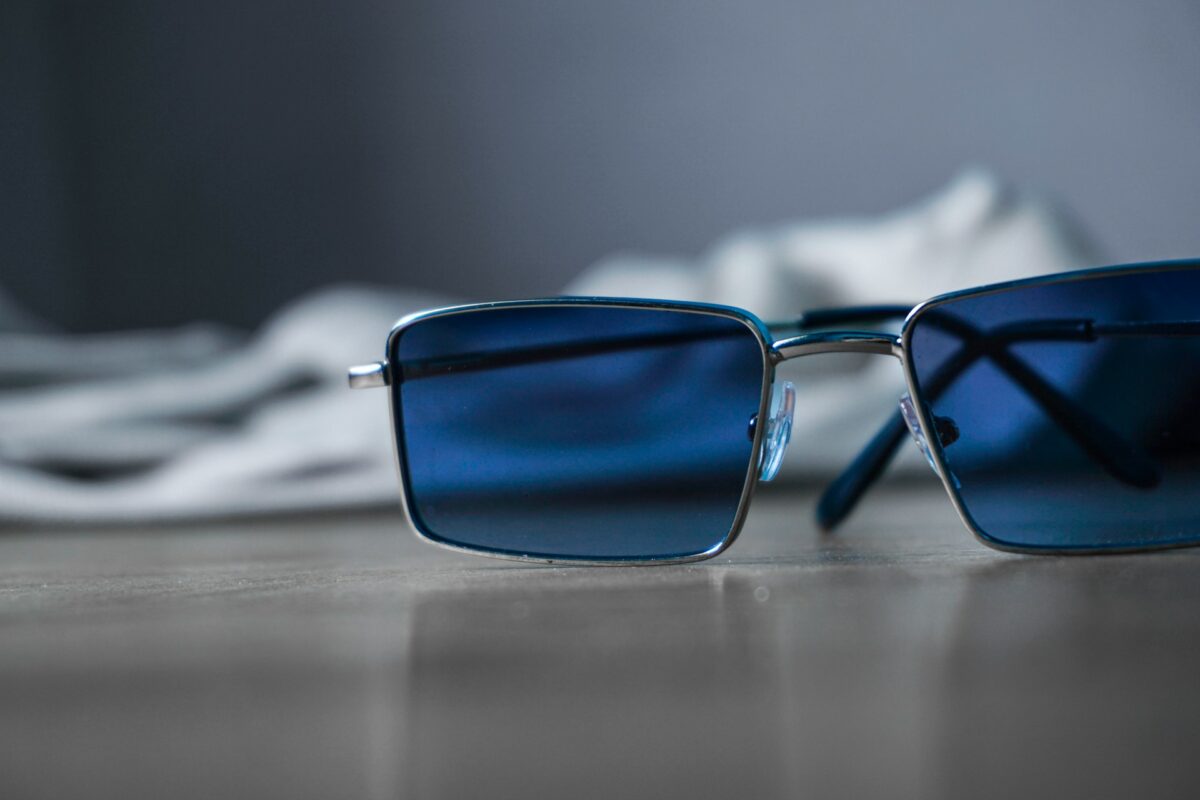
Edith Head wore sunglasses with custom blue-tinted lenses that allowed her to see how costumes would photograph in black and white film. This wasn’t just a fashion statement. The tinted lenses helped her predict exactly how fabrics, patterns, and colors would translate on screen before a single frame was shot.
While audiences assumed she wore the glasses as part of her signature look, they were actually a practical tool that gave her an edge in the costume department.
The Three C System
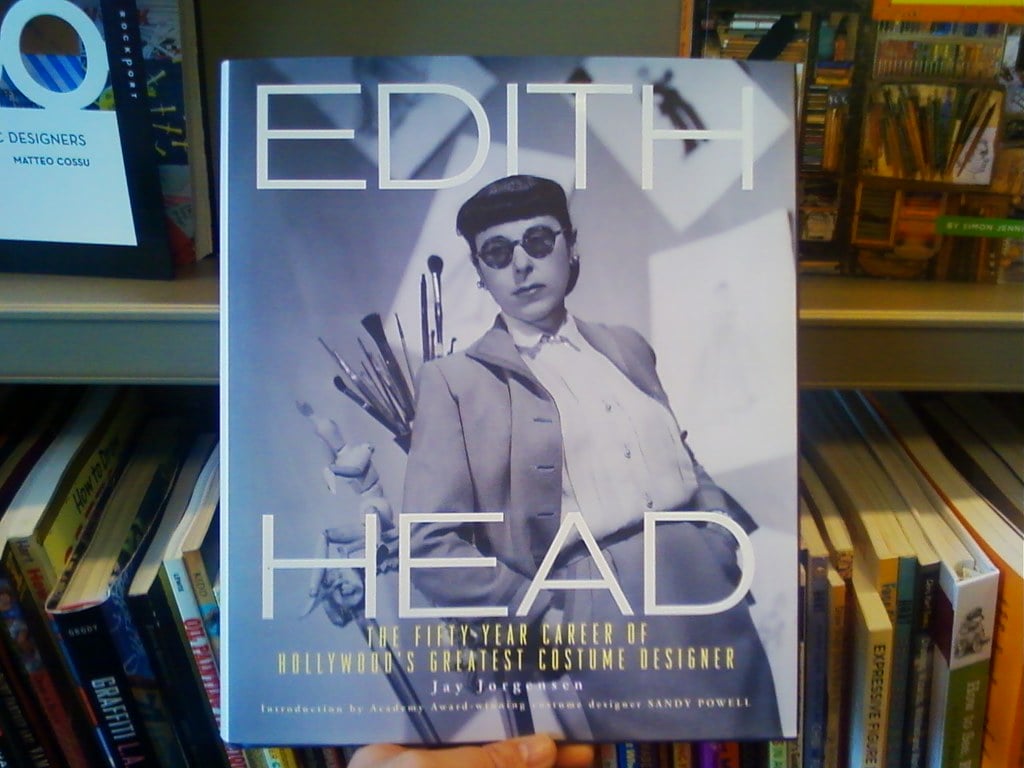
Edith Head developed a system called the ‘Three C’s’ which stood for cover-up, conceal, and camouflage. This approach wasn’t about hiding flaws but rather strategically directing the viewer’s eye.
Designers used techniques like strategic cummerbunds, gathered accents at the waist, and other distractions to make proportions appear different than they actually were. The goal was to create the illusion of ideal proportions through smart design choices rather than demanding impossible body standards from actresses.
Like Go2Tutors’s content? Follow us on MSN.
Platform Shoes Before They Were Trendy
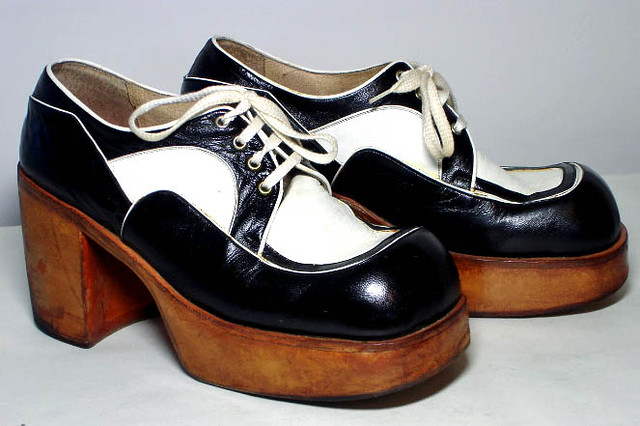
Mae West insisted on wearing platform shoes even before it became fashionable because she disliked being only 5 feet tall. Costume designers had to account for this preference and build entire wardrobes around elevated footwear.
The platforms added height without the instability of extremely high heels, allowing actresses to move naturally on set while appearing taller on screen. This practical solution became a standard trick for petite stars throughout Hollywood’s golden age.
Fabrics That Sang on Film
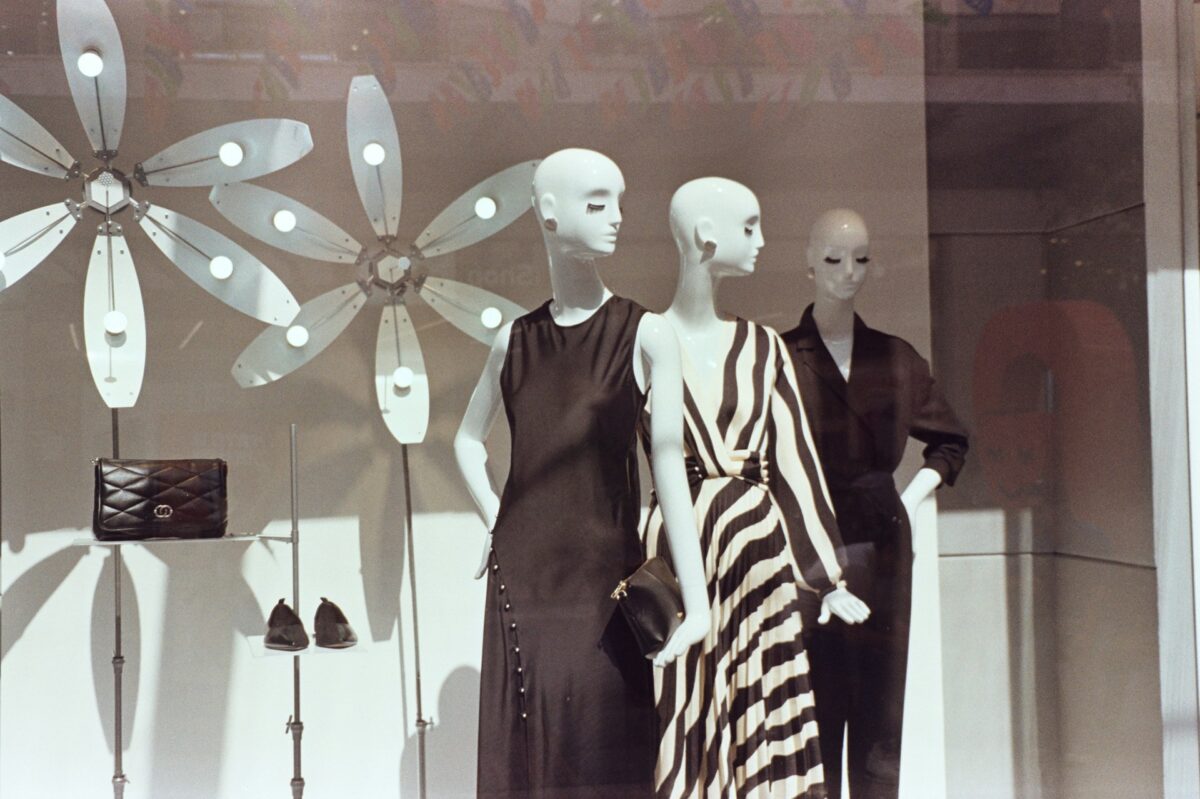
The introduction of sound in films didn’t just affect dialogue but also forced costume designers to reconsider which fabrics, shoes, and accessories would work with sensitive microphones. Designers like Milo Anderson used metallic paint on rope to fake chainmail in films like The Adventures of Robin Hood, which reduced both noise and weight.
Materials that rustled, clinked, or scraped had to be replaced with quieter alternatives that still looked authentic on camera. This constraint actually pushed designers toward more innovative solutions.
Built-In Body Sculpting
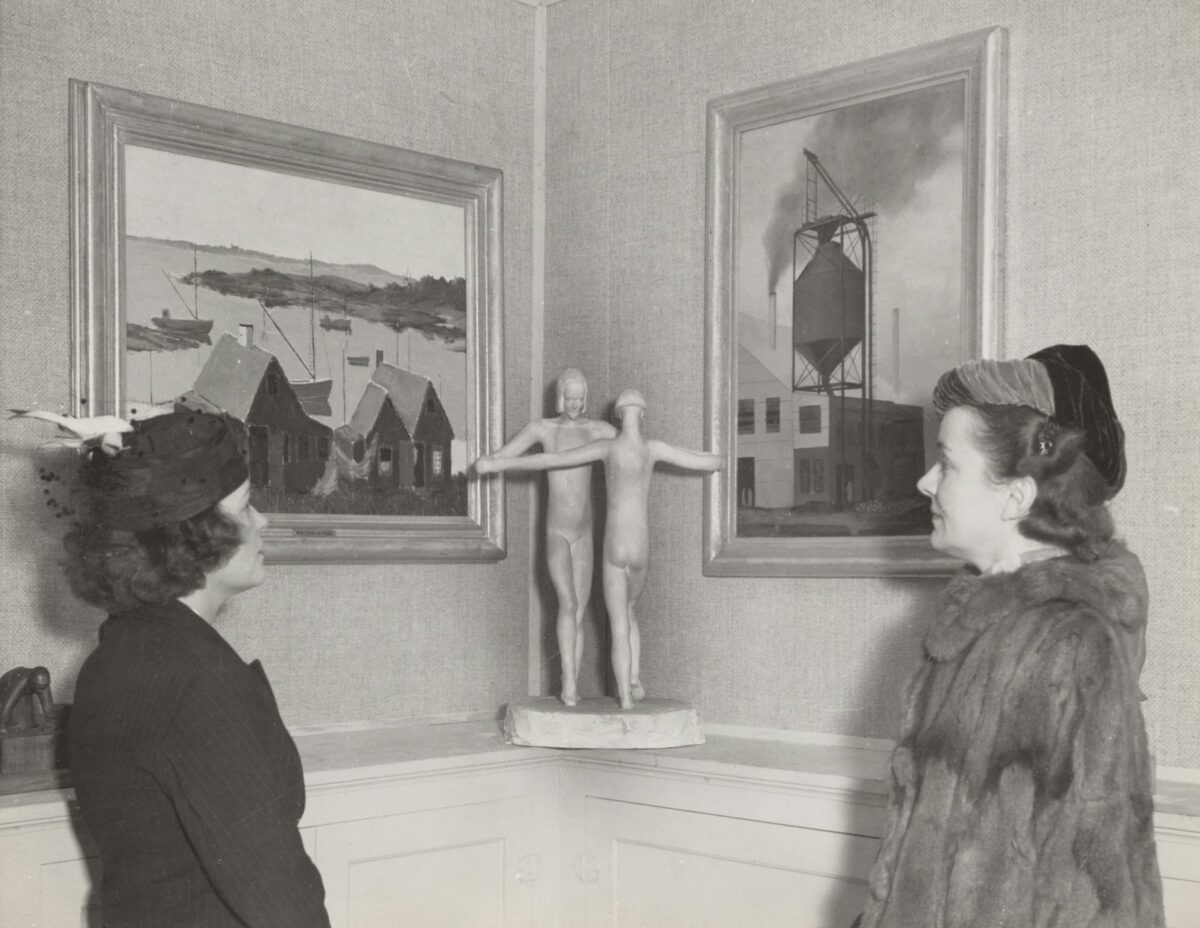
Costumes for principal stars were often crafted as fine couture fashion with intricate internal structure, built from the finest delicate materials combined with fabrics that would shape the body. Costume designers sometimes had actresses’ bodies taped and positioned to create specific silhouettes, like having Vivien Leigh’s figure adjusted to achieve a particular look for Gone with the Wind.
These weren’t separate undergarments but structural elements woven directly into the costumes themselves. The internal architecture of a gown could do as much work as any corset.
Like Go2Tutors’s content? Follow us on MSN.
Statement Details as Distraction
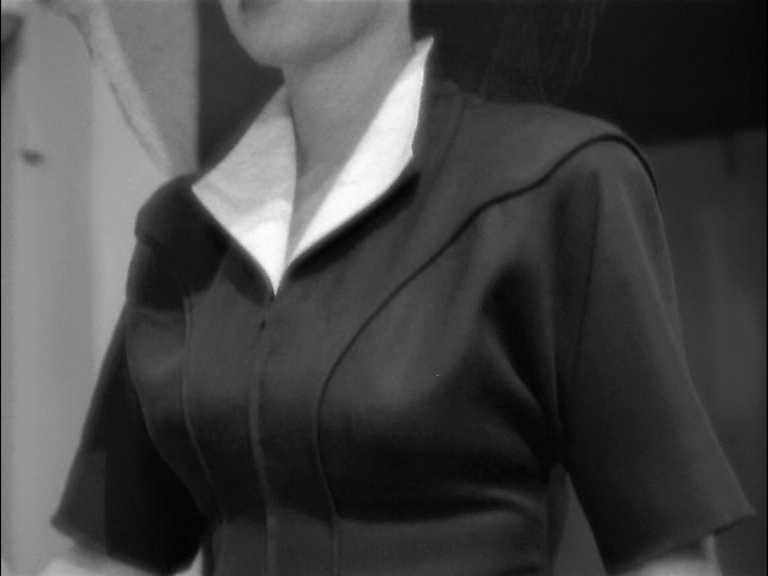
Orry-Kelly designed for distraction and would cunningly disguise less-than-perfect elements of stars with statement pockets and buttons to redirect audience attention. Rather than trying to make everything perfect, smart designers knew where to place an interesting detail.
A bold collar, an unusual button placement, or dramatic pocket could draw the eye exactly where the designer wanted it to go. This technique worked because viewers naturally focus on the most visually interesting elements of a costume.
The Adrian Shoulder
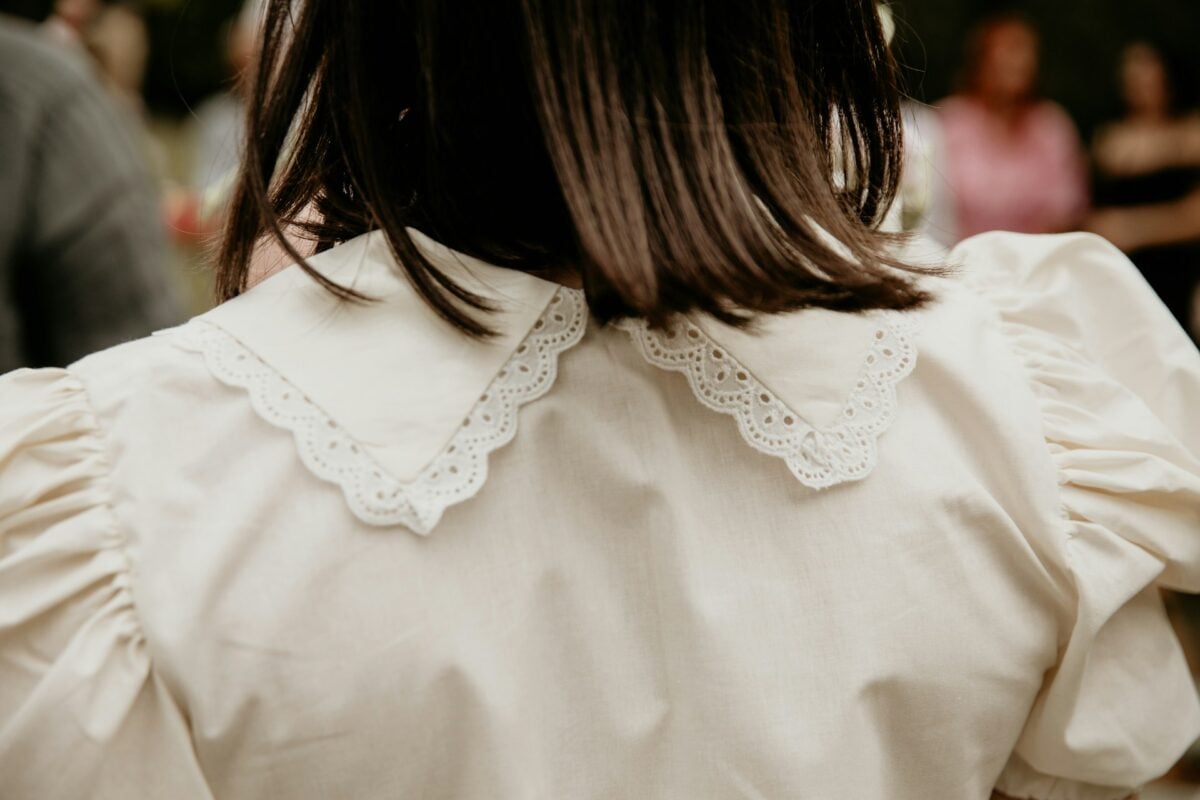
Designer Adrian emphasized Joan Crawford’s shoulders by designing outfits with shoulder pads, creating a shoulder style that became synonymous with the era’s fashion and inspired wardrobes beyond cinema. This wasn’t just about padding but about understanding how to balance proportions on screen.
Wide shoulders created a dramatic silhouette that photographed beautifully and made waists appear smaller by comparison. The technique became so popular that it defined an entire decade of fashion both on and off screen.
Emergency Costume Swaps
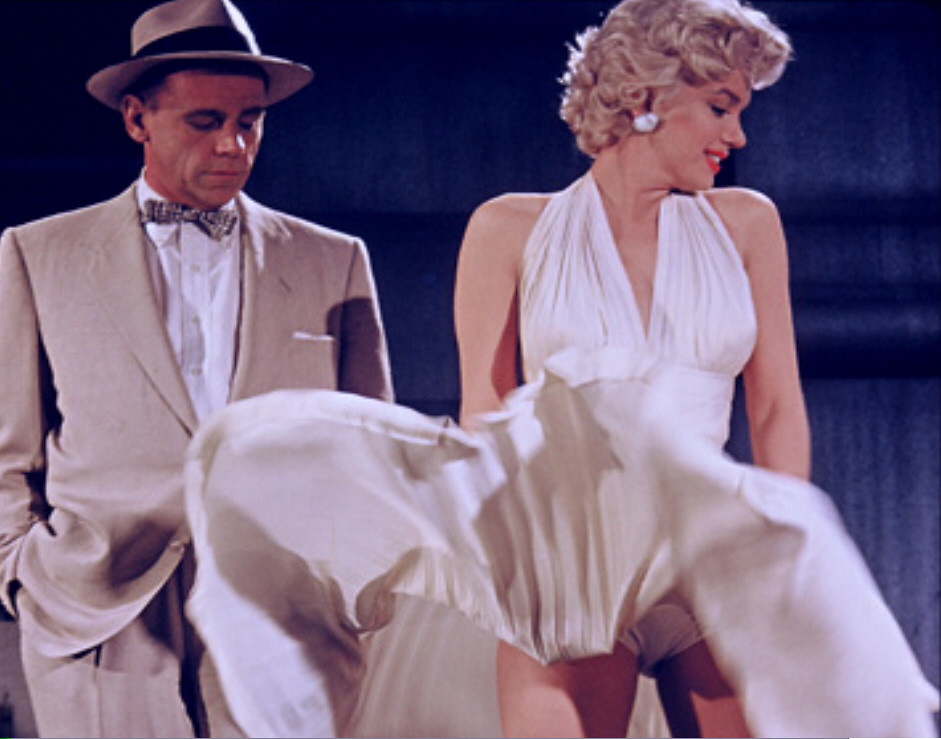
Marilyn Monroe’s pink silk dress in Gentlemen Prefer Blondes was not the original costume for that scene, but was created last minute by costumer William Travilla from silk lined in stiff felt after news of Monroe’s modeling photos leaked. Designers had to be ready to completely redesign costumes on short notice when circumstances chang
ed. Having backup plans and the ability to execute them quickly was just as important as the initial design. This flexibility separated great costume designers from merely good ones.
Like Go2Tutors’s content? Follow us on MSN.
Costuming for Camera Movement
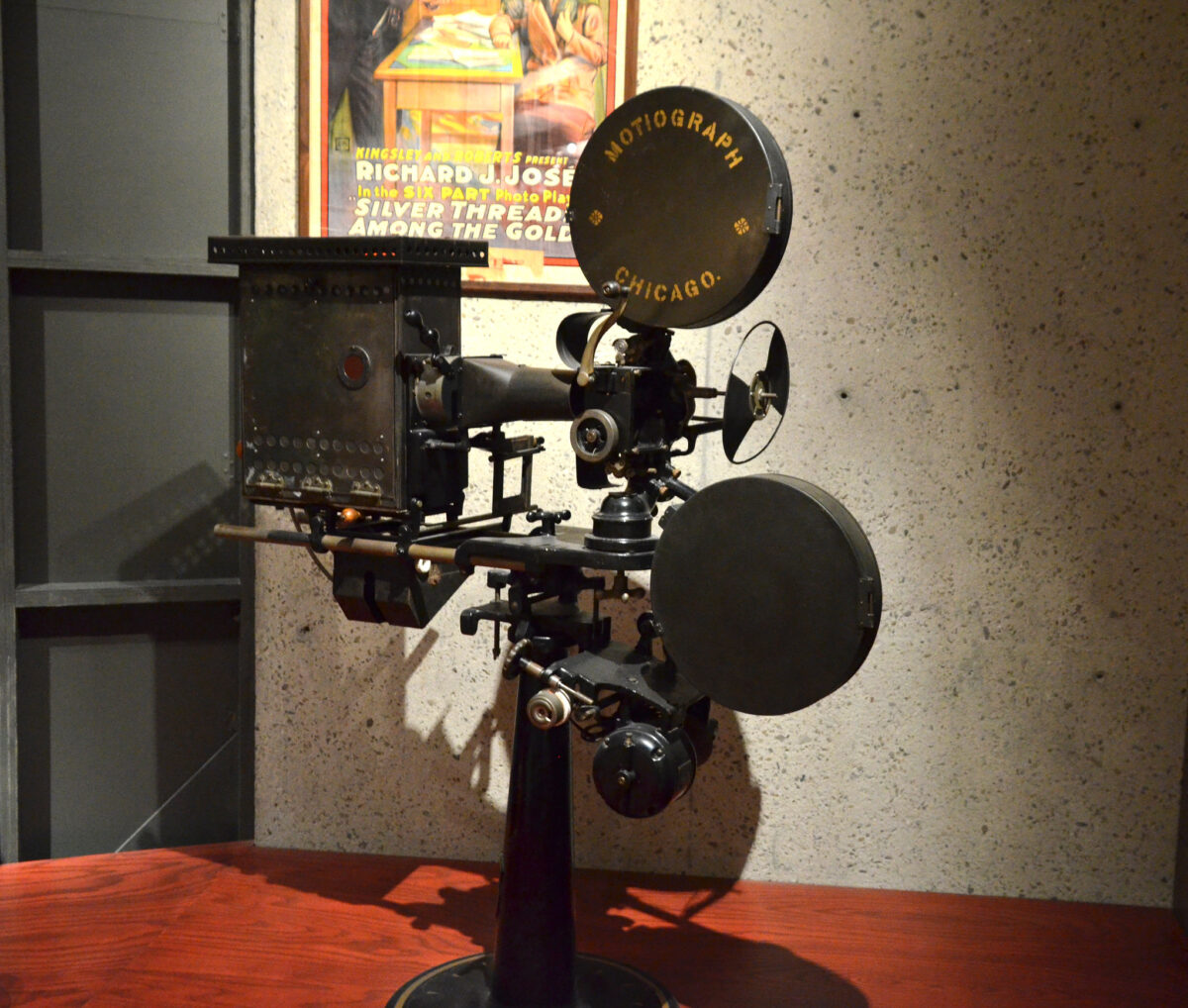
Designer Adrian understood that costumes should be planned to mirror some definite mood and be as much a part of the story as the lines or scenery, often guiding actresses in how to act with the garments. Designers had to consider how fabric would move during specific actions or camera angles.
A dress that looked perfect standing still might bunch awkwardly during a dramatic turn or fail to drape correctly when an actress sat down. The best designers choreographed costumes as carefully as any dance number.
Recycling with Purpose
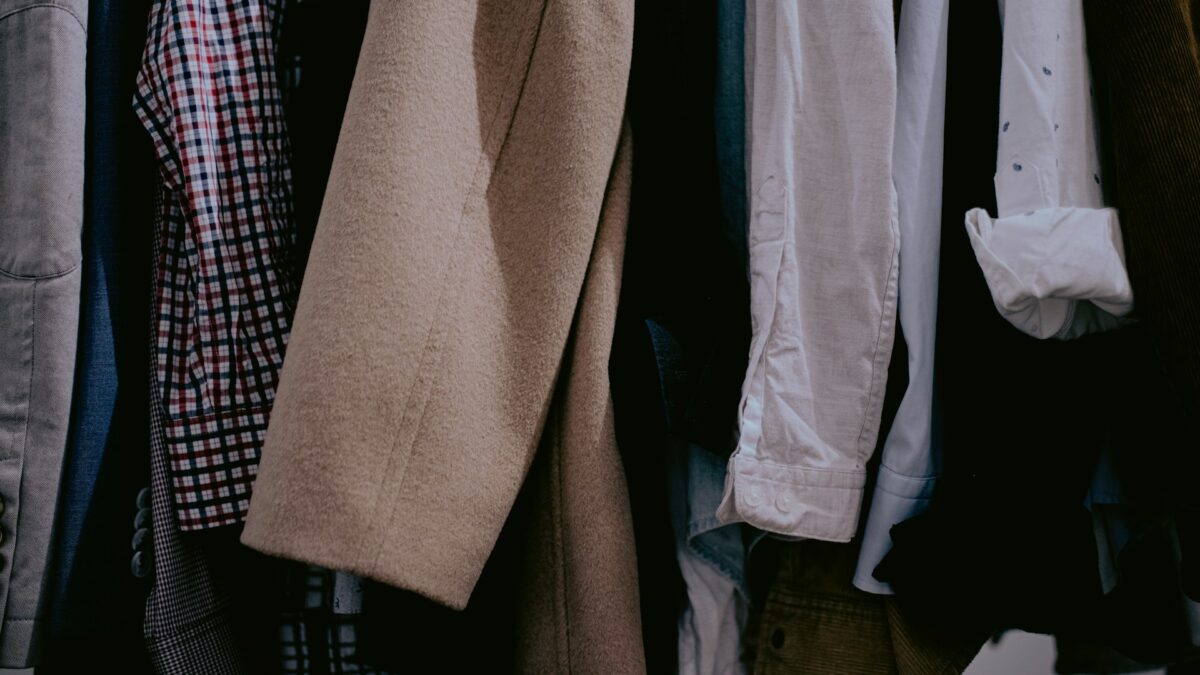
When films were completed, costumes would go into storage to be used again and again on secondary or background characters to maintain an opulent look without the expense of making new ones, often being resized, dyed, or restyled as scripts demanded. This wasn’t just about saving money.
Designers maintained extensive libraries of costumes that could be modified for different purposes. A gown from one film might become a different character’s dress in another production after strategic alterations.
This practical approach meant nothing went to waste.
Color Tricks for Monochrome
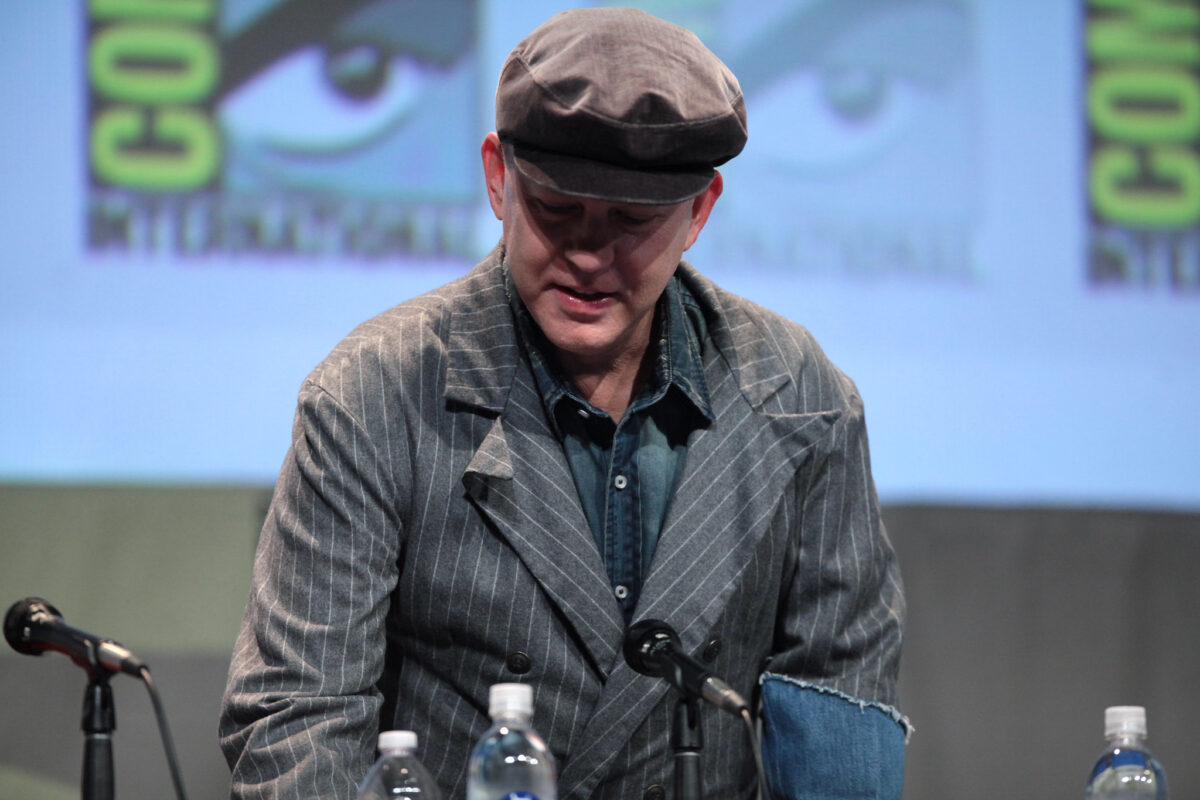
Ryan Murphy wanted to lean into the Golden Age of Hollywood with gold and warm harvest tones as a through-line for color palette when recreating the era. Even though audiences saw films in black and white, designers used specific color combinations that would create the right contrast and depth on monochrome film.
Certain colors that looked similar to the unaided eye were photographed completely differently. Understanding this invisible color language was essential for creating costumes that popped on screen.
Like Go2Tutors’s content? Follow us on MSN.
The Hidden Weight Problem
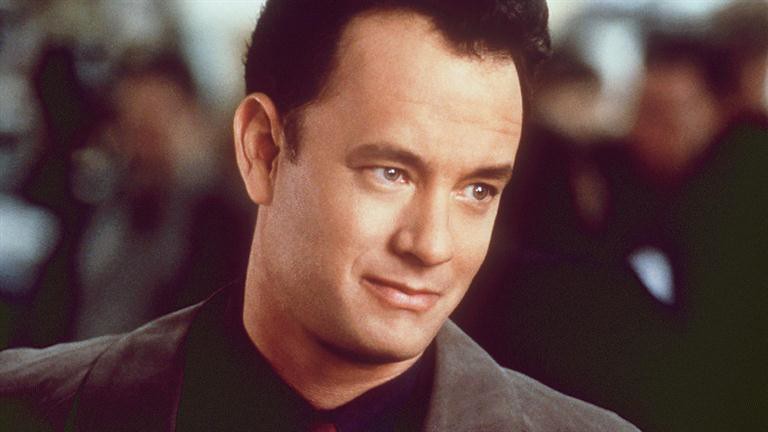
When creating Tom Hanks’ overcoat for Road to Perdition set in the 1930s, the authentic period fabric weighed 32 pounds when wet and Hanks couldn’t walk while wearing it, forcing designers to weave new fabric that looked identical but used much lighter materials. Historical accuracy had to be balanced with practical concerns.
Designers needed to honor period details while making costumes functional for long shooting days. This meant finding creative compromises that maintained the look without the original limitations.
A Practical Legacy
The techniques developed by Old Hollywood costume designers weren’t just about making movies look good. They created solutions that influenced fashion for decades and established principles still used in costume design today.
These forgotten secrets reveal that the glamour we see on screen came from practical problem-solving, not magic. The designers who made stars shine understood that great costume work is invisible—viewers should see the character, not the clever tricks that brought them to life.
More from Go2Tutors!

- 16 Historical Figures Who Were Nothing Like You Think
- 12 Things Sold in the 80s That Are Now Illegal
- 15 VHS Tapes That Could Be Worth Thousands
- 17 Historical “What Ifs” That Would Have Changed Everything
- 18 TV Shows That Vanished Without a Finale
Like Go2Tutors’s content? Follow us on MSN.