Cartoon Characters Inspired by Real People
Animation feels like pure imagination, but some of the most memorable characters we grew up watching actually came from flesh-and-blood people. Creators have always borrowed from reality to breathe life into their drawings, whether it’s a performer’s mannerisms, a celebrity’s look, or even a local personality who left an impression.
Here’s a list of cartoon characters whose origins might surprise you.
Popeye the Sailor Man
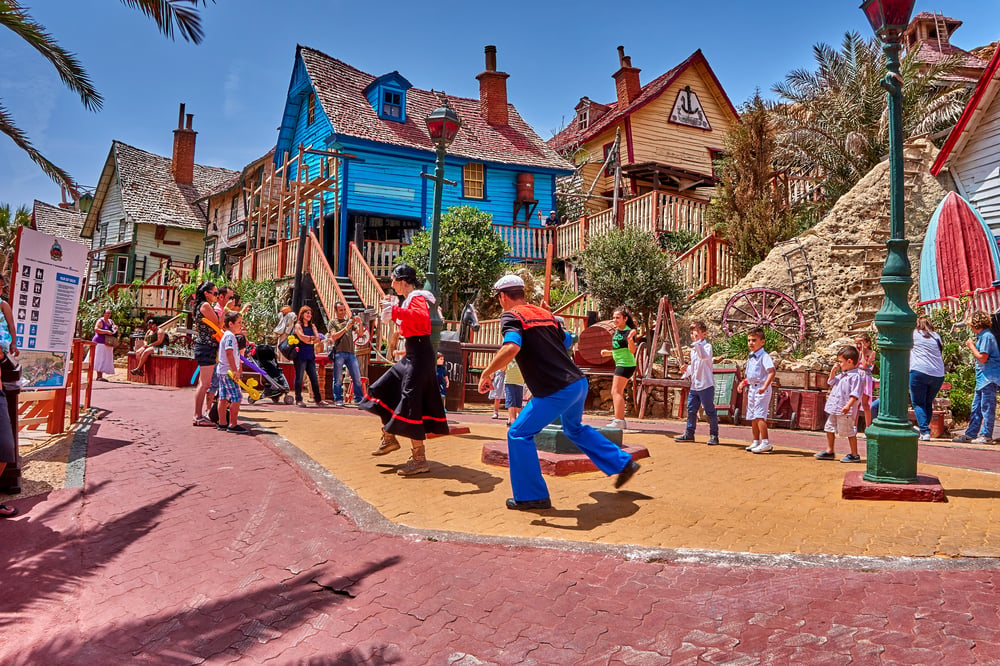
The spinach-loving sailor with the squinted eye and impressive forearms was inspired by Frank “Rocky” Fiegel, a tough local from Chester, Illinois. Cartoonist E.C. Segar grew up in the same town and knew Fiegel, who was small and wiry but had a reputation for being incredibly strong and scrappy.
The character’s signature squint, pipe, and no-nonsense attitude all came from this real-life figure who embodied the working-class toughness that made Popeye so relatable.
Betty Boop
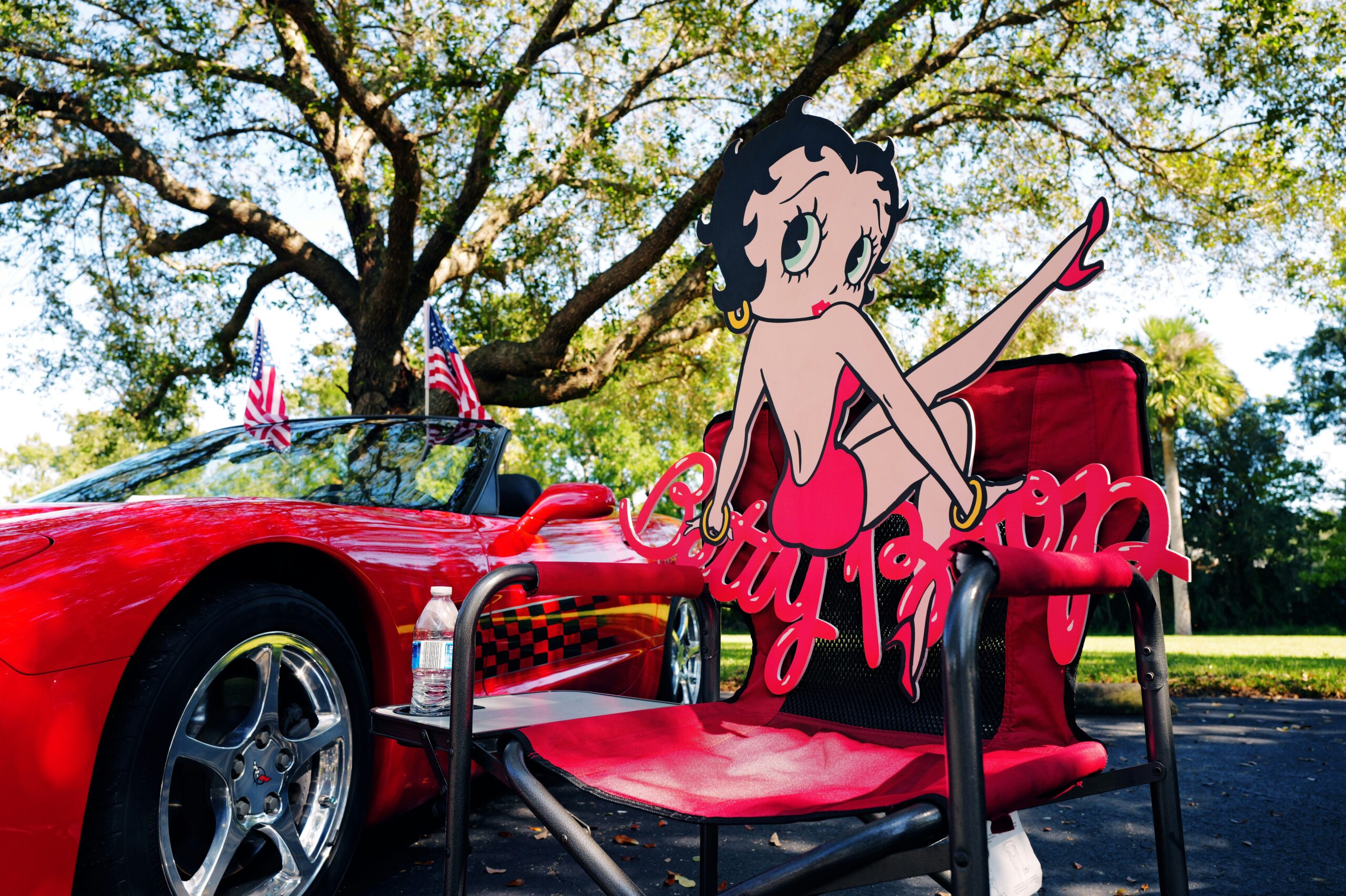
Betty Boop was primarily inspired by Helen Kane, a popular 1920s singer known as the ‘Boop-Boop-a-Doop Girl.’ Kane filed a lawsuit in 1932 seeking $250,000 in damages, claiming the character infringed on her style and image.
The case fell apart when evidence emerged that Kane herself had borrowed her singing style from other performers, including Baby Esther Jones, a Black performer who had been using similar scat-singing techniques since the mid-1920s. Despite losing the lawsuit, Fleischer Studios later admitted that Kane had been the inspiration for Betty Boop.
Like Go2Tutors’s content? Follow us on MSN.
Ursula
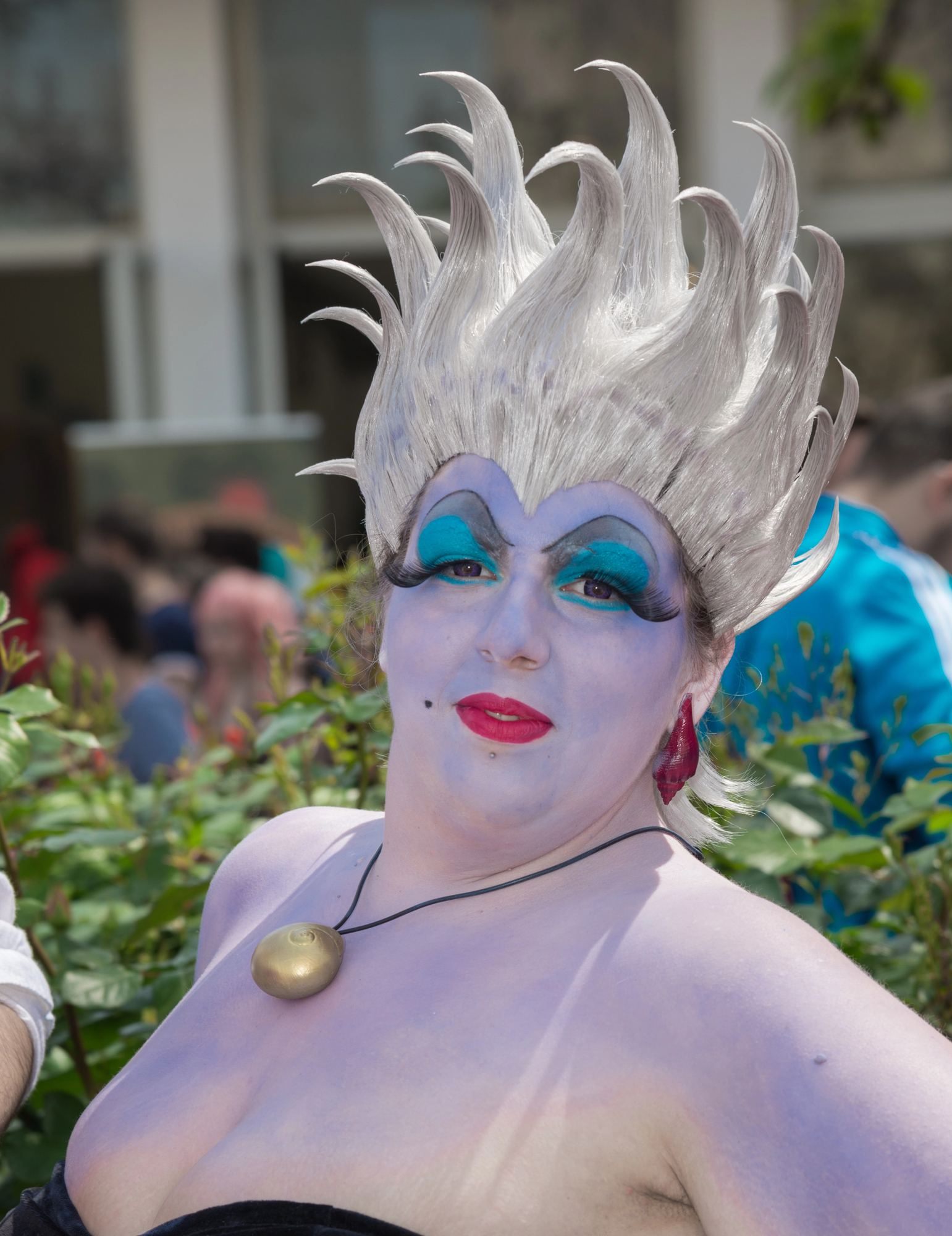
The villainous sea witch from The Little Mermaid was inspired by Glenn Milstead, better known as Divine, star of John Waters’ films like Pink Flamingoes and Hairspray. Lyricist and producer Howard Ashman, who knew Divine from Baltimore’s underground club scene, worked with artist Rob Minkoff to transform early concept sketches into a character with Divine’s signature makeup, shock of hair, and theatrical glamour.
The result was a villain who practically steals the show with her over-the-top personality and cabaret-style presence.
Edna Mode
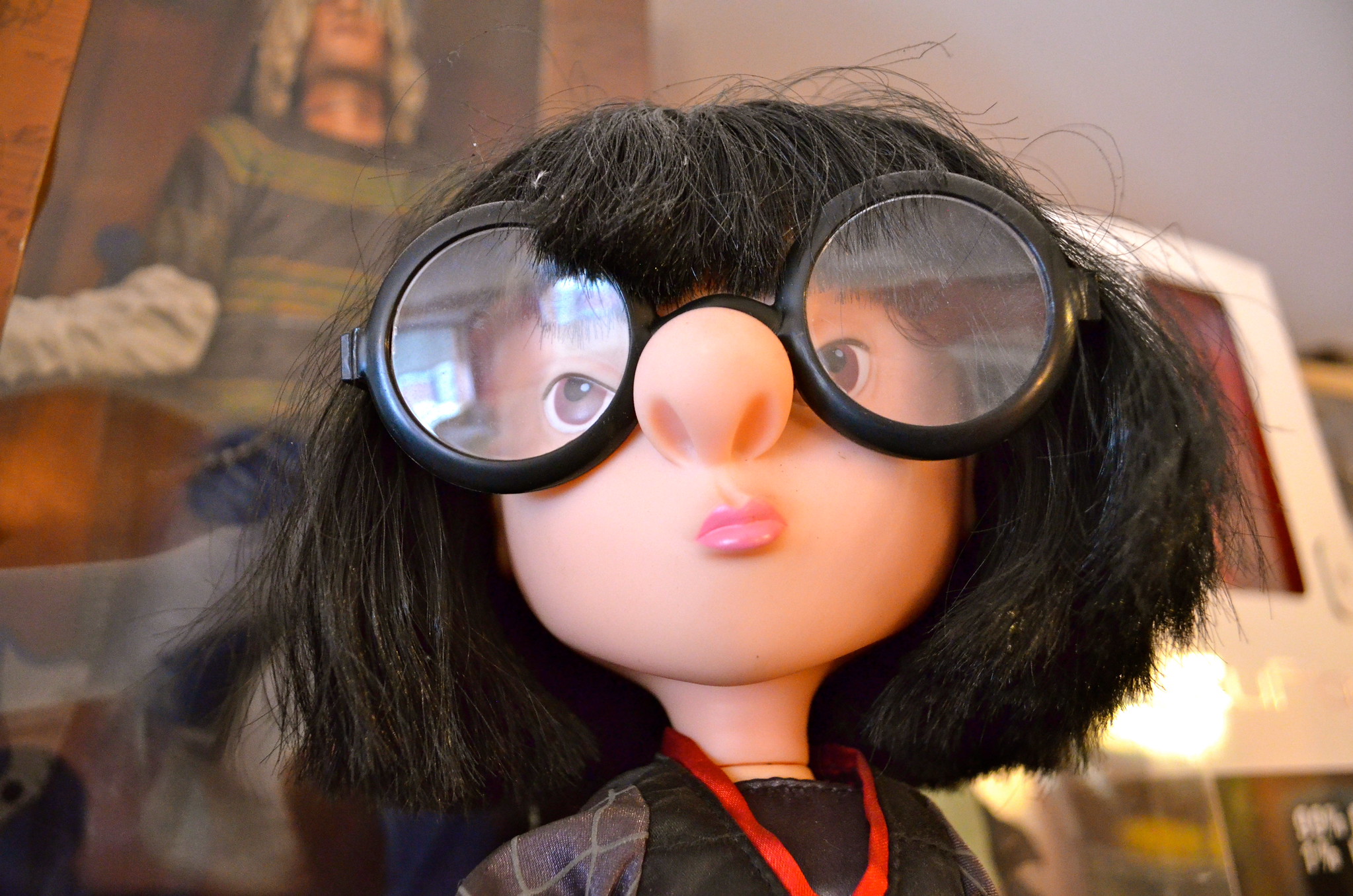
The pint-sized superhero costume designer from The Incredibles has sparked endless speculation about her real-life inspiration. While director Brad Bird has stated the character isn’t based on one specific person, Edna is widely believed to have been inspired primarily by costume designer Edith Head.
The two share signature round glasses, a black bob cut, and a forthright demeanor. Bird admitted he drew inspiration from Head, author Patricia Highsmith, and actress Linda Hunt.
What’s clear is that Edna captures the spirit of fashion industry legends who commanded respect through sheer force of personality.
Aladdin
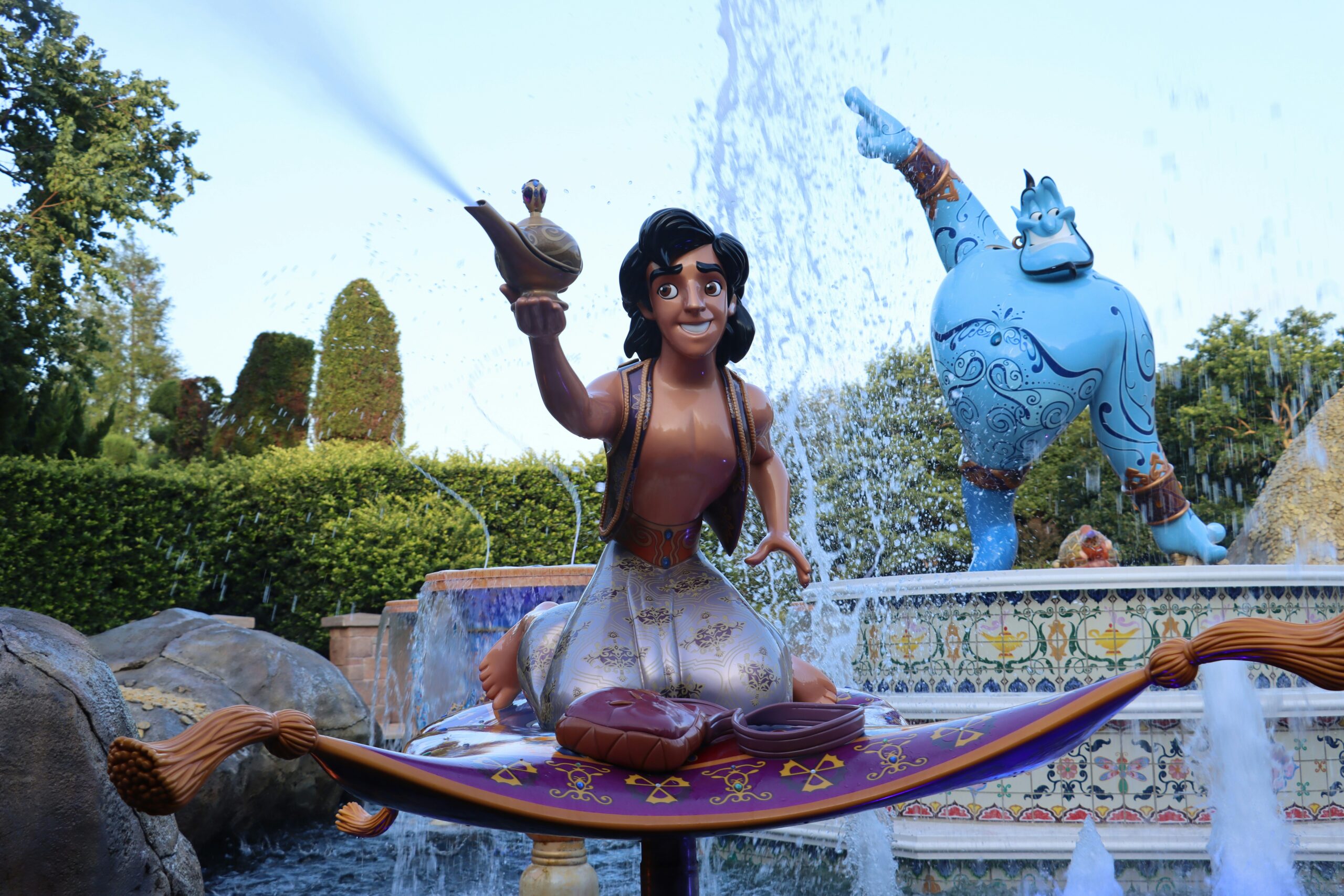
Tom Cruise heavily influenced Aladdin’s appearance at the time of production, with animators specifically referencing Cruise’s cocky grin and youthful charm from the late 1980s when designing the character’s facial expressions and mannerisms. The original concept had Aladdin looking much younger and more boyish, but the team decided they needed someone with more swagger and charisma.
Cruise’s confident energy from films like Top Gun proved to be exactly what they were looking for.
Like Go2Tutors’s content? Follow us on MSN.
Ariel
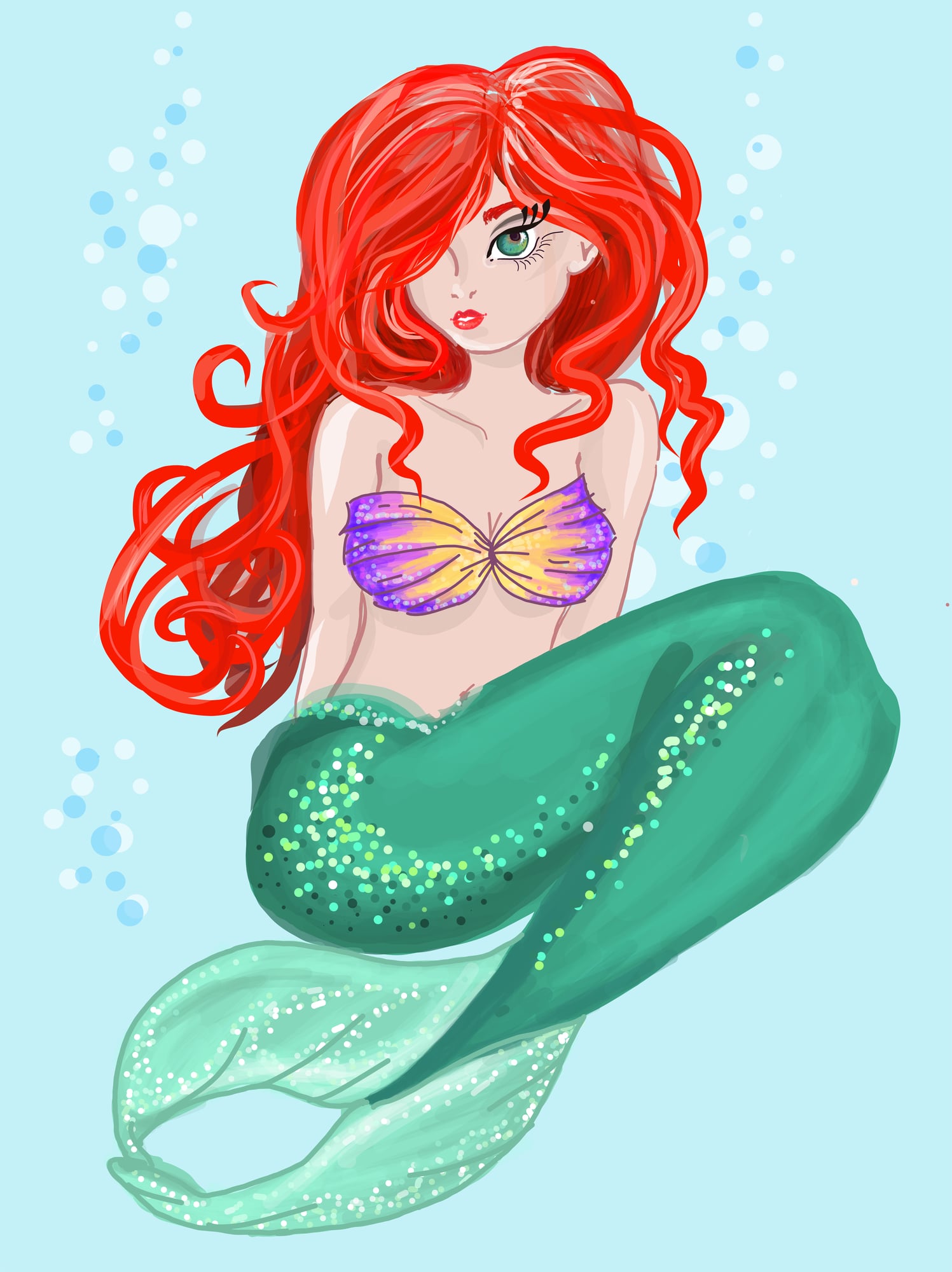
Ariel’s appearance in The Little Mermaid was based on several people, including the animator’s wife and model Sherri Stoner who provided live-action references, but mostly it was based on Alyssa Milano. Milano was at the height of her Who’s the Boss? fame when the film was in production, and her expressive features and youthful energy made her the perfect template for Disney’s most rebellious princess.
The resemblance is striking when you compare photos of young Milano with the animated mermaid.
Shrek
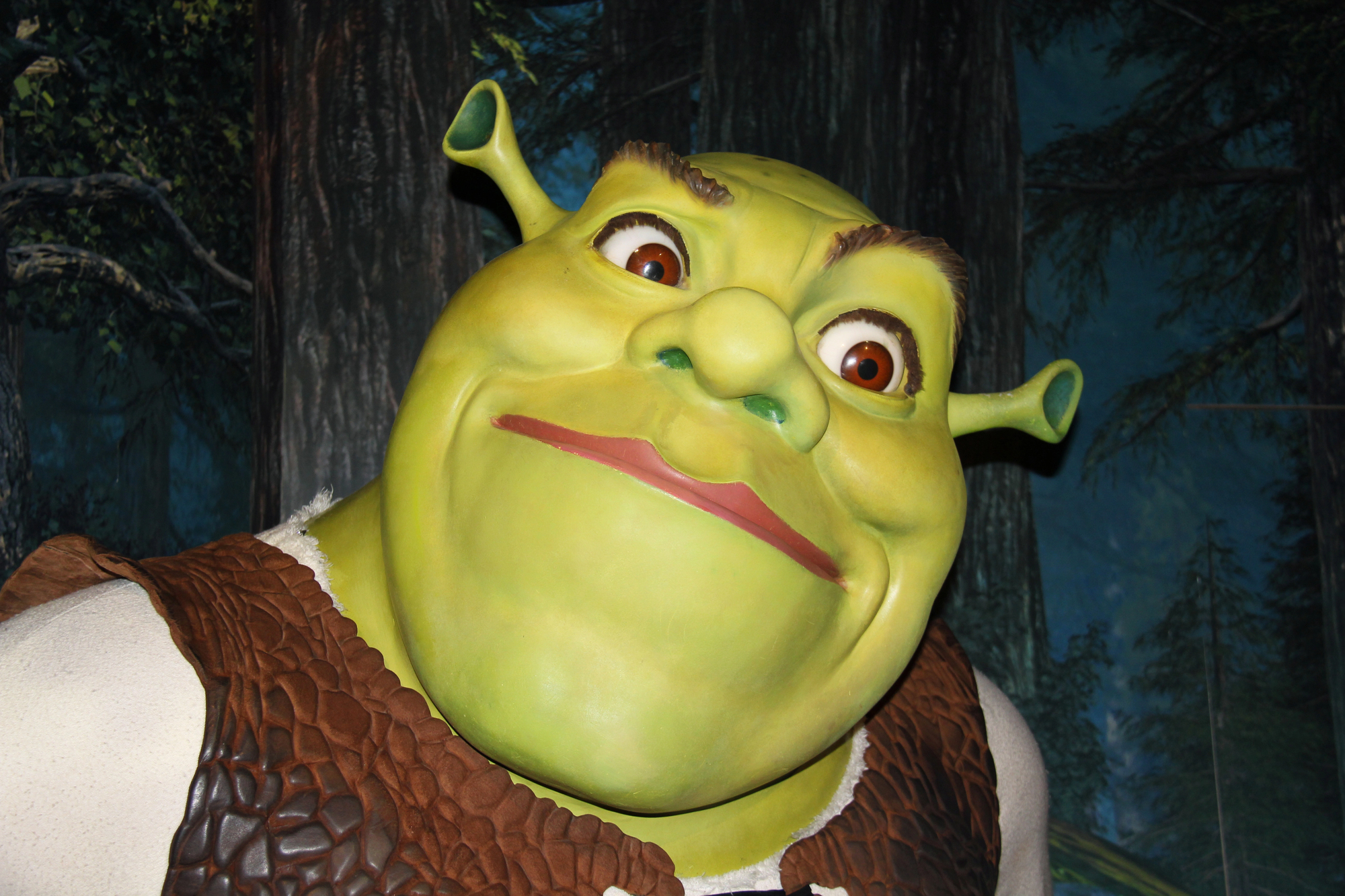
Known as ‘The French Angel,’ professional wrestler Maurice Tillet achieved fame outside of the ring as the alleged inspiration for everyone’s favorite green ogre, Shrek. DreamWorks Pictures has never officially acknowledged the similarities, but they’re nearly impossible to ignore.
Tillet had a distinctive appearance due to acromegaly, a condition that caused his facial features to enlarge. The parallels between his face and Shrek’s design have convinced many fans that this gentle giant of the wrestling world lives on in animated form.
Pocahontas

Since the film was a loose interpretation of the life of the real Pocahontas who lived during the 17th century, Disney decided it needed some authenticity in her character design, and producers had recently employed an indigenous celebrity onto the film who could be used as inspiration. Irene Bedard, who was of Inupiat, Yupik, Inuit, Cree and Métis ancestry and had extensive experience starring in indigenous films and television productions, landed the titular voice role.
Using Bedard as both voice and visual reference helped ground the character in reality, even as the film took creative liberties with history.
.Like Go2Tutors’s content? Follow us on MSN.
Tinker Bell
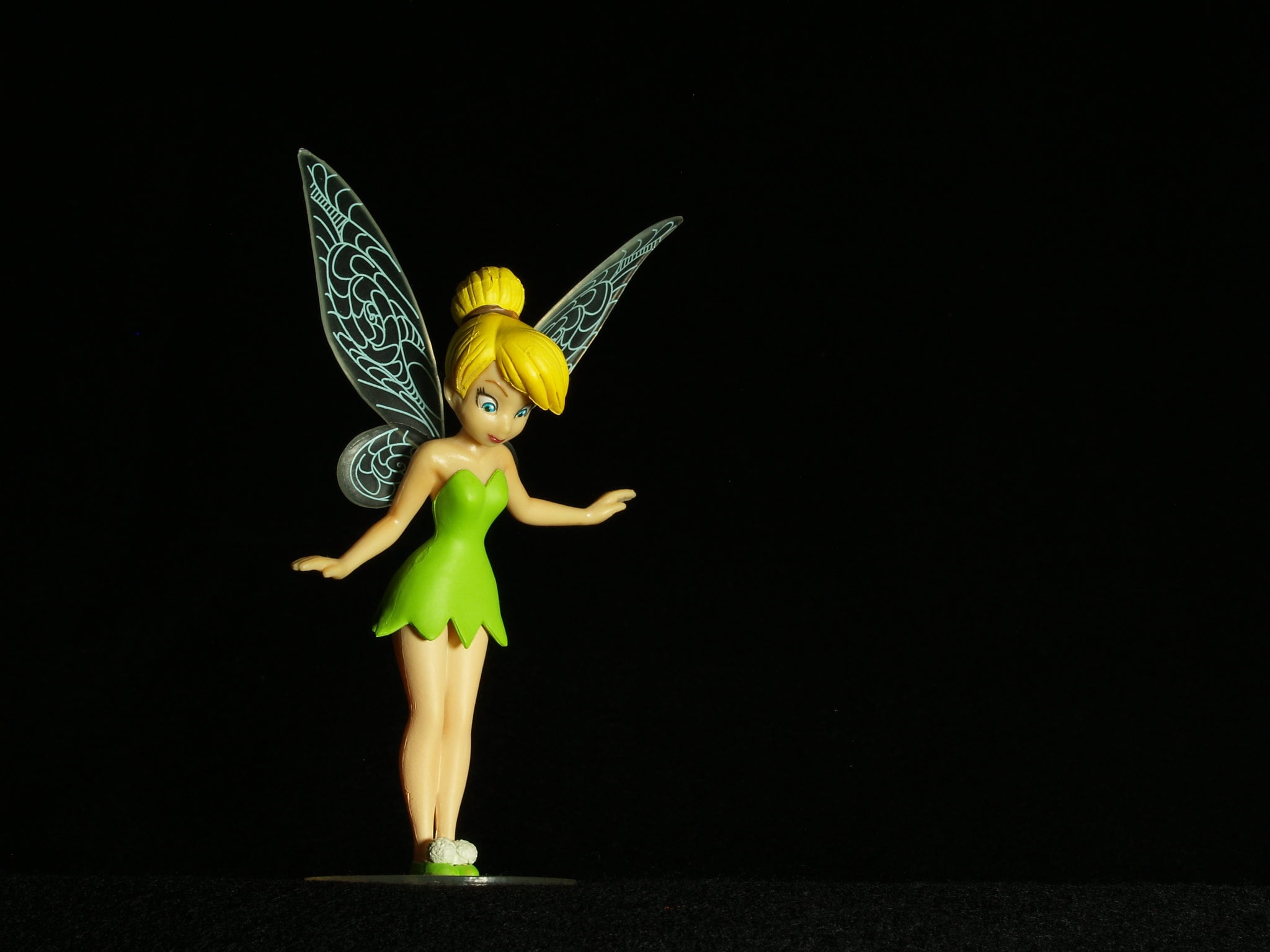
Disney animator Marc Davis named Margaret Kerry as his inspiration for Tinker Bell. Kerry is an American actress and radio host who published her autobiography ‘Tinker Bell Talks: Tales of a Pixie Dusted Life’ in 2006.
Kerry served as the live-action reference model for the fairy, performing scenes that animators would study to capture Tinker Bell’s distinctive movements and expressions. Her work helped create one of Disney’s most recognizable characters, even though most people had no idea a real person was behind those wings.
Where Fiction Meets Reality
These characters remind us that animation isn’t created in a vacuum. The best cartoons capture something recognizable, whether it’s a wrestler’s distinctive features, a singer’s vocal style, or a costume designer’s commanding presence.
Sometimes the inspiration is intentional homage, other times it’s unconscious borrowing, and occasionally it ends up in court. What matters is that these real people left such strong impressions that they transcended their own lives to become part of our collective childhood memories, even if we never knew their names.
More from Go2Tutors!

- 16 Historical Figures Who Were Nothing Like You Think
- 12 Things Sold in the 80s That Are Now Illegal
- 15 VHS Tapes That Could Be Worth Thousands
- 17 Historical “What Ifs” That Would Have Changed Everything
- 18 TV Shows That Vanished Without a Finale
Like Go2Tutors’s content? Follow us on MSN.