17 Wedding Traditions That Made No Sense
Wedding ceremonies today blend ancient customs with modern romance, but many traditions we still follow have origins that might surprise you. From throwing rice to wearing white dresses, these rituals often stem from superstitions, practical concerns, or social expectations that no longer apply to our world.
Let’s explore some wedding traditions that, when you dig into their history, seem pretty odd by today’s standards. Here is a list of 17 wedding traditions that made no sense.
Throwing Rice at Newlyweds

This tradition supposedly brought fertility and prosperity to the new couple, but the logic was shaky at best. People believed that tossing grains would encourage the couple to have many children, as if marriage worked like planting seeds in a garden. Modern venues often ban rice throwing because it can be slippery and dangerous, plus birds can’t actually digest uncooked rice properly despite what people used to think.
The Bride Wearing White

White wedding dresses only became popular after Queen Victoria wore one in 1840, but the reasoning behind the color choice was questionable. White was meant to symbolize purity and virginity, creating an unrealistic standard that put pressure on brides. Before Victoria’s influence, brides simply wore their best dress in any color, which made much more practical sense for most families’ budgets.
Carrying the Bride Over the Threshold
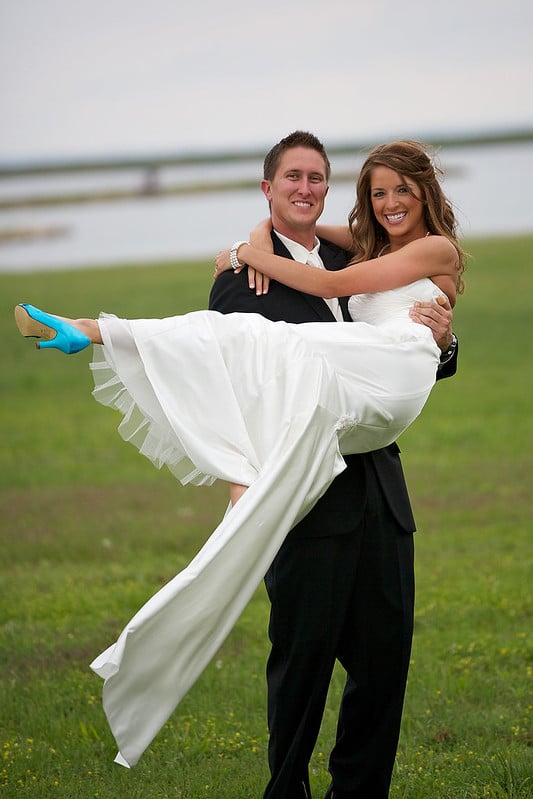
This tradition comes from the belief that evil spirits lurked around doorways, waiting to curse the new bride. Grooms would carry their wives to protect them from these imaginary threats, though it’s hard to imagine how being lifted a few feet off the ground would fool supernatural beings. The custom also stems from arranged marriages where brides were literally carried away from their families, willing or not.
The Wedding Veil

Veils were originally meant to confuse evil spirits or hide the bride’s face until after the ceremony was complete. In arranged marriages, this prevented the groom from backing out if he didn’t find his bride attractive. The logic assumed that once vows were exchanged, physical appearance wouldn’t matter, which seems like a pretty shaky foundation for lifelong happiness.
Something Old, Something New, Something Borrowed, Something Blue
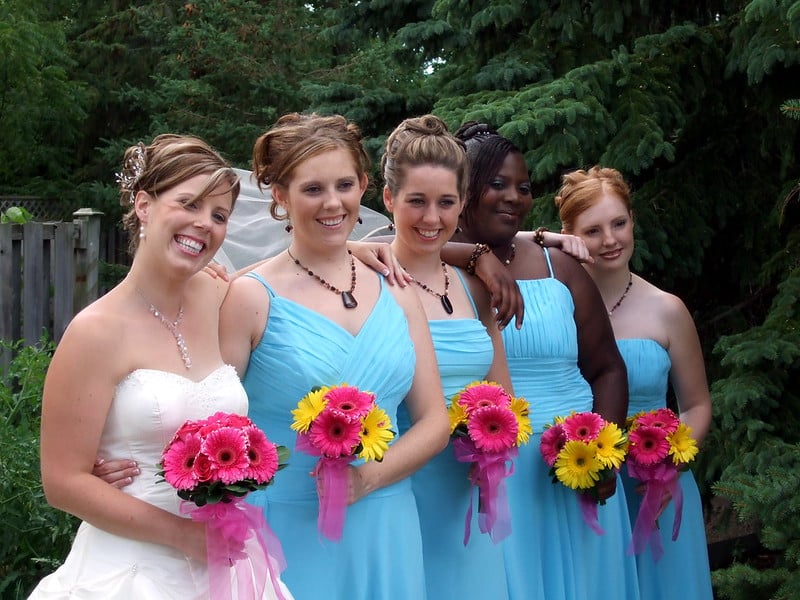
This rhyme was supposed to bring good luck, but the specific items never made much logical sense together. The ‘something blue’ part came from blue representing faithfulness and purity, though color psychology wasn’t exactly a developed science back then. People would go to great lengths to check off each category, sometimes wearing uncomfortable or impractical items just to follow the tradition.
The Best Man’s Original Role

The best man wasn’t originally there to hold rings or give speeches—he was backup muscle in case someone tried to steal the bride. This made sense in times when marriage was more about property transfer than love, and rival families might literally fight over wedding arrangements. Having a trusted friend armed and ready for combat seems excessive for what should be a celebration of love.
Bridesmaids Wearing Matching Dresses

Bridesmaids originally dressed identically to the bride to confuse evil spirits about which woman was actually getting married. The theory was that demons couldn’t target the right person if everyone looked the same. This reasoning falls apart when you consider that evil spirits would probably notice which woman was standing at the altar with the groom.
The Wedding Ring on the Fourth Finger

Ancient Romans believed a vein ran directly from the fourth finger of the left hand to the heart, calling it the ‘vena amoris’ or vein of love. Modern anatomy shows this isn’t true—all fingers have similar blood flow to the heart. The tradition stuck around despite being based on completely incorrect medical knowledge that anyone with basic anatomy could debunk.
Breaking Dishes for Good Luck

In some cultures, guests would break dishes at weddings to ensure the couple’s happiness and prosperity. The noise was supposed to scare away evil spirits while the broken pieces represented the fragility of marriage. This seems counterproductive since it left the hosts with cleanup duties and replaced perfectly good dinnerware with sharp fragments.
The Wedding Cake Tradition
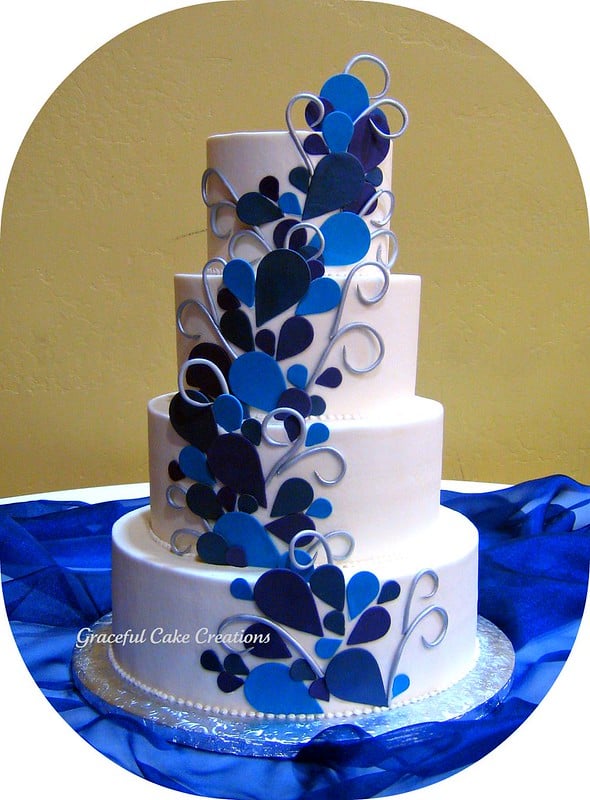
The original wedding cake custom involved the bride and groom sharing a loaf of bread, with guests scrambling to collect crumbs for good luck. Later versions had couples crumble cake over each other’s heads, which evolved into the modern cake-smashing photos. The mess and waste involved never quite aligned with the supposed blessings these actions were meant to provide.
Tying Cans to the Wedding Car
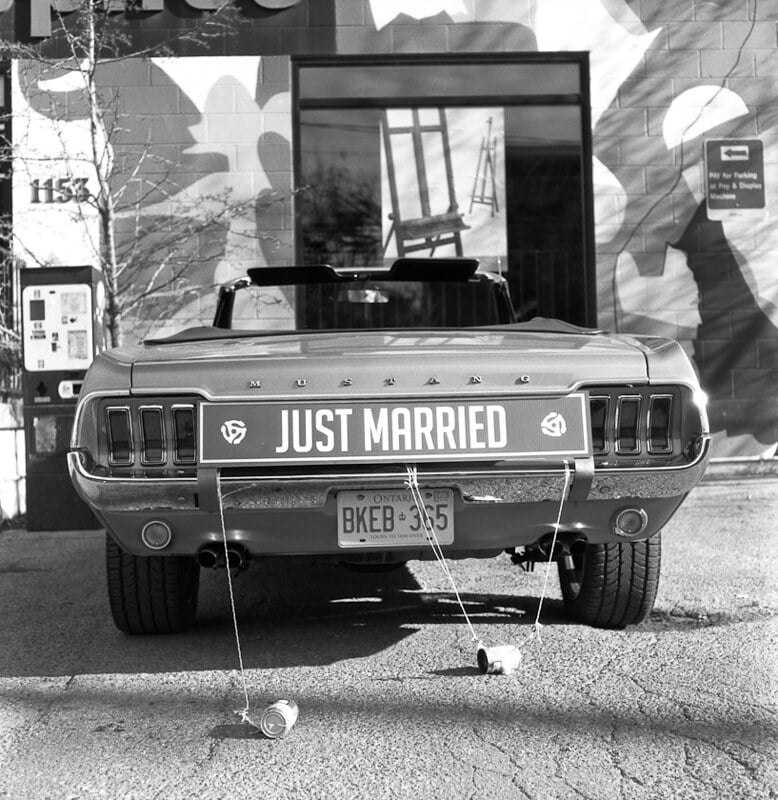
This noisy send-off was meant to ward off evil spirits as the couple departed for their honeymoon. The logic suggested that loud sounds would protect newlyweds during their most vulnerable time. In reality, dragging metal cans behind a car creates safety hazards and annoys everyone within hearing distance without providing any actual protection.
The Garter Toss
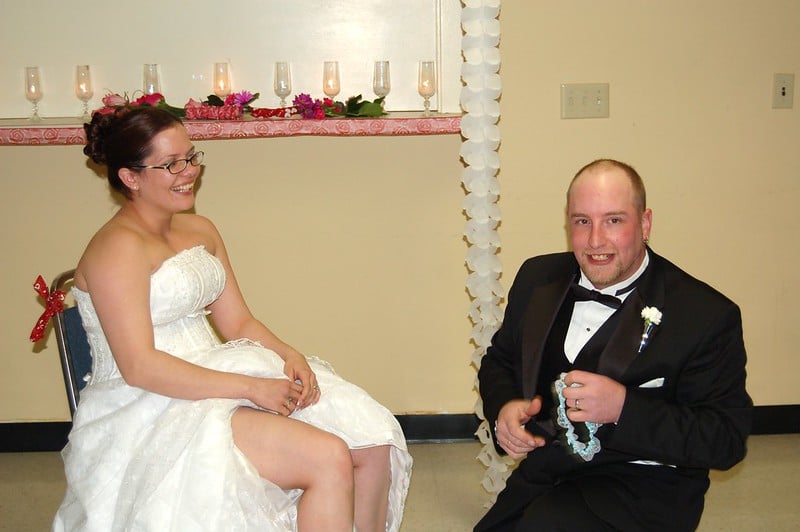
Originally, wedding guests would try to tear pieces of the bride’s dress for good luck, sometimes getting aggressive about it. The garter toss evolved as a safer alternative, but the underlying concept remained odd. Having the groom remove intimate clothing in front of family and friends, then throw it to a crowd of single men, creates awkward moments that don’t really enhance anyone’s wedding experience.
Sixpence in the Bride’s Shoe
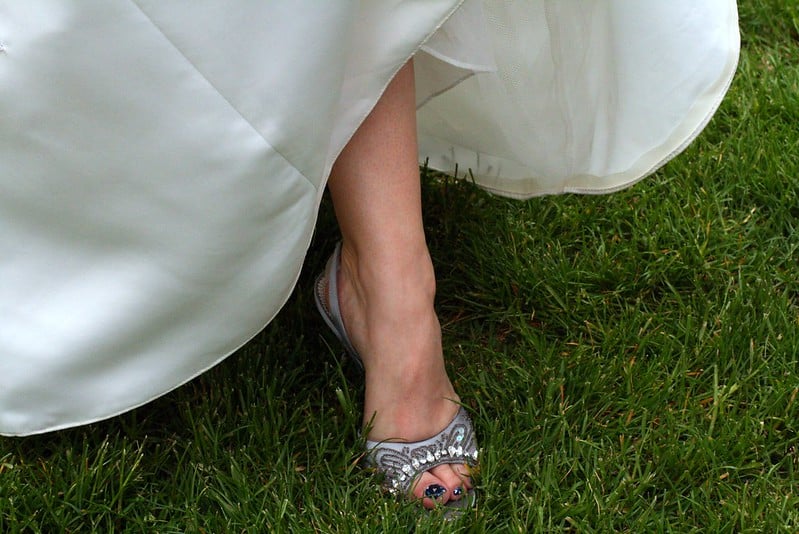
Brides were supposed to put a coin in their shoe for financial prosperity, despite the obvious discomfort this would cause during a long wedding day. The tradition assumed that symbolic gestures would translate into real wealth, ignoring the practical reality that uncomfortable shoes might make walking down the aisle more difficult. A sixpence was worth very little even when the tradition started, making the gesture more symbolic than substantial.
The Unity Candle Ceremony

Two families’ candles light one central candle to represent unity, but the symbolism breaks down when you think about it practically. The individual candles are supposed to stay lit, representing that each person maintains their identity, but sometimes they get blown out accidentally during the ceremony. This creates awkward moments where the metaphor falls apart in real time.
Wearing Pearls on the Wedding Day

Some traditions warned that pearls represented tears, so wearing them would doom the marriage to sadness. Other cultures insisted pearls brought good luck and should definitely be worn. The contradictory nature of pearl superstitions shows how arbitrary these beliefs really were, with different regions developing completely opposite interpretations of the same jewelry.
The Honeymoon Tradition

Newlyweds were encouraged to drink mead (honey wine) for a full month after their wedding, which is where ‘honeymoon’ gets its name. The idea was that this would ensure fertility and happiness, though consuming alcohol daily for thirty days seems more likely to cause health problems. The tradition also assumed couples needed artificial enhancement to enjoy their early marriage, which seems pessimistic about natural compatibility.
Saving the Top Tier of Wedding Cake

Couples freeze the top layer of their wedding cake to eat on their first anniversary, but year-old frozen cake rarely tastes good regardless of how well it’s preserved. The tradition was supposed to bring continued sweetness to the marriage, though stale cake seems more likely to create disappointment. Most couples end up throwing away their preserved cake and buying something fresh for their anniversary celebration.
When Tradition Meets Reality

These wedding customs reveal how much marriage ceremonies were shaped by fears, superstitions, and social pressures that don’t match our modern understanding of relationships. While some traditions create beautiful moments and meaningful connections between generations, others persist simply because ‘that’s how it’s always been done.’ Today’s couples increasingly choose which customs serve their actual values rather than following every inherited ritual, creating celebrations that make sense for their own lives and relationships.
More from Go2Tutors!

- The Romanov Crown Jewels and Their Tragic Fate
- 13 Historical Mysteries That Science Still Can’t Solve
- Famous Hoaxes That Fooled the World for Years
- 15 Child Stars with Tragic Adult Lives
- 16 Famous Jewelry Pieces in History
Like Go2Tutors’s content? Follow us on MSN.



