Hidden Architecture Gems In Forgotten US Cities
Most people think great American architecture lives only in places like New York or Chicago. They picture the Empire State Building or the Willis Tower when someone mentions iconic structures.
But some of the country’s most stunning buildings hide in plain sight, tucked away in cities that rarely make travel brochures or architecture magazines. These overlooked places hold treasures that rival anything in the major metros, from Art Deco masterpieces to modernist marvels that changed how we think about design.
The real story of American architecture isn’t just written in skyscrapers and famous landmarks. It’s also told through train stations that look like radio sets, churches with rocket-ship spires, and towers that stand alone on prairie horizons.
Here is a list of 12 architectural gems waiting in cities you’ve probably never thought to visit.
Darwin Martin House Complex
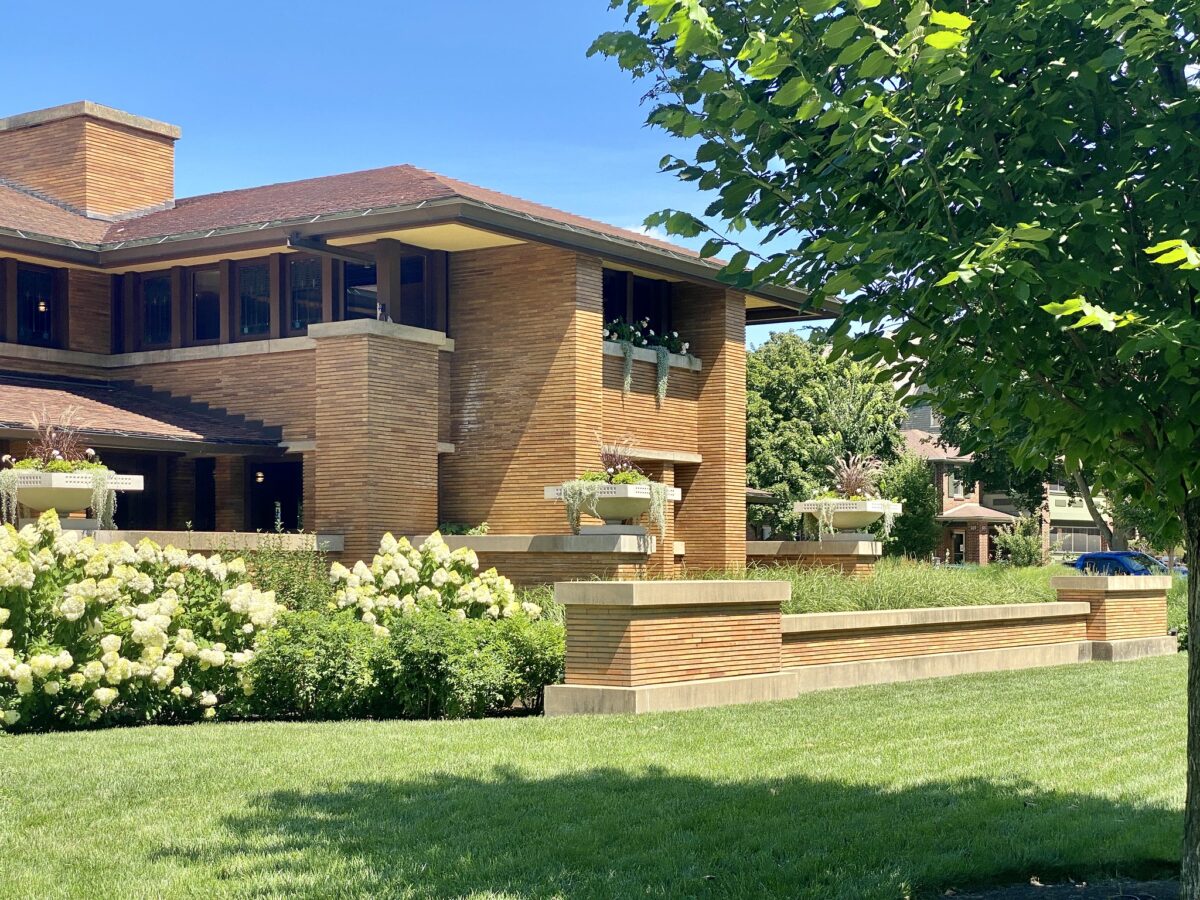
Buffalo went through a rough patch in the 20th century, but that economic slowdown accidentally preserved some incredible architecture. The Darwin Martin House, built between 1903 and 1905, represents one of Frank Lloyd Wright’s finest Prairie-style achievements.
Wright later referred to it as his opus, a recognition of just how important this project was to his career. The complex sprawls across its lot with horizontal lines that seem to hug the earth, featuring 394 art glass windows that turn sunlight into kaleidoscope patterns.
Think of it like Wright was trying to make the house grow out of the ground rather than sit on top of it.
Price Tower
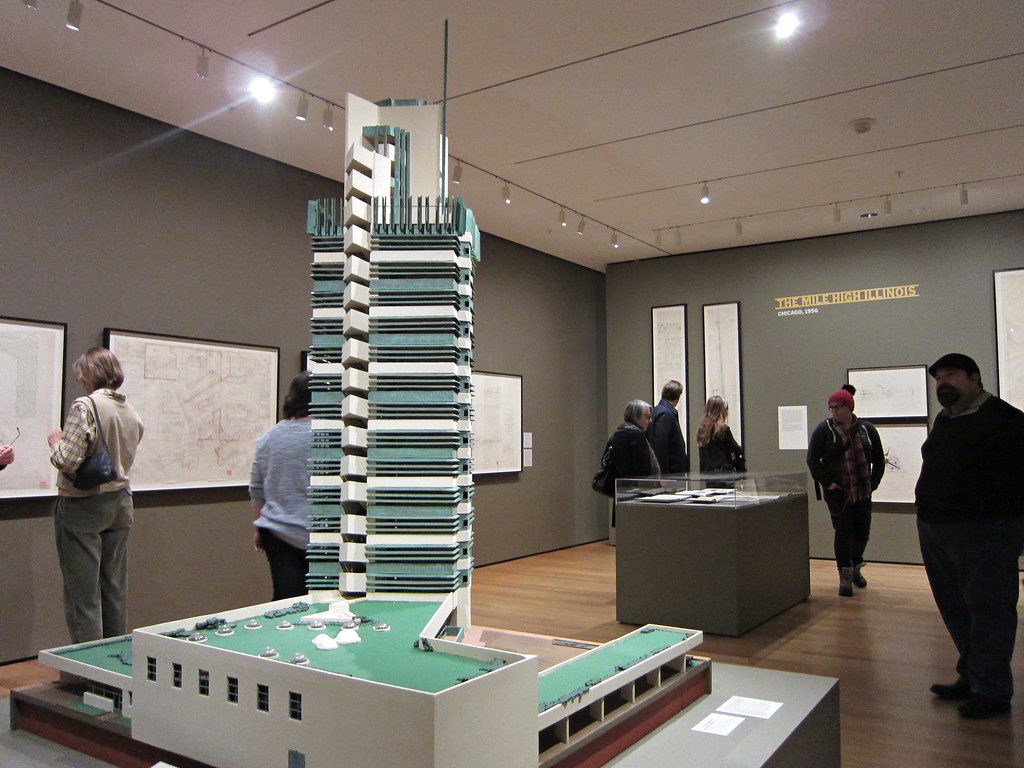
Bartlesville, Oklahoma, houses Frank Lloyd Wright’s only realized skyscraper, a 19-story tower completed in 1956 that rises 221 feet above the prairie. The building’s floors cantilever out from a central core like branches from a tree trunk, with exterior walls becoming ornamental screens decorated in copper and gold-tinted glass.
Wright originally designed the concept in 1929 as St. Mark’s-in-the-Bowery, a proposed apartment building for Manhattan that never materialized. The tower stands out against the flat Oklahoma landscape like someone dropped a piece of futuristic sculpture in the middle of farmland.
Like Go2Tutors’s content? Follow us on MSN.
Cincinnati Union Terminal
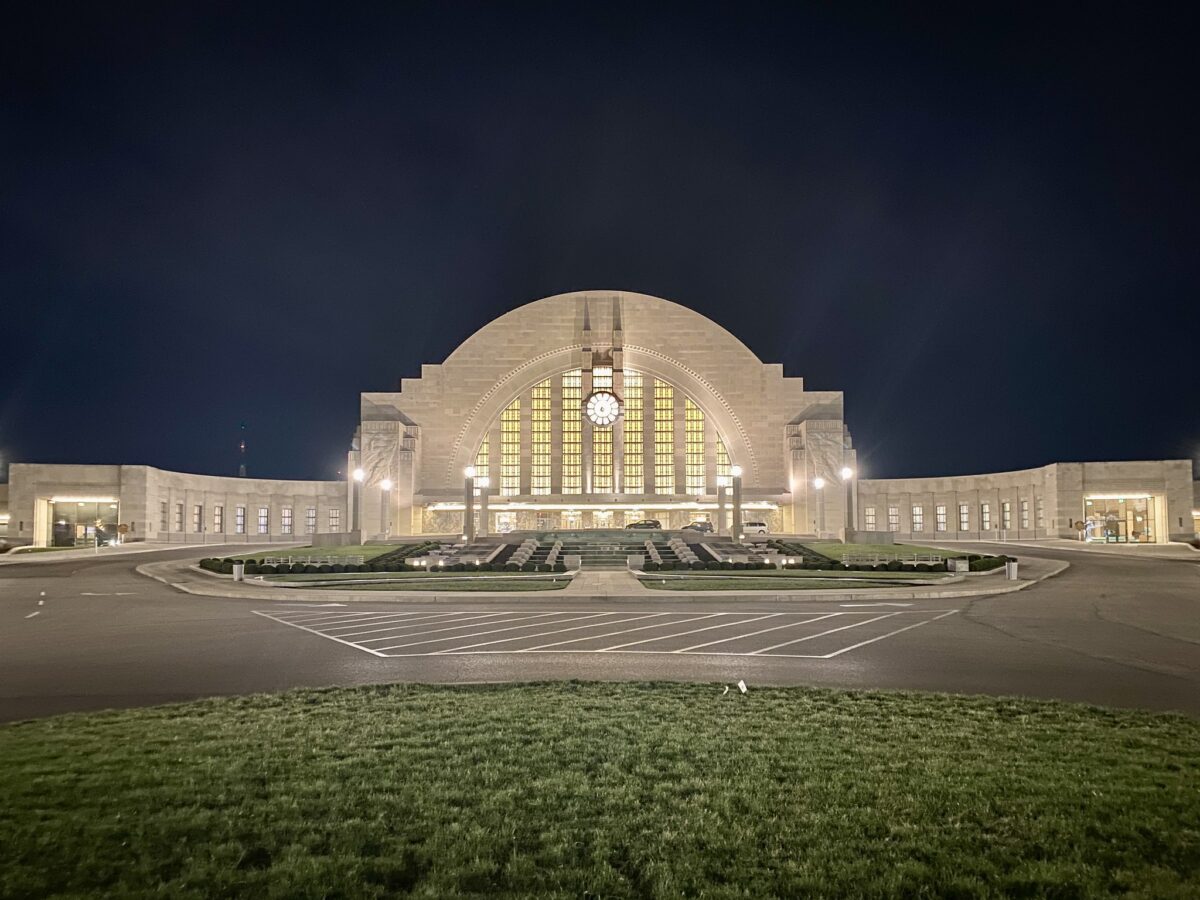
This 1933 Art Deco masterpiece features the largest half-dome in the Western Hemisphere, spanning 180 feet wide and rising 106 feet high. German artist Winold Reiss created massive mosaic murals totaling more than 18,000 square feet, depicting Cincinnati’s industrial history and cultural heritage, with surviving murals still on display throughout the building.
The terminal looks like a giant 1930s radio when you approach it, with its curved limestone facade and towering windows that flood the rotunda with light. The building’s distinctive shape inspired the Hall of Justice headquarters in the 1970s Super Friends cartoon.
Miller House and Garden
Columbus, Indiana, earned the nickname ‘Athens of the Prairie’ thanks to its collection of modernist buildings, including Eero Saarinen’s Miller House completed in 1957. The 6,838-square-foot residence sits on 13.5 acres and introduced the now-famous conversation pit, a sunken seating area that became a design sensation.
Interior designer Alexander Girard brought warmth to the geometric spaces with colorful textiles and a 50-foot storage wall, while landscape architect Dan Kiley created modernist gardens that extend the home’s architectural principles outdoors. The house proves that modernism doesn’t have to feel cold or sterile.
Guardian Building
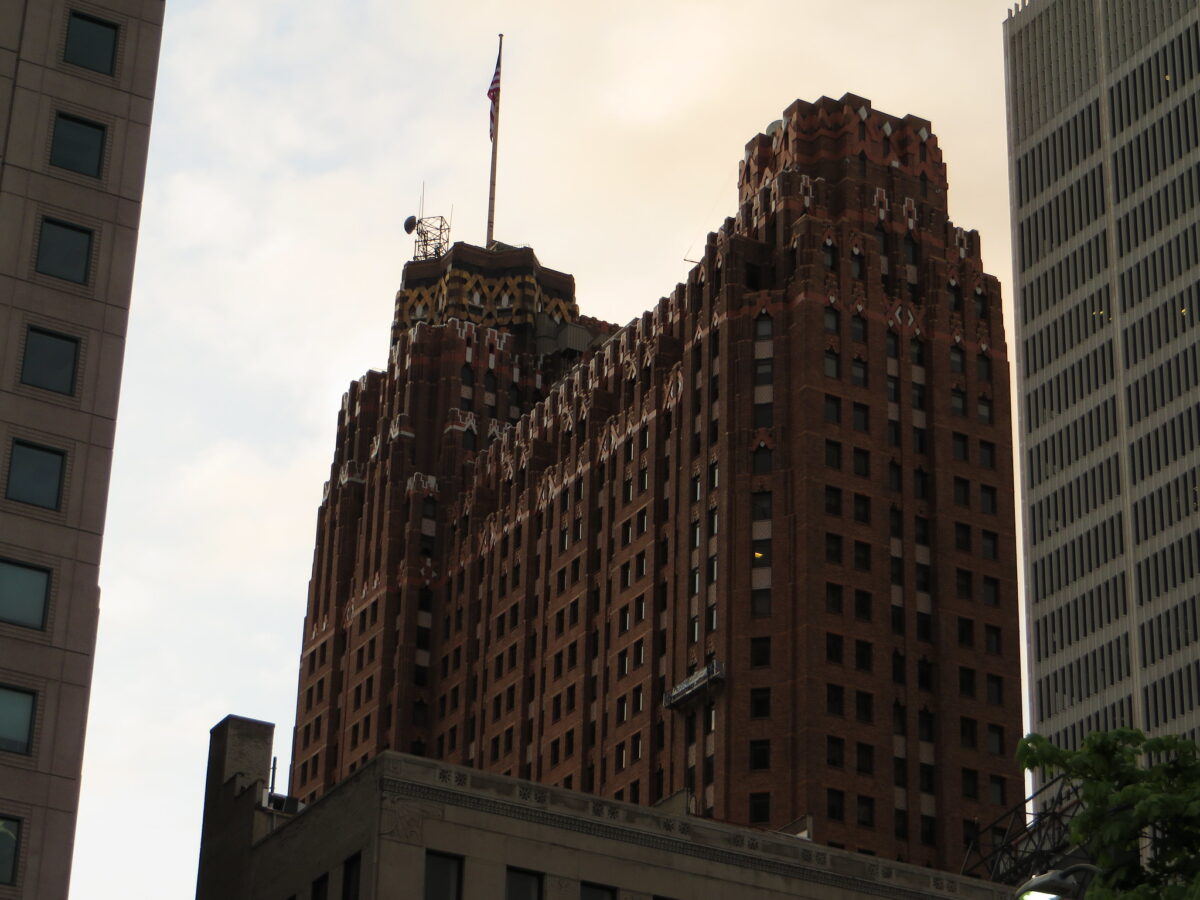
Detroit’s Guardian Building, originally called the Union Trust Building, was constructed between 1928 and 1929. The structure combines Art Deco with Arts & Crafts, Aztec, and Native American influences in a fantastically preserved interior.
Walking inside feels like stepping into a time machine. The building features colorful tile work, intricate ceiling designs, and a lobby that glows with rich earth tones and geometric patterns.
Detroit has plenty of architectural gems that people miss because they only think of the city’s struggles, not its triumphs.
Asheville City Hall and S&W Building
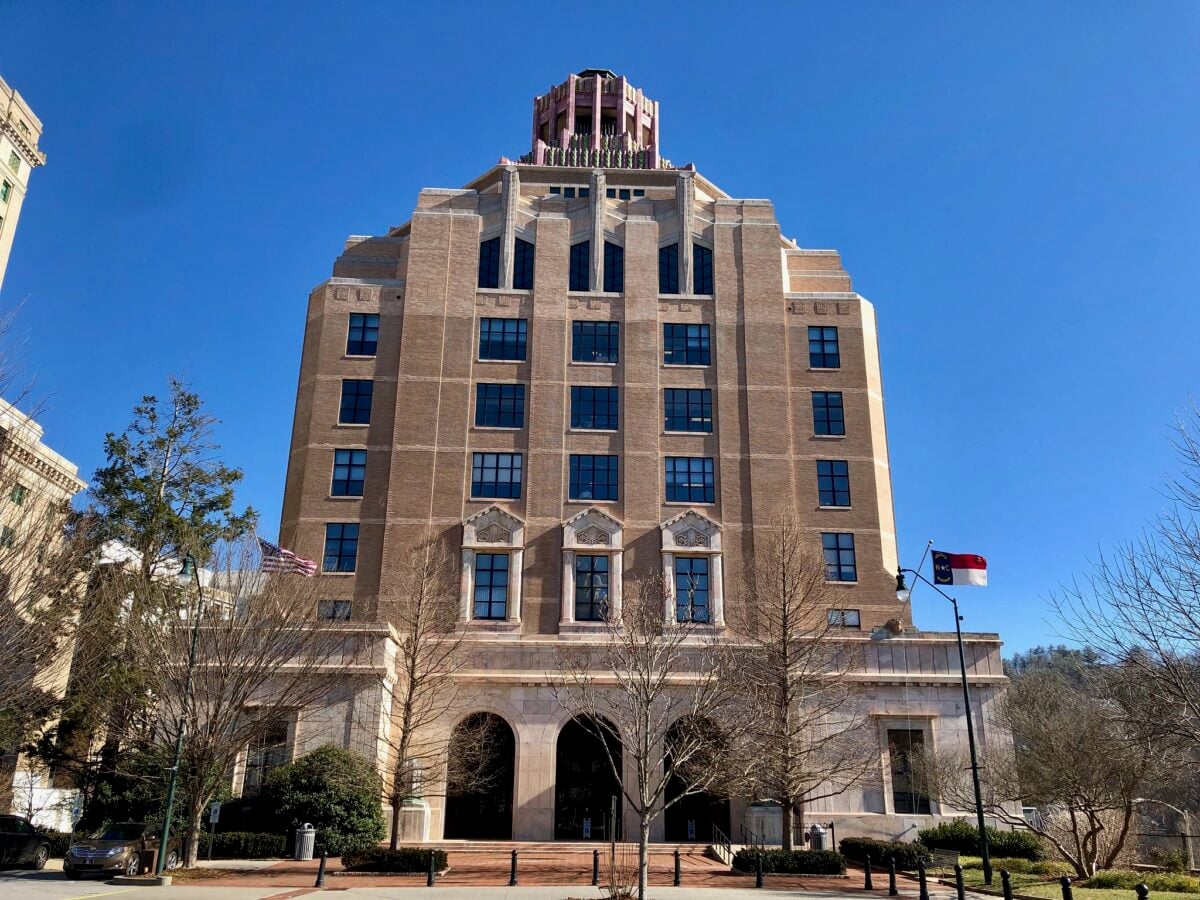
Asheville boasts two Art Deco jewels designed by Douglas Ellington. City Hall, completed in 1928, features an octagonal tiered red-tile roof rising above pink-hued brick with colorful tile ornament and distinctive green and gold decorative elements.
The S&W Building, finished in 1929, served as a cafeteria and restaurant with its glazed terra-cotta panels, slate, glass, and wrought iron topped by a blue-and-green tile parapet. Both buildings sit in the Blue Ridge Mountains, giving them a backdrop that makes the architecture pop even more.
The city also features the Biltmore Estate, a French Renaissance château that opened to the public in 1930.
Irwin Conference Center

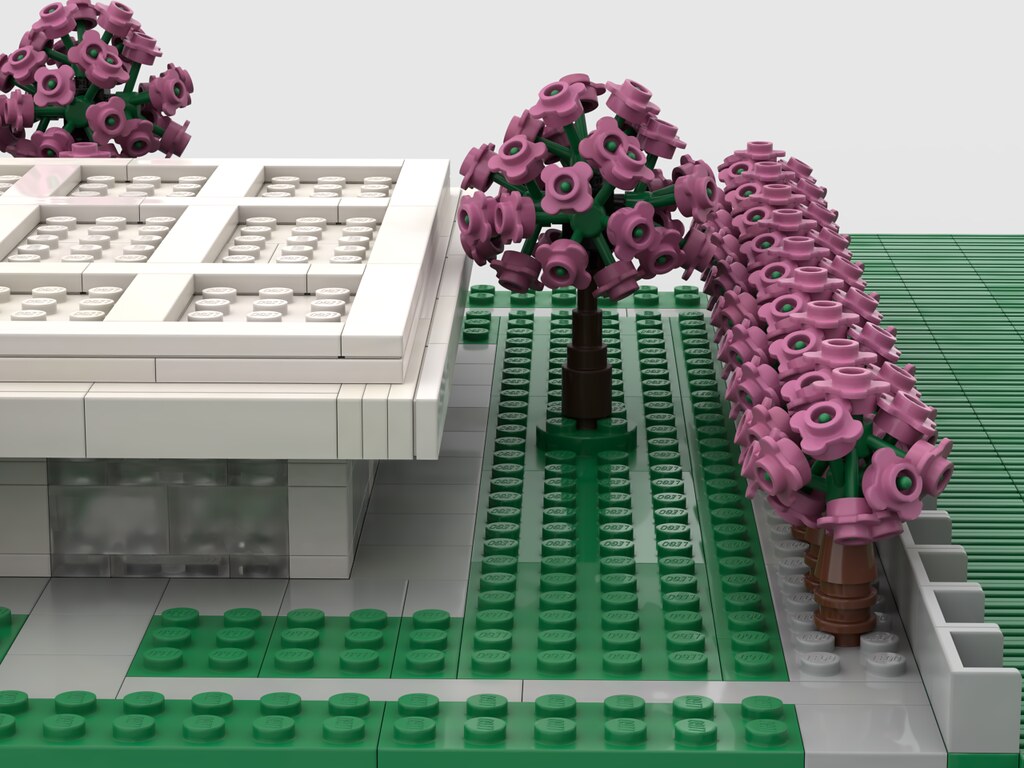
Originally the Irwin Union Bank and Trust building in Columbus, this 1954 Saarinen design featured glass walls and an open plan that revolutionized bank architecture, with a roof formed by a grid of concrete domes. Locals joked it looked like a brassiere factory because of those distinctive domes.
The building sits in a grove of trees designed by Dan Kiley, with interior spaces that create an inviting feeling rather than the cold, fortress-like atmosphere of traditional banks. The structure proved that even financial institutions could embrace modernism.
Like Go2Tutors’s content? Follow us on MSN.
Philtower and Historic Tulsa Buildings
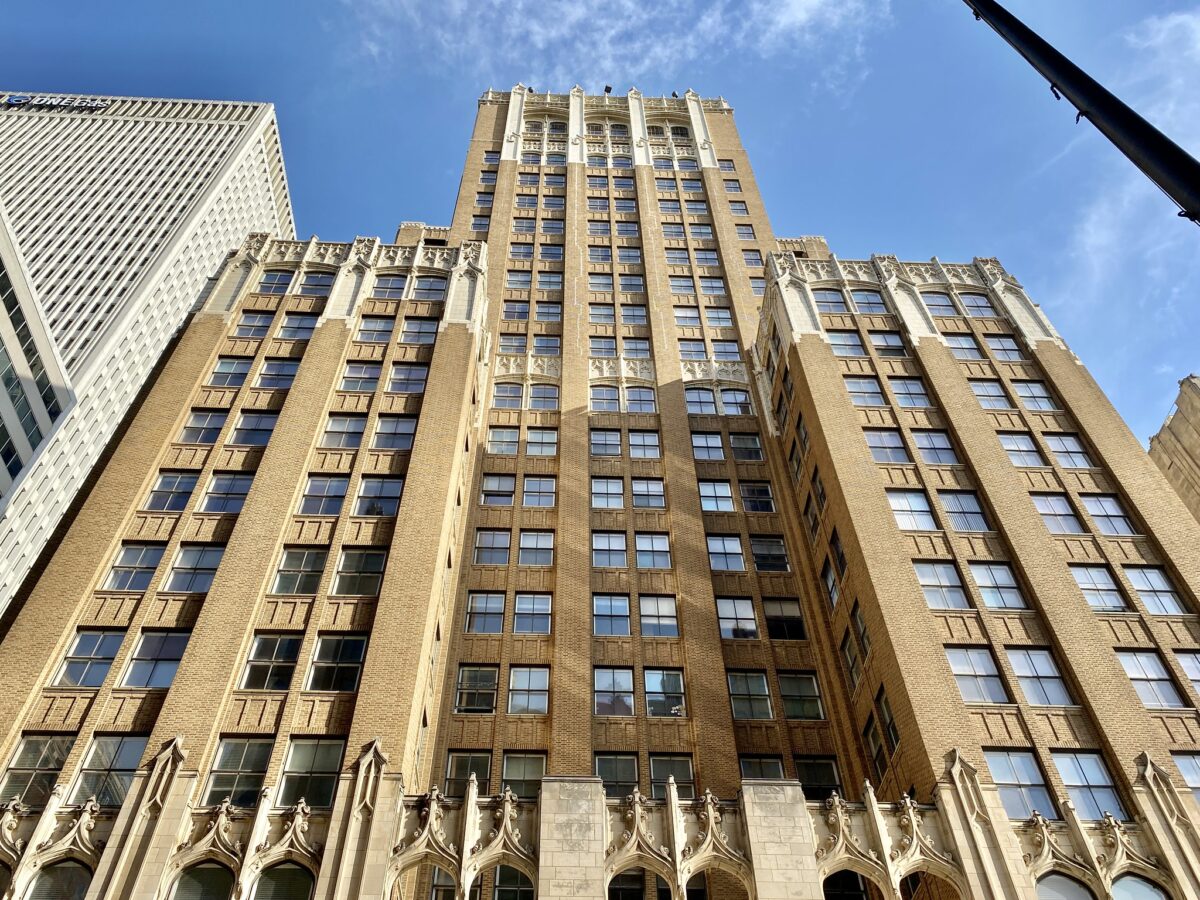
Tulsa’s Philtower, completed in 1928, features a pyramid-style roof with multi-colored tiles. The city also boasts the Palace Building from 1915 and the historic Mayo Building, both repurposed into modern spaces while preserving Art Deco and early 20th-century architectural features.
The oil boom funded Tulsa’s architectural renaissance in the early 20th century, creating an impressive collection of distinctive structures. The city became a showcase for what oil money could build when paired with talented architects.
Cathedral of Learning
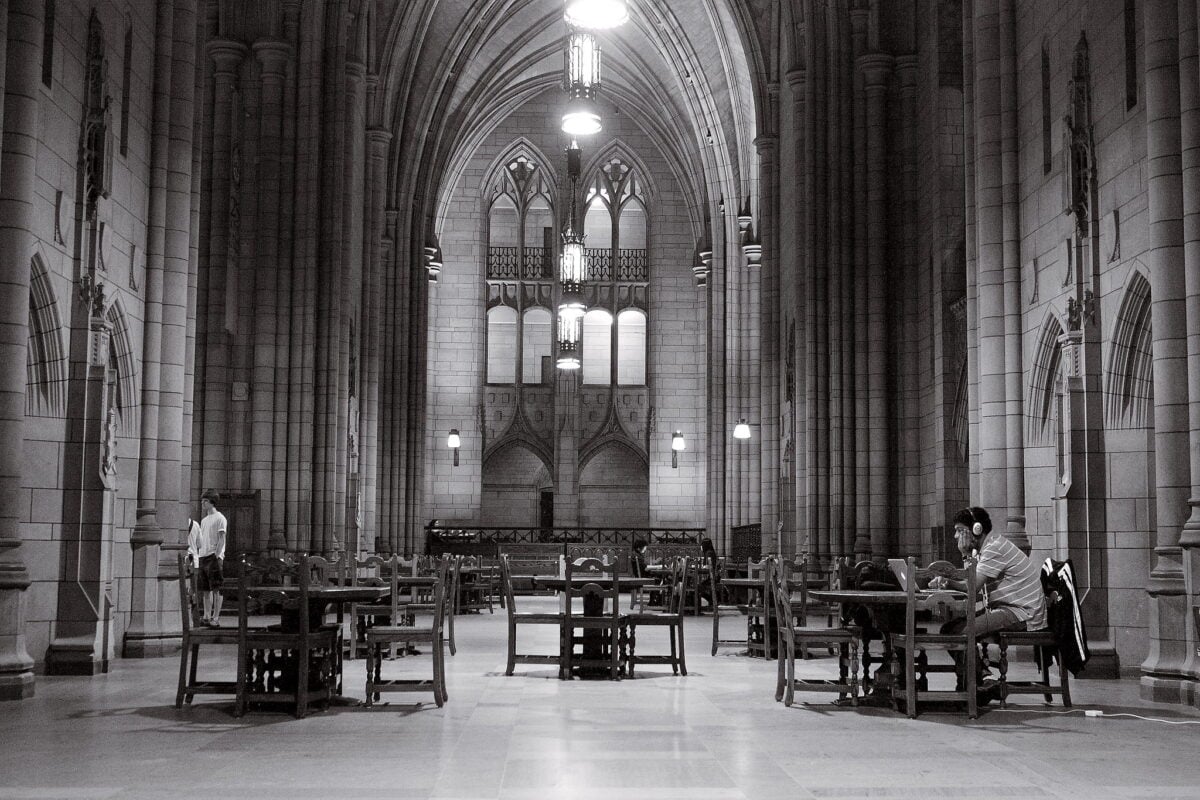
Pittsburgh’s University of Pittsburgh campus features this 42-story skyscraper, still the tallest educational building in the Western Hemisphere. Completed in 1937 and combining late Gothic Revival and Art Deco architecture, classes began before the building’s full completion.
Visitors can tour the building’s Nationality and Heritage Rooms at no cost. The tower shoots up from campus like academia decided to reach for the clouds.
Where Past Meets Progress

These buildings prove that architectural excellence never depended on location or city size. A small Indiana town became a modernist mecca because one industrialist cared about design.
Oklahoma’s prairie got Wright’s only skyscraper because a pipeline company wanted something special. Cincinnati’s train station became an Art Deco masterpiece because city leaders chose innovation over tradition.
These structures survive because communities recognized their value and fought to preserve them, even when economics suggested demolition might be easier. Today they stand as reminders that great architecture can emerge anywhere people dare to build something remarkable, and that sometimes the best treasures are the ones hiding in places nobody thinks to look.
More from Go2Tutors!

- 16 Historical Figures Who Were Nothing Like You Think
- 12 Things Sold in the 80s That Are Now Illegal
- 15 VHS Tapes That Could Be Worth Thousands
- 17 Historical “What Ifs” That Would Have Changed Everything
- 18 TV Shows That Vanished Without a Finale
Like Go2Tutors’s content? Follow us on MSN.