Superstitions People Still Follow
You’d figure we’d be beyond all that by now. Despite having pocket-sized supercomputers, launching rovers to Mars, or connecting face-to-face across continents instantly old habits stick.
If salt gets spilled at supper, someone still grabs the container and flicks some behind them, left shoulder first. Come Friday the 13th, folks pay attention.
Maybe they won’t say so outright, yet deep down, a quiet thought whispers: maybe don’t push your luck today.
Knocking on Wood

This one shows up everywhere. Someone mentions their good health, then immediately raps their knuckles on the nearest wooden surface.
The action happens so fast it’s almost reflexive. People do it in meetings, at restaurants, during phone calls when they’re nowhere near actual wood and end up awkwardly tapping their heads instead.
The habit crosses cultures and generations. Your grandmother did it.
Your boss does it. That friend who prides themselves on being completely rational does it too, usually with a sheepish laugh and some comment about “just in case.”
The gesture has become so common that most people perform it without thinking, like saying “bless you” after a sneeze.
Walking Under Ladders

Construction zones and maintenance work create natural obstacles on sidewalks. But watch people navigate around a ladder propped against a building.
They’ll step into the street, wait for others to pass, or take an elaborate detour rather than walk directly underneath. Ask them why and you’ll get variations of the same answer: bad luck.
Some might mention the practical danger of something falling. Others just know they won’t do it, period.
The superstition holds strong enough that plenty of adults would rather look silly walking around than risk whatever cosmic consequences might follow.
Breaking Mirrors

Seven years of bad luck for a broken mirror seems excessive. But people still handle mirrors carefully, and when one does shatter, there’s that moment of genuine concern.
The number seven appears frequently in superstitions and folklore, though nobody can quite explain why this specific penalty exists. Modern mirrors cost less than they used to, and we understand the science of reflected light now.
But something about seeing your own fractured image scattered across the floor creates unease that goes beyond the mess. People clean up broken mirrors quickly and thoroughly, as if speed might somehow reduce the sentence.
Black Cats Crossing Your Path

Black cats have it rough through no fault of their own. Some people genuinely change direction when they spot one ahead.
The cats themselves remain blissfully unaware of their supposed supernatural influence. Pet owners with black cats hear the comments and see the reactions.
Their perfectly friendly feline becomes an object of suspicion or avoidance. Black cats make up about a third of all cats in shelters, which means more end up euthanized in total numbers.
The superstition persists despite centuries of domestication and the fact that cat fur color has zero connection to anything mystical. But try telling that to someone who’s already decided that particular cat brought them bad luck.
Saying “Bless You” After Sneezes

This one’s so automatic that people say it to strangers in elevators. The phrase supposedly originated from fears about the soul escaping during a sneeze, or demons entering, or the plague.
None of those concerns remain relevant, but the custom continues. Skip saying it and someone will notice.
They might feel slighted, as if you’ve ignored basic courtesy. The expectation runs deep enough that people will bless themselves if nobody else does.
It’s become a pure social ritual, disconnected from any supernatural belief, yet somehow still required.
Opening Umbrellas Indoors

Small children learn this rule early: never open an umbrella inside the house. The reasoning varies.
Some say it’s bad luck. Others mention practical concerns about poking someone’s eye or knocking things over.
But the prohibition feels stronger than simple safety advice. People who wouldn’t consider themselves superstitious still feel uncomfortable watching someone pop open an umbrella indoors.
The action just seems wrong, like wearing shoes on the bed or putting a hat on the table. The rule has calcified into something beyond logic or practicality.
Throwing Salt Over Your Shoulder

The choreography goes like this: someone spills salt, freezes, then quickly pinches some between their fingers and tosses it over their left shoulder. The whole sequence happens in seconds.
The superstition supposedly involves blinding the devil who lurks behind you, waiting for you to slip up. Restaurants and dinner parties see this ritual regularly.
People laugh about it but do it anyway. Salt containers now come with shaker tops that reduce spilling, but when accidents happen, the old reflex kicks in.
The thrown salt makes a small mess of its own, but that’s apparently preferable to inviting bad luck.
Finding Pennies

“Find a penny, pick it up, and all day long you’ll have good luck.” People still recite this rhyme while bending down for a single cent that won’t buy anything.
The penny’s value has dropped so low that it costs more to produce than it’s worth, but finding one face-up still registers as fortunate. Some people keep lucky pennies in their pockets or cars.
Others specifically look for them on the ground. The superstition transforms worthless currency into tiny talismans.
Nobody’s getting rich off finding pennies, but the small boost to someone’s mood has value of its own.
Crossing Fingers

Crossed fingers signal hope, deception, or protection depending on context. Kids cross their fingers behind their backs when telling lies.
Adults cross them when wishing for good outcomes. The gesture appears in text messages now as an emoji, keeping the tradition alive digitally.
The physical act creates a small symbol with your own body, requiring no props or preparation. You can do it invisibly in your pocket or obviously in front of someone’s face.
The simplicity makes it endure. When you want luck but can’t control the outcome, crossing your fingers feels like doing something, even if that something changes nothing.
Avoiding the Number 13

Buildings skip from the 12th floor to the 14th. Airlines omit row 13.
Friday the 13th carries enough weight that businesses report measurable changes in behavior. The number has been stigmatized so thoroughly that avoiding it has become standard practice.
This superstition costs real money and creates actual inconvenience. But hotels don’t want guests refusing rooms on certain floors.
Airlines don’t want empty rows. The accommodation of irrational fear has become entirely rational business practice.
And so the superstition perpetuates itself through institutional reinforcement.
Wishing on Eyelashes

When an eyelash falls onto someone’s cheek, they make a wish and blow it away. This small ritual happens in bathrooms, at lunch tables, and during conversations.
The procedure requires a witness who spots the eyelash and alerts the person, creating a tiny moment of shared ceremony. Eyelashes fall out naturally as part of the growth cycle.
There’s nothing special about them except their attachment to ancient wishing customs. But people still save them on their fingertips, close their eyes, and blow, sending the hair and the wish off together.
The gesture takes seconds but marks the day as somehow different.
Beginner’s Luck
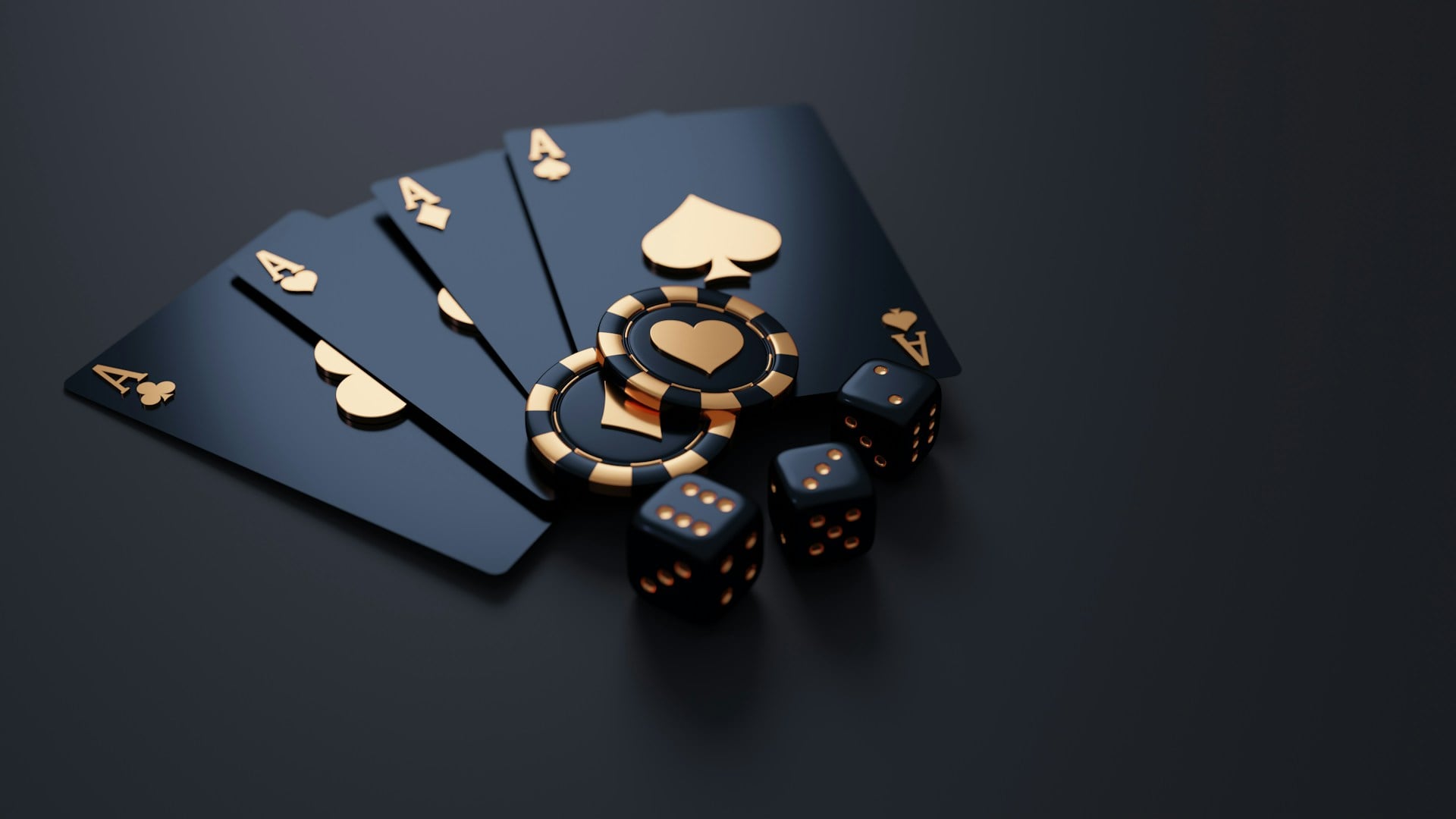
Newcomers win at cards, hit targets, and make perfect shots. Everyone notices, and someone inevitably declares it beginner’s luck.
The phrase excuses the upset while preserving the natural order of course the person with experience should win. The beginner’s success must be temporary, fluky, unearned.
But beginner’s luck serves another purpose. It encourages people to try new things by suggesting they might experience unexpected success.
The superstition makes starting less intimidating. It also gives experienced people a comfortable explanation when things don’t go their way.
The concept benefits everyone, which explains its persistence despite questionable statistical backing.
Not Opening Gifts Early

Birthday presents stay boxed till it’s time. Crack one open too soon? Might earn you side-eye from others maybe even a jinx.
That delay builds hype, keeps things feeling special when the day finally hits. Kids pick this up when they get told off.
Grown-ups just live by it without thinking. If someone tears open a present early before Christmas or their birthday they’ve messed up in a small way.
Belief mixes with habit and rules so much that you can’t tell where one ends. That box with paper on it? It’s not just about what’s inside it keeps time itself running right.
When Logic Takes a Holiday

Those ideas fall apart when checked closely. There’s no way to test them or show they’re true.
They go against how things really work out there. Still, they stick around handed from one person to another, repeated ’cause it’s simple, maybe even soothing.
A tiny habit can feel worth keeping, even if logic says otherwise. Knowing it’s fake doesn’t always stop you from playing along just in case, just because.
The odd beliefs slip into routines without notice. You never stop to think about tapping wood, skipping ladders, or grabbing a coin off the ground.
It just happens then you keep going. Could be their true role is this: brief pauses when you admit things are unpredictable, wish for luck, or repeat a habit linking you to others doing it too.
More from Go2Tutors!

- The Romanov Crown Jewels and Their Tragic Fate
- 13 Historical Mysteries That Science Still Can’t Solve
- Famous Hoaxes That Fooled the World for Years
- 15 Child Stars with Tragic Adult Lives
- 16 Famous Jewelry Pieces in History
Like Go2Tutors’s content? Follow us on MSN.