The Earliest Televised Sports That Built Fan Culture
Like siblings sharing a bedroom, sports and television grew up together. Nobody knew what to put on those tiny screens when television first flickered to life in American living rooms.
The combination transformed the way people followed their favorite teams and athletes, and sports proved to be the ideal solution. Prior to television, you had to use your imagination to fill in the blanks while watching the game or listening to the radio.
TV transformed casual viewers into die-hard fans who felt as though they were in the stands by bringing the action into your home. Sports and television had a revolutionary marriage, not just a convenient one.
Games weren’t the only thing these early broadcasts did. They inspired dialogue, established rituals, and provided families with an excuse to congregate in front of glowing screens.
These 13 sports broadcasts helped create the modern fan culture.
1936 Berlin Olympics

The world’s first major televised sporting event happened in Nazi Germany, where the 1936 Summer Olympics received about 72 hours total of live coverage. The broadcasts went to public viewing rooms in Berlin and Potsdam, reaching approximately 150,000 to 160,000 viewers.
American Jesse Owens won four gold medals during those games, though most of the world saw his triumphs through newsreels rather than live television. The technology was so new and limited that even in Germany, only people who visited special viewing locations could watch.
Television was such an exotic novelty that the viewing rooms themselves became attractions.
Princeton vs Columbia Baseball
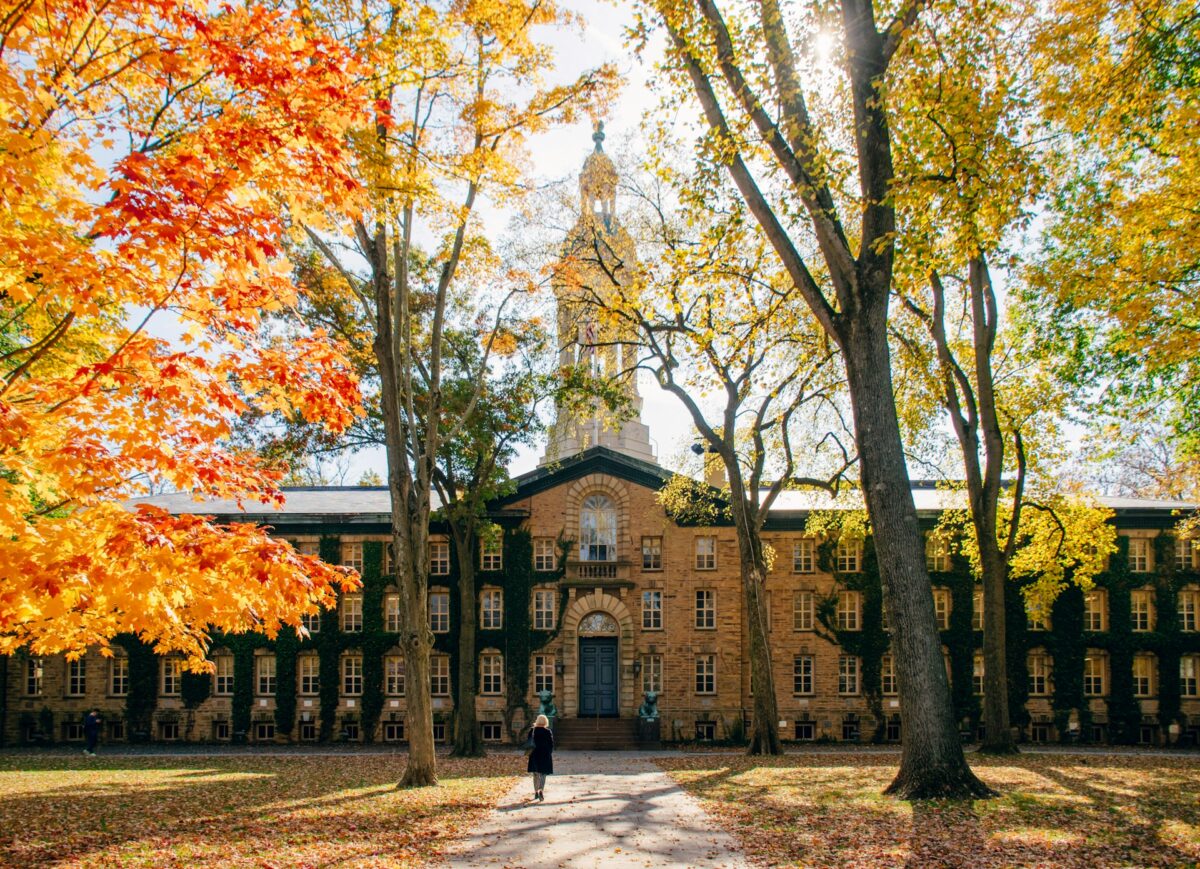
On May 17, 1939, NBC’s experimental station W2XBS broadcast a college baseball game between Princeton and Columbia from Baker Field, marking the first televised baseball game in history. Only a few hundred television sets existed in the New York City area at the time.
Bill Stern called the action for viewers watching on tiny screens. The single camera positioned 50 feet from home plate struggled to capture the full field, and shadows from the afternoon sun made viewing difficult.
Princeton won 2-1 in a game that lasted just over two hours, giving a handful of viewers their first glimpse of what sports on TV might become.
Like Go2Tutors’s content? Follow us on MSN.
Dodgers vs Reds Game
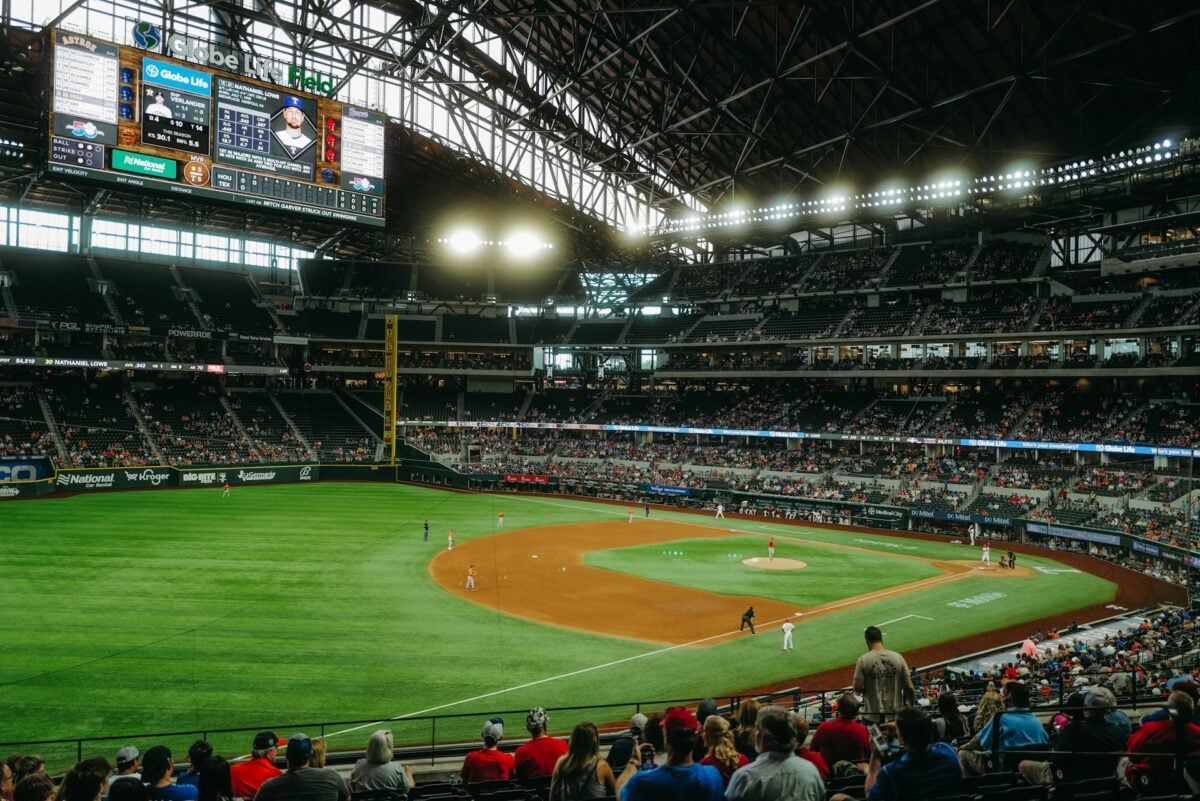
The first Major League Baseball game hit television screens on August 26, 1939, when the Brooklyn Dodgers hosted the Cincinnati Reds at Ebbets Field. Bill Stern handled the television broadcast while Red Barber called the game on radio for the much larger radio audience.
NBC televised one game of the doubleheader, not both, as part of a World’s Fair demonstration meant to show off the new technology. The equipment kept breaking down, and sunlight created glare that obscured much of the field.
Still, it proved that broadcasting live professional baseball was technically possible, even if nobody could predict where it would lead.
1947 World Series
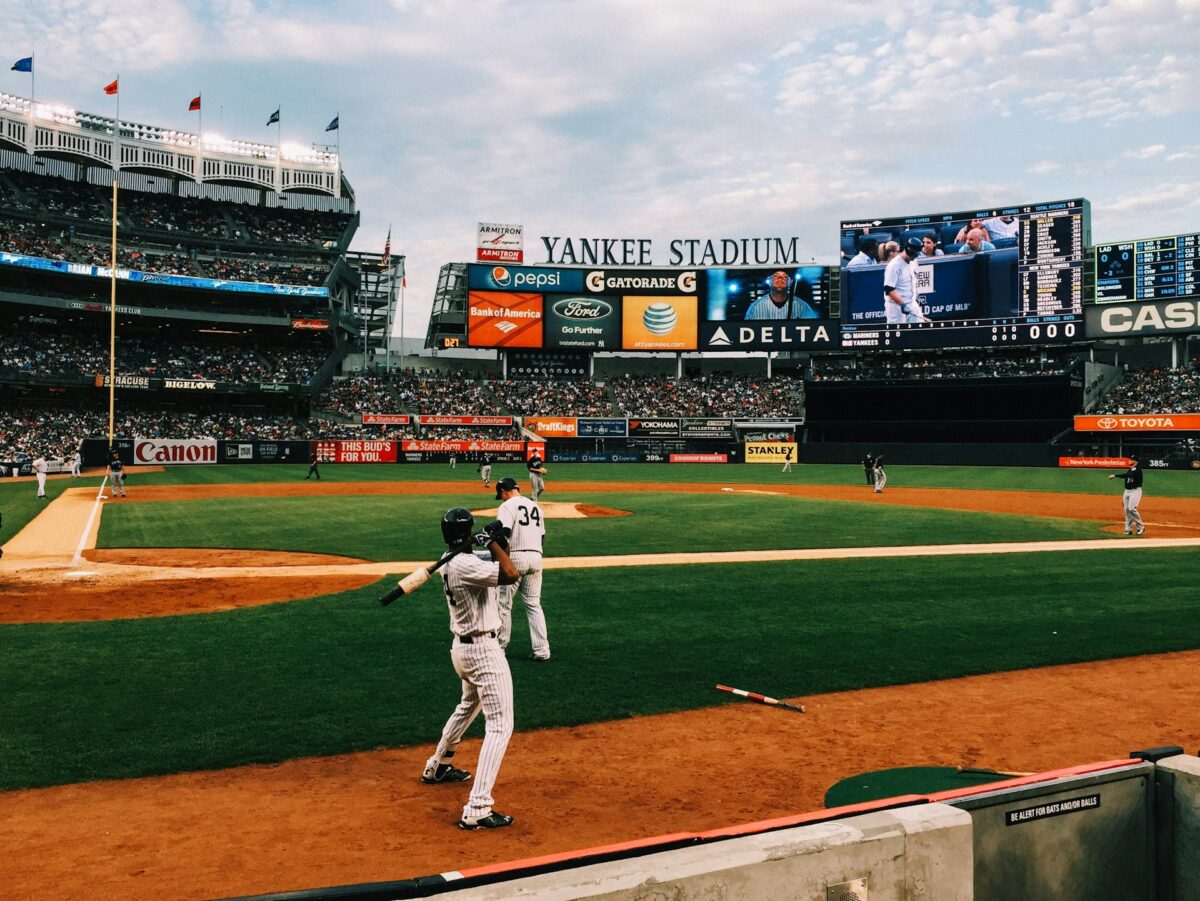
The Yankees and Dodgers faced off in the first televised World Series, broadcast to just four cities: New York, Philadelphia, Schenectady, and Washington. Approximately 30,000 to 40,000 television sets existed at the time, but an estimated 3.9 million people watched the games in taverns and public spaces where sets had been installed.
Gillette and Ford paid $65,000 to sponsor the television coverage, a bargain compared to radio rights. The communal viewing experience in bars created a phenomenon that changed how Americans consumed sports.
Television set sales exploded afterward, jumping from 8,000 households in 1946 to 4 million by 1950.
Gillette Cavalcade of Sports
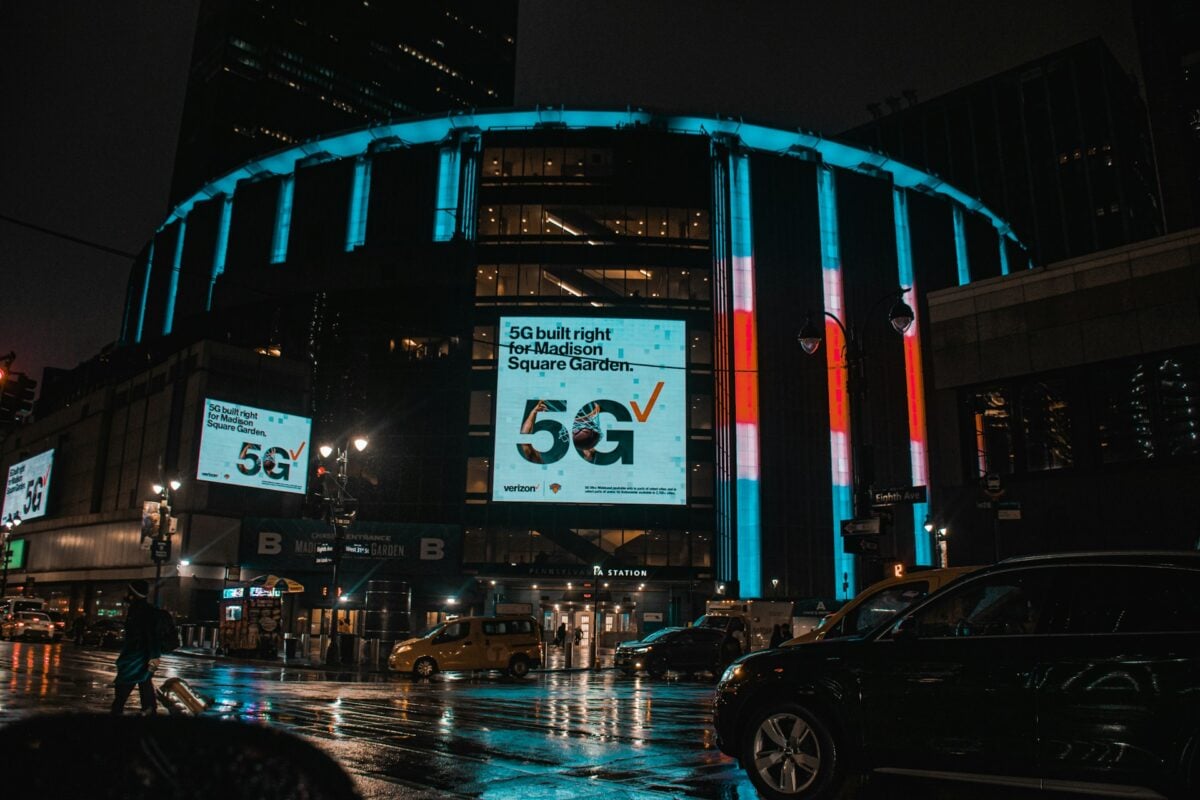
The Gillette Cavalcade of Sports launched boxing broadcasts from Madison Square Garden on NBC in 1946, creating appointment television every Friday night. The show ran for 14 years, the longest continuous boxing program in TV history, featuring every great fighter of the era including Rocky Marciano, Sugar Ray Robinson, and Archie Moore.
There were periods in the early 1950s when five or six network boxing shows aired each week, saturating television with the sport. Families gathered around their sets to watch fighters battle it out, making boxing one of the first sports to truly benefit from the new medium.
The Friday night tradition became so ingrained that entire neighborhoods would go quiet during fight time.
Like Go2Tutors’s content? Follow us on MSN.
Wrestling with Gorgeous George
Professional wrestling found its first TV star in Gorgeous George, whose 1947 debut on Los Angeles station KTLA changed entertainment forever. His theatrical entrances, fancy robes, and over-the-top personality made him a sensation in Southern California before his fame spread nationwide.
George didn’t just wrestle—he performed, understanding instinctively that television needed characters as much as athletes. His success proved that TV could turn sports figures into celebrities and probably sold more television sets in the Los Angeles area than any other single performer.
Wrestling showed that sports on TV could be entertainment first and competition second.
1950 Baseball All-Star Game
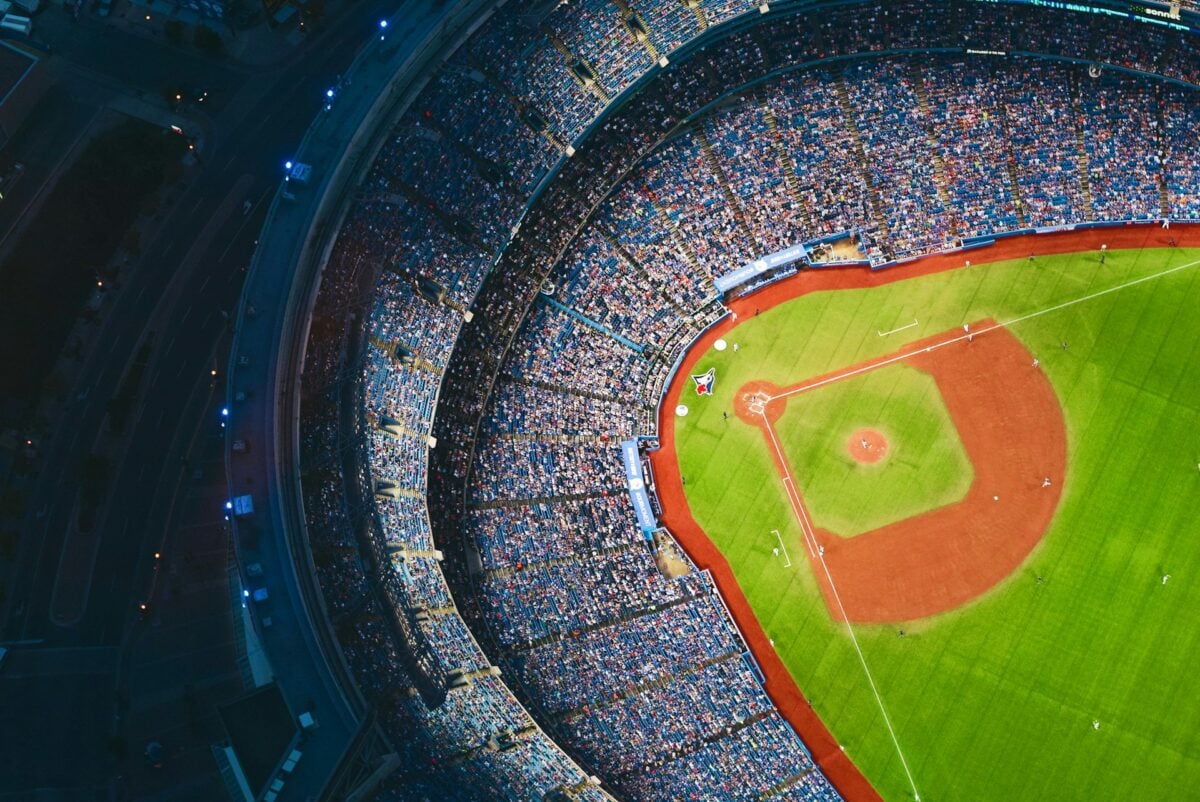
On July 11, 1950, television cameras captured the All-Star Game from Chicago’s Comiskey Park for the first time. The broadcast represented a milestone in bringing baseball’s biggest regular-season showcase to viewers who couldn’t make the trip to the ballpark.
By 1950, World Series games could be seen in most of the country, but regular season coverage remained spotty. The All-Star Game gave millions their first chance to see the sport’s greatest players competing on the same field, building excitement for a single event rather than following a team through a season.
1958 NFL Championship Game
The Baltimore Colts beat the New York Giants in sudden death overtime on December 28, 1958, in what became known as the Greatest Game Ever Played. NBC broadcast the game to approximately 45 million viewers nationwide, the largest audience pro football had ever reached.
The drama of the first sudden death overtime championship game captured America’s attention and transformed professional football’s popularity. People who had never cared about pro football found themselves riveted by the tension of overtime, where any play could end the game.
The broadcast is credited with launching football toward becoming America’s most popular sport.
Like Go2Tutors’s content? Follow us on MSN.
DuMont Saturday Night Football
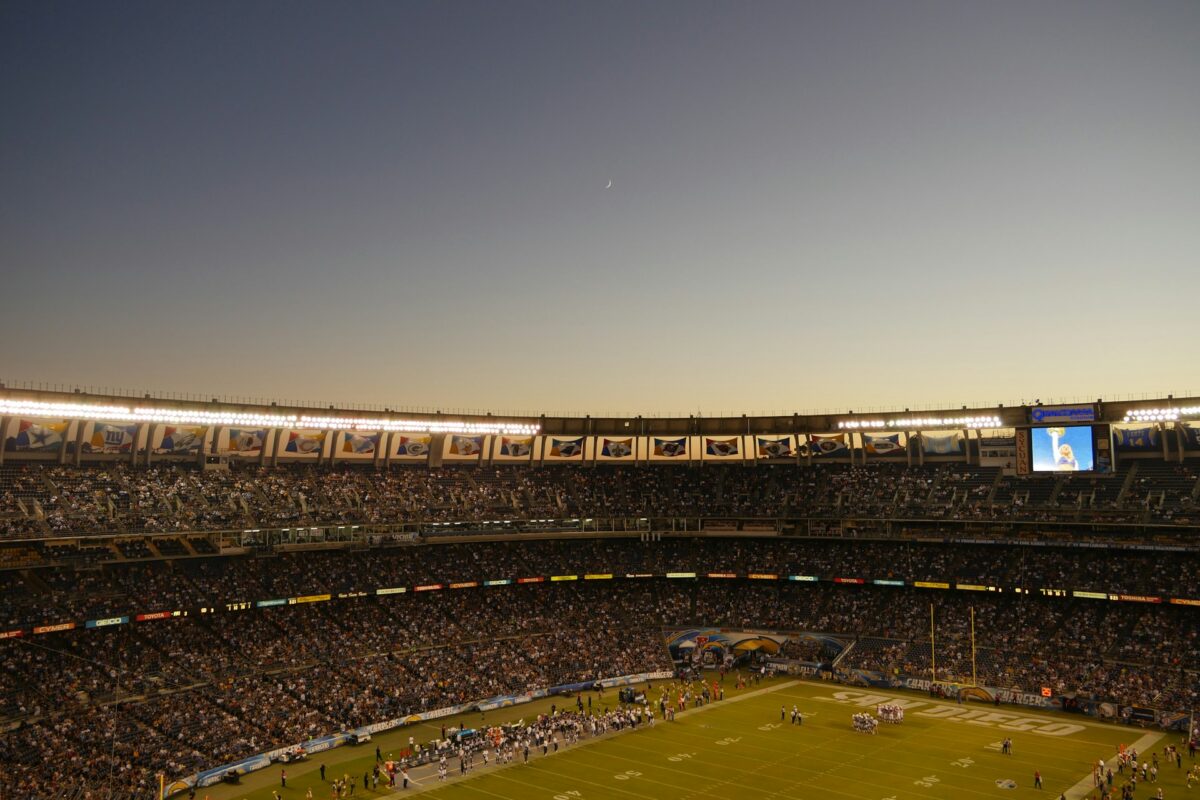
From 1953 to 1954, the DuMont network became the first to broadcast NFL games live, coast-to-coast, in prime time for an entire season. These Saturday night games predated Monday Night Football by 17 years, establishing that football could draw audiences during evening hours when families gathered around their sets.
DuMont only had 18 primary affiliates compared to NBC’s 120, limiting the broadcasts’ reach. The experiment proved that prime time sports could work, even if DuMont itself was too small to capitalize on the discovery fully.
Dizzy Dean’s Game of the Week

ABC launched the first network baseball series in 1953 with Dizzy Dean and Buddy Blattner hosting the Game of the Week on Saturday afternoons. Dean’s folksy commentary and colorful personality made baseball accessible to casual fans who might not follow a specific team.
The show brought baseball to markets without Major League teams, creating fans in places where kids had only read about the sport. Dean’s approach proved that broadcasters could be as important as the games themselves, turning the announcer into part of the entertainment.
His success showed that personality mattered as much on TV as it did on the field.
Boxing on Multiple Networks
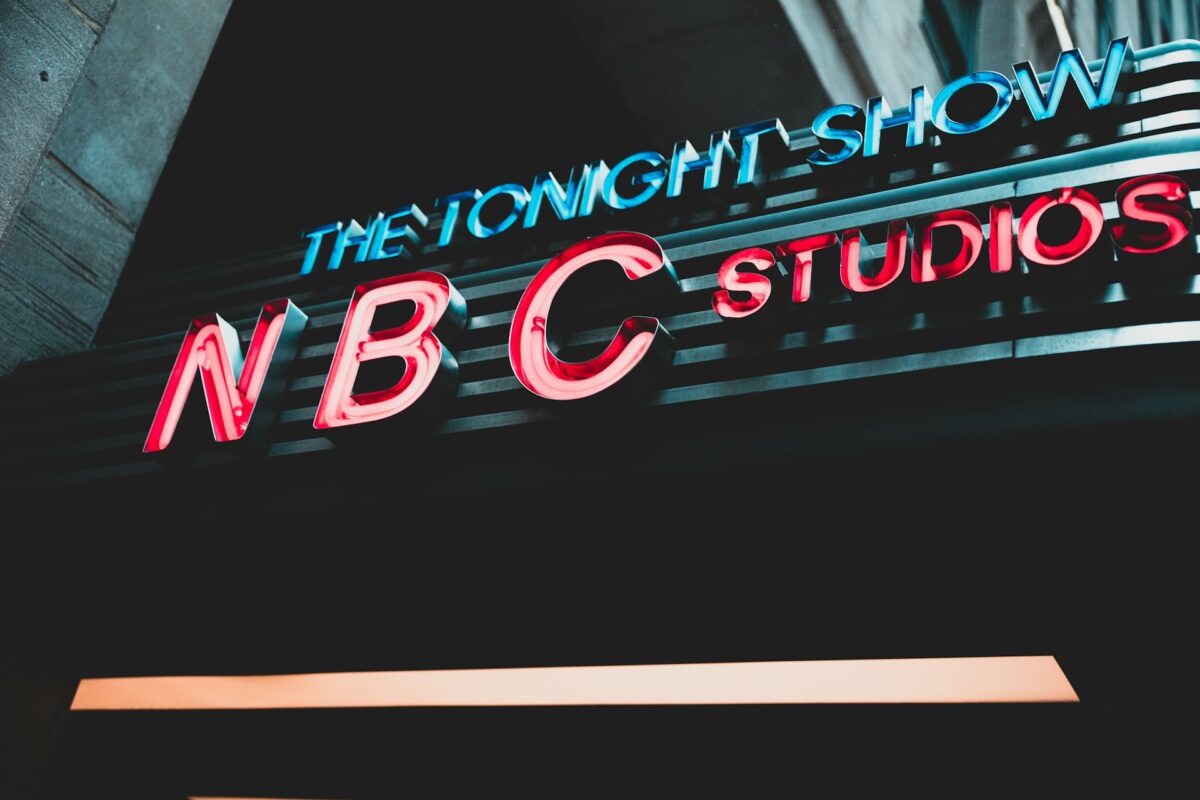
During the late 1940s and early 1950s, boxing appeared on television nearly every night of the week across different networks. NBC had Friday nights from Madison Square Garden, CBS owned Wednesday nights, and DuMont broadcast from various New York venues throughout the week.
The saturation meant boxers could become household names almost overnight, with top fighters appearing on prime-time television multiple times per month. Leading fighters could earn significant paydays, with top bouts paying around $4,000 or more, though many fighters made far less.
The constant exposure helped boxing become America’s second most popular sport, right behind baseball.
Like Go2Tutors’s content? Follow us on MSN.
Bar Culture and Communal Viewing

Early television sets cost between $225 and $2,500 depending on screen size and brand, putting them out of reach for most families in the late 1940s. Bars and taverns became the first gathering places for sports fans to watch televised games together, creating a communal viewing culture that persisted long after home sets became affordable.
New York City alone had 5,400 tavern TV sets in 1947, turning bars into neighborhood living rooms during big games. Even a 10-inch screen could pack a bar with sports fans, fundamentally changing how taverns operated.
This communal viewing experience helped build the social rituals around watching sports that we still see in sports bars today.
Regional Team Networks
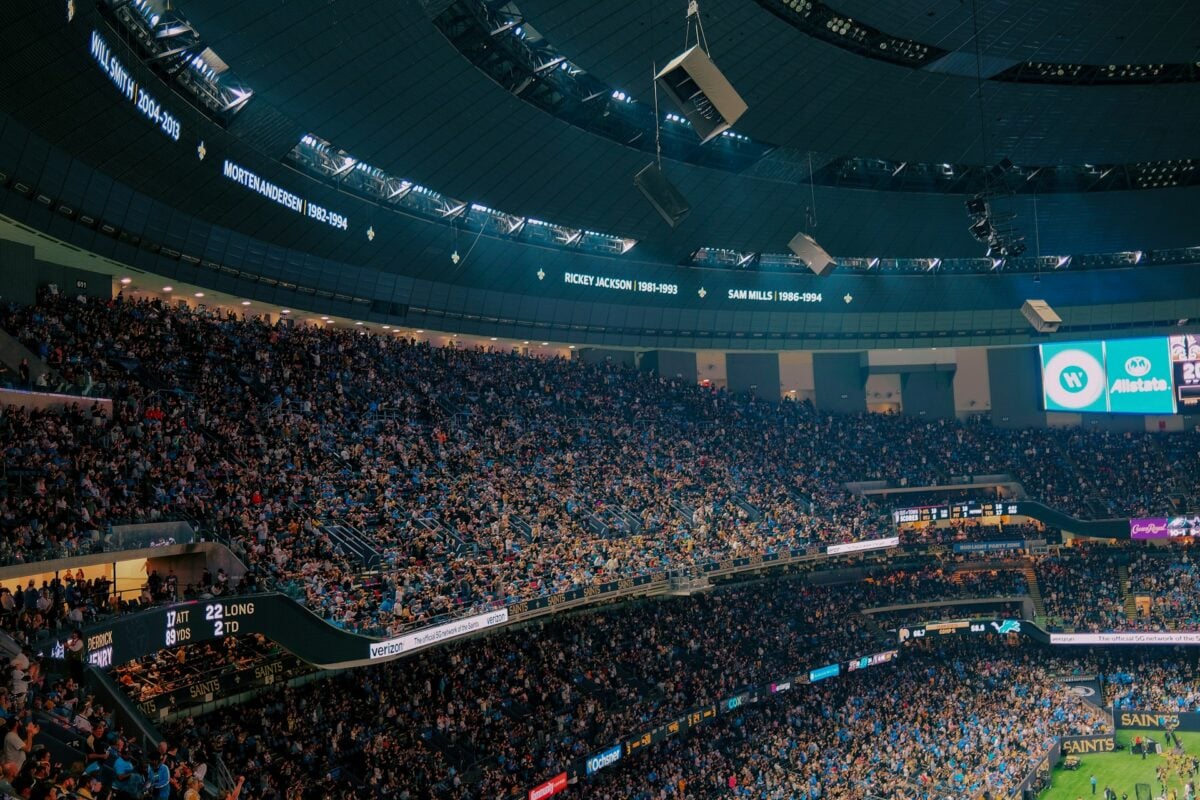
Before national broadcasting contracts, individual NFL teams created their own television networks in the 1950s. The Chicago Bears and Cardinals had vast regional networks that could reach 40 percent of the country, while the Cleveland Browns partnered with Sports Network Incorporated and Carling Beer to create their own broadcast system.
Smaller market teams struggled to get coverage at all, creating intense loyalty among viewers who got to see their teams regularly. The disparity between big and small market teams eventually forced the NFL to pool television rights in 1961 after receiving an antitrust exemption from Congress.
The regional networks proved that fans would watch their teams religiously if given the chance.
The Foundation of Modern Fandom
In addition to providing entertainment, these early broadcasts established the framework for contemporary sports culture. Kids learned the sport by watching pros, families established routines around game times, and Monday morning discussions at work focused on what everyone had watched the previous weekend.
Fans and athletes developed a new kind of bond thanks to live action, knowledgeable commentary, and the closeness of home viewing. Athletes became recognizable faces that appeared in living rooms every week thanks to television, which elevated sports stars to celebrity status in ways that newspaper coverage could not.
An industry worth billions of dollars was built on what began as a few hundred people watching a college baseball game on grainy screens, demonstrating that sometimes the most revolutionary changes begin small and expand beyond anyone’s wildest dreams.
More from Go2Tutors!

- 16 Historical Figures Who Were Nothing Like You Think
- 12 Things Sold in the 80s That Are Now Illegal
- 15 VHS Tapes That Could Be Worth Thousands
- 17 Historical “What Ifs” That Would Have Changed Everything
- 18 TV Shows That Vanished Without a Finale
Like Go2Tutors’s content? Follow us on MSN.