18 Strange Relics Pulled from the Ocean
Antikythera Mechanism

Sponge divers discovered this bronze marvel in 1901 near the Greek island of Antikythera. What looked like a corroded lump turned out to be the world's first analog computer, dating back 2,000 years.
The mechanism could predict eclipses decades in advance and track Olympic Games cycles. Its 30-plus interlocking gears worked with shocking precision, modeling the elliptical orbit of the moon long before scientists understood why it moved that way. Only about a third survived its underwater ordeal, broken into 82 fragments that researchers are still piecing together.
Titanic's Rusticles
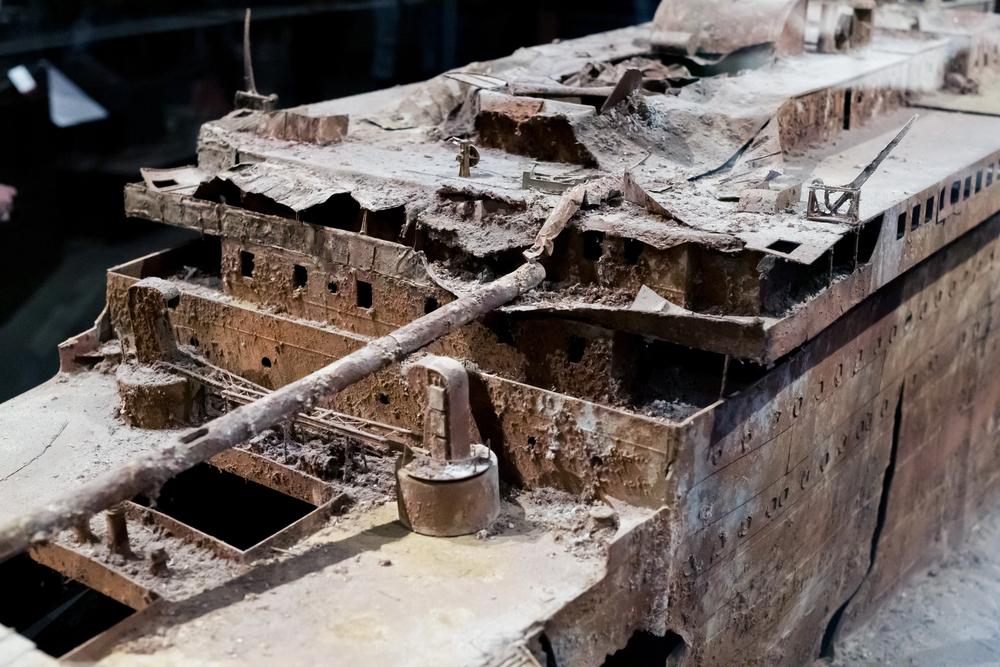
The most famous shipwreck gave us an entirely new word. When explorer Bob Ballard first glimpsed the Titanic in 1985, he saw rust formations that looked like icicles dangling from the hull.
These "rusticles" aren't just corrosion. They're living communities of bacteria that feast on iron, creating long reddish spikes. The formations have their own ecosystem, slowly consuming the ship while teaching scientists about underwater decomposition. Parts covered in the original pink protective paint still look pristine after more than a century underwater.
Cleopatra's Sunken Palace
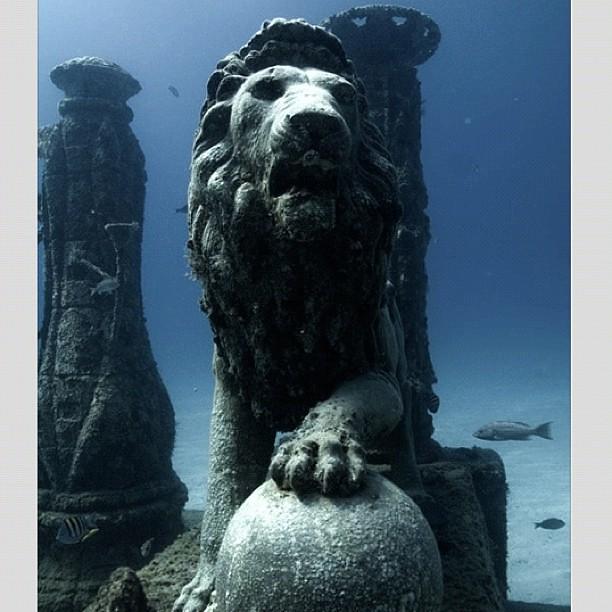
Alexandria's royal quarter vanished beneath the Mediterranean for 1,600 years until 1988. Earthquakes and tsunamis had swallowed an entire section of the ancient city, palace and all.
Divers found roads, jetties, temples, and sphinxes scattered across the seabed about 16 feet down. A colossal stone head believed to belong to Caesarion—son of Cleopatra and Julius Caesar—emerged from the depths along with statues of Isis. More than 20,000 artifacts have been catalogued so far. The smell of ancient Egypt, they say, still lingers in some of the pottery shards.
Obsidian Tools from Capri
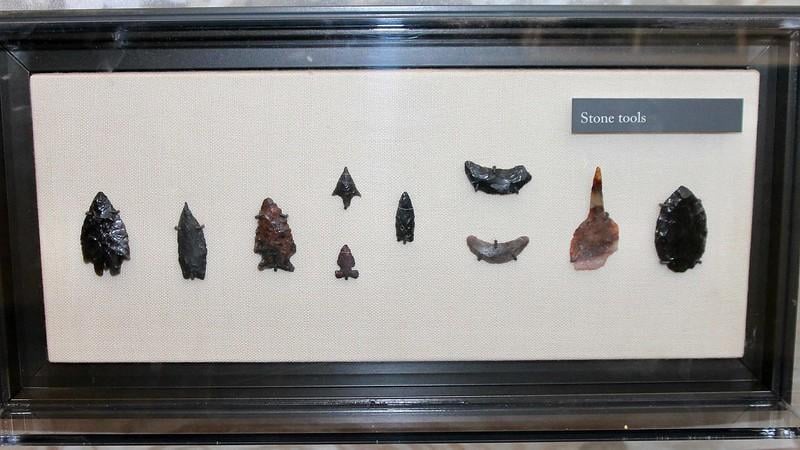
Near Italy's famous Blue Grotto lies another cave with its own secrets. In 2020, police divers found mysterious volcanic glass artifacts scattered on the seafloor near the White Grotto.
The obsidian pieces might represent cargo from a Neolithic shipwreck dating back 8,000 years. If confirmed, it would be the first Stone Age wreck ever found. The volcanic glass was precious in prehistoric times—sharper than modern surgical steel and prized across the Mediterranean. These particular pieces show expert craftsmanship that hints at sophisticated trade networks when most people still lived in caves.
Roman Battle Artifacts

Off Sicily's coast in 2013, archaeologists found remnants of history's first documented naval battle. The site yielded:
The battle happened during the First Punic War, when Rome fought Carthage for control of the Mediterranean. Some weapons show battle damage, telling stories of individual fights that raged on those ancient waters.
Human Skulls in Mexican Cenotes
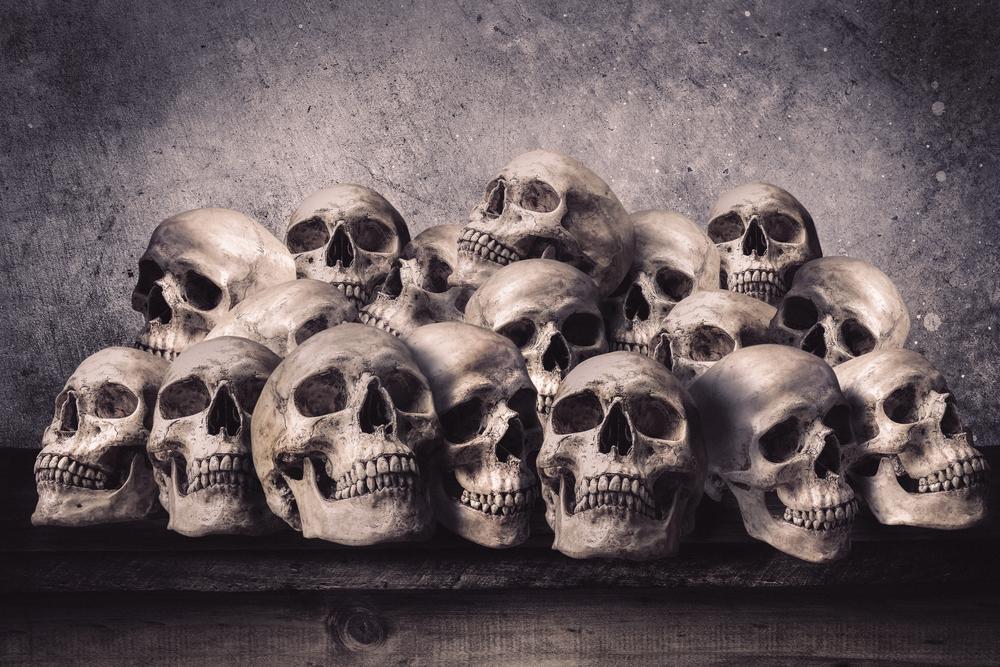
A flooded limestone cavern called Sac Uayum revealed something unsettling in 2014. Divers found over a dozen elongated human skulls and bone fragments at the bottom of the natural pit.
The skulls' unusual shape suggests deliberate modification, a practice in some ancient cultures. But nobody knows how these people died or why they ended up in this underwater tomb. The cenote's crystal-clear water has preserved the bones for what might be thousands of years, turning the cavern into an accidental ossuary.
Bronze Age Axe in Norwegian Waters

A routine investigation off Norway's coast in 2024 turned up something unexpected. At 40 feet deep, archaeologists found a bronze socketed axe measuring nearly 5 inches long.
Still gleaming after 3,000 years underwater. It's the oldest metal artifact ever found in Norwegian waters, but how it got there remains a mystery. Was it from the first Bronze Age shipwreck in Norway, or did some 19th-century sailor pick it up as ballast without realizing what he'd found?
Crusader Sword off Israel
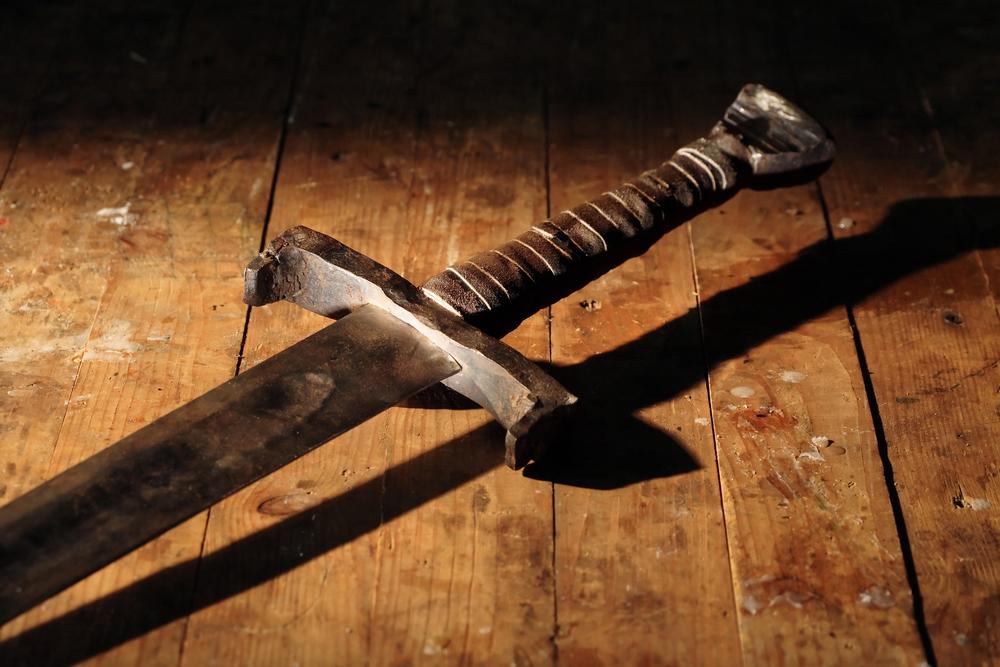
A single scuba diver changed history in 2021. Shlomi Katzin was exploring off Israel's Carmel Coast when he spotted something extraordinary on the seabed.
A 900-year-old iron sword with a 3-foot blade and 2-foot hilt, covered in marine organisms but otherwise pristine. The weapon likely belonged to a Crusader knight, lost when ancient harbors provided shelter for medieval ships. Storms and currents probably shifted sand for centuries before finally exposing this warrior's blade.
Supernova Debris in the Pacific
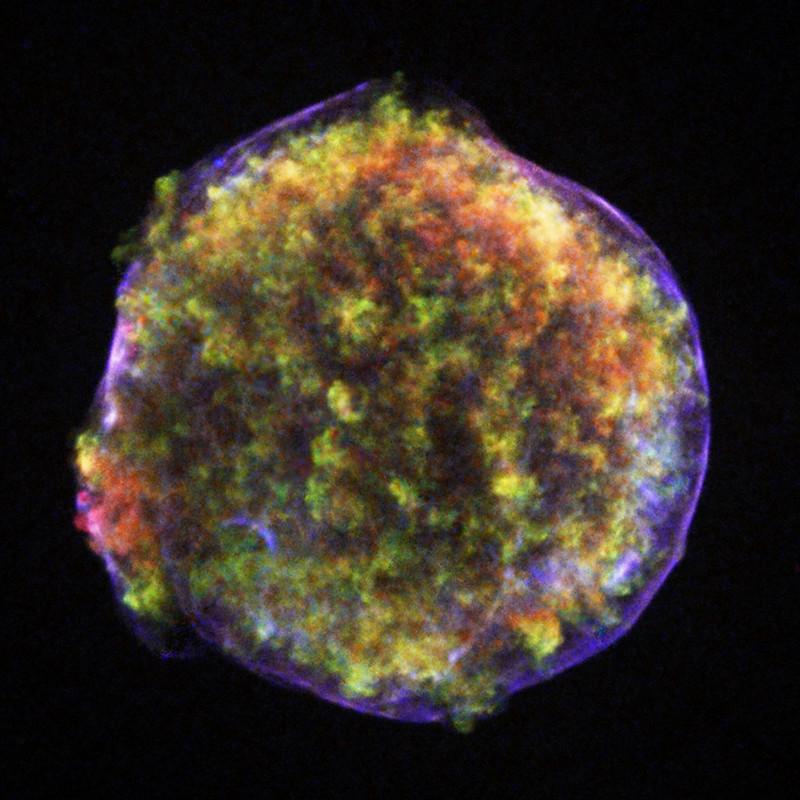
German researchers drilling in the Pacific Ocean found traces of something that exploded long before humans existed. Buried in ocean sediment was iron-60, an isotope that only forms when massive stars die.
The stellar debris came from a Type II supernova that detonated 2.6 million years ago, showering Earth with cosmic dust. Finding it on the ocean floor proves that our planet regularly receives visitors from deep space, even if we don't usually notice them falling from the sky.
Lost City of Dwarka
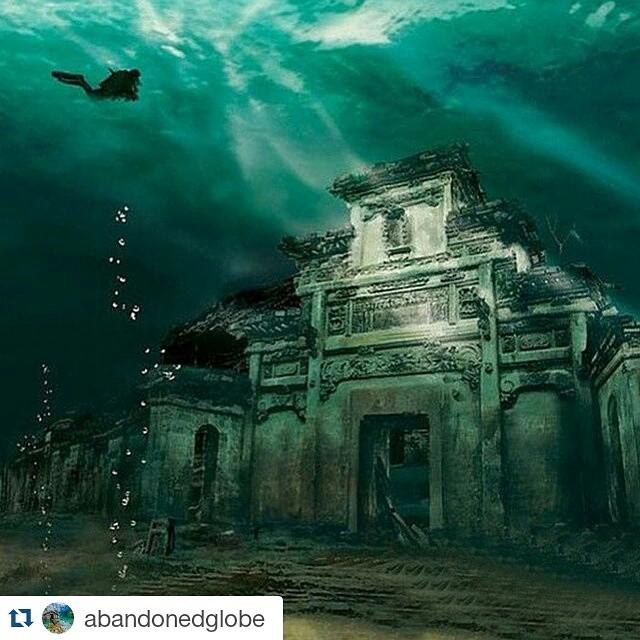
Indian waters off Gujarat revealed what might be Krishna's legendary city. Acoustic surveys found geometric structures beneath 130 feet of water, including massive stone walls and what appear to be building foundations.
Ancient texts describe Dwarka as a magnificent city that sank into the sea. The underwater ruins show sophisticated urban planning with streets, drainage systems, and defensive walls. Carbon dating suggests the city thrived 5,000 years ago, making it one of the world's oldest known urban centers.
WWII Amber Room Cargo

Polish divers may have found the most famous missing treasure of World War II. In 2020, they located the wreck of SS Karlsruhe in the Baltic Sea, nearly 300 feet down.
The ship might carry panels from Russia's legendary Amber Room—walls made of amber, gold, and gemstones that German soldiers looted. Crates visible in the wreck could contain the missing masterpiece, though investigators haven't been able to examine them yet. The "Eighth Wonder of the World" might still be waiting in those cold Baltic waters.
Giant Sea Creatures as Living Relics

The deep ocean preserves its own kind of history. Scientists regularly find "living fossils" that seem plucked from prehistoric times.
Giant isopods look like enormous pill bugs, growing up to 2.5 feet long. Sea angels float through the depths with transparent wings. Blobfish become gelatinous blobs when brought to the surface, their bodies adapted to crushing pressure. These creatures are living relics of evolution, unchanged for millions of years.
Ancient Wine Shipwreck
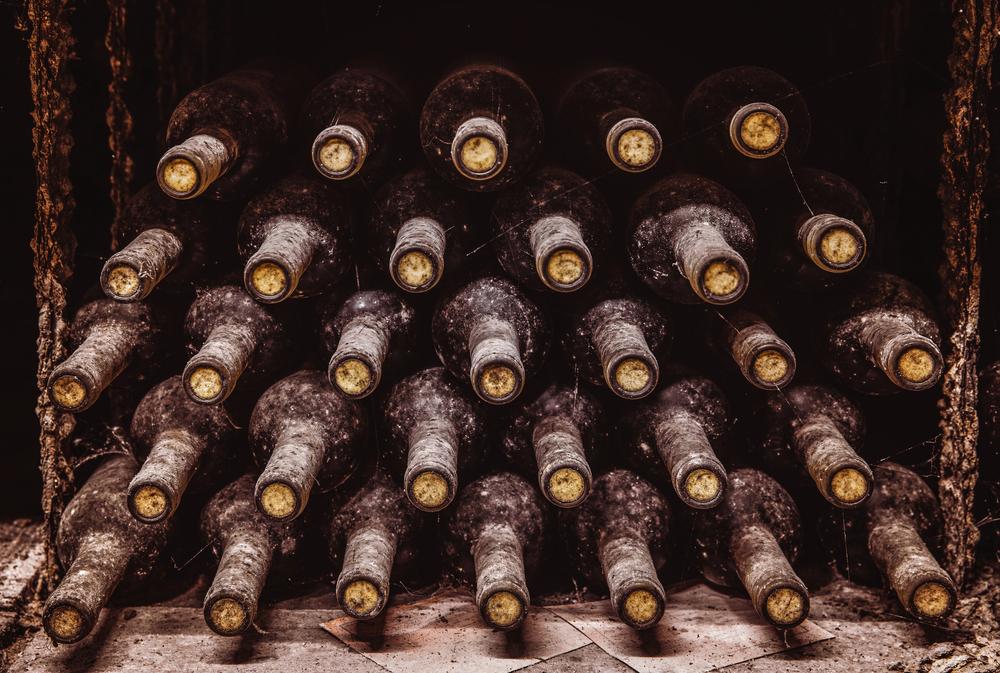
Divers have discovered thousands of sealed wine amphorae scattered across various Mediterranean wrecks. Some still contain liquid that was wine 2,000 years ago.
The clay vessels served as the 55-gallon drums of the ancient world, carrying wine, oil, and garum (fermented fish sauce) across trade routes. Many amphorae bear stamps identifying their origin, creating a database of ancient commerce. A few brave archaeologists have actually tasted the ancient wine. Reports vary on its quality.
Turkish Bath Artifacts from Titanic

Recent Titanic expeditions recovered artifacts that nobody had seen since 1912. A gilded wall sconce from the À la Carte Restaurant emerged from the debris field, along with a tile frame from the ship's Turkish Bath.
The tile still shows the vibrant blue color that decorated the bath—the first time anyone has documented the original colors. Such personal details make the disaster feel immediate, as if the ship sank yesterday instead of over a century ago.
Underwater Nuclear Submarines
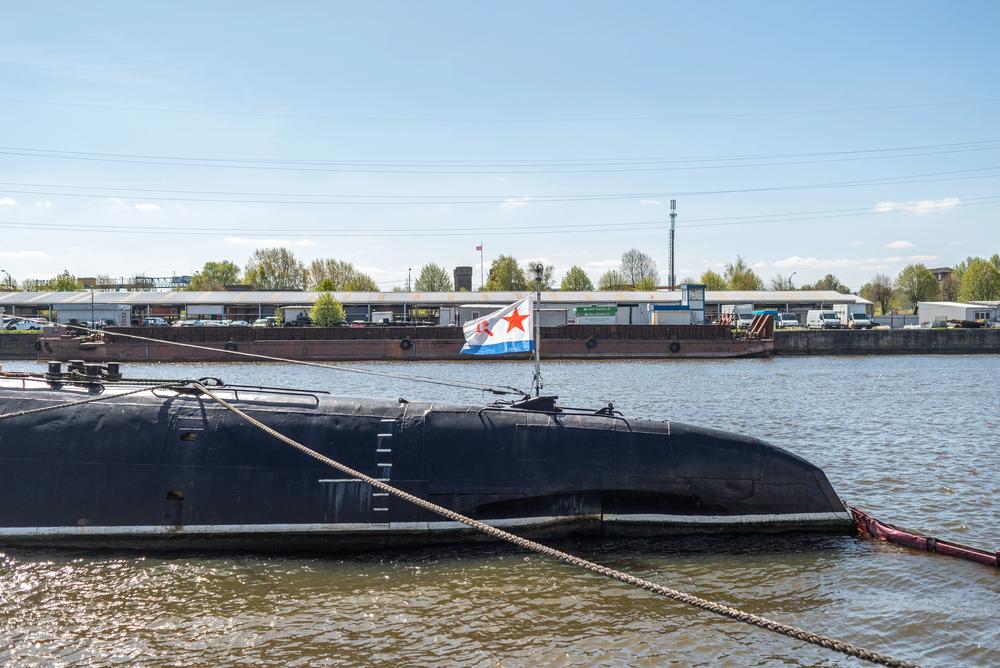
Before finding the Titanic, Robert Ballard located something more sensitive. The U.S. Navy had lost two nuclear submarines—USS Thresher and USS Scorpion—in the North Atlantic.
Both had imploded from pressure, creating massive debris fields. Following these scattered pieces taught Ballard how shipwrecks behave as they sink, knowledge he used to find the Titanic. The submarine missions remained classified for years, hidden beneath the more glamorous story of the famous ocean liner.
Medieval Merchant Ship Cargo

The Uluburun shipwreck off Turkey revealed Bronze Age international trade in stunning detail. The 14th-century BCE vessel carried cargo from at least seven different cultures.
Glass beads from Egypt, copper ingots from Cyprus, ivory from Africa, and tin from Afghanistan filled the hold. Even ebony and spices traveled these ancient routes. The ship was like a floating United Nations, proving that globalization started much earlier than most people think.
Gas Masks and War Debris
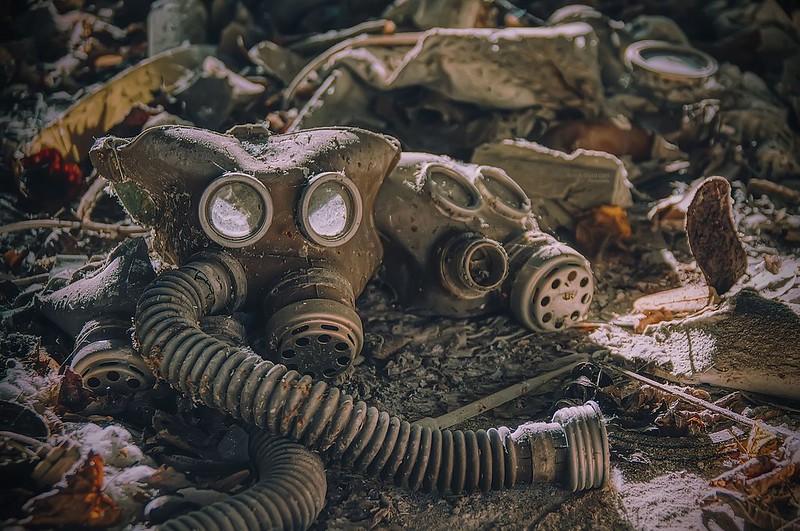
Military artifacts regularly turn up in unexpected places. Deep-sea divers encounter forgotten war relics like German gas masks, Allied tanks, and crashed fighter planes scattered across ocean floors.
An F4U Corsair lies off Oahu, Hawaii, where it crashed in 1946 after running out of fuel. Military trucks rest on various seabeds, their steel slowly being claimed by marine life. These metal ghosts remind us that the ocean became a battlefield and a graveyard during two world wars.
Spanish Galleon Treasures
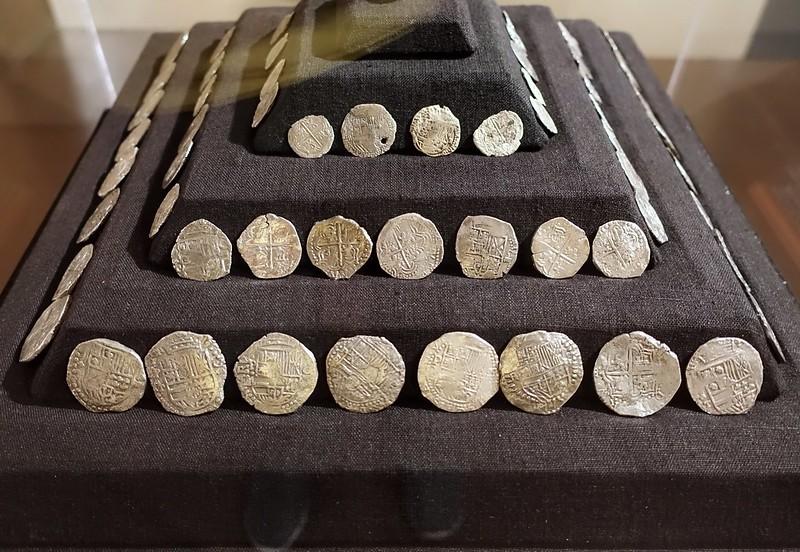
Treasure hunters' dreams do come true, though rarely as dramatically as Hollywood suggests. Spanish galleons carrying New World gold occasionally give up their secrets to modern technology.
Silver coins still shine after centuries underwater, protected by the ocean's salt. Emeralds and pearls survive in remarkable condition. But the real treasure is often the ship itself—perfectly preserved wood and rigging that shows how these vessels actually sailed and what life was like aboard them.
Echoes from the Deep

Every year brings new discoveries from the ocean's vast archive. Advanced sonar maps ancient cities, while deep-sea robots retrieve artifacts from crushing depths. The sea gives up its secrets reluctantly, but it never stops surprising us with reminders of how much human history still lies hidden beneath the waves.
More from Go2Tutors!

- 16 Historical Figures Who Were Nothing Like You Think
- 12 Things Sold in the 80s That Are Now Illegal
- 15 VHS Tapes That Could Be Worth Thousands
Like Go2Tutors’ content? Follow us on MSN.