Trendy Phrases That Became Global Memes
Thanks to the internet, language changes more quickly than ever before, and sometimes a single phrase can take over the entire world in a few short days.
Millions of people can express themselves through something that begins as a casual remark in a six-second video or a line in a rap song.
These viral phrases appear in memes, merchandise, and casual conversations all over the world, and they do more than just spread; they define entire periods of internet culture.
These catchphrases are fascinating because, once they catch on, they seem timeless even though they capture a particular moment in time.
They become abbreviations for whole moods, generations, or attitudes.
Some disappear rapidly, some endure for years, and some even become dictionaries.
This is a list of 15 popular phrases that went viral.
YOLO

Drake’s 2011 hit song ‘The Motto’ featuring Lil Wayne popularized this acronym for ‘you only live once,’ and it exploded across social media almost immediately.
The phrase became the ultimate justification for impulsive decisions, reckless behavior, and spontaneous adventures.
People got it tattooed on their bodies, including actor Zac Efron who inked it on his hand in late 2011.
Oxford American Dictionaries even included it on their 2012 Word of the Year shortlist.
The irony is that Drake didn’t invent it—the phrase traces back to an 1855 waltz by Johann Strauss II, and reality TV contestant Adam Mesh launched a YOLO clothing line way back in 2004.
Drake later apologized on Saturday Night Live in 2014 for unleashing it on pop culture, but by then the damage was done.
OK Boomer
This two-word dismissal became the defining phrase of generational warfare in 2019.
The phrase actually originated on 4chan in 2015 and Reddit in 2017, but it didn’t explode until TikTok user Peter Kuli created a remix in October 2019 that went massively viral.
The real breakthrough moment came when New Zealand parliament member Chlöe Swarbrick casually dropped it during a climate change speech after an older colleague heckled her.
Suddenly, millions of young people had the perfect response to condescending comments from older generations about everything from climate change to economic struggles.
By November 2019, videos tagged with the phrase had been viewed over 4 billion times on TikTok.
Some critics compared it to age discrimination, while others saw it as a justified pushback against a generation that seemed out of touch with modern realities.
Like Go2Tutors’s content? Follow us on MSN.
On Fleek

Peaches Monroee posted a six-second Vine video on June 21, 2014, describing her eyebrows as ‘on fleek,’ and that single moment changed internet vocabulary forever.
The phrase means something is perfectly done, flawless, or impeccably styled.
Within weeks, celebrities like Kim Kardashian and Nicki Minaj were using it in their social media posts, and it spread from eyebrows to outfits, hair, food, and basically anything that could look good.
Rapper PnB Rock released a song called ‘Fleek’ in 2015, cementing its place in pop culture.
By October 2021, the word was officially added to the dictionary, though by that point many considered it already outdated.
The phrase had such a meteoric rise that it became overused almost immediately, making it both iconic and cliché at the same time.
Slay
The word ‘slay’ traditionally means to kill, but somewhere along the way, it transformed into meaning to do something exceptionally well or to look absolutely stunning.
The phrase became particularly popular in fashion, beauty, and drag culture before crossing over into mainstream usage.
When someone says ‘you slayed that presentation’ or ‘her outfit is slaying,’ they mean it was executed flawlessly.
The term exploded on social media in the mid-2010s and became so ubiquitous that people started using it for everything from acing an exam to perfectly cooking dinner.
Its overuse eventually made it feel tired, but it remains a staple of internet vocabulary, especially when describing someone who’s absolutely crushing it in life.
Lit
Calling something ‘lit’ means it’s exciting, amazing, or incredibly fun, and the term dominated social media throughout the 2010s.
Originally rooted in hip-hop culture, the phrase crossed over to describe parties, events, experiences, or anything that exceeded expectations.
You’d hear people saying ‘that concert was lit’ or ‘this pizza is lit’ with equal enthusiasm.
The simplicity and versatility made it easy to adopt, and soon everyone from teenagers to brands trying to sound cool were throwing it into conversations.
Rapper YFN Lucci even had a hit song in 2016 called ‘Everyday We Lit.’
By the late 2010s, the phrase started feeling overplayed, and younger generations moved on to fresher alternatives, leaving ‘lit’ as a nostalgic marker of mid-2010s internet culture.
Like Go2Tutors’s content? Follow us on MSN.
Bae

This term of endearment swept through social media as both an acronym for ‘before anyone else’ and a shortened version of ‘babe’ or ‘baby.’
People started calling their significant others ‘bae,’ then expanded it to include best friends, pets, and even favorite foods.
The phrase hit peak popularity around 2013-2014, showing up in countless memes, songs, and Instagram captions.
Pharrell Williams released a song called ‘Come Get It Bae’ in 2014, and the term was everywhere.
What made it particularly viral was how it managed to sound both affectionate and ironic depending on the context.
Eventually, overuse made it feel corny, and by the late 2010s, using it unironically became the fastest way to date yourself.
Stan
Eminem’s 2000 song ‘Stan’ told the story of an obsessed fan, and two decades later, the term became the internet’s go-to word for being a hardcore supporter of someone.
Instead of saying ‘I love Taylor Swift,’ people now say ‘I stan Taylor Swift,’ using it as both a noun and a verb.
The phrase gained mainstream traction in the 2010s as fandoms organized themselves online and proudly declared their allegiance to various celebrities, artists, or franchises.
Twitter became ground zero for stan culture, where devoted fans would defend their favorites with ferocious intensity.
The term evolved beyond music to include anyone or anything people felt passionate about, from athletes to TV shows to fast food chains.
Tea
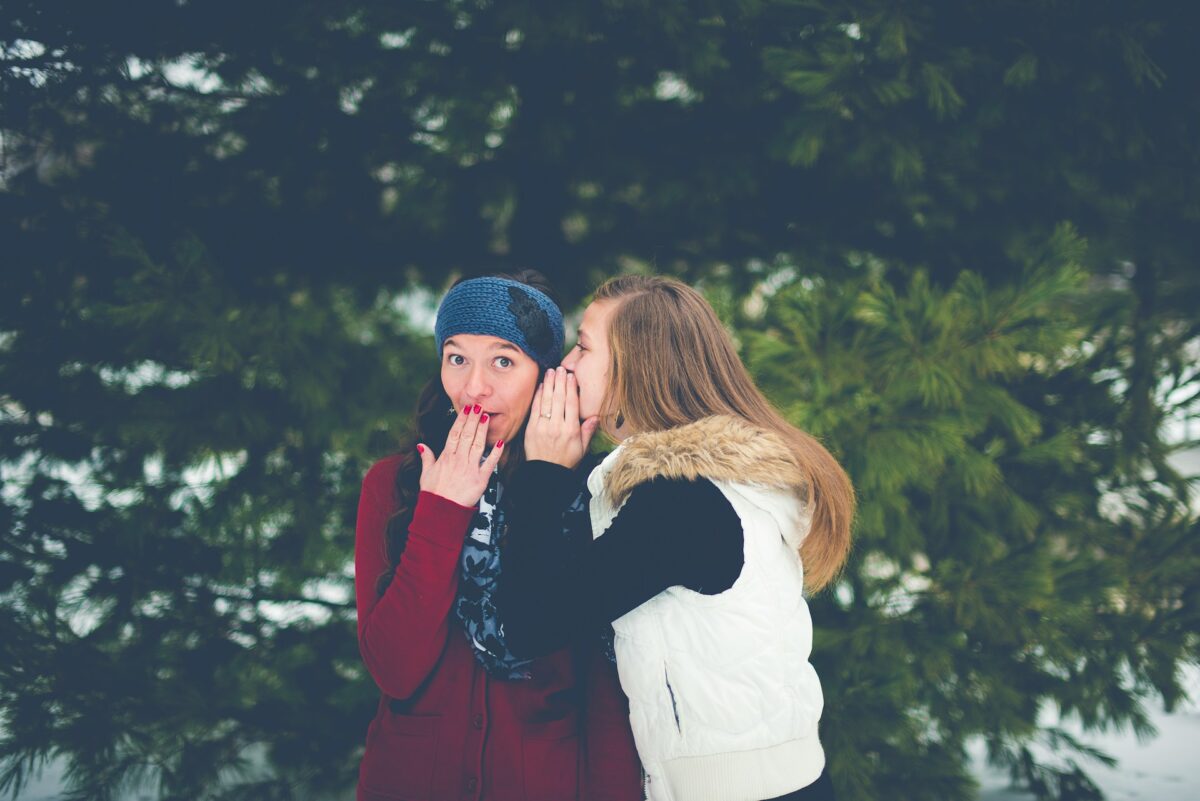
‘Spilling the tea’ means sharing gossip or revealing juicy information, and the phrase has roots in Black and LGBTQ communities before spreading across mainstream internet culture.
The metaphor works perfectly—tea is something you sip while catching up with friends, so ‘sipping tea’ means listening to gossip, while ‘spilling tea’ means sharing it.
The phrase exploded on social media in the mid-2010s and became the standard way to talk about drama, secrets, or insider information.
You’d see comments like ‘spill the tea, sis’ or ‘I’m just here for the tea’ anytime something scandalous happened.
The phrase became so popular that it spawned related terms like ‘receipts’ (proof of the gossip) and entire social media accounts dedicated to celebrity tea.
Like Go2Tutors’s content? Follow us on MSN.
Woke
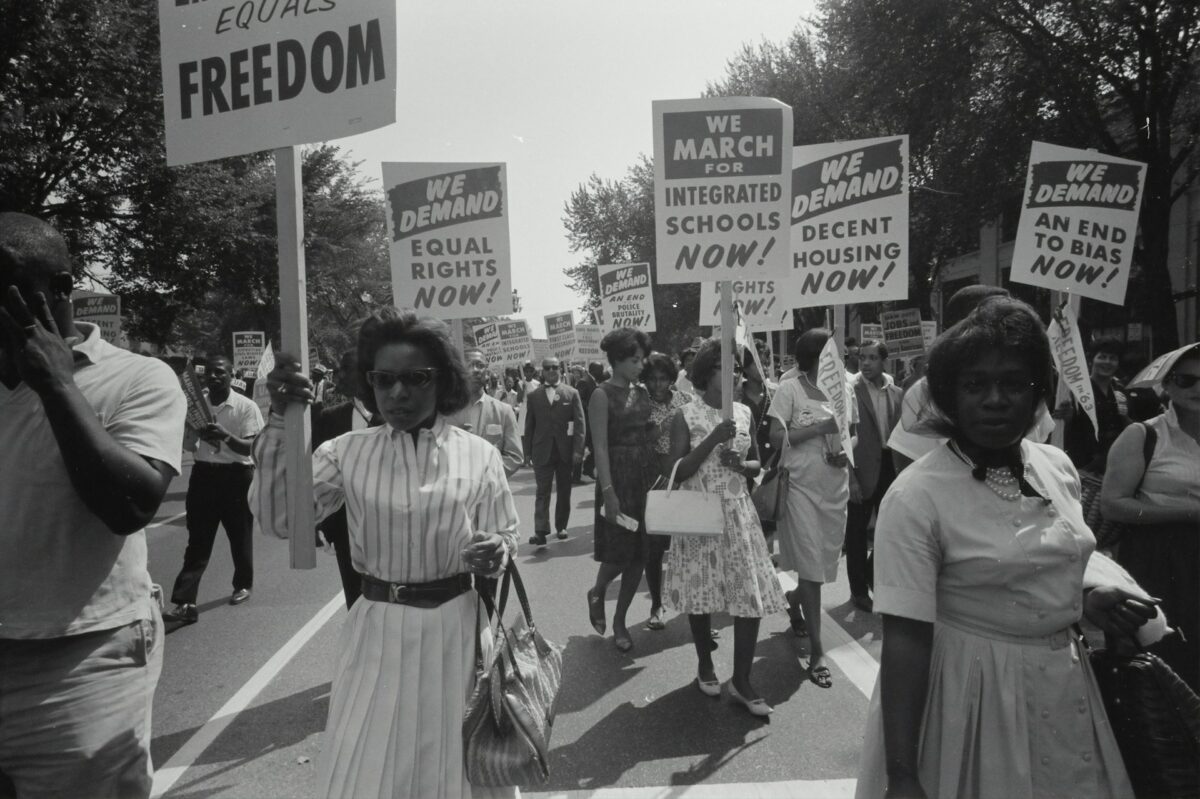
Originally from African American Vernacular English, ‘woke’ meant being aware of social injustices, particularly regarding racism and systemic inequality.
The term gained widespread attention following the Black Lives Matter movement and quickly became shorthand for being socially and politically conscious.
Someone who was ‘woke’ cared about the environment, feminism, racial justice, and breaking down harmful norms.
The phrase peaked around 2016-2018, with people using ‘stay woke’ as both genuine encouragement and ironic commentary.
Eventually, the term became so overused and politicized that it lost much of its original meaning, with critics using it mockingly to describe anyone they perceived as overly politically correct.
GOAT

The acronym for ‘Greatest Of All Time’ became the definitive way to praise exceptional talent, particularly in sports and entertainment.
While the concept existed before, the abbreviation gained massive traction in the 2010s, with fans constantly debating who deserved GOAT status in various fields.
You’d see endless arguments about whether Michael Jordan or LeBron James was the basketball GOAT, or whether Beyoncé or someone else deserved the title in music.
The term crossed over from sports into every imaginable category, from ‘GOAT burger’ at restaurants to people jokingly calling their pets the GOAT of being adorable.
Its flexibility and simplicity made it stick, and unlike many viral phrases, it hasn’t really faded from use.
Send It to Me Rachel
A 2022 TikTok video of a mother named Colleen desperately demanding to see content on her daughter Rachel’s phone became an instant meme in March and April 2024.
The clip showed Colleen tearfully pleading ‘Show me to me, please. Send it to me, Rachel’ in response to what appeared to be shocking news.
The phrase immediately replaced normal ways of asking to see something, with people using it whenever they wanted a friend to share a video, photo, or piece of information.
The emotional delivery made it perfect for both genuine requests and ironic exaggeration, and it spread across TikTok, Instagram, and Twitter at lightning speed.
Like Go2Tutors’s content? Follow us on MSN.
Rizz

Short for ‘charisma,’ this term describes someone’s ability to attract or flirt with others, and it dominated 2023-2024 internet culture.
Having ‘rizz’ means you’ve got smooth talking skills and natural charm.
The phrase became so popular that Oxford University Press named it the 2023 Word of the Year, beating out other contenders.
People started using it in every possible context, from ‘he’s got rizz’ to ‘rizz them up’ to the insulting ‘no rizz energy.’
Streamer Kai Cenat is often credited with popularizing the term, though its origins trace back earlier.
The phrase spawned countless variations and related terms, cementing its place in Gen Z vocabulary.
Demure

TikTok creator Jools Lebron posted a video in August 2024 describing her workplace makeup as ‘very demure, very mindful,’ and the phrase immediately went viral.
The ironic use of ‘demure’—a word meaning modest and reserved—to describe basically anything became a joke.
People started calling everything from their lunch choices to their chaotic behavior ‘very demure, very mindful,’ turning the traditionally serious word into peak internet absurdity.
Celebrities jumped on the trend, brands created marketing campaigns around it, and within weeks it had become one of 2024’s biggest catchphrases.
The success came from the contrast between the formal word and its application to mundane or even outrageous situations.
Chill Guy

A cartoon drawing of an anthropomorphic dog in a grey sweater, hands in pockets, with a relaxed expression became the defining meme character of late 2024.
The ‘chill guy’ represents someone who doesn’t overthink things, goes with the flow, and maintains calm even in awkward or stressful situations.
People started using the image to caption scenarios where they acted in seemingly illogical ways but didn’t care because they’re ‘just a chill guy.’
The phrase resonated because everyone relates to making choices that don’t make perfect sense but doing so with complete confidence.
Within weeks, it evolved from a simple image into a full-blown identity that millions claimed for themselves.
Like Go2Tutors’s content? Follow us on MSN.
No Cap

This phrase means ‘no lie’ or ‘for real,’ and it became the go-to way to emphasize honesty in the late 2010s and early 2020s.
The term originated in Southern hip-hop, with ‘cap’ meaning a lie or exaggeration.
Adding ‘no cap’ to the end of a statement became the internet’s truth stamp, letting people know you’re being completely genuine.
Conversely, saying someone is ‘capping’ means they’re lying or showing off.
The phrase spread from rap lyrics to everyday conversation so thoroughly that people use it without even thinking about it.
It’s staying power comes from filling a real linguistic need—a quick, emphatic way to assert truthfulness in an era where everything online feels performative.
The Endless Cycle
These expressions demonstrate how rapidly language changes in the digital age and how one word can become widely used in a matter of seconds by millions of people.
It’s amazing how these catchphrases both shape and capture particular cultural moments.
They turn into archival records of attitudes, humor, and shared experiences.
Once taking years to spread, viral phrases now only take days or even hours to do so.
While some phrases become so ingrained in our vocabulary that we forget they were ever new, others burn bright and fade quickly.
We’re always one viral video away from the next catchphrase that will shape online discourse for the coming months because of the constant churn.
It is arguable whether these expressions improve or weaken language, but there is no denying their influence on international communication.
They have established a common language that cuts across boundaries, age groups, and cultural backgrounds, demonstrating that sometimes the most straightforward expressions have the greatest impact.
More from Go2Tutors!

- 16 Historical Figures Who Were Nothing Like You Think
- 12 Things Sold in the 80s That Are Now Illegal
- 15 VHS Tapes That Could Be Worth Thousands
- 17 Historical “What Ifs” That Would Have Changed Everything
- 18 TV Shows That Vanished Without a Finale
Like Go2Tutors’s content? Follow us on MSN.