Weather Events That Shocked History
Mother Nature has a way of reminding us who’s really in charge.
Throughout history, weather events have stopped armies in their tracks, wiped out entire cities, and forced millions of people to pack up and leave everything behind.
These weren’t just bad storms that made the news for a day or two—they were game-changing disasters that altered the course of human events and left scars that lasted for generations.
Some of these weather catastrophes killed thousands in a single night.
Others stretched on for years, turning fertile farmland into barren wastelands.
A few caught people so off guard that entire communities had no idea what hit them until it was too late.
Here’s a list of 14 weather events that didn’t just make headlines—they changed history.
Galveston Hurricane
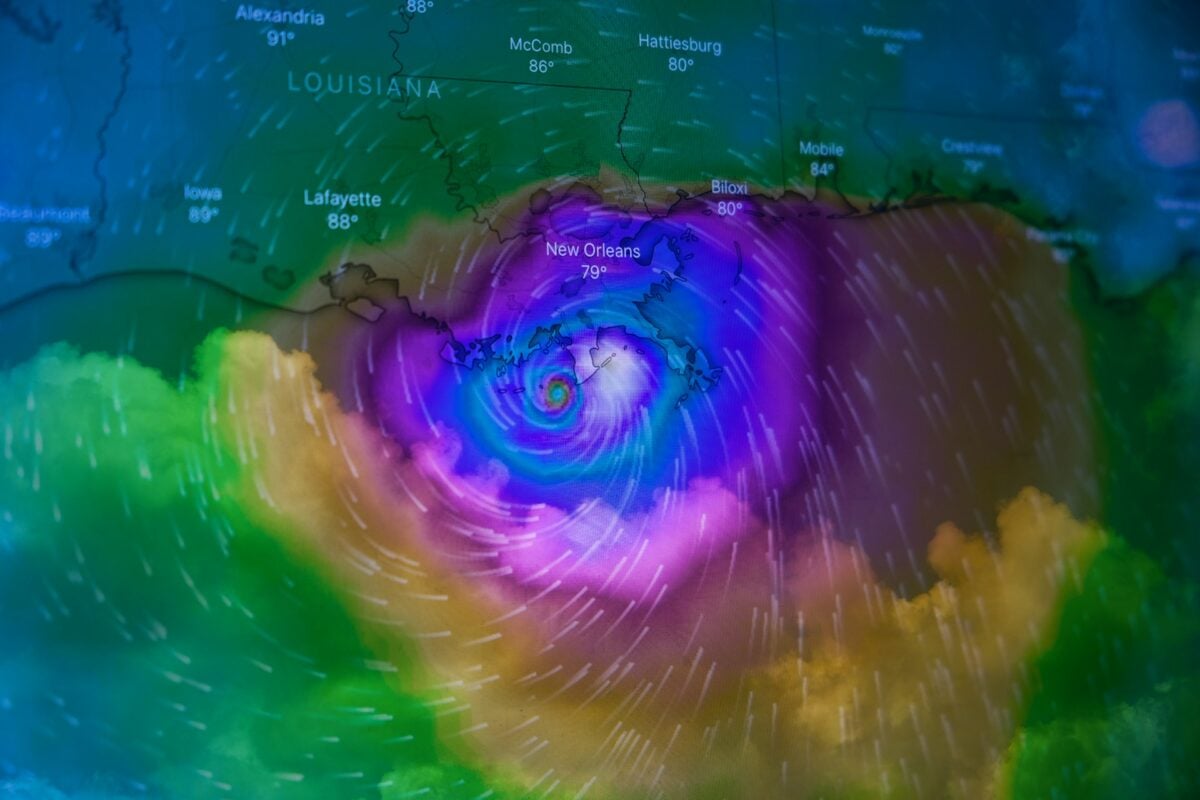
The deadliest natural disaster in American history struck Galveston, Texas, on September 8, 1900, catching residents with almost no warning.
Hurricane forecasting was in its infancy, so while some warnings existed, they were inadequate to prepare the island city for what was coming.
Winds reached 120 mph and a storm surge between 15 and 20 feet slammed into Galveston, killing an estimated 6,000 to 12,000 people.
The devastation was so complete that the disaster contributed significantly to Houston’s rise as the region’s major commercial hub, fundamentally reshaping the economic landscape of Texas.
Year Without a Summer
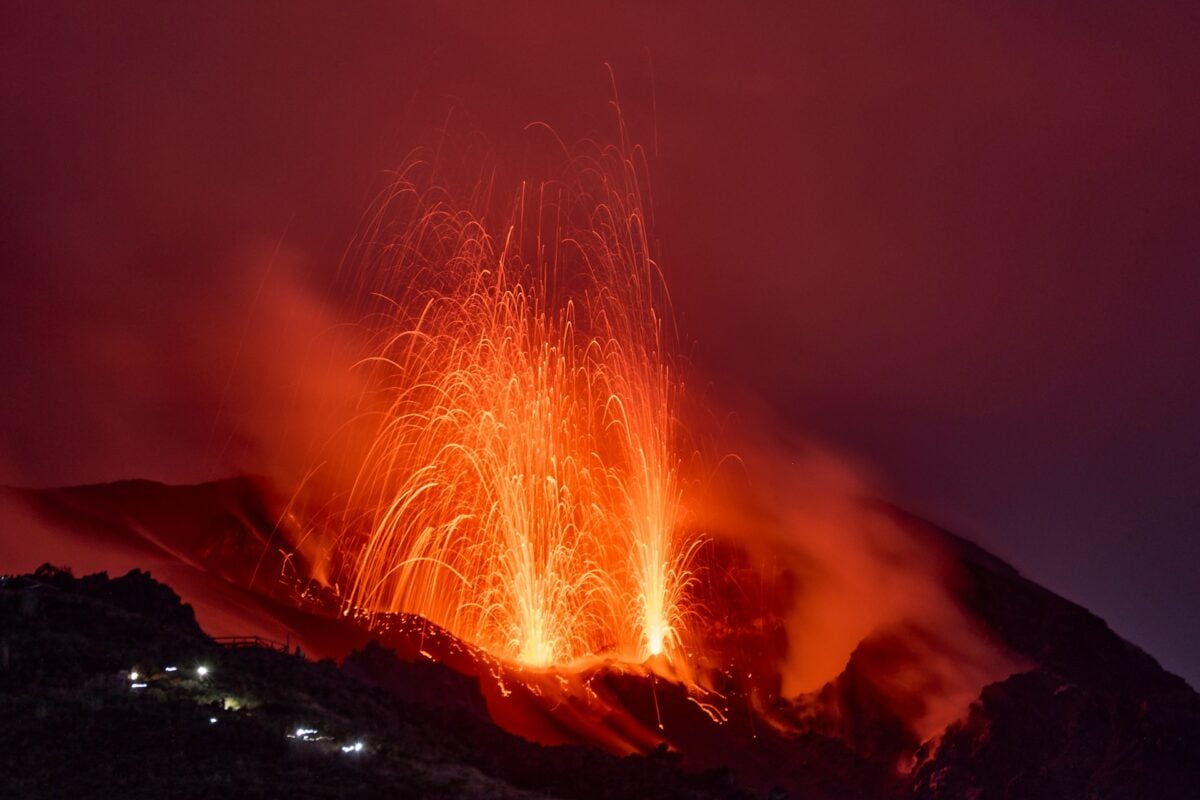
When Mount Tambora in Indonesia erupted in April 1815, it unleashed one of the most powerful volcanic events in recorded history.
The massive amounts of volcanic ash shot into the atmosphere and spread around the globe, blocking sunlight and causing temperatures to drop worldwide.
The summer of 1816 became known as the Year Without a Summer, with frosts hitting even during summer months in New England and crop failures sparking food shortages across Europe and North America.
The disaster triggered mass migrations from the Northeast to the Midwest, contributed to Ireland’s typhoid outbreak, and helped spark the first worldwide cholera epidemic.
Like Go2Tutors’s content? Follow us on MSN.
Great Blizzard of 1888
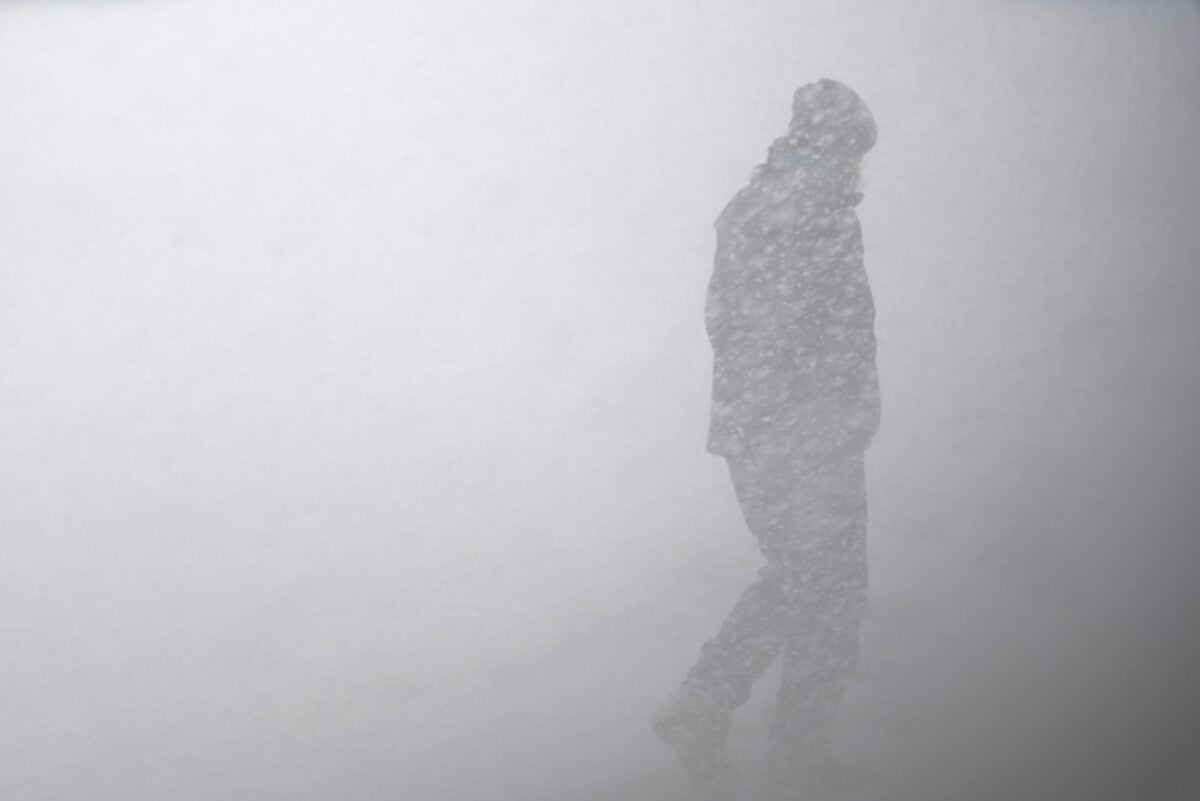
The northeastern United States got buried under one of the most powerful snowstorms ever recorded when the Great Blizzard of 1888 struck on March 11 and 12.
The storm dumped 40 to 50 inches of snow across Connecticut, Massachusetts, New Jersey, and New York, with brutal winds creating massive snowdrifts that buried entire buildings.
Over 400 people died, and major cities like New York and Boston came to a complete standstill as railway and telegraph lines were destroyed.
The disaster was so catastrophic that it inspired Boston to create the first underground subway system in the country, forever changing how American cities thought about transportation infrastructure.
Tri-State Tornado
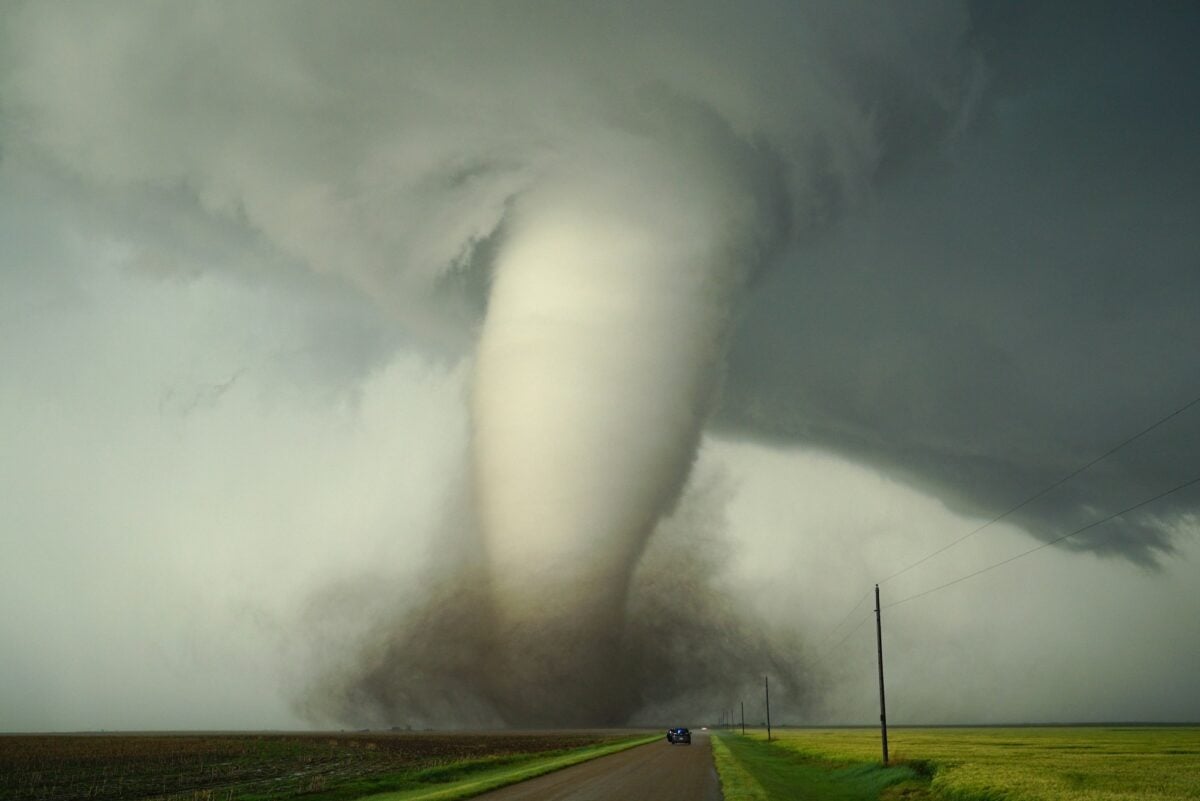
On March 18, 1925, the deadliest tornado in American history tore through Missouri, Illinois, and Indiana in just three hours.
The Tri-State Tornado killed 695 people as it carved a path of destruction across three states, moving so fast that many people had no time to take cover.
The twister was unusually long-lived and covered an enormous distance, flattening entire towns in its path.
Weather forecasting for tornadoes was virtually nonexistent at the time, leaving communities completely vulnerable to these deadly storms.
Dust Bowl
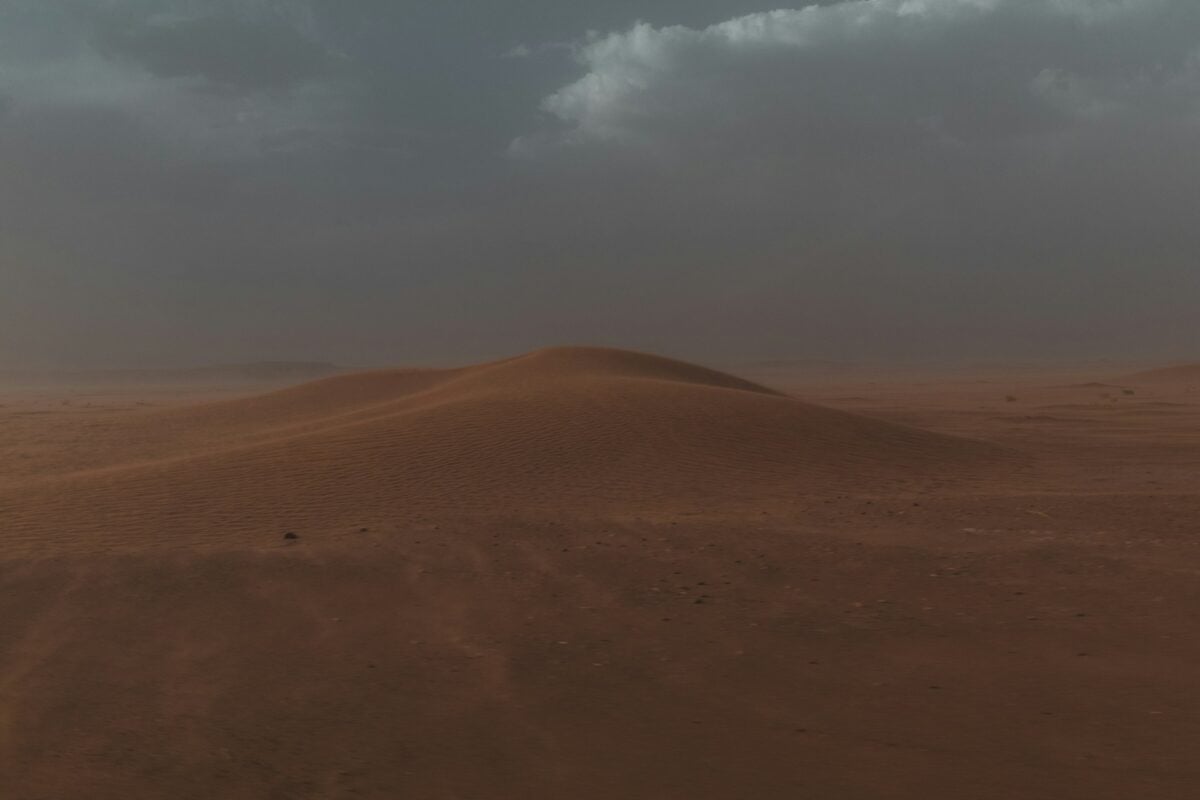
The 1930s Dust Bowl remains the most significant drought in American history, transforming the Great Plains into an apocalyptic wasteland.
A combination of severe drought and poor farming practices turned topsoil into powder, and massive dust storms called ‘black blizzards’ swept across the region for years.
Black Sunday on April 14, 1935, was the worst of them all—a mountain of blackness rolled across the High Plains, turning a sunny afternoon into pitch darkness in minutes.
The disaster forced tens of thousands of families to abandon their farms, with economic losses mounting to staggering levels throughout the decade.
Like Go2Tutors’s content? Follow us on MSN.
1936 Heat Wave
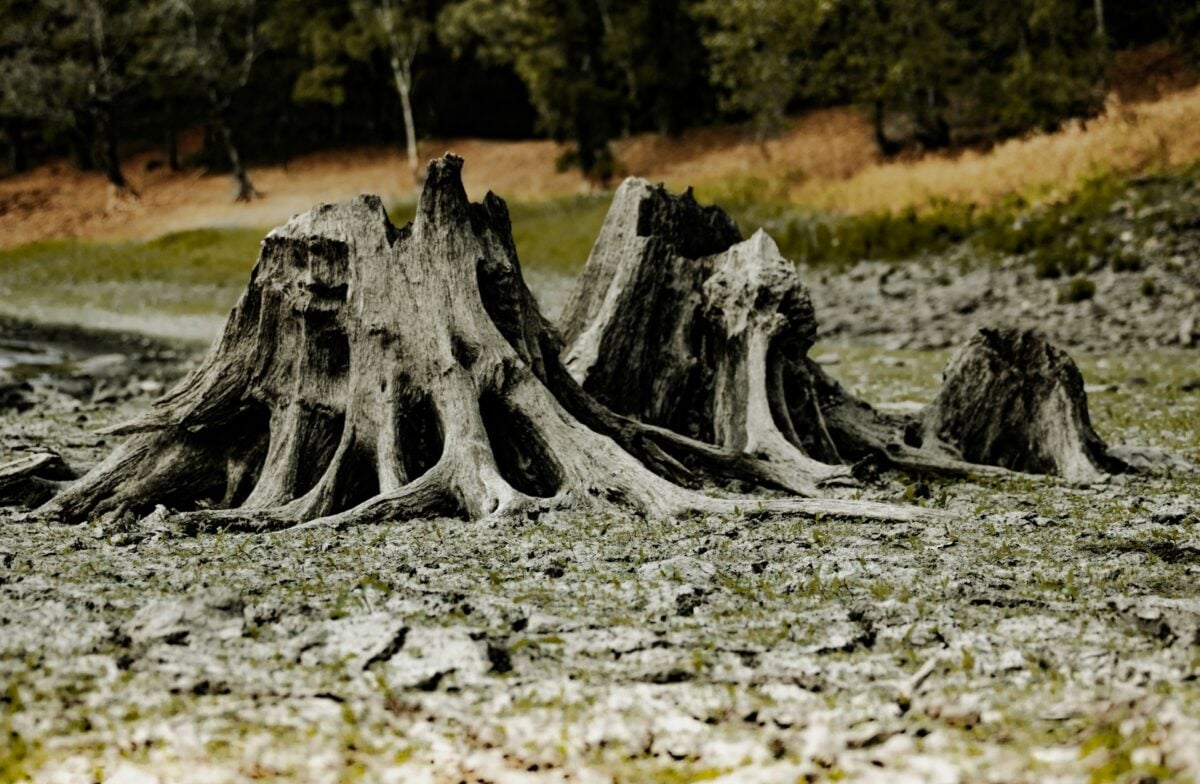
Following one of the coldest winters on record, the summer of 1936 brought a heat wave that remains one of the most deadly in North American history.
As many as 5,000 people died in the United States from heat-related causes, with another 780 direct and 400 indirect deaths in Canada.
Air conditioning was still in its early stages, so people had no escape from the brutal temperatures that sent thermometers soaring past 100 degrees for weeks on end.
On July 25, Omaha recorded 114 degrees, a record that still stands today.
Great Appalachian Storm
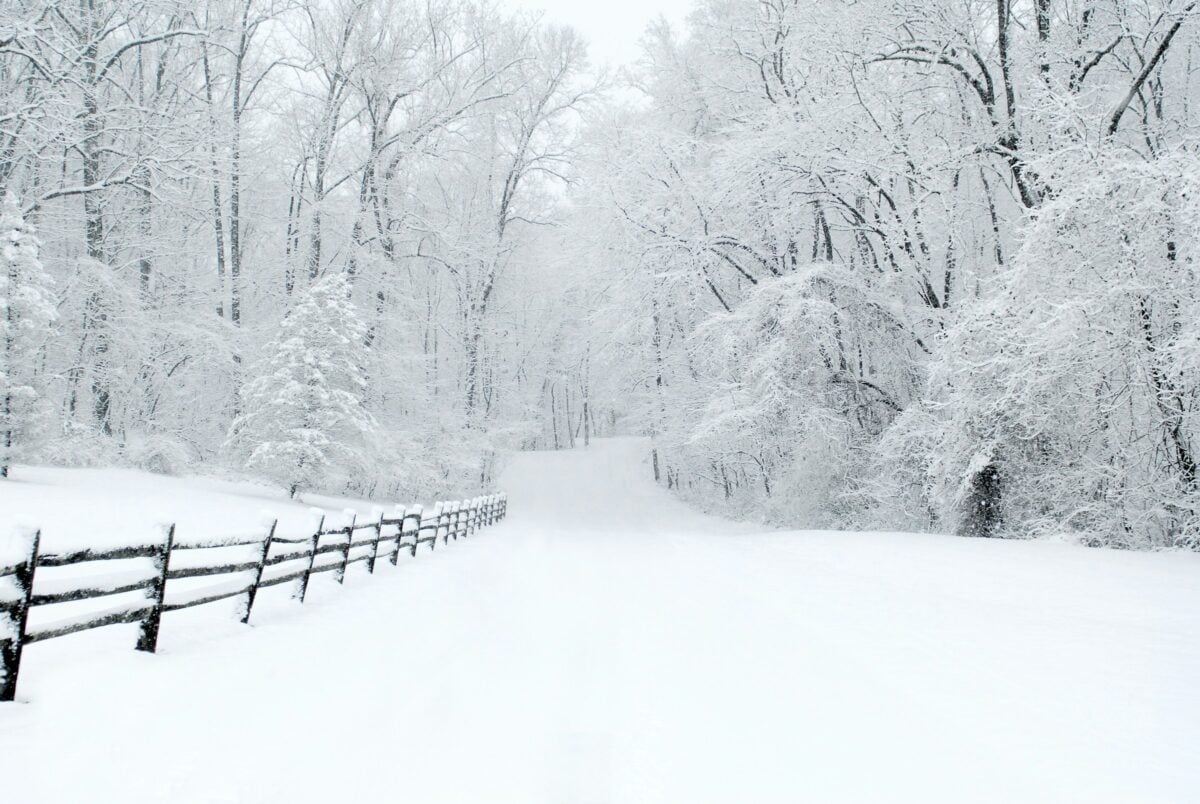
Thanksgiving weekend in 1950 brought a weather disaster that became a landmark case study for tracking winter storms.
The Great Appalachian Storm formed over North Carolina before looping around Ohio, killing 353 people as it devastated much of the Southeast.
Wind speeds reached as high as 110 mph in New Hampshire, and millions lost power from downed electrical lines.
Pennsylvania, Ohio, and West Virginia got slammed with severe blizzard conditions, with some areas receiving up to 20 inches of snow.
Iran Blizzard
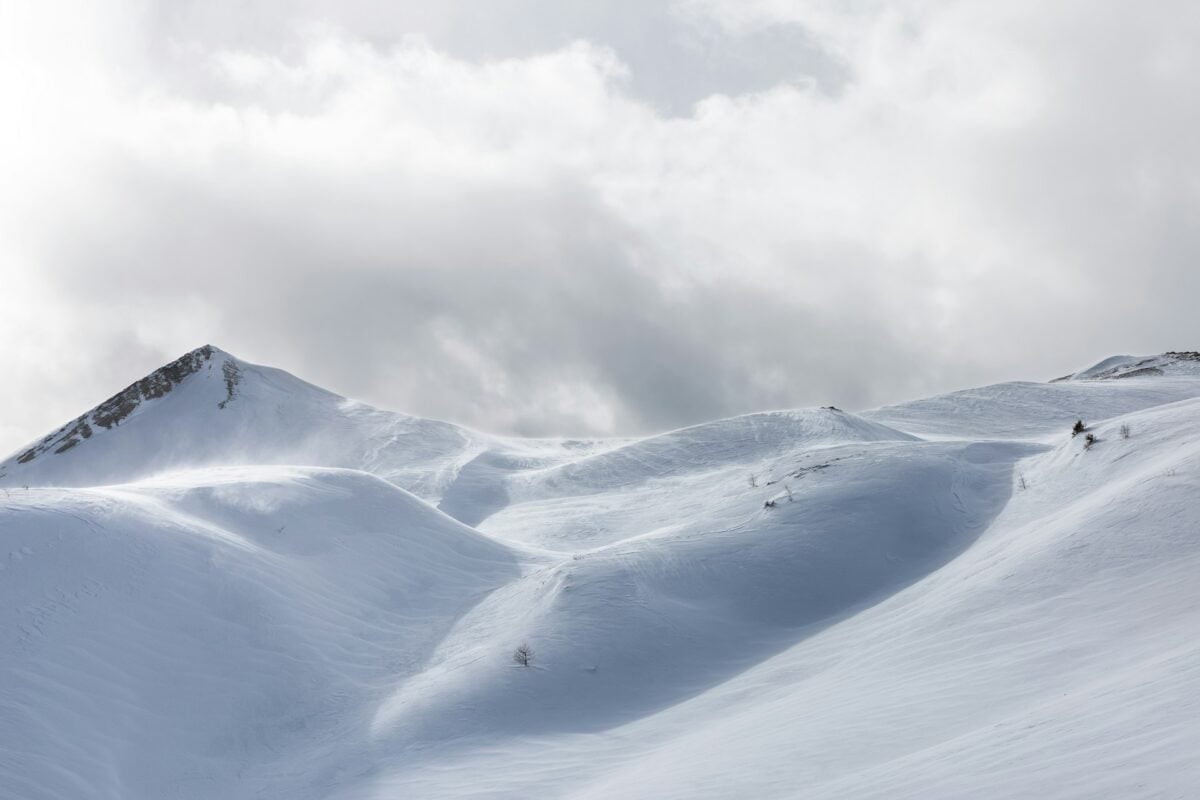
The deadliest blizzard in recorded history struck Iran in February 1972, and the numbers are almost impossible to comprehend.
The week-long storm dumped 10 to 26 feet of snow across more than 200 villages, completely burying some communities under snow depths reaching 26 feet.
An estimated 4,000 people died, and nearly 6,000 were reported missing during the disaster.
Rescue efforts were basically impossible with roads impassable and the storm still raging, making it one of the most catastrophic weather events of the 20th century.
Like Go2Tutors’s content? Follow us on MSN.
Great Storm of 1987
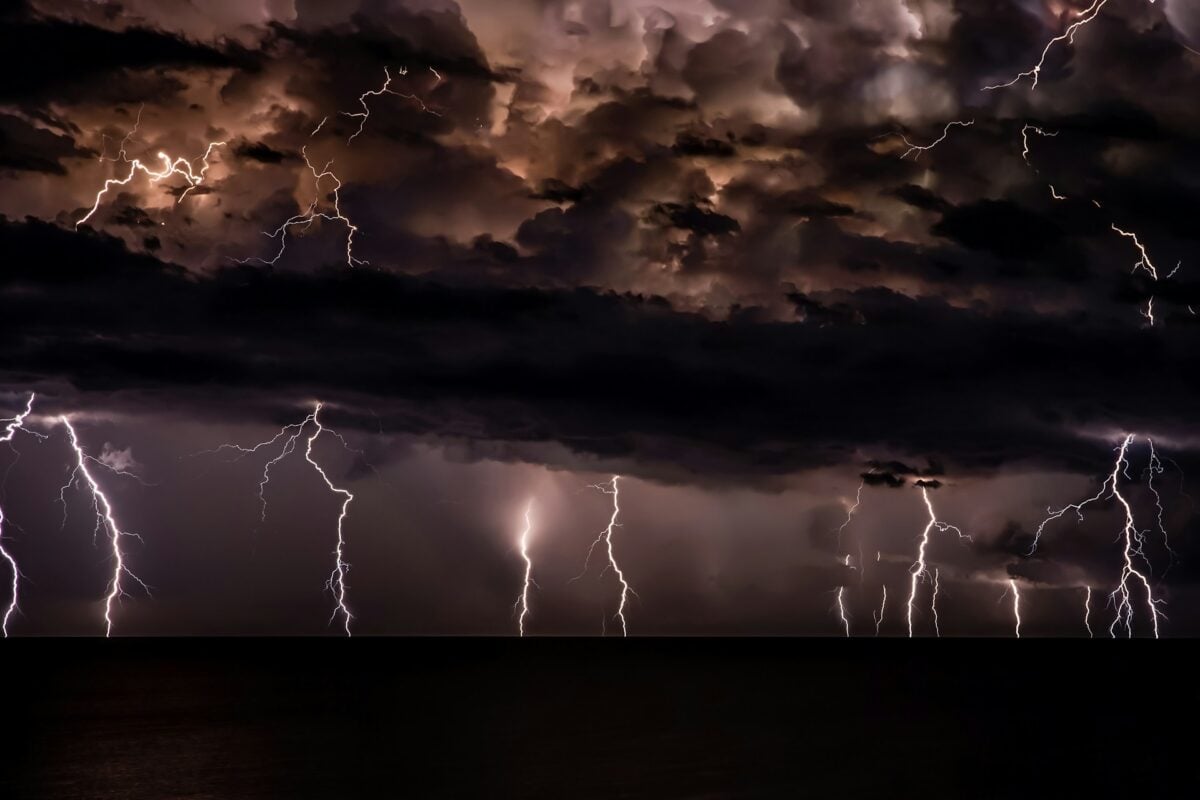
Britain got blindsided on the night of October 15-16, 1987, when hurricane-force winds tore across southern England with almost no warning.
The storm’s rapid development caught forecasters completely off guard, leading to the now-famous moment when BBC weatherman Michael Fish downplayed concerns about a hurricane—just hours before winds exceeding 100 mph began battering the coast.
The anecdote has become somewhat exaggerated in retellings over the years, but the forecast failure was real.
By morning, an estimated 15 million trees had been destroyed across Britain, at least 18 people were dead, and damages were estimated at around £1 billion in 1987 currency.
Hurricane Katrina
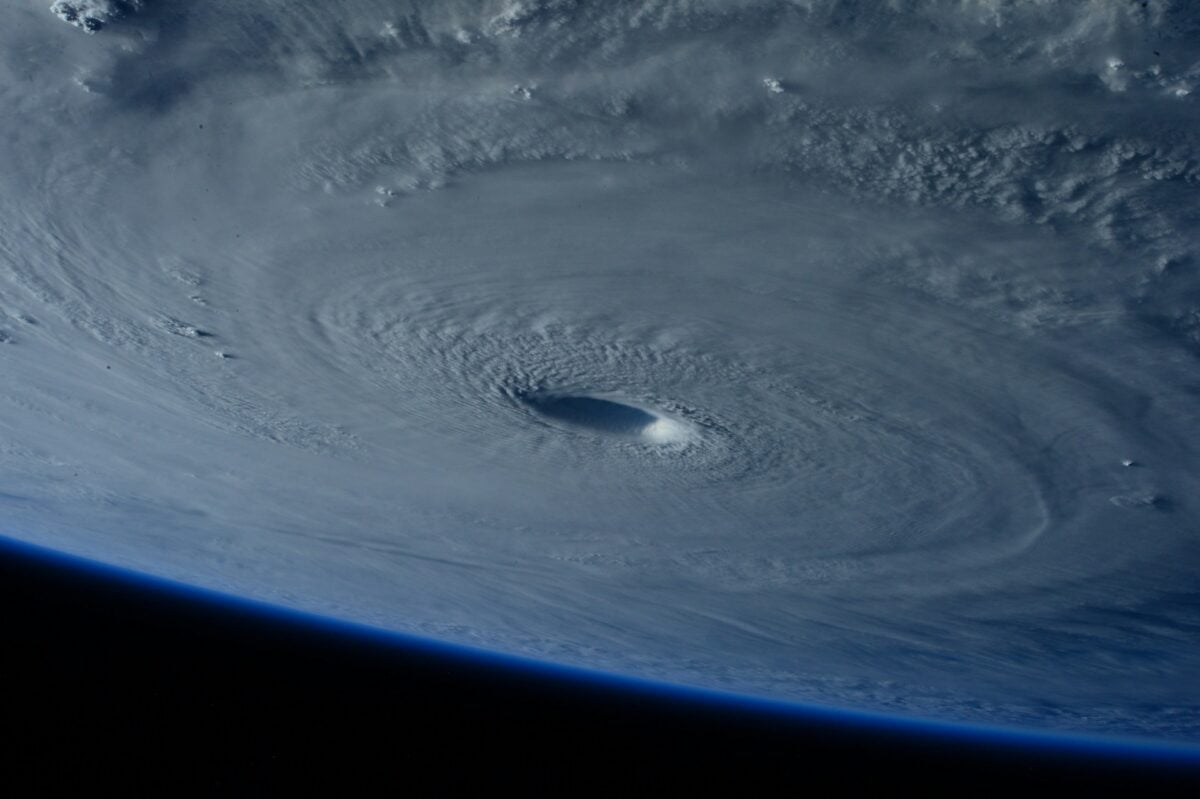
When Hurricane Katrina made landfall as a Category 3 hurricane in August 2005, it became one of the deadliest and costliest disasters in American history.
The storm’s massive size and 125 mph wind gusts overwhelmed New Orleans’s levee system, flooding 80 percent of the city and leaving at least 1,800 people dead.
Over a million people were displaced from their homes, and the slow-moving storm combined with delayed emergency response turned the disaster into a humanitarian crisis.
Katrina caused an estimated $125 billion in damage and exposed serious vulnerabilities in disaster preparedness.
European Heat Wave of 2003
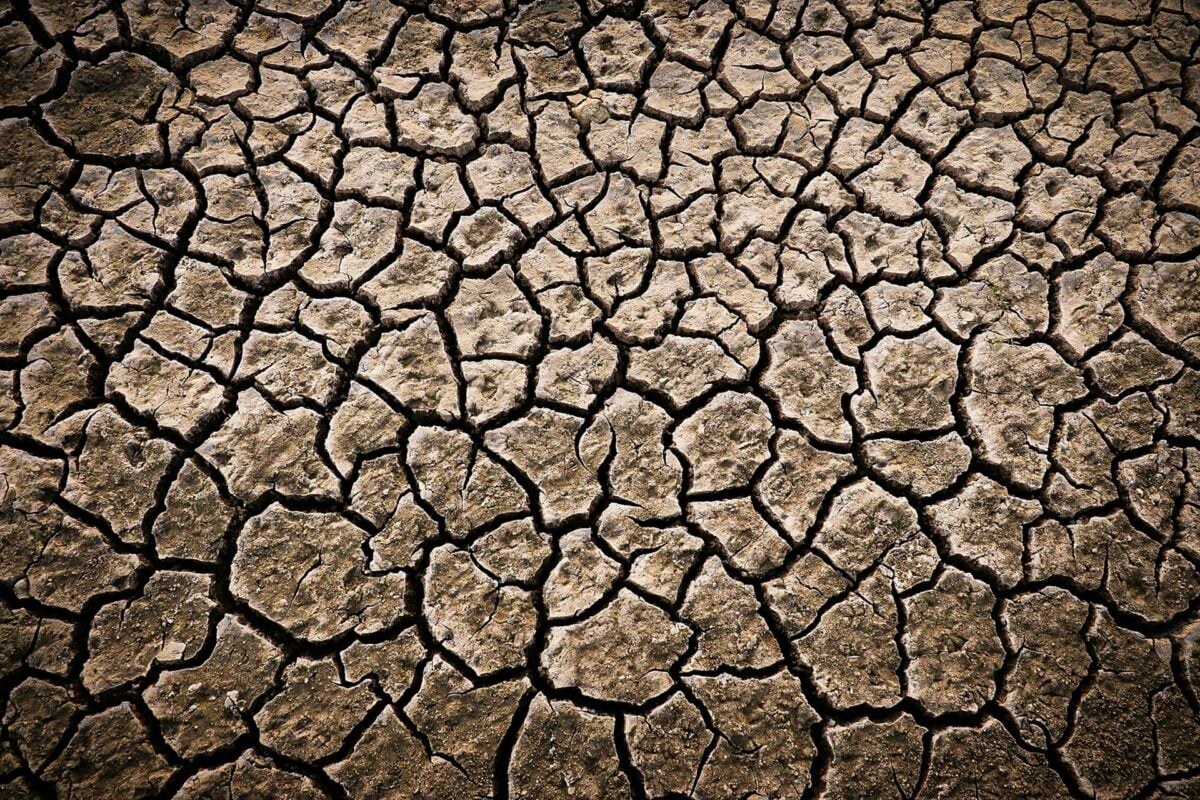
The summer of 2003 brought record-breaking heat to Europe that killed tens of thousands of people.
A persistent high-pressure system created a heat dome that suppressed clouds and precipitation, leading to prolonged temperatures that shattered records across the continent.
France, Spain, and the UK were particularly affected, with summer temperatures rising 3 to 5 degrees Celsius above normal for weeks.
The heat wave was the hottest summer Europe had experienced since at least 1540.
Like Go2Tutors’s content? Follow us on MSN.
Hurricane Harvey
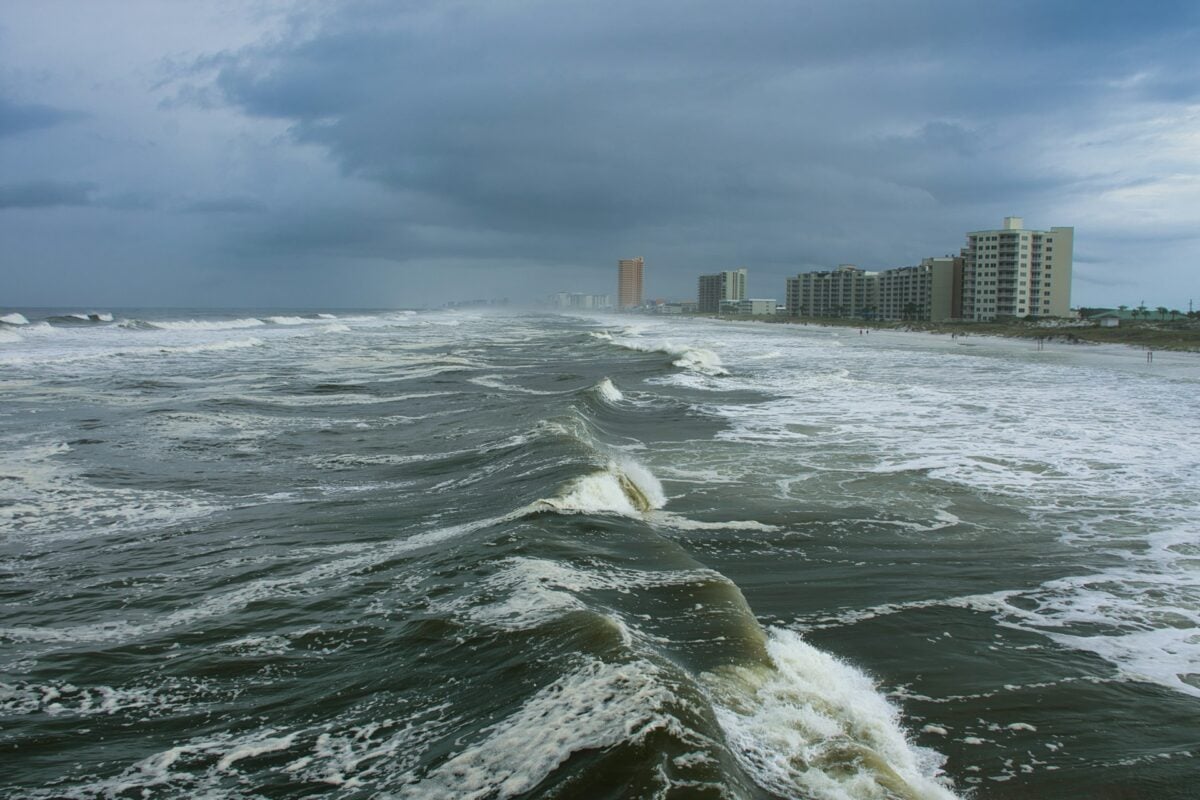
When Hurricane Harvey hit the Texas coast in August 2017, it brought rainfall totals that boggled the mind.
The storm produced up to 60.58 inches of rain at a specific gauge in Texas, setting the record for the highest storm total precipitation recorded for a U.S. tropical cyclone.
Harvey stalled over the Houston area, dumping unprecedented amounts of water that turned highways into rivers and flooded entire neighborhoods for days.
The slow-moving nature of the storm meant communities faced flooding for an extended period.
December 2022 Bomb Cyclone
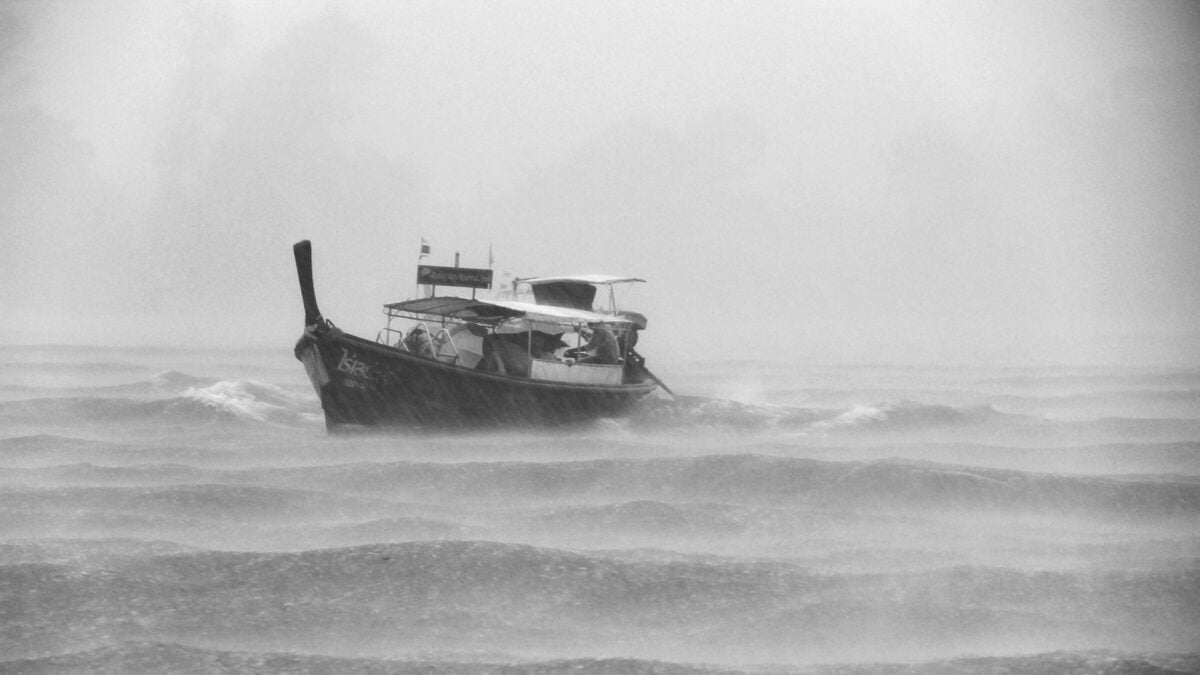
The most recent storm to shake the nation hit right before Christmas 2022, affecting an estimated 60 percent of Americans with winter weather advisories or warnings.
The bomb cyclone buffeted the Midwest and Great Lakes with blizzard conditions, dumping as much as 55 inches of snow in Buffalo, New York.
A wide swath of the country experienced extremely cold temperatures even without snow, and the unprecedented scope caused massive disruptions for holiday travelers.
The storm killed 106 people across the United States and Canada.
Hurricane Helene
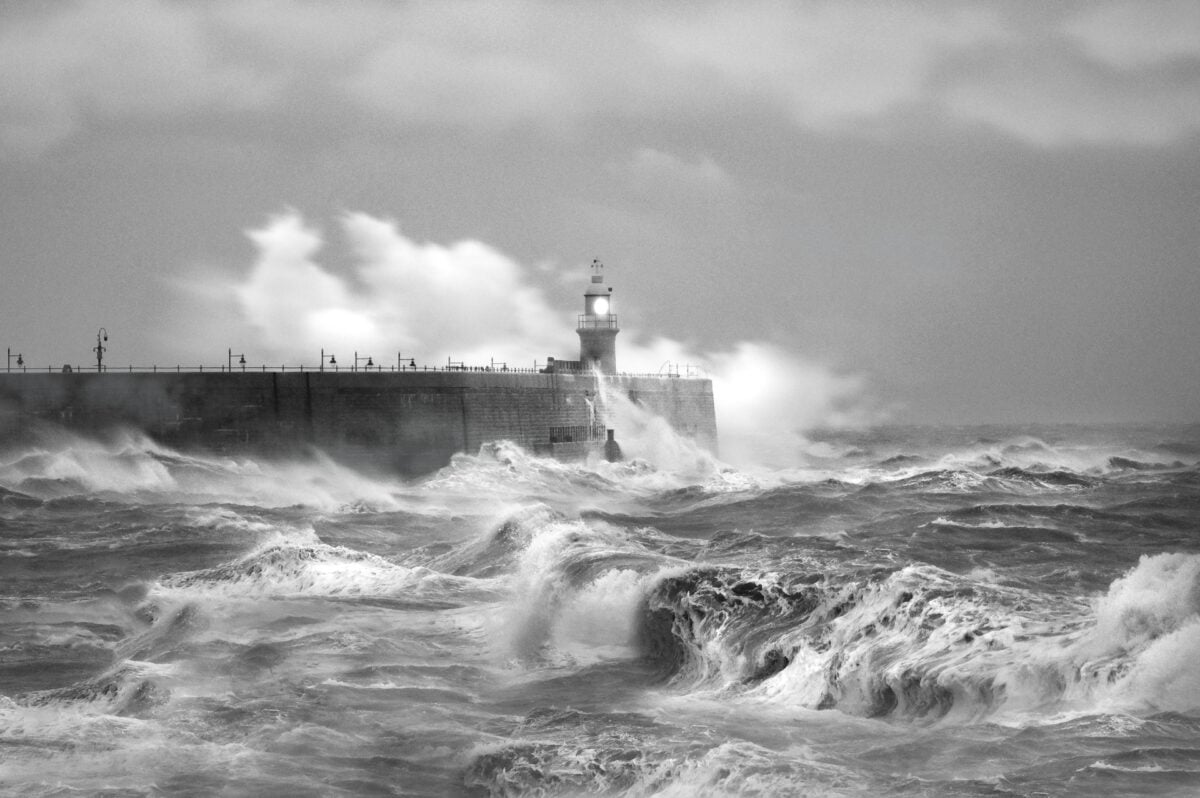
In September 2024, Hurricane Helene became the strongest hurricane on record to strike Florida’s Big Bend region when it made landfall near Perry with 140 mph sustained winds.
The Big Bend area, located along Florida’s Gulf Coast where the panhandle meets the peninsula, had been hit by two other hurricanes in the previous year, making Helene the third major storm to impact this less-frequently struck region in a short span.
The Category 4 storm caused up to 15 feet of storm surge along the coast.
Helene’s most devastating impacts came from historic rainfall exceeding 30 inches in parts of western North Carolina, triggering catastrophic flooding far inland from the coast.
Like Go2Tutors’s content? Follow us on MSN.
When Nature Rewrites the Rules
These weather events prove that nature doesn’t care about human plans, borders, or technological advances.
From volcanic eruptions that caused global crop failures to dust storms that buried entire towns, extreme weather has consistently forced humanity to adapt, rebuild, and rethink how we live.
The most sobering part is that many of these disasters happened despite warnings or during times when people thought they were prepared.
Modern forecasting has improved dramatically since the days when hurricanes arrived with inadequate warning, but as recent storms show, better prediction doesn’t guarantee protection from nature’s fury.
More from Go2Tutors!

- 16 Historical Figures Who Were Nothing Like You Think
- 12 Things Sold in the 80s That Are Now Illegal
- 15 VHS Tapes That Could Be Worth Thousands
- 17 Historical “What Ifs” That Would Have Changed Everything
- 18 TV Shows That Vanished Without a Finale
Like Go2Tutors’s content? Follow us on MSN.