Facts About Historical Figures Who Defied Their Era
Throughout history, certain individuals have refused to accept the limitations placed on them by society.
They challenged powerful institutions, broke through barriers, and changed the world in ways their contemporaries never imagined possible.
These trailblazers didn’t just make small ripples—they created waves that are still felt today.
Here is a list of 15 facts about historical figures who defied their era.
Galileo Galilei Stood Against the Catholic Church
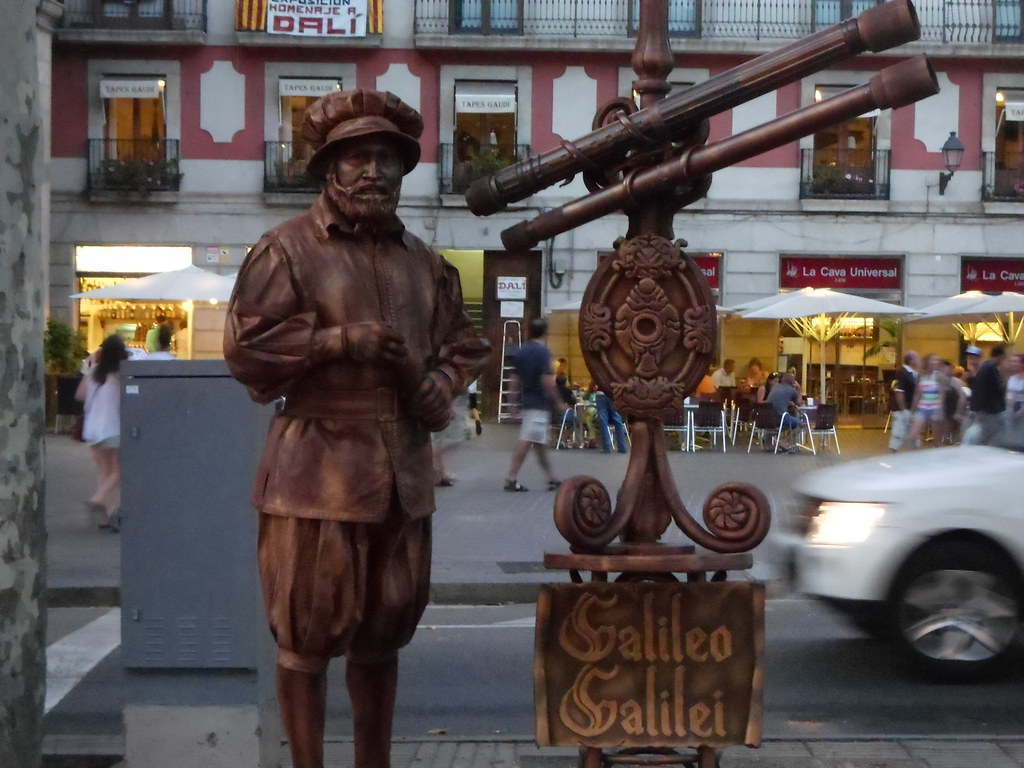
Italian astronomer Galileo Galilei defended the heliocentric theory—the idea that Earth revolves around the Sun—despite the Catholic Church declaring it heretical in 1616.
The Church insisted Earth was the center of the universe, as they believed Scripture stated.
Using his improved telescope, Galileo observed Jupiter’s moons, a rotating sun, and mountains on the moon, discoveries that contradicted centuries of accepted belief.
In 1633, at age 69, he was tried by the Inquisition, found guilty of suspected heresy, and sentenced to house arrest for the remainder of his life.
Legend says he whispered the defiant phrase after his trial, acknowledging that despite his forced recantation, the Earth indeed moved around the Sun.
Joan of Arc Led an Army as a Teenage Peasant Girl
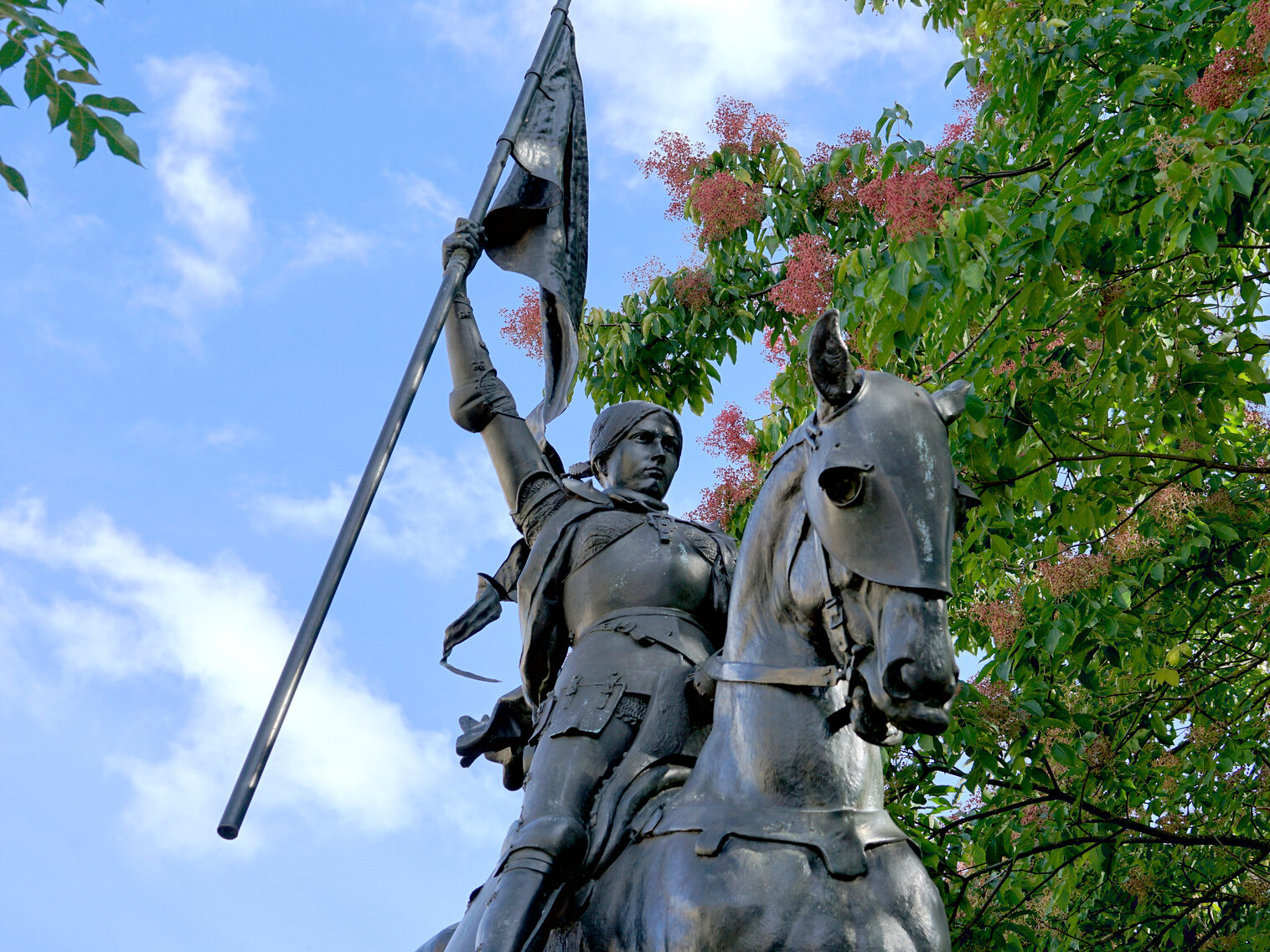
Born to French peasants in the 15th century, Joan of Arc convinced King Charles VII that she should lead the French army, claiming divine guidance.
While nobles and military commanders initially dismissed her, her leadership ended the siege of Orléans and turned the tide of the Hundred Years’ War.
Joan defied every gender expectation of medieval Europe by commanding soldiers in battle.
The following year, she was captured by the English, charged with heresy, witchcraft, and cross-dressing, then burned at the stake.
Today she’s revered as a saint and remains an iconic symbol of courage.
Rosa Parks Sparked a Movement with One Seat
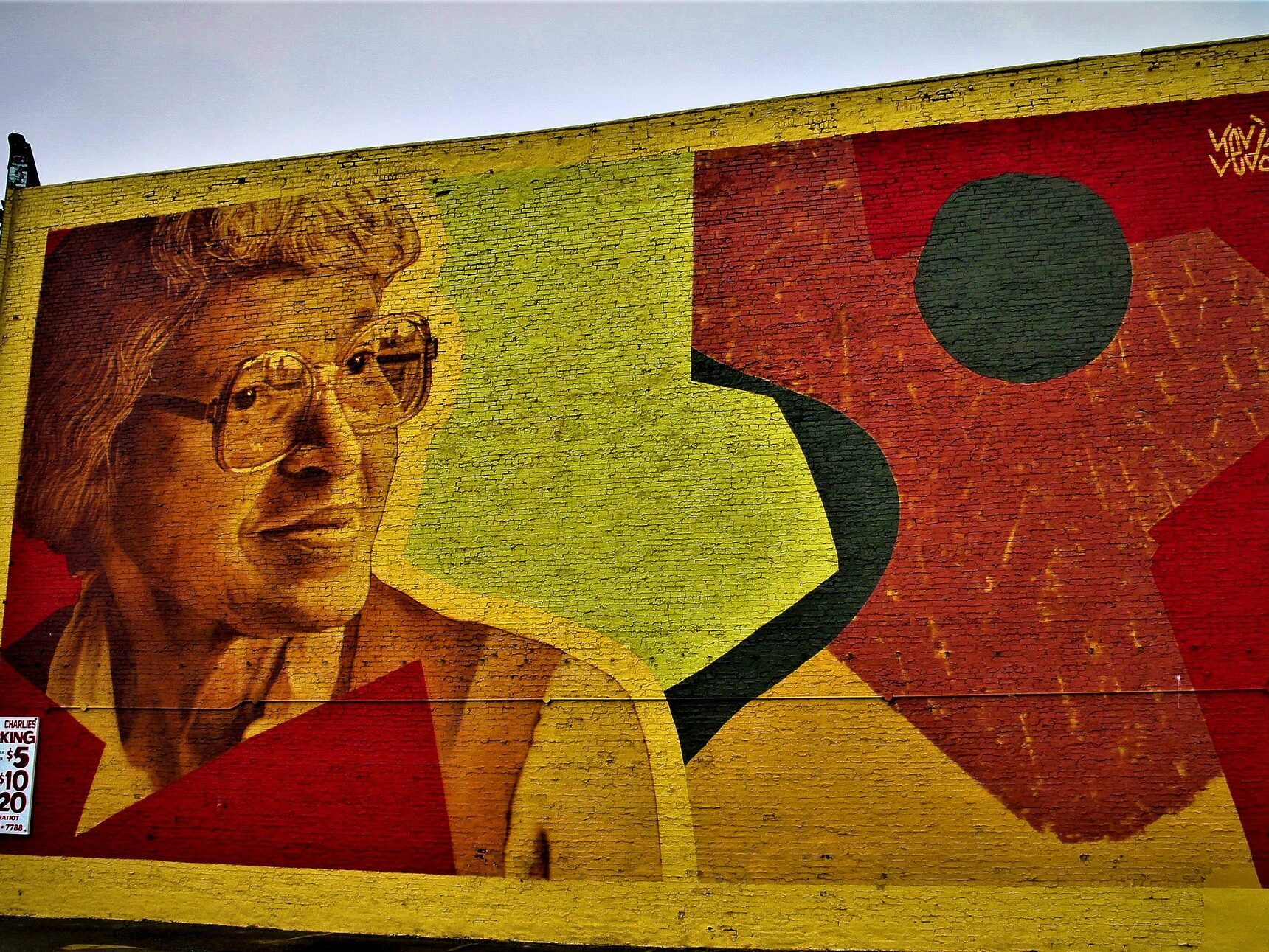
In 1955, Rosa Parks refused to give up her bus seat to a white passenger in Montgomery, Alabama.
She later remarked that she needed to know once and for all what rights she had as a human being and a citizen.
Her act of defiance and subsequent arrest led to the Montgomery bus boycott, which lasted over a year and ultimately caused the U.S. Supreme Court to declare Alabama bus segregation laws unconstitutional.
Parks became known as the first lady of civil rights, and her decision to resist became a watershed moment that helped spark the civil rights movement.
Zheng Yi Sao Commanded 60,000 Pirates

Born in 1775 in South China, Zheng Yi Sao lived a relatively normal life until she married pirate Zheng Yi.
After his death in 1807, she took control of his consortium and became the unofficial commander of a massive fleet with 40,000 to 60,000 pirates.
In an era when women were expected to remain subservient and confined to domestic roles, she became one of history’s most successful pirates.
She negotiated her own amnesty with the Chinese government and retired comfortably, proving that she was as shrewd in diplomacy as she was in naval warfare.
Harriet Tubman Was More Than an Underground Railroad Conductor
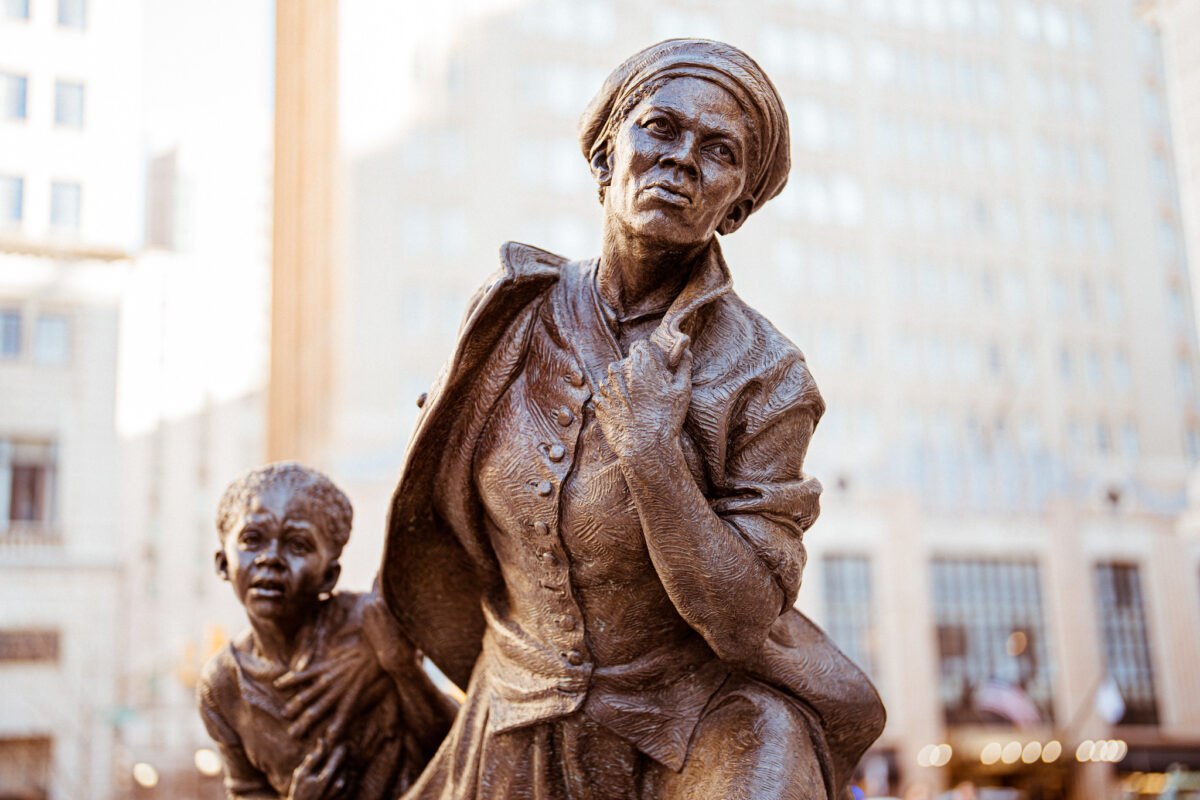
History teaches that Harriet Tubman was a conductor for enslaved people on the Underground Railroad to freedom, leading hundreds to safety.
But she had a second career as a Union spy during the Civil War and was also a champion for the elderly.
Tubman also served as a nurse during the Civil War, becoming one of the most famous and courageous figures in American history.
She defied not only the institution of slavery but also the expectation that formerly enslaved people should remain silent and invisible after gaining freedom.
Diogenes Challenged Powerful Figures Without Fear
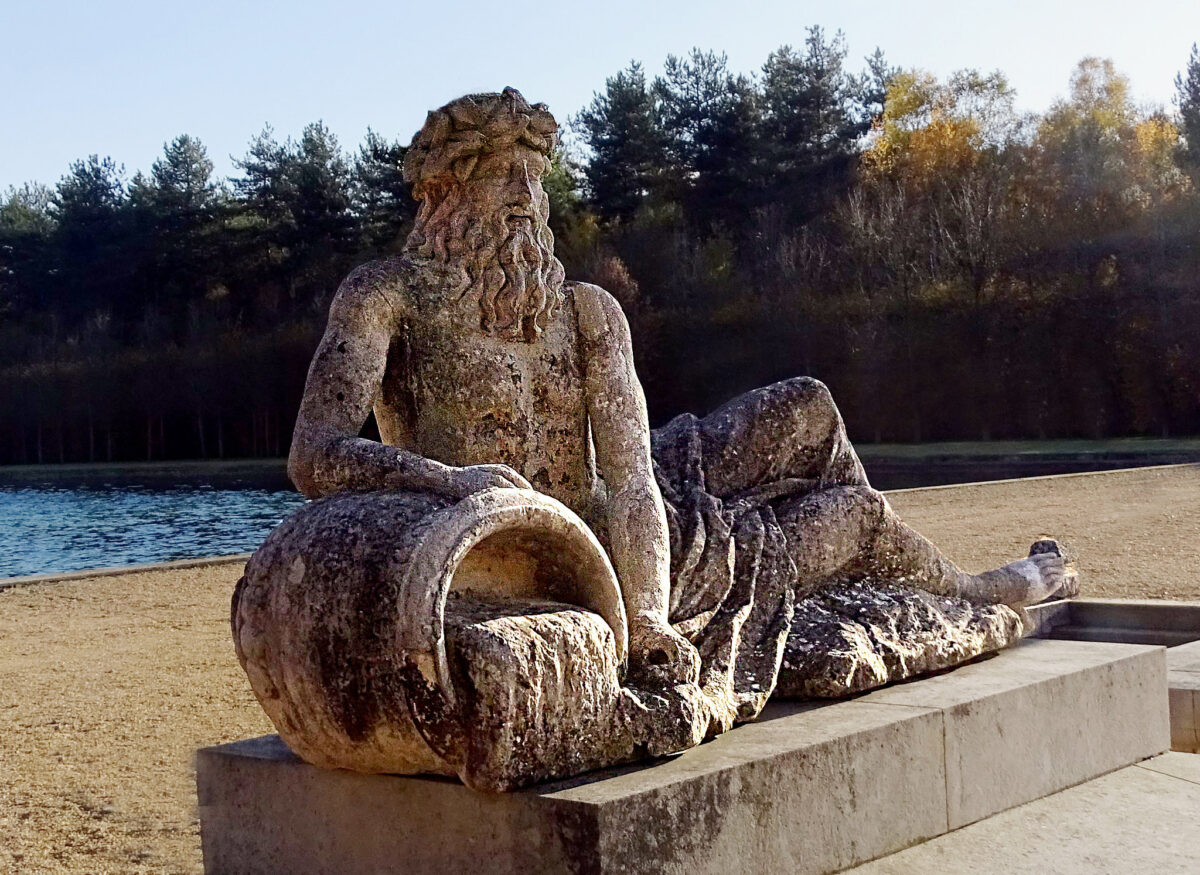
The Greek philosopher Diogenes stands out as the founder of cynicism.
He lived in poverty, walked around with a lantern in the morning claiming he was looking for at least one honest person in the world, and was a man without fear or shame who eagerly challenged powerful figures of his time.
He rejected social conventions so thoroughly that he lived in a barrel and owned almost nothing.
When Alexander the Great visited him and asked what he desired, Diogenes reportedly told the most powerful man in the world to simply step out of his sunlight.
Sacagawea Made the Lewis and Clark Expedition Possible
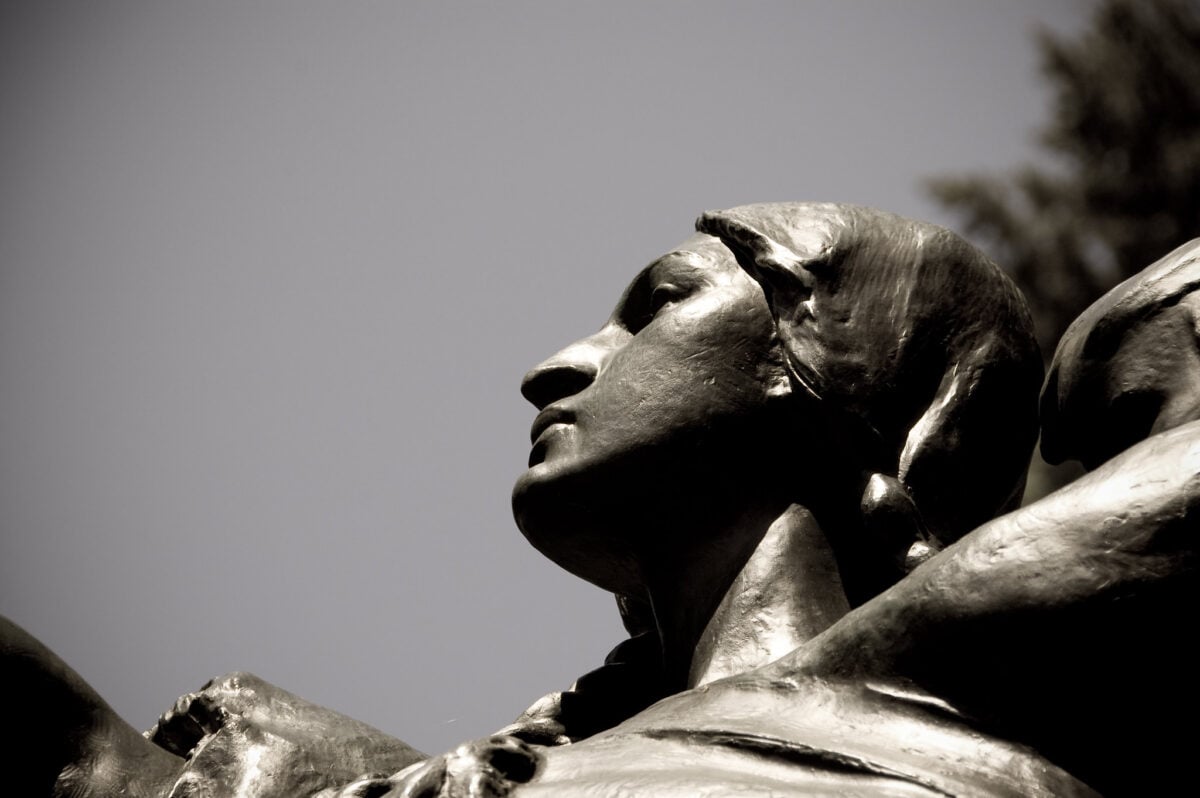
Most Americans know bits of the story of Sacagawea, a Lemhi Shoshone Native American woman who helped Lewis and Clark in their westward expedition.
Without a clever and tactical woman like Sacagawea in their presence, Lewis and Clark would likely have been seen as aggressive and attacked.
When their boats overturned on the Missouri River, Sacagawea rescued their journals and notes from the waters, all while pregnant.
Her presence as an interpreter and guide was essential to the expedition’s success, proving that women were capable of enduring the same hardships as men.
Eleanor of Aquitaine Ruled Two Kingdoms
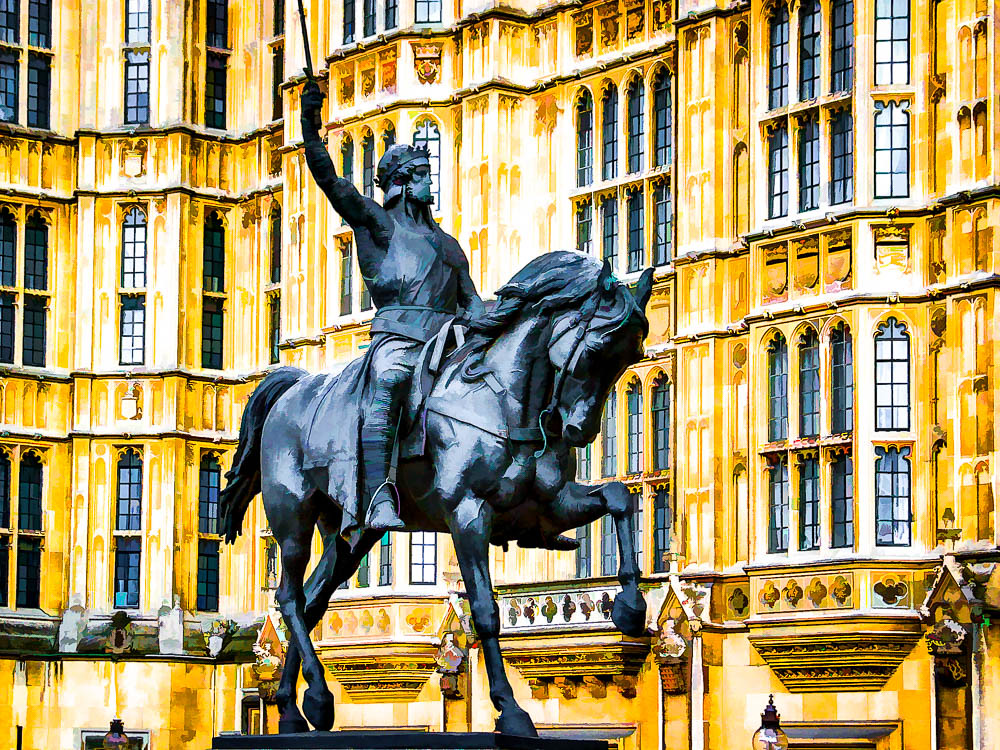
Eleanor of Aquitaine was one of the most powerful persons in Europe during the High Middle Ages.
Beyond being Queen of England married to King Henry II, she was previously Queen of France married to Louis VII and had considerable influence on both countries during her reign.
Eleanor was even the acting head of state while her son English King Richard I went on the Third Crusade.
In an era when women were considered property and had few legal rights, she wielded political power that rivaled any male monarch.
Hedy Lamarr Invented Technology Behind Wi-Fi
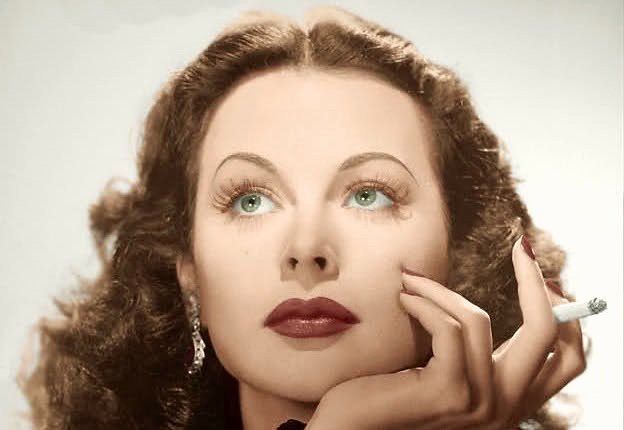
While Hedy Lamarr’s screen presence made her one of the most popular actresses of her day, she was also an inventor with a sharp mind.
Along with avant-garde composer George Antheil, Lamarr developed a new method of frequency hopping, a technique for disguising radio transmissions by making the signal jump between different channels in a prearranged pattern.
Their Secret Communication System was created to combat Nazis during World War II, but the U.S. Navy ignored their findings.
Years later, other inventors realized how groundbreaking the work was, and if you use a smartphone today, you can thank Lamarr—her communication system was a precursor to wireless technologies including Bluetooth and Wi-Fi.
Boudica Led a Revolt Against Rome
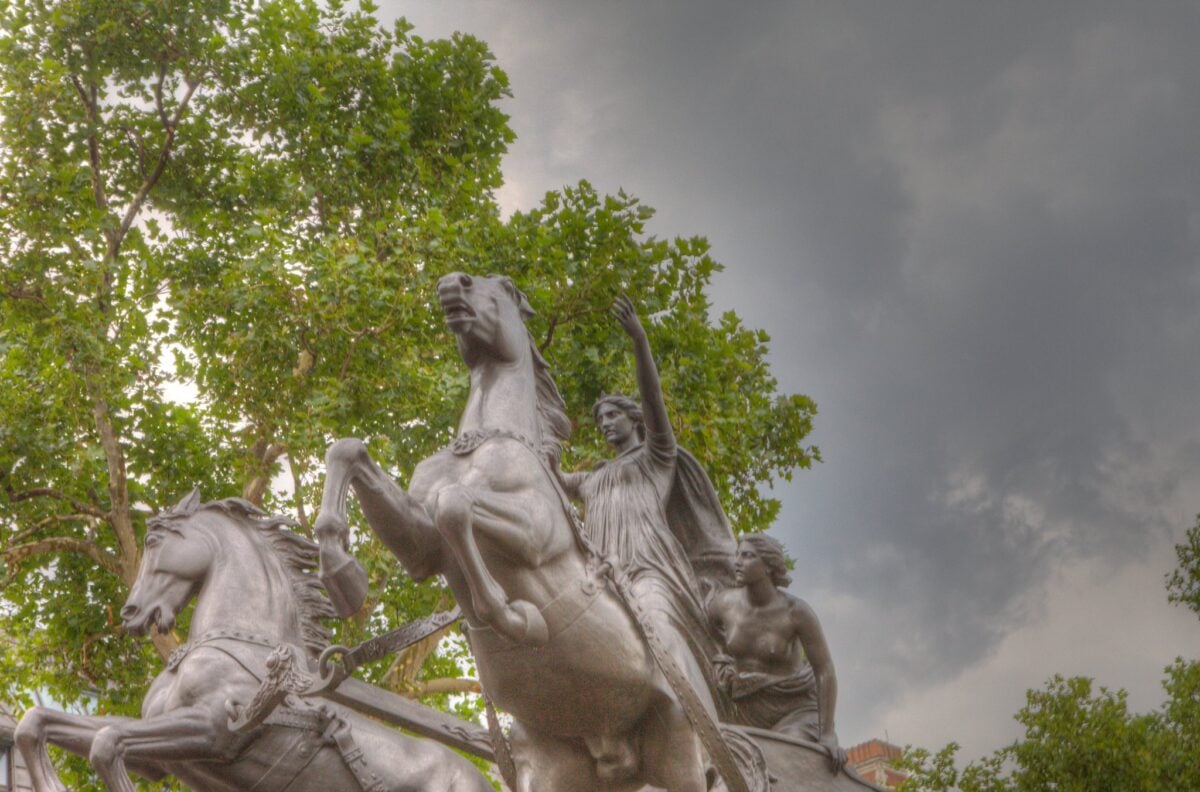
When Boudica married Celtic king Prasutagus, the Romans let him continue in power as an unwilling ally.
After he died in 60 AD, however, they forcibly took Boudica’s kingdom, flogged her, and abused her family.
Roman historian Tacitus recorded her promise of vengeance, and Boudica subsequently led a revolt against the Romans, defeating the Roman Ninth Legion.
While the rebellion was ultimately unsuccessful, the Celtic warrior and queen remains a powerful emblem of justice and resistance against oppression.
Ada Lovelace Saw Computers Before They Existed
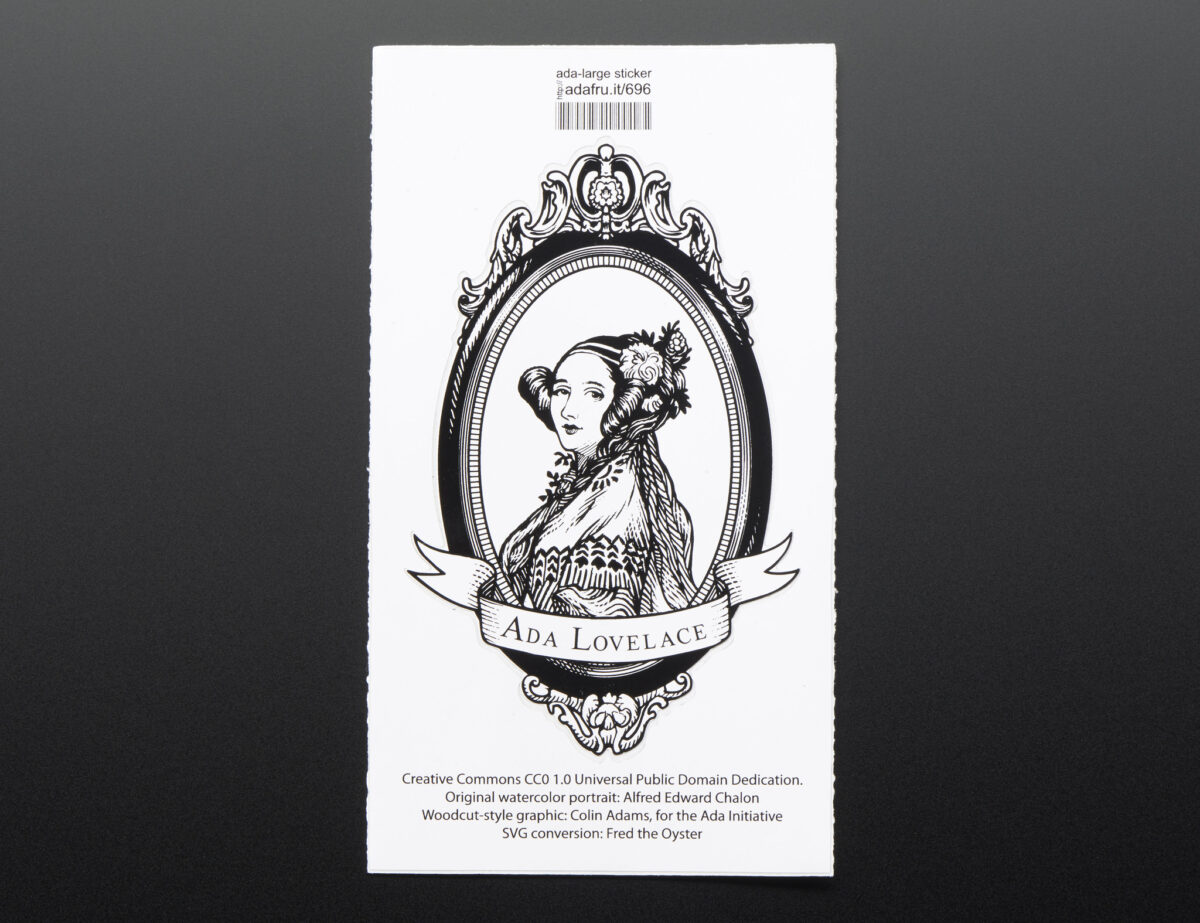
Considered by some to have been the first ever computer programmer, Ada grew up fascinated with mathematics and science, defying contemporary expectations of her class and gender.
Her life changed at age 17 when she met scientist Charles Babbage.
It was later revealed that Ada’s insights into Babbage’s inventions far exceeded his own—while he saw them as mere mathematical machines that could do calculations, she recognized their potential to undergo all sorts of complex processes from governing applications to composing music.
She envisioned the future of computing a century before it arrived.
Jeannette Rankin Voted Before Most Women Could
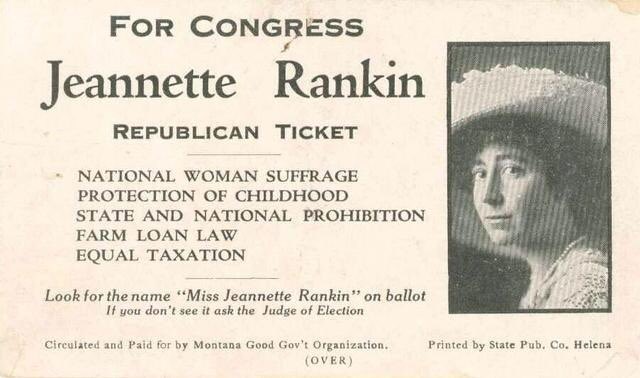
Jeannette Pickering Rankin was elected as the first female member of Congress even before women across America could vote, as women could already vote in about 40 states.
A Representative elected both in 1916 and 1940, Rankin noted she was the only woman who ever voted to give women the right to vote.
She was also a committed pacifist who voted against U.S. entry into both World Wars, standing firm in her convictions even when they made her deeply unpopular.
Barbara McClintock Discovered Jumping Genes
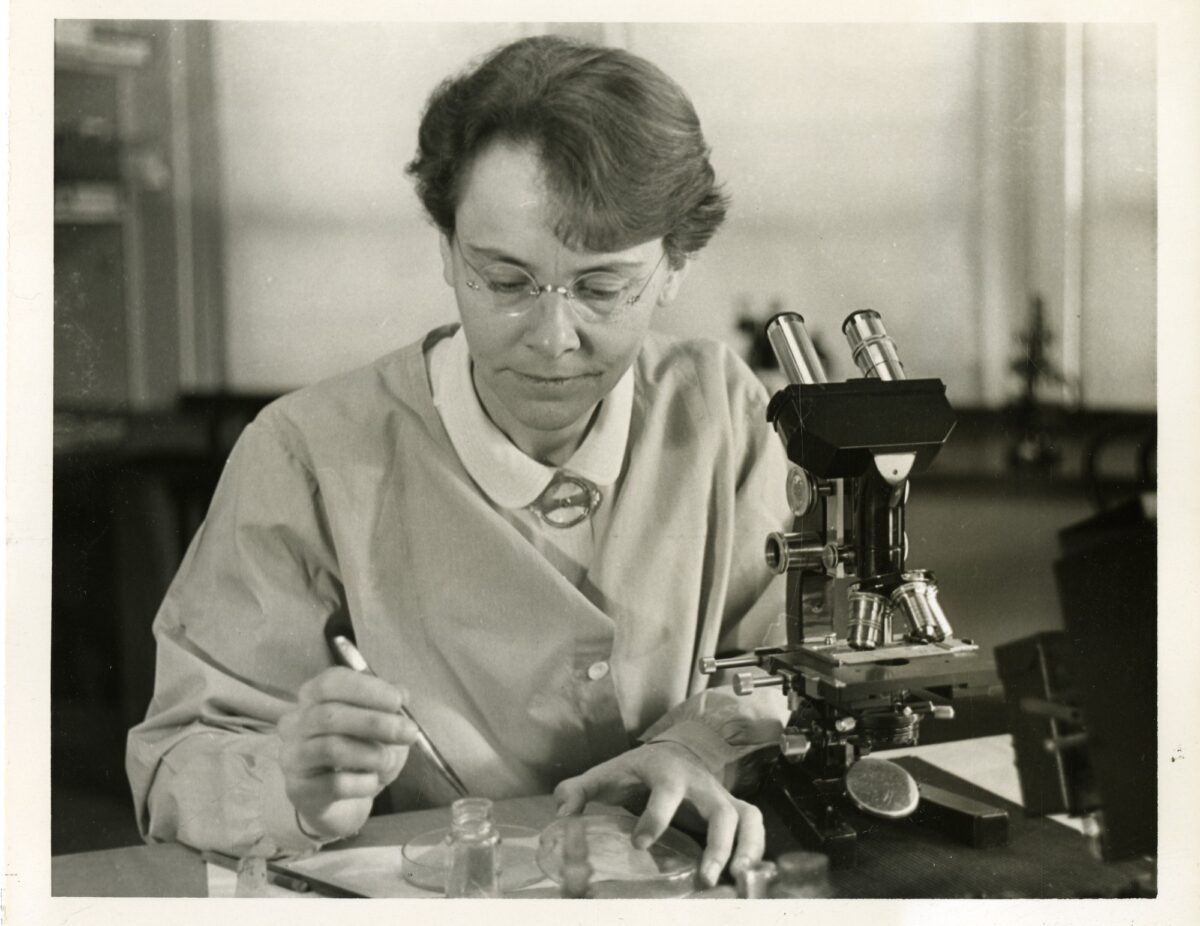
Barbara McClintock was a pioneer in cytogenetics, the study of a cell’s genetic structure and function, especially the chromosomes and their role in reproduction.
Compared to Gregor Mendel in importance during her reception of the 1983 Nobel Prize for Physiology or Medicine, McClintock was instrumental in studying maize and how its chromosomes changed during reproduction.
In the 1940s and 1950s, the scientific community dismissed her groundbreaking discovery of mobile genetic elements.
Decades later, when other scientists confirmed her findings, she finally received the recognition she deserved.
Mary Anning Found Fossils Nobody Believed
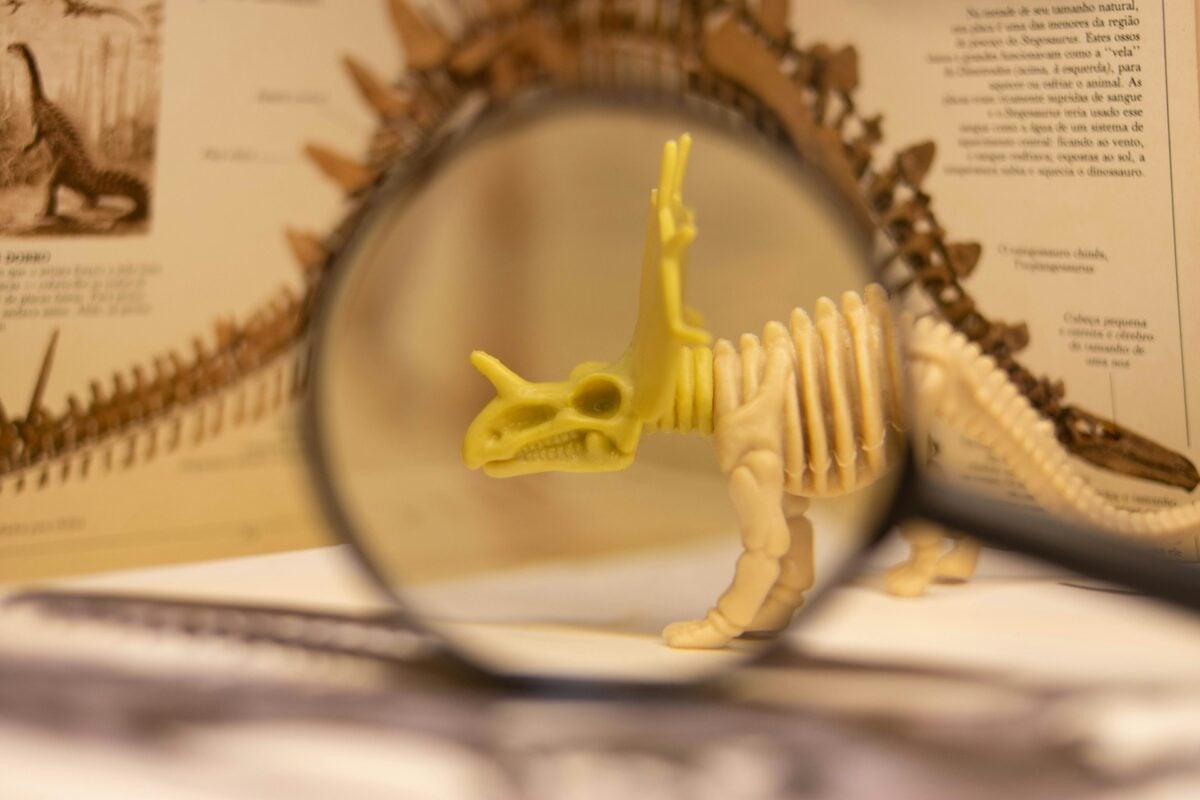
Mary Anning was a British paleontologist who made numerous significant discoveries in the field of paleontology, including the first complete Ichthyosaur and Plesiosaur fossils.
In 1847, Mary Anning passed away, but her impact on paleontology persists.
Anning’s legacy endures through her fossil discoveries and as a trailblazer who defied societal norms.
As a working-class woman in early 19th-century England, she faced constant skepticism from the male scientific establishment, yet her discoveries fundamentally changed our understanding of prehistoric life.
Bessie Coleman Flew When Nobody Would Teach Her
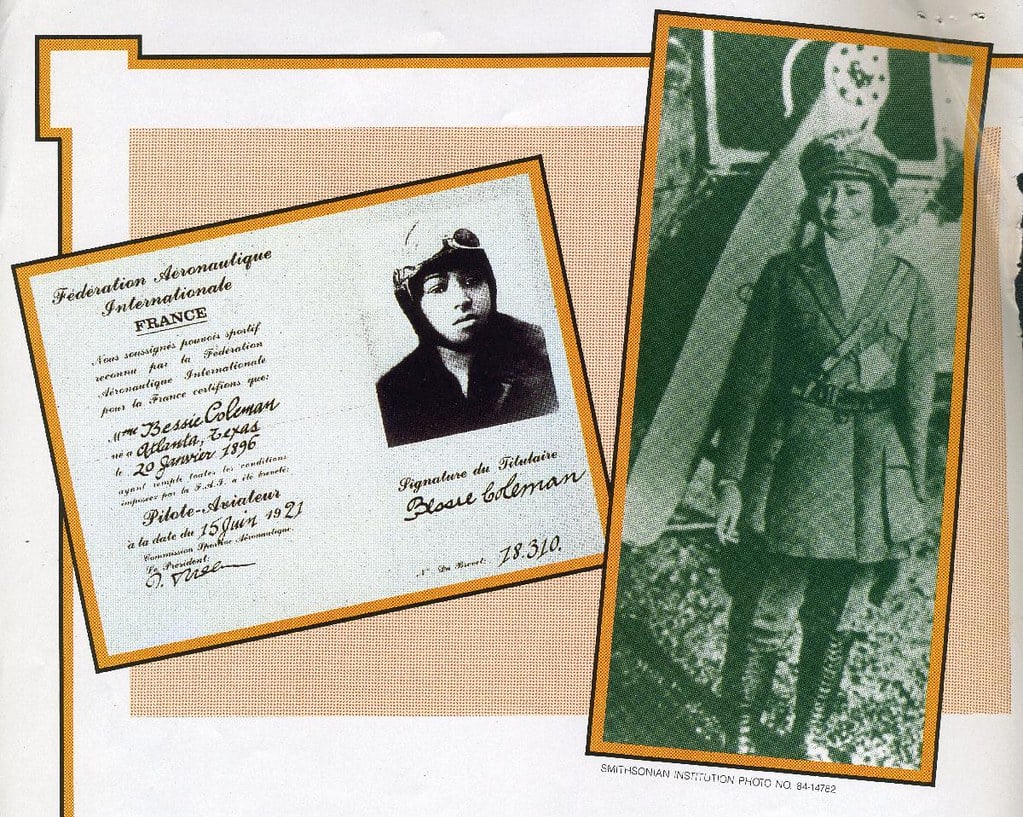
Bessie Coleman was an American aviator and the first African-American woman to earn a pilot’s license.
Born in a family of sharecroppers in Texas, Coleman overcame poverty and racial discrimination to pursue her dream of becoming a pilot.
She moved to France to attend flight school, as no American flight school would accept her due to her race and gender.
After earning her license in France, Coleman became a renowned stunt pilot, performing in air shows across the United States.
She used her platform to inspire other African Americans, particularly women, to pursue their dreams despite obstacles.
Breaking Barriers Then and Now

These fifteen individuals share a common thread—they refused to accept the world as it was handed to them.
Whether facing religious persecution, gender discrimination, racial barriers, or class limitations, they pushed forward anyway.
Their defiance wasn’t reckless; it was calculated, courageous, and ultimately transformative.
The rights and opportunities we take for granted today exist largely because someone, somewhere, decided the rules didn’t apply to them anymore.
More from Go2Tutors!

- The Romanov Crown Jewels and Their Tragic Fate
- 17 Halloween Costumes Once Considered Taboo
- Famous Hoaxes That Fooled the World for Years
- 15 Child Stars with Tragic Adult Lives
- 16 Famous Jewelry Pieces in History
Like Go2Tutors’s content? Follow us on MSN.