Most Valuable Comic Books
The world of comic book collecting has changed dramatically over the decades. What started as children trading paper stories for nickels has become a serious investment market where single issues can sell for millions.
These aren’t just old books gathering dust in attics—they represent cultural milestones, artistic breakthroughs, and the birth of characters that shaped entertainment for generations. Understanding what makes a comic book valuable goes beyond just age.
Condition matters enormously, as does rarity. But the real driver is cultural significance.
The books that changed everything, that introduced beloved characters or marked turning points in storytelling, are the ones that command serious money at auction.
Action Comics #1
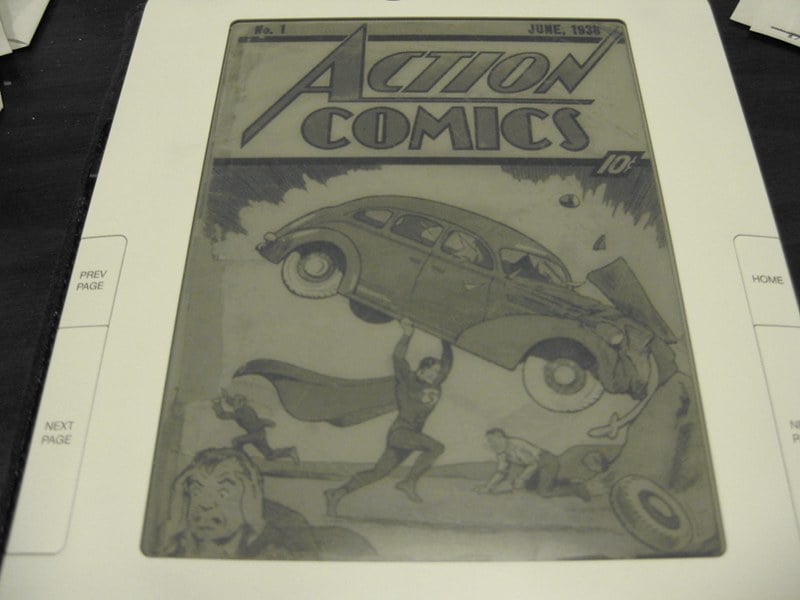
This is the holy grail. The June 1938 issue introduced Superman to the world, and nothing in comics was ever the same.
Only about 100 copies are thought to exist today, and far fewer in decent condition. One sold for $3.25 million in 2014, and another fetched $3.18 million in 2021.
The cover alone became iconic—Superman lifting a car over his head while terrified criminals scatter. That single image created the superhero template that every character since has followed.
The interior story was simple compared to modern standards, but it established the entire concept of a costumed hero with powers fighting for justice. Finding a copy today feels nearly impossible.
Most survivors sit in private collections or museums, and when one does surface at auction, it makes international news.
Detective Comics #27

Batman’s first appearance in May 1939 ranks right behind Superman in importance and value. This issue introduced the Dark Knight in a six-page story that showed him as a mysterious figure hunting criminals in Gotham City.
Fewer than 100 copies exist today. The character looked different then—no origin story yet, cruder art style, but the essential elements were there.
A wealthy man using fear and detective skills to fight crime, operating from the shadows. That core concept proved timeless.
High-grade copies have sold for over $1.5 million. Even damaged copies with missing pages or significant wear can bring six figures because the demand is that strong.
Batman became one of the most recognized characters on the planet, and this issue started it all.
Marvel Comics #1

Published in October 1939 by Timely Comics (later Marvel), this issue introduced the Human Torch and Namor the Sub-Mariner. The book marked the beginning of what would eventually become the Marvel Universe, though nobody could have predicted that future at the time.
The Human Torch was an android who could control fire, while Namor was an anti-hero from Atlantis with a serious attitude problem. Both characters are still part of Marvel continuity today, though they’ve evolved significantly.
The book’s historical importance makes it highly sought after, with pristine copies selling for over $1.2 million. What makes this issue particularly interesting is how different early Marvel felt compared to what came later.
The company found its voice in the 1960s under Stan Lee, but these 1939 stories show where it all began.
Amazing Fantasy #15
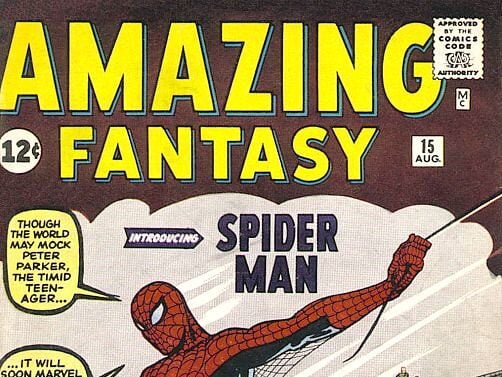
Spider-Man swung into existence in August 1962, and the character became Marvel’s most popular hero. This was the final issue of a failing series, and nobody expected the teenage superhero to become a phenomenon.
The story gave Peter Parker real problems—money troubles, girl troubles, family responsibilities—that readers connected with immediately. Stan Lee and Steve Ditko created something special here.
The “with great power comes great responsibility” message resonated across generations. The book is rare enough to be valuable but common enough that collectors actually have a shot at owning one.
Prices range wildly based on condition, from a few thousand dollars for beaten-up copies to over $3.6 million for the highest-graded example. Plenty of copies exist compared to Action Comics #1, but demand stays incredibly high because Spider-Man remains culturally relevant.
Every new movie or show drives interest, and new collectors enter the market wanting to own a piece of that origin story.
Incredible Hulk #1

The green rage monster first appeared in May 1962, though he was actually gray in this first issue due to printing problems. Bruce Banner’s transformation into the Hulk gave Marvel another hit character, and this book has steadily climbed in value over the years.
The Hulk’s appeal is straightforward—anger personified, unstoppable force, but with a tragic element because Banner can’t control it. That Jekyll and Hyde dynamic worked in 1962 and still works today.
High-grade copies have sold for over $400,000, and the character’s continued presence in movies keeps demand strong.
X-Men #1
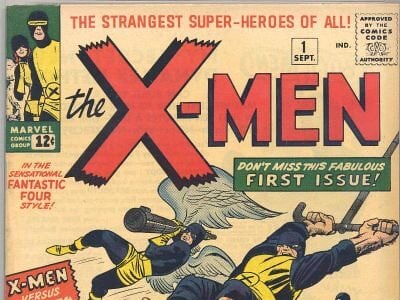
September 1963 brought Professor X and his team of mutant students to comic shops. The original X-Men lineup—Cyclops, Marvel Girl, Beast, Iceman, and Angel—faced off against Magneto right from the start.
The concept of mutants as a persecuted minority gave the series depth beyond typical superhero fare. The book took years to find its audience, but when it did in the 1970s and 1980s, the X-Men became Marvel’s bestselling franchise.
First appearances of all these major characters in one issue make it valuable, with top copies reaching $492,000 at auction. The mutant metaphor resonated with readers who felt different or marginalized.
That thematic weight, combined with genuinely interesting characters, keeps this issue in high demand.
Superman #1

Published in summer 1939, this was Superman’s first dedicated title after his Action Comics debut. The issue compiled and reprinted some of his early adventures while adding new material.
It established the character’s ongoing series and cemented his place as a cultural icon. Having both Action Comics #1 and Superman #1 in your collection would represent the complete beginning of the superhero genre.
This issue is more common than Action Comics #1 but still commands serious money—a pristine copy sold for over $5.3 million in 2022, making it one of the highest prices ever paid for a comic. The record-breaking sale shocked even experienced collectors.
Superman’s enduring popularity and the book’s significance in establishing the character’s solo adventures drove the price to unexpected heights.
Batman #1
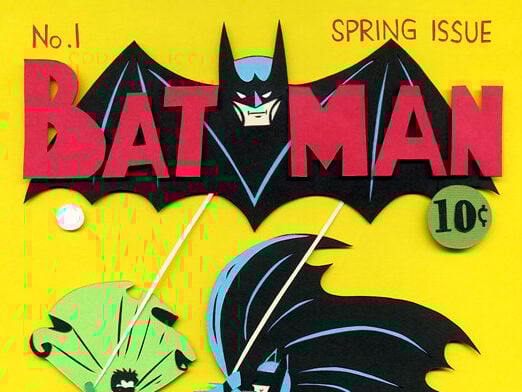
Spring 1940 brought Batman his own title, and this issue did more than just continue his adventures. It introduced two of the most important characters in comic history—the Joker and Catwoman.
Both debuted in this single issue, which is remarkable considering how central they became to Batman’s mythology. The Joker appeared as a remorseless killer in that first story, far darker than many later interpretations.
Catwoman was originally called “the Cat” and worked as a jewel thief. Their creation added depth to Batman’s world and gave him the best rogues gallery in comics.
High-grade copies have sold for nearly $2.2 million. Even mid-grade copies run into six figures.
The combination of Batman’s first solo issue and these iconic villain debuts makes it one of the most desirable books in the hobby.
Captain America Comics #1

March 1941 brought Steve Rogers and his star-spangled shield to newsstands. The cover showed Cap punching Hitler in the jaw, a bold political statement months before the United States entered World War II.
Joe Simon and Jack Kirby created a character who embodied American ideals and gave readers a hero fighting fascism. The timing was perfect. America was heading toward war, and Captain America represented everything the country wanted to believe about itself.
The character’s patriotic symbolism remains powerful today, and the book’s historical context adds to its value. Top copies have reached $915,000.
Beyond Captain America, this issue also introduced Bucky Barnes as his teenage sidekick, a character who has remained important in Marvel continuity through numerous reinventions.
Fantastic Four #1

November 1961 marked the beginning of the Marvel Age of Comics. Stan Lee and Jack Kirby created the Fantastic Four as flawed, bickering heroes who felt more human than the competition.
They argued, they had bad days, Reed Richards made mistakes, and Ben Grimm hated being turned into a monster. This issue established the Marvel formula that would dominate comics for decades.
The characters weren’t perfect. They had real relationships and conflicts.
The storytelling felt more grounded despite the fantastic elements. Doctor Doom appeared in issue #5, and from there, the FF became Marvel’s flagship team.
Pristine copies have sold for over $1.5 million. The book’s importance to Marvel’s history and the introduction of these four beloved characters keeps it in constant demand among serious collectors.
Tales of Suspense #39
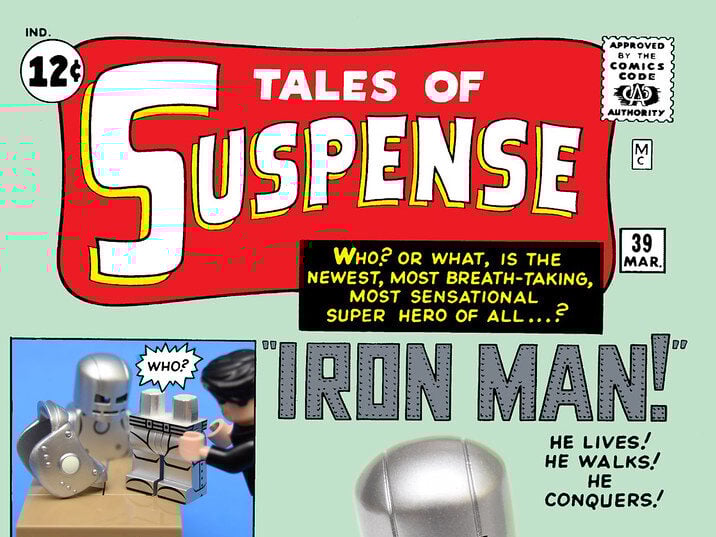
Iron Man’s first appearance in March 1963 gave Marvel another major character. Tony Stark built the first Iron Man armor while captured by enemies, using his genius to escape.
The character evolved significantly over the years, but that core concept of a brilliant inventor using technology to become a hero remained constant. Early Iron Man looked nothing like the sleek armors that came later.
The original suit was bulky and gray, more tank than superhero. But the idea worked, and the character grew in popularity.
The Marvel Cinematic Universe movies elevated Iron Man to the top tier of superheroes, which drove comic prices up significantly. High-grade copies now sell for over $375,000.
The movie success introduced millions of new fans to the character, and many of them want to own a piece of that origin story.
Avengers #1
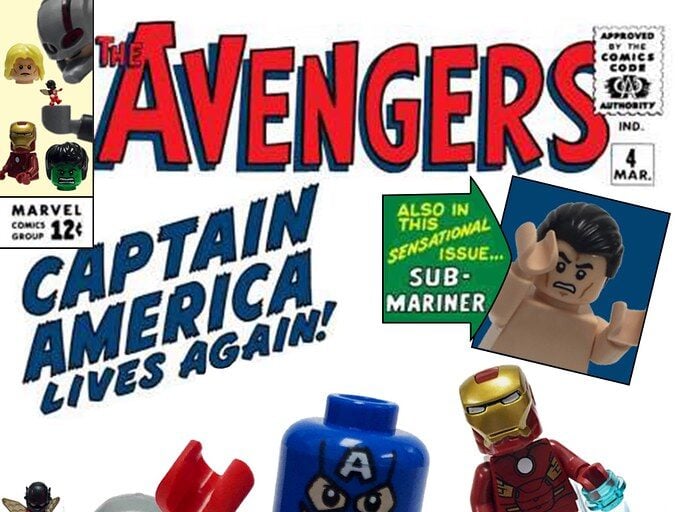
September 1963 brought Marvel’s heroes together as a team. Iron Man, Thor, Hulk, Ant-Man, and Wasp joined forces to fight threats too big for any single hero.
The team concept has been endlessly adapted and reimagined, but this issue started it all. The Avengers became Marvel’s answer to DC’s Justice League, and in many ways surpassed it in popularity.
The movies made the team household names, and the comic book that introduced them has climbed steadily in value. A pristine copy sold for $625,000.
What’s interesting about this issue is how the team has changed over the decades. Almost every major Marvel character has been an Avenger at some point, but this original lineup represents a specific moment in comic history.
Journey into Mystery #83

Thor’s first appearance in August 1962 brought Norse mythology into Marvel’s superhero universe. Doctor Donald Blake found a mystical cane that transformed him into the God of Thunder when struck against stone.
The mix of superhero action and mythological storytelling gave Marvel something different from its street-level heroes. Thor spoke in pseudo-Shakespearean dialogue that set him apart from other characters.
His adventures often took him to Asgard, introducing readers to a rich supporting cast of gods and monsters. The character’s longevity and the success of the Thor films have driven up demand for this issue.
High-grade copies have reached $325,000. The book is more available than many other key issues, but condition matters enormously with this one.
Flash Comics #1

Back in January 1940, Jay Garrick showed up as the first Flash, arriving alongside Hawkman and a few others. Not long after Superman and Batman caught on, DC decided to build something bigger around that energy.
He helped shape what DC would become, even if newer Flashes like Barry Allen and Wally West eventually took center stage. What began with speed stayed central, just changed faces over time.
Faster than most heroes of his time, the original Flash zipped through pages with a charm that felt fresh. His adventures came without clutter, drawn in clean lines and told at a brisk pace.
Though basic by later standards, those early issues sparked wonder simply by showing what lightning on legs could do. Today, one well-kept copy can bring close to half a million dollars.
This book stands out because it shows how DC stretched its world of heroes wider. A base took shape here, one strong enough to hold stories for years after.
Where These Stories Go

Still going up, those figures. Each fresh copy of a landmark edition hitting auctions somehow sets a new high.
What began as kids’ fun now draws collectors who handle comics much like rare paintings – experts certify them, assign grades, study every detail. Serious money follows where passion once stood alone.
Underneath the price tags, though, lies another truth – how U.S. legend took on fresh life between pages. Not just profits, but moments frozen in ink where myths grew legs and walked off shelves.
Paper figures who lived longer than those who drew them, reaching hands across decades into new minds. Worth isn’t only measured in bids at auction; it echoes how they bent movies, TV, ideas of right and wrong.
What we pay now mirrors what they taught us back then: strength carries weight, choices ripple, people wear masks even without capes. Pages stained by years carry more than ink on paper.
Survivors among heaps lost to trash, wear, or rot from age. A few still here link straight back to the instant hands drawn lines, minds shaped tales meant to live past their makers.
More from Go2Tutors!

- The Romanov Crown Jewels and Their Tragic Fate
- 13 Historical Mysteries That Science Still Can’t Solve
- Famous Hoaxes That Fooled the World for Years
- 15 Child Stars with Tragic Adult Lives
- 16 Famous Jewelry Pieces in History
Like Go2Tutors’s content? Follow us on MSN.