14 Cultural Beliefs That Defy Western Logic
Humans have developed fascinating and diverse ways of understanding the world around them. What seems perfectly logical to one culture might appear completely baffling to another, especially when viewed through the lens of Western rationalism with its emphasis on scientific proof and empirical evidence.
Here is a list of 14 cultural beliefs from around the world that challenge Western logical frameworks while revealing the beautiful complexity of human thought and tradition.
Mirror Souls in Madagascar

In Madagascar, the Malagasy people have a custom known as Famadihana, or “turning of the bones.” Families excavate the remains of their ancestors, rewrap them in new silk shrouds, and dance with them to live music every few years.
This custom supports the ancestors’ passage to the afterlife and is based on the idea that the dead aren’t entirely gone until their bodies have totally decayed. The physical bond between the living and the deceased symbolizes a continuity that is difficult for the Western division of life and death to accept.
Wind-Walking Navajo Skinwalkers
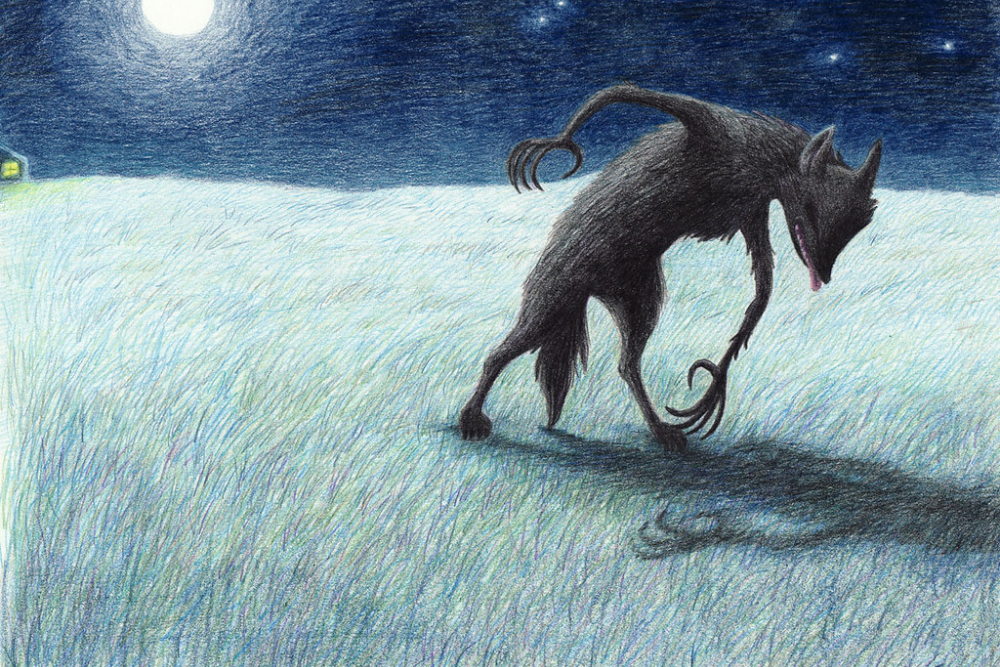
In Navajo culture, certain medicine people are believed to have the ability to transform into animals and travel great distances with supernatural speed. These ‘skinwalkers’ are thought to harness dark powers that allow them to break physical limitations that Western science considers immutable.
Many Navajo people today still report encounters with these beings, treating them with the same seriousness as any other natural phenomenon in their environment.
Like Go2Tutors’s content? Follow us on MSN.
Filipino Aswang Shapeshifters

According to Philippine folklore, the aswang is a shapeshifting creature that, while appearing human during the day, changes into a different form at night in order to feed on people, especially pregnant women’s fetuses. The persistence of these beliefs in contemporary Filipino communities, including among educated professionals, is remarkable.
In addition to being a cultural boogeyman, the aswang provides an explanation for terrible occurrences that, in Western contexts, could otherwise appear arbitrary or pointless.
Whistling for the Wind in Iceland

In Icelandic tradition, whistling on a ship is thought to call up gusts that could cause the ship to capsize. Generations of observation and correlation, not rigorous scientific research, contributed to the development of this notion.
Globally, similar marine superstitions have developed into practical knowledge systems that place a higher value on prudence and reverence for the natural environment than the factual evidence that underpins Western scientific thought.
Japanese Fox Possession
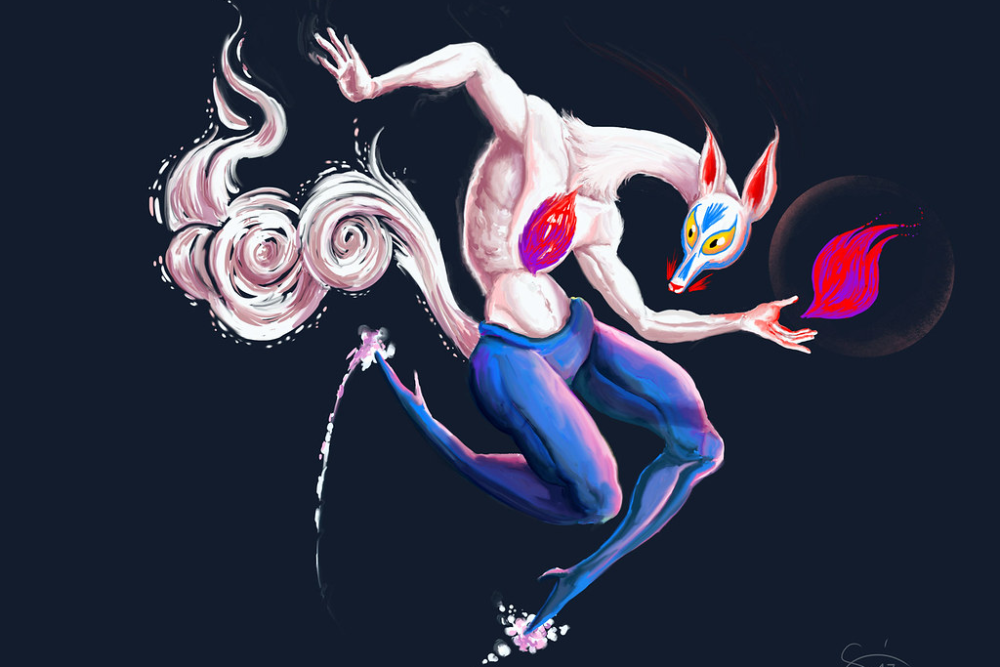
In traditional Japanese folklore, foxes (kitsune) can possess humans, causing illness or strange behavior. Fox possession was once a common diagnosis for mental health conditions, particularly in women exhibiting unconventional behaviors.
Japanese fox possession beliefs represent an entirely different causal framework for understanding psychological phenomena than Western psychiatric models, yet they provide similar social functions of explanation and control.
Like Go2Tutors’s content? Follow us on MSN.
Thai Ghost Houses

Nearly every building in Thailand features a spirit house—a miniature temple designed to house the land’s guardian spirits. These ornate structures receive daily offerings of food, drinks, and flowers to keep the spirits content.
This practice reflects a worldview where physical space is shared with invisible entities that require acknowledgment and respect—a perspective that contrasts sharply with the Western separation of spiritual and material realms.
Evil Eye Protection in Mediterranean Cultures
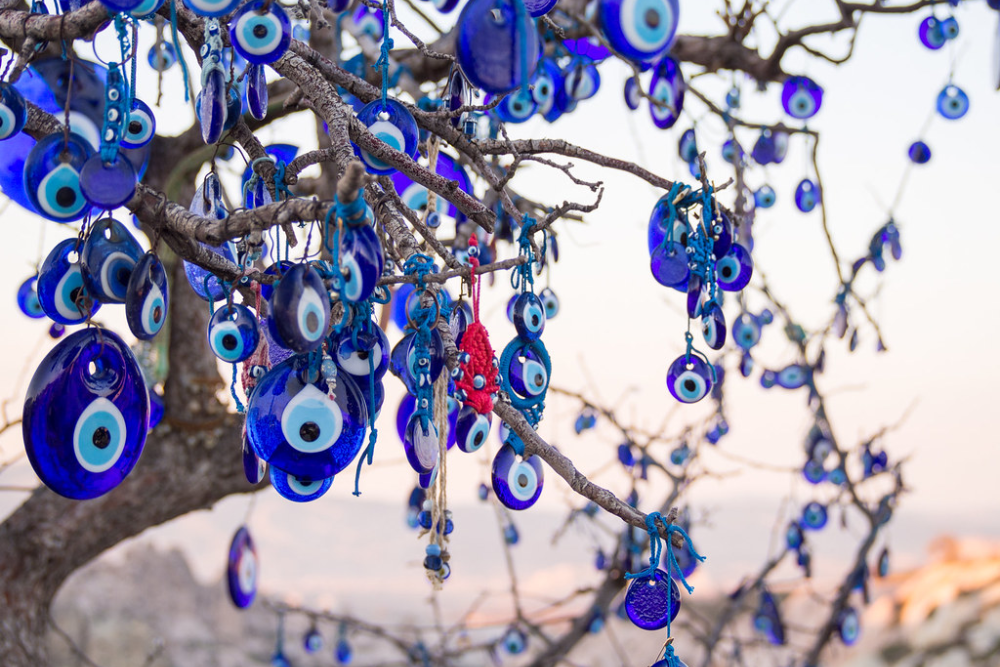
Blue eye amulets are ubiquitous throughout Greece, Turkey, and surrounding regions as protection against the ‘evil eye’—the belief that jealousy or envy from others can cause misfortune. This widespread belief system incorporates elaborate practices to detect and counter this invisible threat.
While Western thinking might dismiss this as superstition, these protective measures serve important social functions by acknowledging the very real impacts of human emotions and social dynamics.
Mexican Death Companion Animals
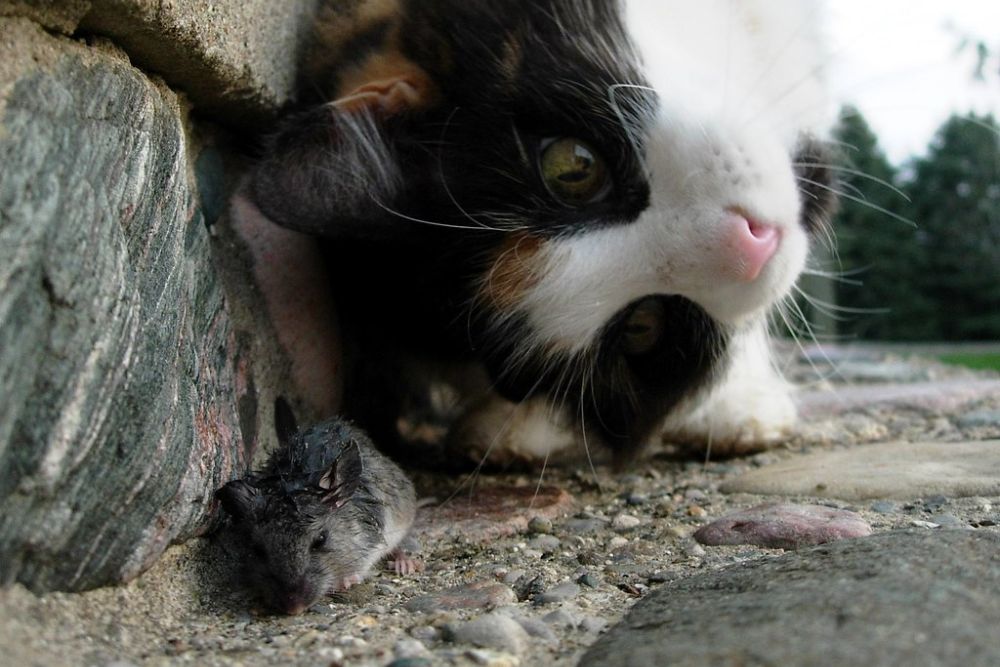
In Mexican tradition, each person has an animal counterpart or nahual that shares their soul. When that animal is injured or dies, the human experiences corresponding effects.
This concept of distributed personhood—where the self extends beyond the physical body—challenges Western individualistic notions of identity. The nahual belief reflects a more interconnected view of humans within the natural world than typically found in Western perspectives.
Like Go2Tutors’s content? Follow us on MSN.
Indonesian Rain-Stopping Ritual
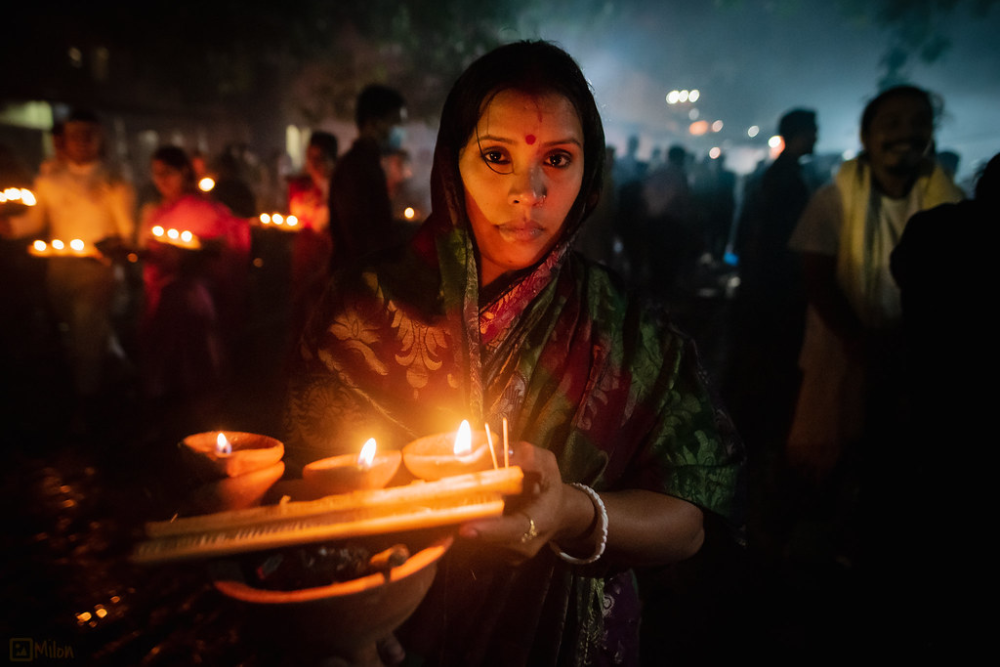
In parts of Indonesia, certain individuals known as ‘pawang hujan’ are believed to be capable of preventing rain during important outdoor events through specific rituals. Event organizers regularly hire these specialists despite the steep cost involved.
This practice represents a fundamentally different approach to environmental control than Western technological solutions, emphasizing relationship and negotiation with natural forces rather than mechanical intervention.
Himalayan Yeti Guardians

Throughout Nepal and Tibet, the yeti or ‘abominable snowman’ isn’t just a mysterious creature but a mountain guardian whose territory demands respect. Local people navigate remote areas with practices acknowledging the yeti’s presence, offering small tributes and avoiding disrespectful behaviors.
This represents an ecological framework where human behavior is moderated through spiritual beliefs rather than through scientific conservation models typical in Western approaches.
Aboriginal Songline Navigation
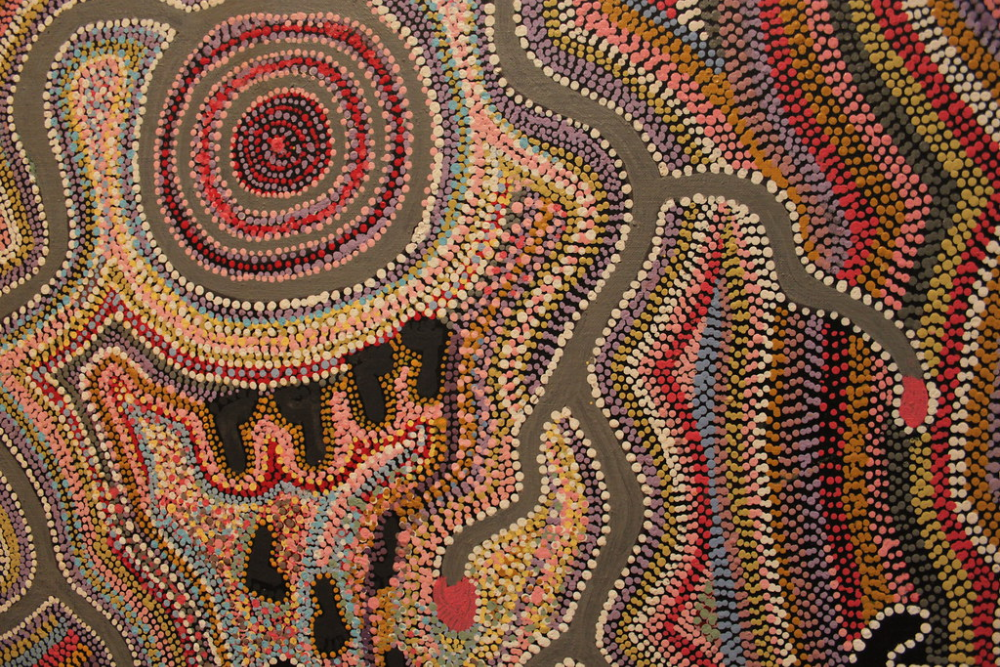
Australian Aboriginal cultures navigate vast distances using ‘songlines’—routes across the land recorded in songs that describe landmarks and their creation stories. This sophisticated knowledge system integrates geography, history, and spirituality in ways that Western cartography, with its emphasis on objective measurement, cannot fully capture.
Songlines represent an entirely different way of knowing and relating to landscape that values narrative and relationship over abstract representation.
Like Go2Tutors’s content? Follow us on MSN.
Haitian Zombie Labor Force
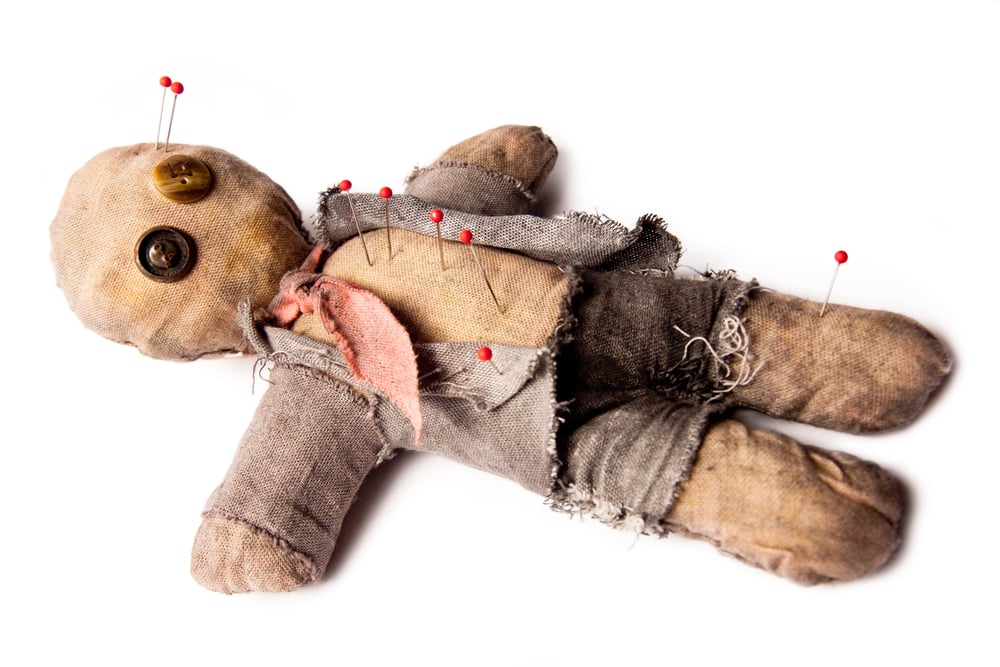
In Haitian Vodou tradition, powerful bokors (sorcerers) can allegedly capture a person’s soul, creating a ‘zombie’ that can be controlled for labor. This belief reflects Haiti’s history of slavery and exploitation while providing a metaphorical framework for understanding social control.
Western medicine has investigated some zombie cases, finding connections to certain toxins, yet the full cultural meaning extends far beyond mere chemical explanations.
Amazonian Plant Intelligence

Among indigenous Amazonian peoples, plants—especially medicinal ones—are understood to be intelligent beings capable of communication and instruction. Shamans undergo extensive training to learn how to receive knowledge directly from plants through dreams and altered states.
This perspective views consciousness as distributed throughout nature rather than limited to humans and perhaps certain animals, as Western thought typically maintains.
Finnish Sauna Spirits
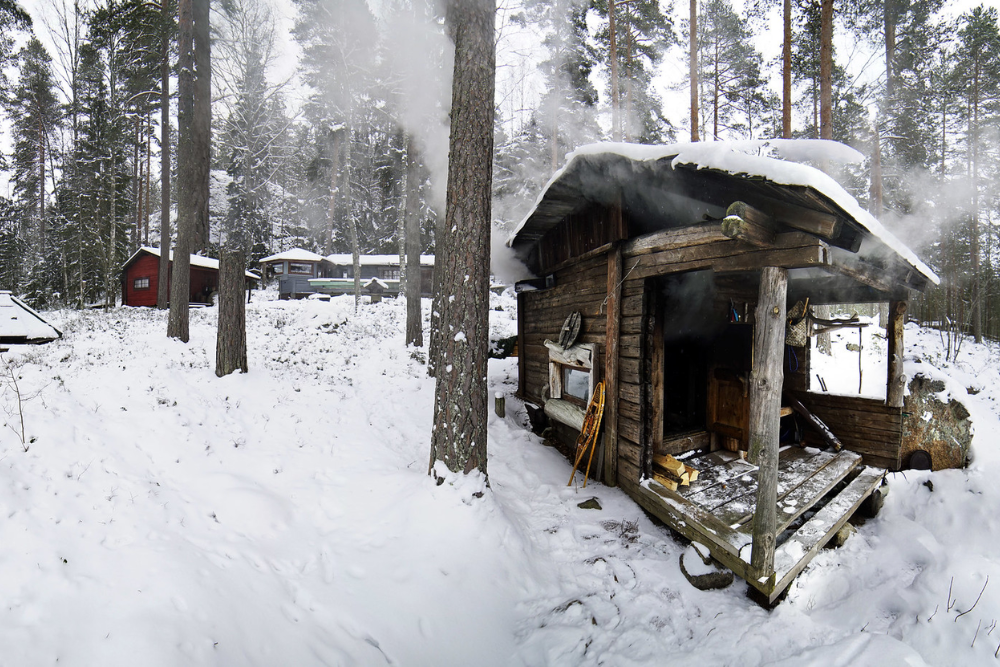
In Finland, saunas traditionally host guardian spirits called ‘saunatonttu’ that must be respected through proper behavior and offerings. Even in modern Finland, many people maintain specific etiquette in saunas that honors these ancient beliefs.
This represents a living example of how pre-Christian animist traditions persist within a technically advanced society, creating hybrid cultural frameworks that don’t fit neatly into Western religious or secular categories.
Like Go2Tutors’s content? Follow us on MSN.
Cultural Logic Beyond Western Frameworks
What these diverse beliefs reveal isn’t irrationality but alternative logics—coherent systems built on different foundational assumptions than those of Western scientific rationalism. Each belief system serves important social, psychological, and ecological functions within its cultural context.
They remind us that human understanding is inherently shaped by culture, history, and environment rather than representing universal truth. The next time you encounter a belief that seems to defy logic, consider that you might be applying the wrong logical framework altogether.
Cultural beliefs aren’t simply superstitions waiting to be dispelled by science but complex adaptations that help people navigate their unique social and natural environments in meaningful ways. Understanding this diversity of human thought doesn’t require abandoning critical thinking—it simply means expanding what we recognize as legitimate ways of knowing our complex world.
More from Go2Tutors!

- 16 Restaurant Chains That Went Too Fast
- 12 Things Sold in the 80s That Are Now Illegal
- 15 Strange Things People Have Tried to Ban (And Failed)
- 16 Collectibles People Tossed Out Too Soon
- 17 Myths from Your Childhood That Were Actually Based on Real Things
Like Go2Tutors’s content? Follow us on MSN.



