Historical Figures Who Lived Much Longer Than You Think
History has a funny way of collapsing in our minds. We imagine the past as something distant and neatly compartmentalized—ancient times over here, the Renaissance there, the modern era somewhere else entirely.
But the truth is messier and far more interesting. Some historical figures didn’t just witness the eras we associate them with—they lived long enough to see jet planes, television, or even the internet.
Their lifespans stretched across technological and cultural shifts that seem impossible when you consider where their stories began. It’s jarring to realize how recent some of history actually is.
These surprising overlaps reveal something important about how we perceive time. Let’s explore the figures whose longevity challenges everything we think we know about when things happened.
Harriet Tubman
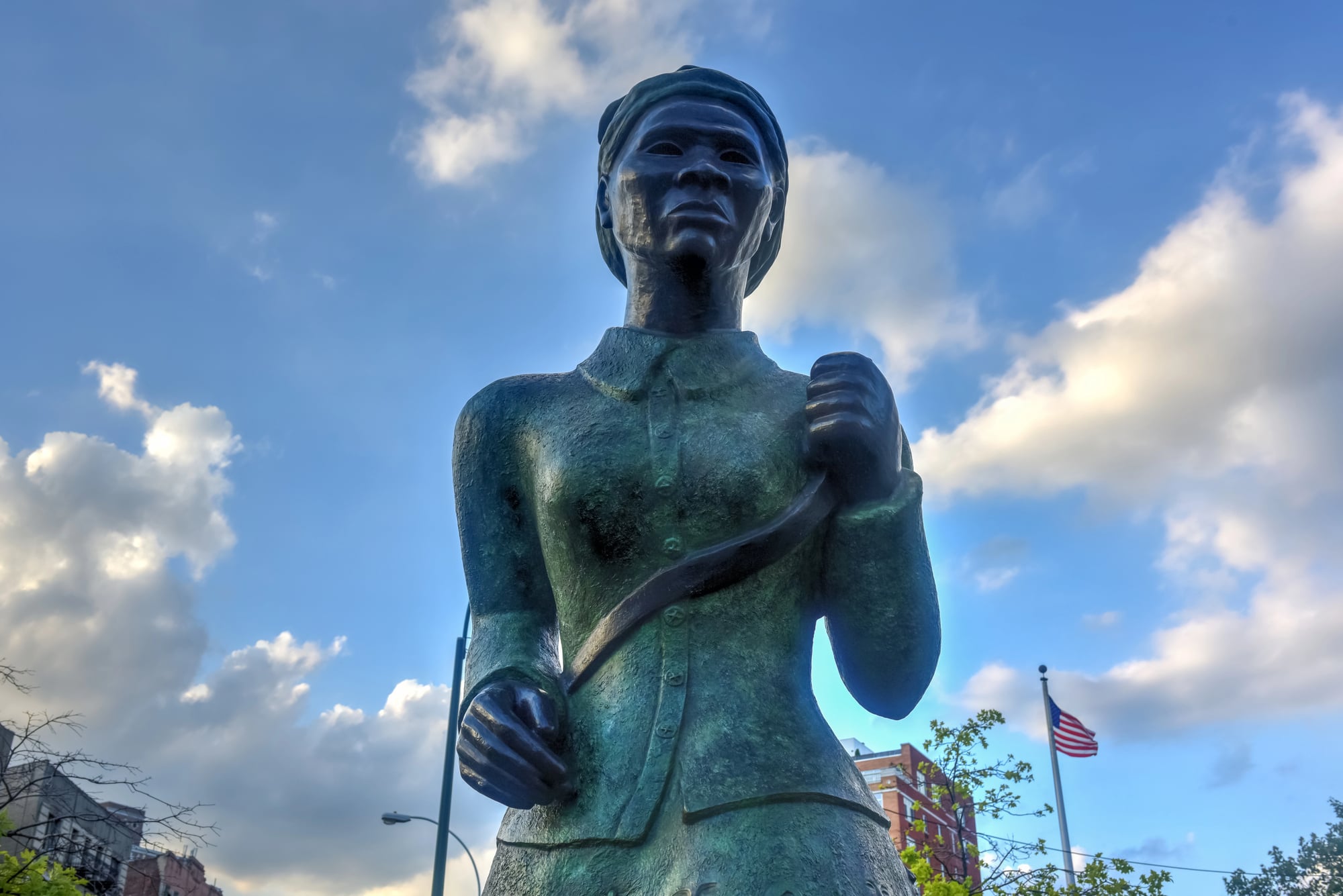
Most people picture Harriet Tubman in the context of the Underground Railroad, which places her firmly in the pre-Civil War era. She’s associated with candlelit escapes, horse-drawn carriages, and a world that feels impossibly remote.
But Tubman didn’t die until March 10, 1913. She lived long enough to see the Wright brothers fly at Kitty Hawk, the sinking of the Titanic, and the early days of World War I. She was alive when the first feature-length films were being made and when suffragettes were marching for women’s voting rights.
Tubman was born into bondage around 1822, escaped in 1849, and spent the next decade risking her life to lead others to freedom.After the Civil War, she continued her activism, working for women’s rights and supporting formerly enslaved people.
She lived through Reconstruction, the Gilded Age, and into the Progressive Era.Her funeral in 1913 included military honors, a fitting tribute to someone whose life spanned from the height of American enslavement to the dawn of the modern age.
It’s a reminder that the horrors she fought against weren’t ancient history—they were disturbingly recent.
Pablo Picasso
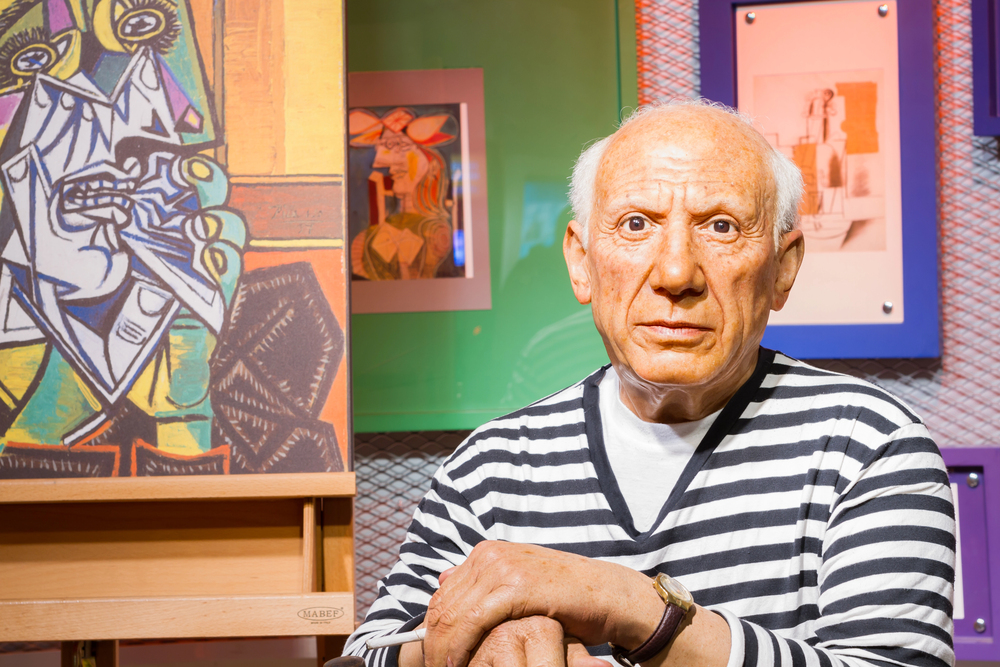
Picasso feels like a figure from the dusty annals of art history, someone whose work belongs in textbooks alongside Renaissance masters. His cubist paintings seem so foundational to modern art that it’s easy to assume he died long ago.
He didn’t. Picasso lived until 1973. He was alive when humans landed on the moon, when the Vietnam War was raging, and when people were watching color television.
He outlived Jimi Hendrix, Janis Joplin, and Jim Morrison. He even lived long enough to see the rise of disco.
Born in 1881 in Spain, Picasso became one of the most influential artists of the 20th century. He co-founded the cubist movement, constantly reinvented his style, and remained prolific well into his final years.
By the time he died at 91, he had produced an estimated 50,000 artworks. His lifespan covered two world wars, the Spanish Civil War, the Cold War, and the counterculture movement.
Picasso wasn’t just a historical figure—he was a contemporary of people who are still alive today. That shifts the perspective entirely.
John Tyler’s Grandsons
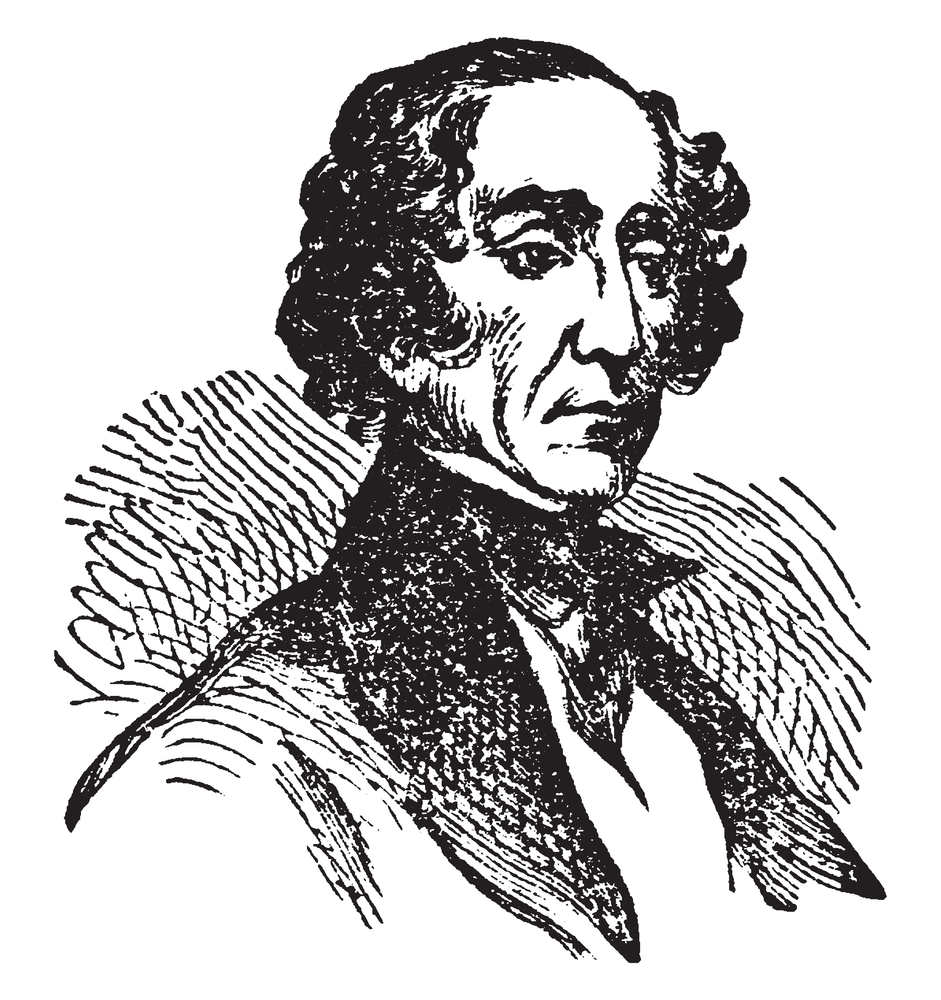
This one is almost too strange to believe. John Tyler, the 10th President of the United States, was born in 1790.
He took office in 1841 after William Henry Harrison died just a month into his presidency. Tyler’s presidency ended in 1845, making him a man firmly rooted in the antebellum era.
Yet as of recent years, two of his grandsons were still alive. Not great-great-great-grandsons. Grandsons.
One of them, Lyon Gardiner Tyler Jr., passed away in 2020, and the other, Harrison Ruffin Tyler, died on May 25, 2025, at the age of 96. How is this possible? Tyler had a son, Lyon Gardiner Tyler, when he was 63. Lyon Gardiner Tyler then had his own sons in his 70s.
The result is a family tree that stretches across three centuries with just three generations. Harrison Ruffin Tyler, born in 1928, lived through the Great Depression, World War II, the Cold War, and into the 21st century. His grandfather was born during George Washington’s presidency.
It’s a reminder that history isn’t as far away as it feels. Three lifetimes can span from the founding of the republic to the present day.
Queen Victoria
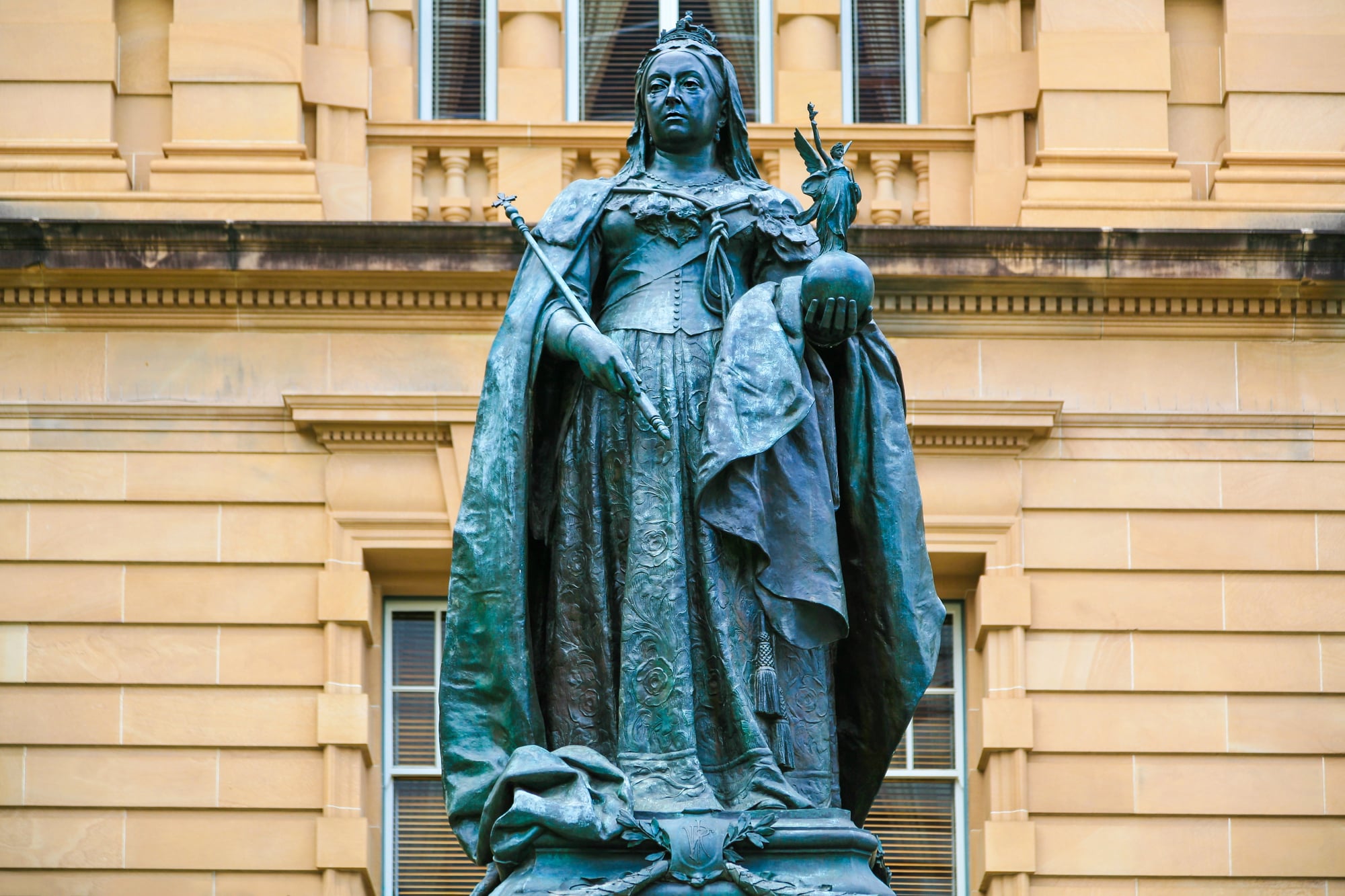
Queen Victoria reigned over the British Empire for more than 63 years, from 1837 to 1901. She’s so closely associated with the 19th century that the entire era carries her name.
Victoria witnessed an extraordinary period of technological change during her lifetime. She lived through the invention of the telephone, the light bulb, and the automobile.
Photography evolved from a novelty to a widespread medium during her reign. The telegraph connected continents, and railways transformed transportation across her empire.
Victoria was born in 1819, a time when Napoleon was still alive and the Napoleonic Wars were a recent memory. She ascended to the throne as a teenager and married Prince Albert, who became her closest advisor until his death in 1861.
After his passing, she withdrew from public life for years but eventually re-emerged as a symbol of imperial stability. By the time she died in January 1901, the world had transformed dramatically from the one she inherited. The British Empire was at its height, but the seeds of its decline were already visible.
Victoria’s lifespan bridged the gap between the Regency era and the threshold of the 20th century.
Leo Tolstoy
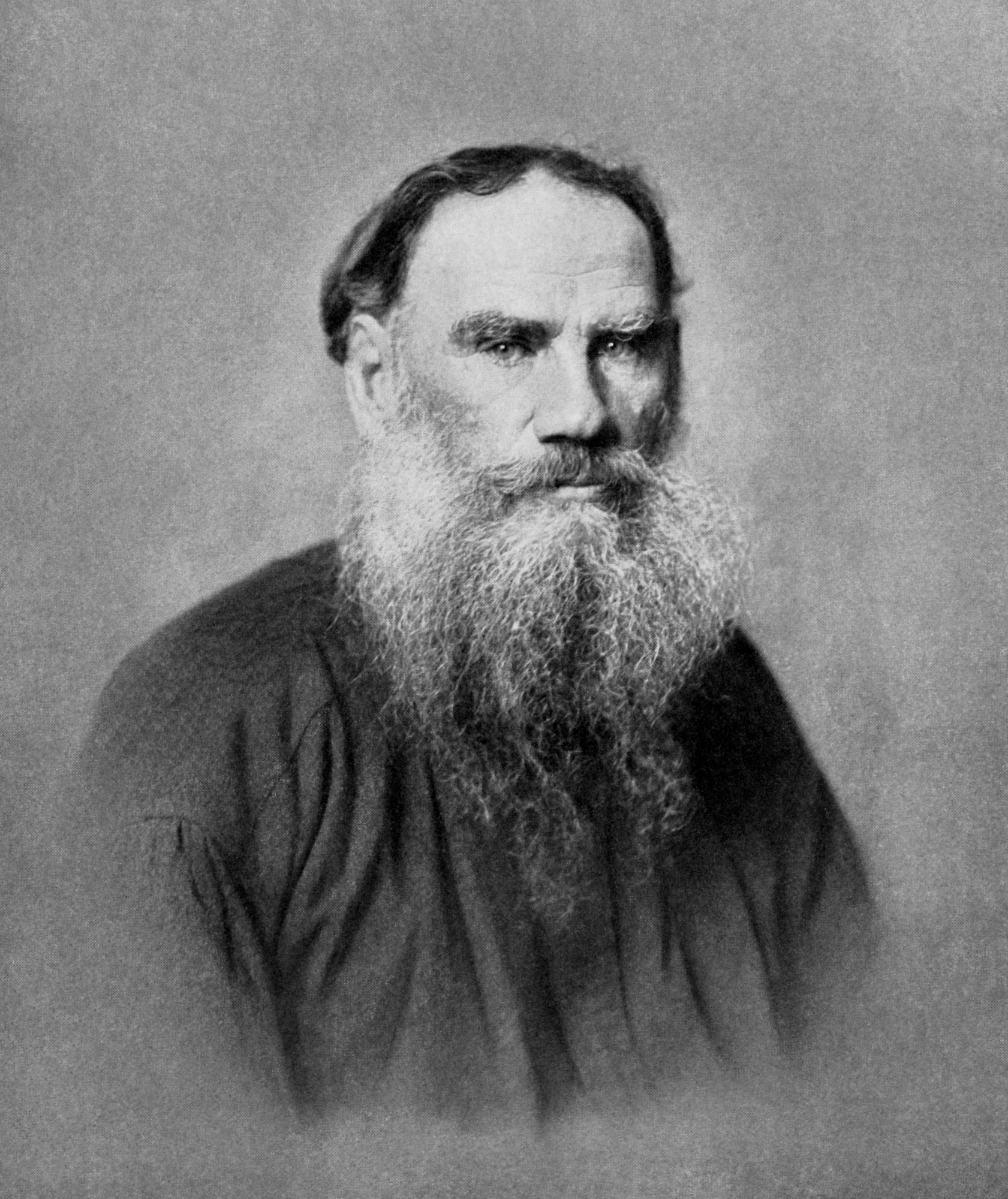
Leo Tolstoy, author of War and Peace and Anna Karenina, is one of the towering figures of 19th-century literature. His novels are set in Tsarist Russia, filled with aristocrats, serfs, and a world that feels centuries removed from our own.
But Tolstoy didn’t die until November 20, 1910, at the age of 82. He lived long enough to see the Wright brothers’ first flight, the first motion pictures, and the early rumblings of revolution in Russia.
He was alive when the phonograph was invented, meaning his voice could have been recorded. It wasn’t, but it could have been.
Born in 1828, Tolstoy came from minor nobility and served in the Crimean War before turning to writing. His major works were published in the 1860s and 1870s, earning him international acclaim.
In his later years, he became increasingly interested in philosophy, religion, and social reform, advocating for nonviolent resistance and critiquing wealth and privilege. His ideas influenced Mahatma Gandhi and Martin Luther King Jr. Tolstoy died at a railway station in 1910, having fled his estate in search of a simpler life.
His death came just seven years before the Russian Revolution would obliterate the world he had written about.
Emily Dickinson’s Niece

Emily Dickinson, the reclusive poet who became one of America’s most celebrated literary figures, died in 1886. Her life and work feel like relics of a bygone era—handwritten poems tucked into drawers, a woman who rarely left her home in Amherst, Massachusetts.
But Dickinson’s niece, Martha Dickinson Bianchi, didn’t die until 1943. That means someone who knew Emily Dickinson personally, who grew up in her household, lived to see World War II. Bianchi was instrumental in publishing her aunt’s poetry and spent decades managing Dickinson’s literary legacy.
Bianchi was born in 1866, while Dickinson was still alive and writing. She edited and published several volumes of her aunt’s poems, though her editorial choices were sometimes controversial.
She also wrote memoirs about growing up in the Dickinson household, providing firsthand accounts of the poet’s life. Bianchi lived through the Gilded Age, both World Wars, the Great Depression, and the early years of the Atomic Age.
The fact that someone with such a direct connection to Emily Dickinson lived until the 1940s collapses the timeline between 19th-century American literature and the modern world.
Orville Wright

The Wright brothers made their first powered flight in 1903, an event that feels like ancient history in the age of commercial aviation and space travel. Wilbur Wright died in 1912, which fits the expected timeline—early aviation pioneer, early death. But Orville Wright lived until 1948.
He was alive when jet engines were being developed, when World War II saw dogfights in the skies over Europe, and when the sound barrier was broken. He witnessed the evolution of aviation from a 12-second flight at Kitty Hawk to intercontinental air travel.
Orville was born in 1871 in Dayton, Ohio, and spent his early years working with his brother on bicycles and gliders. Their successful flight in 1903 lasted just 12 seconds and covered 120 feet, but it changed the world.
After Wilbur’s death, Orville continued working in aviation and consulting on aeronautical projects. He lived to see planes drop atomic bombs on Hiroshima and Nagasaki, a use of flight technology he could never have imagined.
By the time he died, air travel was commonplace, and the world was on the brink of the jet age. One man’s lifetime spanned from the horse-and-buggy era to the dawn of supersonic flight.
How We Got Here
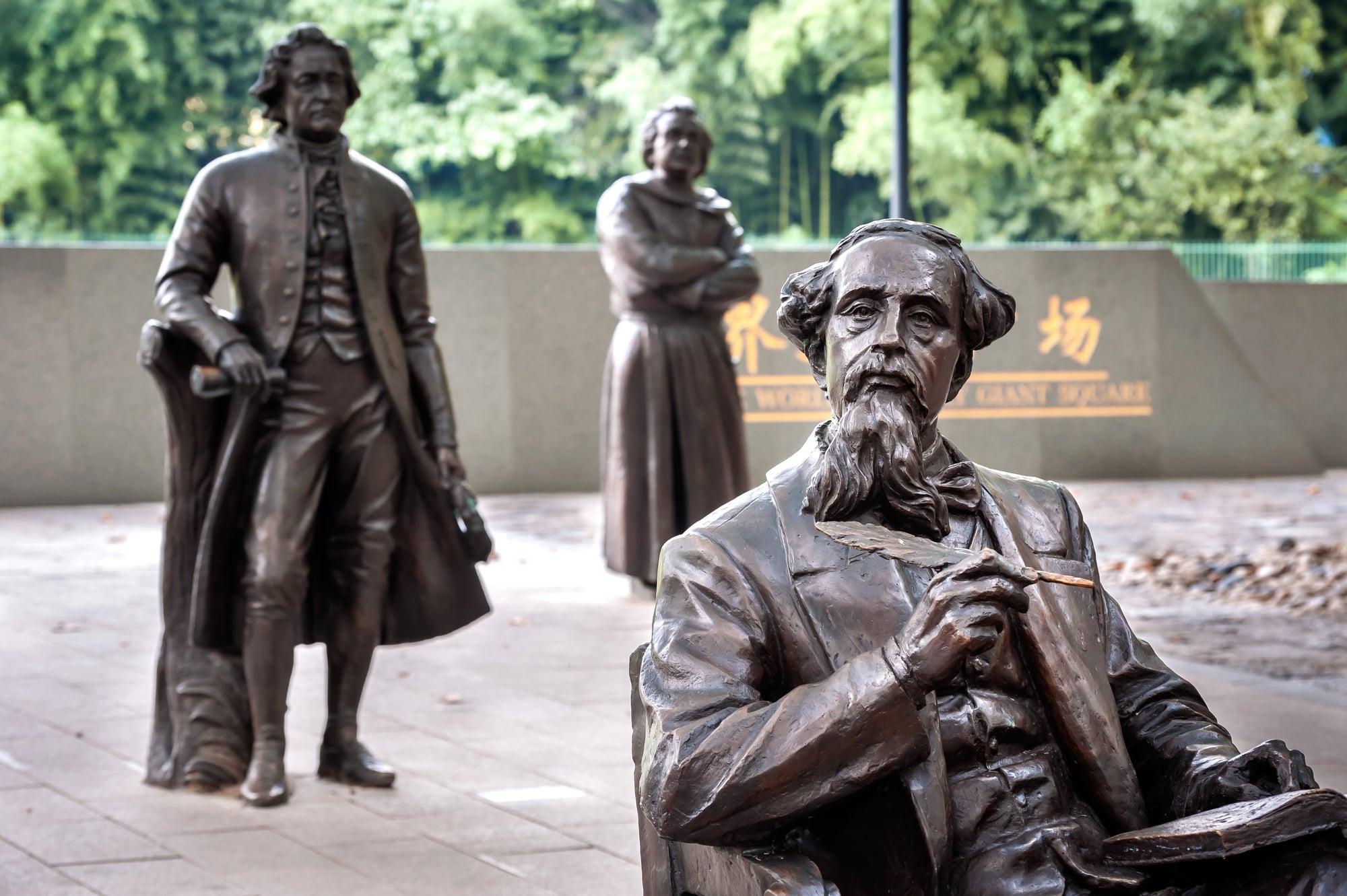
The figures who lived longer than we think didn’t just occupy their historical moments—they transcended them. They witnessed transformations that would have seemed like science fiction at the start of their lives.
Harriet Tubman, born into bondage, lived to see women fighting for the vote. Picasso, who painted in Paris at the turn of the century, saw humans walk on the moon.
Orville Wright’s first flight lasted 12 seconds; by the time he died, planes could cross oceans in hours. These overlaps force us to reconsider how we’ve organized history in our minds.
We tend to imagine the past as more distant than it actually is, separated by vast gulfs of time. But the truth is that history is shockingly close.
Three generations can stretch from the founding of the United States to today. Someone alive now might have a grandparent who was born in the 1800s.
The people we think of as historical figures were still around when major technological and social transformations were taking place. Their longevity doesn’t just surprise us—it collapses the distance between then and now, reminding us that the past isn’t as far away as we’d like to believe.
More from GMore from Go2Tutors!

- The Romanov Crown Jewels and Their Tragic Fate
- 17 Halloween Costumes Once Considered Taboo
- Famous Hoaxes That Fooled the World for Years
- 15 Child Stars with Tragic Adult Lives
- 16 Famous Jewelry Pieces in History
Like Go2Tutors’s content? Follow us on MSN.