Facts About the First People to Reach Remote Places
Explorers have traveled to the most hostile regions of the planet because of the human desire to see what lies beyond the next ridge or across the unexplored sea.
These were no weekend excursions.
To get to really far-flung locations was to risk everything: starvation, drowning, frostbite, or just disappearing completely.
Those who made it first frequently survived by a combination of unimaginable luck, obstinacy, and careful planning.
Their accomplishments altered maps and broadened the human perspective on what was feasible.
The challenges faced along the way, as well as the final destinations, are what really set these journeys apart.
A closer look at the first verified arrivals at some of the harshest and most isolated places on Earth is provided here.
Mount Everest
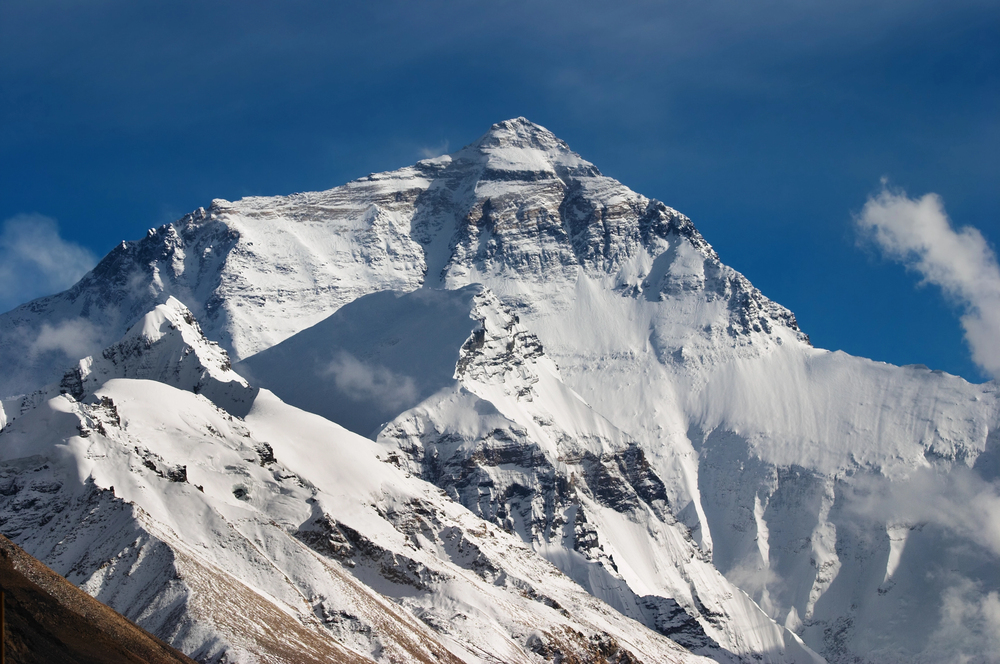
Edmund Hillary and Tenzing Norgay reached the summit of Mount Everest on May 29, 1953, at approximately 11:30 a.m., becoming the first confirmed climbers to stand atop the world’s highest peak at 29,029 feet.
The achievement came after decades of failed attempts that had claimed lives and broken expeditions.
Hillary, a New Zealand beekeeper turned mountaineer, and Tenzing, a Sherpa who had already been high on Everest multiple times, spent roughly fifteen minutes at the summit before beginning their descent—staying longer at that altitude would have been fatal.
The climb required bottled oxygen, specialized equipment, and a support team that established a series of camps up the mountain.
Even with modern gear by 1950s standards, the final push from the South Col to the summit took brutal hours of climbing through the death zone above 26,000 feet, where the human body begins deteriorating from oxygen deprivation.
What’s often overlooked is that Tenzing had intimate knowledge of the mountain from years of supporting earlier expeditions, while Hillary brought technical climbing skills honed in the New Zealand Alps.
Their partnership worked precisely because their strengths complemented each other in ways neither could have managed alone.
South Pole
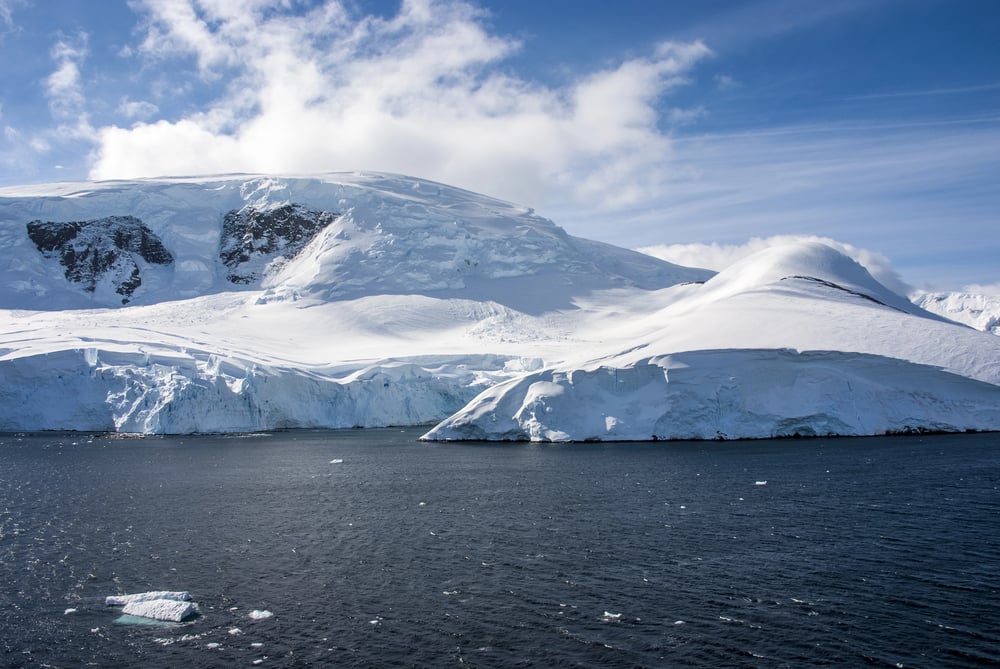
Roald Amundsen and his four-man Norwegian team reached the South Pole on December 14, 1911, beating Robert Falcon Scott’s British expedition by thirty-three days.
Amundsen’s success came down to ruthless efficiency and learning from indigenous Arctic peoples.
He used fifty-two dogs and four sledges for transport, dressed in fur clothing adapted from Inuit designs, and depot-flagged his supply caches with black flags visible for miles across white ice.
His team made the round trip from their base camp without losing a single man.
Scott’s expedition, by contrast, ended in tragedy.
His team reached the pole on January 17, 1912, only to find Amundsen’s tent and a note waiting for them.
The return journey became a nightmare of frostbite, starvation, and blizzards.
Scott and his four companions died just eleven miles from a supply depot that could have saved them.
The contrast between the two expeditions reveals how preparation and cultural humility mattered more than national pride.
Amundsen studied techniques that had kept people alive in polar conditions for centuries.
Scott relied on British naval traditions that proved catastrophically unsuited to Antarctic realities.
Mariana Trench
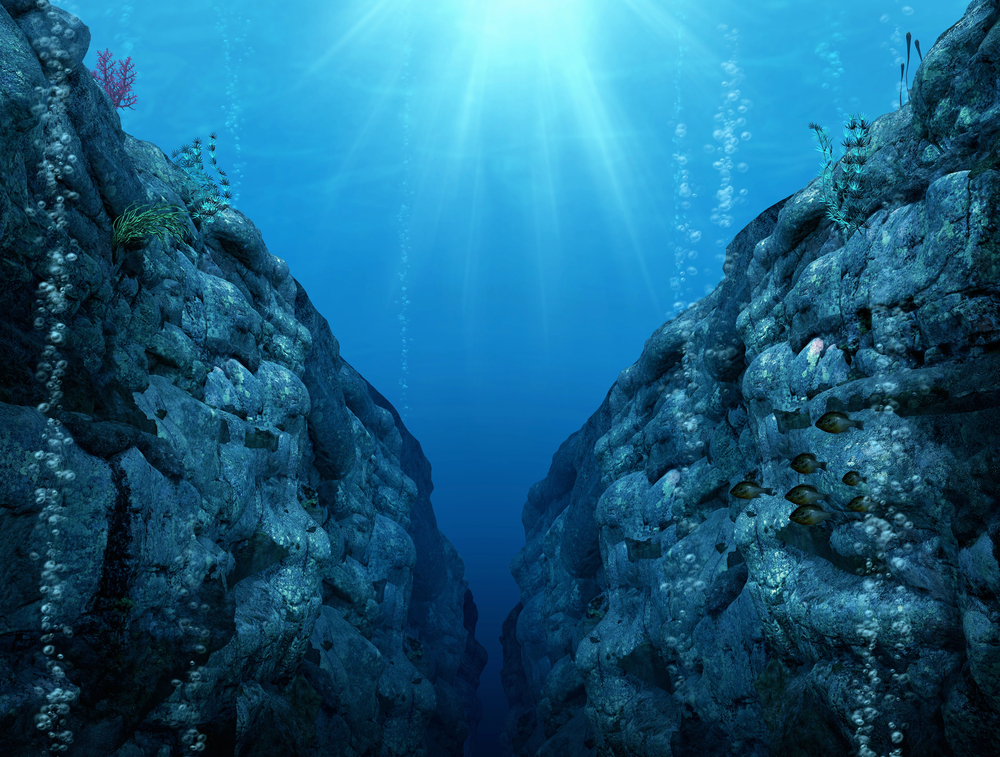
Jacques Piccard and Don Walsh descended to the deepest known point in Earth’s oceans on January 23, 1960, reaching Challenger Deep in the Mariana Trench at a depth of 35,797 feet.
They made the journey in the Trieste, a bathyscaphe that looked like a submarine attached to a massive gasoline-filled float.
The descent took nearly five hours, dropping through complete darkness into pressures exceeding eight tons per square inch—enough to crush virtually any structure not specifically engineered to withstand it.
At the bottom, Piccard and Walsh spent twenty minutes observing their surroundings through a small porthole before beginning the ascent.
They reported seeing a flatfish and shrimp, proving that life existed even in the most extreme depths.
The observation surprised scientists who had assumed nothing could survive under such crushing pressure.
The Trieste’s pressure sphere, made of steel five inches thick, developed a crack during the dive but held together long enough to return both men safely to the surface.
No one else would visit Challenger Deep for another fifty-two years, making it one of the least accessible places on the planet.
Easter Island
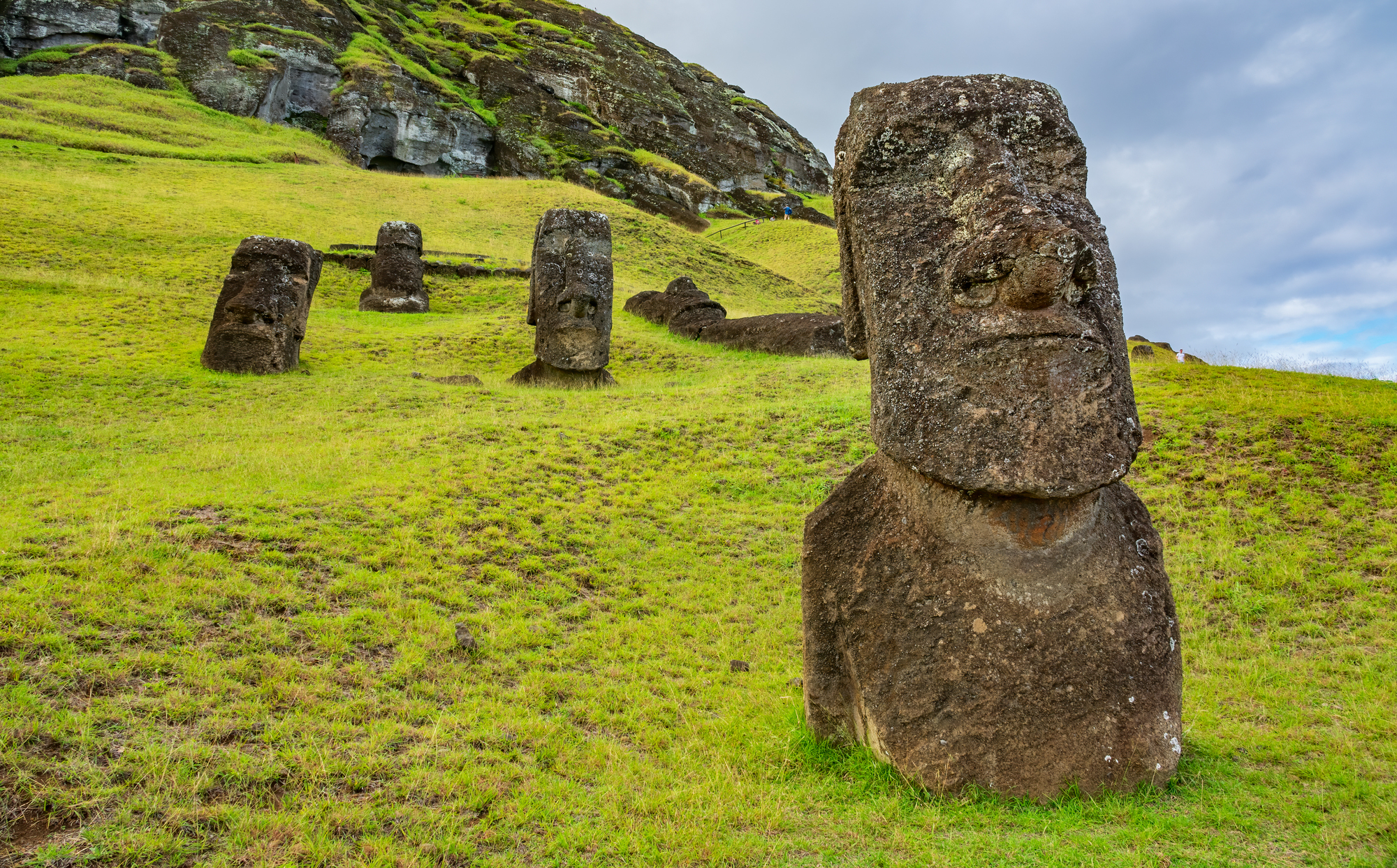
Polynesian seafarers reached Easter Island, known as Rapa Nui, sometime between 1200 and 1300 CE, completing one of history’s most impressive feats of oceanic navigation.
The island sits over 2,000 miles from the nearest inhabited land, making it among the most isolated places humans have ever settled permanently.
These voyagers traveled in double-hulled canoes, navigating by stars, wave patterns, and seabird behavior without instruments or maps.
They brought everything needed to establish a civilization—plants, animals, tools—knowing they might never find their way back.
The settlement of Easter Island demonstrates navigational knowledge that European explorers wouldn’t match for centuries.
Polynesians understood ocean currents, seasonal wind patterns, and could read subtle environmental clues invisible to outsiders.
By the time Dutch explorer Jacob Roggeveen arrived in 1722, the Rapa Nui people had already built their famous moai statues and developed a unique culture shaped by extreme isolation.
The island’s remoteness eventually contributed to ecological collapse as the population exhausted limited resources, but the initial achievement of reaching and settling such a distant speck of land remains extraordinary.
The Moon
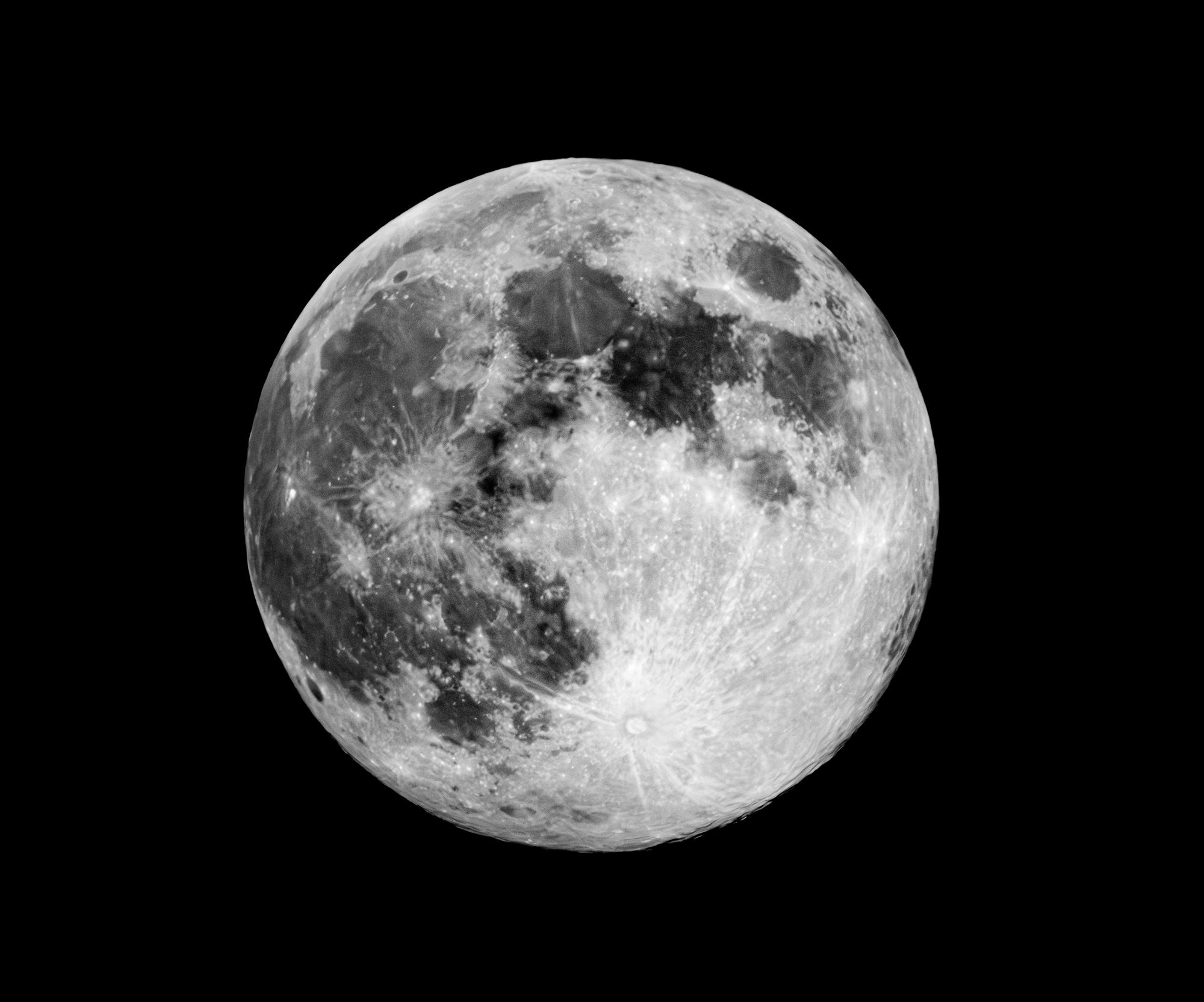
Neil Armstrong and Buzz Aldrin became the first humans to set foot on another celestial body on July 20, 1969, when Apollo 11 landed in the Sea of Tranquility.
Armstrong stepped onto the lunar surface at 10:56 PM Eastern Time, followed by Aldrin nineteen minutes later.
They spent two and a half hours outside the lunar module, collecting samples, taking photographs, and planting an American flag in soil untouched by wind or water for billions of years.
Michael Collins orbited above in the command module, equally essential to the mission but denied the chance to walk on the moon himself.
The journey required technology pushed to its absolute limits and beyond.
The Saturn V rocket that launched them stood 363 feet tall and remains the most powerful machine ever built.
The lunar module’s descent engine had to fire with perfect precision—too much thrust and they’d crash, too little and they’d miss the landing site entirely.
Armstrong famously took manual control during the final moments, flying past a boulder field to find smoother ground with less than thirty seconds of fuel remaining.
The entire mission, from launch to splashdown in the Pacific Ocean, took eight days.
Those first steps represented not just American achievement but the culmination of centuries of astronomical observation, mathematical calculation, and engineering problem-solving.
North Pole
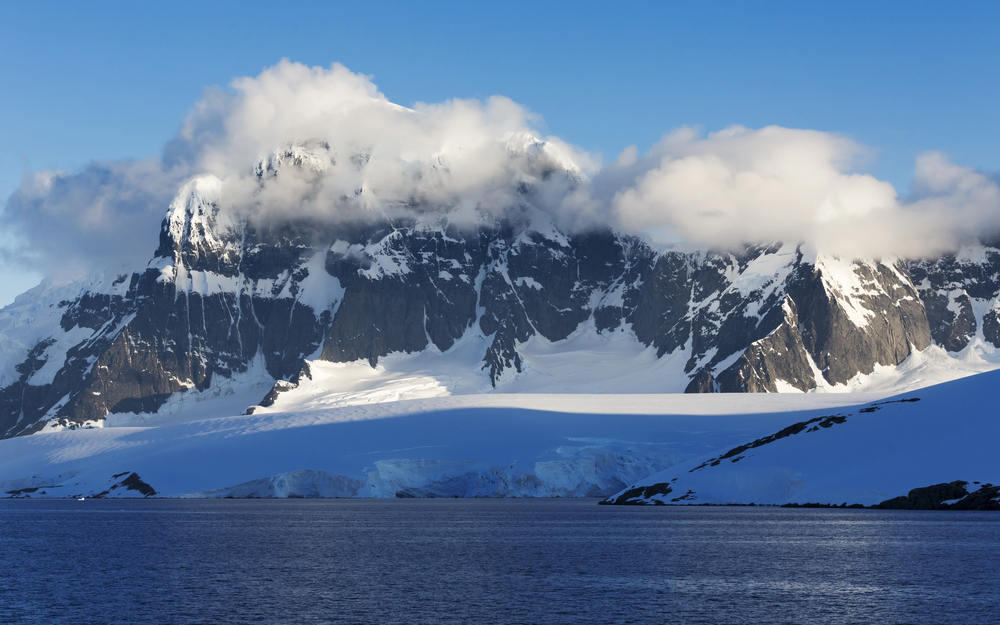
Determining who first reached the North Pole remains genuinely contentious.
Robert Peary claimed to have reached it on April 6, 1909, with Matthew Henson and four Inuit companions, but his navigation records contain inconsistencies that have fueled debate for over a century.
Frederick Cook claimed he’d gotten there a year earlier, in 1908, but his account has been widely discredited.
The first undisputed surface arrival came in 1968 when Ralph Plaisted’s snowmobile expedition reached the pole and confirmed their position with precise aerial navigation.
What makes the North Pole especially challenging is that it’s not land but drifting sea ice.
Unlike the South Pole, which sits on the Antarctic continent, the North Pole moves constantly as ice sheets shift with currents.
Early explorers couldn’t simply plant a flag and call it done—they had to account for drift that could carry them miles off course overnight.
Roald Amundsen flew over the pole in an airship in 1926, making that the first absolutely certain arrival by any means.
The confusion around early surface expeditions reminds us that ‘being first’ means nothing without the ability to prove it conclusively.
Krubera Cave
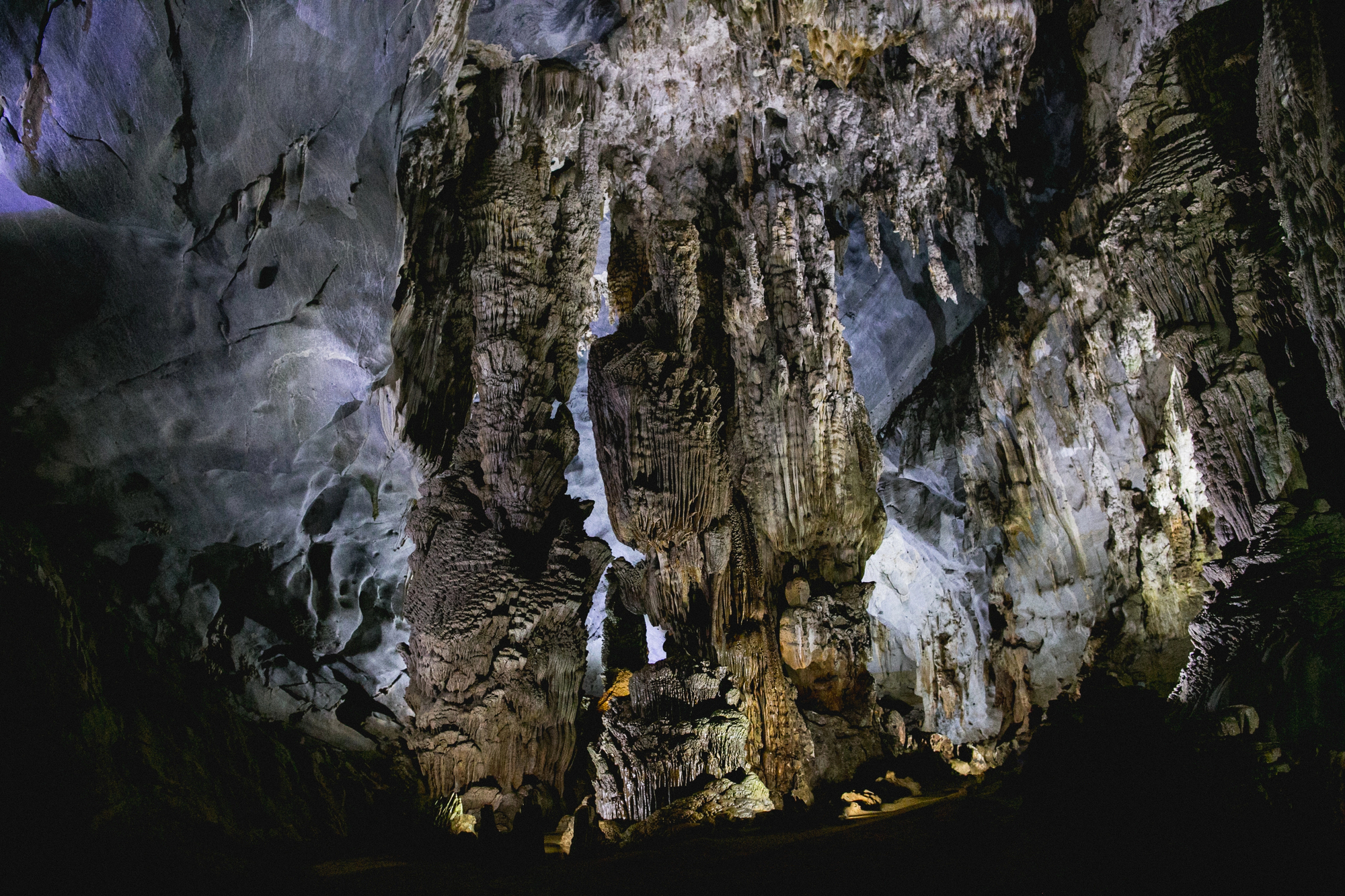
A team of Ukrainian speleologists reached the bottom of Krubera Cave in 2012, making it the first cave system confirmed to exceed 2,000 meters in depth—specifically 2,197 meters, or roughly 7,208 feet.
Located in the Arabika Massif of Georgia, Krubera is the deepest known cave on Earth, plunging deeper below the surface than most mountains rise above it.
The exploration required multiple expeditions over years, with teams establishing underground camps and pushing deeper through narrow passages, underground rivers, and vertical drops that required specialized climbing gear.
Cave exploration presents unique dangers absent from mountain climbing or polar travel.
Passages flood without warning, formations collapse, and rescue becomes nearly impossible beyond certain depths.
The deepest sections of Krubera remain cold, wet, and completely dark, requiring artificial light for every moment spent underground.
Gennadiy Samokhin reached the deepest point during the 2012 expedition after days of descent through increasingly challenging terrain.
The achievement expanded human understanding of geological formations and proved that Earth still holds unexplored frontiers that don’t require leaving the planet.
Where Explorers Dare

It’s important to keep in mind that the first people to travel to far-off places were rarely by themselves.
Teams of support workers, indigenously knowledgeable guides, and frequently unnoticed partners who shared the risks without getting the same credit were behind every well-known name.
Due to his race, Matthew Henson’s contributions to Arctic exploration were disregarded for many years.
Questions were raised about whether Tenzing Norgay or Hillary ascended Everest first, as if it made a difference when both men almost perished en route.
These accomplishments also serve as a reminder that distance is a relative concept that is frequently defined solely by Western perceptions and maps.
For centuries before that, Polynesian navigators had been island-hopping across the Pacific, but Easter Island seemed unfathomably far away to Europeans.
The interior of the Amazon was only regarded as “unexplored” if you disregarded the native populations who had inhabited the region for thousands of years.
Communities with extensive knowledge of the environments were already present in many areas that were designated as discovered.
The real pioneers were frequently those whose names we will never know, who arrived at these locations long before anyone had the idea to record it or claim it as a first.
More from Go2Tutors!

- The Romanov Crown Jewels and Their Tragic Fate
- 17 Halloween Costumes Once Considered Taboo
- Famous Hoaxes That Fooled the World for Years
- 15 Child Stars with Tragic Adult Lives
- 16 Famous Jewelry Pieces in History
Like Go2Tutors’s content? Follow us on MSN.


