Historic Inventions That Began as Hobbies
Some of the most significant breakthroughs in history didn’t come from corporate research labs or government contracts. They came from people tinkering in their garages, playing around with ideas after work, or trying to solve a personal problem.
The line between hobby and invention often blurs when someone gets curious enough to see where an idea leads.
Two Brothers Who Just Wanted to Fly

Orville and Wilbur Wright ran a bicycle shop in Dayton, Ohio. Flying fascinated them, but they had no formal training in engineering or physics.
They read everything they could find about flight, built gliders in their spare time, and tested them on the sand dunes of Kitty Hawk. Their first powered flight in 1903 lasted just 12 seconds and covered 120 feet.
But those 12 seconds changed how humans move around the planet.
A Computer Built in a Garage

Steve Wozniak designed computers for fun. He’d spend his evenings sketching circuit boards and figuring out how to make machines that regular people could actually use.
When he showed his friend Steve Jobs what he’d built, Jobs saw something bigger. They started Apple in Jobs’ parents’ garage in 1976, assembling computers by hand.
Wozniak never expected his hobby to become a business that would put computers in homes around the world.
An Engineer’s Weekend Carnival Project

George Ferris was a bridge builder, not an amusement park designer. But when Chicago hosted the World’s Fair in 1893, organizers wanted something to rival the Eiffel Tower from the Paris exposition.
Ferris sketched out a massive rotating wheel during his free time, calculating loads and stresses on napkins and scraps of paper. His 264-foot wheel carried 2,160 passengers at a time.
Today, his name is synonymous with fairground rides worldwide.
The Packaging Nobody Asked For
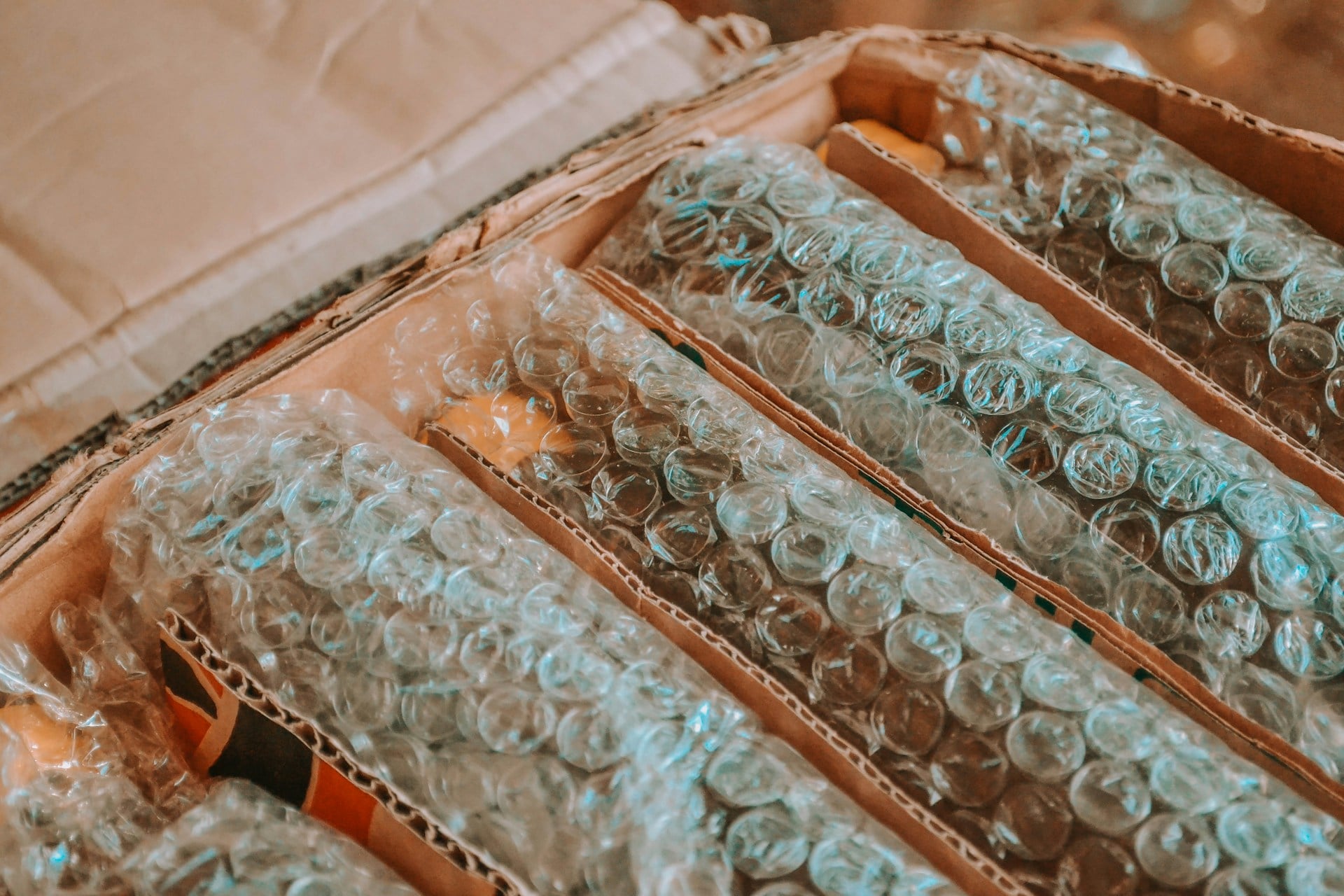
Alfred Fielding and Marc Chavannes wanted to create textured wallpaper. They sealed two shower curtains together with air bubbles trapped inside.
The wallpaper idea failed completely. Nobody wanted bumpy walls in their homes.
For years, they tried different uses for their strange plastic sheets. Eventually, IBM started using it to ship computers safely.
Bubble Wrap became essential for protecting fragile items during shipping, even though it started as a decorating experiment.
A Pie Tin That Learned to Soar
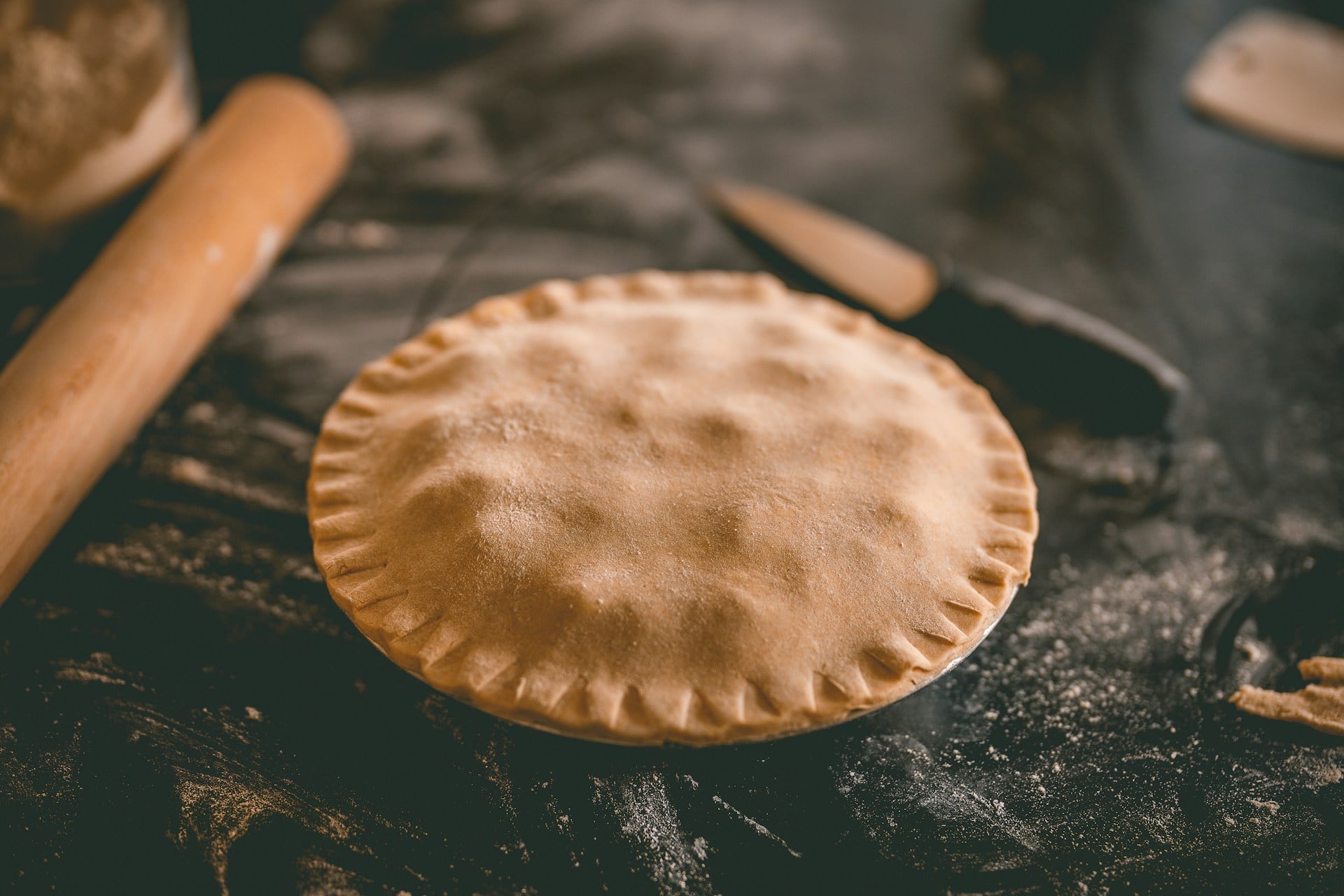
Students at Yale University in the 1940s discovered that empty pie tins from the Frisbie Baking Company flew surprisingly well when you tossed them. They’d throw them back and forth across campus, yelling “Frisbie!” to warn people.
Walter Morrison saw people playing with pie tins and thought he could design something better. He created a plastic version that flew straighter and farther.
Wham-O bought his design in 1955 and renamed it the Frisbee. Morrison was just trying to improve a college pastime.
The Game Created During the Great Depression
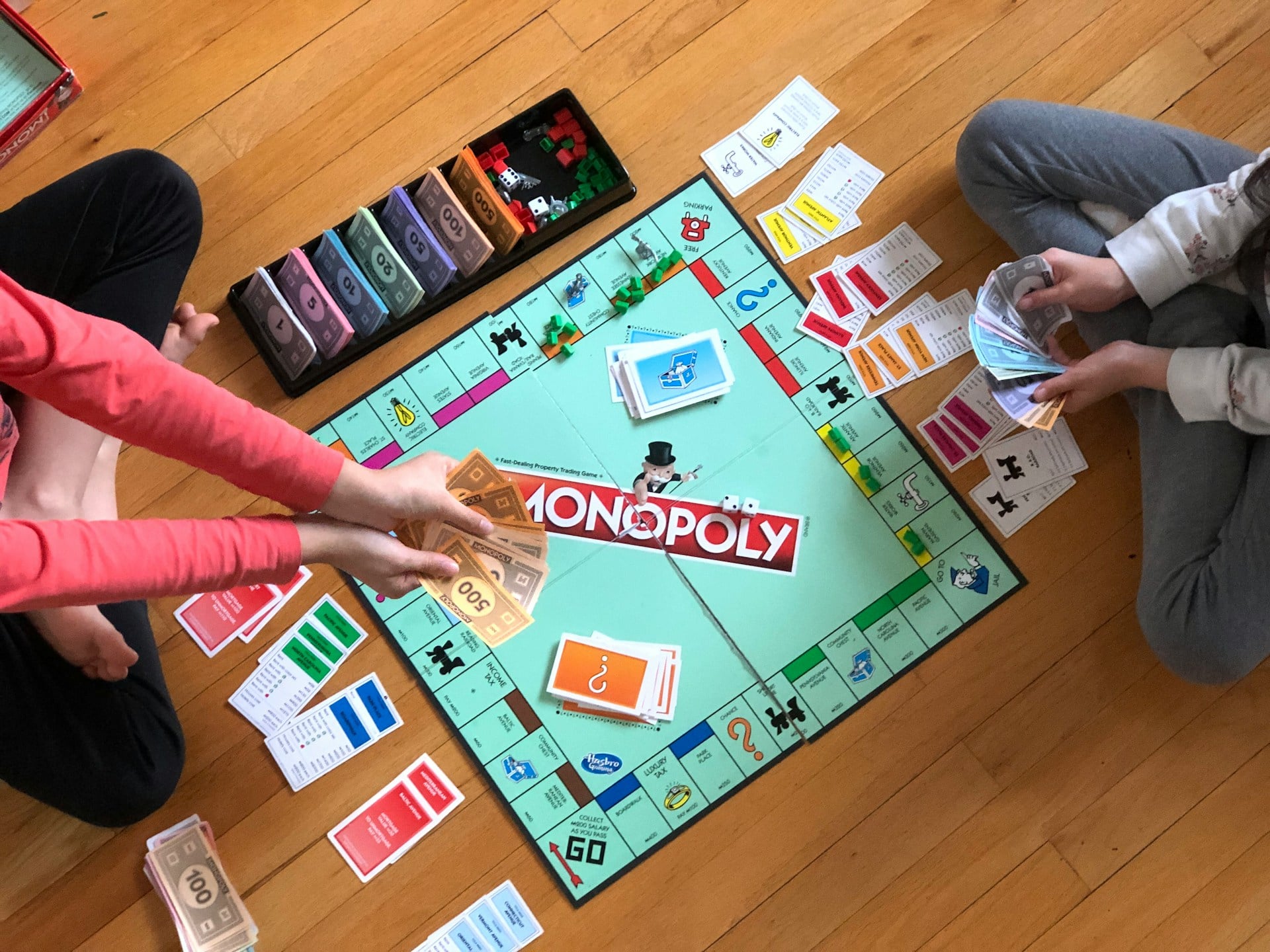
Charles Darrow was unemployed and struggling during the Depression. He remembered summer vacations in Atlantic City and started drawing a board game about buying real estate.
He made the first sets by hand, coloring spaces and cutting out little wooden houses. When he showed it to Parker Brothers, they rejected it—too complicated, they said.
Darrow kept making copies anyway, selling them to department stores. Eventually, Parker Brothers reconsidered.
Monopoly became one of the best-selling board games ever made.
Sticky Notes That Almost Weren’t

Spencer Silver worked at 3M, developing super-strong adhesives. In 1968, he accidentally created one that barely stuck at all.
It was a failure by every measure. Nobody at the company knew what to do with the weak glue.
Years later, Art Fry sang in his church choir and got frustrated when bookmarks kept falling out of his hymnal. He remembered Silver’s failed adhesive and realized it would hold bookmarks in place without damaging pages.
Post-it Notes didn’t launch until 1980, more than a decade after the original “mistake.”
A Toy That Walked Downstairs
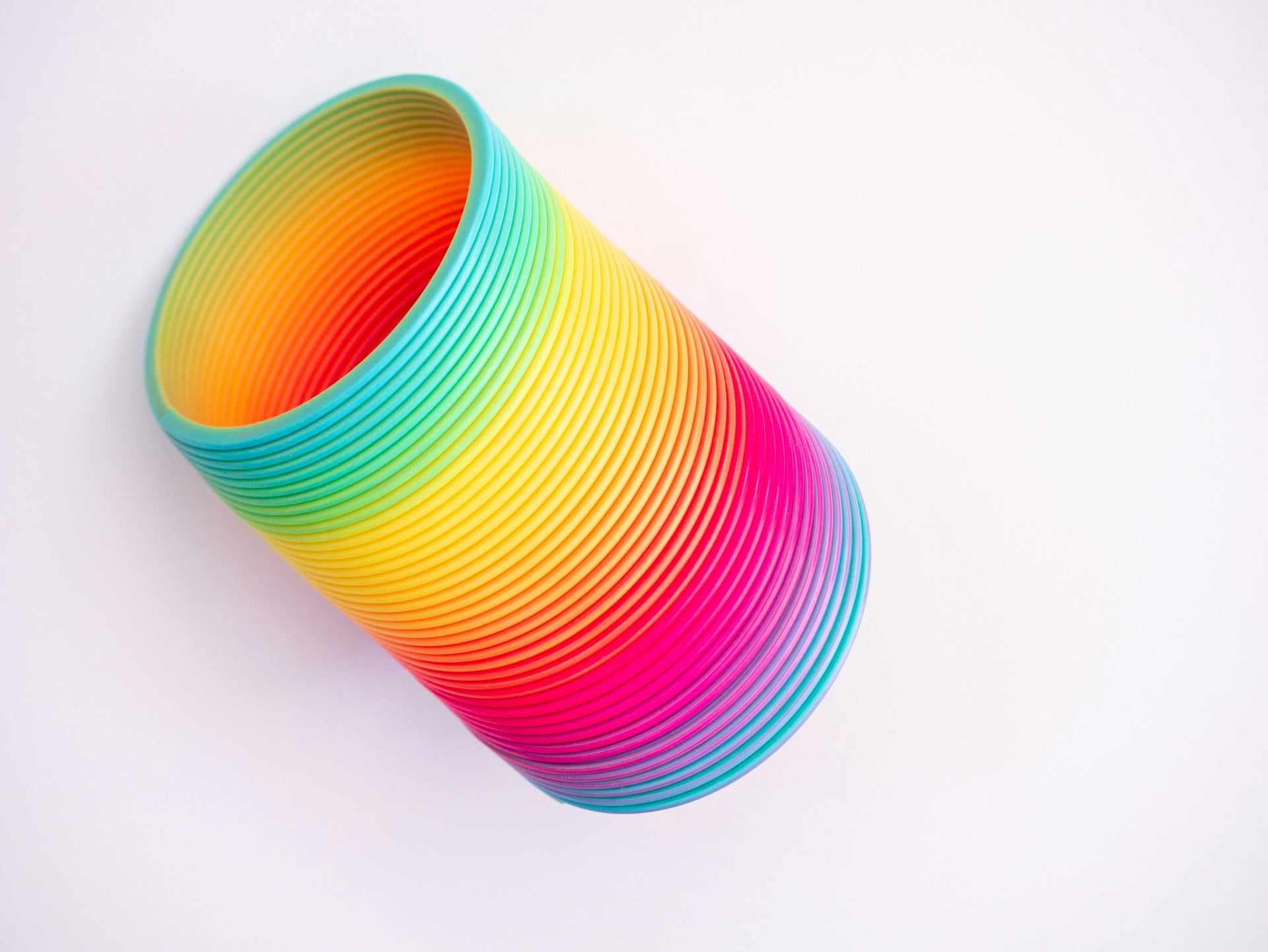
Richard James was a naval engineer testing springs for ships in 1943. One spring fell off his desk and kept moving across the floor, flipping end over end.
He took it home and showed his wife Betty. They spent two years refining the design, figuring out the exact tension and coil count.
The Slinky debuted at Gimbels department store in Philadelphia in 1945. All 400 units sold in 90 minutes.
James had just been playing around with scrap materials.
The Burrs That Wouldn’t Let Go
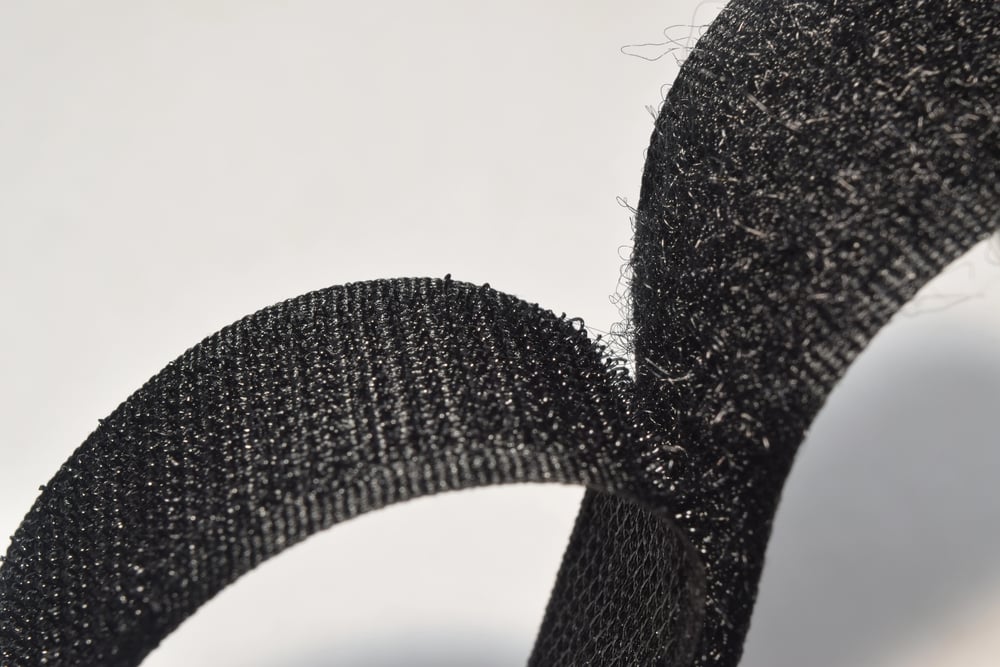
George de Mestral took his dog hiking in the Swiss Alps in 1941. When he got home, his pants were covered with burrs.
Instead of just picking them off, he looked at them under a microscope. He saw tiny hooks that grabbed onto fabric loops.
It took him eight years of experimenting to create a synthetic version. He called it Velcro, combining the French words for velvet and crochet.
De Mestral was just curious about why burrs stuck so well.
Accidental Cooking That Changed Kitchens
Percy Spencer worked with radar technology at Raytheon. In 1945, he stood near a magnetron tube and noticed the chocolate bar in his pocket had melted.
Most people would have complained about the ruined chocolate. Spencer got curious and started testing other foods near the magnetron.
Popcorn popped. Eggs exploded.
He realized the radio waves were heating the food. The first microwave oven weighed 750 pounds and stood five feet tall.
Spencer was just messing around with equipment during his lunch break.
Modeling Clay That Found Its Purpose

Noah McVicker created a putty in 1933 for cleaning wallpaper. It removed coal dust and soot from delicate paper without damaging it.
By the 1950s, fewer homes burned coal for heat, and wallpaper cleaner sales dropped. McVicker’s sister-in-law was a nursery school teacher, and she started using the putty with her students for art projects.
Kids loved molding it into shapes. The company rebranded it as Play-Doh and removed the cleaning chemicals.
McVicker had stumbled into the toy business by accident.
The Glue That Was Too Strong
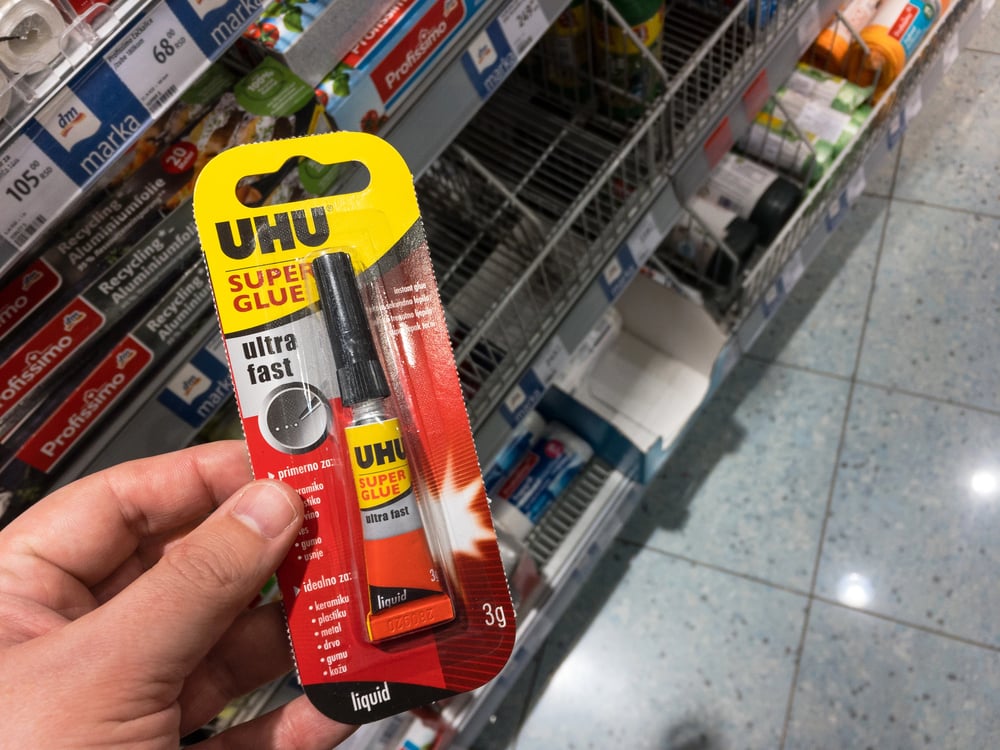
Harry Coover was trying to develop clear plastic gunsights for rifles during World War II. In 1942, he created cyanoacrylate, but it stuck to everything and ruined all his equipment.
He abandoned it as useless. Years later, in 1951, Coover was working on heat-resistant jet canopy materials.
He rediscovered cyanoacrylate and realized its instant-bonding property was actually valuable. Super Glue went to market in 1958.
Coover had rejected his own invention twice before recognizing what he had.
A Frozen Treat Born From Boredom

Frank Epperson was 11 years old in 1905 when he mixed powdered soda and water with a stirring stick. He left the mixture on his porch overnight during a cold snap.
The next morning, he had a frozen treat on a stick. Epperson didn’t do anything with his creation for 18 years.
In 1923, he finally applied for a patent and started selling “Epsicles” at an amusement park. His children called them “Pop’s sicles,” and the name stuck.
Popsicles came from a kid forgetting his drink outside on a cold night.
Wooden Blocks That Built an Empire

Ole Kirk Christiansen worked as a carpenter in Denmark, crafting little wooden toys by hand. Back in 1932, amid hard economic times, he began producing tiny construction pieces just to stay open.
Come 1949, he tinkered with plastic ones that actually clicked into place. That word LEGO? It’s pulled straight from a common Danish saying – “leg godt” – which simply means play well.
Christiansen worked as a carpenter, tinkering with various items to find something people’d buy. There’s no way he could’ve known those snap-together bricks would turn into a toy nearly everyone recognizes today.
When Tinkering Becomes Something More

The things that end up changing how we live rarely show up loud or flashy. They begin without warning, like when someone spots a tiny thing others ignore – a prickly seed caught on cloth, candy turning soft in heat, metal coils bouncing nonstop.
Whoever sees it might not realize they’re near a breakthrough. Instead of chasing results, they simply dig into what feels interesting – just to check.
Truth is, big shifts come less from setting out to create them, but from staying open while testing ideas.
More from Go2Tutors!

- The Romanov Crown Jewels and Their Tragic Fate
- 13 Historical Mysteries That Science Still Can’t Solve
- Famous Hoaxes That Fooled the World for Years
- 15 Child Stars with Tragic Adult Lives
- 16 Famous Jewelry Pieces in History
Like Go2Tutors’s content? Follow us on MSN.



