Greatest Athletes Who Never Won a Championship
Winning isn’t everything, but it sure feels like it when your career ends without a title.
The best athletes dedicate their lives to perfecting their craft, yet for some of the most talented competitors in history, a championship trophy remained forever out of reach.
These legends dominated their sports, broke records, and inspired millions, but the ultimate prize slipped through their fingers.
Whether it was bad timing, unlucky matchups, or simply being on the wrong team, these greats proved that individual excellence doesn’t always translate to team glory.
These are the greatest athletes who never won a championship.
Dan Marino
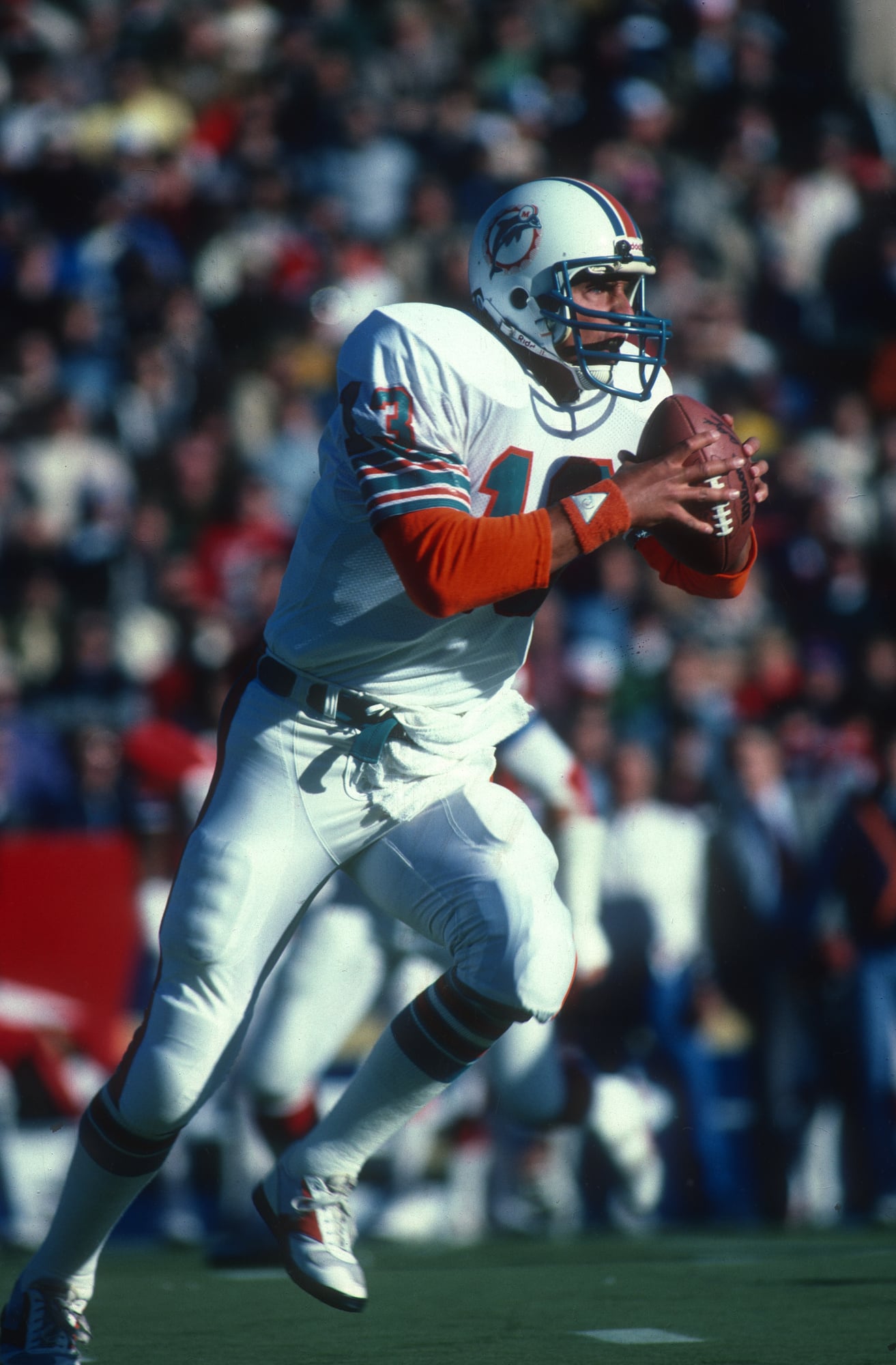
Dan Marino’s rocket arm and lightning-quick release made him one of the most feared quarterbacks in NFL history.
Playing 17 seasons with the Miami Dolphins, Marino shattered passing records that stood for decades.
In just his second season in 1984, he threw for 5,084 yards and 48 touchdowns, numbers that seemed impossible at the time.
His name topped the record books for years, and he retired with over 60,000 passing yards.
The problem was that Marino made it to only one Super Bowl during his entire career, losing to the San Francisco 49ers in that same 1984 season.
Despite making the playoffs multiple times, he never returned to the big game.
The combination of a weak running game and an inconsistent defense meant Marino had to carry the team on his shoulders almost every week, and even his brilliance wasn’t enough to overcome those limitations.
Ken Griffey Jr.
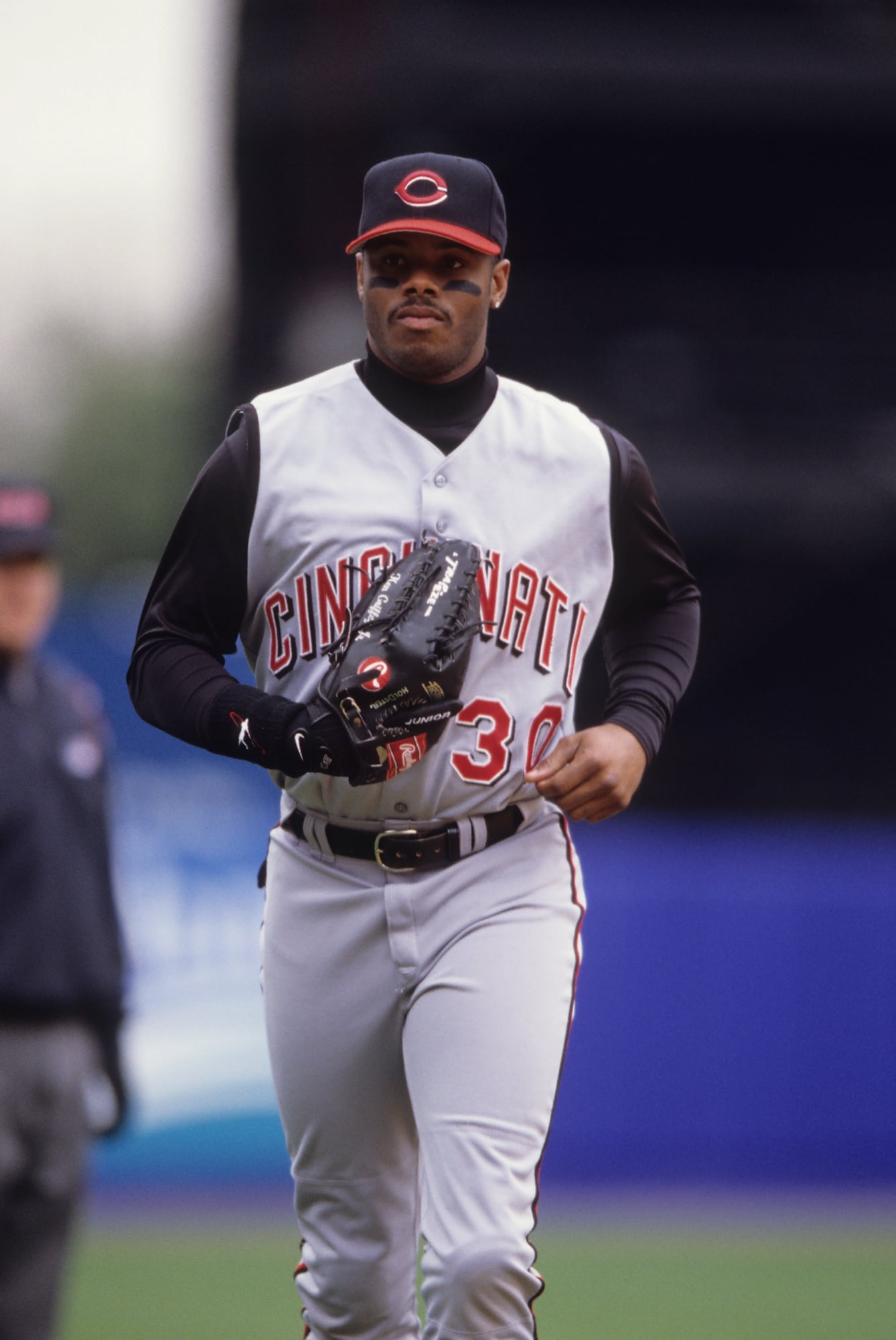
Junior had everything: power, speed, style, and one of the sweetest swings baseball has ever seen.
The 13-time All-Star and 10-time Gold Glove winner smashed 630 home runs over 22 seasons, ranking him among the greatest sluggers in baseball history.
Griffey made baseball cool again in the 1990s with his backward cap and infectious enthusiasm for the game.
He even had his own video game.
In 1995, he delivered one of the most memorable playoff performances ever, hitting five home runs in the Division Series to help the Seattle Mariners rally from a 2-0 deficit against the Yankees.
That magical run ended in the American League Championship Series, and Griffey never got closer to a World Series.
Injuries later plagued his career, and despite moving to his hometown Cincinnati Reds, the championship remained a dream unfulfilled.
His father won two World Series rings with the Big Red Machine, but Junior never got to experience that same joy.
Barry Sanders
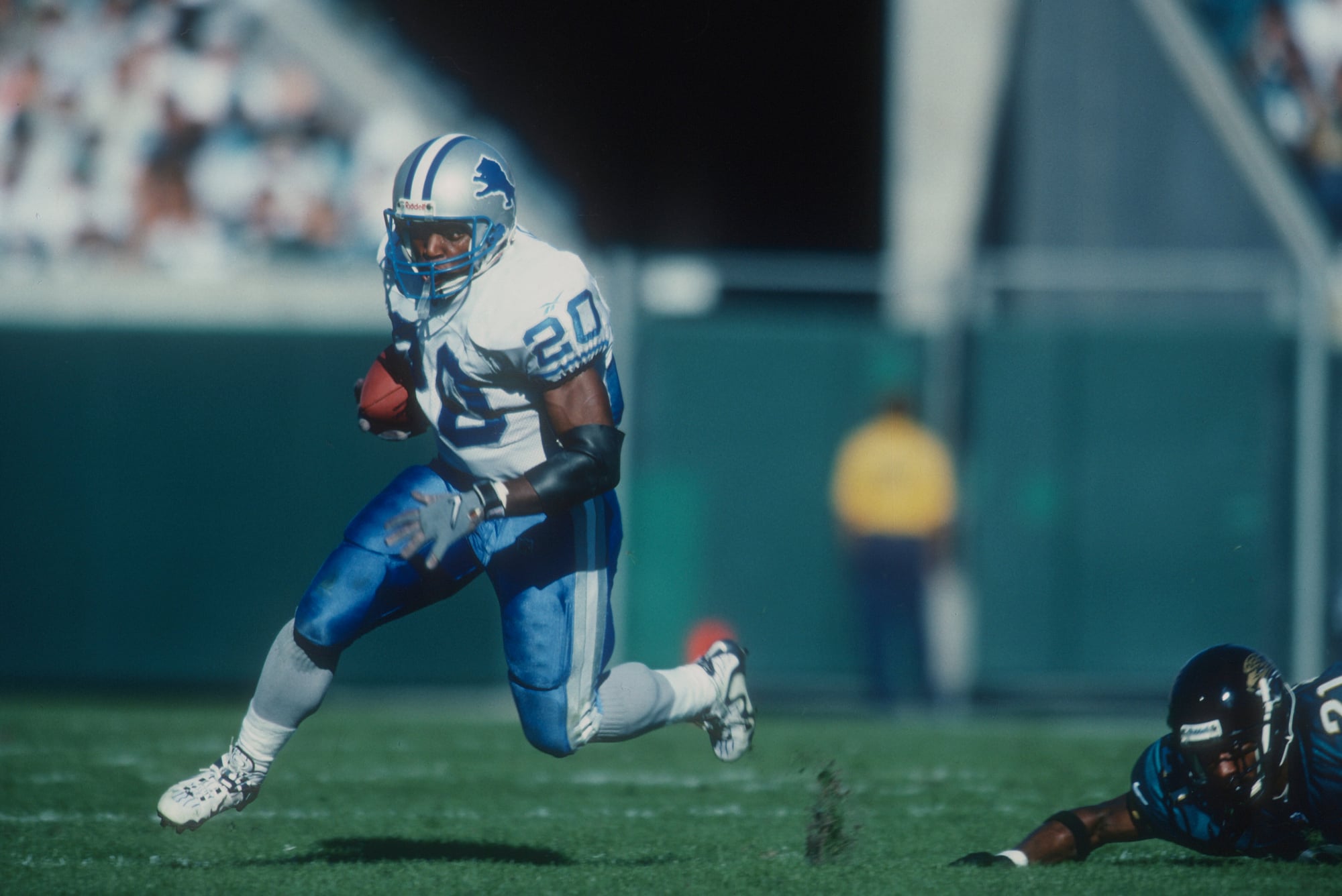
Watching Barry Sanders run was like watching a video game character come to life.
The Detroit Lions running back could make defenders miss in a phone booth, juking and spinning his way through traffic with moves that defied physics.
Sanders made the Pro Bowl in every single one of his 10 NFL seasons, averaging over 1,500 rushing yards per year.
In 1997, he rushed for over 2,000 yards and won the NFL MVP award.
Then, shockingly, he retired at age 31 while still in his prime, walking away from the game just 1,457 yards short of breaking the all-time rushing record.
Why quit so early?
The Lions were terrible.
During his decade in Detroit, the team won exactly one playoff game.
Sanders got tired of losing and decided his body had taken enough punishment for a franchise that couldn’t build a winner around him.
He never came back, leaving fans to wonder what might have been.
Karl Malone
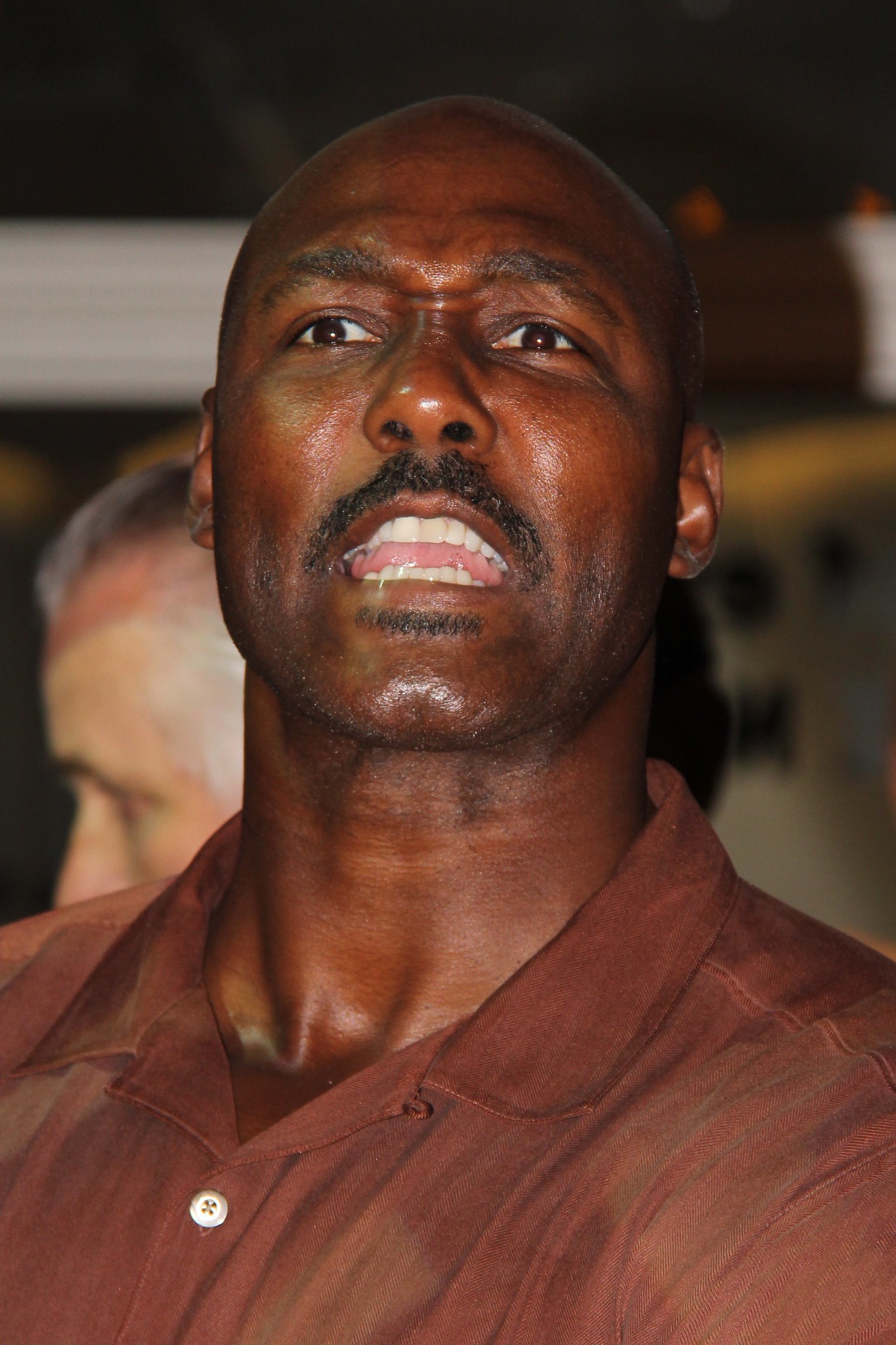
The Mailman delivered everything except a championship ring.
Karl Malone played 19 NBA seasons, mostly with the Utah Jazz alongside John Stockton, forming one of the most lethal pick-and-roll combinations in basketball history.
Malone won two MVP awards and retired as the second all-time leading scorer in NBA history with over 36,000 points.
He was durable, consistent, and dominant.
The Jazz made it to the NBA Finals twice in 1997 and 1998, but ran into a buzz saw both times: Michael Jordan and the Chicago Bulls.
Malone couldn’t solve Jordan, and those Finals losses defined his legacy.
Late in his career, he joined the Los Angeles Lakers for one last championship push alongside Shaquille O’Neal and Kobe Bryant, but the team fell short in the Finals once again.
Malone remains one of the greatest power forwards to ever play, yet the title that eluded him forever colored how people view his remarkable career.
Charles Barkley
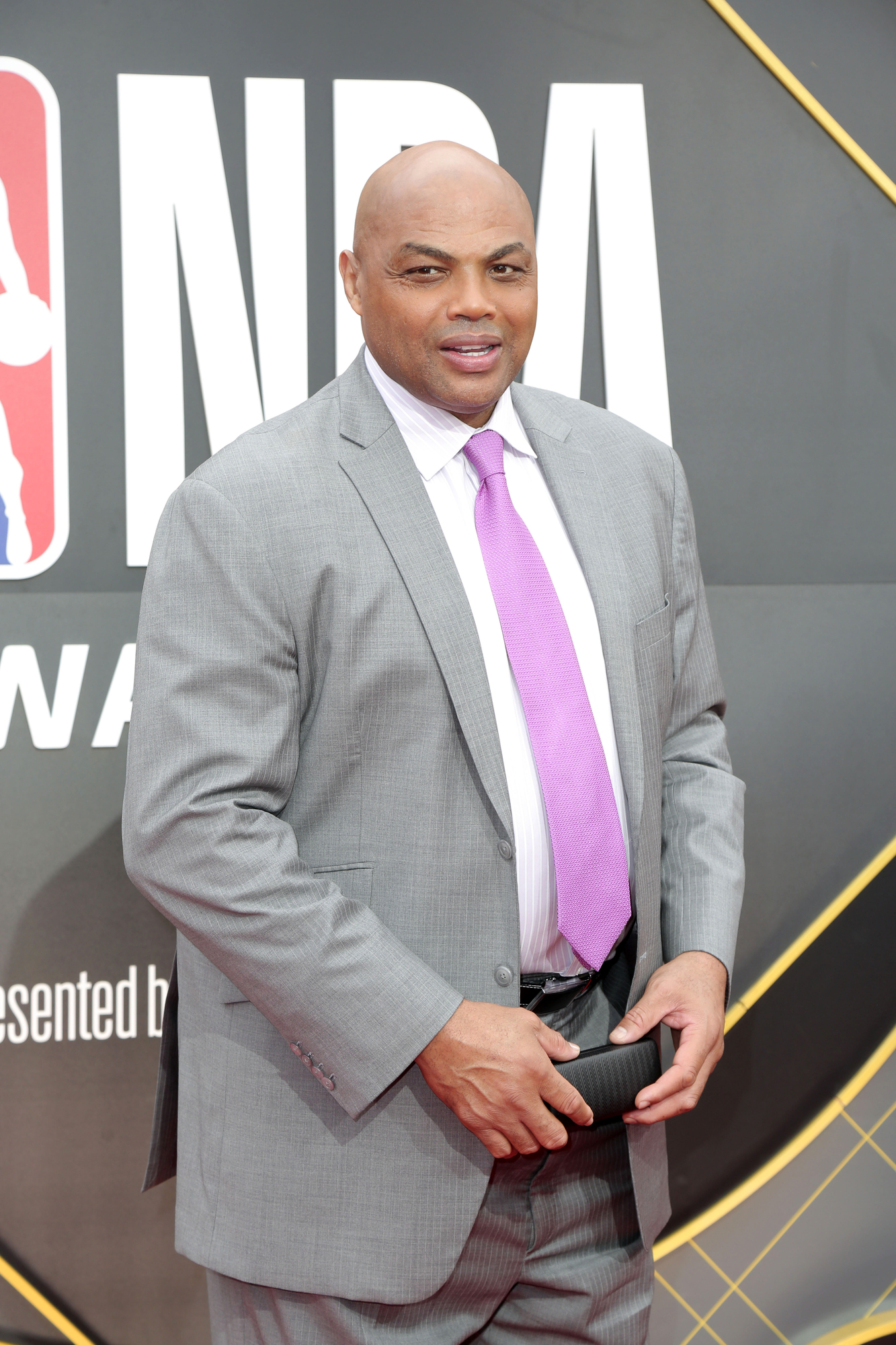
Sir Charles was never afraid to speak his mind, and he played with the same fearless intensity.
Standing just 6’6″ but built like a tank, Barkley dominated in the paint against much taller opponents, averaging 22.1 points and 11.7 rebounds per game over 16 seasons.
He won the MVP award in 1993 while leading the Phoenix Suns to the NBA Finals, where they faced Michael Jordan’s Bulls.
The Bulls won in six games, denying Barkley his only real shot at a title.
He later joined the Houston Rockets in hopes of teaming up with Hakeem Olajuwon and Clyde Drexler for one more run, but injuries and age caught up with him.
Barkley’s personality made him one of the most popular players of his era, and his legacy as one of the greatest power forwards in history remains secure, but the missing championship ring is something even his sharp wit can’t talk away.
Allen Iverson
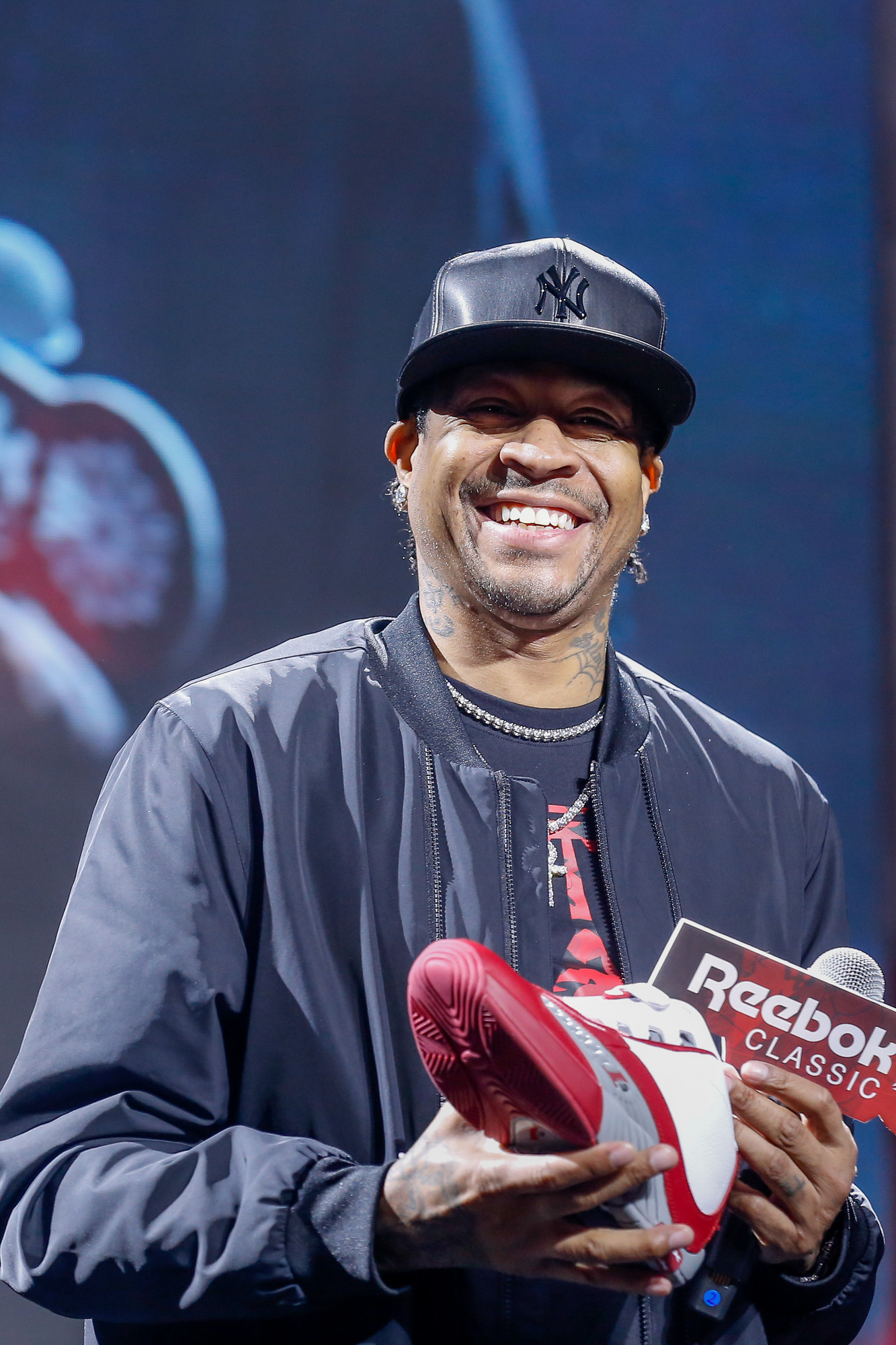
At just six feet tall, Allen Iverson shouldn’t have been able to dominate the NBA the way he did.
But The Answer had heart, speed, and a scoring ability that left defenders grasping at air.
Iverson won four scoring titles, made 11 All-Star teams, and took home the MVP award in 2001.
That same year, he dragged an overmatched Philadelphia 76ers team to the NBA Finals through sheer force of will, averaging over 30 points per game throughout the season.
In Game 1 of the Finals against the heavily favored Los Angeles Lakers, Iverson scored 48 points and hit a clutch step-over jumper that became an iconic moment.
The Sixers won that game, handing the Lakers their only playoff loss that year, but the series ended in five games.
Iverson never returned to the Finals, and his individual brilliance was never enough to overcome the lack of talent around him.
His cultural impact and influence on the game, however, transcended championships.
Patrick Ewing
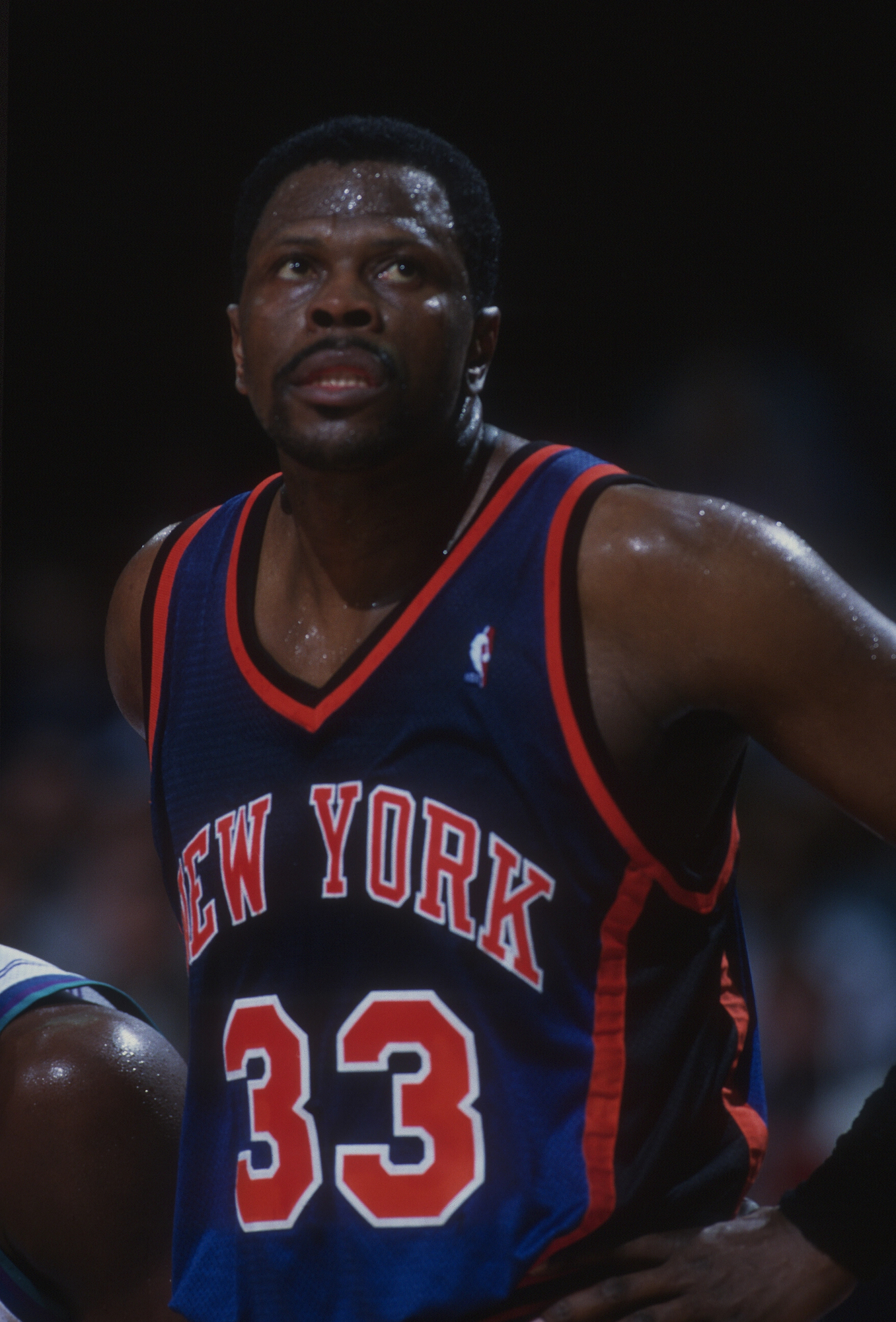
Patrick Ewing arrived in New York with massive expectations after leading Georgetown to a national championship in college.
The 11-time All-Star became the face of the Knicks franchise, anchoring their defense and leading them to two NBA Finals appearances in the 1990s.
The problem was timing.
Ewing’s Knicks ran into Michael Jordan’s Bulls five times in the playoffs, losing every series.
When they finally broke through to the Finals in 1994 with Jordan retired, they faced Hakeem Olajuwon’s Houston Rockets and lost in seven games.
The Knicks made it back in 1999, but Ewing was injured and watched from the bench as his team fell to the San Antonio Spurs.
Ironically, the Knicks played better without him in that playoff run, leading some to unfairly blame Ewing for never winning.
The truth is he played in an era of dominant big men and ran into bad luck at the worst times.
Ernie Banks
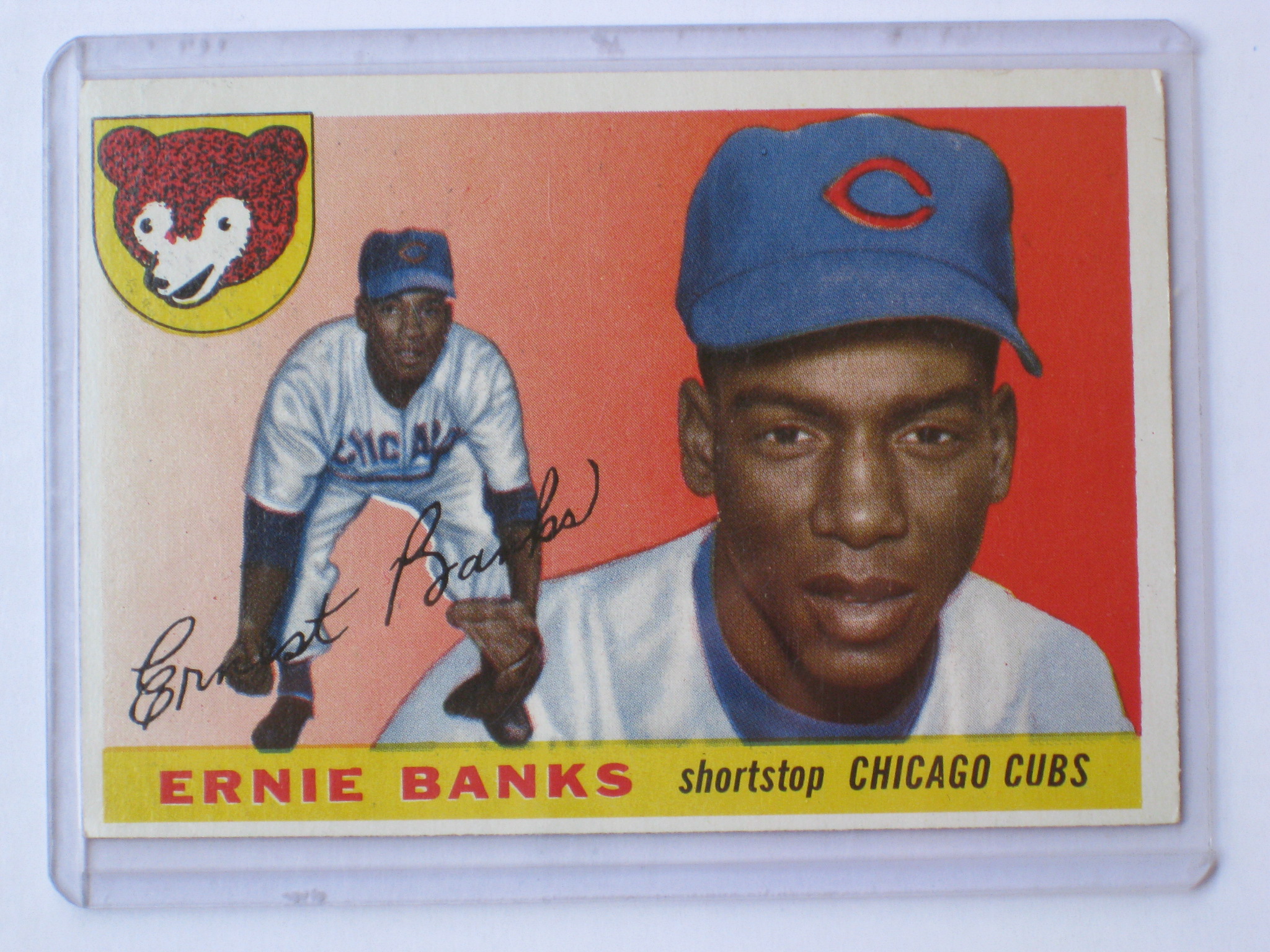
Mr. Cub embodied positivity and love for the game, famously declaring, ‘Let’s play two!’ even when his team was terrible.
And make no mistake, the Chicago Cubs were terrible for most of Banks’ 19-year career.
The two-time MVP and 14-time All-Star hit 512 home runs playing shortstop and first base, but his Cubs teams had only six winning seasons during his tenure.
Banks never even made the playoffs, let alone a World Series.
He spent 11 seasons before his team posted their first winning record, and the Cubs never finished higher than second place.
Despite the loss, Banks played with joy and became one of baseball’s most beloved figures.
His number 14 was retired by the Cubs, and he earned the nickname Mr. Cub for his unwavering loyalty.
He passed away in 2015, seven years after the Cubs broke their 108-year championship drought, a curse that defined his playing career.
Ted Williams
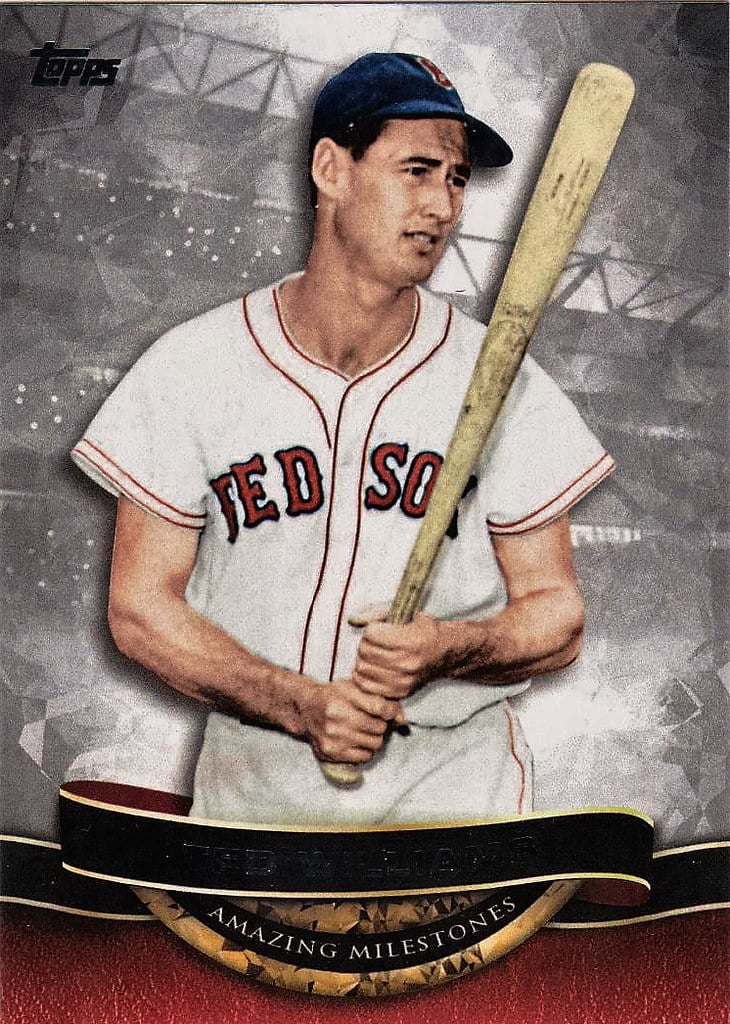
Teddy Ballgame is widely considered the greatest hitter who ever lived, boasting a career .344 batting average and the last player to hit over .400 in a season.
Williams won two Triple Crowns, made 19 All-Star teams, and took home two MVP awards during his 19 years with the Boston Red Sox.
He also served three years in the military during World War II and missed nearly five more years serving in the Korean War, sacrificing prime playing years for his country.
The Red Sox made just one World Series during his career, in 1946, and Williams struggled with an elbow injury throughout the series.
Boston lost to the St. Louis Cardinals in seven games.
That was as close as Williams ever came to a championship.
He played during the era of the Curse of the Bambino, when the Yankees dominated and the Red Sox suffered.
Williams retired in 1960 with a home run in his final at-bat, a poetic ending to a career lacking only one thing: a World Series ring.
Ty Cobb
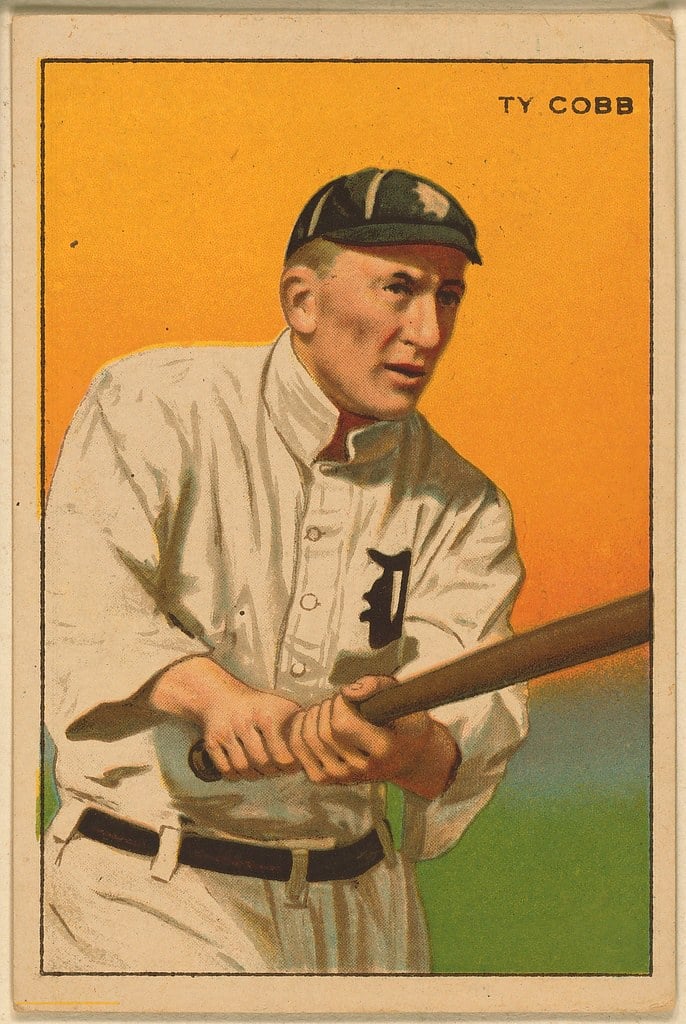
The Georgia Peach was one of baseball’s first true superstars and remains one of its most controversial figures.
Cobb’s .366 career batting average is still the highest in MLB history, and he won 12 batting titles during his 24-year career.
He stole home plate 54 times and set approximately 90 different MLB records, playing with an intensity and aggression that intimidated opponents.
Cobb reached the World Series three consecutive years from 1907 to 1909 with the Detroit Tigers, losing twice to the Chicago Cubs and once to the Pittsburgh Pirates.
Those were his only chances at a championship, and his performance in those series was disappointing, with his batting average dropping over 100 points from his regular season numbers.
Despite his incredible individual success, Cobb never figured out how to win when it mattered most.
His legacy remains complicated by his fierce competitiveness and the racism that marked his era.
Steve Nash

Nash’s vision and passing ability transformed the Phoenix Suns into one of the most entertaining teams in NBA history.
The point guard ran Mike D’Antoni’s seven-seconds-or-less offense to perfection, winning back-to-back MVP awards in 2005 and 2006.
Nash made eight All-Star teams and led the league in assists five times with his no-look passes and incredible court awareness.
The Suns reached the Western Conference Finals four times during Nash’s tenure but never made it to the NBA Finals.
They ran into the San Antonio Spurs three times, losing each series, and the Lakers once.
In 2007, the Suns had their best chance, but suspensions in a controversial playoff series against the Spurs derailed their championship hopes.
Nash later joined the Los Angeles Lakers in hopes of finally winning a title alongside Kobe Bryant, but injuries destroyed that plan.
The Canadian floor general proved that elite playmaking and shooting can take you far, but not all the way.
Marcel Dionne
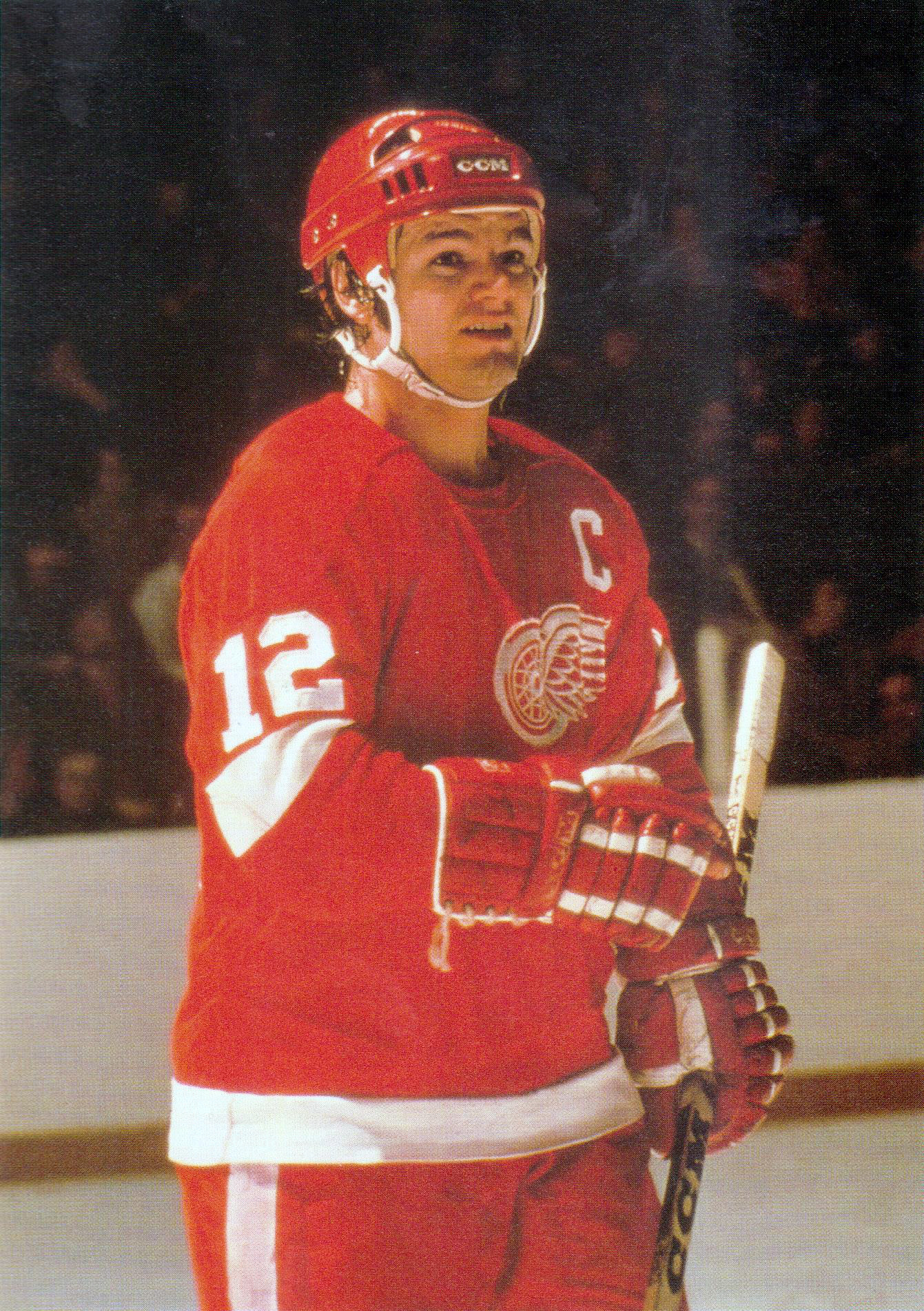
Dionne scored 731 goals over 18 NHL seasons, making him one of the most prolific offensive players in hockey history.
The center played mostly for the Los Angeles Kings during an era when the team struggled to build around him.
Dionne never had the supporting cast to make a serious playoff run, and despite his individual brilliance, he never even reached a Stanley Cup Final.
He led the league in scoring twice and made four All-Star teams, but his teams rarely made it past the second round of the playoffs.
In 1976, Dionne helped Canada win the Canada Cup, playing on a powerful line with Bobby Hull and Phil Esposito, proving he could perform in big moments with elite teammates.
The Kings just couldn’t give him that same talent level during the regular season.
Dionne’s name often gets forgotten when discussing hockey’s all-time greats, partly because he never got to hoist the Stanley Cup over his head.
Barry Bonds
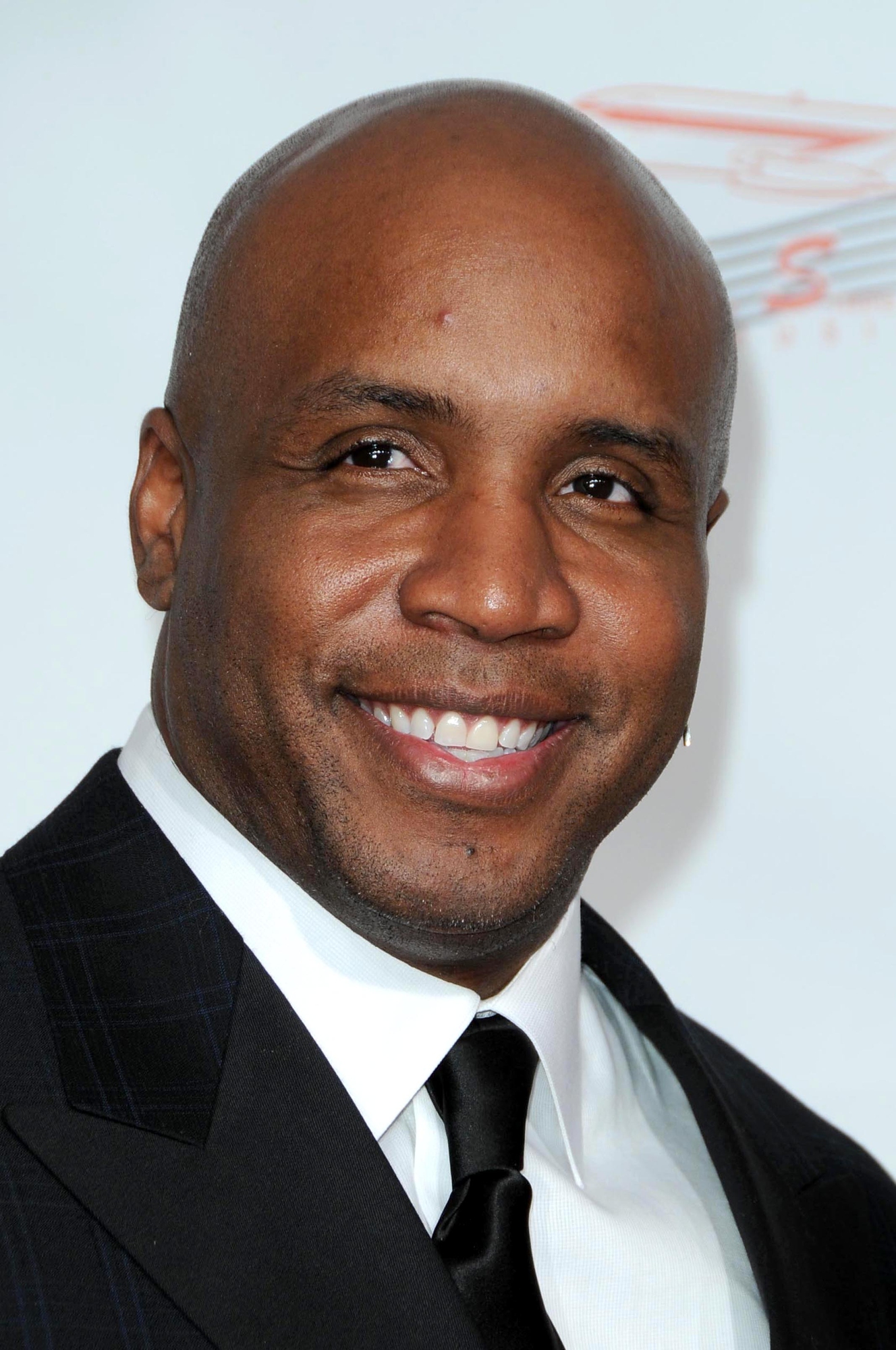
Say what you want about the performance-enhancing drug allegations that clouded his career, Bonds’ numbers are absurd.
He hit 762 home runs, won seven MVP awards, stole over 500 bases, and earned eight Gold Gloves.
Bonds was already a Hall of Fame player before he allegedly started using steroids, winning three MVPs with the Pittsburgh Pirates in the early 1990s.
He reached the World Series only once, in 2002 with the San Francisco Giants, where they lost to the Anaheim Angels in seven games.
Bonds hit .471 in that series with four home runs, doing everything possible to carry his team.
The Angels simply pitched around him late in the series, walking him 13 times overall.
Bonds holds the all-time records for both home runs and walks, and his 2001 season with 73 home runs may never be matched.
Yet the missing championship and the steroid controversy have kept him out of the Hall of Fame and tarnished what should have been an undisputed legacy.
Tony Gwynn
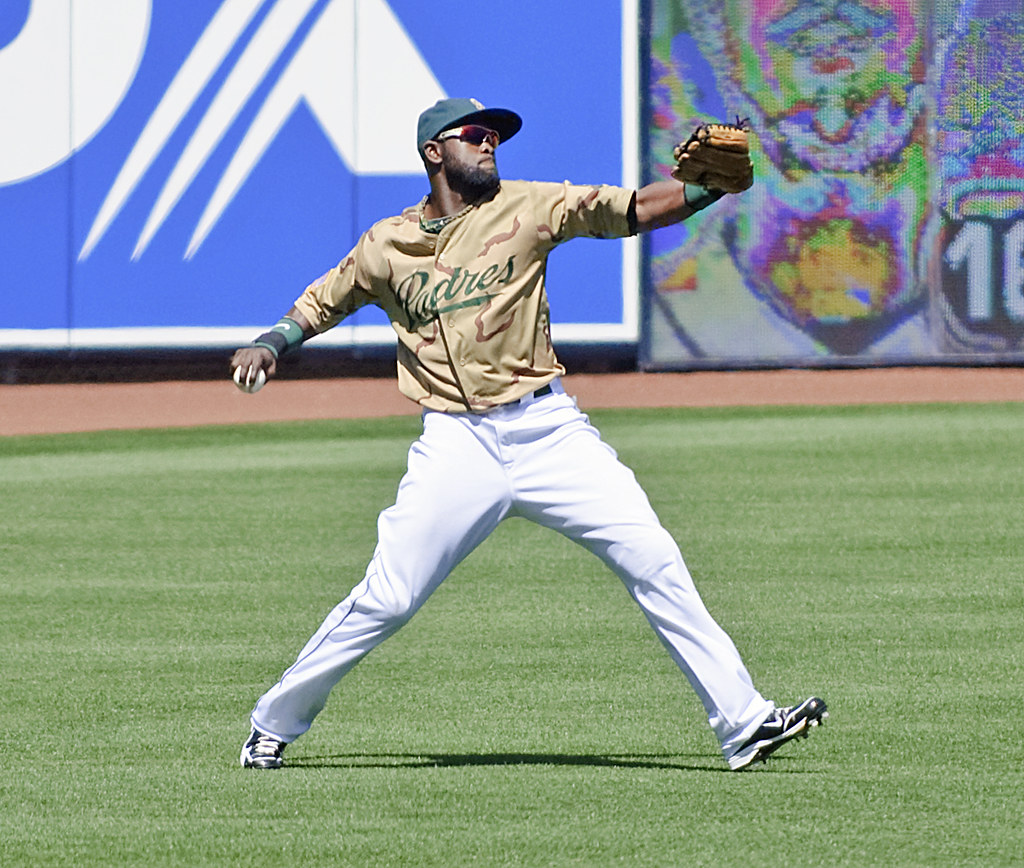
Mr. Padre epitomized consistency, winning eight batting titles and making 15 All-Star teams during his 20-year career with the San Diego Padres.
Gwynn collected over 3,000 hits and won five Gold Gloves, all while never leaving the team that drafted him.
His hitting approach was scientific, studying video and adjusting his swing with precision that few players have ever matched.
Gwynn reached the World Series twice with San Diego, in 1984 and 1998, but the Padres lost both times.
In 1984, they fell to the Detroit Tigers, and in 1998, they were swept by the New York Yankees in one of the most dominant World Series performances ever.
Gwynn hit .500 in the 1998 series, but it wasn’t enough against that Yankees juggernaut.
His loyalty to San Diego and his pure hitting ability made him one of baseball’s most respected players, but the championship that would have completed his legacy never came.
Bruce Smith
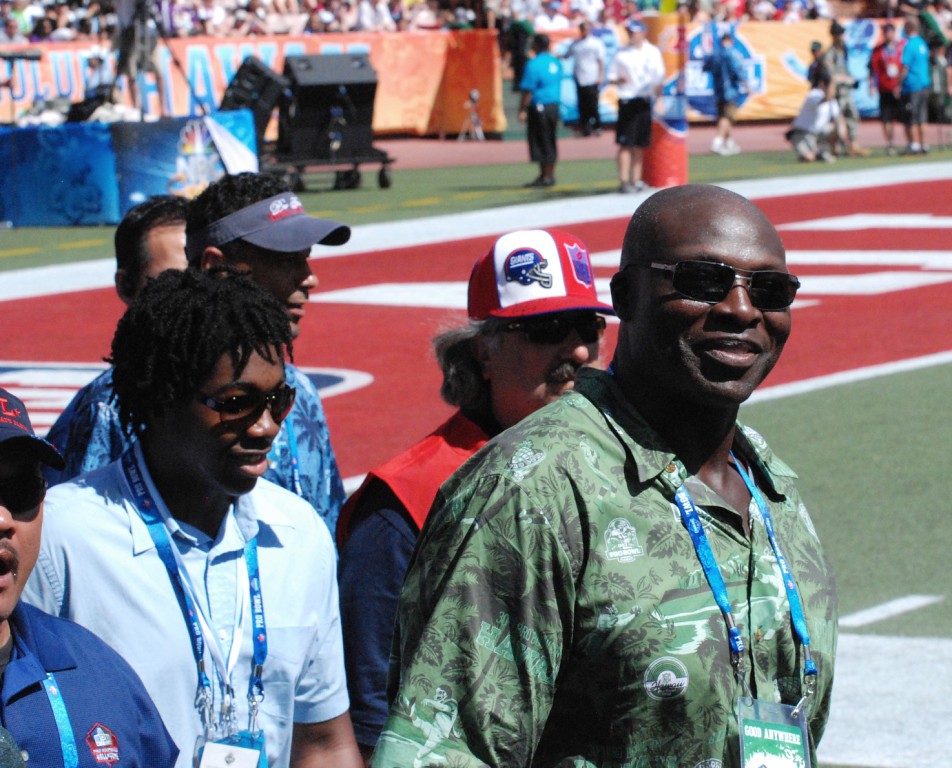
No player in NFL history has more sacks than Bruce Smith’s 200, and no defensive player dominated quite like he did during his 19-year career.
Smith made 11 Pro Bowls and earned eight first-team All-Pro selections, terrorizing quarterbacks from his defensive end position.
He played for the Buffalo Bills during their incredible run to four consecutive Super Bowls from 1990 to 1993, losing all four games.
Those losses became part of NFL lore, with the Bills joining an unfortunate club of teams that couldn’t finish the job on the biggest stage.
Smith later joined the Washington Redskins hoping for one more shot, but never returned to the Super Bowl.
His impact on the game was undeniable, revolutionizing the pass rush position and setting a record that may never be broken.
Still, those four Super Bowl losses define how many remember him, overshadowing what should be celebrated as one of the greatest defensive careers in football history.
The Bigger Picture

These athletes remind us that sports don’t always reward the most talented players with championships.
Individual brilliance can only take you so far in team competitions, where injuries, bad timing, dominant opponents, and front-office mistakes play equally important roles.
What these legends did accomplish was inspire future generations, redefine their positions, and prove that greatness doesn’t require a ring to be recognized.
Their names still echo through sports history, championship or not.
More from Go2Tutors!

- The Romanov Crown Jewels and Their Tragic Fate
- 17 Halloween Costumes Once Considered Taboo
- Famous Hoaxes That Fooled the World for Years
- 15 Child Stars with Tragic Adult Lives
- 16 Famous Jewelry Pieces in History
Like Go2Tutors’s content? Follow us on MSN.