How Sports Mascots Became Part of US Identity
These days, if you go to any American sports stadium, you’re likely to see a huge furry figure hyping up fans in between plays, dancing on the sidelines, or throwing T-shirts into the crowd. It’s difficult to imagine sports without these costumed characters since they have become such an integral part of the game-day experience.
However, mascots didn’t just show up; they developed into the adored figures we know today through a fanciful fusion of French opera, superstition, and good ol’ American marketing acumen. This is a list of 13 ways that American culture has been influenced by sports mascots.
French Opera Brought the Concept to America

The word ‘mascotte’ was already French slang for lucky charm in gambling circles before La Mascotte premiered in 1880. This opera about a mysterious girl who brought good fortune to an Italian farmer made the term mainstream across Europe.
American newspapers picked up the word in the 1880s and 1890s, and sports fans—already a superstitious bunch—immediately saw the potential for applying it to their teams.
Civil War Animals Set the Stage
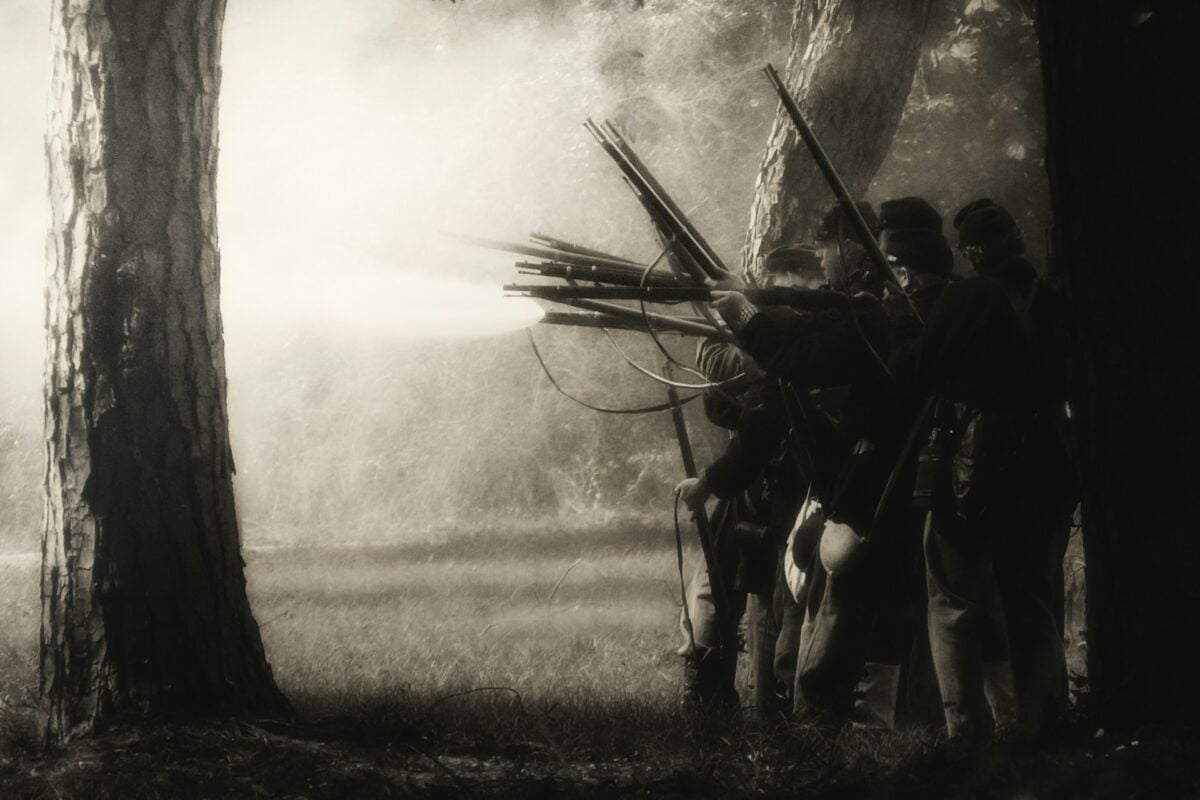
Before anyone thought about putting humans in foam costumes, live animals were the original mascots. During the Civil War, regiments kept dogs and even a bald eagle as their companions and good luck symbols.
Old Abe, the mascot of the 8th Wisconsin regiment, became particularly famous for surviving multiple battles and drawing crowds wherever he appeared. These animals became emotional anchors that made abstract military units feel more human and connected.
Like Go2Tutors’s content? Follow us on MSN.
College Sports Made Mascots a Tradition
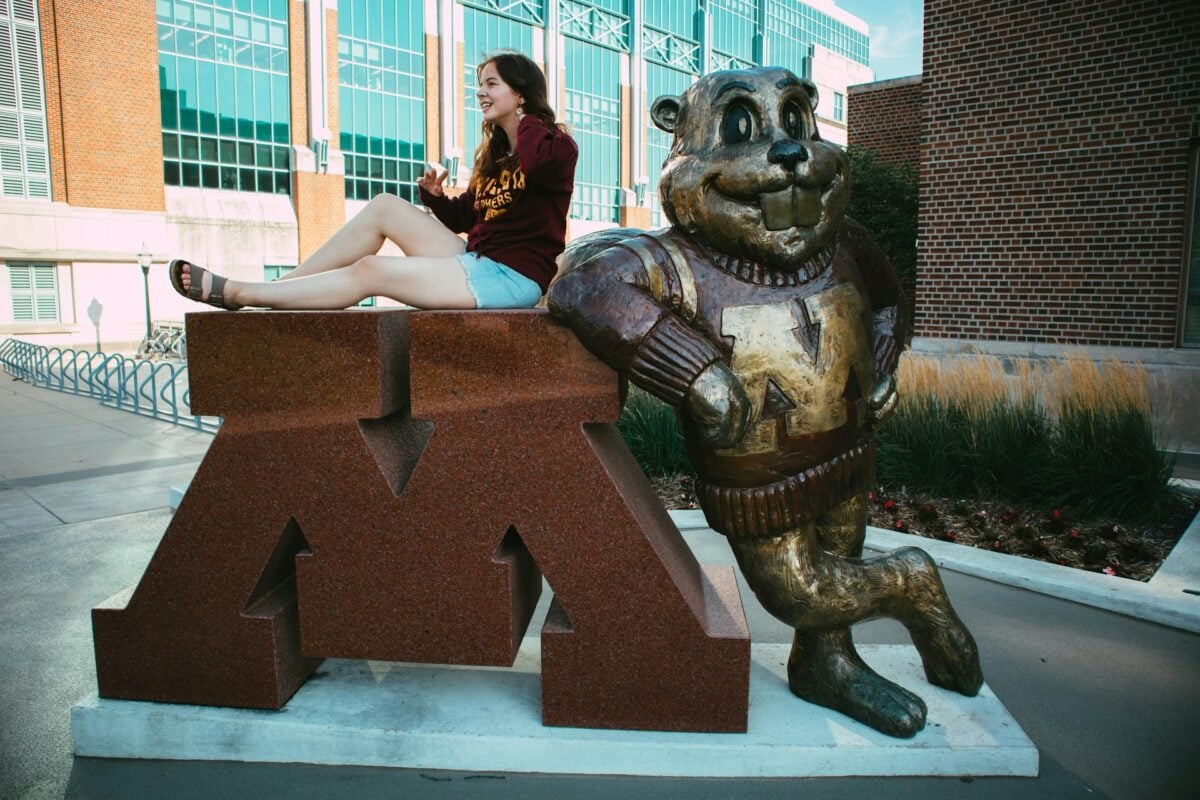
Universities were the real pioneers here. Yale introduced Handsome Dan, a bulldog, in 1889, making him the first live college mascot in American sports.
Princeton had adopted the tiger as its symbol back in the 1880s, while Penn State created the Nittany Lion in 1907 based on local mountain folklore. These weren’t just random picks—schools chose animals that represented strength, aggression, or regional pride, and students rallied around them like crazy.
Live Animals Gave Way to Safety Concerns
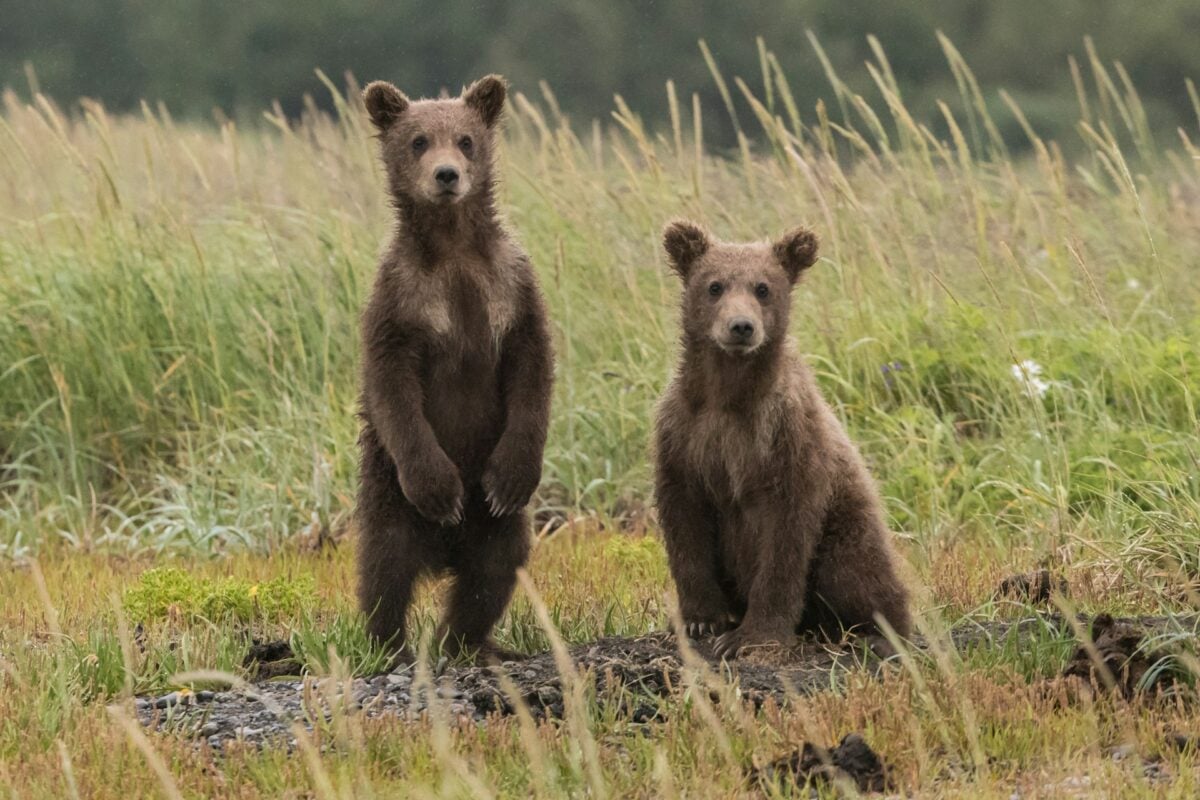
For decades, teams paraded live bears, lions, and other exotic animals around stadiums. The Chicago Cubs even kept a bear briefly in 1916, naming him Joa.
But as people became more aware of animal welfare issues and the unpredictability of wild animals around crowds, the practice fell out of favor. It turned out that live tigers and bears weren’t exactly safe or practical for regular game-day entertainment.
The Muppets Changed Everything
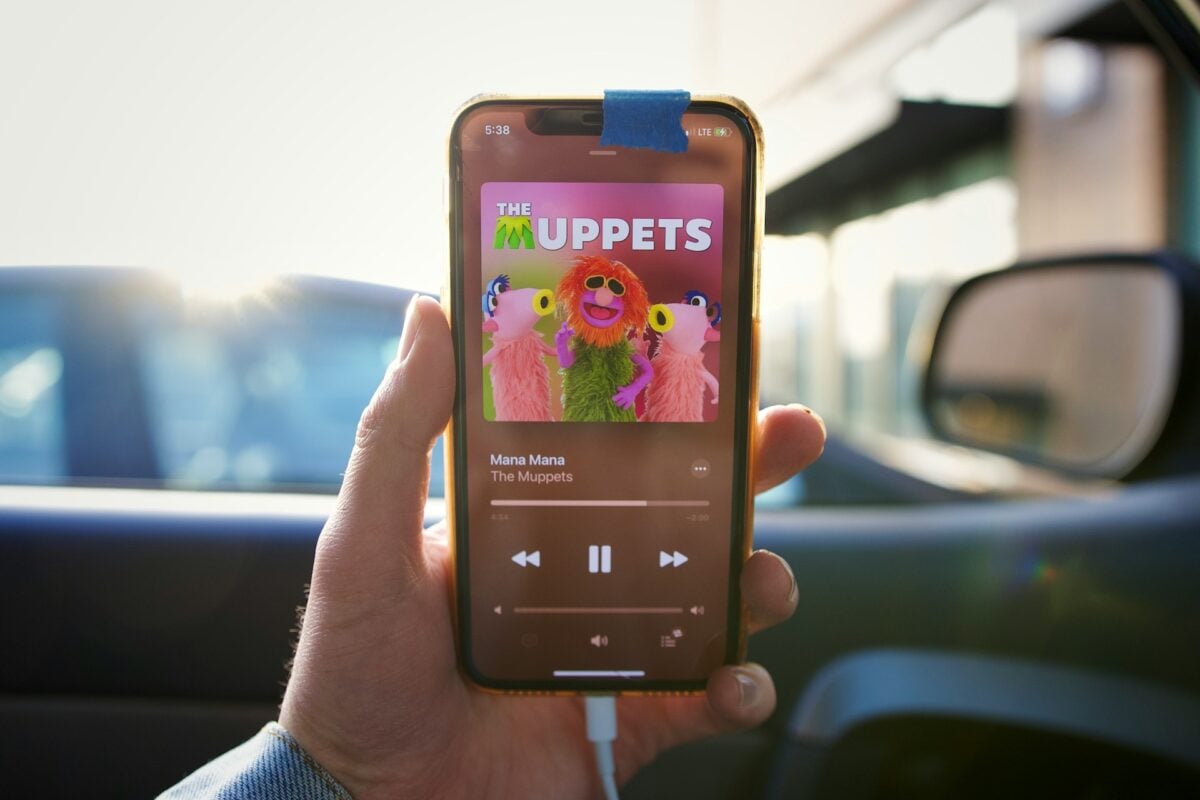
Jim Henson’s Muppets revolutionized how Americans thought about costumed characters in the 1960s and 1970s. Suddenly, it was possible to create lovable, three-dimensional characters that people could actually hug and interact with.
Sports teams took notice and realized they could bring that same energy to stadiums, turning abstract team names into physical, cuddly personalities.
Like Go2Tutors’s content? Follow us on MSN.
The San Diego Chicken Became a Cultural Icon
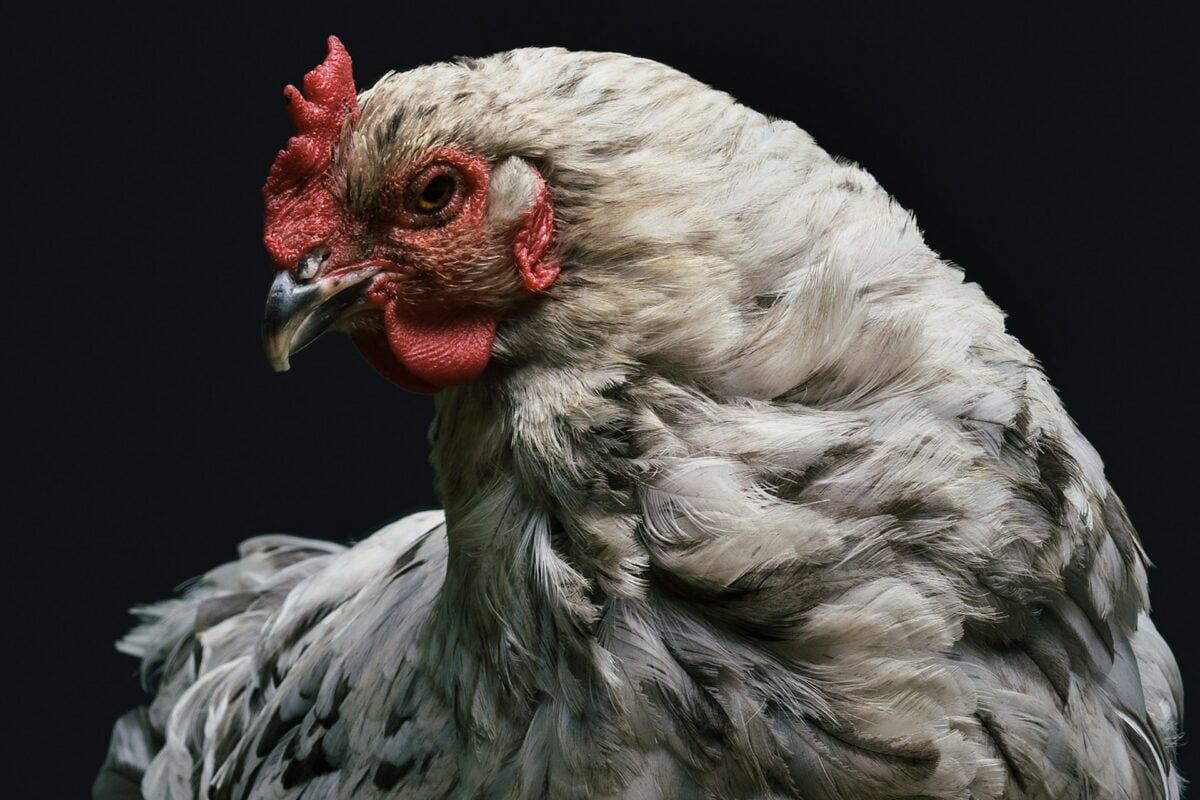
In 1974, a radio station hired college student Ted Giannoulas to wear a chicken suit for a Padres promotional stunt. What started as a cheap gimmick turned into something bigger when Giannoulas went independent in 1979, performing at stadiums nationwide.
The San Diego Chicken danced, pranked umpires, and did cartwheels over home plate, showing the world that mascots could be entertainers in their own right and didn’t need to be tied to just one team.
Regional Identity Found a Physical Form
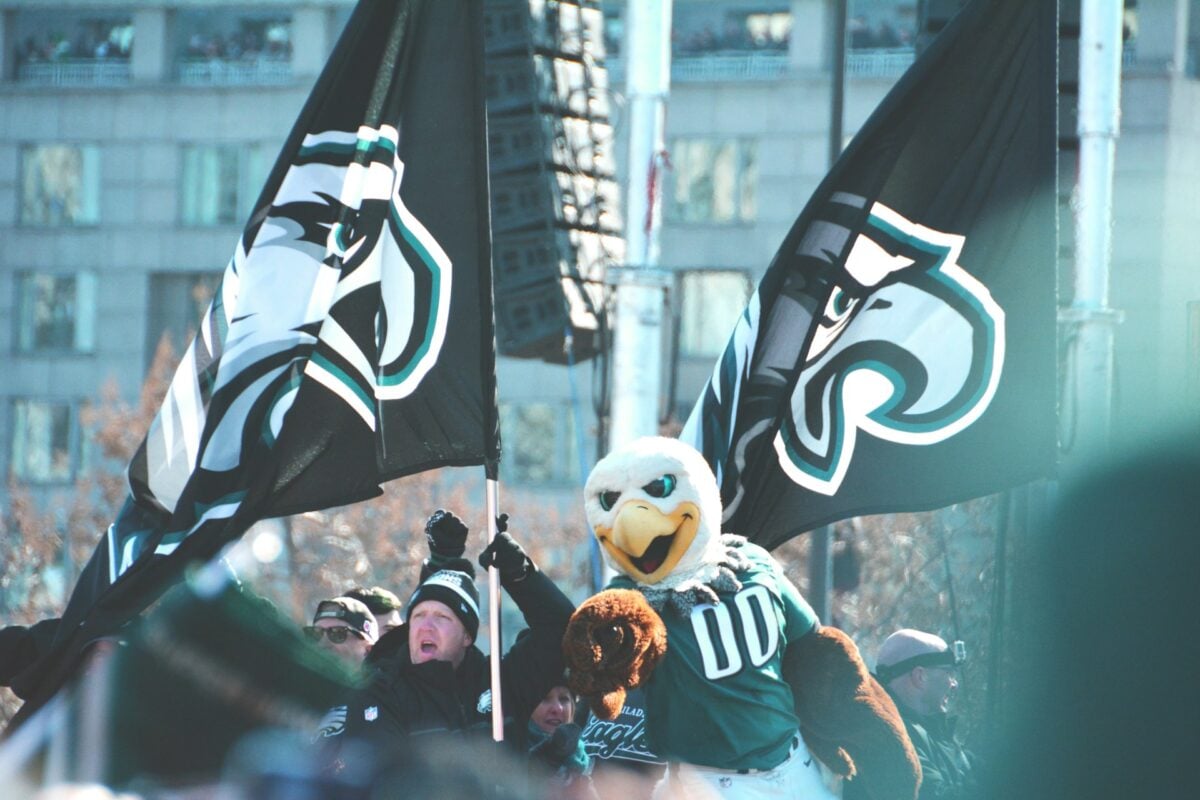
Mascots gave communities a way to see themselves reflected in their teams. Nebraska’s Herbie Husker wears jeans and a cowboy hat because the state’s agricultural roots matter to people there.
Temple University chose an owl because it started as a night school. These weren’t just random marketing decisions—they were visual shorthand for local pride and values that entire regions could rally behind.
Merchandising Created Massive Revenue Streams
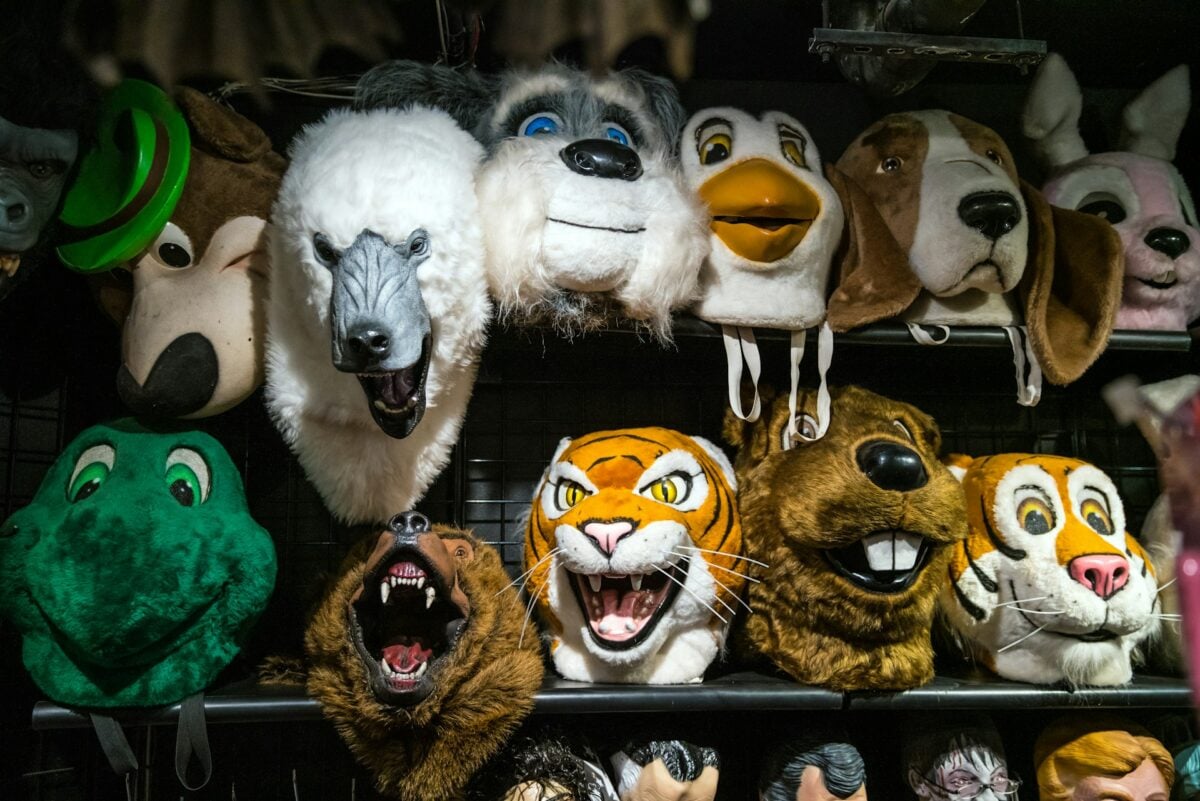
Once mascots became beloved characters, teams realized they could print them on everything. T-shirts, foam fingers, bobbleheads, keychains—you name it.
Sports merchandising is a multi-billion dollar industry annually in the US, with mascots particularly driving kids’ merchandise sales. Fans don’t just buy jerseys anymore; they want their kid to have a stuffed version of the team mascot, and those purchases add up across millions of families.
Like Go2Tutors’s content? Follow us on MSN.
Television Amplified Mascot Visibility
As sports broadcasting expanded in the 1970s and 1980s, mascots became TV stars. By the 1980s, networks like CBS and NBC routinely featured them during timeouts and commercial breaks, giving them national exposure beyond just the people in the stadium.
Kids across the country grew up watching the same mascot antics, creating shared cultural moments that transcended regional fandom.
Mascots Became Community Ambassadors
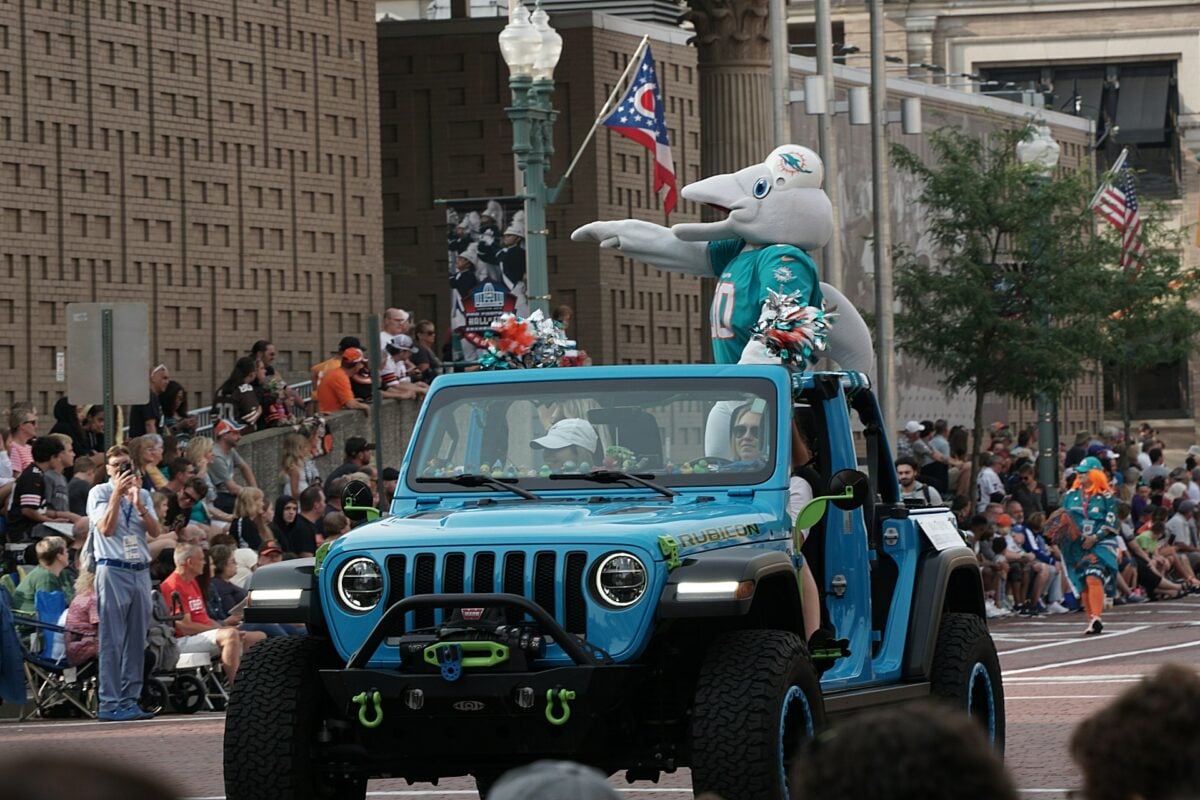
Teams discovered that mascots worked perfectly for charity events, hospital visits, and school appearances. A costumed character could show up at a children’s hospital or community fundraiser and instantly create joy without worrying about player schedules or egos.
This extended the team’s reach far beyond game days, embedding mascots into the everyday fabric of American communities.
Controversies Forced Necessary Changes
Not all mascot choices aged well. Teams using Indigenous imagery faced growing criticism starting in the 1960s and 1970s, with movements like the American Indian Movement challenging stereotypical representations.
High-profile examples include Washington’s NFL team retiring the Redskins name in 2020 and Cleveland’s Major League team retiring Chief Wahoo in 2018. These debates themselves became part of American cultural conversations about representation and respect.
Like Go2Tutors’s content? Follow us on MSN.
Social Media Made Mascots Influencers
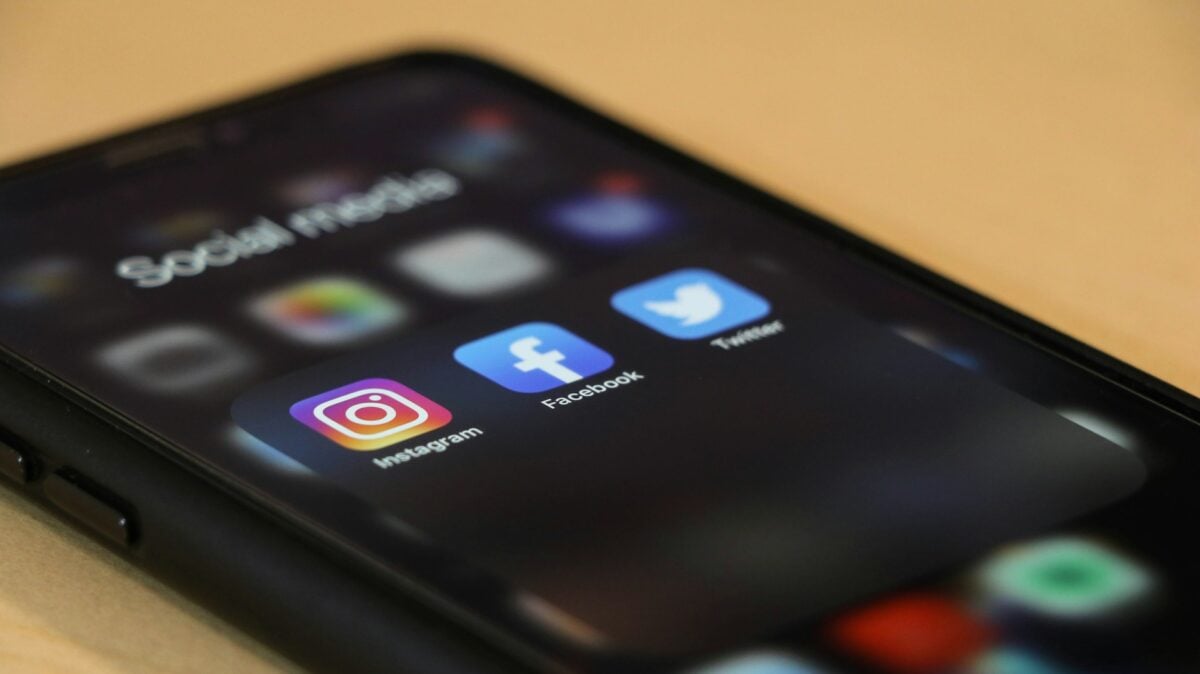
In the digital age, mascots developed personalities on Twitter, Instagram, and TikTok. They roast rival teams, participate in viral challenges, and generate engagement that traditional advertising can’t match.
The Philadelphia Flyers’ Gritty, introduced in 2018, went viral as a chaotic social media personality and set a new standard for how mascots could dominate online spaces. A clever tweet from a team mascot can reach millions of people, turning these costumed characters into legitimate influencers.
Mascots Became Emotional Touchstones

For many Americans, their earliest sports memories involve a mascot giving them a high-five or posing for a photo. These characters bridge generations—grandparents who remember the original versions can share the experience with grandkids meeting the modern iteration.
Mascots provide continuity and nostalgia, emotional anchors in a rapidly changing sports landscape.
The Icon That United Generations
From Civil War regimental companions to social media savvy characters with millions of followers, mascots traveled a strange path into American hearts. What started as superstitious good luck charms became billion-dollar brands and community symbols that outlast players, coaches, and even team owners.
They’re stitched into childhood memories, stitched onto merchandise, and stitched into the very identity of cities and schools across the country. In a nation that loves its sports, mascots became the friendly faces that made the game feel less like business and more like home.
More from Go2Tutors!

- 16 Historical Figures Who Were Nothing Like You Think
- 12 Things Sold in the 80s That Are Now Illegal
- 15 VHS Tapes That Could Be Worth Thousands
- 17 Historical “What Ifs” That Would Have Changed Everything
- 18 TV Shows That Vanished Without a Finale
Like Go2Tutors’s content? Follow us on MSN.