Wildest Movie Stunts Performed Without CGI
Modern movies rely heavily on computer-generated effects to create jaw-dropping action sequences, but some filmmakers still believe in the power of practical stunts. From actors dangling off skyscrapers to buildings genuinely exploding on camera, these real stunts deliver a level of authenticity that digital effects simply can’t match.
The risks are enormous, the planning is meticulous, and the results are absolutely unforgettable. Here is a list of 16 wildest movie stunts performed without CGI.
Tom Cruise Scales the Burj Khalifa
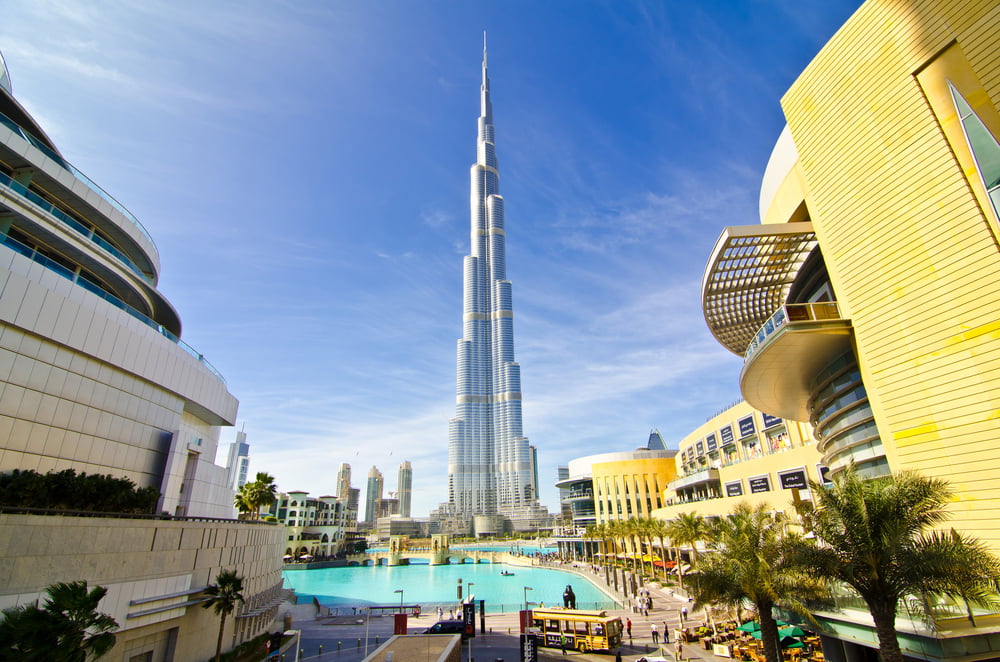
Tom Cruise climbed the exterior of the world’s tallest building for Mission: Impossible – Ghost Protocol, harnessed at approximately 1,300 feet above Dubai. The production crew broke 35 windows in the Burj Khalifa to install cables and rigging, and Cruise performed all the climbing, running, and swinging himself without a stunt double.
The tight harness cut off his circulation, so the shoot had to be completed as quickly as possible while maintaining the precision needed to capture this eight-minute sequence.
Buster Keaton’s Falling House
In the 1928 film Steamboat Bill Jr., Buster Keaton stood perfectly still while the front wall of a house weighing about two tons fell around him during a hurricane scene. The window opening gave him just two inches of clearance on each side, and if he had been even slightly off his mark, the structure would have crushed him.
Half the crew walked off set rather than participate, and the cameraman turned away during filming because he couldn’t bear to watch what might happen.
The Dark Knight Hospital Explosion
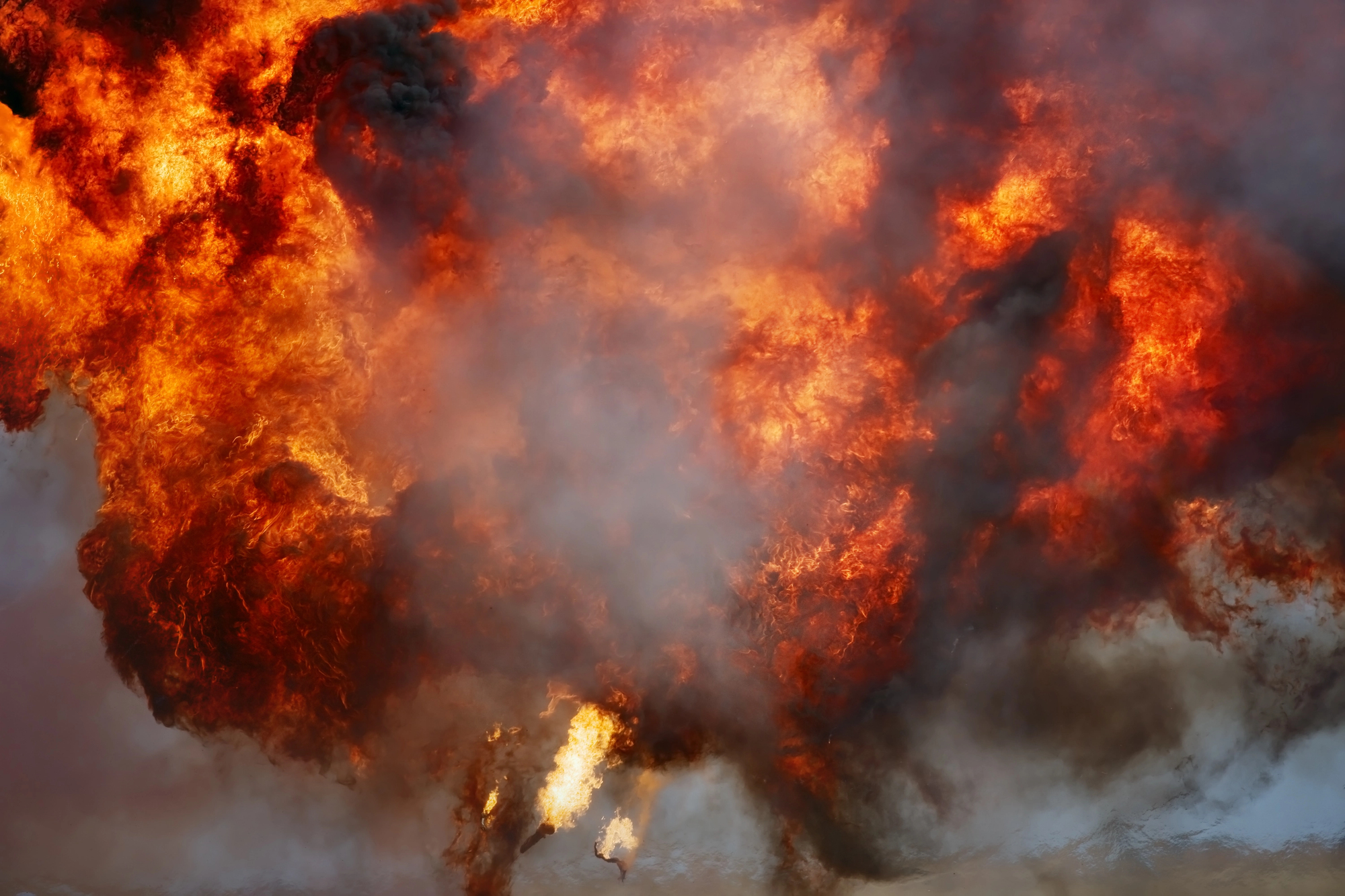
Christopher Nolan blew up the Brach’s Candy Factory in Chicago for The Dark Knight, rigging the building with explosives and filming its destruction. The structure was already scheduled for demolition, allowing the production to use it for this spectacular practical effect.
Heath Ledger’s Joker stands in front of the building as it explodes behind him in a scene that required perfect timing and could only be shot once.
Mad Max Pole-Cat Stunts
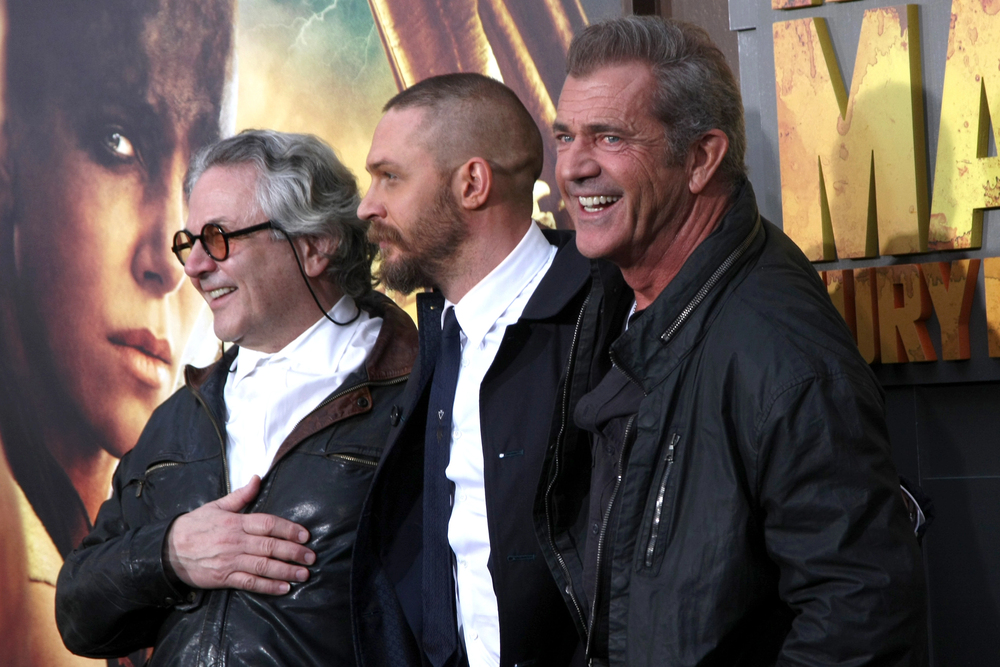
The stuntmen in Mad Max: Fury Road climbed up on metal poles about 20 to 25 feet long attached to moving vehicles racing at 35 to 40 miles per hour. Stunt coordinator Guy Norris studied Chinese pole routines at Cirque du Soleil and had their performers train the film’s stuntmen to make the dangerous choreography as safe as possible.
The final scene was pulled off in a five-minute take where stuntmen fought, dismounted vehicles, and climbed the swaying poles.
Inception’s Rotating Hallway Fight
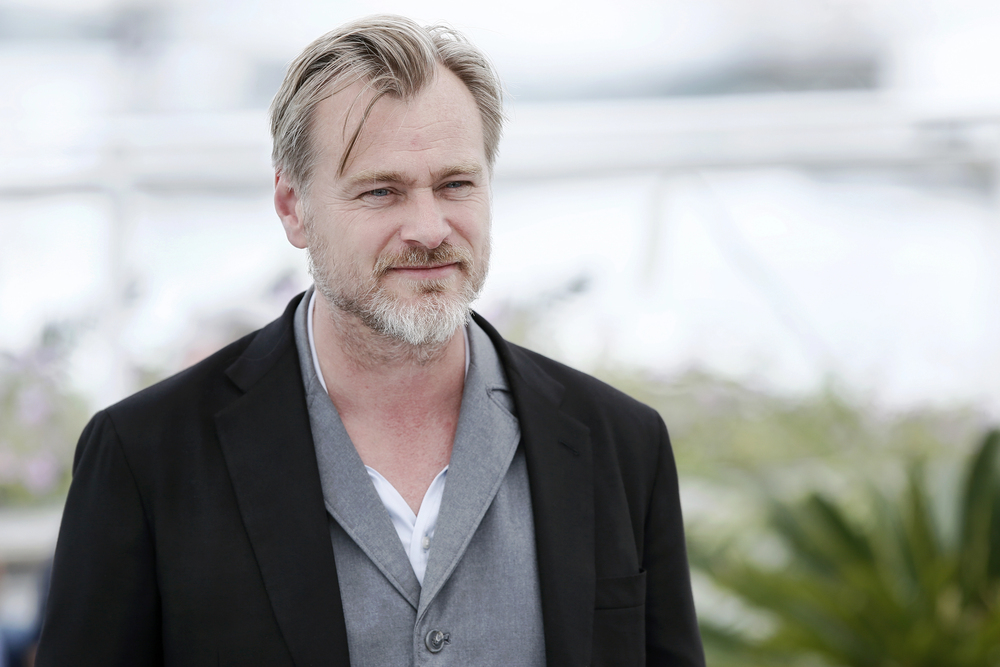
Christopher Nolan built a massive 100-foot long, 30-foot high rotating hallway in Cardington Hangar 1 in the UK for Inception’s zero-gravity fight scene. The camera was locked into the hallway as it spun, making the actors appear to climb walls and walk on ceilings.
The actors underwent lengthy rehearsals to choreograph their movements, and the spins got faster and faster until they could perform the sequence without getting disoriented.
Spider-Man Lunch Tray Catch
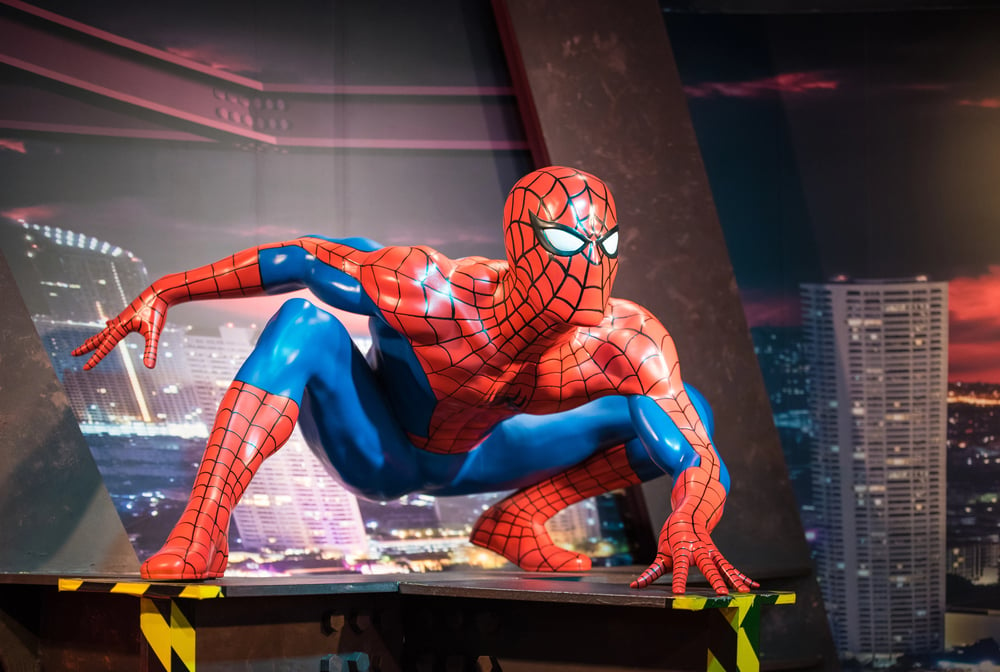
Tobey Maguire actually caught all the items on Mary Jane’s lunch tray in the cafeteria scene from Spider-Man. There were no special effects used—the production covered Maguire’s hand in sticky glue and had him attempt the catch repeatedly.
It took 156 takes over 16 hours before he successfully caught everything in one shot, creating one of the most memorable moments in superhero movie history.
Skyfall Train Fight

Daniel Craig and the stunt team filmed the opening fight sequence of Skyfall on top of a real moving train in Turkey on the Varda Bridge and Adana rail line. While a stuntman took over for the most dangerous parts, Craig performed much of the action himself atop the locomotive as it traveled along the tracks.
The production used advanced cameras to capture the action, and Craig even improvised the iconic shirt cuff straightening gesture during filming.
The Dark Knight Truck Flip
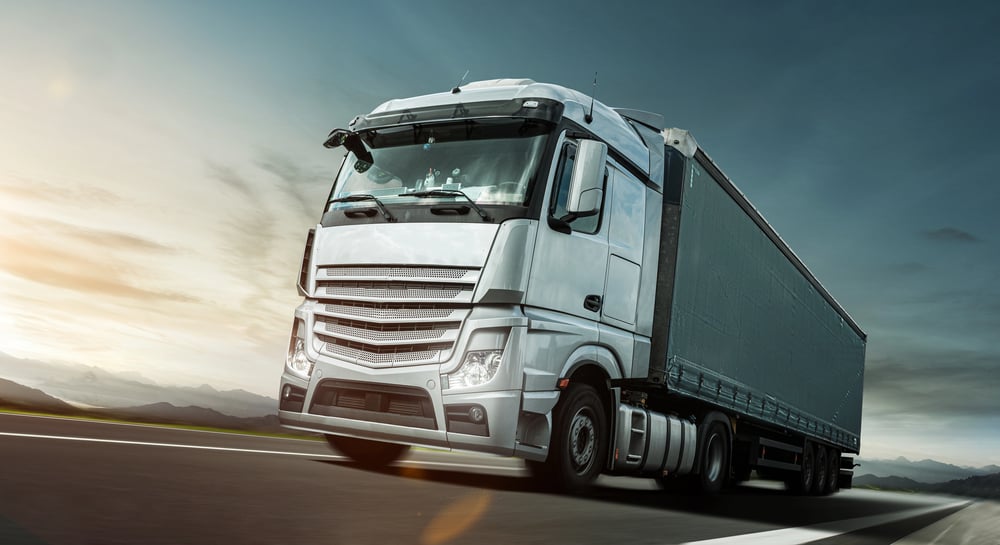
The Joker’s freight truck genuinely flipped end-over-end in The Dark Knight without any CGI assistance. The stunt team used a piston ram to flip the truck at approximately 20 miles per hour on LaSalle Street in Chicago.
This practical effect delivered the visceral impact that Nolan wanted, and audiences could see that a real truck was actually tumbling through the air.
Fast and Furious Tank Destruction
A real functioning tank destroyed 250 cars during the filming of Fast and Furious 6. The sequence was shot in Tenerife in the Canary Islands, where the crew received special permission to film.
The production used the actual tank along with a few lighter replicas to prevent completely destroying the road surface, and the scene was originally planned as CGI before filmmakers decided the practical approach would look more impressive.
Apollo 13 Zero Gravity
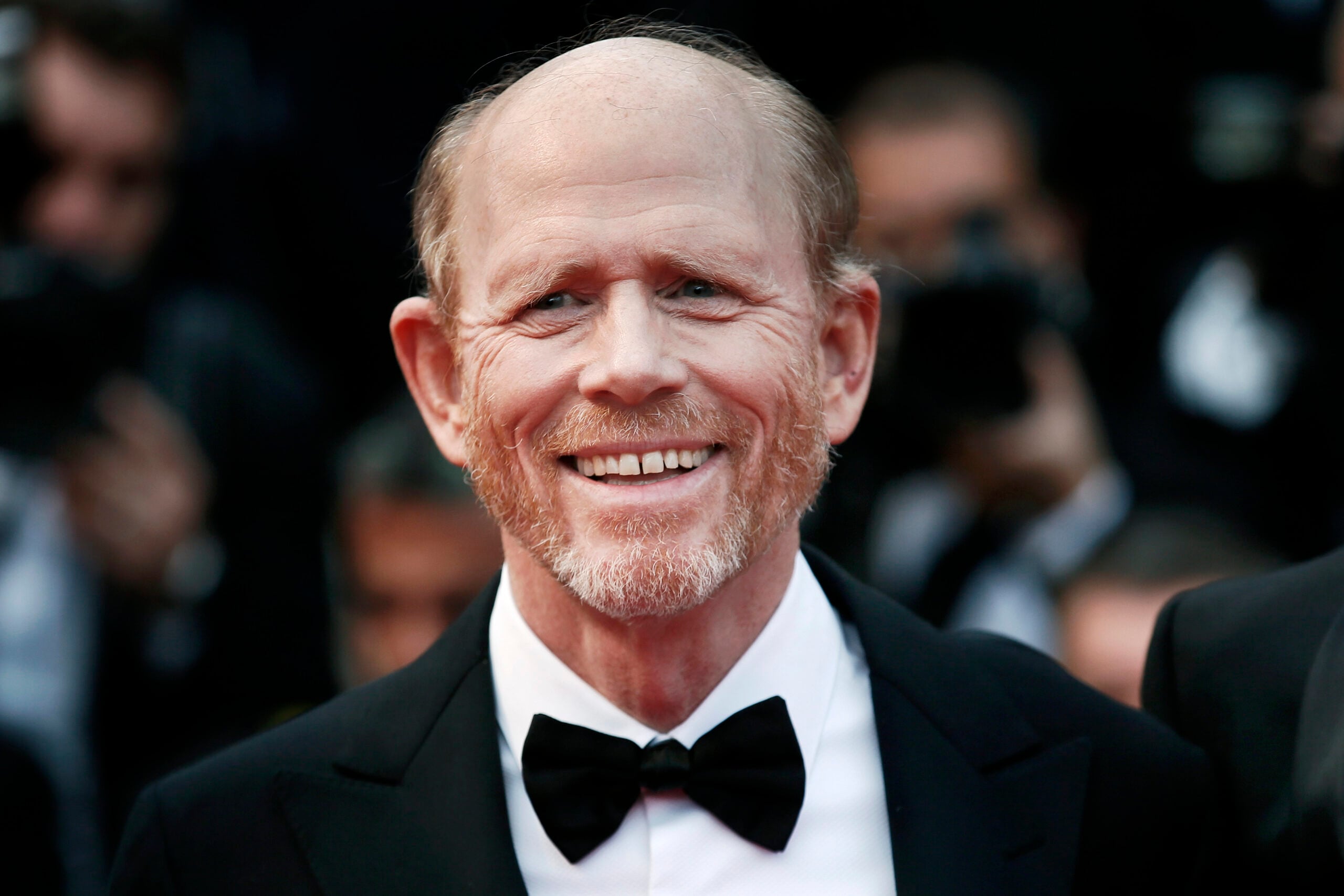
Ron Howard used a Boeing KC-135 aircraft nicknamed the Vomit Comet to create genuine zero gravity for Apollo 13. The plane flew in arcs called parabolas, providing about 25 seconds of weightlessness at the top of each arc.
The production completed approximately 612 runs to capture all the floating scenes, with actors filming during these brief windows of actual zero gravity rather than using wires or digital effects.
Independence Day White House Explosion
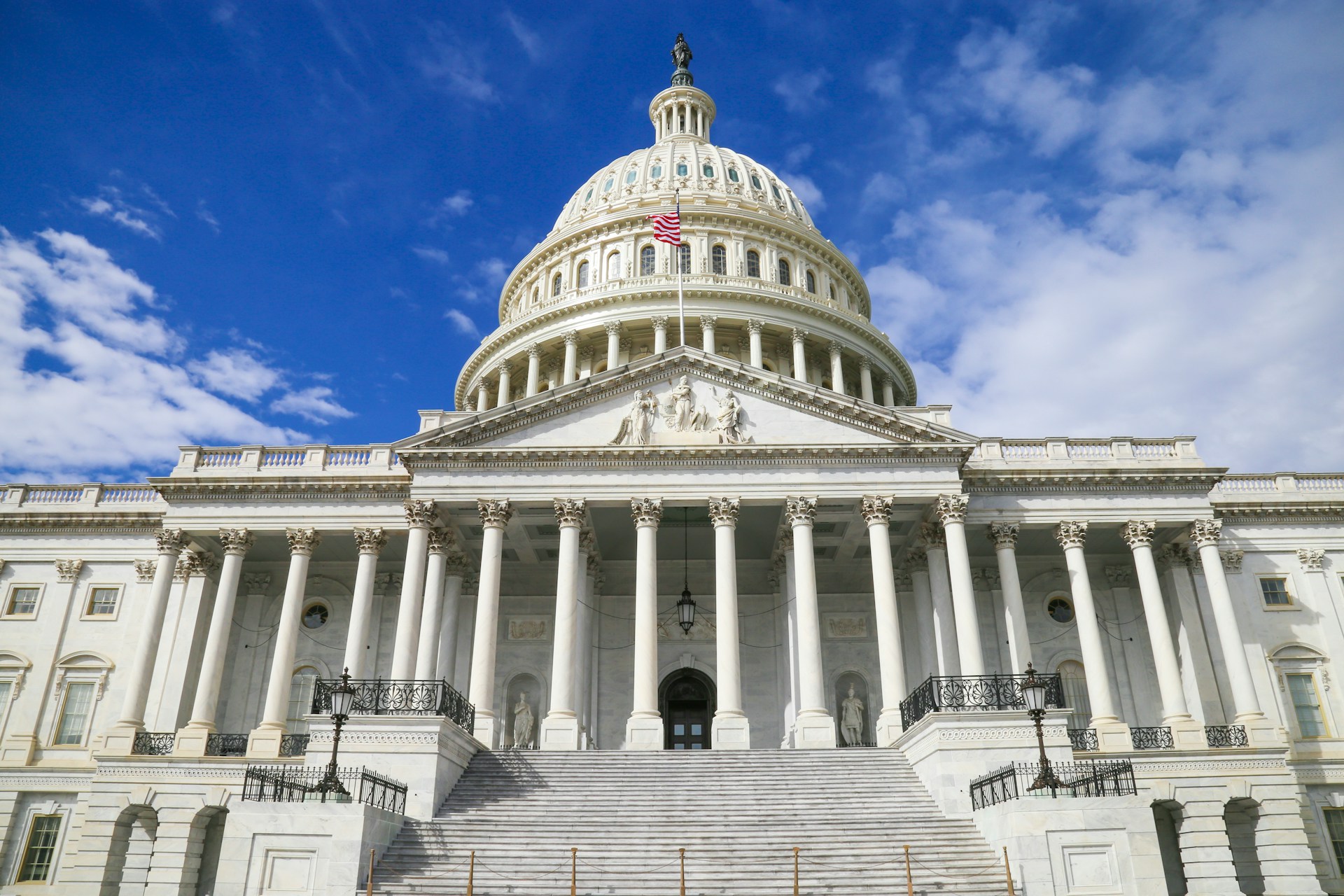
The alien beam destroying the White House in Independence Day was created using a detailed miniature model that stood approximately 5 by 10 feet. Director Roland Emmerich built the model to recreate the building down to the last detail, then rigged it with explosives and filmed the destruction at 24 frames per second for proper cinematic scale.
The shot used miniatures and optical compositing without any CGI, delivering one of the most iconic destruction moments in film history.
Tenet Airplane Crash
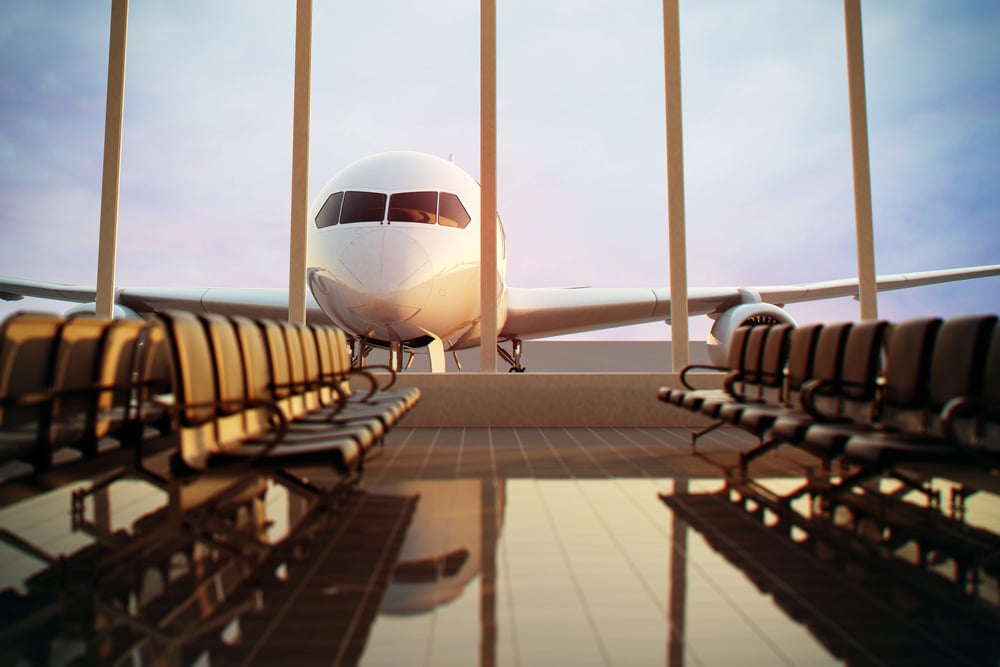
Christopher Nolan crashed a real Boeing 747 airplane into a building for Tenet rather than using CGI or miniatures. The scene was filmed at Victorville Airport in California, where Nolan found a location with many old planes.
He realized that buying and crashing an actual aircraft would be more efficient and realistic than building miniatures or using digital effects, so the plane was towed through the set and pushed forward into the building.
Casino Royale Car Flip
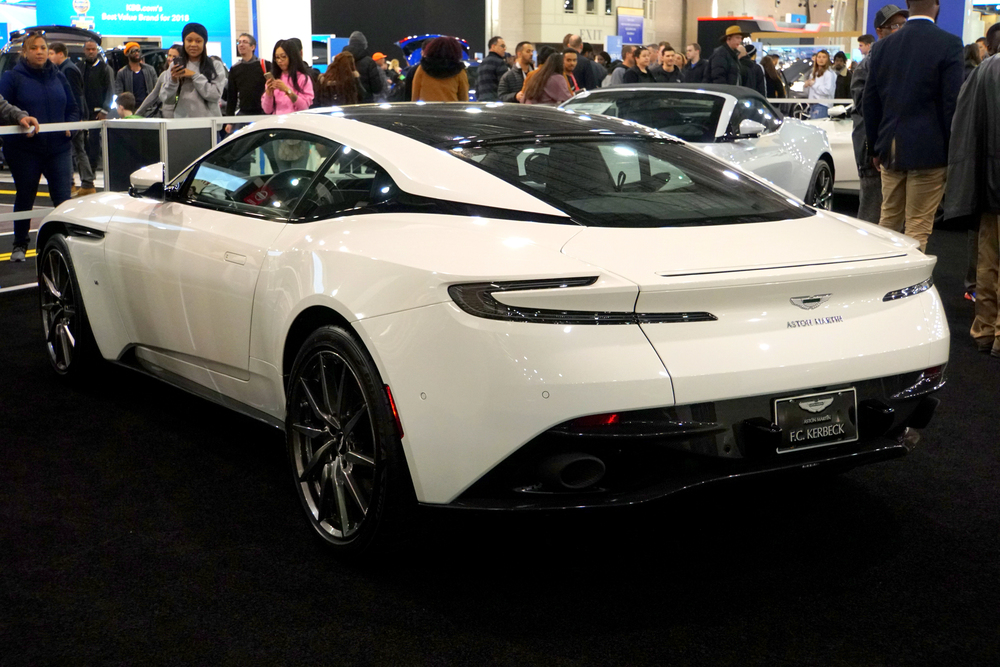
Stuntman Adam Kirley broke the Guinness-verified world record for the highest number of cannon rolls in Casino Royale when he flipped an Aston Martin DBS seven times in one take. The car was retrofitted with a nitrogen cannon to assist with the rotations, and the stunt was filmed at the Millbrook Proving Ground in the UK.
The record-breaking flip remains one of the most impressive practical car stunts in the James Bond franchise.
Indiana Jones Boulder Chase
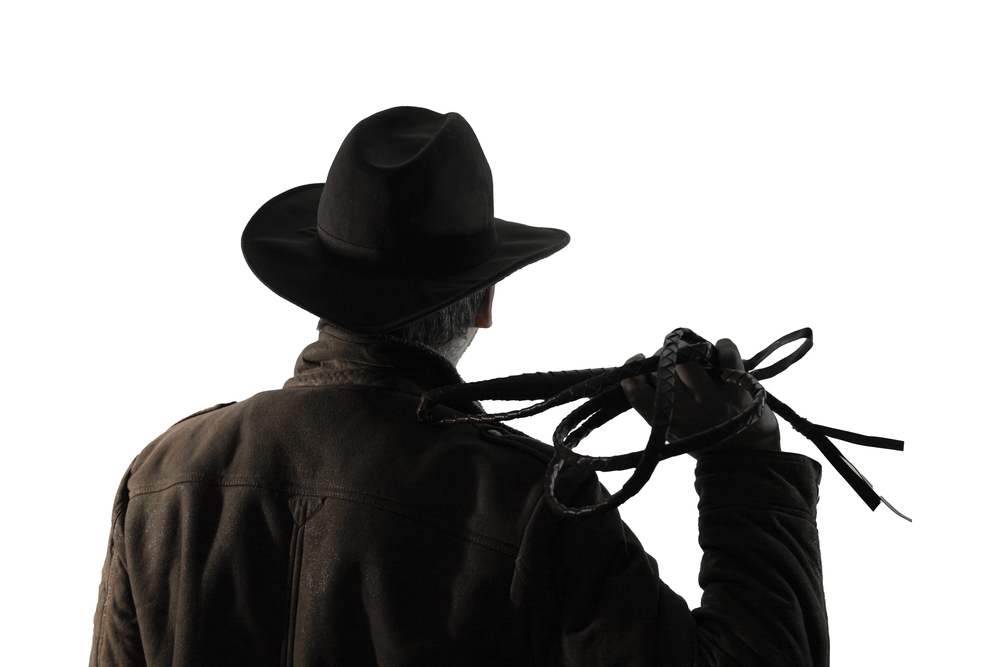
Harrison Ford ran away from a 300-pound fiberglass boulder down a 40-foot track ten times for Raiders of the Lost Ark. Steven Spielberg realized that a stunt double wouldn’t be believable enough and convinced Ford to risk injury for the sake of authenticity.
The director’s decision to use a real boulder chase rather than camera tricks created one of the most instantly recognizable moments in adventure cinema.
Mission: Impossible Airplane Takeoff
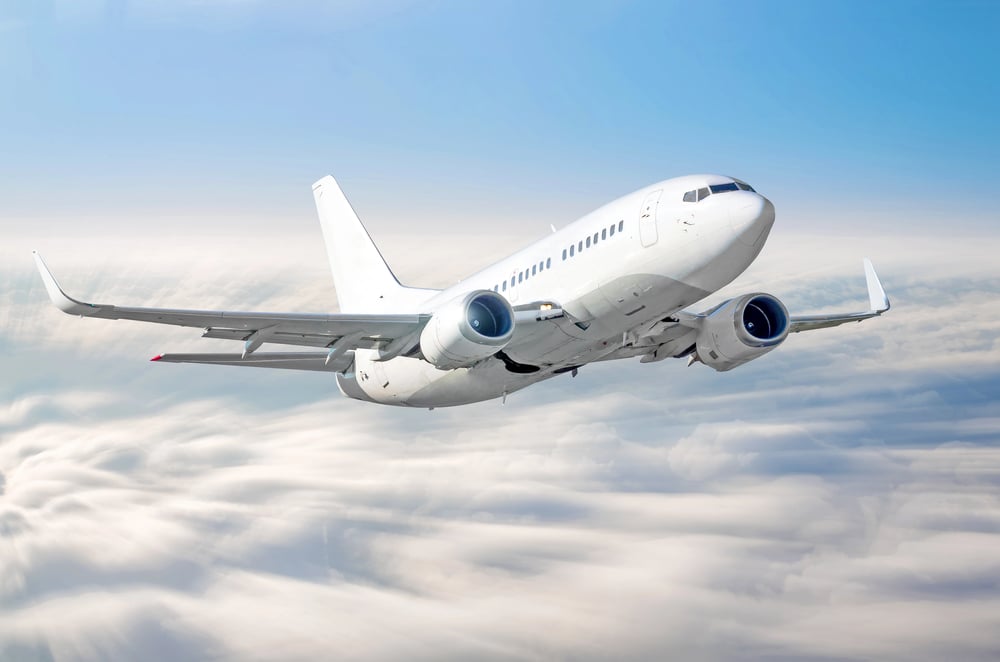
Tom Cruise literally hung onto the exterior of an Airbus A400M Atlas as it took off for Mission: Impossible – Rogue Nation. The actor wore a full body harness connected to an aluminum truss carefully bolted inside the aircraft through the door.
Cruise filmed eight takeoffs at RAF Wittering in the UK hanging off the side of the plane, with only the harness and cables preventing him from falling thousands of feet to the ground.
Dunkirk Aerial Combat
Christopher Nolan borrowed actual Spitfires from the Imperial War Museum Duxford and had Royal Air Force pilots fly them over the English Channel for Dunkirk. The planes, built in the 1940s for World War II, were used to capture real aircraft footage that was mixed with model shots.
Nolan filmed at the actual location where the events took place seventy years earlier, using genuine Spitfires instead of relying solely on CGI to create authentic aerial combat sequences.
Real Thrills Over Digital Magic
Practical stunts require extraordinary courage, meticulous planning, and a level of commitment that pushes human limits. While CGI offers safety and unlimited possibilities, these real stunts deliver an authenticity that audiences instinctively recognize and respond to.
The actors and stunt performers who risk their lives for these sequences create movie moments that remain unforgettable decades later, proving that sometimes the best special effect is simply doing it for real. As technology advances, these practical stunts become increasingly rare, making them all the more valuable as testaments to what filmmakers can achieve when they choose danger over digital convenience.
More from Go2Tutors!

- The Romanov Crown Jewels and Their Tragic Fate
- 17 Halloween Costumes Once Considered Taboo
- Famous Hoaxes That Fooled the World for Years
- 15 Child Stars with Tragic Adult Lives
- 16 Famous Jewelry Pieces in History
Like Go2Tutors’s content? Follow us on MSN.