Historical Royal Crowns and Their Fate
Royal crowns have symbolized power, legitimacy, and divine right for centuries. These glittering artifacts have witnessed coronations, wars, and revolutions.
Some crowns have survived intact for hundreds of years, while others met dramatic ends through theft, destruction, or mysterious disappearances. Each crown carries its own story of how political upheaval, greed, or changing times determined whether it would endure or vanish.
Here is a list of historical royal crowns and what ultimately became of them.
St. Edward’s Crown
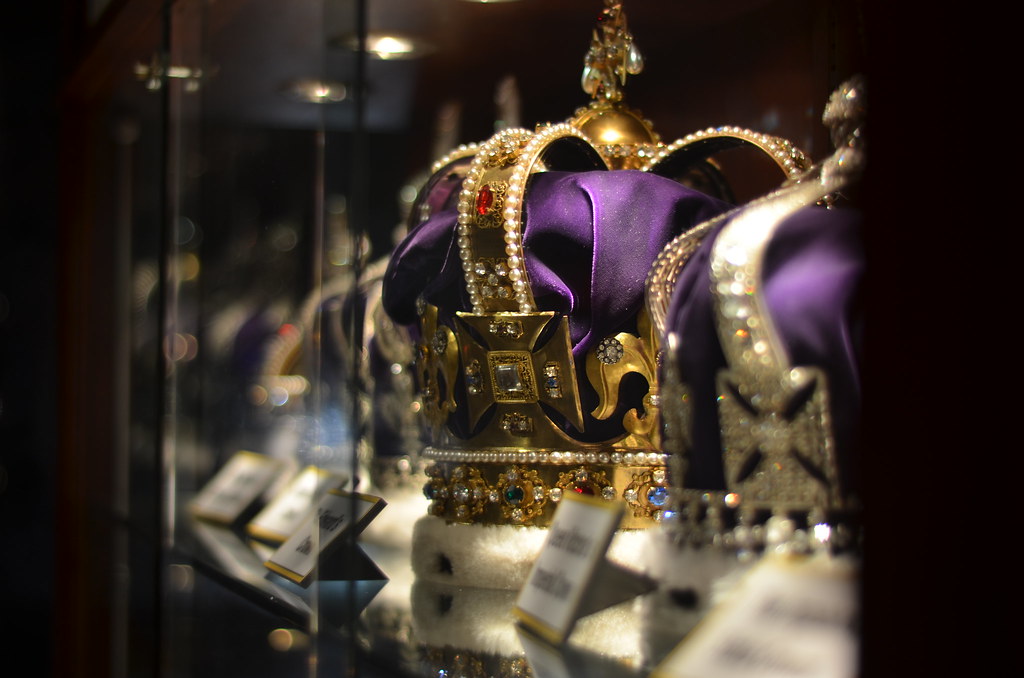
The original St. Edward’s Crown was kept at Westminster Abbey as a holy relic until Parliament ordered its destruction in 1649 during the English Civil War. The medieval crown was either sold or melted down when the monarchy was abolished.
When Charles II returned to the throne in 1660, a new St. Edward’s Crown was commissioned from the royal goldsmith Sir Robert Vyner, apparently made from fragments of the original. The current crown weighs approximately five pounds and is made of solid gold decorated with 444 precious and semi-precious stones, and it was most recently used to crown King Charles III in 2023.
Imperial State Crown
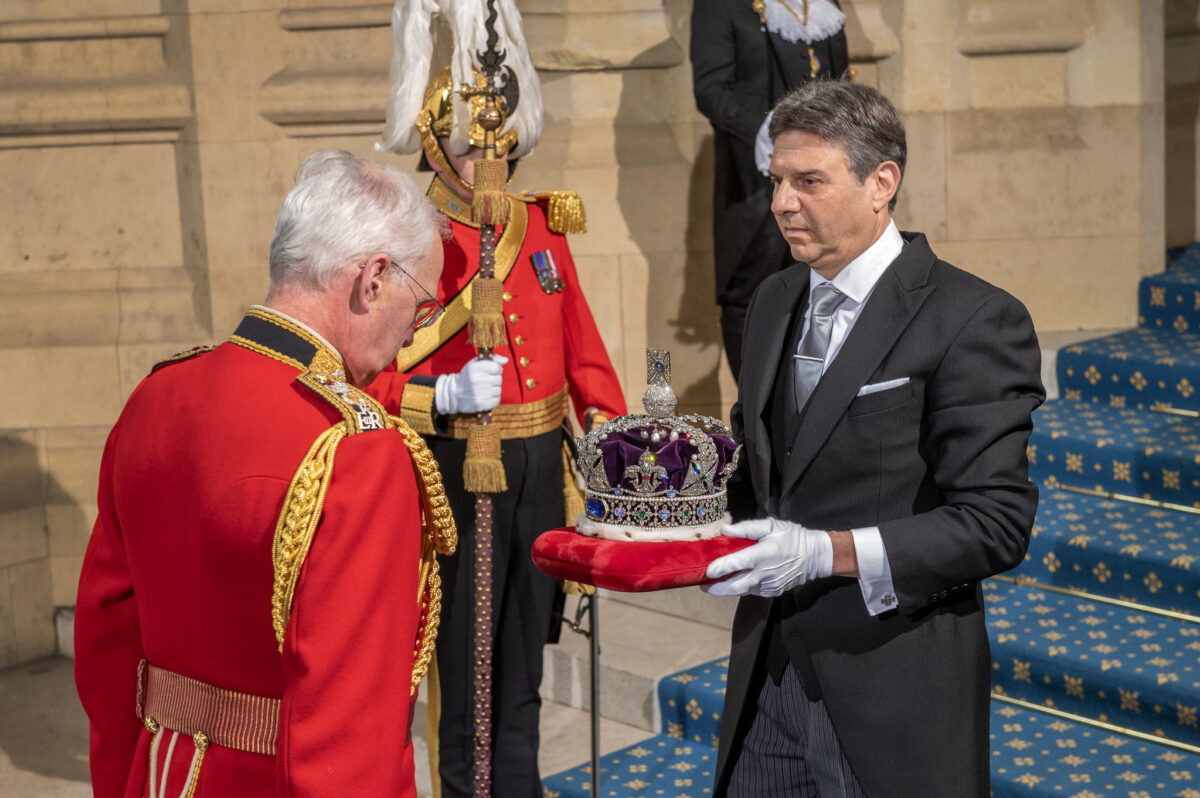
Queen Victoria commissioned a new Imperial State Crown in 1838 when she felt St. Edward’s Crown was too heavy for her coronation. That original Victorian crown was replaced in 1937 with the current version made for King George VI.
The Imperial State Crown contains some of the most famous jewels in the collection, including the Black Prince’s Ruby, the Stuart Sapphire, and the Cullinan II diamond, and it weighs just over two pounds with 2,868 diamonds set into its frame. Unlike St. Edward’s Crown, this piece sees regular use during state occasions like the Opening of Parliament.
Iron Crown of Lombardy
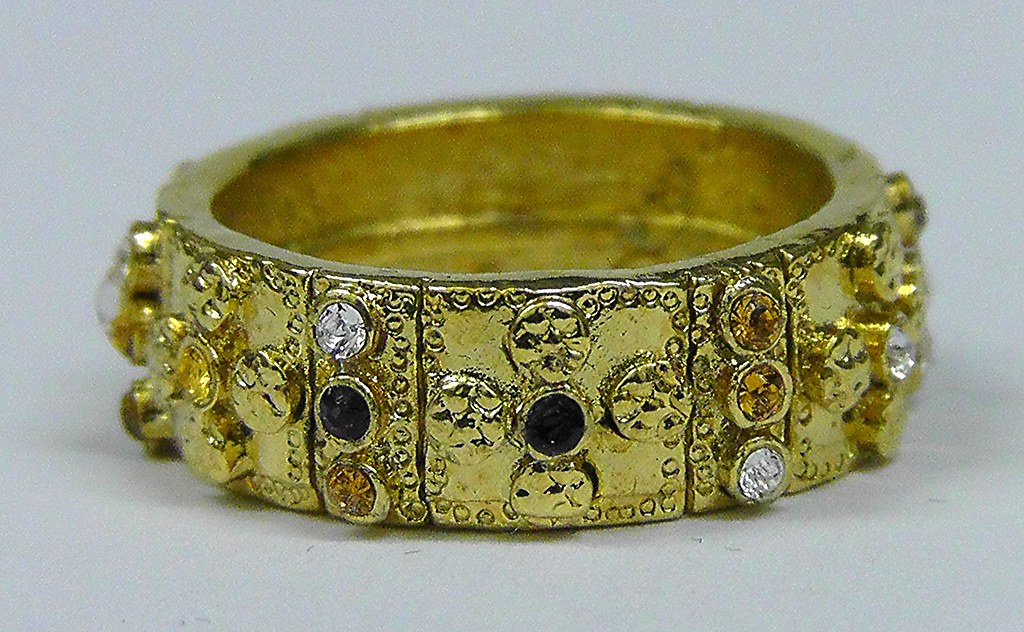
The Iron Crown of Lombardy was traditionally believed to contain a nail from the True Cross, though scientific testing in 1993 revealed the inner band was actually made of silver rather than iron. This ancient crown was used to crown dozens of Holy Roman Emperors as Kings of Italy from the medieval period onward. Napoleon Bonaparte crowned himself King of Italy with the Iron Crown in 1805, and the last monarch crowned with it was Ferdinand I of Austria in 1838.
Today the Iron Crown is permanently housed in the Chapel of Theodelinda within Monza Cathedral in northern Italy, regarded as one of the most important surviving pieces of medieval regalia.
Crown of Saint Wenceslas
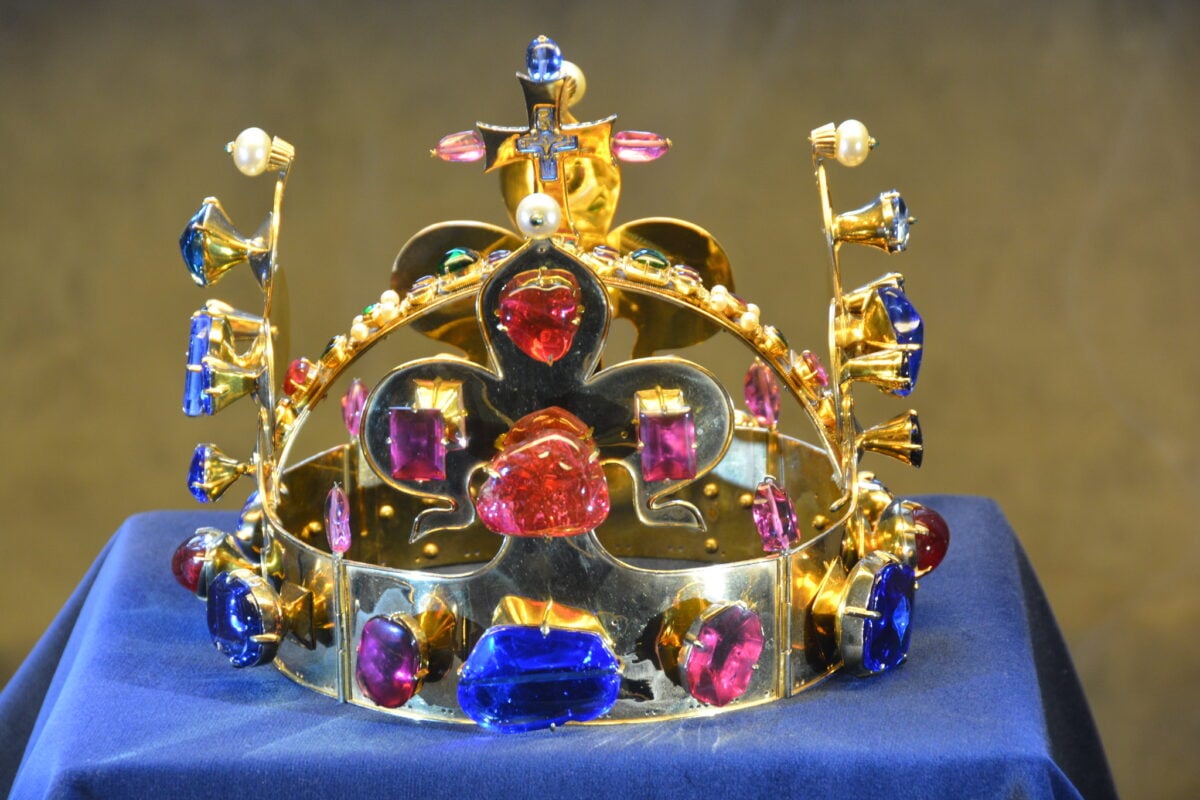
Made in 1346 for Charles IV’s coronation as King of Bohemia, the Crown of Saint Wenceslas is crafted from extremely pure gold and decorated with 91 precious stones and 20 pearls, including 19 sapphires, 44 spinels, and 30 emeralds. Unlike many European treasures, this crown is not normally displayed to the public, and it’s kept in a locked chamber in St. Vitus Cathedral accessible only when seven keyholders convene together—the President, Prime Minister, Prague Archbishop, parliamentary speakers, the Mayor of Prague, and cathedral officials.
An old Czech legend claims that any usurper who places the crown on their head will die within a year, and rumor holds that Nazi official Reinhard Heydrich secretly tried it on and was assassinated less than a year later.
Holy Crown of Hungary
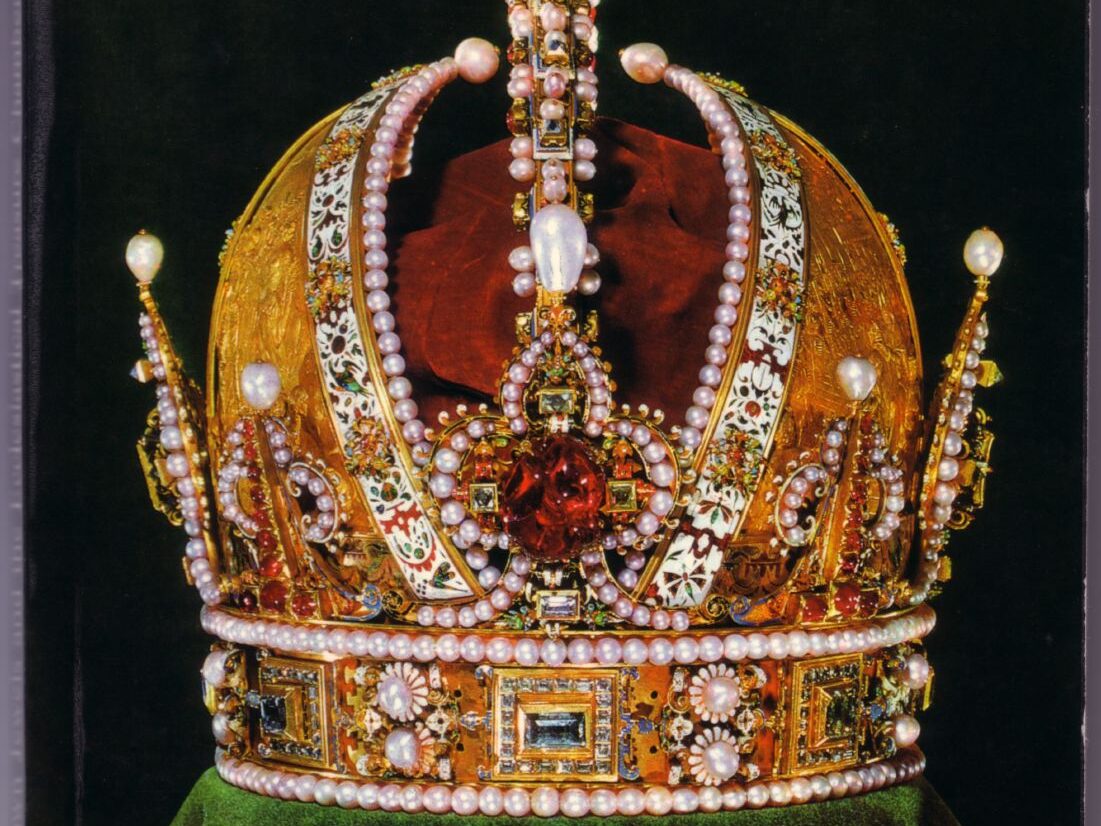
The Holy Crown of Hungary features Byzantine enamels from the 1070s and was used to crown more than fifty Hungarian kings over the centuries. At the end of World War II, the crown was handed over to American forces to keep it from Soviet troops, and it was stored at Fort Knox in Kentucky alongside America’s gold reserves.
President Jimmy Carter made the controversial decision to return the crown to Hungary on January 6, 1978, based on evidence of improved human rights conditions, though many Hungarian Americans opposed returning it to a Communist government. The crown now resides in the Hungarian Parliament Building as a symbol of national sovereignty.
King Kalakaua’s Crown
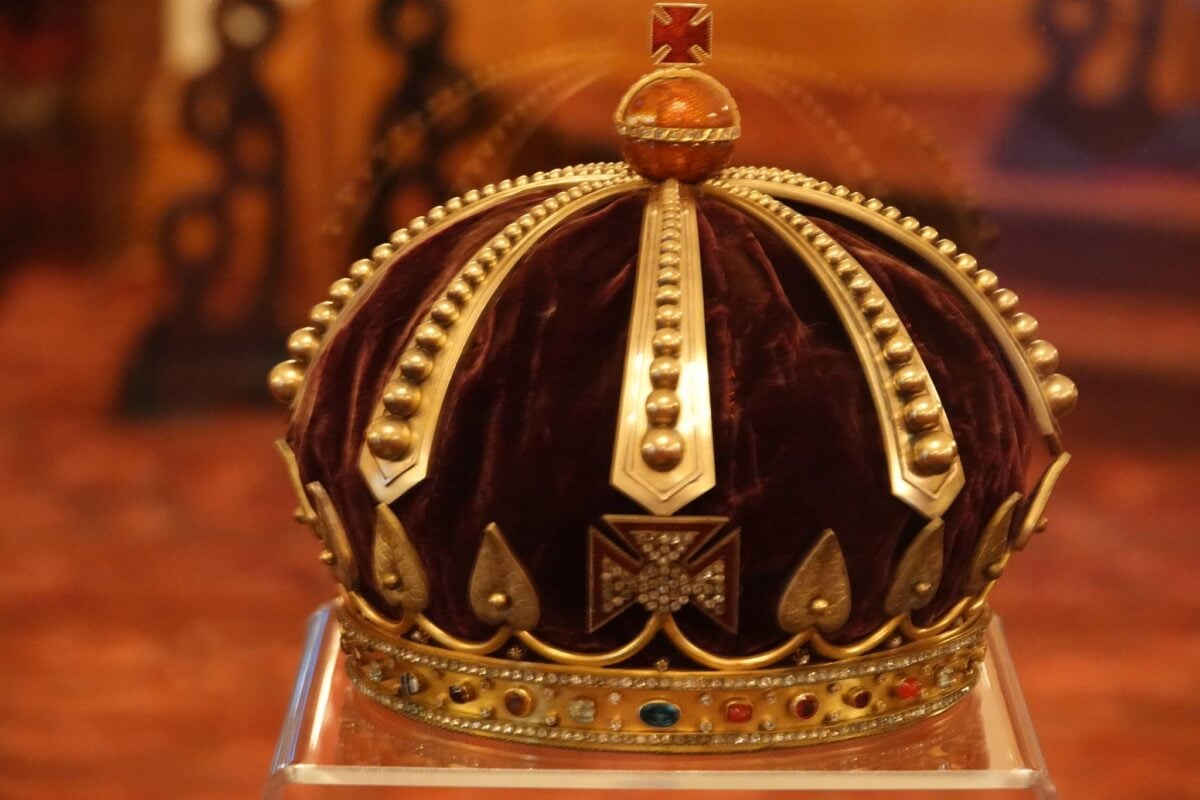
King David Kalakaua of Hawaii commissioned two solid gold crowns from a London jeweler in 1882 for himself and Queen Kapiolani, each containing approximately 521 diamonds, 54 pearls, 20 opals, 20 rubies, and eight emeralds. The coronation took place on February 12, 1883, but this would be the only time Kalakaua wore his crown, as he died in 1891 and the monarchy was overthrown by 1893.
When the new provisional government took inventory of royal possessions, they discovered the king’s crown had been vandalized—every jewel had been pried out, and a guardsman named George Ryan was convicted of the theft after diamonds were found in his jacket pocket. The damaged crown was restored in 1925 with glass and paste jewels replacing the stolen gems, and it now sits in Iolani Palace.
Crown of Charlemagne
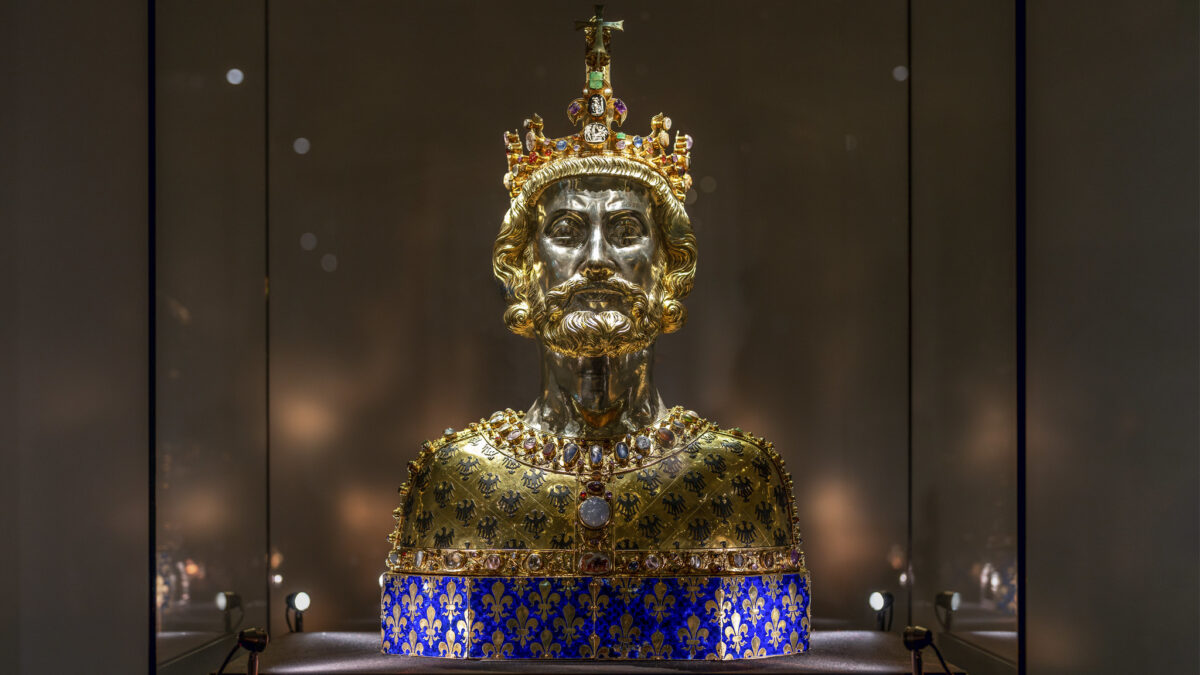
Most crowns made for French kings since the Middle Ages were lost or destroyed during revolutionary attacks on the Abbey of Saint-Denis in the late 18th century, including the Crown of Charlemagne and the crown of Saint Louis. These medieval treasures were melted down between 1793 and 1794 as revolutionaries sought to erase symbols of the old monarchy.
The crown of Louis XV, created in 1722, is the only French coronation crown from the pre-revolutionary period to survive to the present day, and it has been on permanent display in the Louvre since the late 19th century.
Empress Eugénie’s Crown
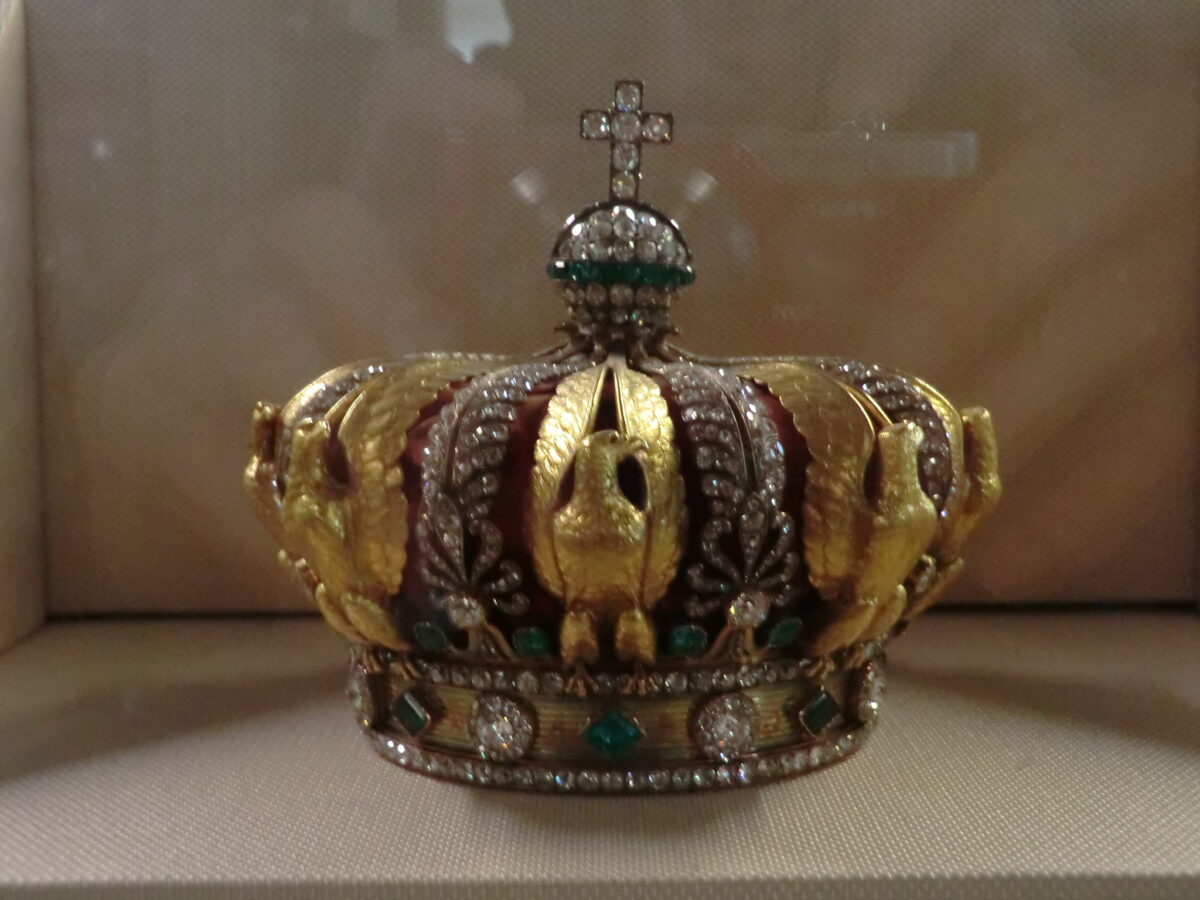
An ornate gold crown belonging to Empress Eugénie and featuring 1,354 diamonds and 56 emeralds was among nine priceless pieces stolen from the Louvre Museum in Paris during a brazen seven-minute heist in October 2025. The crown was dropped or abandoned by thieves during their getaway and was found damaged outside the museum.
French Culture Minister Rachida Dati described the operation as simple but spectacular, noting that the thieves knew exactly where they were going and appeared highly organized. The theft sparked a nationwide manhunt and raised serious questions about museum security.
Irish Crown Jewels
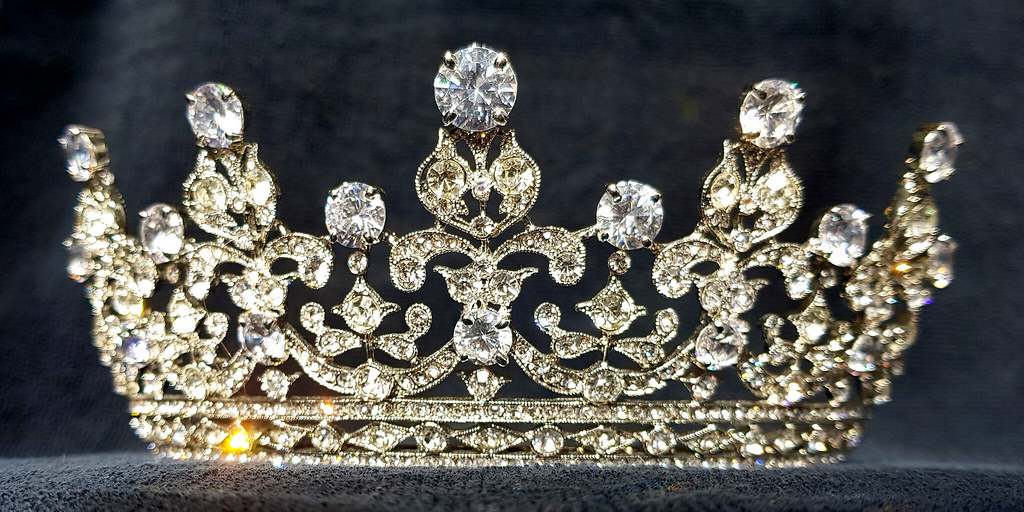
The Irish Crown Jewels actually included no crown at all, but rather a diamond brooch, five gold collars, and a diamond, ruby, and emerald encrusted star of the Order of St. Patrick. In 1907, these jewels vanished from a safe in Dublin Castle just before King Edward VII was scheduled to use them in a ceremony.
Suspicion fell on Arthur Vicars, the keeper of the keys, who accused his assistant Francis Shackleton of the crime, though neither was ever charged. Modern historians largely agree that Shackleton appears to have been the most likely culprit, but the jewels have never been recovered and their disappearance remains an unsolved mystery.
Tudor Crown of Henry VIII
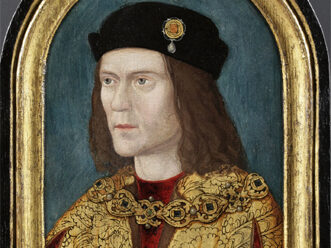
Following the execution of Charles I in 1649, Oliver Cromwell ordered that all royal regalia be destroyed as symbols of the monarchy. The precious stones from Henry VIII’s elaborate Tudor Crown and other regalia were sold separately, while the gold was sent to the Royal Mint to be melted down and coined into money to pay the army.
Only the twelfth-century Coronation Spoon survived because the man who purchased it at auction later returned it after the monarchy was restored in 1660. Charles II had to commission an entirely new set of crown jewels for his coronation the following year.
Romanov Crown Jewels
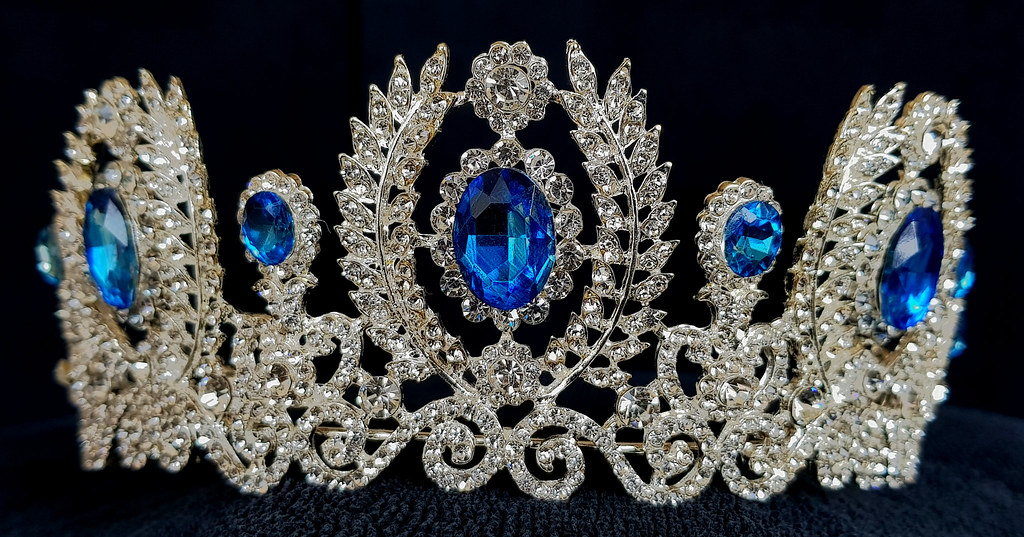
When the Bolsheviks killed the Russian imperial family in 1917, their crown jewels were reported to have been smuggled, sold, or hidden. Some of the stolen pieces turned up at auctions years later, while others remain concealed to this day, causing ongoing controversies about their whereabouts.
The fate of many Romanov treasures remains mysterious, with pieces occasionally surfacing in private collections around the world, though proving their authenticity can be difficult given the chaos surrounding their disappearance.
Crown of Baekje
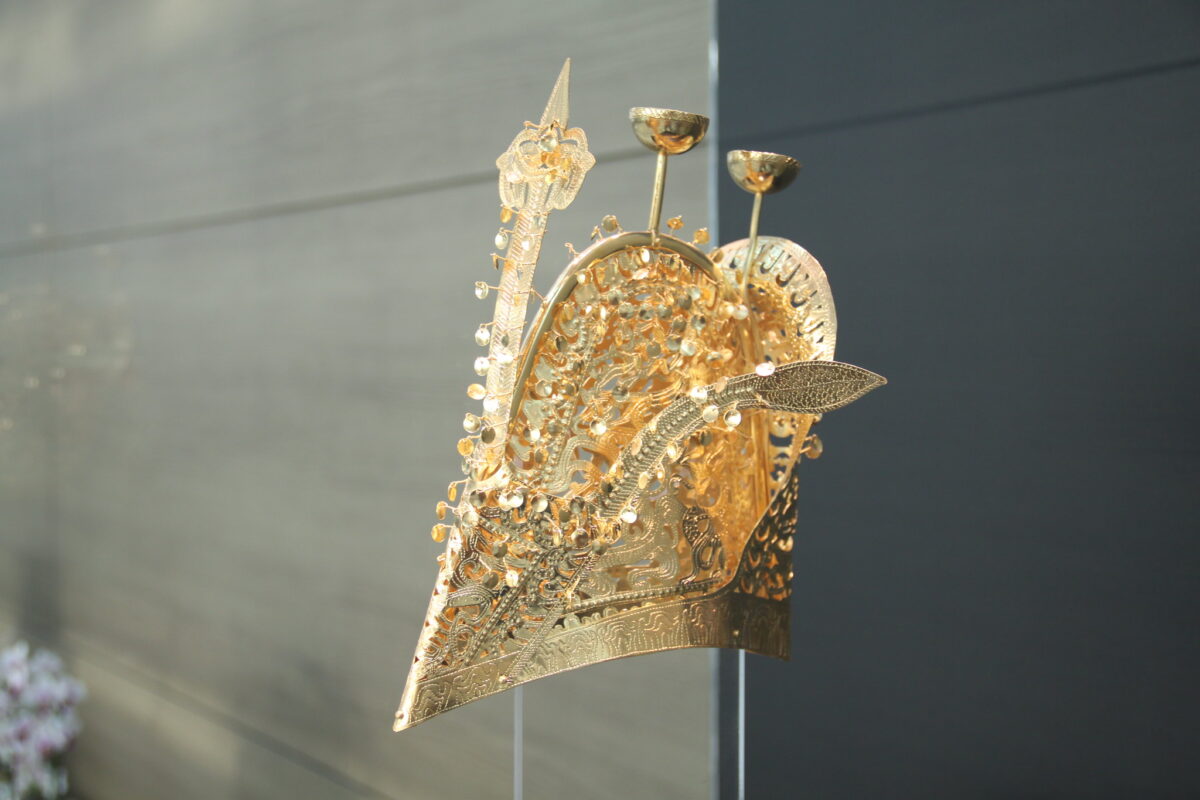
The Crown of Baekje refers to a pair of gold diadems with intricate branches shaped like flames and flower-patterned designs at the top. These gold diadems were discovered in a tomb in 1971 and date to the Korean kingdom of Baekje, which was founded in 18 BC.
Unlike many crown jewels that were stolen or destroyed, these ancient Korean treasures were preserved underground for centuries until archaeologists unearthed them. They now provide invaluable insights into ancient Korean craftsmanship and royal symbolism.
King John’s Crown Jewels
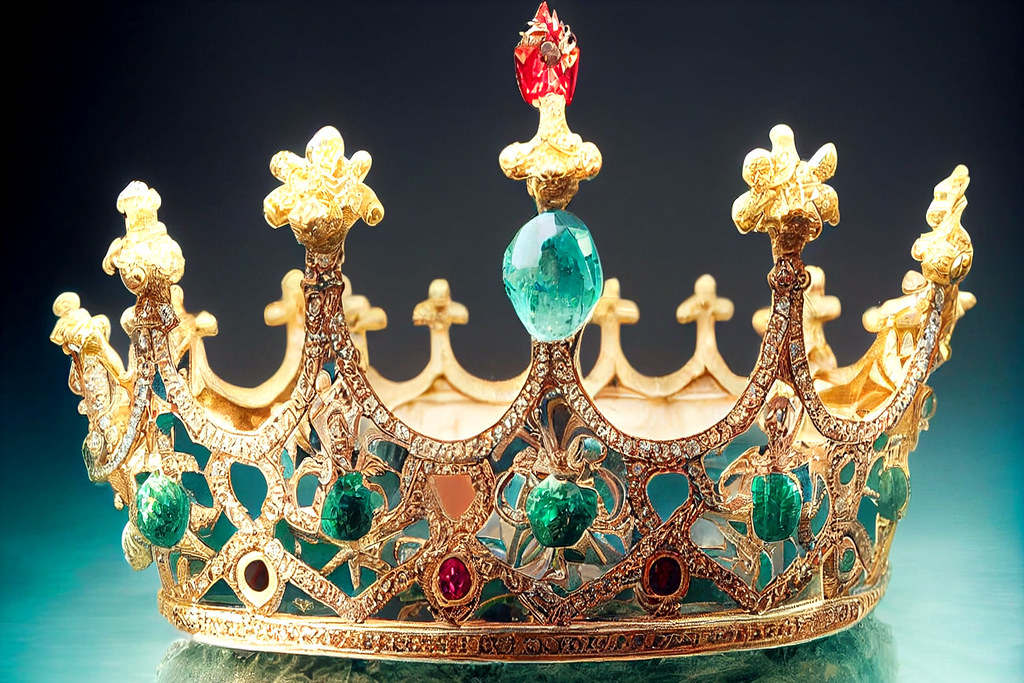
King John of England is said to have lost much of the original English Crown Jewels in 1216 when his baggage train was swept away while crossing the waters of The Wash, a bay on England’s east coast. The exact contents of what was lost remain unclear, though historical accounts suggest a substantial treasure vanished into the tidal mudflats.
Edward III later pawned the crown jewels to pay his troops during an overseas military campaign, demonstrating how even sacred royal regalia could become collateral when monarchs needed cash.
Marie-Louise’s Emerald Parure
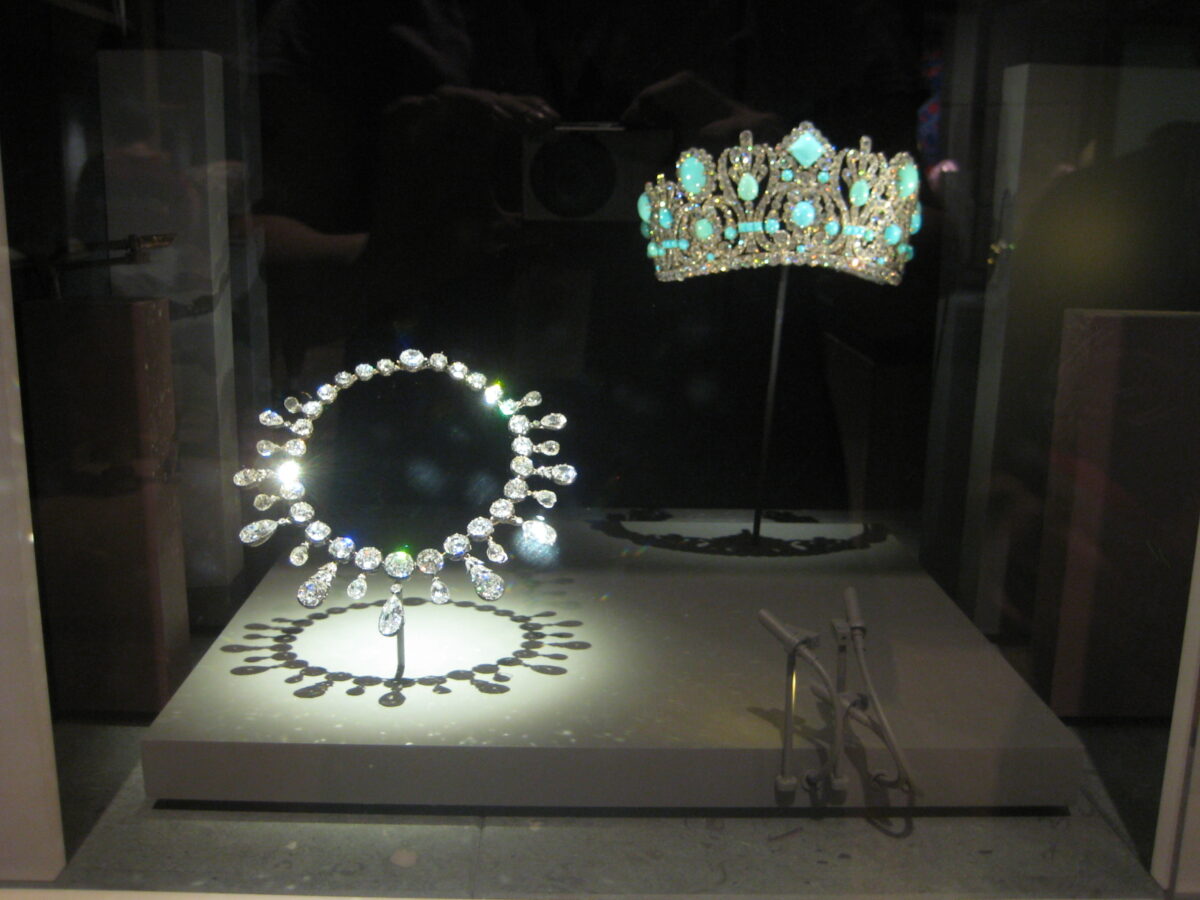
A wedding gift from Napoleon to his second wife Marie-Louise in 1810, this ornate emerald set featured 32 intricately cut emeralds and 1,138 diamonds crafted by jeweler François-Régnault Nitot. During the 2025 Louvre heist, thieves stole both the necklace and matching earrings from this collection along with several other pieces belonging to French royalty.
The theft of these items, which President Emmanuel Macron described as an attack on French heritage, demonstrated that even in the 21st century, royal treasures remain vulnerable to organized crime.
Crown of Queen Marie-Amélie
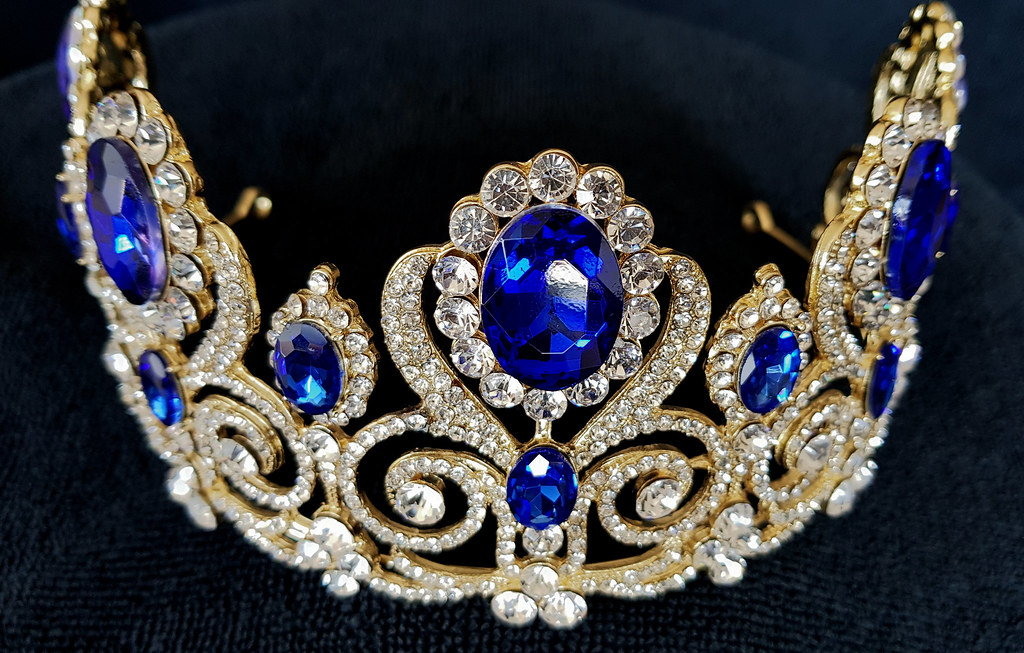
A pearl and diamond tiara from the collection of Queen Marie-Amélie and Queen Hortense, composed of 212 pearls of various sizes and nearly 2,000 diamonds, was among the pieces stolen during the 2025 Louvre heist. This tiara was originally commissioned by Emperor Napoleon III for his marriage to Eugénie de Montijo in 1853.
The diadem featured 24 Ceylon sapphires and 1,083 diamonds that could be detached and worn as brooches. The theft of multiple pieces from French royal collections in a single afternoon highlighted both their enduring value and the challenges museums face in protecting historical treasures.
Ancient Copper Crown
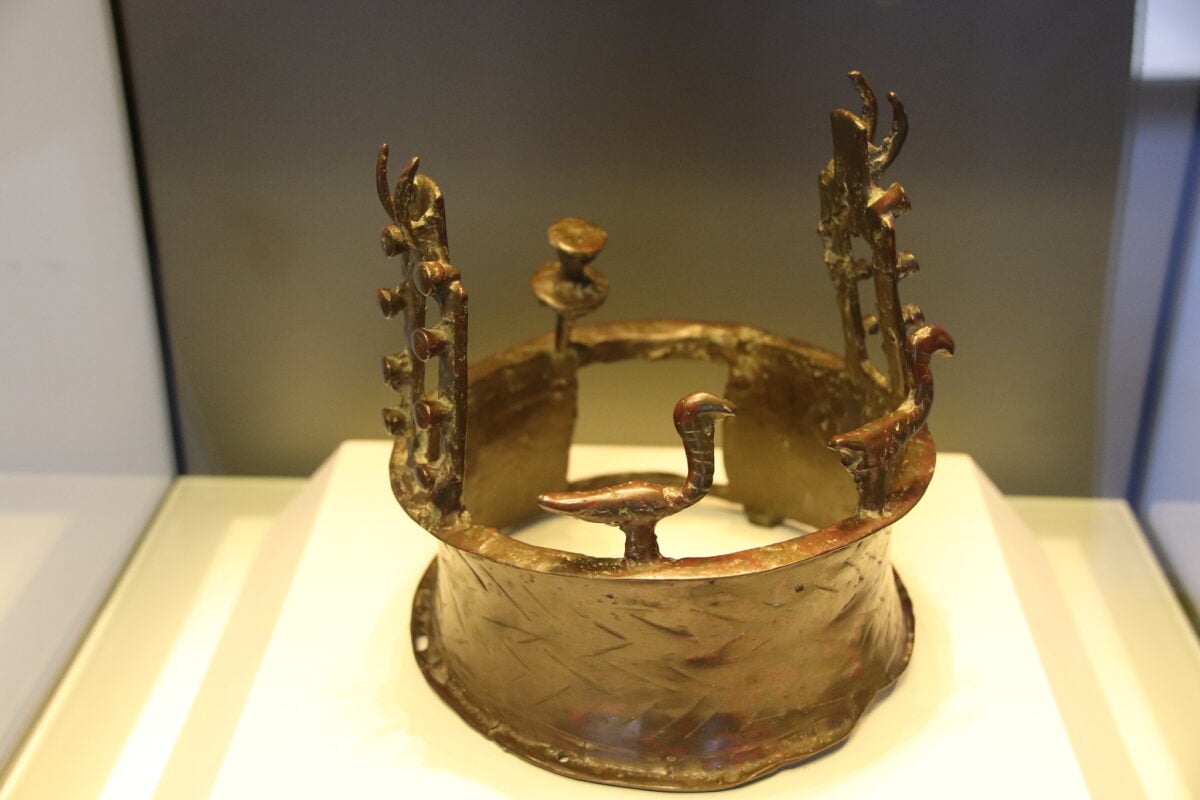
The oldest crown in the world was discovered by Israeli archaeologists in a cave in 1961, made from blackened copper about seven inches in diameter and dating to the Copper Age between 4500 and 3600 BCE. The upper rim of this ancient crown features a cross shape, two birds, stylized grills, and horns.
This remarkable artifact survived for thousands of years underground, preserved by chance in conditions that prevented its decay. Its discovery provided archaeologists with rare physical evidence of leadership symbols from prehistoric societies.
Royal Crown Investment
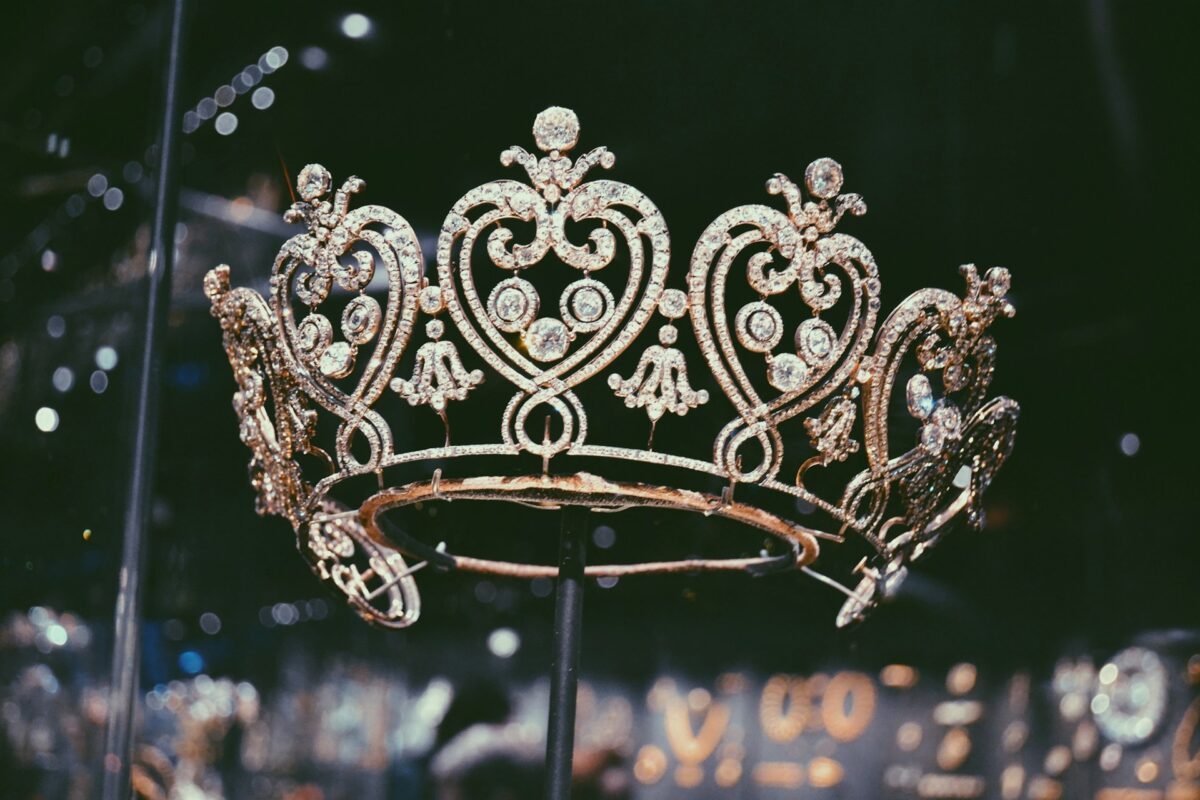
George IV attempted to persuade Parliament to purchase the stones for his coronation crown permanently so it could remain set, but Parliament refused and the crown was eventually dismantled after his death. From the reign of Queen Anne in 1702 until the early twentieth century, it was common for coronation regalia to be set with jewels hired only for the ceremony.
After coronations, the rented stones would be returned to jewelers and the crowns were sometimes reset with crystals or paste, or the frames were simply stored empty. This practical but inglorious fate for royal crowns shows how even sacred symbols of monarchy could be treated as temporary props when financial constraints demanded it.
From Melted Metal to Museum Pieces
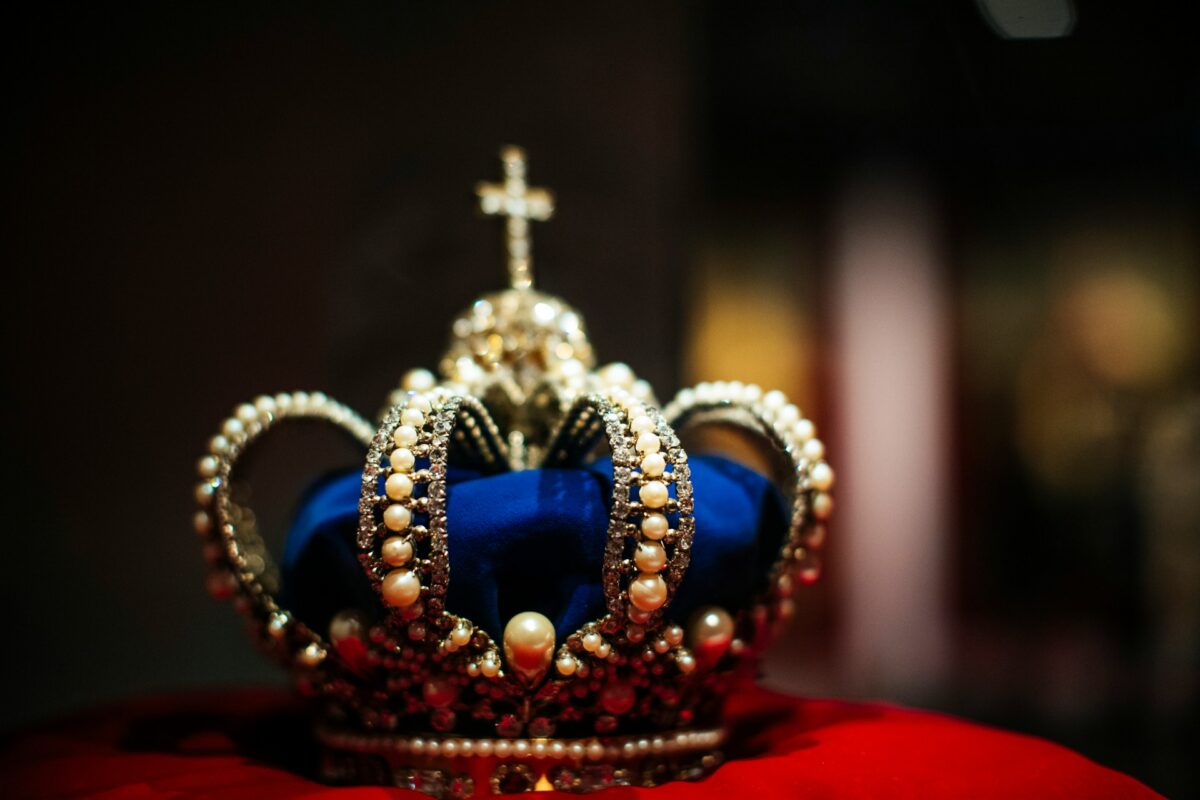
The journey of royal crowns from symbols of absolute power to protected museum pieces reflects broader changes in how societies view monarchy itself. Modern republican France now recognizes these royal relics as part of the national heritage, with government officials describing stolen crown jewels as having inestimable value.
Many crowns that once legitimized rulers now serve educational purposes, teaching visitors about art, history, and the political systems that created them. Whether locked away for security, displayed behind bulletproof glass, or lost forever to thieves and revolutionaries, these crowns continue to captivate imaginations as tangible links to the pageantry and turmoil of the past.
More from Go2Tutors!

- 16 Historical Figures Who Were Nothing Like You Think
- 12 Things Sold in the 80s That Are Now Illegal
- 15 VHS Tapes That Could Be Worth Thousands
- 17 Historical “What Ifs” That Would Have Changed Everything
- 18 TV Shows That Vanished Without a Finale
Like Go2Tutors’s content? Follow us on MSN.



