25 Photos Of Chernobyl Today
The Chernobyl Exclusion Zone has become one of the most photographed abandoned places on Earth. More than three decades after the 1986 disaster, the area tells a story that cameras capture better than words ever could.
These images show what happens when humans suddenly leave and nature starts to take back what was once hers.
The Ferris Wheel That Never Opened
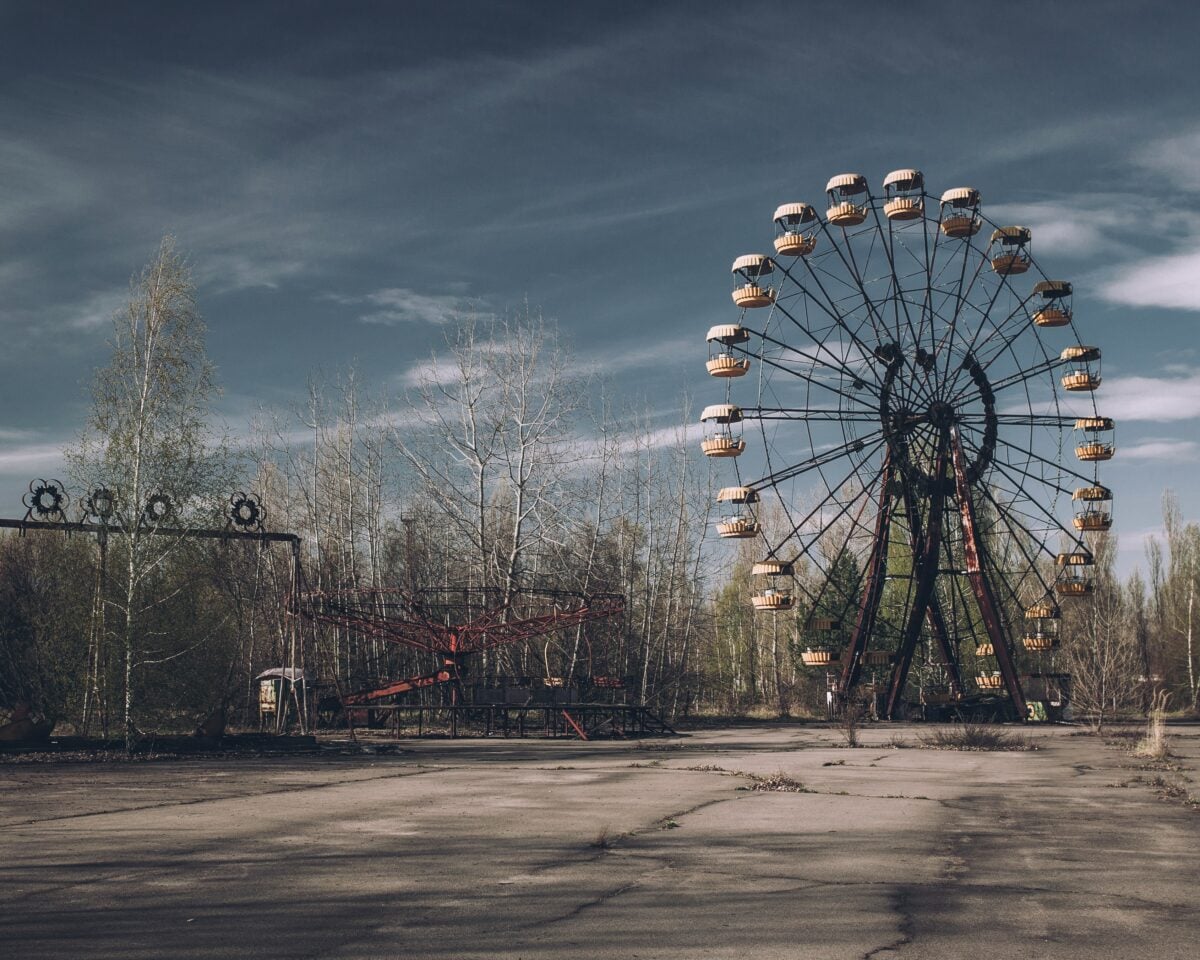
The amusement park in Pripyat was supposed to open on May 1, 1986, just five days after the reactor explosion. The bright yellow Ferris wheel stands motionless against the sky, its paint peeling but still recognizable.
Kids never got to ride it. The carnival was abandoned before anyone could buy a ticket or win a stuffed animal at the game booths.
Reactor Four’s New Shell
A massive metal structure now covers the damaged reactor. The New Safe Confinement arch cost over $1.5 billion and took nearly a decade to complete.
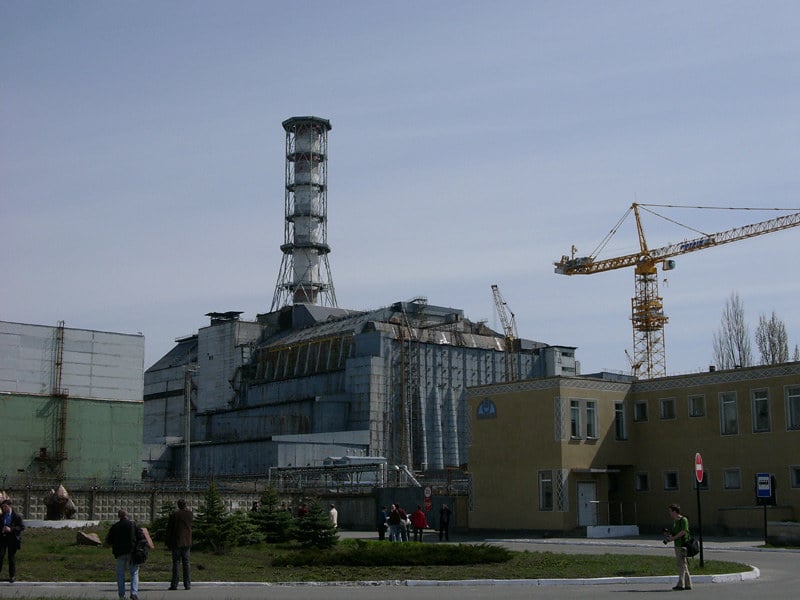
It dwarfs everything around it, a monument to both the disaster and the ongoing effort to contain it. The old sarcophagus built in the months after the explosion sits underneath, slowly deteriorating.
The Red Forest at Dawn
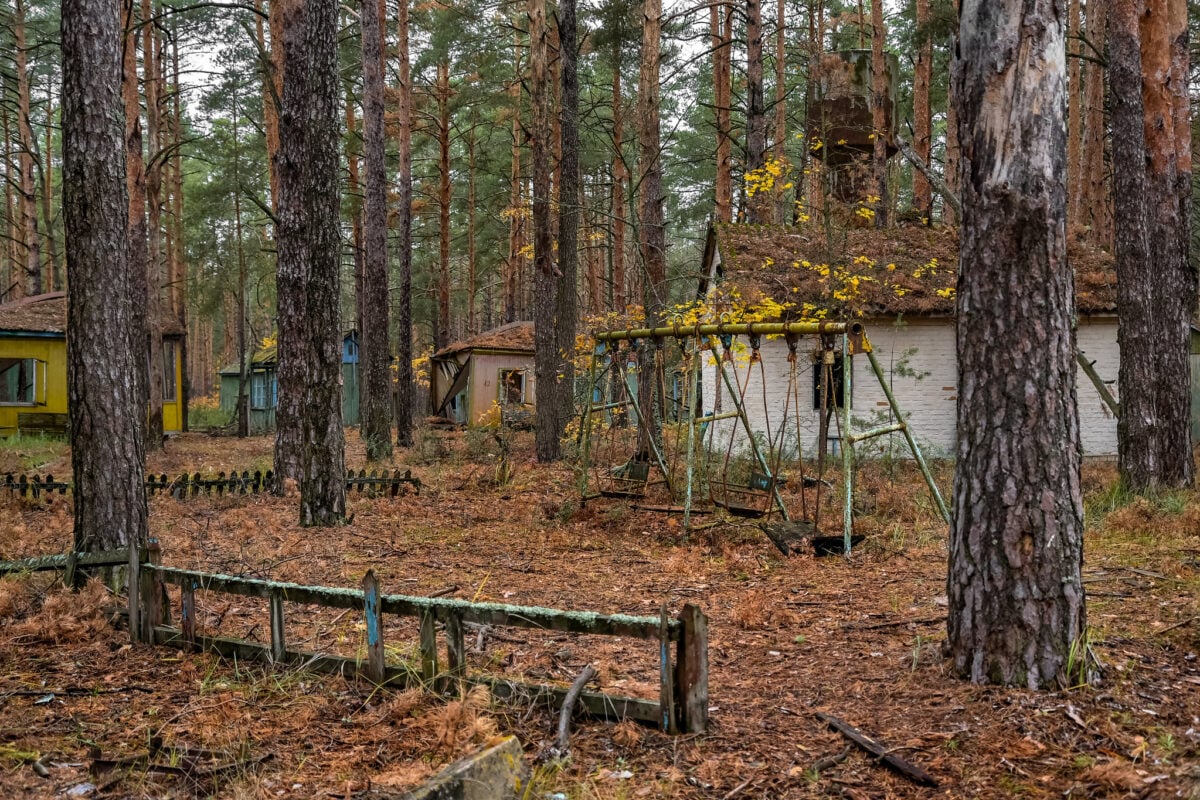
Trees here absorbed so much radiation that they turned reddish-brown and died within days of the disaster. The dead forest was buried, and new trees have grown in its place.
But the soil still holds dangerous levels of contamination. Morning light filters through the pines, making the area look peaceful despite what lurks beneath.
Pripyat’s Central Square

The main plaza once bustled with residents shopping and meeting friends. Now weeds push through the cracked concrete, and the buildings surrounding the square stand empty.
The Hotel Polissya looms on one side, its windows dark. A fallen Soviet emblem lies near the base of a building, half-buried in debris.
Inside the Azure Swimming Pool
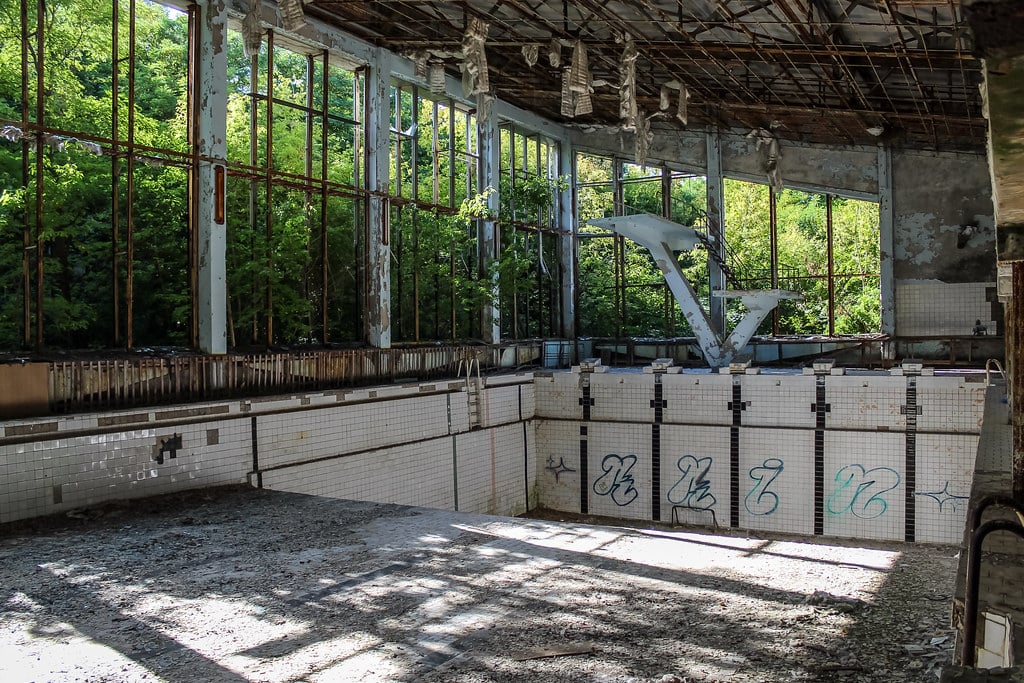
This pool kept operating until 1998, long after Pripyat was evacuated. The turquoise tiles still line the walls, though they’re covered in grime and peeling paint.
The diving boards remain in place. Light streams through broken skylights, illuminating the empty pool basin where water once reflected off the ceiling.
Classroom Number 3
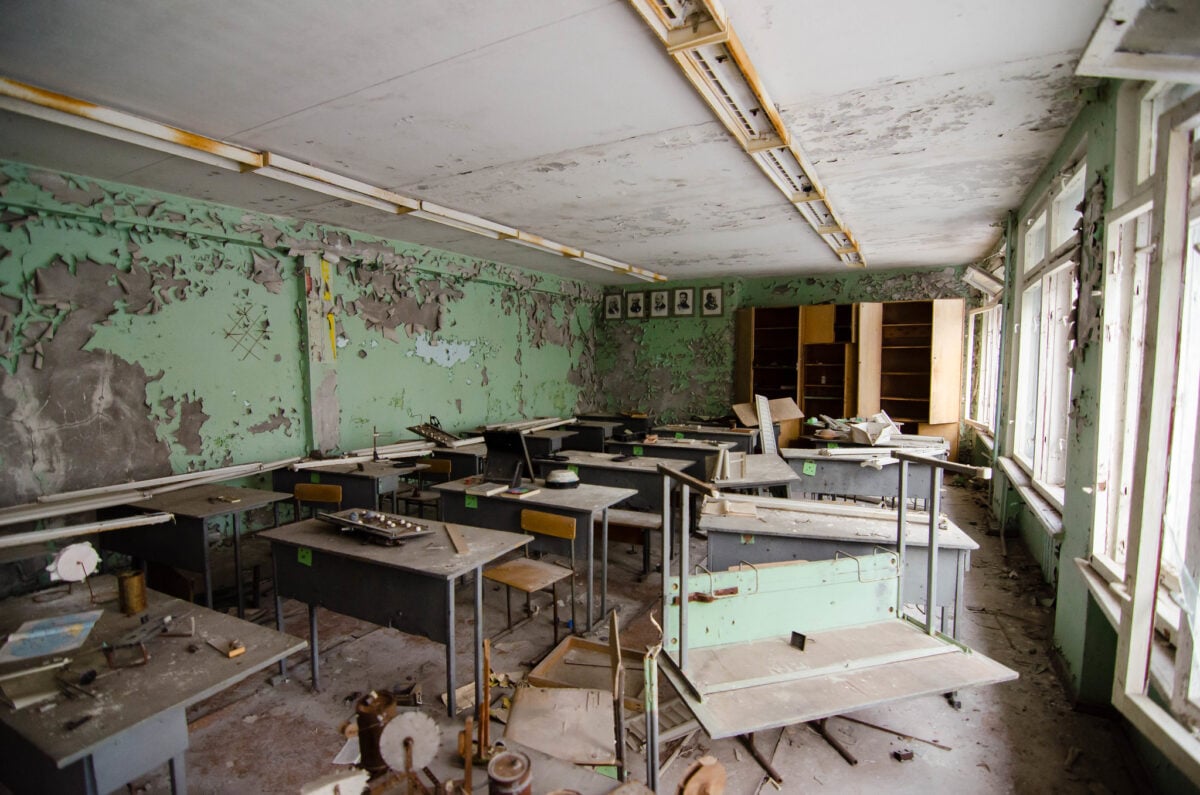
Desks sit in neat rows, just as they were left. Gas masks litter the floor—they were stored here for civil defense training.
A map of the Soviet Union hangs crooked on one wall. Textbooks and papers scatter across the teacher’s desk, frozen in time from that April day when everyone left and never came back.
The Hospital Basement
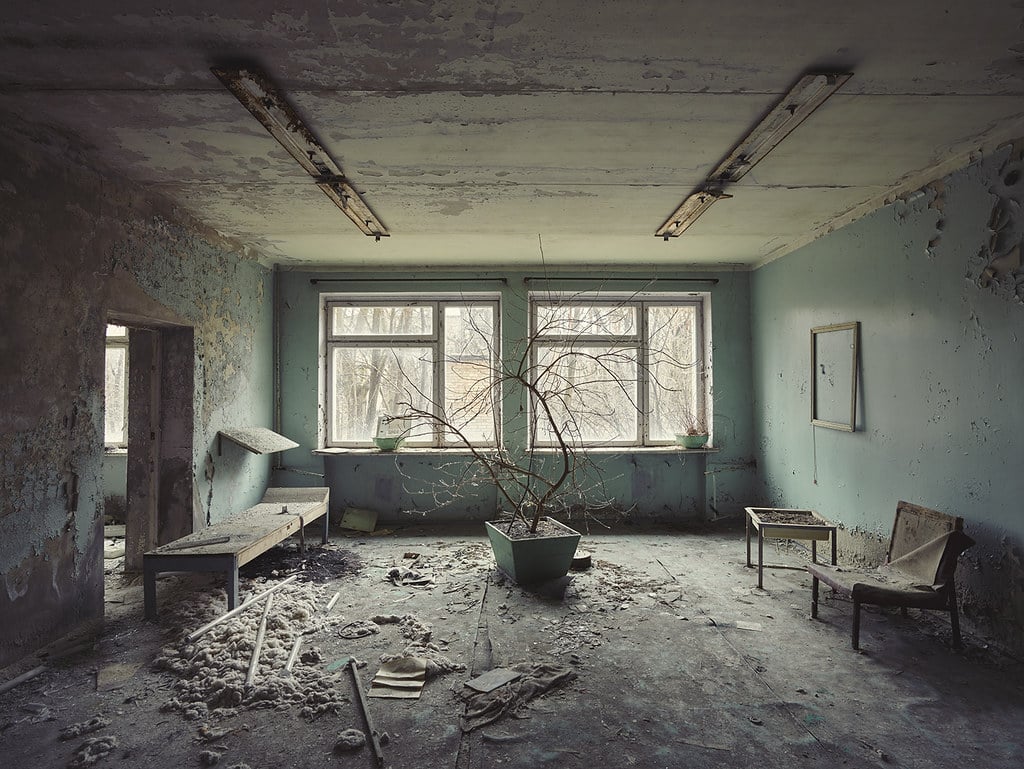
Firefighters’ uniforms lie in heaps in the basement of Pripyat Hospital. These are the clothes worn by the first responders who rushed to the burning reactor.
They’re some of the most radioactive items in the entire zone. The basement entrance is sealed off, but you can still photograph it from a safe distance through barred windows.
Nature Reclaiming the Palace of Culture
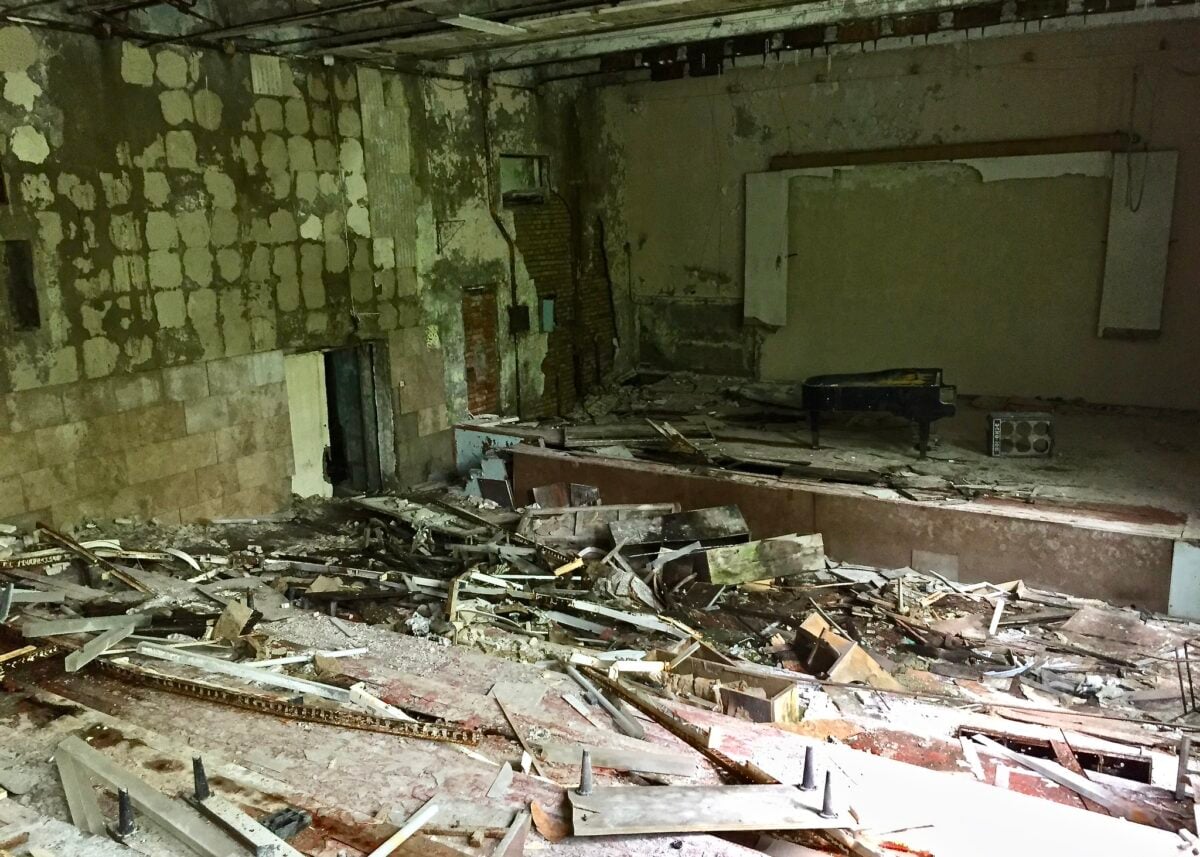
The main cultural center of Pripyat hosted concerts, plays, and community gatherings. Now trees grow through the roof and vines crawl up the facade.
The grand entrance, once impressive with its columns and steps, crumbles under the weight of vegetation. Inside, the auditorium seats rot away while moss carpets the floor.
Abandoned Apartment Building Interior
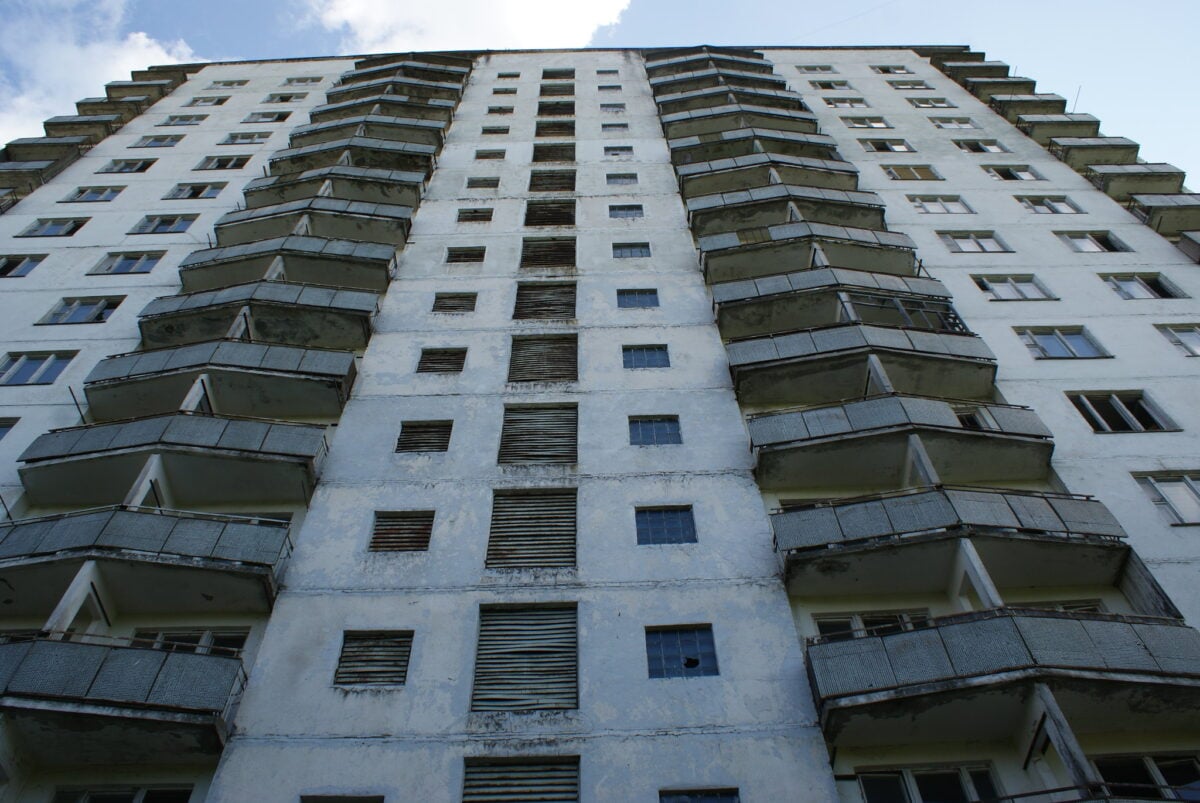
Personal belongings remain scattered in hundreds of apartments. A child’s toy sits on a windowsill.
Kitchen cabinets hang open, dishes still inside. Family photos fade on walls next to Soviet-era wallpaper.
People took only what they could carry, expecting to return in a few days.
The Duga Radar Array
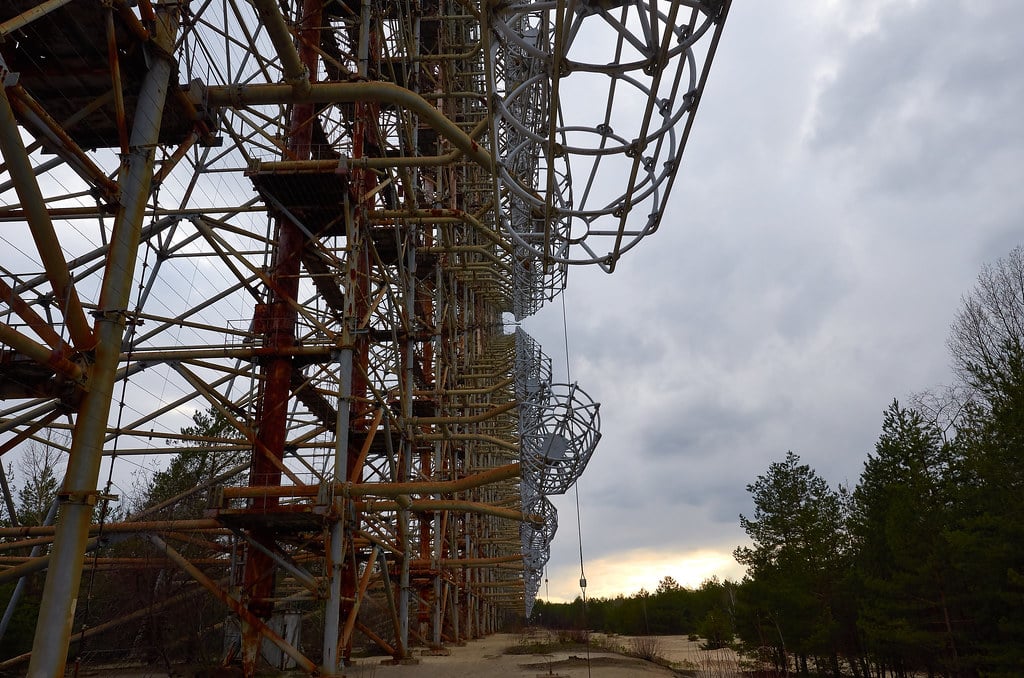
This massive structure was a secret Soviet over-the-horizon radar system designed to detect incoming missiles. It stands nearly 500 feet tall and stretches almost 2,300 feet wide.
The locals called it the Russian Woodpecker because of the tapping noise it broadcast. Now it’s just a rusting skeleton against the forest backdrop.
Pripyat’s Department Store
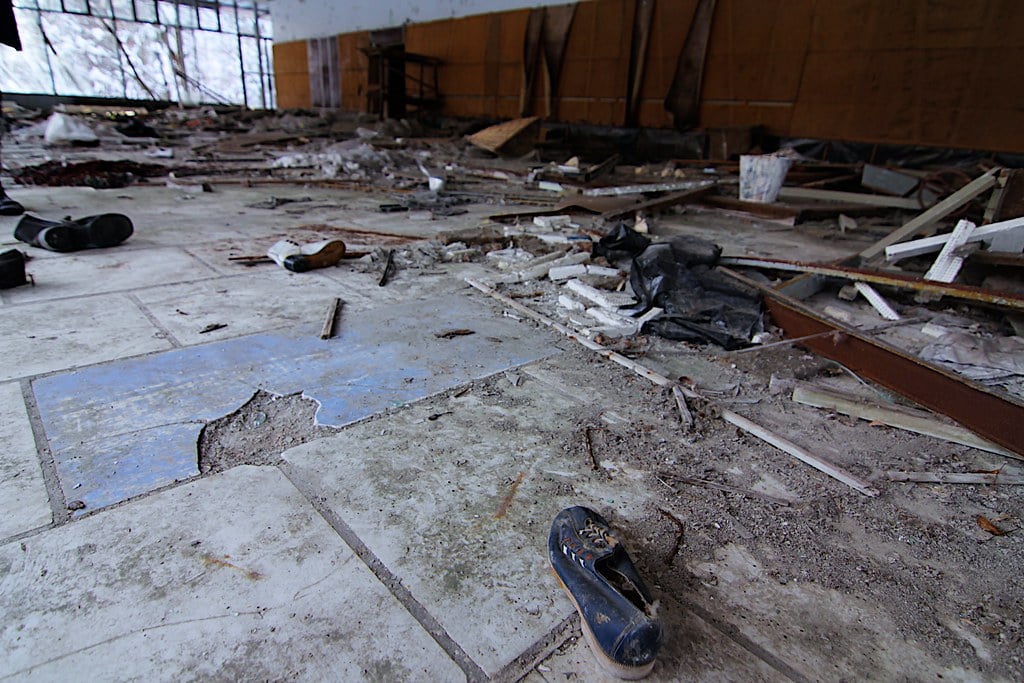
The main shopping center offered goods that were luxuries in other Soviet cities. Empty shelves line the walls.
The checkout counters stand ready for customers who will never come. Broken glass crunches underfoot, and propaganda posters peel from the walls.
A few products remain, their packaging faded beyond recognition.
The Kindergarten Playroom
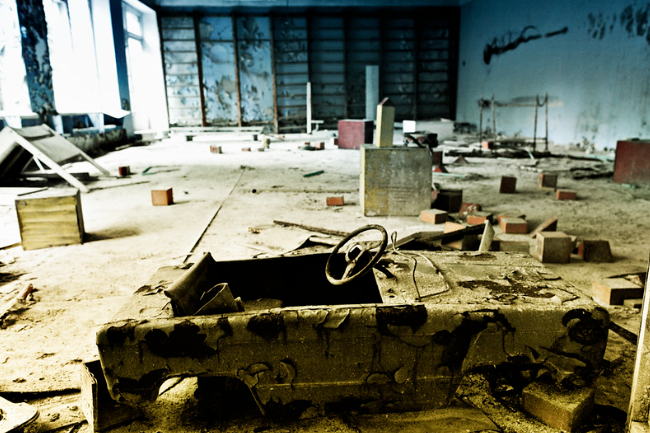
Small beds line the walls of the nap room. Stuffed animals and dolls sit where children left them. A piano in the corner is missing most of its keys.
The walls are painted with bright murals of fairy tale characters, now faded and water-damaged. This room disturbs visitors more than almost any other location.
Control Room of Reactor Four
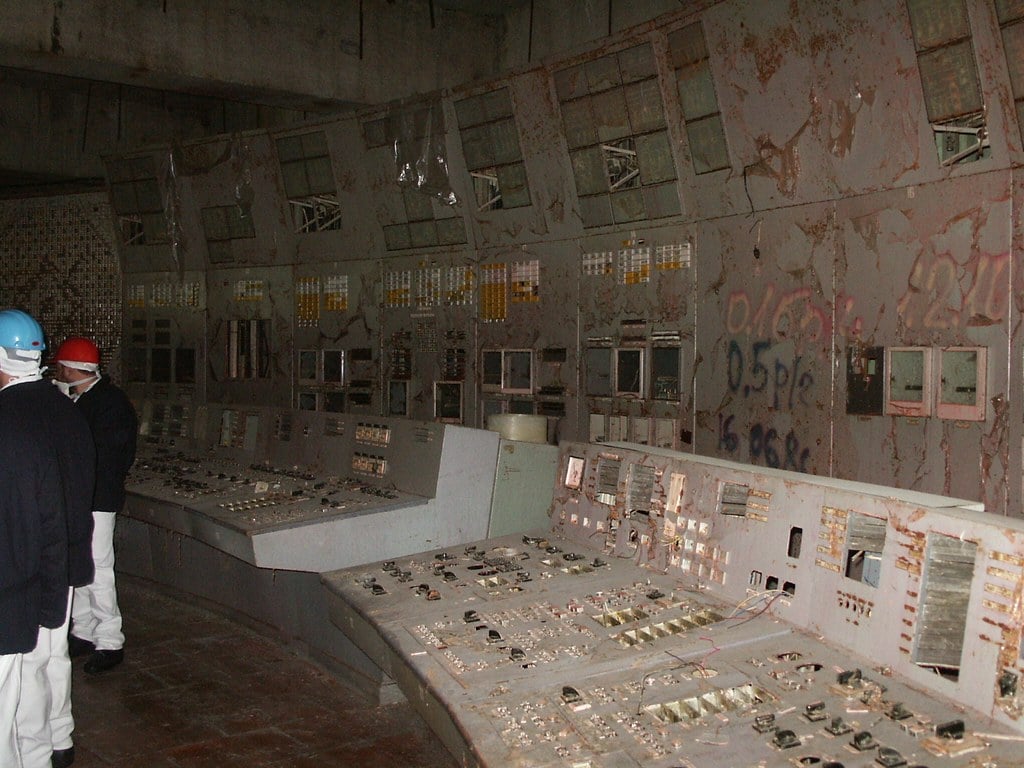
The actual control panels where operators made the fatal decisions that led to the explosion. Buttons, switches, and dials cover every surface.
Chairs sit empty at the consoles. The room is heavily contaminated but has been cleaned enough for brief supervised visits.
Everything looks remarkably preserved.
The Cooling Pond
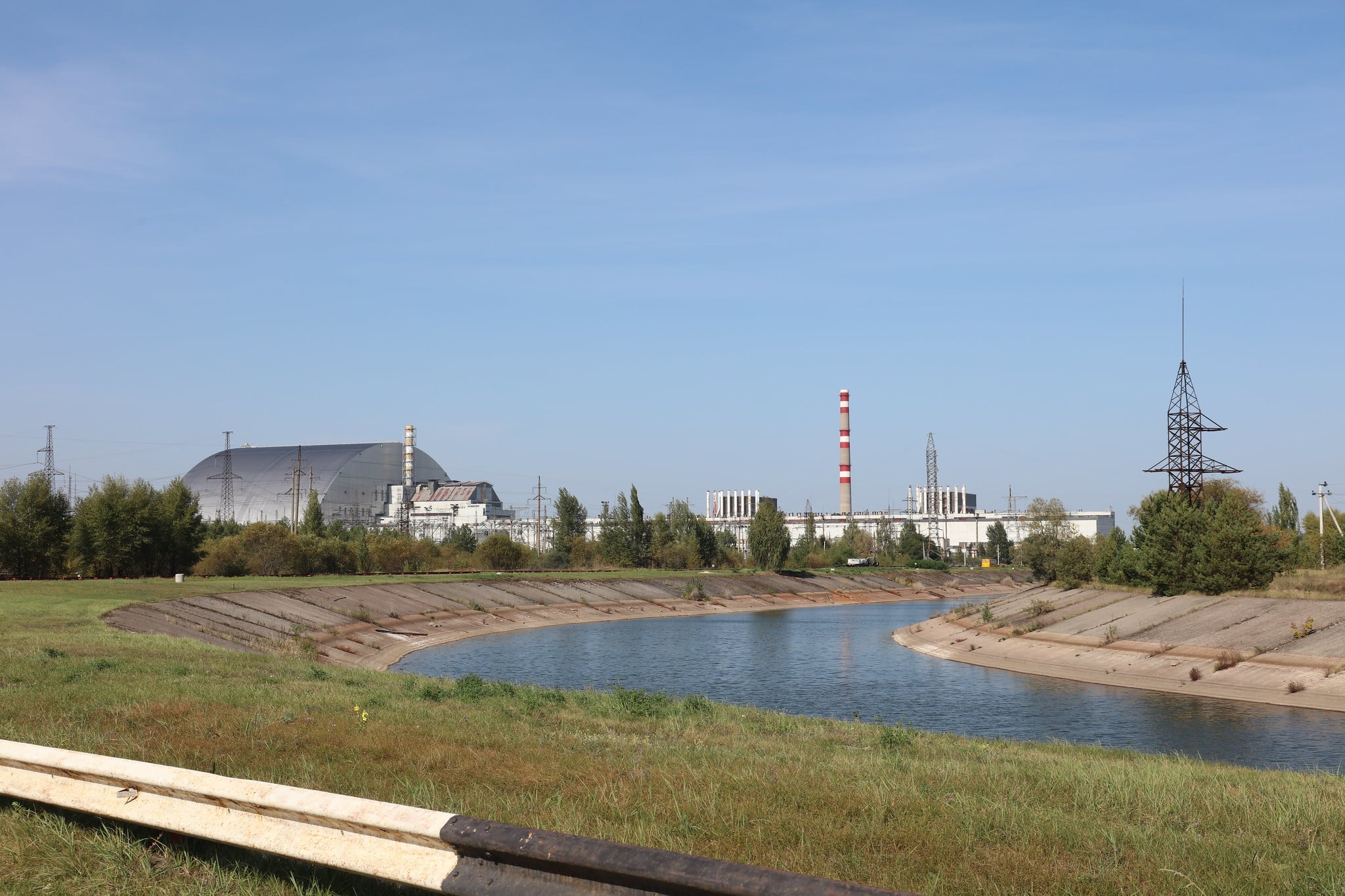
This artificial lake was created to cool the reactors. It’s now home to giant catfish that grew to unusual sizes in the warm water with no fishing pressure.
The fish aren’t radioactive enough to harm, but they’re definitely not safe to eat. The pond has become an accidental wildlife sanctuary.
Vehicle Graveyard at Rassokha
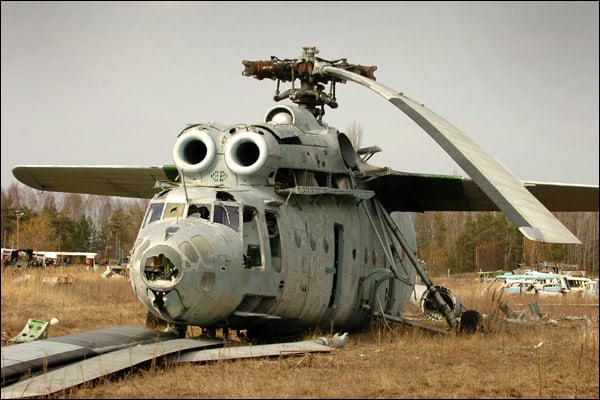
Hundreds of trucks, buses, fire engines, and helicopters were used in the cleanup. They became too contaminated to ever use again.
Now they sit in organized rows in the forest, slowly being consumed by rust and vegetation. Some vehicles look like they could start up tomorrow.
Others are barely recognizable as machinery.
The Bridge of Death
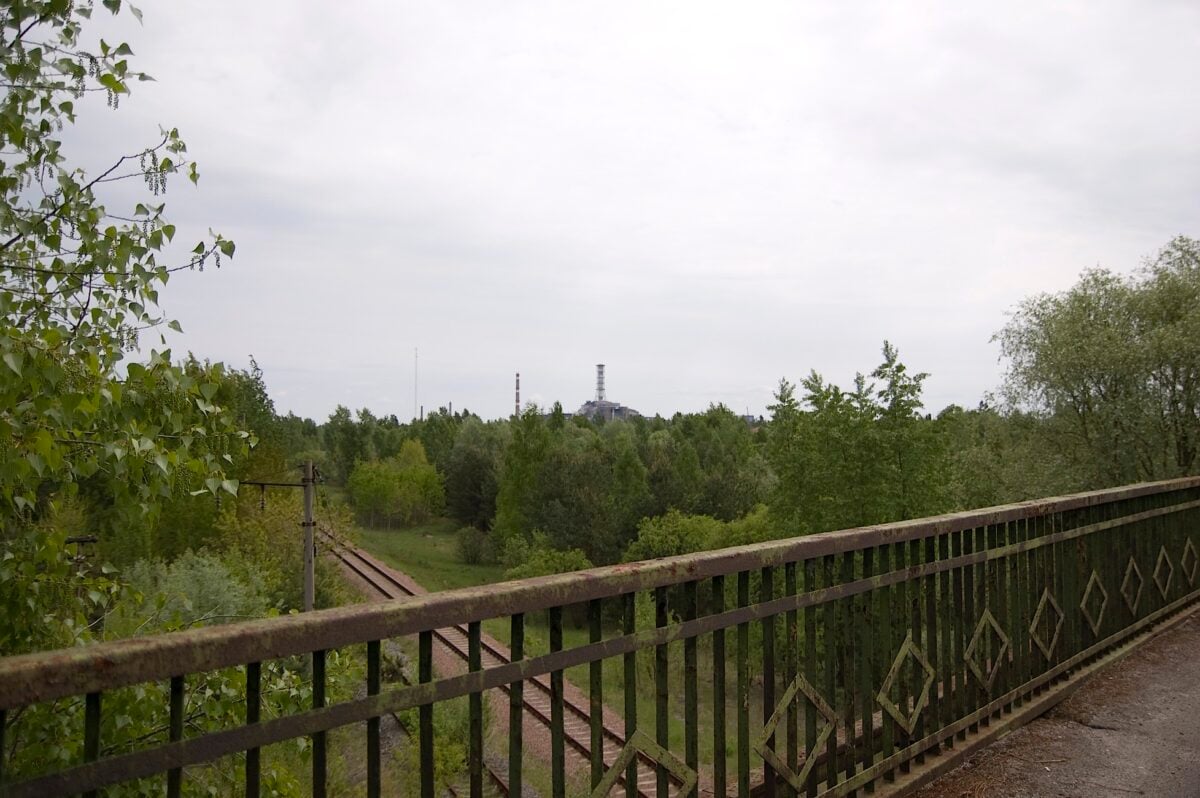
This railroad bridge provided one of the best views of the burning reactor on the night of the accident. Residents gathered here to watch, not knowing they were being exposed to lethal radiation.
Many who stood on this bridge that night later died from radiation exposure. The bridge still stands, crossing over empty tracks.
Pripyat Amusement Park Bumper Cars
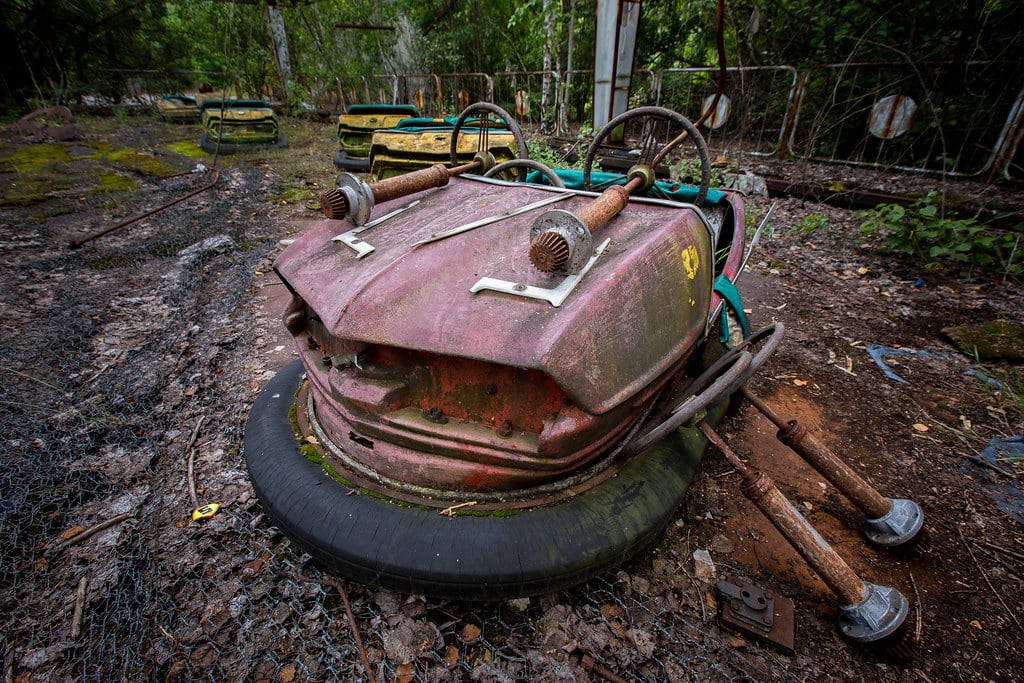
The bumper car pavilion sits next to the Ferris wheel. The cars remain on the floor, their paint chipped and faded.
Electrical wiring dangles from the ceiling. The booth where attendants would have collected tickets is empty.
Graffiti now covers some of the cars—modern visitors leaving their mark.
The City Hospital Operating Room
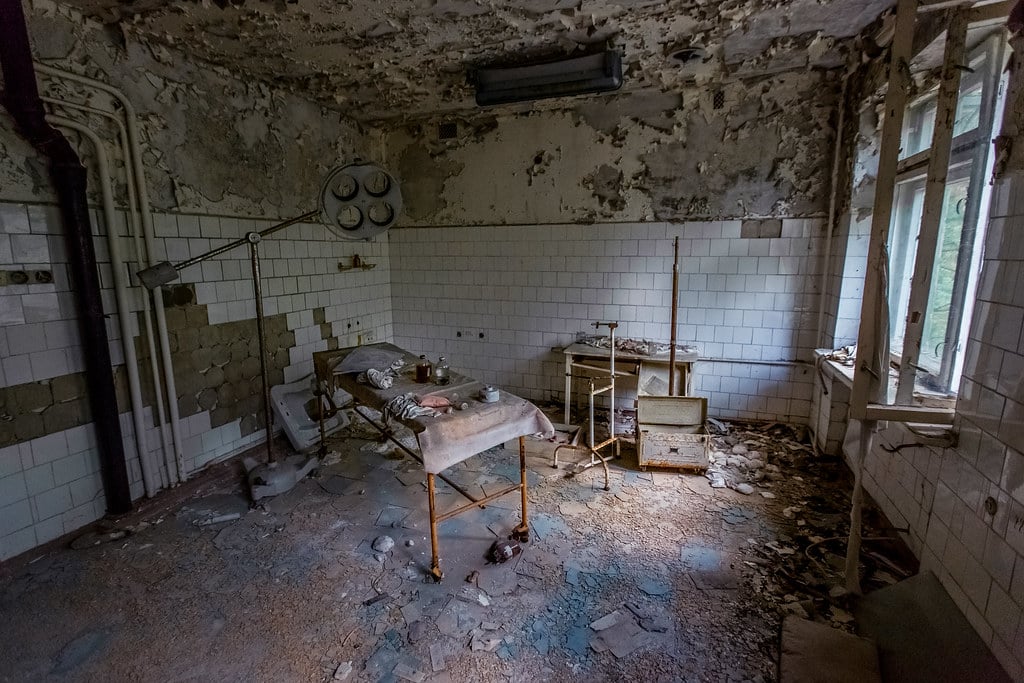
Surgical lights hang from the ceiling above the operating table. Medical instruments rust in glass cabinets.
X-ray films are scattered on the floor. The surgery was abandoned mid-preparation, with supplies still laid out.
This room operated for years after the evacuation, serving cleanup workers before being permanently closed.
Chernobyl-2 Military Base
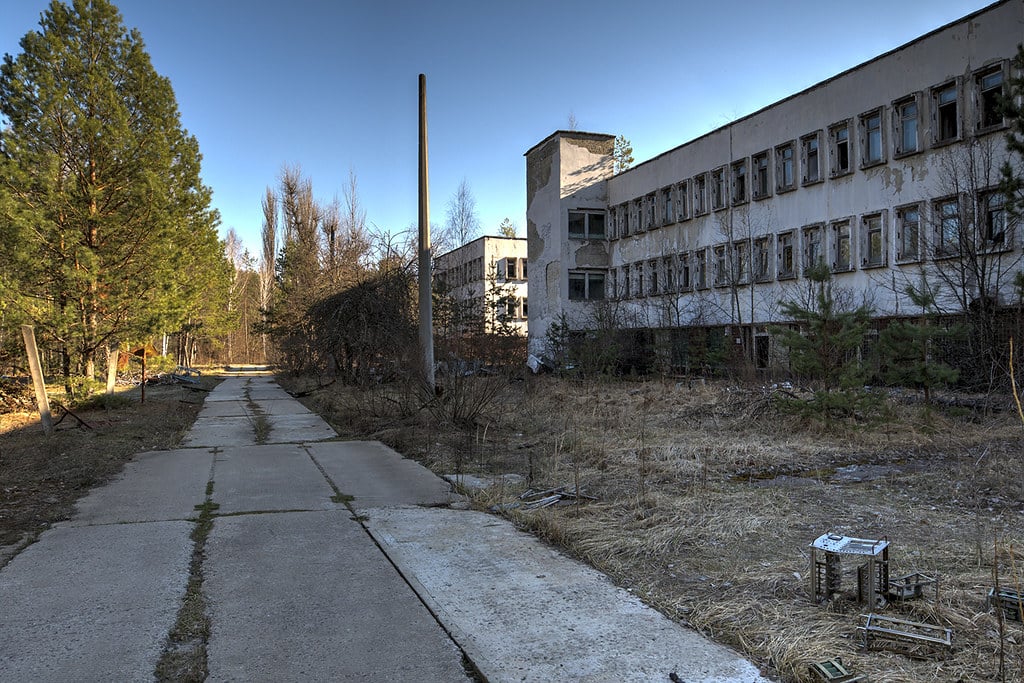
This secret military installation housed personnel operating the Duga radar. An entire closed city existed here, complete with apartments, a sports complex, and a swimming pool.
The buildings now stand empty, ransacked by looters. Soviet emblems and murals depicting military pride still decorate the walls.
The Woodland Cafe
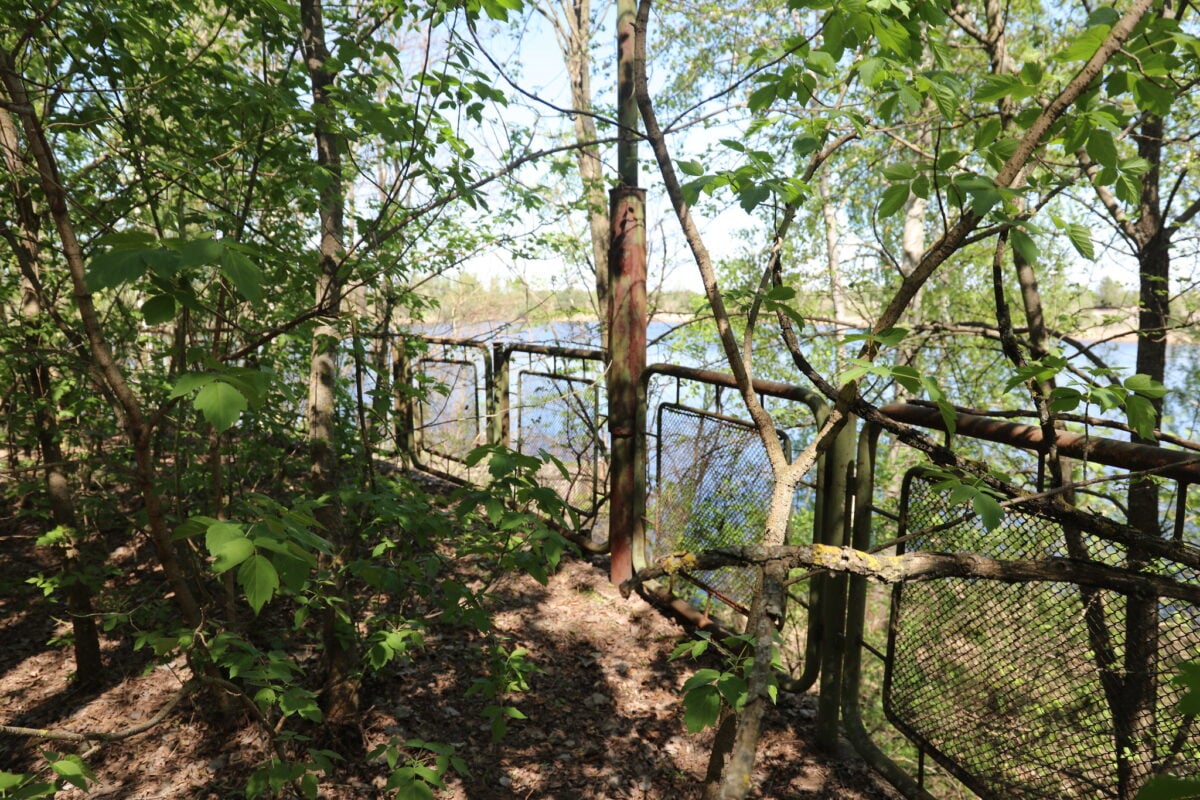
This restaurant in Pripyat served local specialties and was a popular gathering spot. The dining room is filled with overturned furniture.
The kitchen equipment remains, though most portable items were looted years ago. A mural depicting the Ukrainian countryside covers one wall, the paint cracked but the pastoral scene is still visible.
Pripyat Stadium

The sports complex could seat thousands of spectators. The track circles the overgrown field where grass and small trees now grow.
The scoreboard is barely legible. Stadium seating crumbles, with chunks of concrete falling into the aisles below.
The place once echoed with cheering crowds. Now only wind and birds make noise here.
Inside the Pripyat Hotel
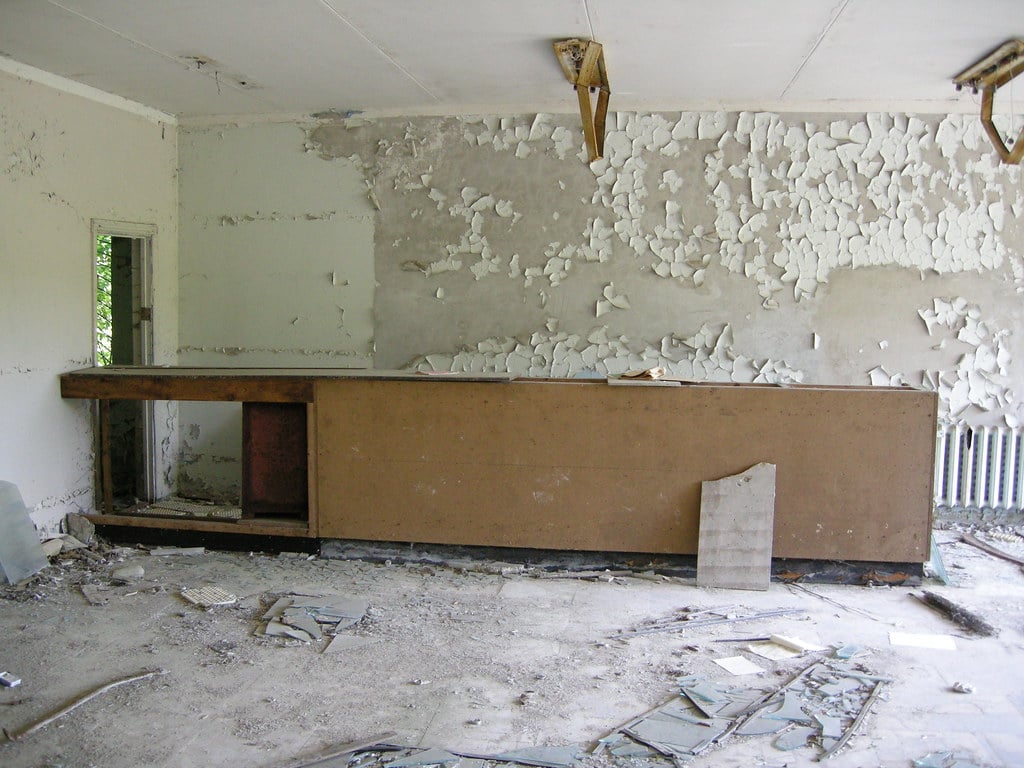
The hotel served visitors and officials. Room doors hang open.
Bathtubs fill with debris from collapsed ceilings. Mattresses lie rotting on metal bed frames.
The restaurant on the ground floor still has its bar, though all the bottles are long gone. Telephone booths in the lobby hold receivers covered in rust.
The Post Office Communications Center

Rows of telephone switchboards line the walls. This is where all calls into and out of Pripyat were routed.
The equipment looks surprisingly complex for its era. Chairs sit at each station, ready for operators who never returned.
Papers and logbooks scatter across desks, their ink faded to near illegibility.
Winter at the Power Plant
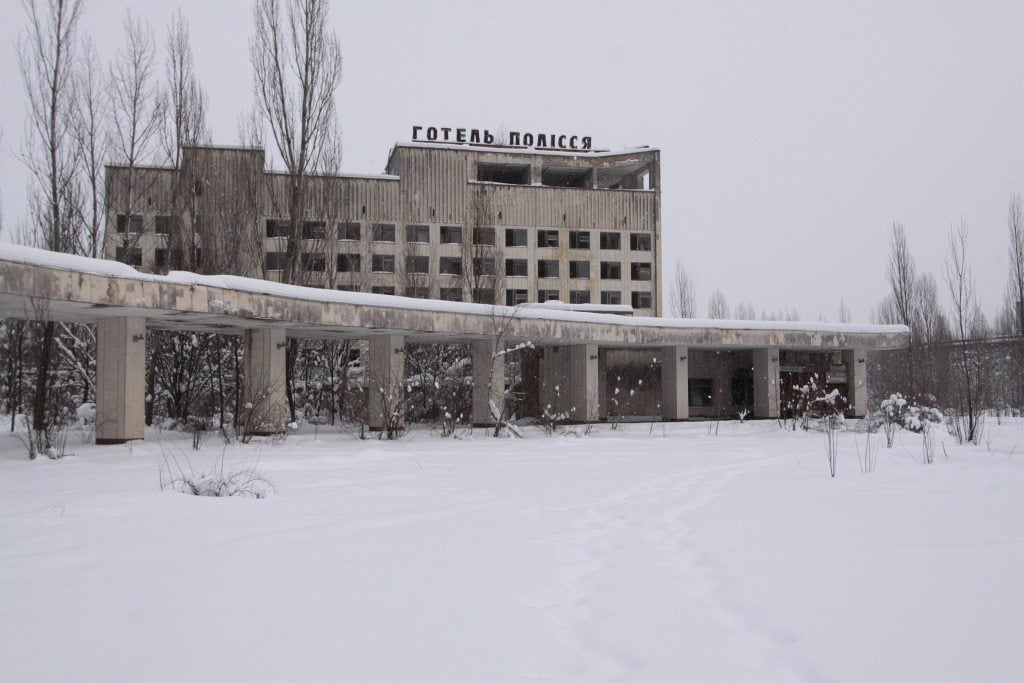
Snow covers the exclusion zone for several months each year. The power plant looks almost serene under a blanket of white.
The massive structure reflects in the Pripyat River, frozen at its edges. Winter makes everything look cleaner, hiding the decay under fresh snow.
But the contamination remains, just out of sight.
The Unfinished Reactors Five and Six
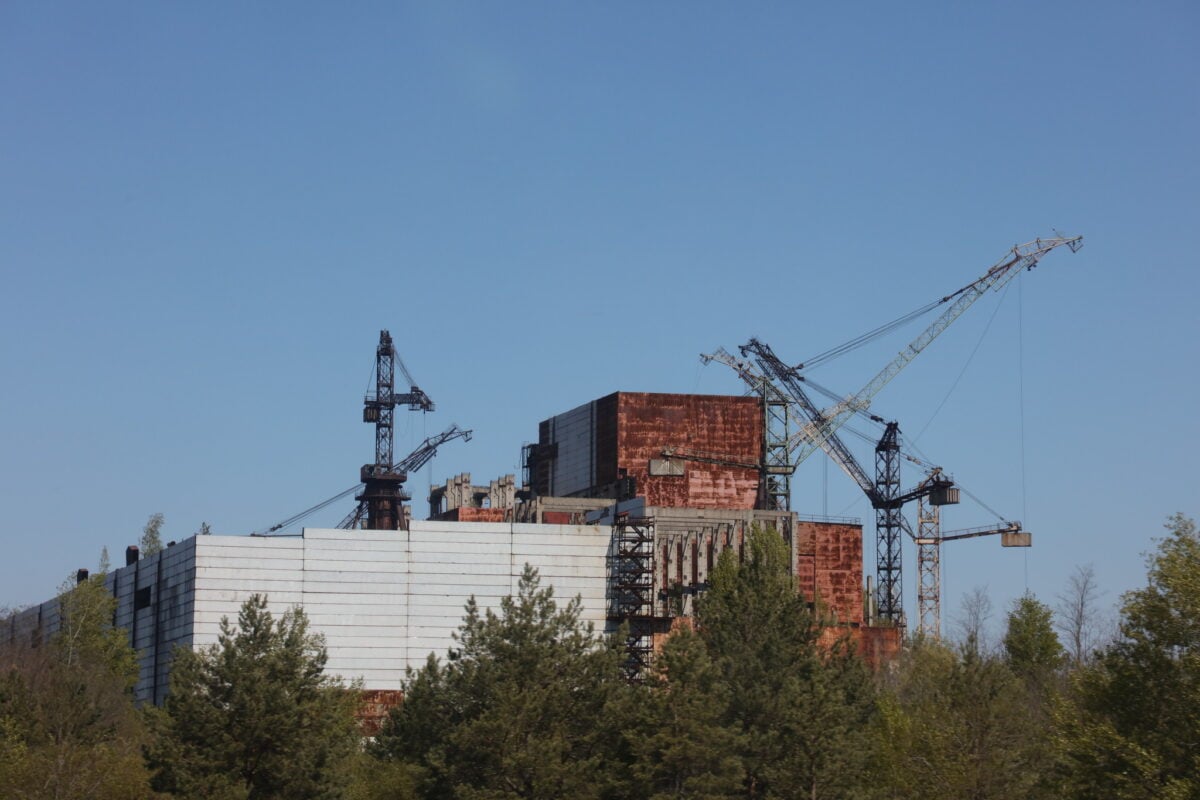
When the accident struck, builders were still working on two more reactors. Right then, everything came to a halt.
Tall concrete frames remain half-built, with cranes stuck mid-swing. A few parts almost reached the finish.
Meanwhile, several areas never rose past ground level. Those silent shells show what Chernobyl might have become.
Where the Quiet Settles

Out here now, quiet feels thick enough to hold. Birdsong weaves through branches while breeze moves leaves – no engines, no chatter breaking it up.
Pictures show empty rooms, yet miss how sound just stops, like air itself remembers being full. Roots crack pavement slowly, moss climbs walls without hurry, green taking back what concrete held.
No one stays because the event made staying impossible, leaving gaps where life used to flow. What stands is neither gone nor new, frozen mid-breath between then and whatever follows.
More from Go2Tutors!

- The Romanov Crown Jewels and Their Tragic Fate
- 13 Historical Mysteries That Science Still Can’t Solve
- Famous Hoaxes That Fooled the World for Years
- 15 Child Stars with Tragic Adult Lives
- 16 Famous Jewelry Pieces in History
Like Go2Tutors’s content? Follow us on MSN.



