Mega Yachts that Double as Floating Mansions
There’s big, and then there’s mega yacht big.
These aren’t the vessels you see bobbing in your average marina — they’re closer to oceangoing skyscrapers laid on their side, complete with everything a landlocked mansion might offer and then some.
The world’s largest privately owned yachts have transcended the traditional idea of maritime luxury.
They’ve become floating estates where billionaires and royalty can live, entertain, and travel without sacrificing a single amenity they’d find at home.
In fact, many of these vessels arguably offer more than any stationary residence ever could.
What makes a yacht worthy of the ‘floating mansion’ label isn’t just size, though that certainly helps.
It’s the combination of square footage, volume, and features that would make even the most extravagant penthouse seem modest by comparison.
These vessels can measure over 500 feet in length, with some approaching 600 feet.
To put that in perspective, that’s nearly two football fields of luxury cutting through the waves.
But length is only part of the equation.
The interior volume can reach over 15,000 gross tons, providing enough space for amenities most people associate with high-end resorts rather than boats.
Here’s a closer look at what sets these maritime palaces apart and which vessels are redefining what it means to live on the water.
Azzam
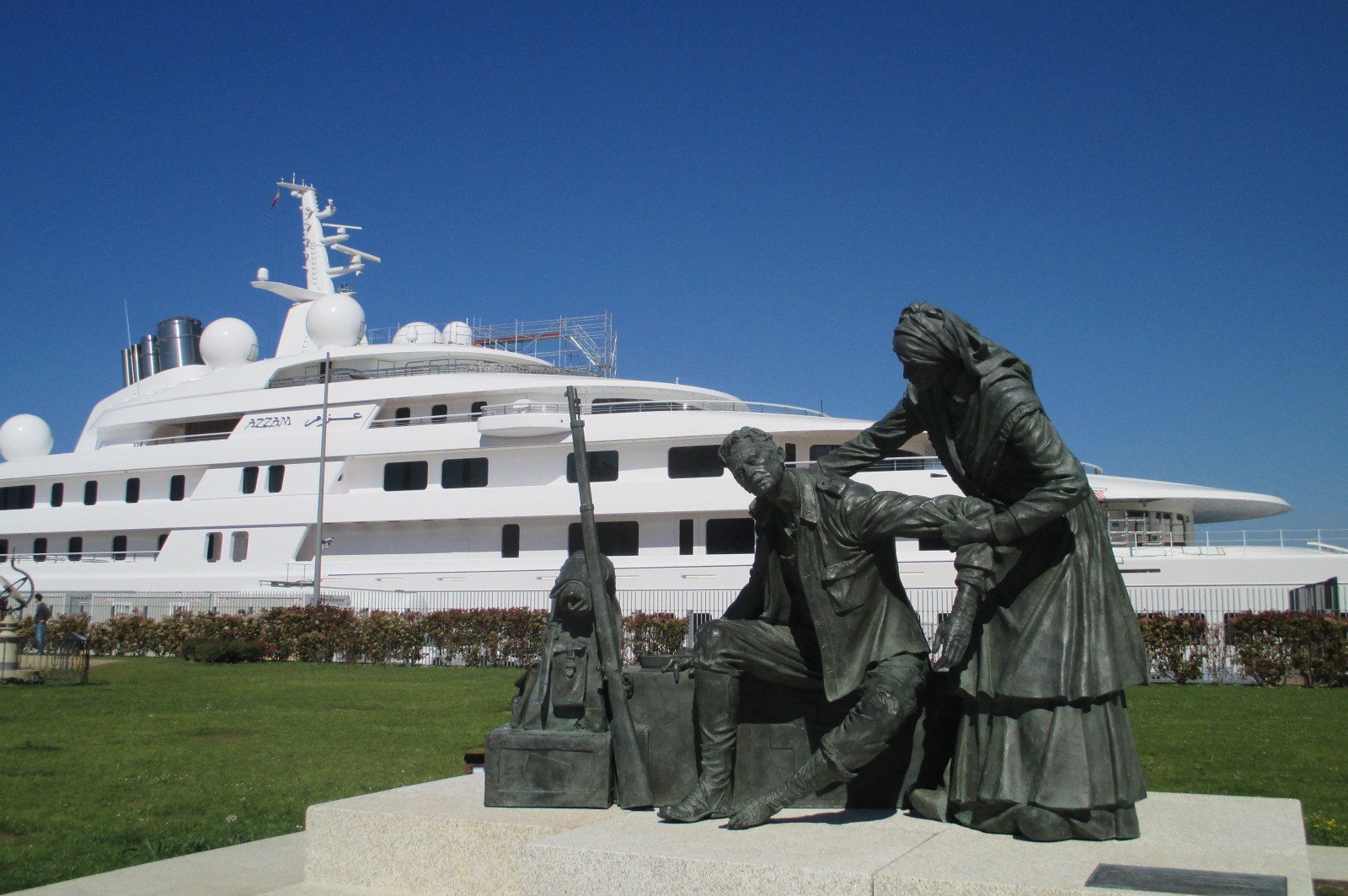
At nearly 593 feet, Azzam has held the title of the world’s longest yacht since its launch in 2013.
Built by the German shipyard Lürssen for a member of Abu Dhabi’s royal family, this vessel doesn’t just dominate in length — it’s also surprisingly fast.
The yacht can reach speeds exceeding 30 knots thanks to powerful jet engines, making it one of the quickest mega yachts on the water.
That’s roughly 35 miles per hour, which sounds modest until you remember this thing is nearly 600 feet long and displaces thousands of tons.
The exterior design comes from Nauta Yachts, while the interiors were handled by French decorator Christophe Leoni.
Details about the inside remain closely guarded, as is typical with royal vessels, but the sheer scale suggests accommodations that rival any five-star hotel.
Azzam requires specialized crews and advanced technology to operate, which is standard for vessels of this magnitude.
When you’re piloting something this massive, you need more than just nautical know-how — you need a small army of engineers, maintenance staff, and hospitality professionals.
Eclipse
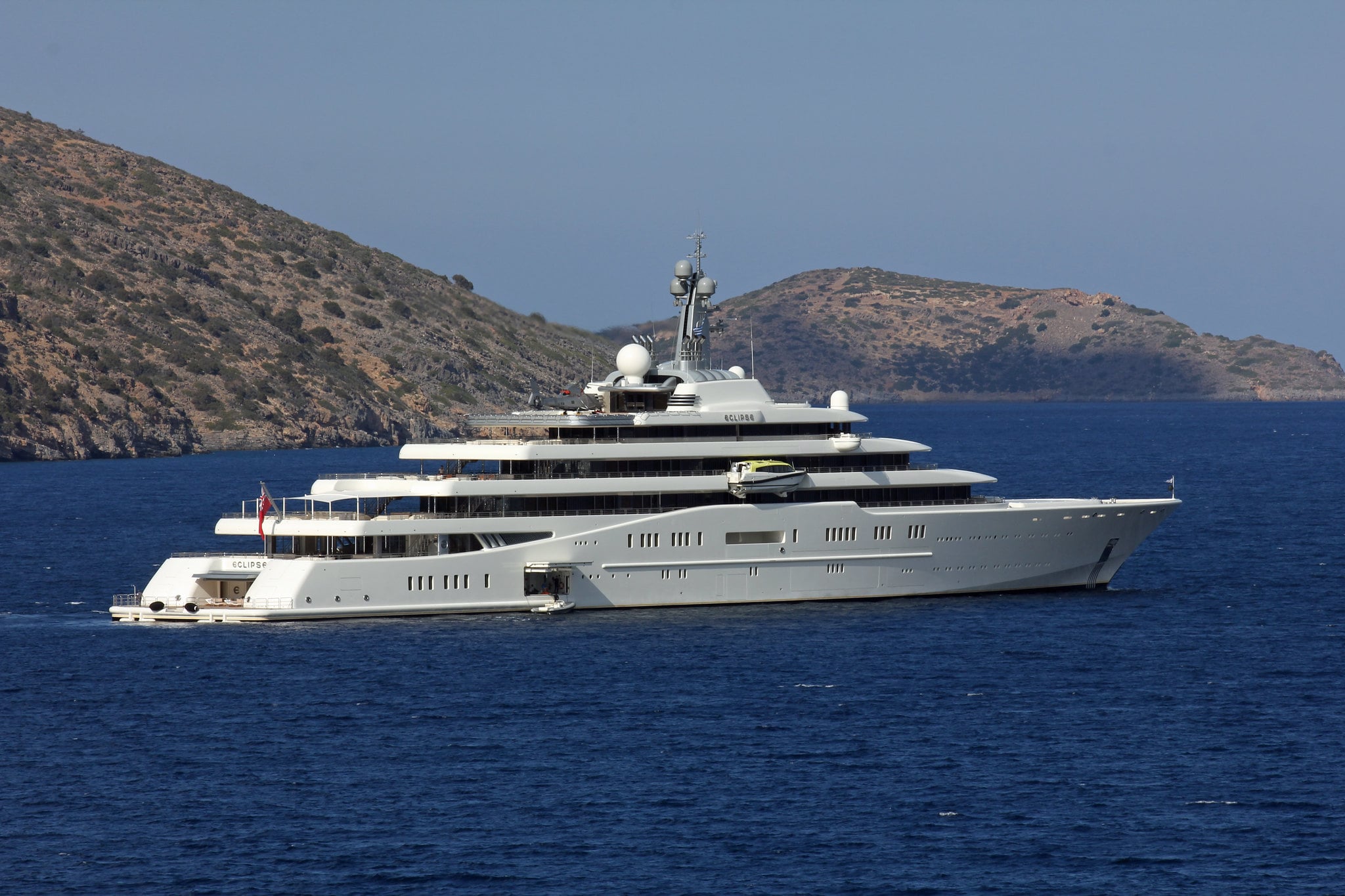
For years, Eclipse held the crown as the world’s largest yacht before Azzam surpassed it.
But don’t feel too sorry for this 533-footer.
Owned by Russian billionaire Roman Abramovich, Eclipse features two helicopter pads, 24 guest cabins, two swimming pools, and a mini-submarine capable of diving to 164 feet.
That submarine detail alone shows how these vessels go beyond typical luxury.
They’re not just about showing off wealth — they’re about offering experiences that simply aren’t available anywhere else.
The yacht can reach speeds up to 21.5 knots and has a cruising range of approximately 6,000 nautical miles, meaning it could theoretically sail from New York to London without refueling.
The vessel also reportedly includes advanced security features befitting its owner’s profile, though specific details remain under wraps.
Eclipse isn’t just a floating mansion — it’s a floating fortress, designed to provide both luxury and protection in international waters.
Dilbar
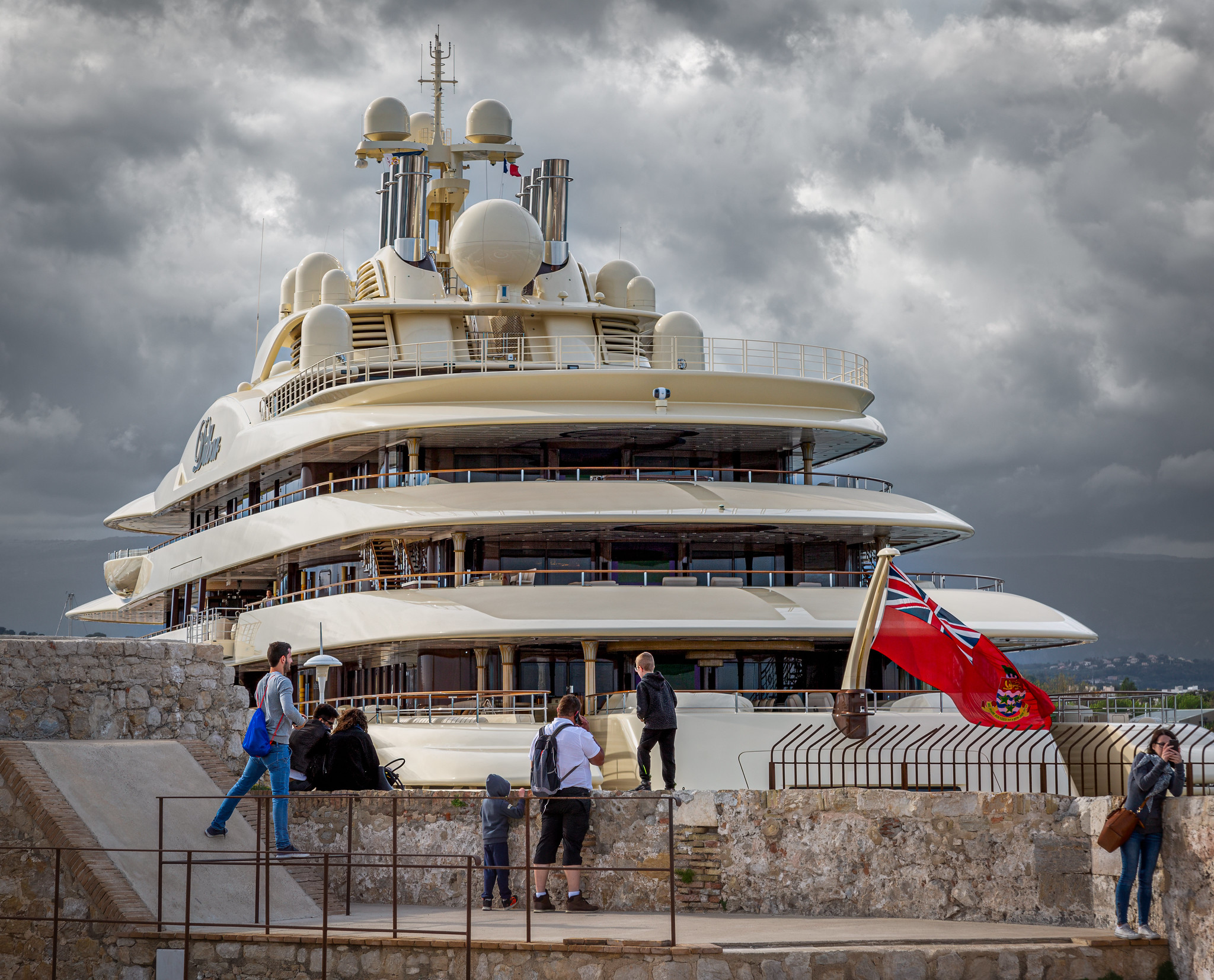
Length isn’t everything when measuring mega yachts.
While Dilbar measures about 512 feet — shorter than both Azzam and Eclipse — she holds the record for the world’s largest yacht by gross tonnage at 15,917 tons.
That means more internal volume, more space for amenities, and more of everything that makes these vessels extraordinary.
Owned by Russian billionaire Alisher Usmanov, Dilbar was reportedly built because he found his previous 360-foot yacht too cramped.
That’s the kind of problem most people can’t relate to.
The yacht features an 82-foot swimming pool, rumored to be the longest pool ever installed on a yacht at the time of construction.
An 82-foot pool on a boat.
That’s longer than most community pools on land.
Dilbar also includes two helipads and can accommodate a substantial number of guests and crew.
The German shipyard Lürssen built this giant, continuing their dominance in the mega yacht market.
Somnio
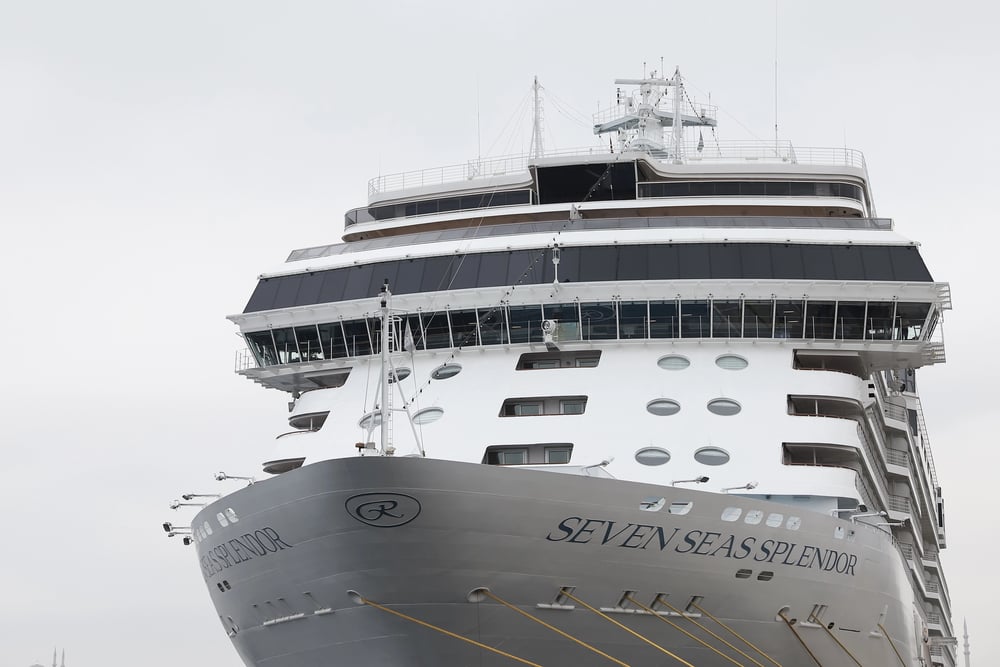
While the previously mentioned yachts are impressive, Somnio represents a completely different concept.
Measuring 728 feet and still under construction, Somnio is described as the world’s first ‘yacht-liner’ — a hybrid between a superyacht, cruise ship, and residential home.
This isn’t a vessel with guest cabins.
It will feature 30 luxury private residences, similar to apartments, which start around $11 million and can only be acquired through invitation.
The concept takes the floating mansion idea to its logical extreme.
Rather than visiting occasionally, owners will actually live aboard Somnio as it circumnavigates the globe.
With hand-picked residences that require an invitation to purchase, Somnio is creating an exclusive community that combines luxury living with perpetual travel.
The design work comes from Winch Design and Tillberg Design of Sweden, both renowned in the yachting world.
When completed, Somnio won’t just be the largest yacht — it’ll represent an entirely new category of vessel.
Fulk Al Salamah
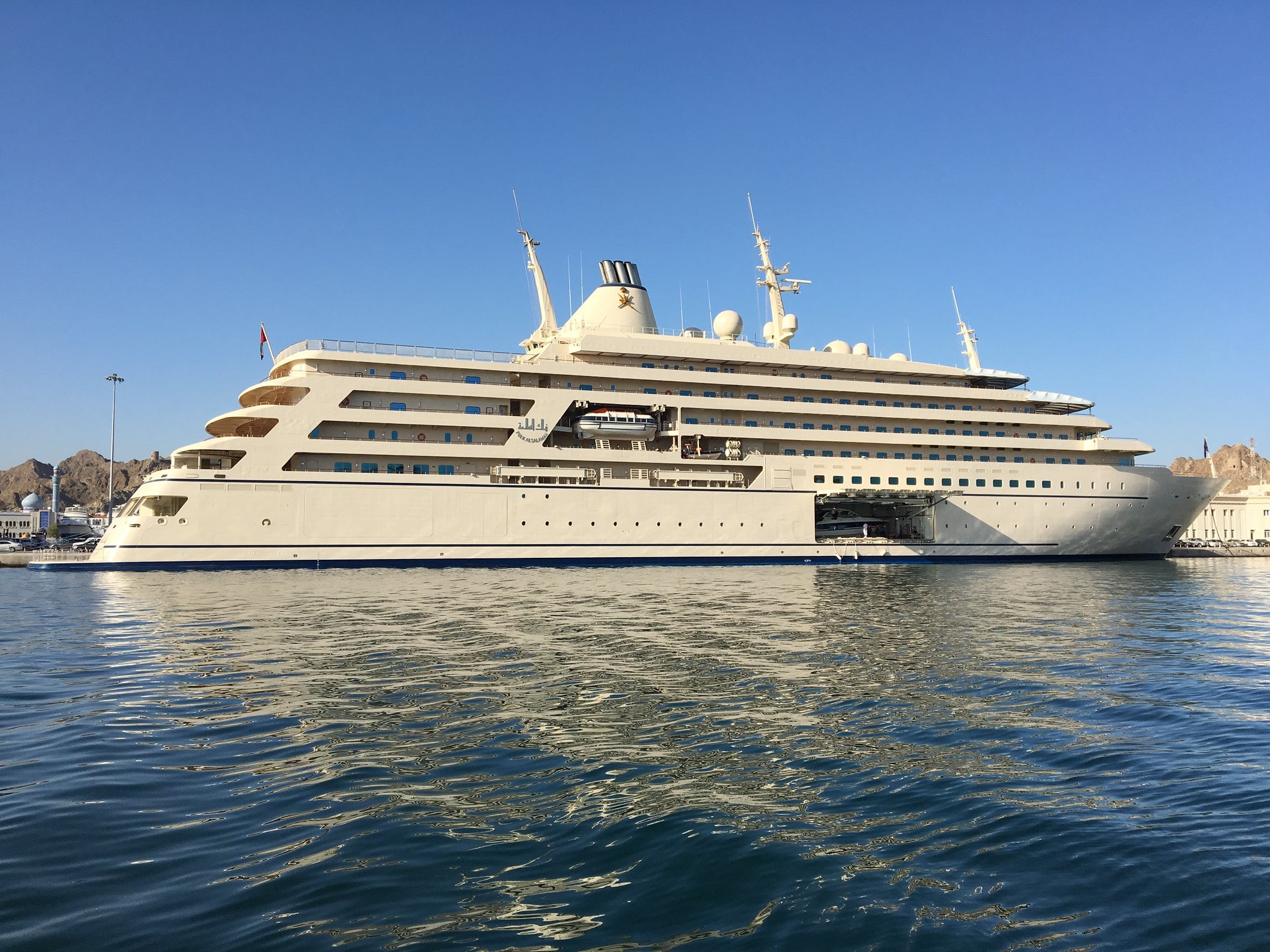
At 538 feet, Fulk Al Salamah serves as a royal support vessel for Oman’s royal family.
That ‘support vessel’ designation might sound modest, but don’t be fooled.
These boats carry extra helicopters, boats, and supplies for even bigger yachts while featuring their own luxury amenities.
Built by Italian shipyard Mariotti Yachts, Fulk Al Salamah demonstrates that even support vessels in this world operate at a level of luxury most people will never experience.
The yacht includes a cinema room, large dining areas, and a helicopter landing pad, accommodating up to 40 guests and a crew of 70.
That crew-to-guest ratio ensures exceptional service levels.
With 70 people dedicated to maintaining and operating the vessel, every need can be anticipated and met immediately.
The yacht also serves diplomatic purposes, functioning as a floating ambassador for Oman during international voyages.
Dubai
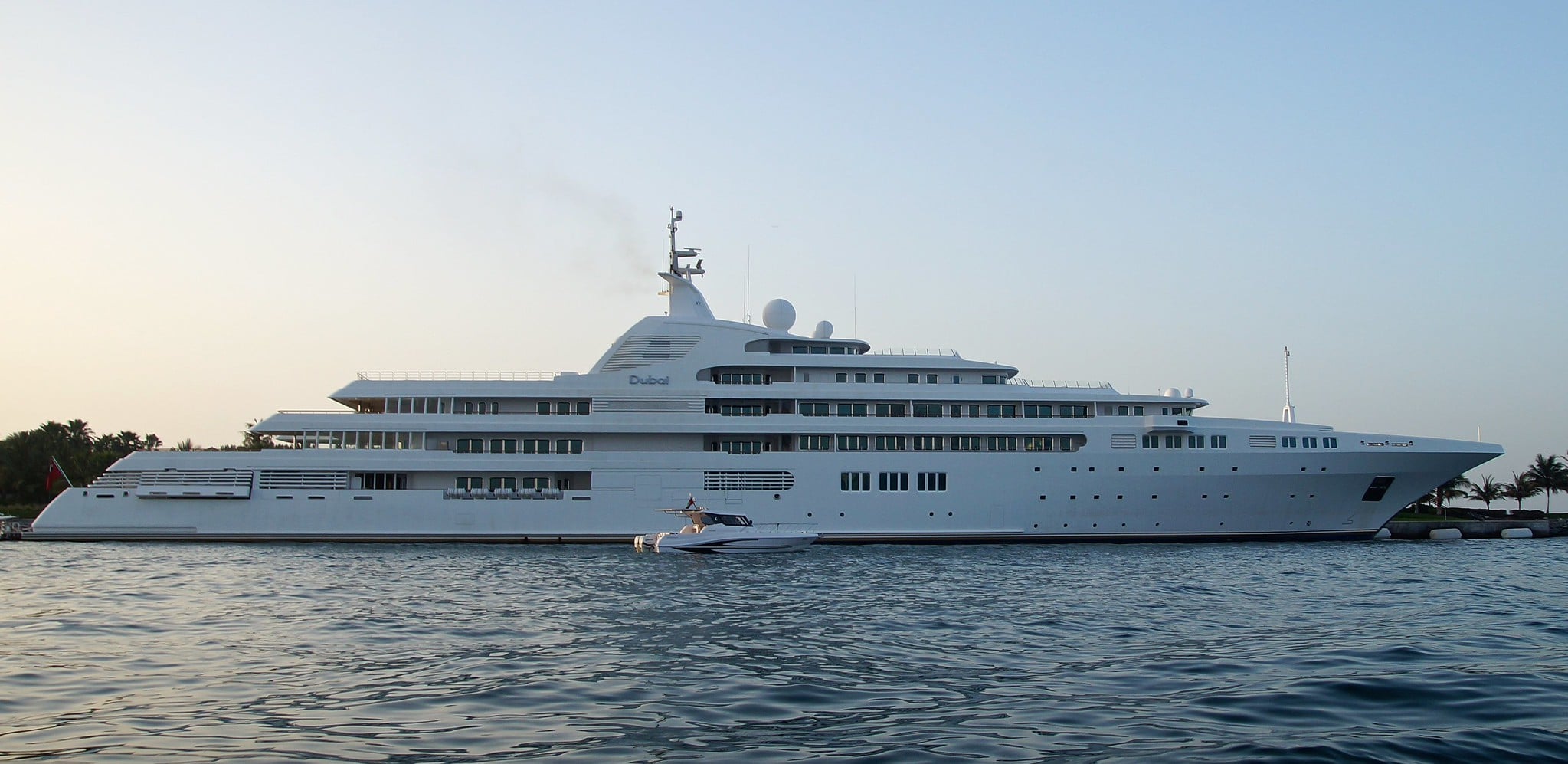
The Dubai yacht measures 531 feet and serves as the royal yacht for Sheikh Mohammed bin Rashid Al Maktoum of Dubai.
Built over five years using a diesel-electric propulsion system, this vessel prioritizes both performance and luxury.
Dubai can host 24 guests beyond the owner’s suite, offering five VIP suites and six guest suites, each with its own private balcony.
The yacht’s most striking interior feature is a 70-foot-wide atrium, and amenities include a swimming pool, barbecue area, cinema, and its own discothèque.
That atrium alone is wider than most people’s entire homes.
The vessel essentially contains an entire entertainment complex, allowing guests to enjoy nightlife, movies, fine dining, and recreation without ever stepping ashore.
Andrew Winch designed the interiors, creating spaces that balance grandeur with functionality.
What Makes Them Mansions
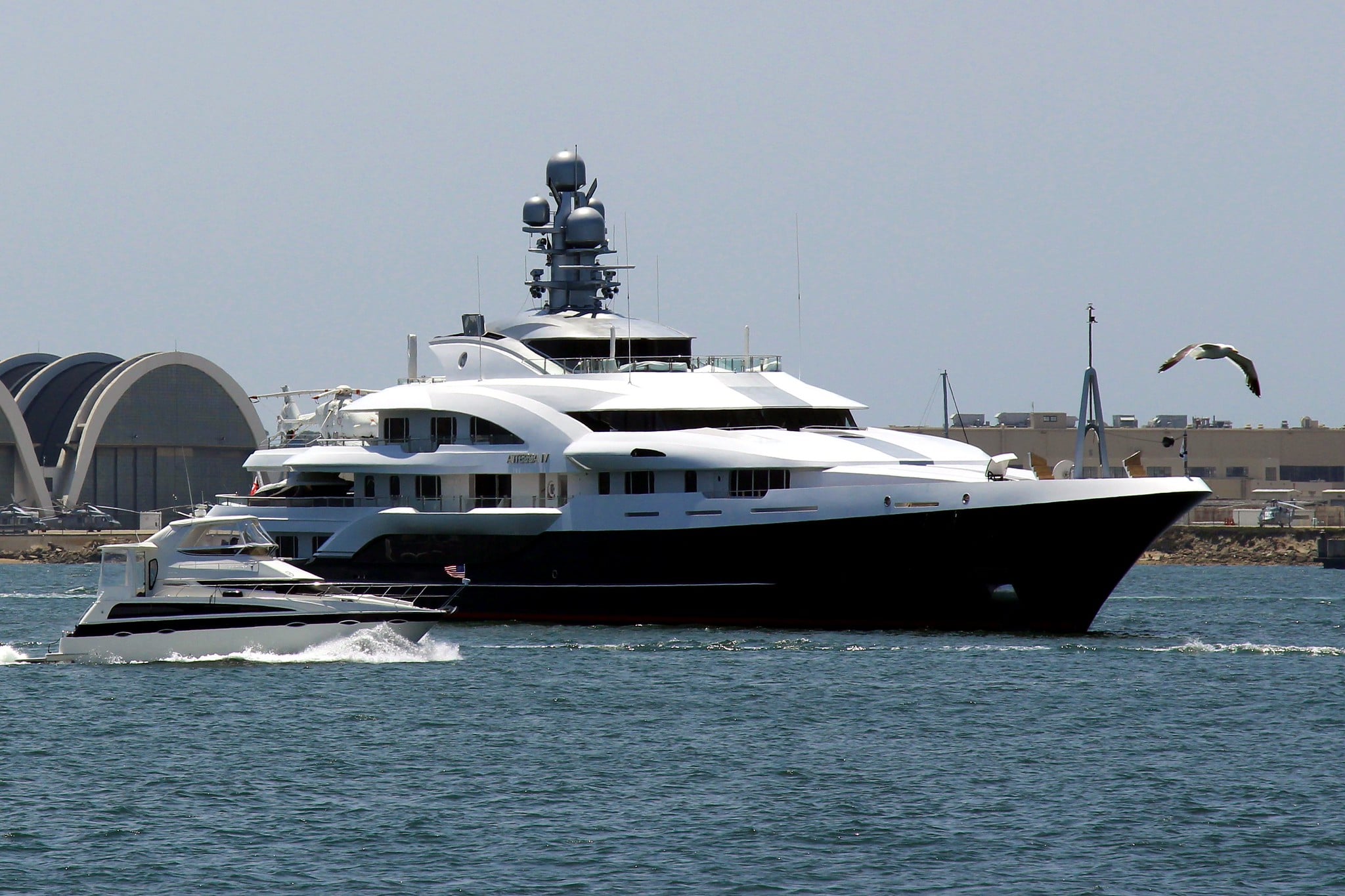
The ‘floating mansion’ designation isn’t marketing hyperbole.
These vessels genuinely replicate the experience of living in a palatial residence.
Most feature multiple swimming pools, full spas, movie theaters, helipads, and vast entertaining spaces.
Many include advanced technology like stabilization systems that keep the boat steady even in rough seas, plus air and water purification systems.
Climate control throughout ensures comfort regardless of whether you’re cruising tropical waters or Arctic seas.
The comparison to mansions extends to privacy and security as well.
Few marinas worldwide can accommodate vessels this large, so these yachts spend much of their time at anchor.
That isolation provides a level of privacy impossible to achieve on land.
No paparazzi boats, no curious tourists, no neighbors.
When you’re anchored miles offshore, your floating mansion becomes your own private island.
The Construction Challenge
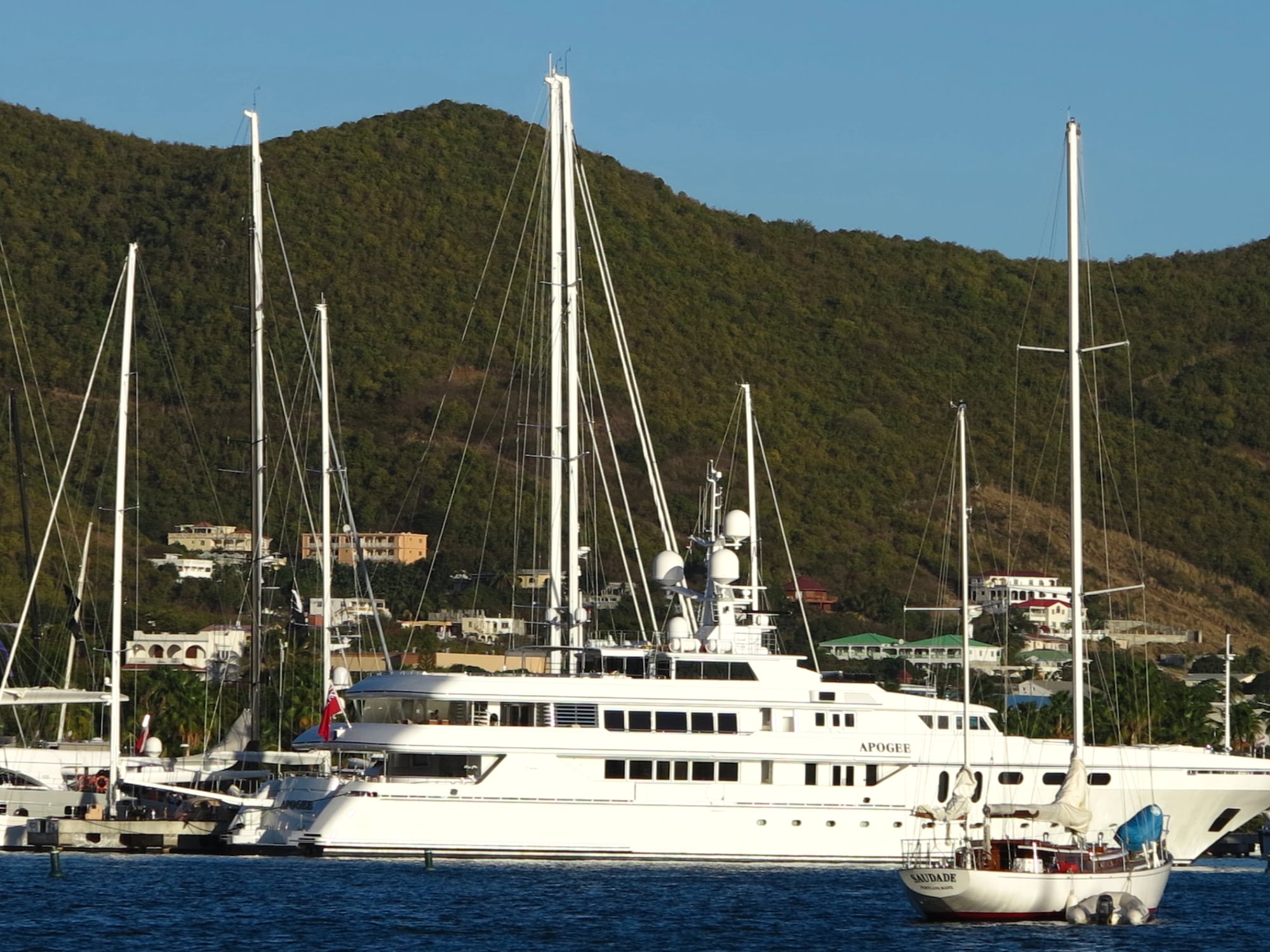
Building these vessels requires specialized shipyards like Lürssen Yachts, Mariotti Yachts, and collaboration with top naval architects and design firms like Winch Design.
Only a handful of shipyards worldwide possess the facilities, expertise, and experience to construct yachts of this magnitude.
Each vessel undergoes rigorous testing at specialized facilities before launch, with construction timelines often extending three to five years.
The engineering challenges are substantial.
These aren’t just scaled-up versions of smaller yachts — they require fundamentally different approaches to hull design, propulsion, stability, and systems integration.
Every component must be custom-designed and manufactured to precise specifications.
The coordination involved is staggering, with hundreds of specialists from dozens of companies working simultaneously on different aspects of the build.
Living Aboard
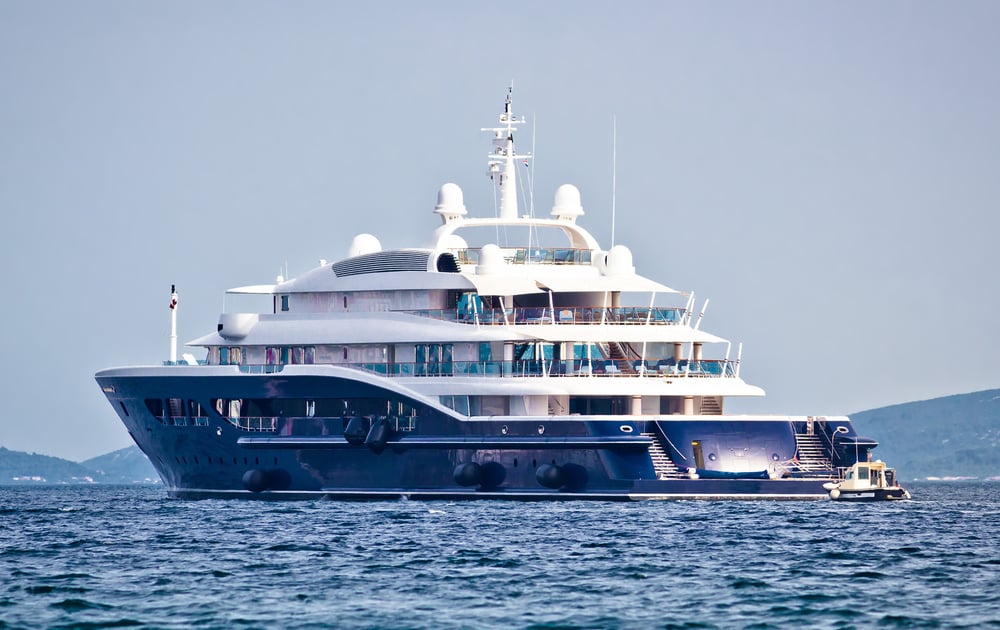
For owners of these mega yachts, the vessels function as primary residences.
They can cruise for thousands of nautical miles without refueling and maintain themselves for extended periods at sea.
The crew handles everything from navigation to food preparation to maintenance, allowing owners to focus entirely on enjoying their time aboard.
It’s like having a five-star hotel that goes wherever you want, whenever you want.
The lifestyle these yachts enable is almost incomprehensible to most people.
Wake up off the coast of Monaco, cruise to Sardinia for lunch, anchor near Capri for dinner.
Or spend months exploring remote Pacific islands, Arctic fjords, or Antarctic waters, all while enjoying amenities that rival any land-based resort.
The yacht becomes not just transportation but a complete living environment that eliminates the usual compromises of travel.
Beyond the Horizon
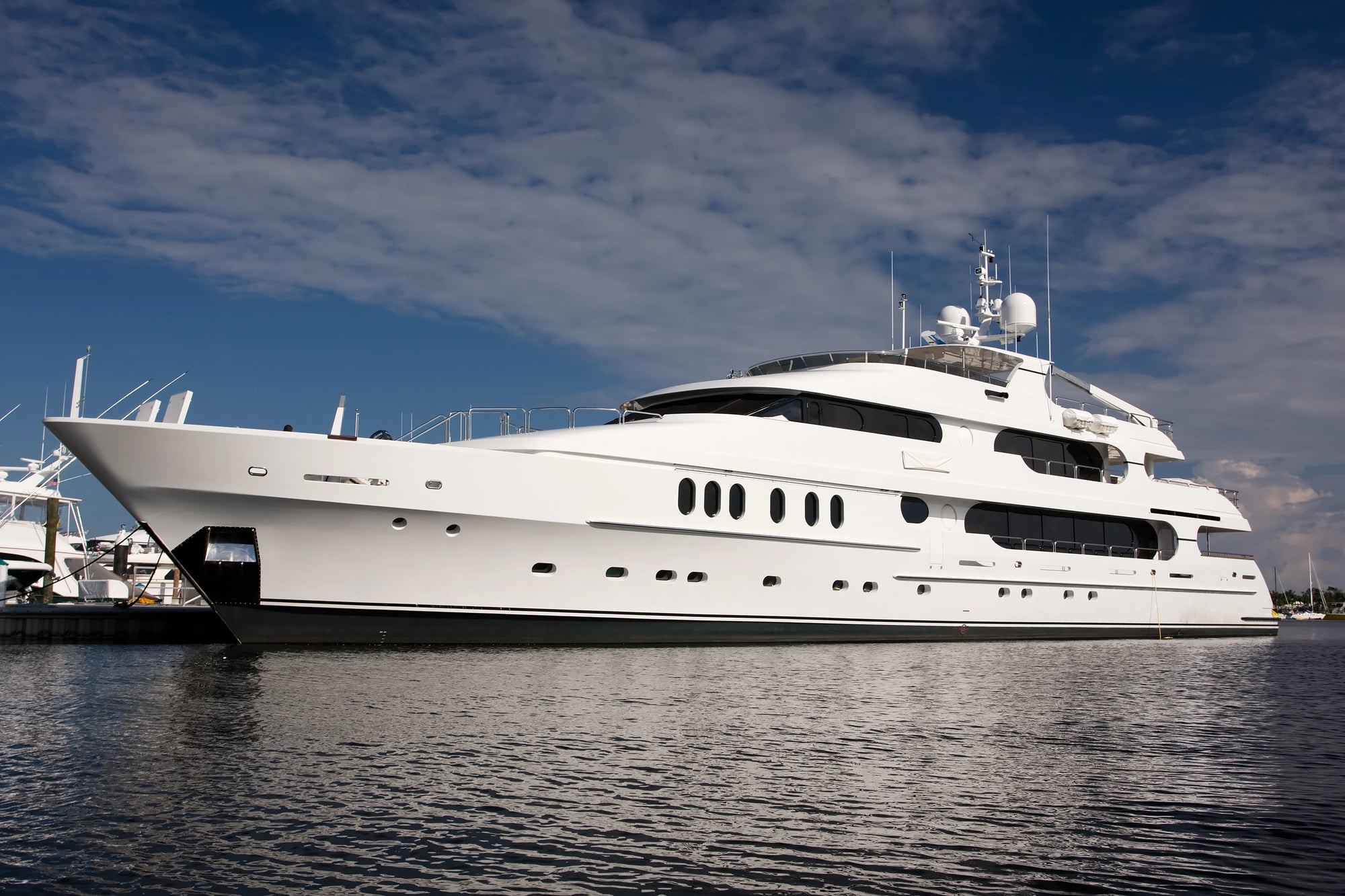
The mega yacht industry continues pushing boundaries.
Recent deliveries include yachts like Luminance at 455 feet with nearly 10,000 gross tons of volume, featuring innovative design elements like extensive glass walls that flood interiors with natural light.
Newer vessels increasingly incorporate environmental considerations alongside luxury, using advanced propulsion systems and sustainable materials where possible.
What started as simply ‘very large yachts’ has evolved into a distinct category of vessel that truly earns the floating mansion description.
These aren’t boats in any traditional sense — they’re mobile estates that happen to float.
With private residences like Somnio pushing the concept even further, the line between yacht and home continues to blur.
For the ultra-wealthy, the question is no longer whether a yacht can replace a mansion.
It’s whether a mansion can offer what these yachts provide: unlimited freedom combined with uncompromising luxury.
The answer, increasingly, seems to be no.
More from Go2Tutors!

- The Romanov Crown Jewels and Their Tragic Fate
- 13 Historical Mysteries That Science Still Can’t Solve
- Famous Hoaxes That Fooled the World for Years
- 15 Child Stars with Tragic Adult Lives
- 16 Famous Jewelry Pieces in History
Like Go2Tutors’s content? Follow us on MSN.