Why Rice is More Complex Than You Think
Rice might look simple sitting on your dinner plate, but this humble grain holds secrets that would surprise most people. For thousands of years, rice has shaped cultures, fed billions, and adapted to conditions that would kill most other crops. What seems like a basic white grain is actually one of nature’s most clever creations.
Ready to discover why rice deserves more respect than it usually gets? These facts will change how you see every grain in your bowl.
There are over 40,000 varieties grown worldwide
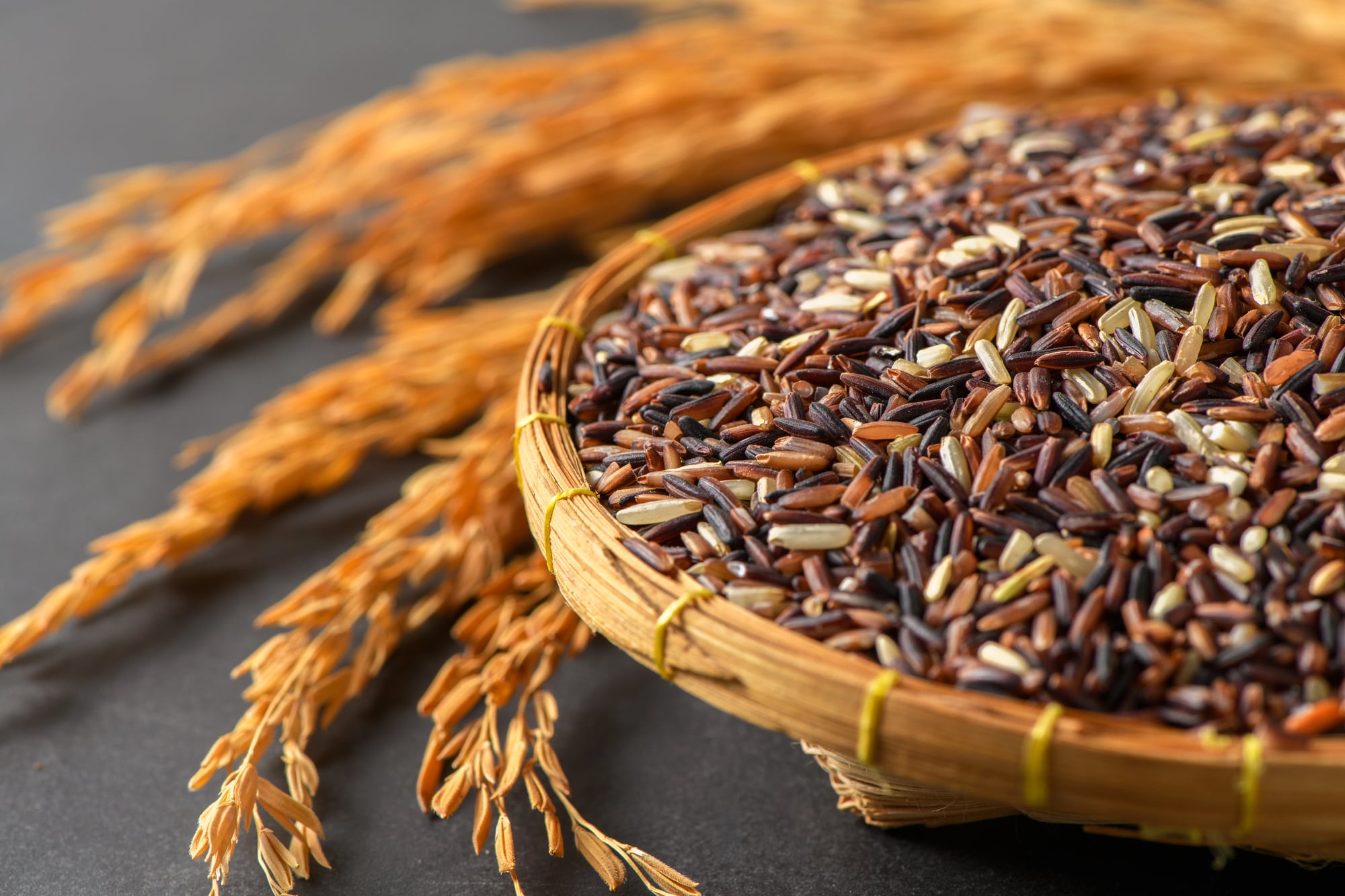
Most people think rice is just rice, but that couldn’t be further from the truth. Scientists have identified more than 40,000 different types of rice around the world.
Each variety has its own personality, flavor, and purpose. Some grow in flooded fields, others thrive on dry mountainsides.
The diversity is mind-boggling when you consider that they all started from the same basic plant thousands of years ago.
Basmati grains actually grow longer when cooked
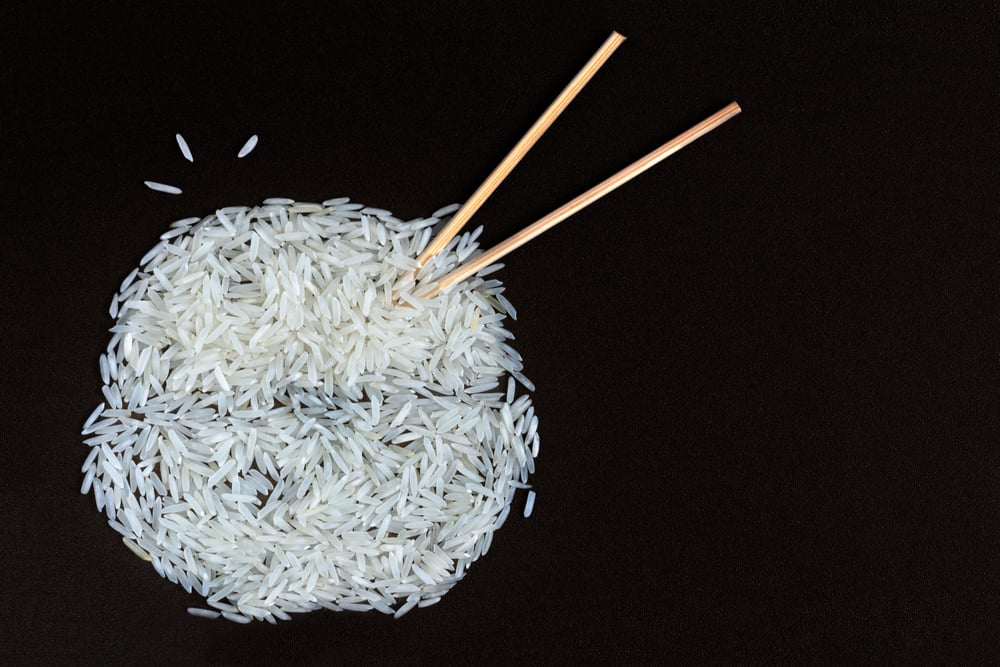
Basmati rice has a unique quality where the grains expand lengthwise rather than widthwise when cooked. This happens because of the rice’s special starch structure.
The grains can nearly double in length while staying slender and separate. This trait makes basmati perfect for dishes where you want individual grains to shine, not stick together in a clump.
Like Go2Tutors’s content? Follow us on MSN.
Wild rice isn’t actually rice at all
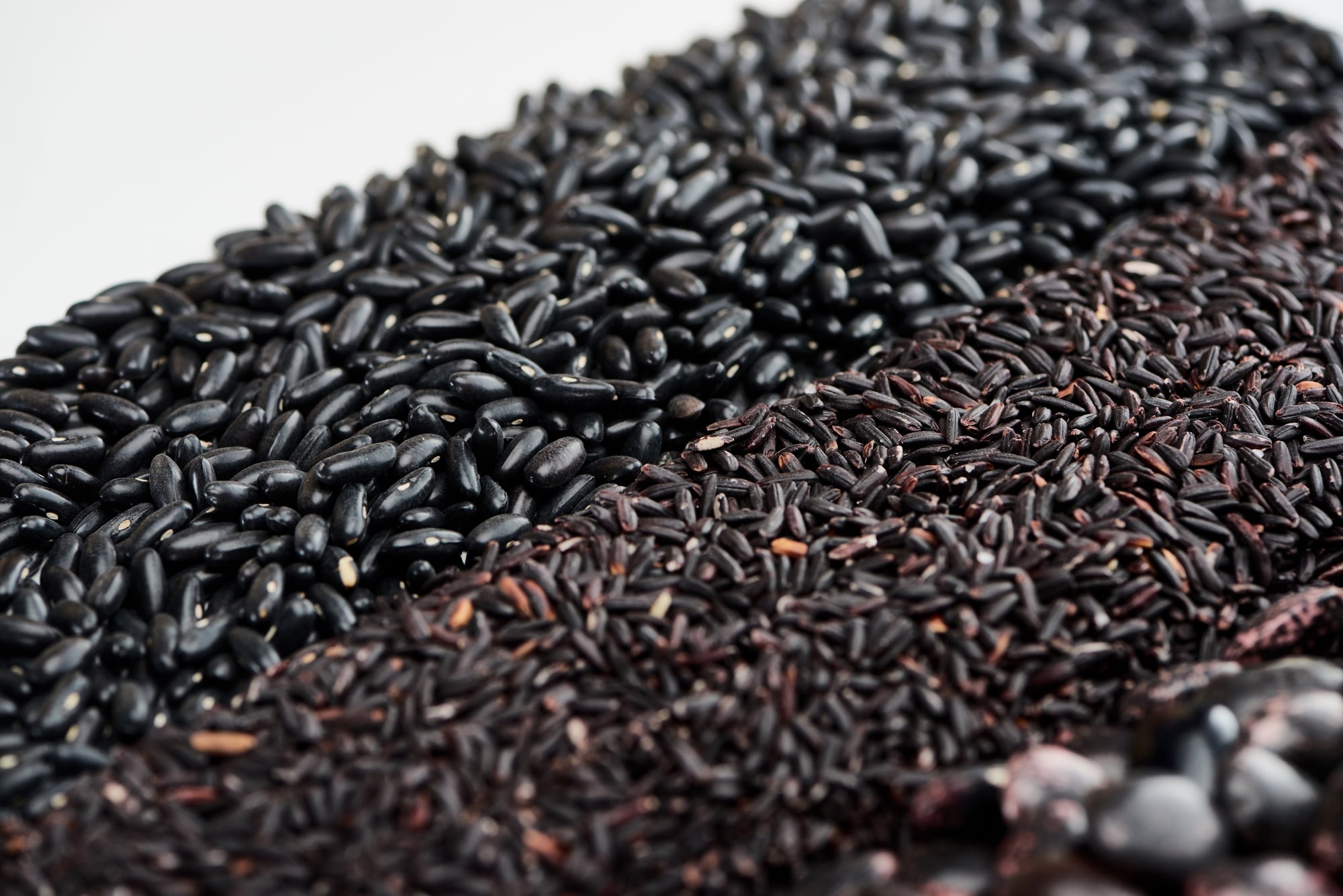
Despite its name, wild rice comes from a completely different plant family. It’s actually an aquatic grass seed that grows naturally in shallow waters of North America.
Wild rice has a long grain size and has a more pronounced earthy and nutty flavor and firm texture. The confusion comes from early European settlers who saw Native Americans harvesting it and assumed it was related to the rice they knew from Asia.
Rice can survive underwater for weeks
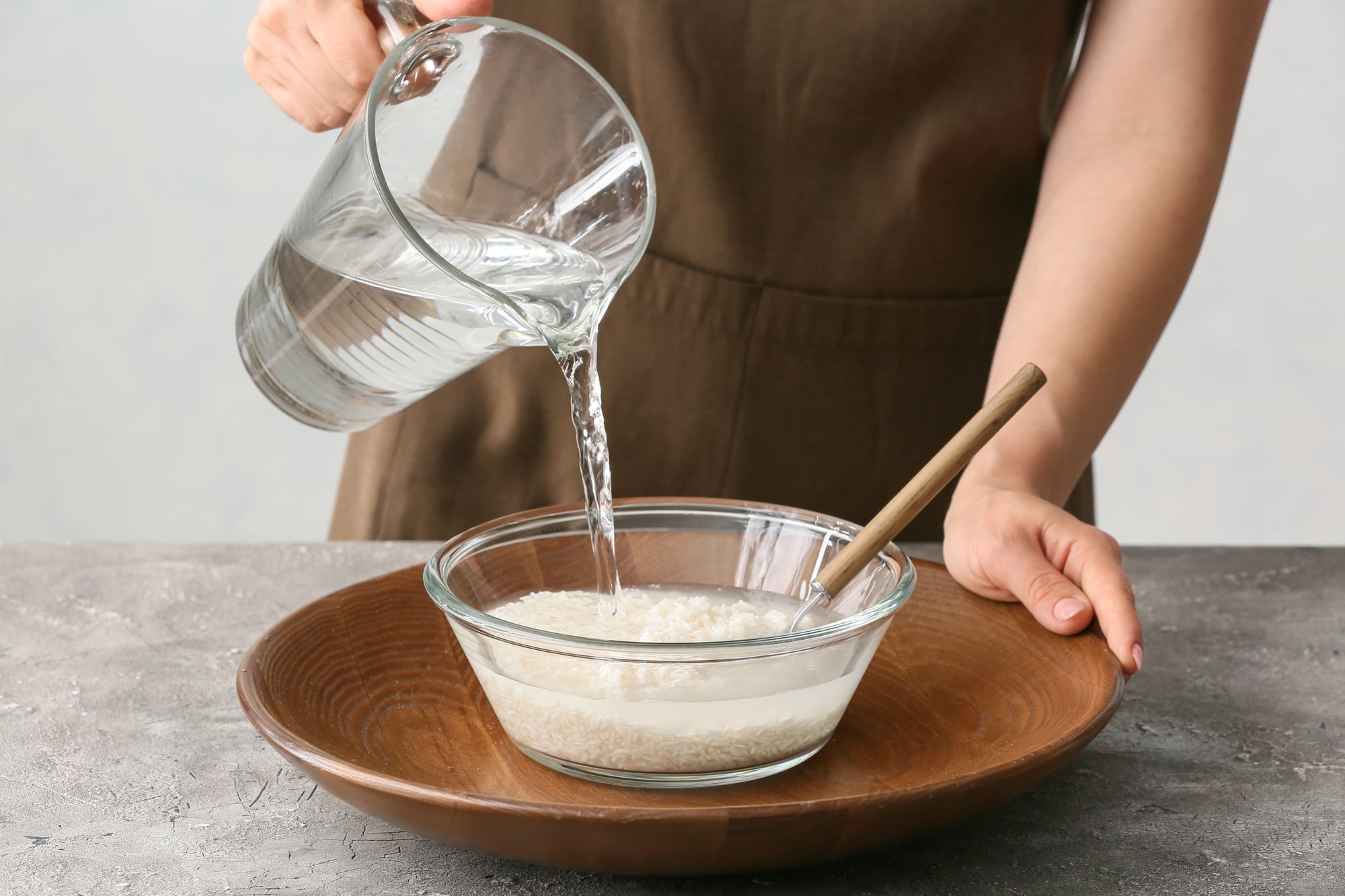
Most plants would die if submerged in water for days, but rice has developed incredible flood survival skills. Scientists have created “scuba rice” varieties that can tolerate submergence for as long as two weeks.
The plant slows down its metabolism and uses stored energy efficiently until the water recedes. This ability has saved countless harvests in flood-prone areas.
Jasmine rice gets its scent from one special compound
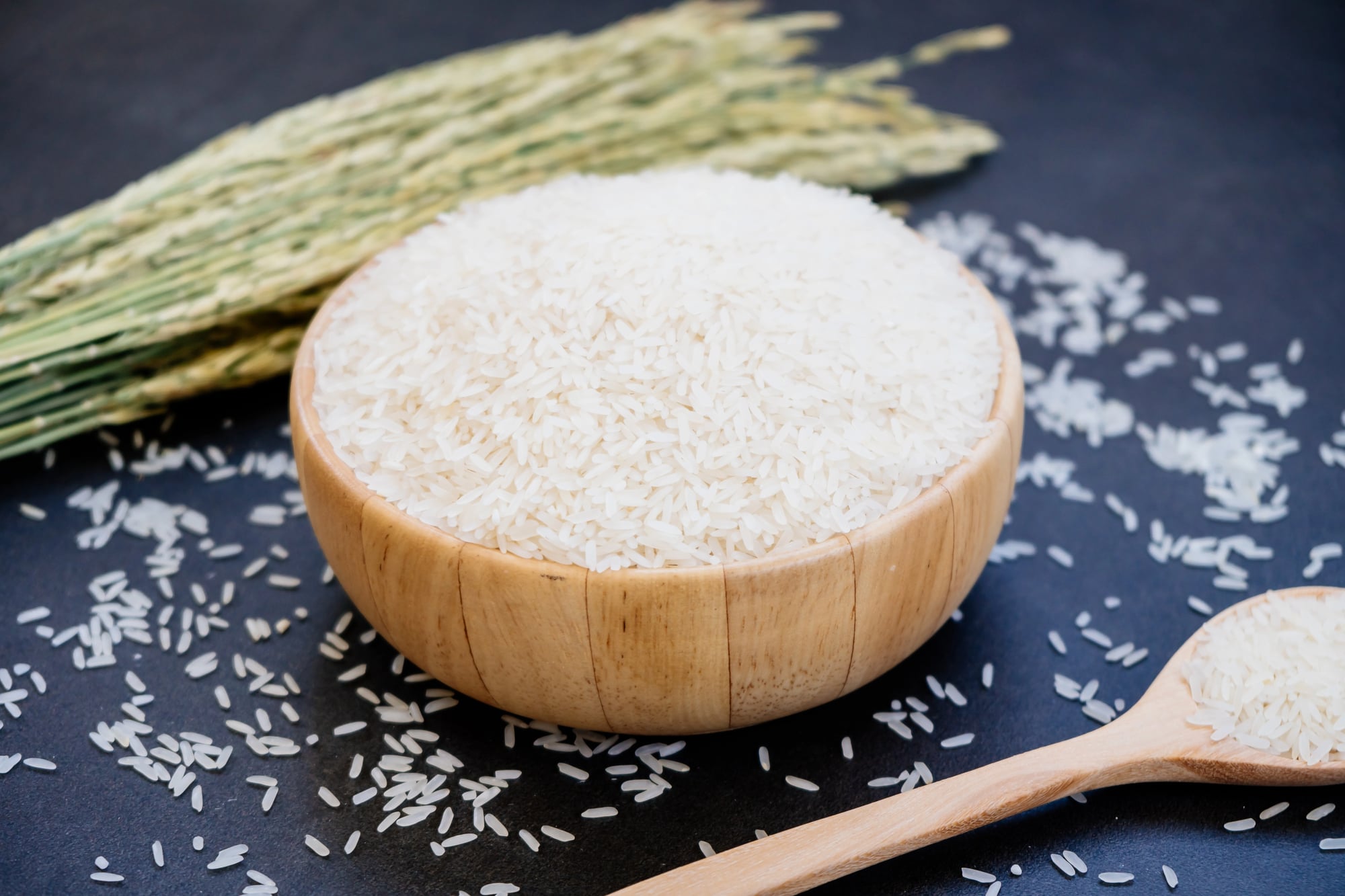
The sweet, floral smell that makes jasmine rice so appealing comes from a single aromatic compound called 2-acetyl-1-pyrroline. This same compound appears in pandan leaves and certain types of bread crusts.
Jasmine rice is a long-grain rice variety with a sweet, floral aroma primarily grown in Thailand, Cambodia and Laos. The scent becomes stronger when the rice is cooked, filling kitchens with its distinctive fragrance.
Like Go2Tutors’s content? Follow us on MSN.
Ancient farmers created floating rice fields
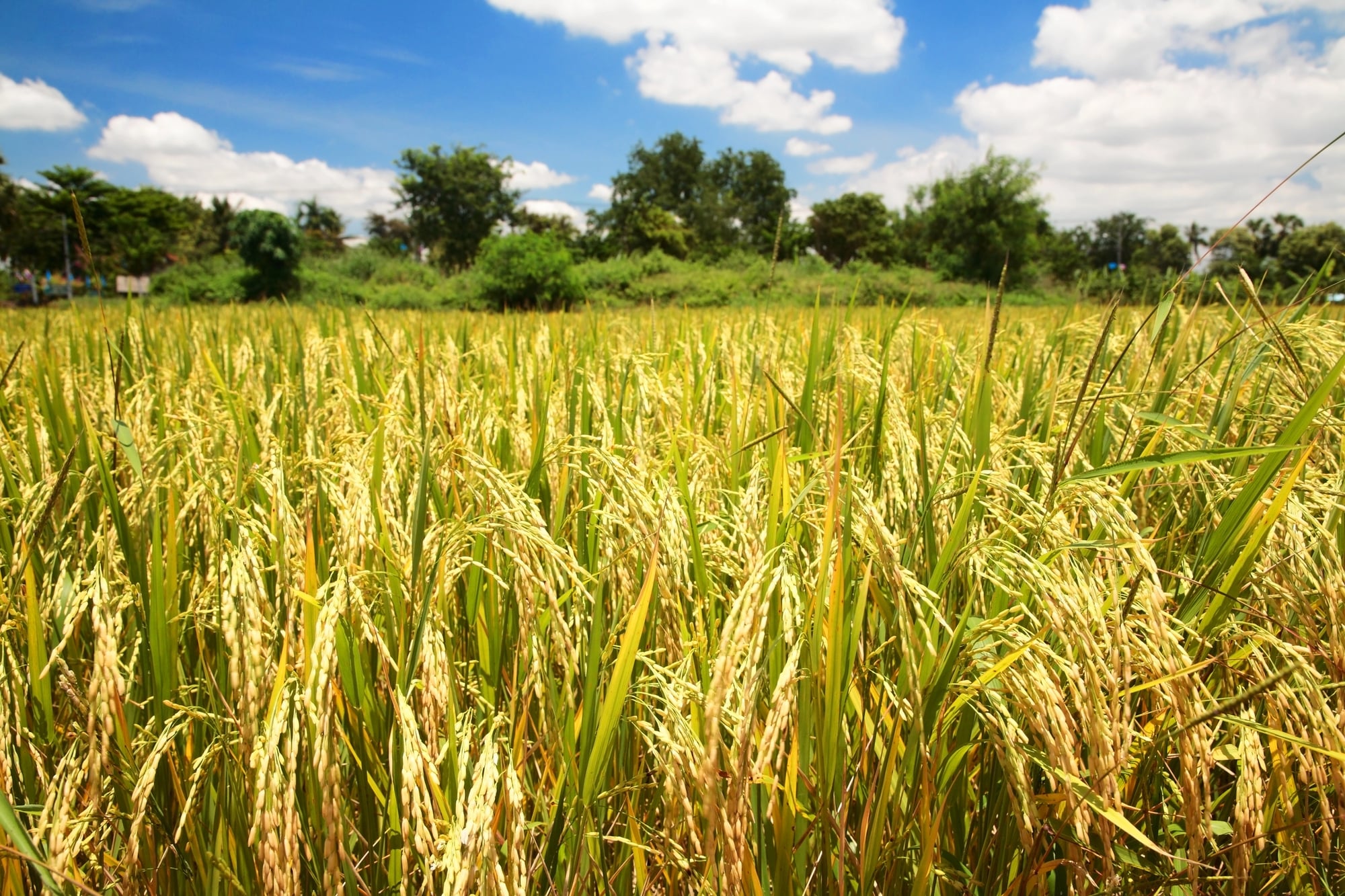
Long before modern irrigation systems, clever farmers in places like Bangladesh and Vietnam developed floating rice varieties. These plants can grow stems up to 20 feet long, rising with flood waters during monsoon season.
The rice literally floats on top of the water, keeping its leaves in the sunshine while its roots stay anchored in the muddy bottom.
Arborio rice releases starch to create creaminess
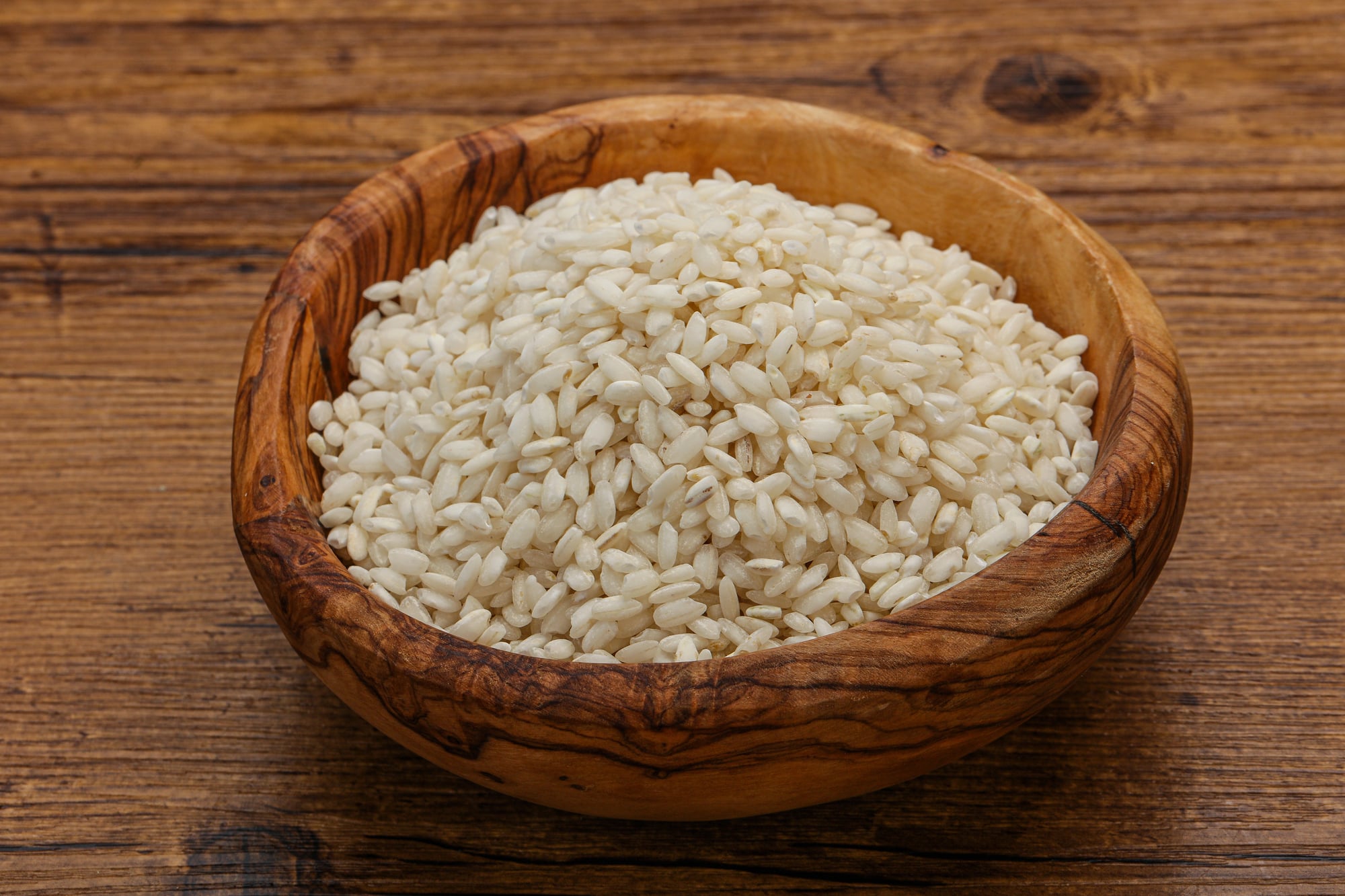
Arborio rice is traditionally used in Italian cooking, particularly for risotto due to its high starch content. When cooked slowly with constant stirring, arborio releases its starches gradually, creating that signature creamy texture without using any cream.
The individual grains maintain a slight firmness in the center while the outside becomes creamy and smooth.
Rice needs exactly the right amount of water
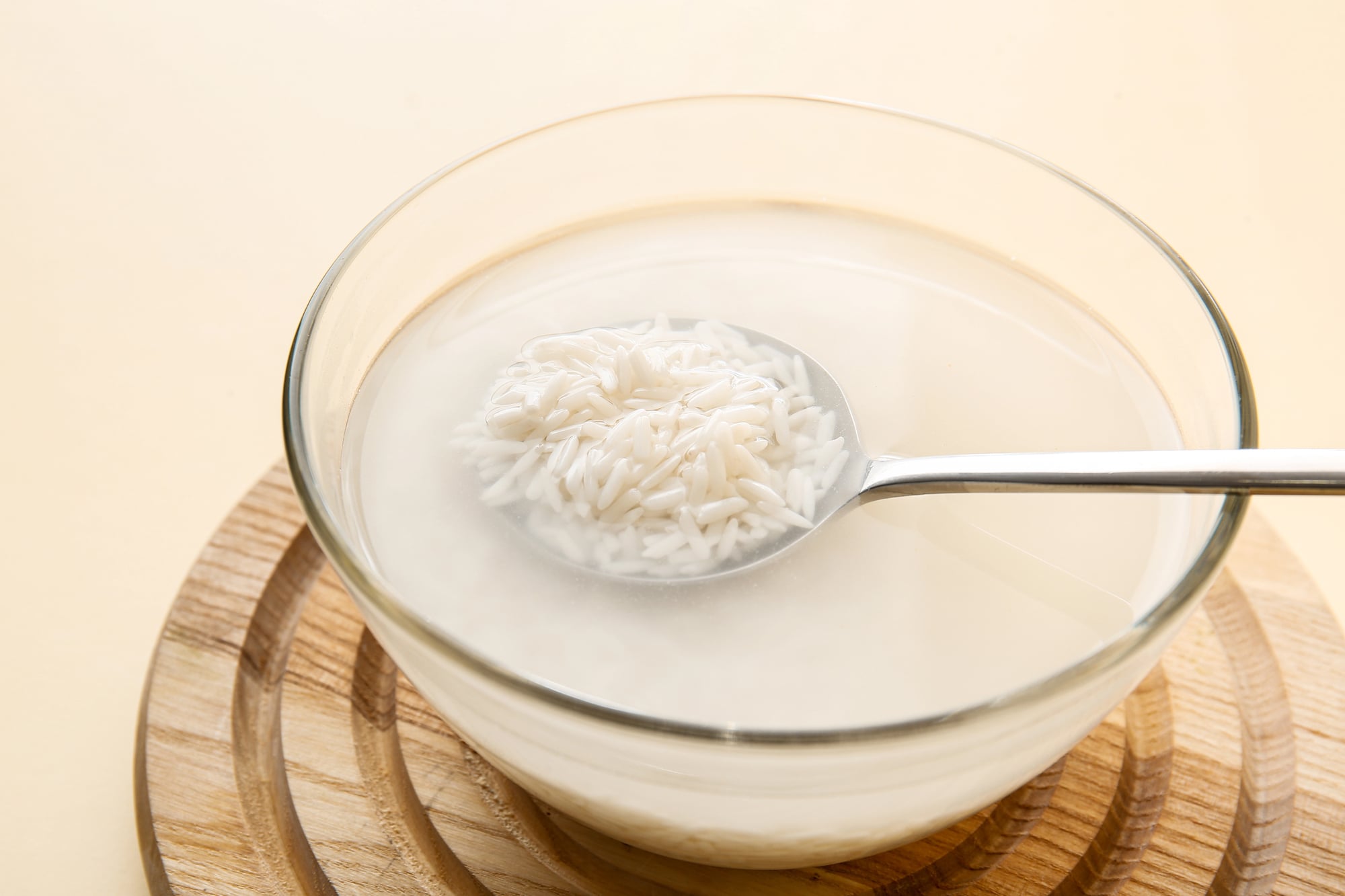
The rice plant requires immense quantities of water in its early days, followed by a long and uninterrupted season of hot dry weather. Farmers must master the delicate timing of flooding and draining fields throughout the growing season.
Too much water at the wrong time rots the roots, while too little water stunts growth. This precise water management has been perfected over thousands of years.
Like Go2Tutors’s content? Follow us on MSN.
Brown rice is just white rice with clothes on
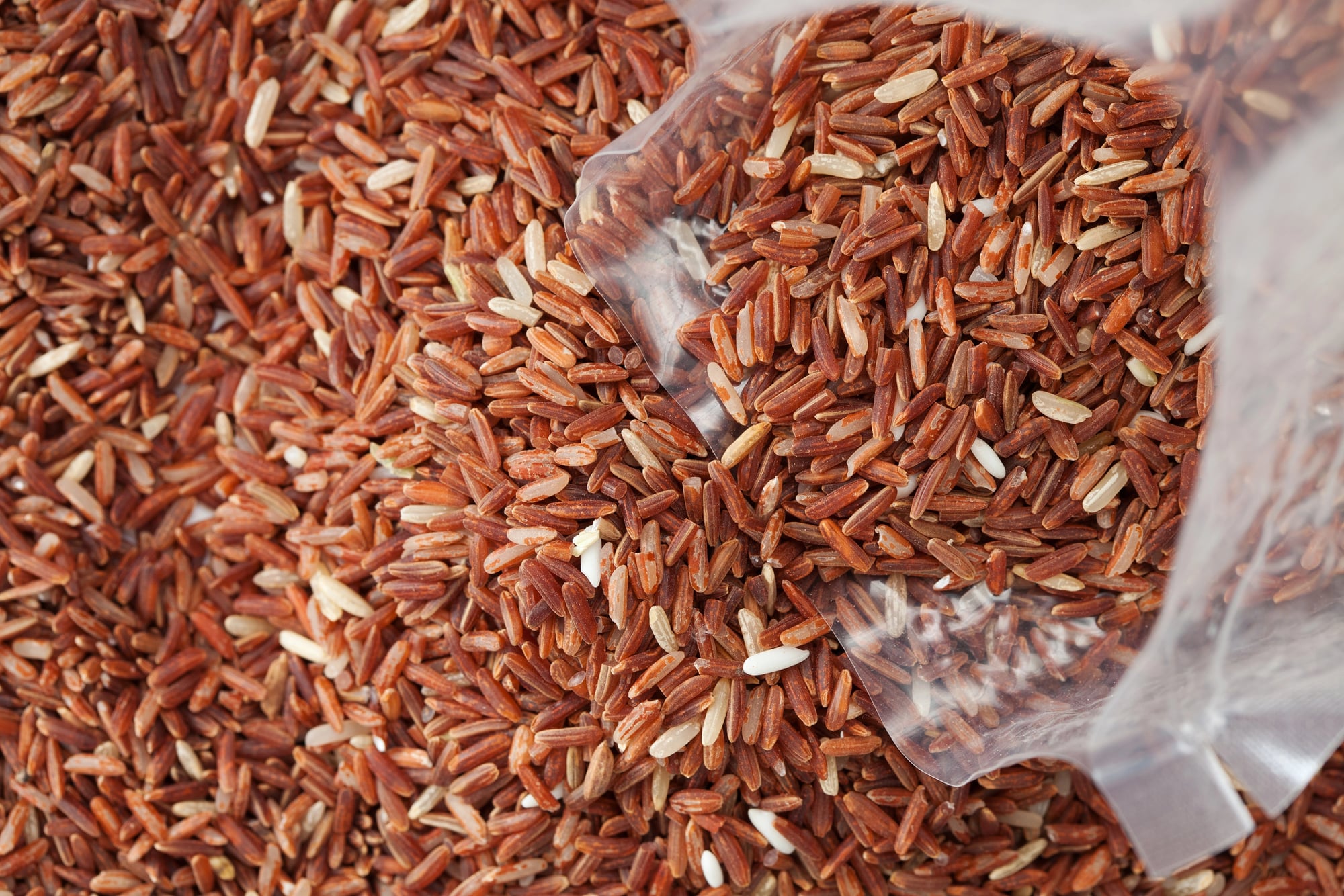
Brown rice is a whole grain, which is like white rice but has only had the outer hull removed. White rice has had both the hull and the bran layer polished away, leaving just the starchy center.
This processing removes fiber, vitamins, and minerals, which is why brown rice is considered more nutritious. The bran layer gives brown rice its color and nuttier taste.
Rice terraces are ancient engineering wonders
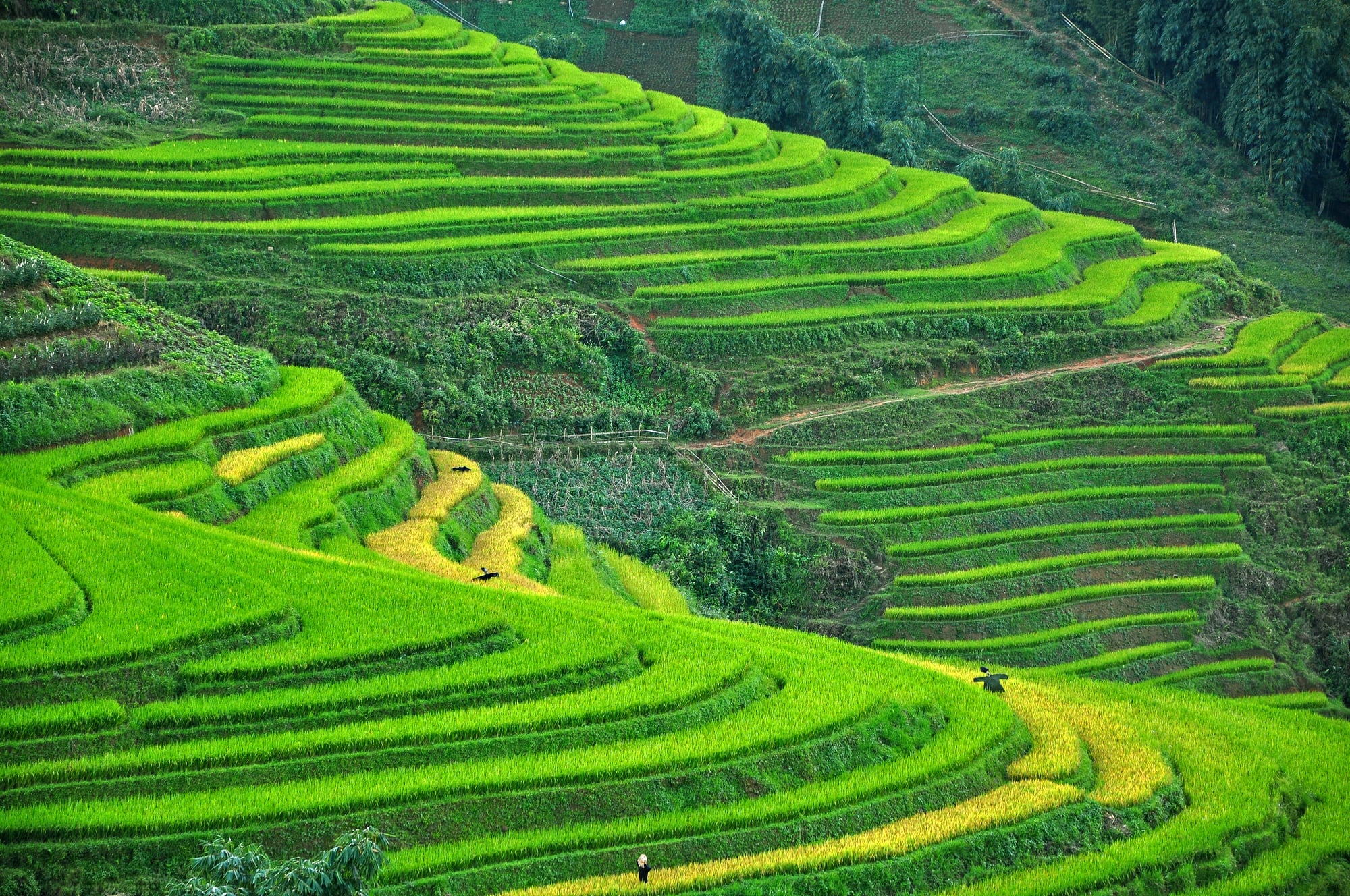
The stepped rice terraces found in places like the Philippines and China represent thousands of years of agricultural engineering. These carved mountainside steps prevent erosion, conserve water, and create microclimates for growing rice at different elevations.
Some terraces are over 2,000 years old and still produce crops today, proving their incredible design.
Different rices need different cooking methods
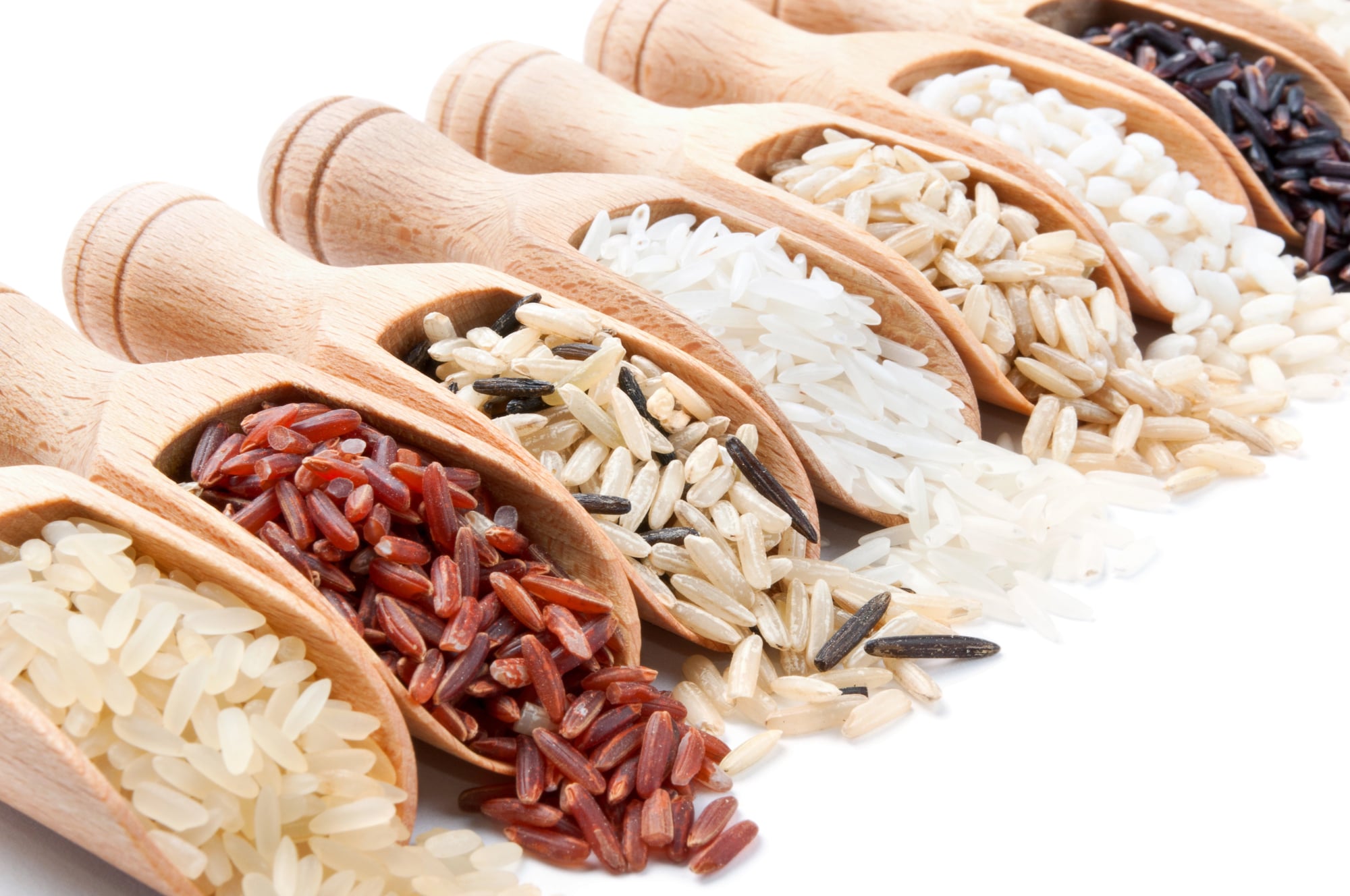
While basmati rice is usually boiled and jasmine is best steamed, each variety has its preferred cooking style. Short-grain rice works better with absorption methods, while long-grain varieties often benefit from pilaf-style cooking.
The starch content, grain size, and age of the rice all influence how it should be prepared for the best results.
Like Go2Tutors’s content? Follow us on MSN.
Rice wine doesn’t contain any grapes
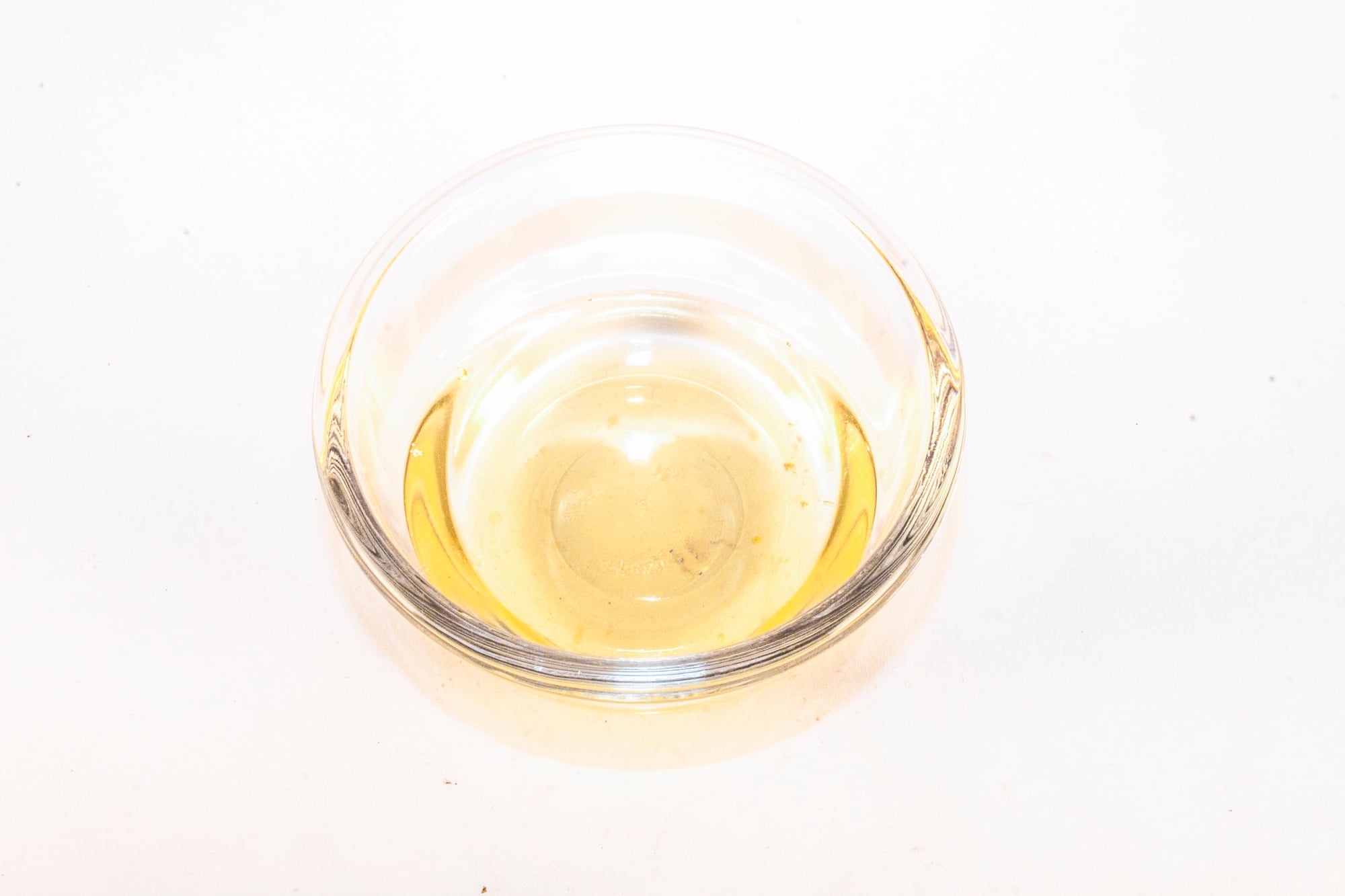
Rice wine, popular in many Asian cultures, is made by fermenting rice starch into alcohol. Rice was used primarily as food, but was also used to brew the wine consumed in homes and taverns.
The process involves special molds that convert the rice starches into sugars, which then ferment into alcohol. The result tastes completely different from grape wine and can range from sweet to very dry.
Red and black rice get color from antioxidants
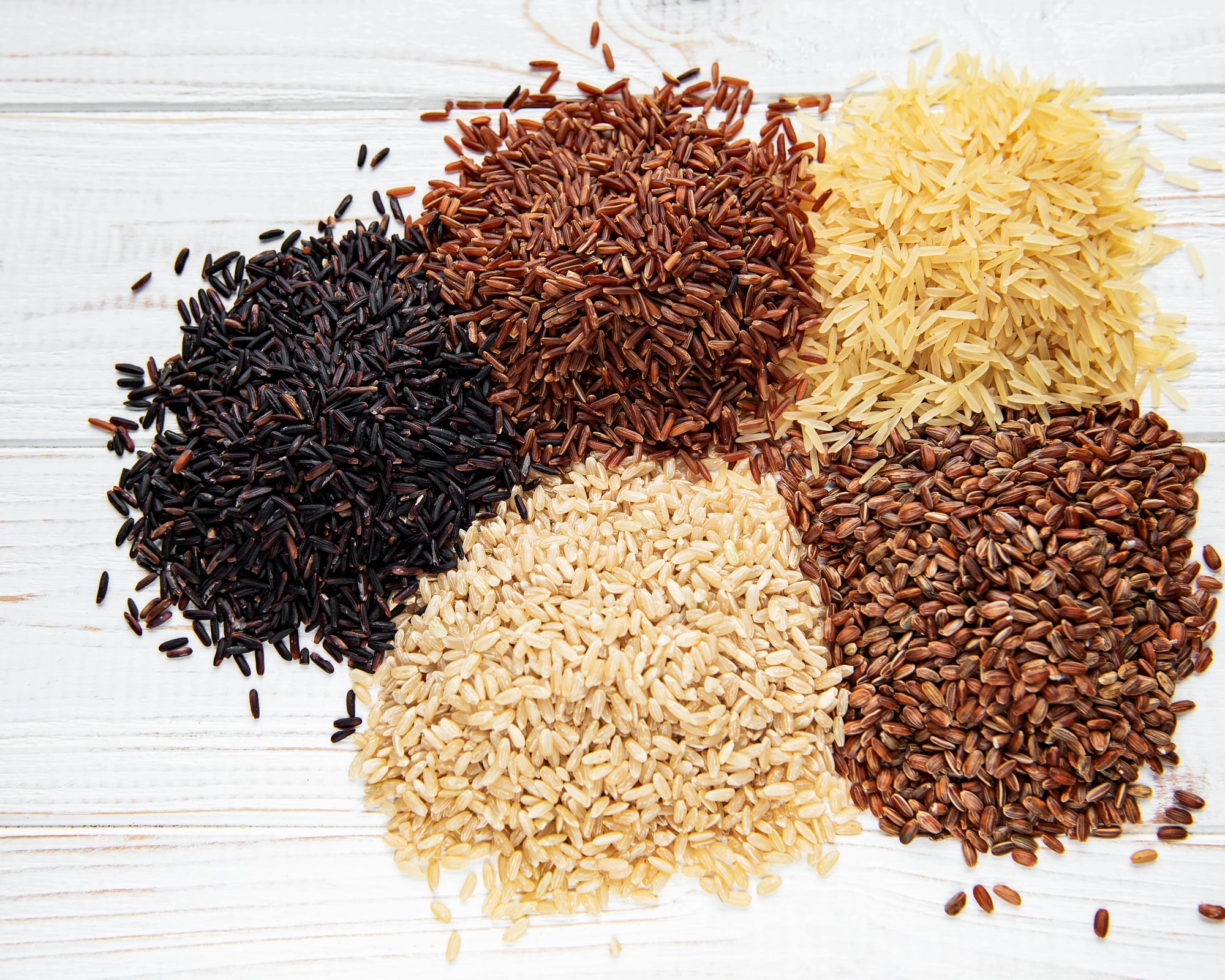
Colored rice varieties get their striking appearance from the same compounds that make blueberries blue and red cabbage purple. These antioxidants, called anthocyanins, are concentrated in the bran layer.
Red rice has a nutty flavor and chewy texture, while black rice turns deep purple when cooked and has an almost sweet taste.
Rice stubble creates methane gas
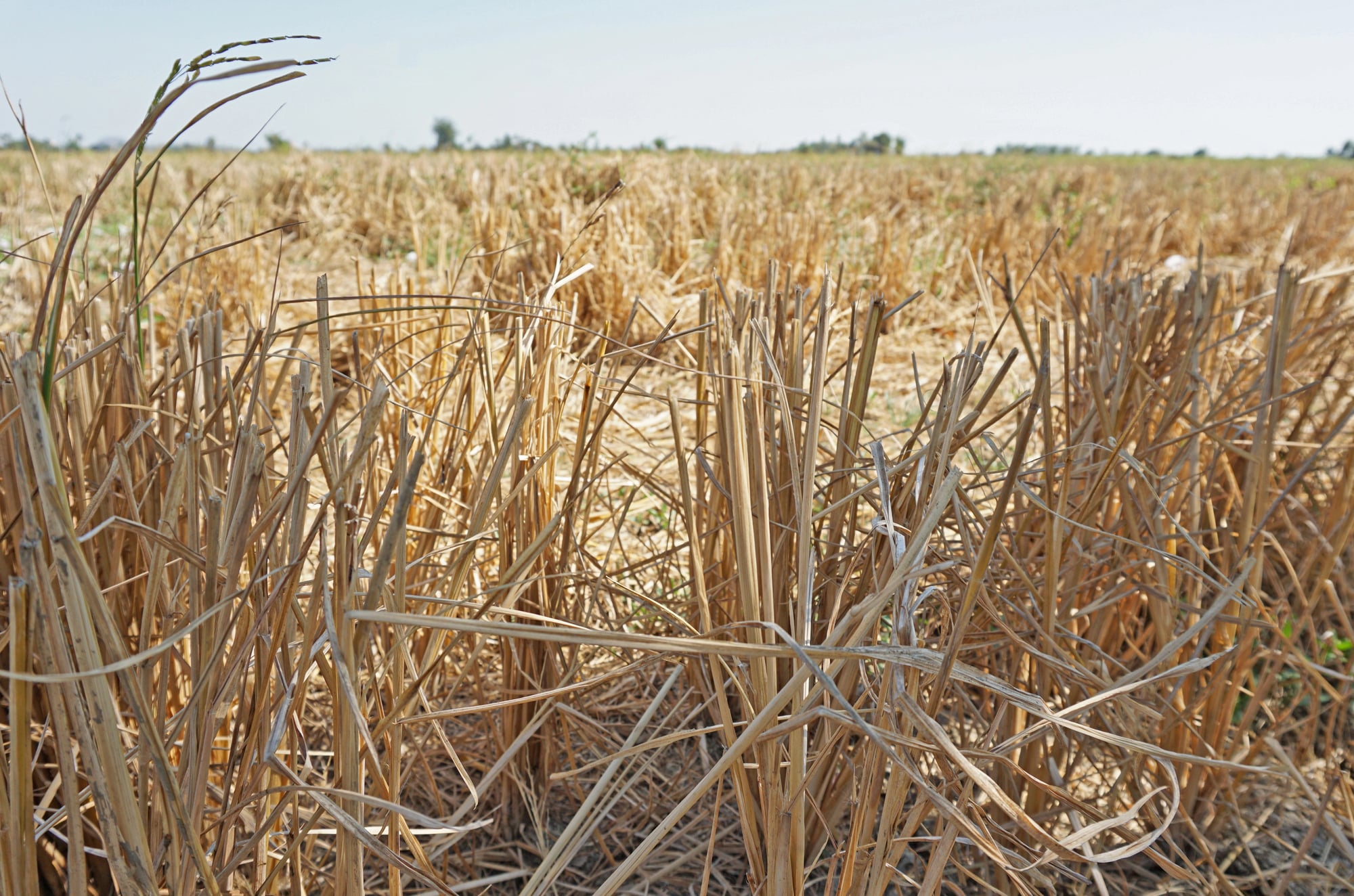
Rice fields produce significant amounts of methane, a greenhouse gas that’s much more potent than carbon dioxide. This happens when organic matter decomposes underwater in the flooded paddies.
Scientists are working on new farming techniques and rice varieties that produce less methane without reducing yields, helping make rice production more environmentally friendly.
Like Go2Tutors’s content? Follow us on MSN.
Glutinous rice contains no gluten
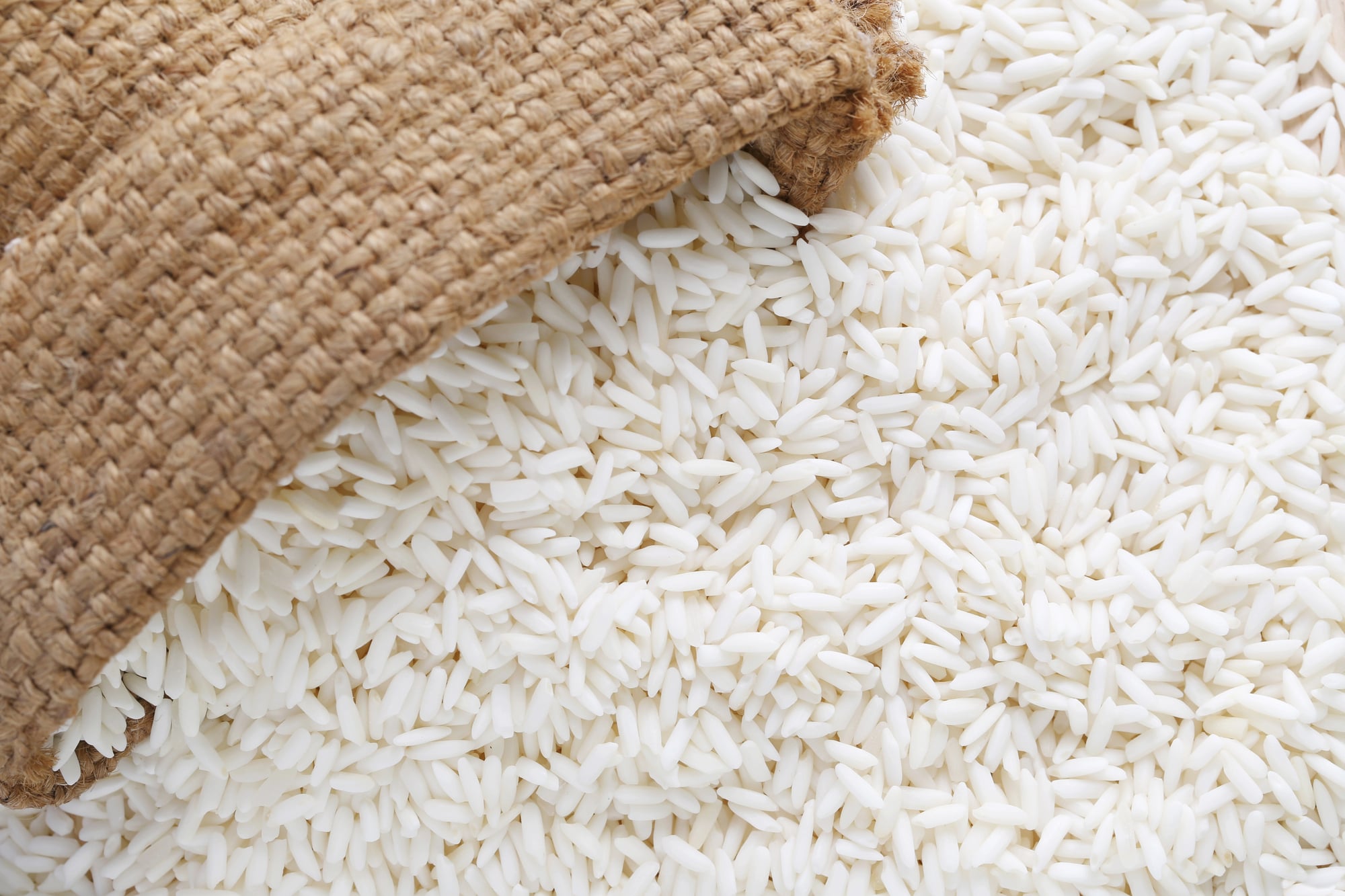
Despite its name, glutinous or sticky rice is completely gluten-free. The “glutinous” part refers to its sticky, glue-like texture when cooked, not to any gluten content.
This rice has a different starch composition that makes it much stickier than regular rice. It’s essential for making traditional Asian desserts and can be molded into shapes that hold together perfectly.
From simple grain to complex culture
Rice connects us to ancient civilizations that figured out how to turn a wild grass into one of the world’s most important foods. During Song times, new developments in rice cultivation spectacularly increased rice yields, supporting population growth and cultural development across Asia.
Today, rice research continues pushing boundaries with drought-resistant varieties, improved nutrition, and climate-adapted strains. Every bowl of rice represents thousands of years of human ingenuity, plant breeding, and agricultural innovation.
The next time rice appears on your table, remember that you’re eating one of humanity’s greatest achievements, grain by grain.
More from Go2Tutors!

- 16 Historical Figures Who Were Nothing Like You Think
- 12 Things Sold in the 80s That Are Now Illegal
- 15 VHS Tapes That Could Be Worth Thousands
- 17 Historical “What Ifs” That Would Have Changed Everything
- 18 TV Shows That Vanished Without a Finale
Like Go2Tutors’s content? Follow us on MSN.



