15 Monuments That Got Their History Completely Wrong
Monuments are supposed to freeze history in place—bold statues, stone plaques, or massive landmarks that make it feel like the past is set in stone. But sometimes, the stories they tell are either off the mark or just plain wrong. Maybe the facts got bent to make someone look better. Maybe a key detail got erased. Or maybe time passed, and what felt noble back then just feels off now.
Here’s a list of 15 monuments that didn’t quite get their history straight—and how those mistakes still shape how we see the past.
The Alamo, Texas

The Alamo gets taught like a straight-up underdog story—small band of Texans holding out heroically against a massive Mexican army. What doesn’t get mentioned as much? That many of those “Texans” weren’t even from Texas.
And the whole fight? It wasn’t just about freedom. It was tied up in land grabs, shifting borders, and a push to allow slavery in Mexican territory. The monument leaves all that out and turns a messy, complex moment into a clean-cut legend.
Mount Rushmore, South Dakota

You’d think a monument carved into a mountain would be about as permanent as it gets. But the story Rushmore tells is lopsided. First off, the land it’s carved into—the Black Hills—was taken from the Lakota Sioux, who consider it sacred.
That wasn’t just bad luck for them; it was a direct violation of a treaty. Add in the fact that the sculptor had ties to white supremacist groups, and suddenly this patriotic postcard gets a lot harder to frame.
The Statue of Liberty, New York

Everyone knows the Statue of Liberty as the big green welcome sign for immigrants. But that wasn’t how people saw it at first. When it showed up from France, a lot of Americans weren’t too impressed.
The country was in the middle of heavy anti-immigrant backlash, and for many folks, “liberty” didn’t apply to women, Black Americans, or Indigenous people. Over time, the statue’s meaning evolved, but its early story doesn’t match the postcard version.
The Iwo Jima Memorial, Virginia

That dramatic photo of Marines raising the flag on Iwo Jima? The memorial turned it into a powerful statue—but the actual story is more complicated.
The image we all know was the second flag raised that day. The first was smaller and already flying.
Plus, several of the men in the famous shot weren’t correctly identified for years. It’s still a powerful tribute, but it’s built on a version of the event that skips a few important details.
Stone Mountain, Georgia

Stone Mountain is basically Mount Rushmore for the Confederacy, carved with three massive figures from the Civil War. The whole thing was planned and started during the early 20th century, right when Jim Crow laws were going strong.
It wasn’t about preserving history—it was about sending a message. There’s no context, no mention of slavery, and no hint that the war these men fought was rooted in keeping people enslaved. That silence says a lot.
The Washington Monument, D.C.
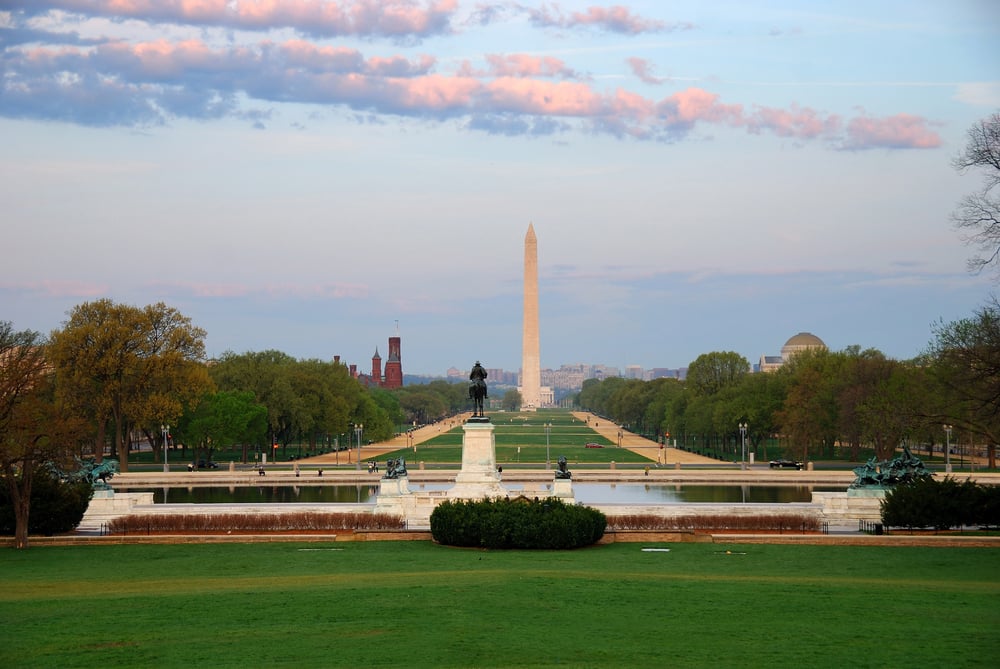
Tall, simple, and dignified—the Washington Monument makes a strong impression. But there’s a missing piece in how it honors the first president.
George Washington was a skilled leader, sure. But he also enslaved hundreds of people and benefited directly from that system.
The monument doesn’t bring any of that into the picture. It’s a sanitized tribute that leaves out a major part of who he was.
The Lincoln Memorial, D.C.

Lincoln gets a lot of credit for freeing the enslaved, and yes, he signed the Emancipation Proclamation. But the memorial skips over the fact that Lincoln had complicated views on race.
He didn’t believe in full equality and even backed colonization plans to send freed Black people elsewhere. Later, the monument became a symbol of the Civil Rights Movement, which added a new layer of meaning.
Still, the version of Lincoln it presents is a lot simpler than the real man.
The Angel of the North, England

This giant steel sculpture stands tall in Northern England, often linked to the area’s coal mining history. But here’s the thing: it wasn’t built to honor miners, and many locals didn’t even want it at first.
Over time, it became a kind of symbol for resilience, but that wasn’t its original purpose. It’s a reminder that people can reshape a monument’s meaning—whether or not the artist meant it that way.
The USS Arizona Memorial, Hawaii

The memorial sits above the sunken USS Arizona, honoring the lives lost in the Pearl Harbor attack. It’s quiet, powerful, and emotionally heavy. But it also frames the U.S. as a lone victim, without really getting into what led up to the attack—like embargoes, imperial tensions, and U.S. presence in the Pacific.
The full context of the war isn’t there. It’s not that the memorial is wrong, but it’s definitely incomplete.
The Vietnam Veterans Memorial, D.C.

When this black granite wall was first unveiled, people were thrown off. No soldiers on horseback, no waving flags—just a somber list of names. Critics called it depressing or even un-American. But over time, the wall became one of the most meaningful war memorials anywhere.
That said, it doesn’t explain why the war happened or why so many people were sent to fight. It remembers the cost, but skips the cause.
The Gateway Arch, Missouri

Supposedly a tribute to America’s westward expansion, the Gateway Arch is a sleek, futuristic symbol of progress. But that “progress” meant forced removal of Native peoples, destruction of ecosystems, and a trail of broken promises.
The Arch doesn’t touch on any of that. It turns Manifest Destiny into a clean, stainless-steel curve—when the reality was anything but.
The Liberty Bell, Pennsylvania

This bell didn’t actually ring during the signing of the Declaration of Independence. That whole story was made up years later to spice up a history book.
And while the bell now symbolizes freedom, it did so in a time when slavery was legal and women couldn’t vote. The irony wasn’t lost on everyone—abolitionists were the ones who pushed it into the spotlight.
The crack? Just one more thing about it that’s more legend than fact.
The Crazy Horse Memorial, South Dakota

Built as a response to Mount Rushmore, the Crazy Horse Memorial was meant to celebrate Native American strength and resilience. But decades later, it’s still unfinished, and some Native communities aren’t even sure it should exist.
The project was started without tribal consensus, and it’s become a major tourist site—raising questions about commercialization and whether it truly honors the man it’s named after. Good intentions, maybe. Complicated results.
The Jefferson Memorial, D.C.

Jefferson was a thinker, a writer, and the guy behind the Declaration of Independence. But he also enslaved over 600 people and profited from a system he claimed to oppose.
The memorial shows him as a pure force for liberty, standing tall with inscriptions of his best lines. It doesn’t even hint at the contradictions he lived with.
For a monument built around freedom, that’s a pretty big gap.
The Trail of Tears Memorial, Tennessee

This memorial is meant to honor the thousands of Native Americans forced off their land in the 1830s. But it often downplays just how brutal the journey was—thousands died from starvation, cold, and disease.
The government called it “removal,” like it was a paperwork issue. In reality, it was one of the darkest chapters in U.S. history. The memorial marks the event but doesn’t always capture the full weight of what happened.
When the Story Doesn’t Match the Stone

Monuments freeze a version of history in place—but versions can be flawed. They often skip the uncomfortable parts, polish up the narrative, or just flat-out get things wrong.
That doesn’t mean we tear them all down, but it does mean we shouldn’t take them at face value. The real stories are still out there—messy, complicated, and way more interesting than a plaque ever lets on.
More from Go2Tutors!

- The Romanov Crown Jewels and Their Tragic Fate
- 13 Historical Mysteries That Science Still Can’t Solve
- Famous Hoaxes That Fooled the World for Years
- 15 Child Stars with Tragic Adult Lives
- 16 Famous Jewelry Pieces in History
Like Go2Tutors’s content? Follow us on MSN.