How Growing Up in the 60s Was Different From Today
The 1960s feels like another planet when you compare it to modern childhood. Kids back then lived in a world without seatbelts, helicopter parents, or screens glowing in every corner.
They roamed neighborhoods until dark, drank from garden hoses, and had zero idea what their friends were doing unless they knocked on the front door. Here’s what made growing up in the 60s so wildly different from today.
You Had Three TV Channels and That Was Plenty

Television in the 60s meant three major networks – ABC, NBC, and CBS. No cable, no streaming, no binge-watching entire seasons. If you missed your show, you missed it. Period. No DVR to save you.
Families gathered around one TV set, and whoever controlled the dial controlled the evening. Kids watched Saturday morning cartoons as appointment viewing, and prime time meant everyone sat together watching the same handful of programs.
The national conversation revolved around shared experiences because everyone watched the same thing. When the TV went off at midnight, stations literally signed off.
A test pattern appeared on screen, sometimes with a droning tone. Late-night television as we know it didn’t exist.
The Phone Was Attached to the Wall
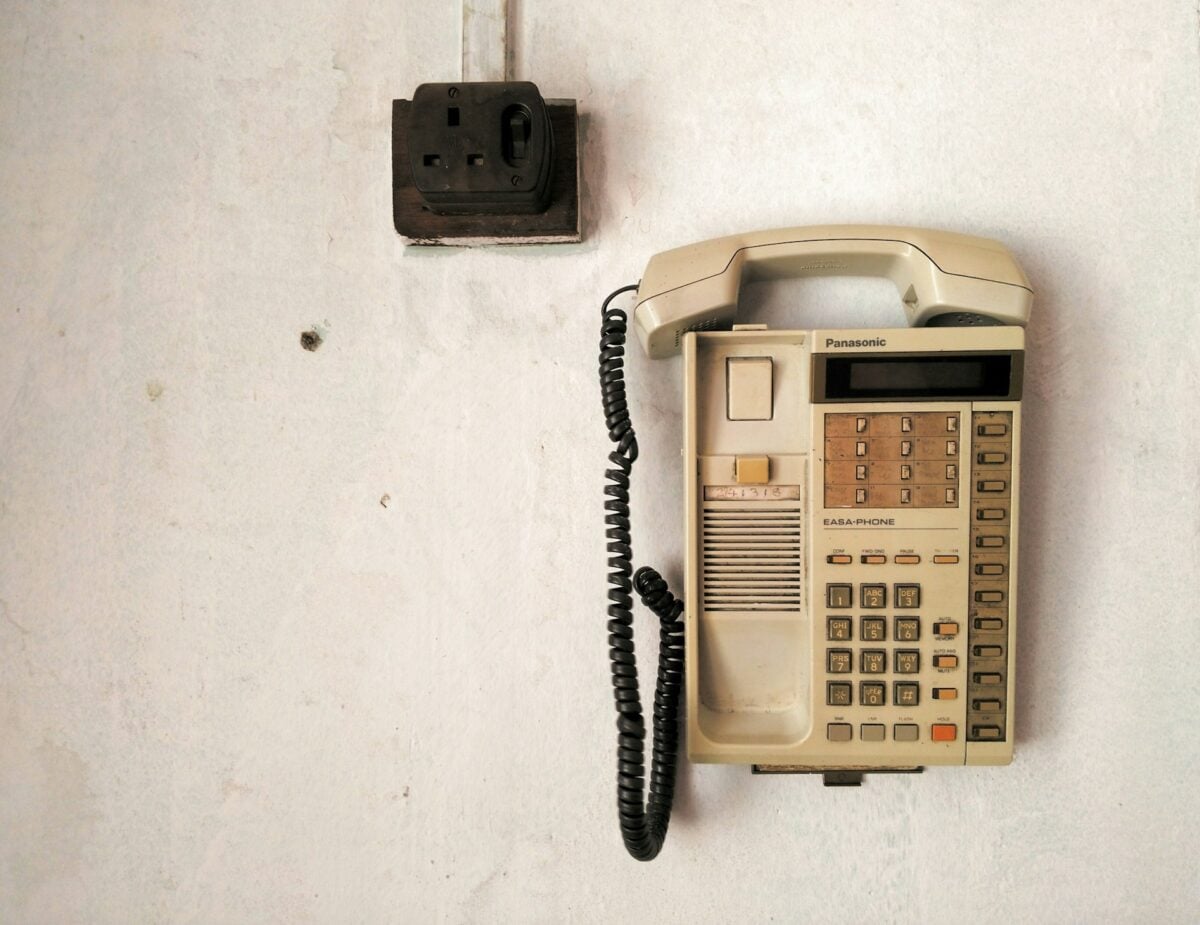
Calling someone meant standing in the kitchen tethered to a rotary phone by a coiled cord. Privacy? Not really.
Your whole family could hear your conversation. Long-distance calls cost money, so you kept them short and saved them for special occasions.
No answering machines meant if someone called and you weren’t home, they’d try again later. Or not.
Making plans required commitment because you couldn’t text “running late” or cancel at the last minute. You showed up or you didn’t, and people remembered.
Party lines still existed in some areas – shared telephone lines where neighbors could pick up and hear your conversation. Nothing about communication was instant or private by today’s standards.
You Played Outside Until the Streetlights Came On
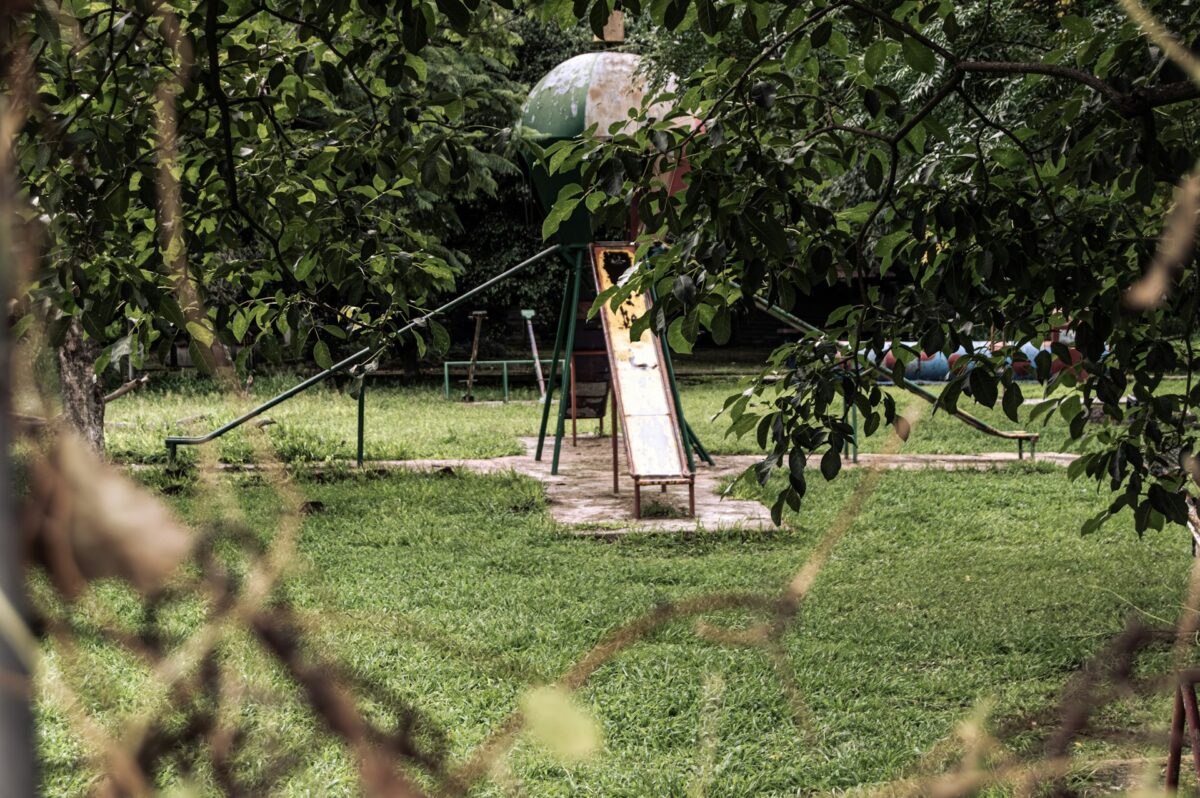
Kids in the 60s disappeared after breakfast and returned when they got hungry or when darkness fell. Parents didn’t track their children’s every movement.
No cell phones, no GPS, no check-ins. You played in the neighborhood, rode bikes across town, and explored without supervision.
The concept of “stranger danger” hadn’t taken hold yet. Kids walked to school alone, even in early grades.
They played in construction sites, empty lots, and woods without adults hovering nearby. Risk was part of childhood, and minor injuries were expected.
Organized sports and scheduled playdates weren’t really a thing. Kids created their own games, resolved their own disputes, and entertained themselves without adult intervention.
Boredom was something you figured out on your own.
Cars Were Death Traps Compared to Now
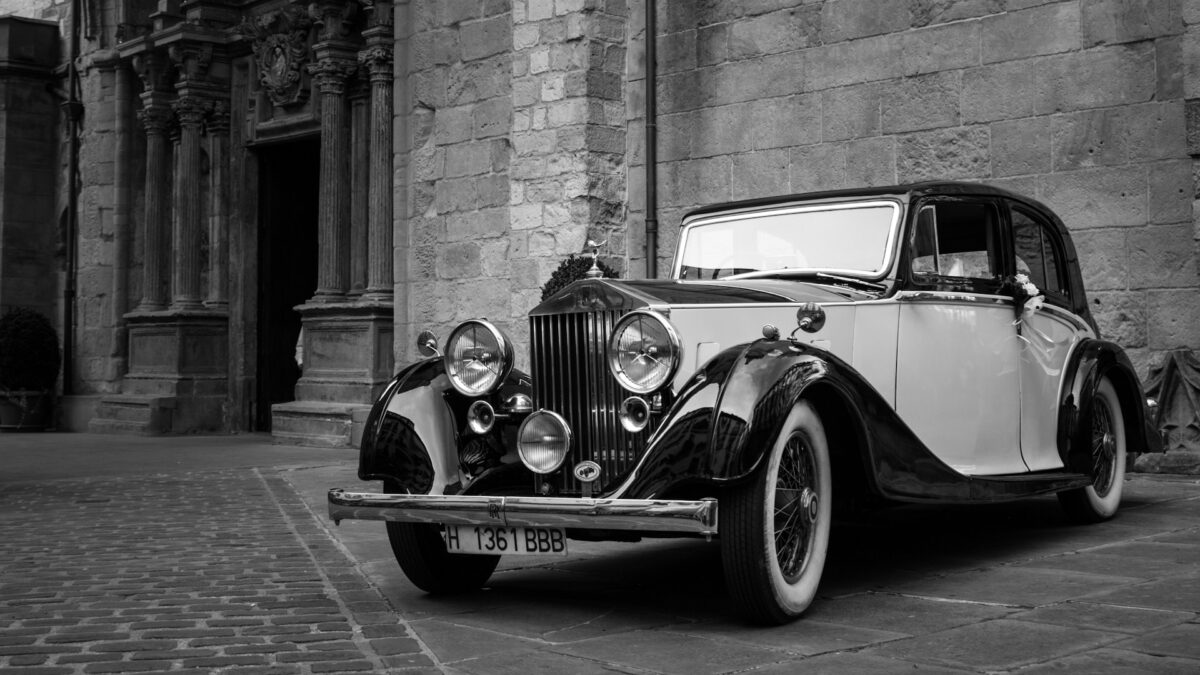
Seatbelts existed but nobody used them. Car seats for children? Not required.
Kids bounced around in the back seat, stood up between the front seats, or rode in the station wagon’s rear-facing third row. On road trips, children sprawled across the back window ledge for naps.
Airbags didn’t exist. Crumple zones weren’t a thing. Cars were essentially metal boxes with minimal safety features.
Drunk driving was common and not particularly stigmatized. People drove home from bars regularly, and it was just accepted.
The highway death toll in the 1960s was staggering compared to today, even with far fewer cars on the road. But families piled into vehicles without a second thought about safety because that was normal.
School Discipline Involved Actual Physical Punishment
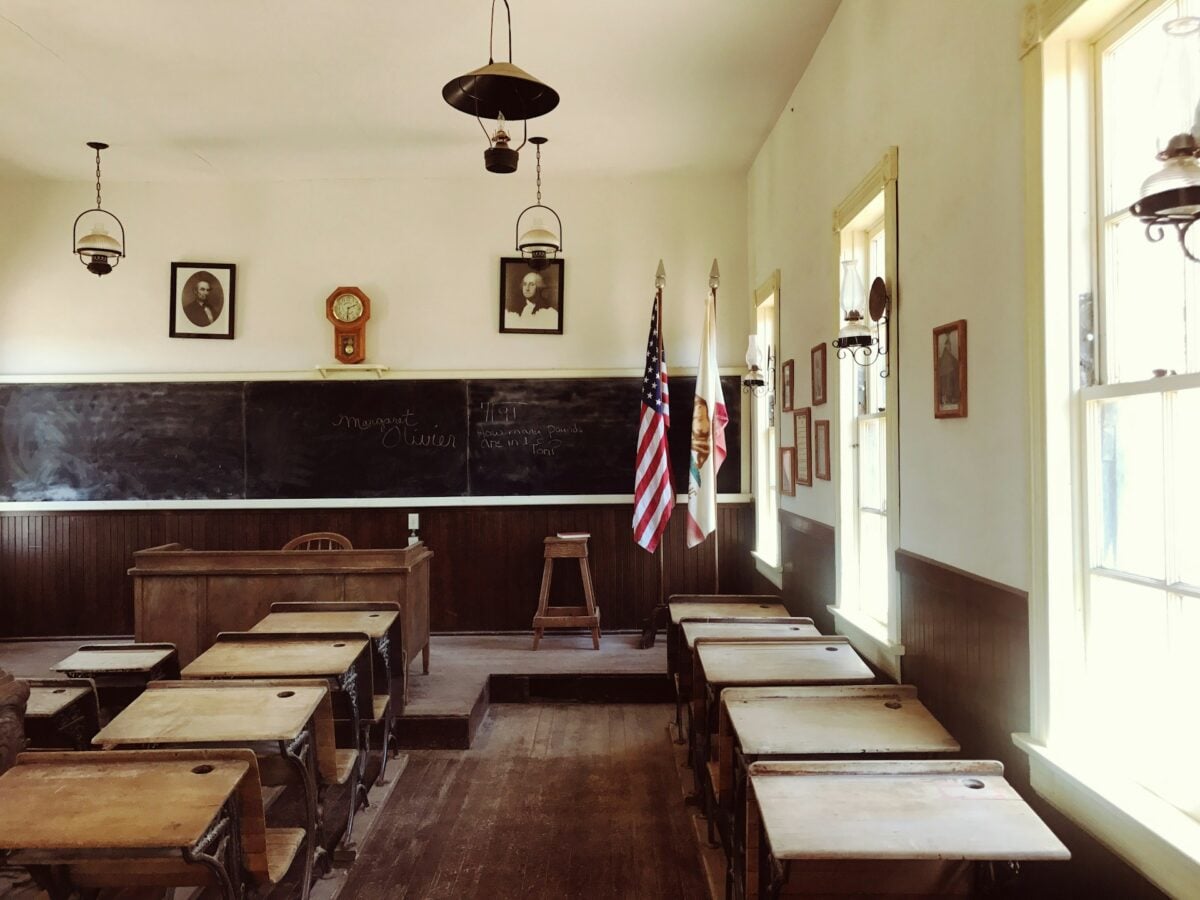
Corporal punishment in schools was standard across most of the United States. Teachers and principals used wooden paddles, rulers, or their hands to discipline students.
Getting swatted or having your knuckles rapped was part of the educational experience. Detention, suspension, and calling parents were options, but physical punishment was quicker and widely accepted.
Parents typically sided with teachers. If you got punished at school, you’d likely get punished again at home.
Classroom environments were rigid. Students sat in rows, raised hands to speak, and didn’t question authority.
The teacher was always right. Modern concepts about learning styles, special education accommodations, or student-centered learning didn’t exist in mainstream education.
Nobody Worried About What You Ate

Kids ate whatever was put in front of them, and nutrition science was primitive compared to now. White bread, whole milk, and butter were staples.
Nobody counted calories for their children or worried about gluten. School lunches featured mystery meat, canned vegetables, and chocolate milk.
Vending machines in schools sold soda and candy. Packing lunch meant a sandwich, chips, and a cookie.
Organic food wasn’t a consumer category. Fast food was exploding in popularity, and families embraced the convenience without guilt.
McDonald’s, Burger King, and Kentucky Fried Chicken were treats, but nobody agonized over nutritional content. Food allergies seemed rare because awareness and diagnosis were minimal.
You Had to Actually Go Places to Get Information

Need to know something? You looked it up in an encyclopedia set that cost a fortune and lived on a shelf.
Or you went to the library. Research meant physical books, card catalogs, and the Dewey Decimal System.
Homework required planning because you couldn’t Google answers at midnight. If the library was closed, you were stuck.
Encyclopedia Britannica salesmen went door-to-door selling knowledge by the volume. Breaking news traveled slowly.
You heard about major events on the evening news or read about them in the morning paper. No push notifications, no social media, no instant updates.
The world felt bigger because information took time to reach you.
Your Friends Had to Come Over or Call

Social life required physical presence. You couldn’t text to see what everyone was doing.
Making plans meant calling houses and asking if your friend could come out. If they weren’t home, you’d ride your bike over and knock.
Friendships developed through face-to-face interaction, not screens. You played together, talked in person, or didn’t connect at all.
Long-distance friendships faded quickly because staying in touch was hard work. Birthday parties meant handing out physical invitations at school.
No Evites, no Facebook events. You invited the kids in your class or neighborhood, and they either showed up or didn’t.
You Waited for Everything

Patience wasn’t a virtue – it was required. Mail took days.
Photos took weeks to develop. Watching a movie meant waiting for it to come to your local theater, then waiting again for it to maybe appear on TV years later.
Shopping meant going to stores during business hours. Most places closed at 6 PM and weren’t open on Sundays.
If you needed something, you waited until stores opened. No Amazon, no overnight shipping, no 24-hour convenience.
Music required buying physical albums or waiting by the radio to record songs on cassette tape. You couldn’t instantly access any song ever recorded.
Building a music collection took years and money.
Medical Care Was Shockingly Different

Doctors made house calls. When a child got sick, the doctor often came to your home with a black bag.
Pediatric care was less specialized, and many health issues that are treatable now were just endured. Vaccines existed but the schedule was different.
Diseases like measles and mumps were common childhood experiences, not prevented illnesses. Kids regularly missed school for weeks with illnesses that are now rare.
Mental health treatment was primitive and stigmatized. Therapy for children was unusual.
ADHD wasn’t diagnosed. Autism wasn’t understood as a spectrum.
Kids who would now receive support and services were labeled as problem children or slow learners.
Money and Shopping Required Physical Effort

Credit cards existed but weren’t common. Most families dealt in cash and checks. ATMs didn’t appear until the late 60s and weren’t widespread.
If you needed money, you went to the bank during banking hours. Shopping meant visiting multiple stores because the selection was limited.
No superstores carry everything. You went to the butcher, the baker, the hardware store.
Comparison shopping meant driving around town. Layaway plans were popular because credit was less accessible.
Families put items on hold and paid them off over time. The idea of ordering something online and having it arrive the next day would have seemed like science fiction.
Entertainment Meant Creating Your Own Fun
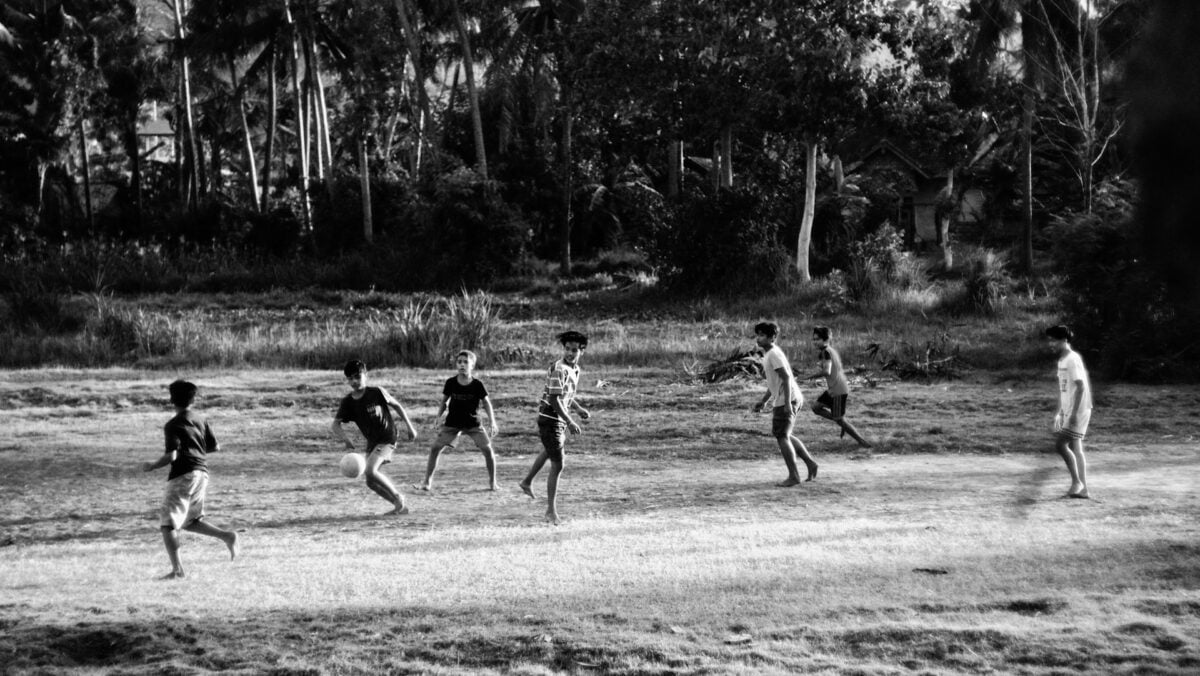
Boredom was a regular state of being, and kids were expected to deal with it themselves. No tablets, no smartphones, no gaming consoles.
Entertainment came from imagination, outdoor play, and whatever toys you had. Board games, cards, and reading were indoor activities.
Building forts, playing make-believe, and sports filled outdoor time. Kids created elaborate imaginary worlds without purchased accessories or branded toys.
Going to the movies was an event, not a weekly occurrence. Drive-in theaters were popular family outings.
Amusement parks were rare regional destinations, not corporate empires. Entertainment required effort and planning.
Where All Those Differences Leave Us
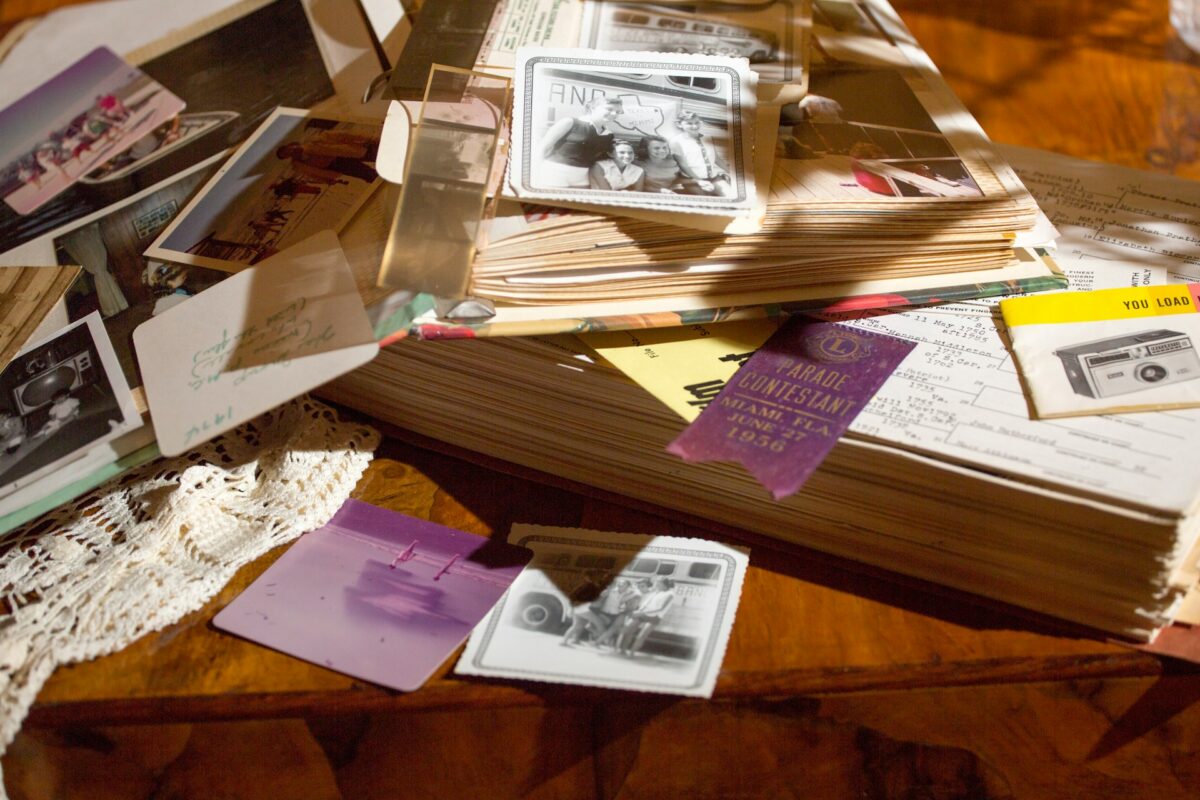
Growing up in the 60s meant living with less convenience, less safety regulation, and less information, but also less anxiety about constant connectivity. Kids had freedom that seems reckless now and structure that seems rigid by modern standards.
The world moved slower, felt smaller, and operated on trust that would make contemporary parents nervous. Both eras had tradeoffs, and neither was perfect – just different in ways that shaped entirely different childhoods.
More from Go2Tutors!

- The Romanov Crown Jewels and Their Tragic Fate
- 13 Historical Mysteries That Science Still Can’t Solve
- Famous Hoaxes That Fooled the World for Years
- 15 Child Stars with Tragic Adult Lives
- 16 Famous Jewelry Pieces in History
Like Go2Tutors’s content? Follow us on MSN.