Same Symbols With Different Meanings
Symbols pop up all around us, think street markers or smiley faces, and they let folks share ideas without needing any spoken language. Yet there’s a twist: identical icons may carry opposite meanings based on location or situation.
One basic design could stand for harmony in a town but signal something totally unrelated elsewhere. Getting familiar with these shifts helps dodge uncomfortable mix-ups while moving through diverse cultural spaces.
Check out a few signs that mean totally unexpected things in different places.
The thumbs up

Most folks in Western nations give a thumbs up when they like something or agree. This sign pops up all the time to say “nice work” or “that works” while chatting.
But head over to spots in the Middle East, West Africa, or Greece, and suddenly it’s no longer polite, it flips into something harsh. Over there, raising your thumb can come across as a nasty jab, kind of like giving the middle finger.
The peace sign
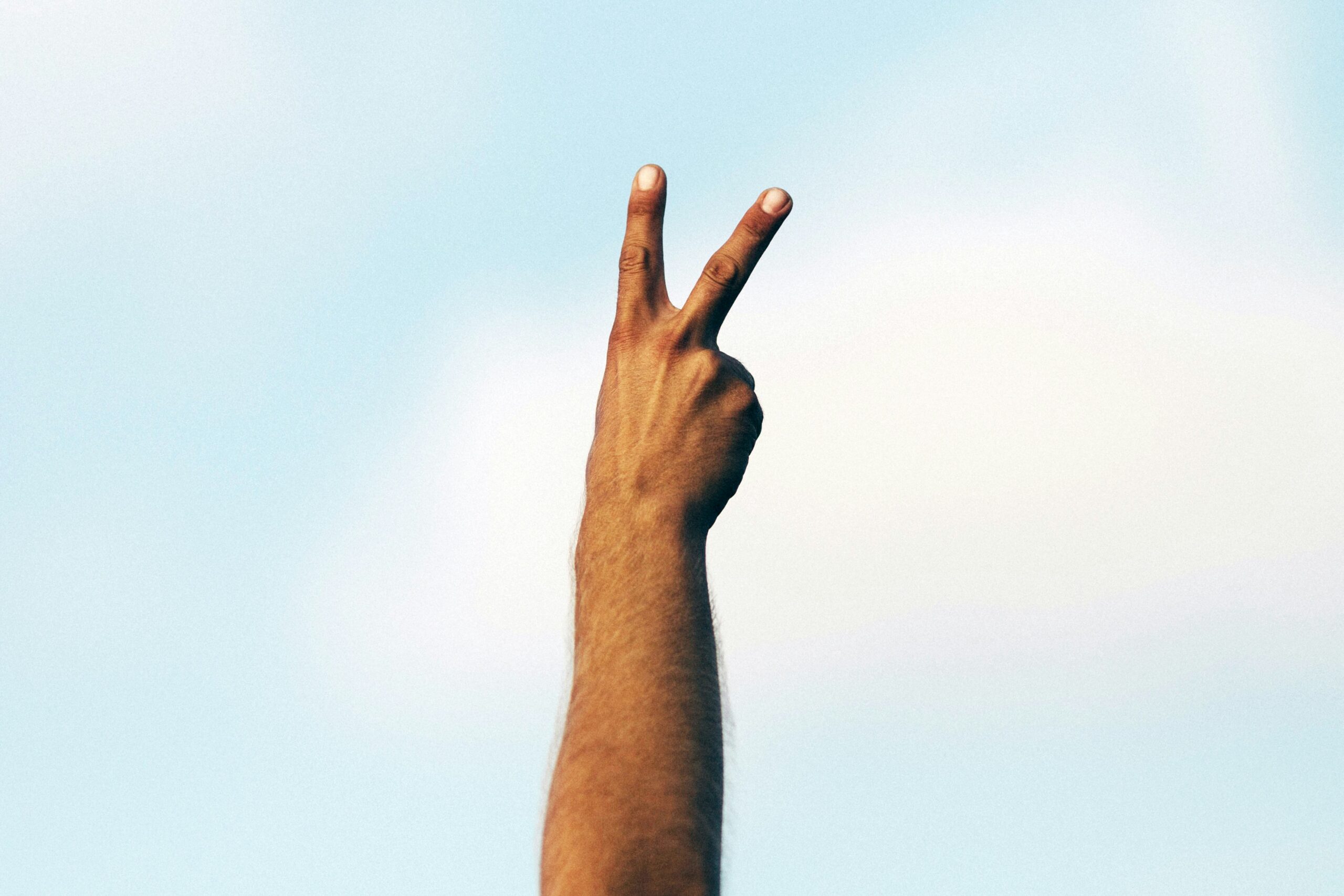
Hold up two fingers like a V with your palm out, folks in places like the U.S. or Canada see it as chill vibes or winning. Back in WWII, this sign started gaining attention, then got reused by peaceniks protesting wars later on.
Now turn your hand so the palm points at yourself, especially if you’re standing in Britain, Ireland, or down under, and boom, you’ve flipped an insult instead. Over there, it hits just as hard as flipping someone off with one finger, rooted in old tales of bowmen mocking foes after battles.
The swastika
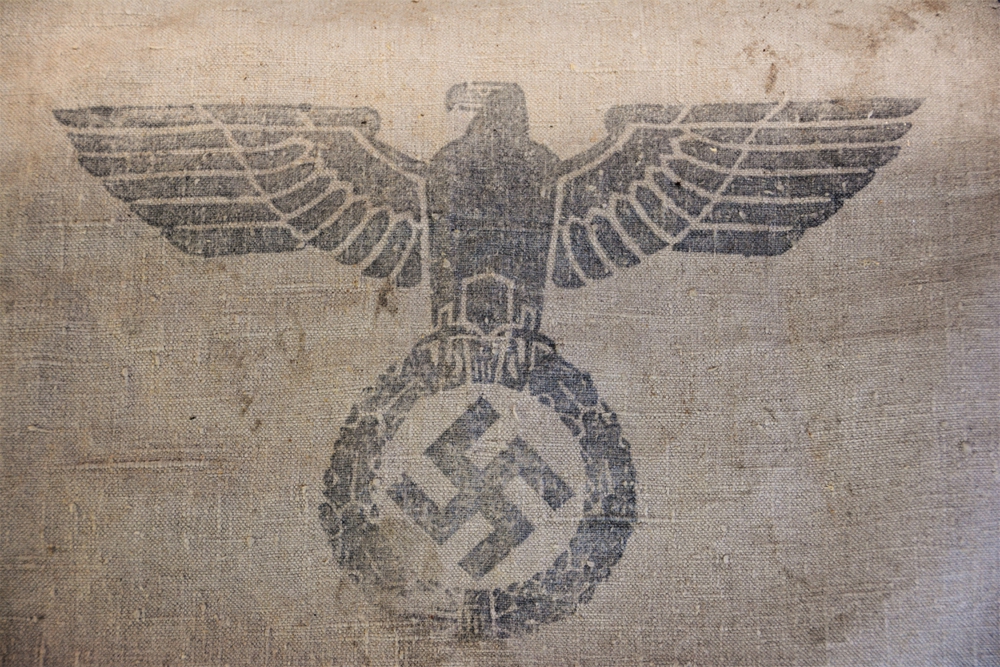
Long before it got tied to humanity’s worst chapters, the swastika stood as a timeless sign of luck and abundance. Across Hindu, Buddhist, and Jain beliefs, it’s popped up for ages, symbolizing health, endless cycles, even sunlight.
These days, you’ll spot it in shrines, houses, or spiritual events throughout parts of India, Nepal, Japan, and beyond. The left-facing form carries deep ritual weight in those cultures.
The OK hand gesture
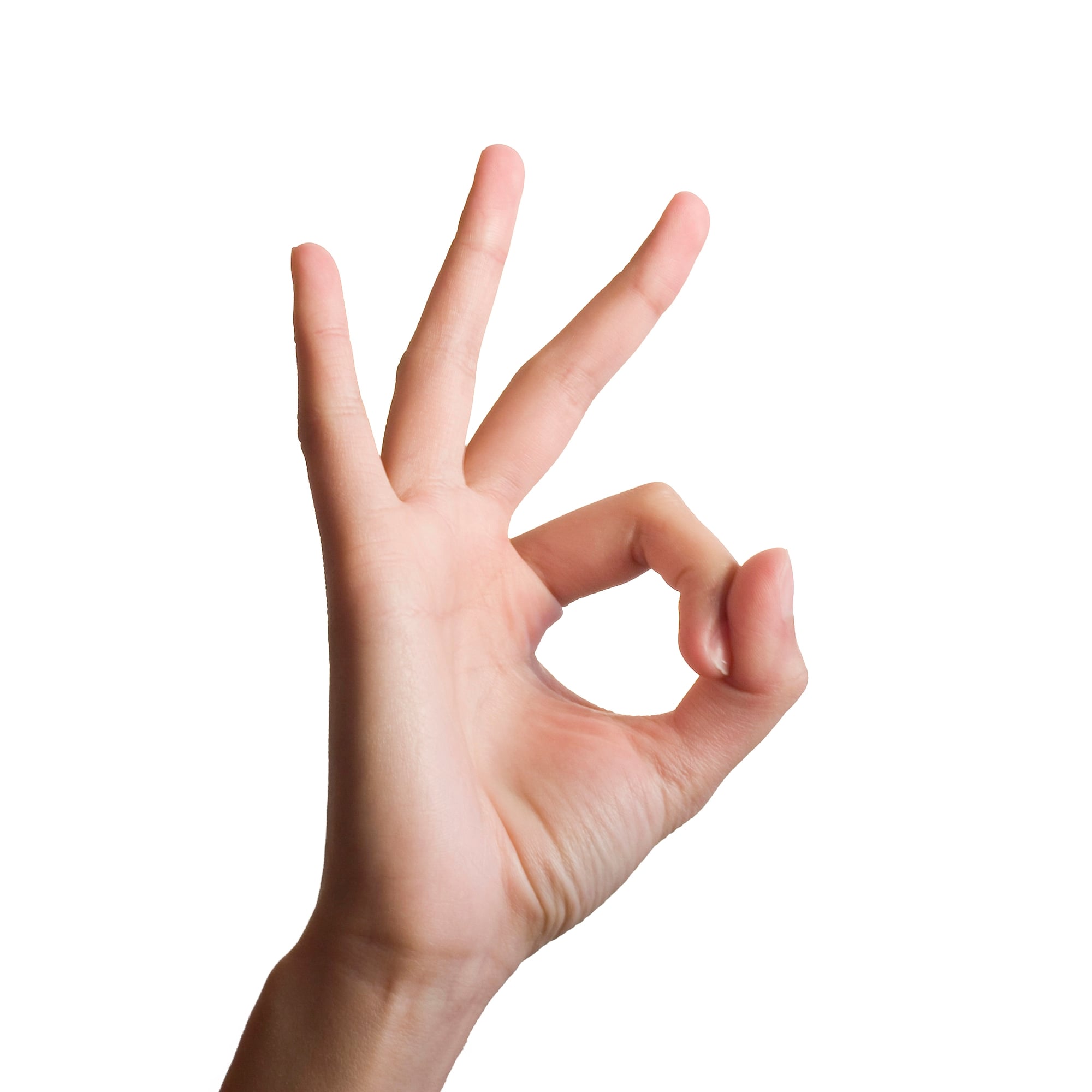
Make a ring with your thumb and index finger, leave the rest spread out, this shows “all good” in the U.S. Scuba divers give this sign below water to say they’re safe.
But down in places like Brazil or Turkey, plus certain spots near the Med, it’s seen as rude, even offensive. Lately, some extremist crews started using it too, which muddies what it stands for now.
The number four
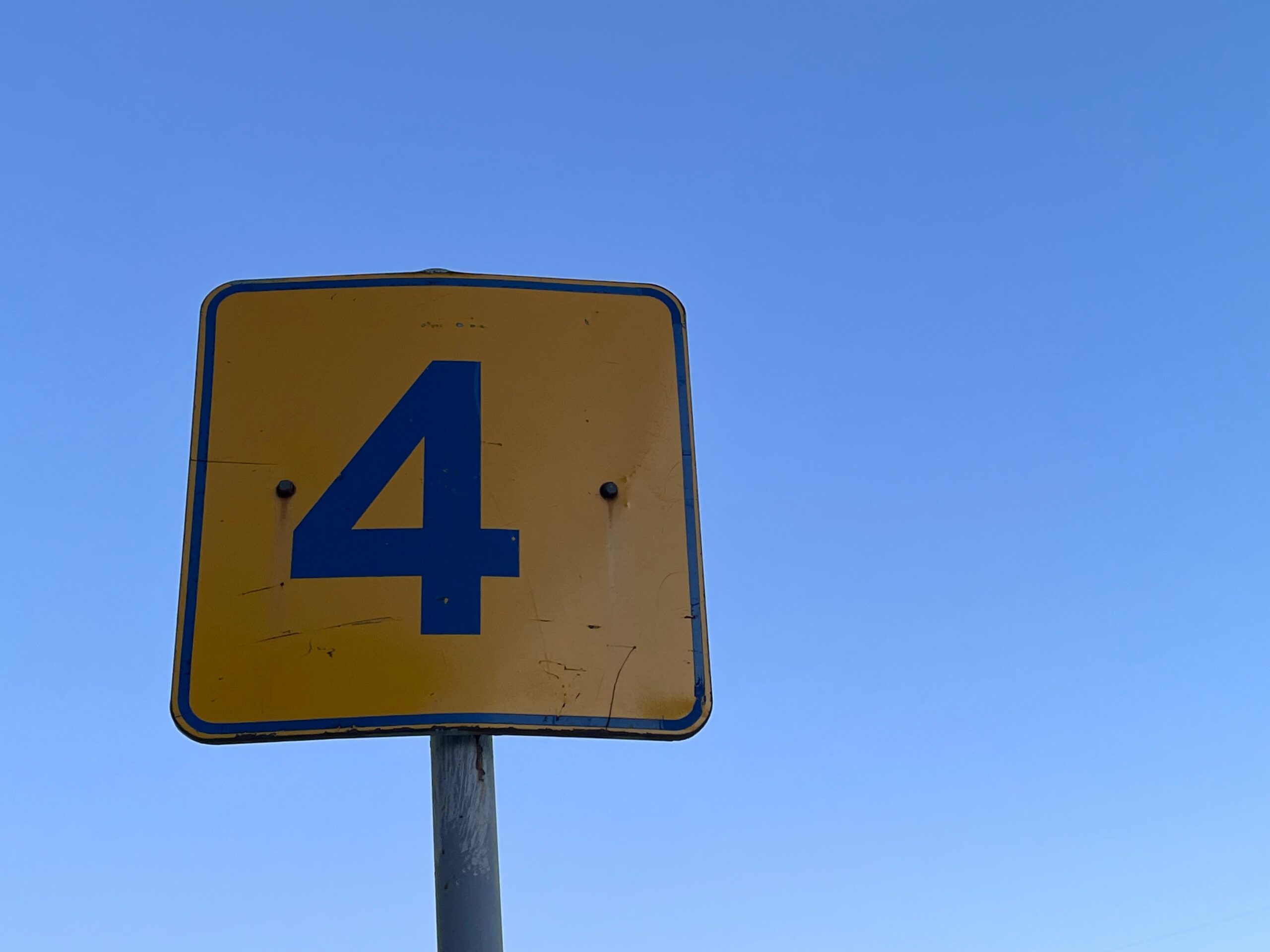
In places across Asia, especially China, Japan, and South Korea, the digit four feels cursed. That’s because “four” echoes the sound of “dead” when spoken in those tongues.
You’ll find floors labeled 3 then suddenly 5, skipping 4 completely, a move similar to how some U.S. high-rises dodge floor 13.
Red color symbolism
Red often stands for risk, halting, or caution in road rules and urgent warnings around much of the globe. Emergency vehicles like fire engines show up bright red, halt indicators use this shade too.
On another note, throughout China plus various parts of Asia, red symbolizes fortune, joy, festive moments. Wedding outfits go crimson by custom, money arrives tucked inside scarlet packets, dwellings fill with ruby ornaments when holidays roll in.
The owl
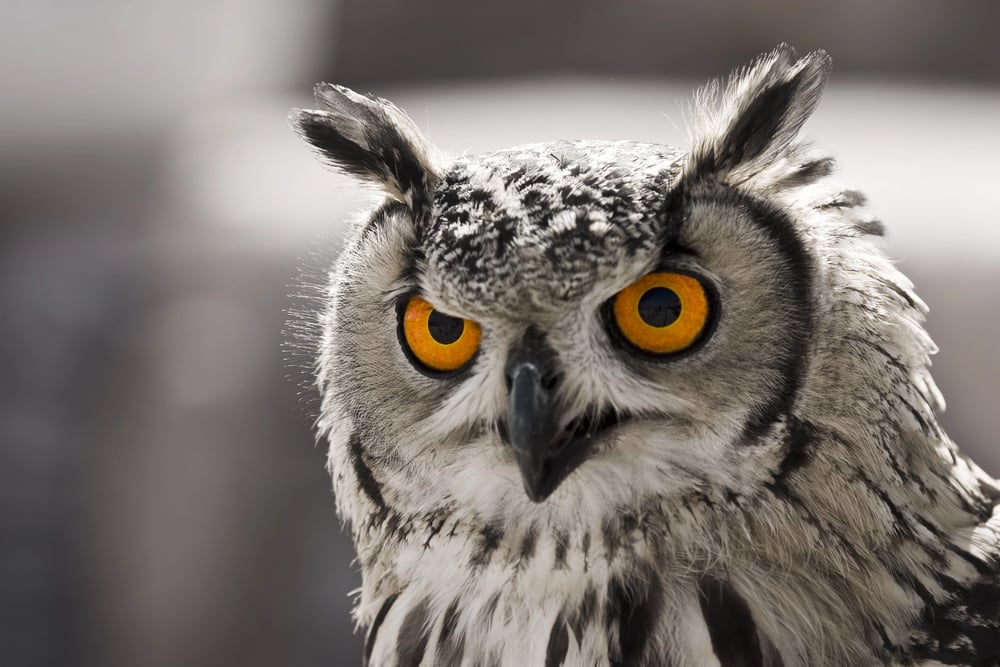
In the West, owls are tied to smarts, thanks partly to Athena from old Greek tales. Classrooms pick them as team figures; storybooks show aged owls guiding kids.
Still, in regions of India, spots across Africa, along with certain Native groups, these birds signal doom or dark change. A hoot after sunset could mean trouble’s near.
White color meaning

White stands for clear hearts, fresh starts, or untouched moments in places like Europe and America. People link it to calm feelings and spotless spaces.
Across Asia, especially in nations such as China, South Korea, or parts of India, folks see white as the shade tied to loss and burial rites. Showing up in white at joyful events might come off as rude or out of place.
The left hand
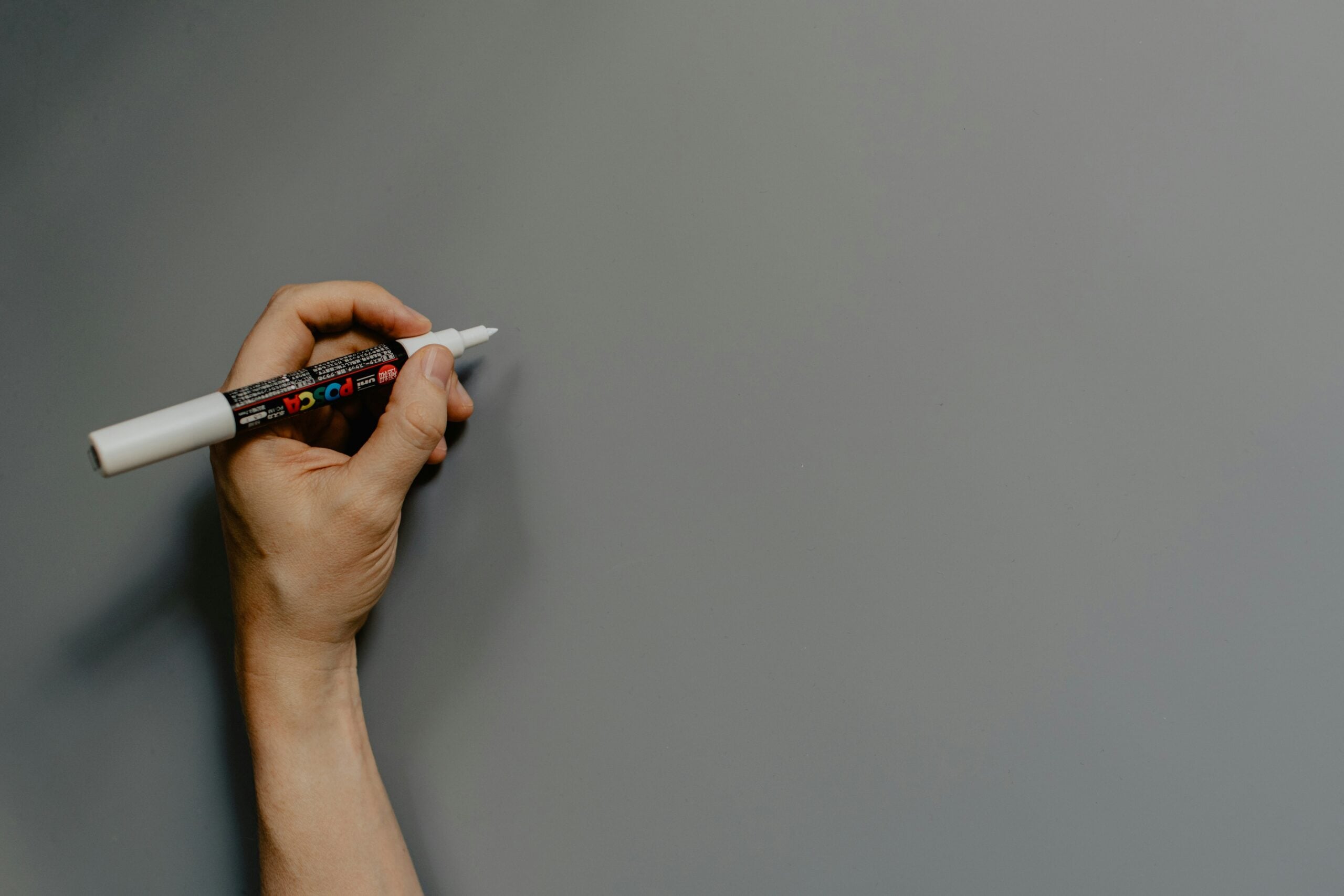
In Western places, grabbing food or waving hello with your left hand? Totally fine, no one bats an eye. Folks reach out however feels right.
But across parts of the Middle East, Africa, and South Asia, that same hand often handles private cleanup tasks after using the toilet. So sticking it out for a shake might shock people around there.
The lotus flower
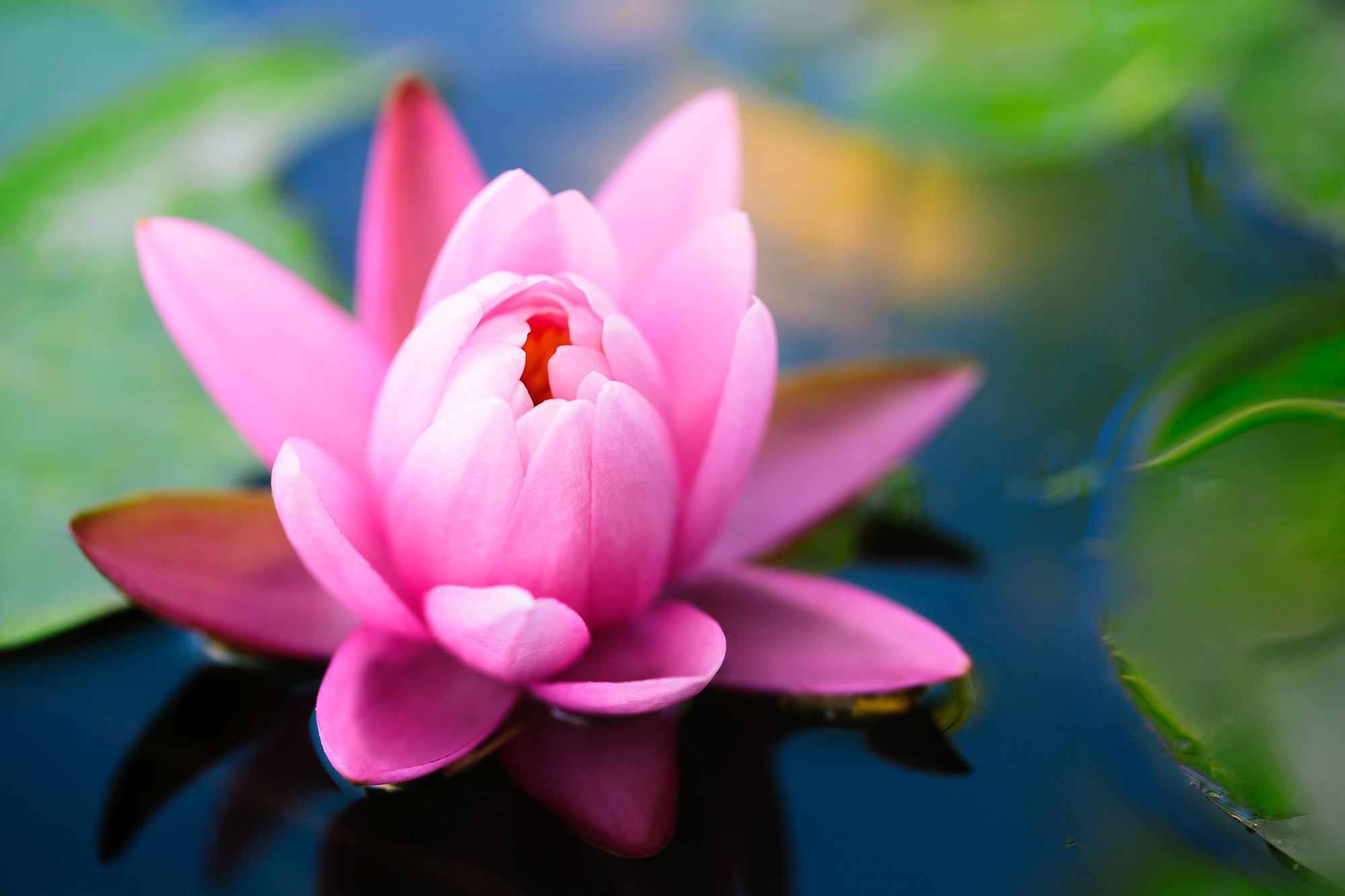
In Buddhism along with Hindu traditions, the lotus stands for inner awakening, clean beauty emerging from thick mud, and fresh beginnings. This bloom ranks among the holiest signs across Asian faiths.
On another note, Greek myths tell of folks eating lotus fruit, drifting into calm daze, forgetting their way back altogether.
Shaking your head along with nodding it

In many places, moving your head up and down shows agreement, whereas swinging it left to right signals disagreement. These movements seem natural.
Yet in Bulgaria and some areas of Greece, Albania, or Turkey, things flip around. Swinging your head sideways might really mean yes.
The dragon
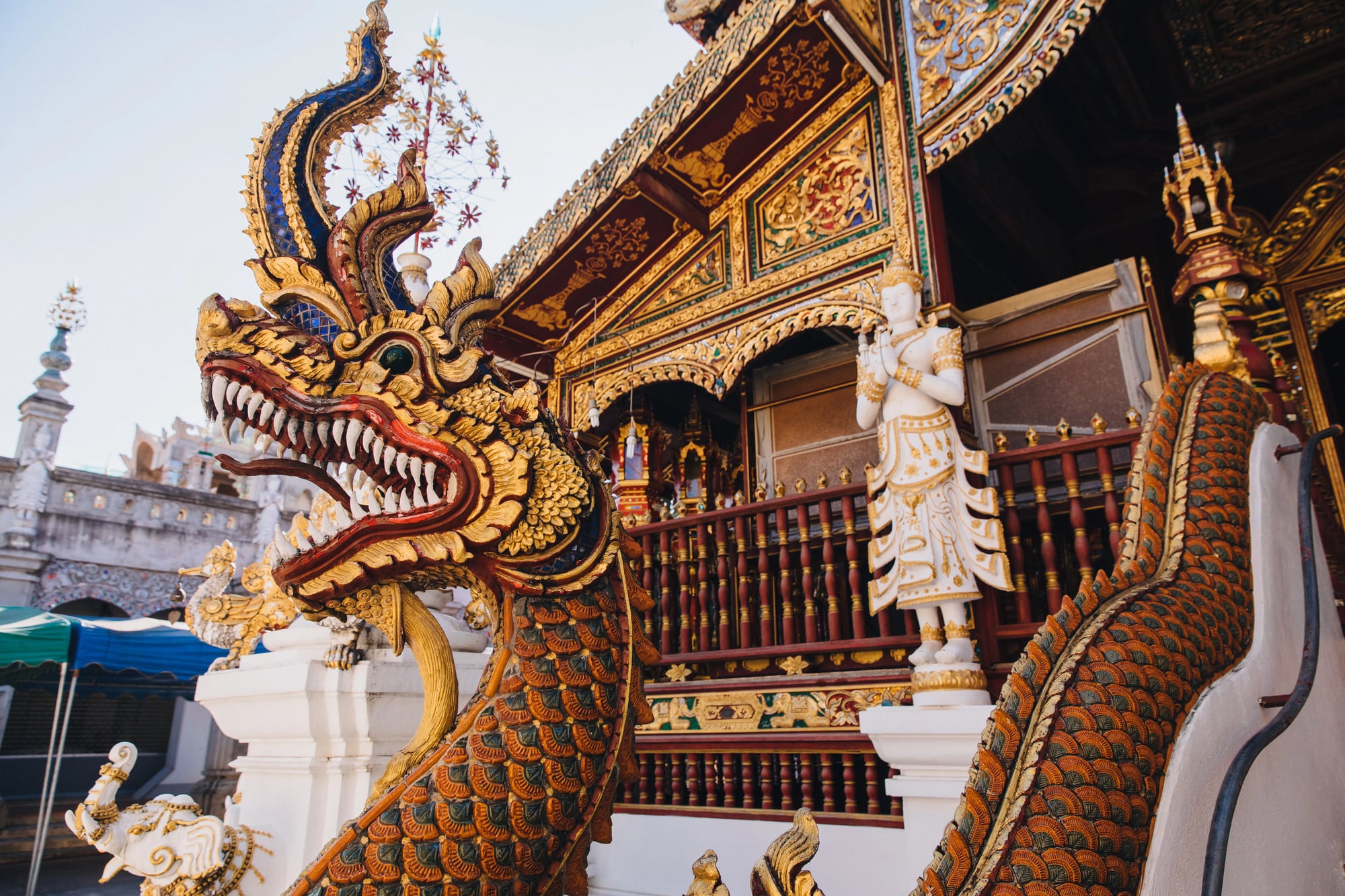
Western stories from old times often show dragons as scary beasts. These creatures stand for mess, selfishness, rough endings.
Over in China and nearby regions, dragons act kind. They carry strength, smart thinking, luck instead.
The color yellow

Yellow usually means “be careful” in places like Europe and America. Sometimes people link it to fear.
Across various parts of Asia, though, this color stands for power, wealth, or holiness. In certain parts of Latin America, yellow blooms stand for passing away.
The cow
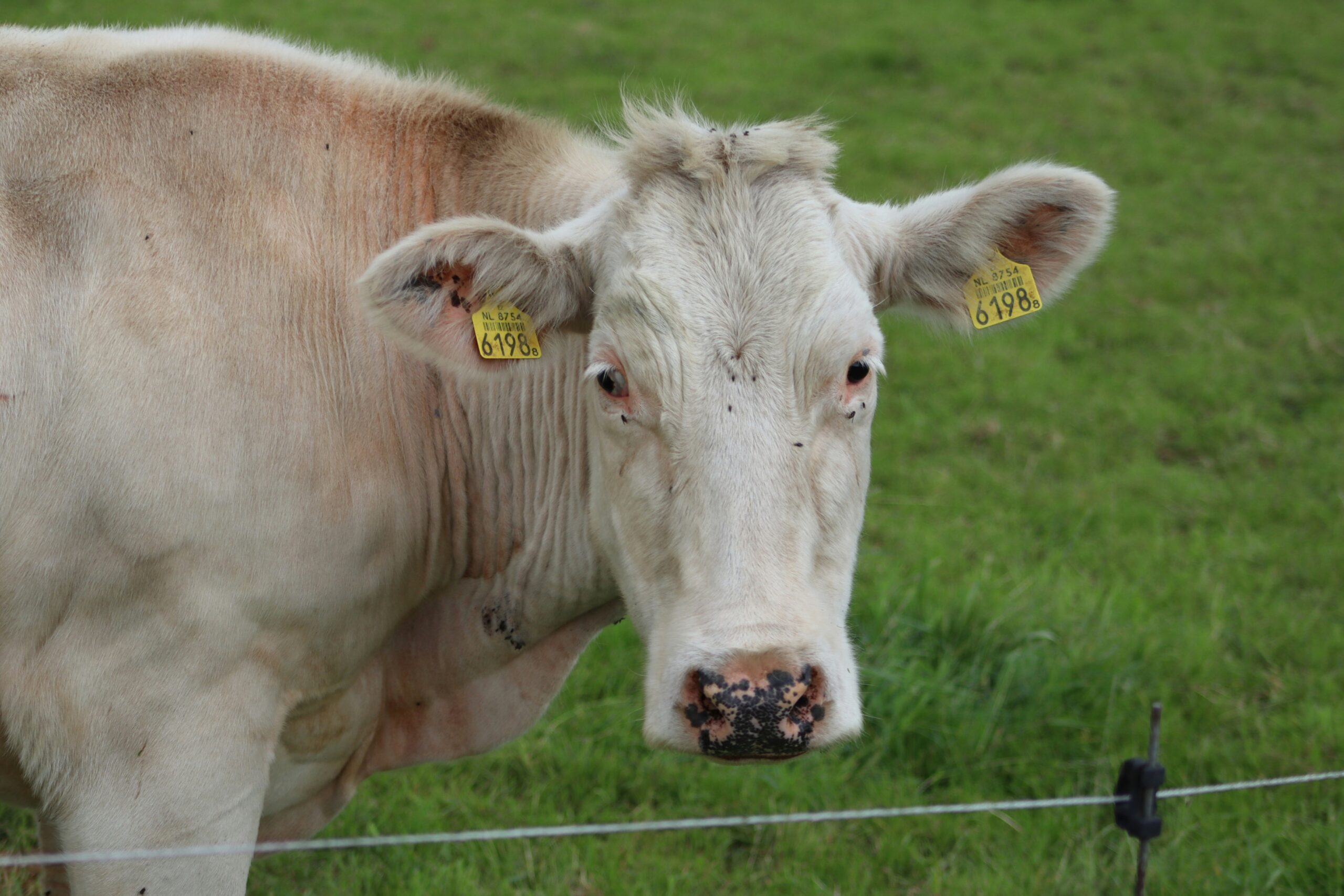
In Hinduism, cows stand for life and nourishment. Across India, legal rules shield these animals.
On the flip side, in Western farming cultures, cattle are mostly kept to produce dairy, hides, or food. Their worth comes from profit, not religious meaning.
The color green

When lights turn green, you’re supposed to move. This color also ties into eco causes, forests, trees, plus fresh starts across many Western countries.
Yet in various parts of Asia, this shade might mean someone’s cheating in love or bring bad luck during special events. In certain parts of the Middle East, green holds deep spiritual value.
The number seven
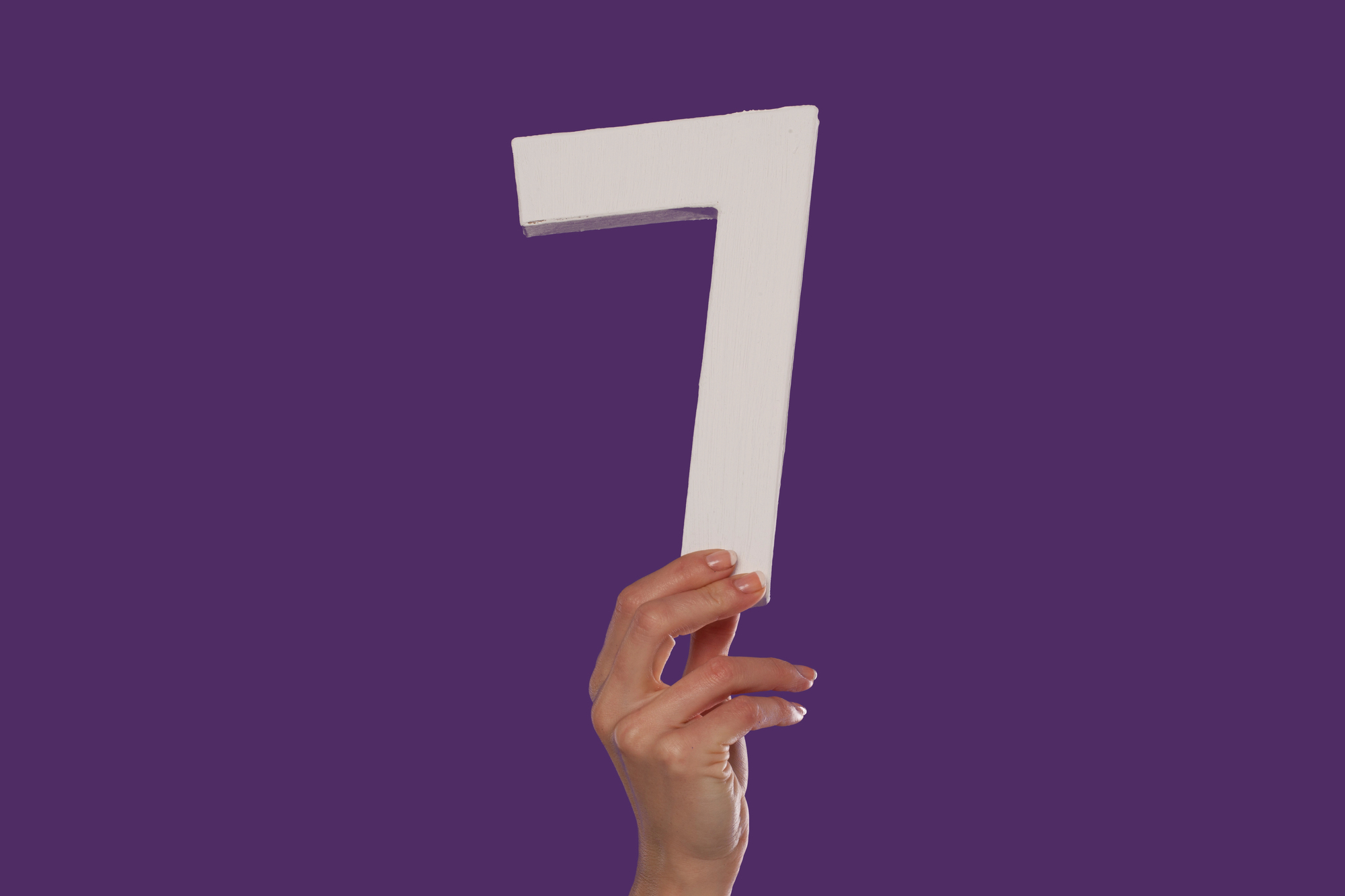
Seven feels lucky in lots of Western spots. Over in China? That same figure ties to rage.
Japan swings back, it’s a solid lucky pick there. One number, different vibes.
The snake
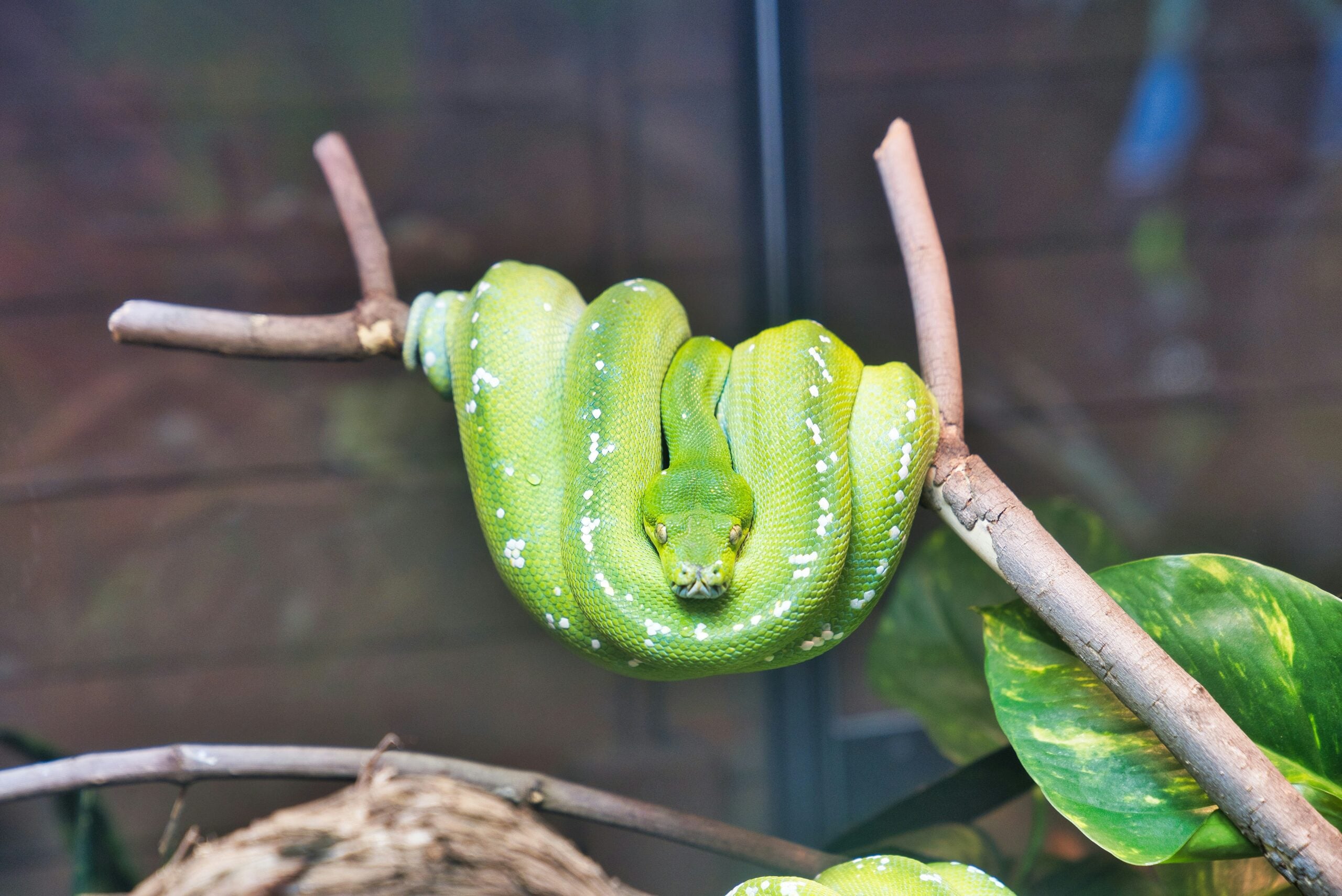
Snakes often stand for bad things in Christianity. Across much of Europe and America, people tend to dread these creatures.
Yet in Hindu beliefs, they’re honored. Back in ancient Egypt, cobras weren’t feared but respected.
Crossing your fingers
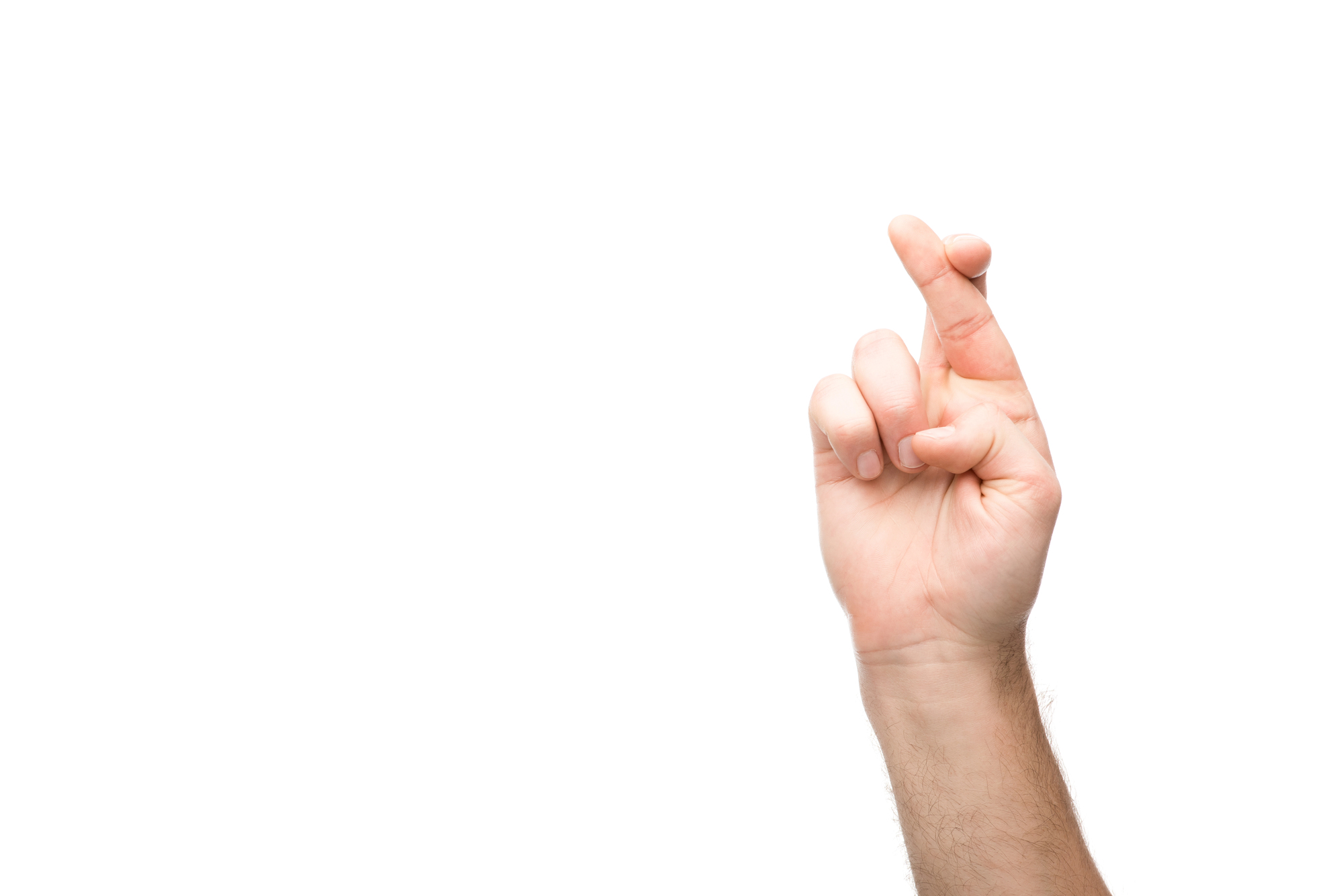
In the U.S. along with several other places where people speak English, tucking one finger over another shows you’re wishing for something lucky. Children often hide this move behind their back while stretching the truth.
Over in Vietnam though, doing this can come off as rude. Those crossed digits look like a blunt symbol tied to women’s bodies.
When symbols travel
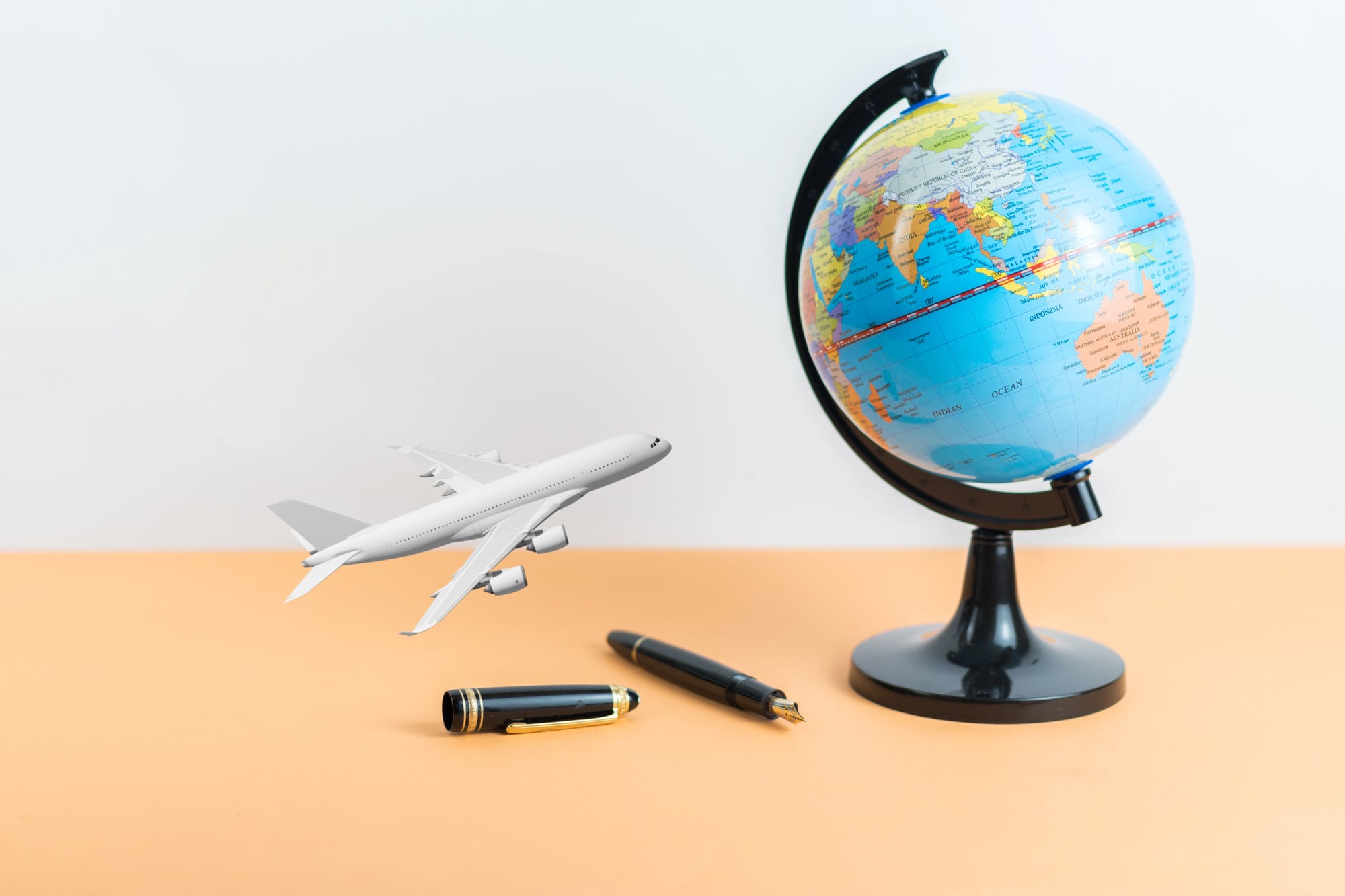
Knowing symbols mean different things in different spots helps dodge weird situations while bringing folks closer together. These days, travel and communication zip across country lines nonstop.
Meanings aren’t stuck inside signs themselves. Culture and history give them weight through shared understanding.
More from Go2Tutors!

- The Romanov Crown Jewels and Their Tragic Fate
- 13 Historical Mysteries That Science Still Can’t Solve
- Famous Hoaxes That Fooled the World for Years
- 15 Child Stars with Tragic Adult Lives
- 16 Famous Jewelry Pieces in History
Like Go2Tutors’s content? Follow us on MSN.



