Best Cars Our Parents Drove
The cars sitting in driveways during the 70s, 80s, and 90s represented more than just transportation for families. These vehicles became part of childhood memories, from road trips with sticky vinyl seats to learning to drive in parking lots.
Parents chose these cars for practical reasons like trunk space and fuel economy, but looking back, many of them were actually pretty cool. Here are the rides that defined a generation of family transportation and somehow still make people nostalgic today.
Honda Accord

The Accord became the default choice for sensible parents who wanted reliability without spending a fortune. Honda built these cars to last forever, and many of them actually did.
Neighbors had Accords in every color, and they all seemed to run perfectly even with 200,000 miles on the odometer. The trunk held groceries, sports equipment, and everything else families needed to haul around.
Parents loved them because they never broke down, and kids appreciated the smooth ride that made long trips more bearable.
Ford Taurus
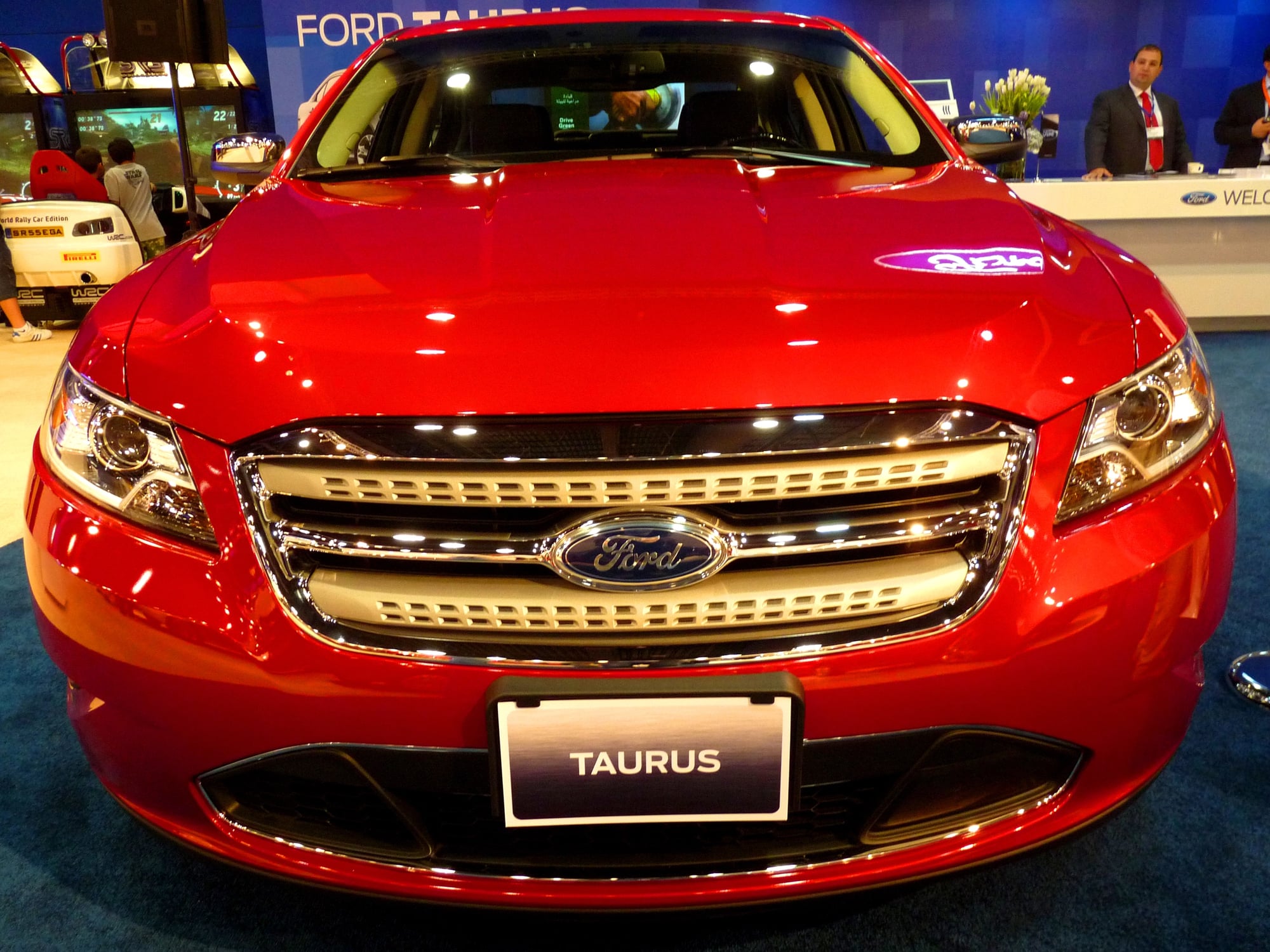
Ford’s rounded design looked futuristic when it debuted in 1986, even though kids thought it looked like a jellybean. The Taurus became America’s best-selling car for years because it offered space and comfort at a reasonable price.
Station wagon versions could fit entire soccer teams, making them perfect for carpool duty. The front bench seat in early models meant three kids could squeeze across if necessary.
These cars symbolized practical American family life during the late 80s and early 90s.
Toyota Camry
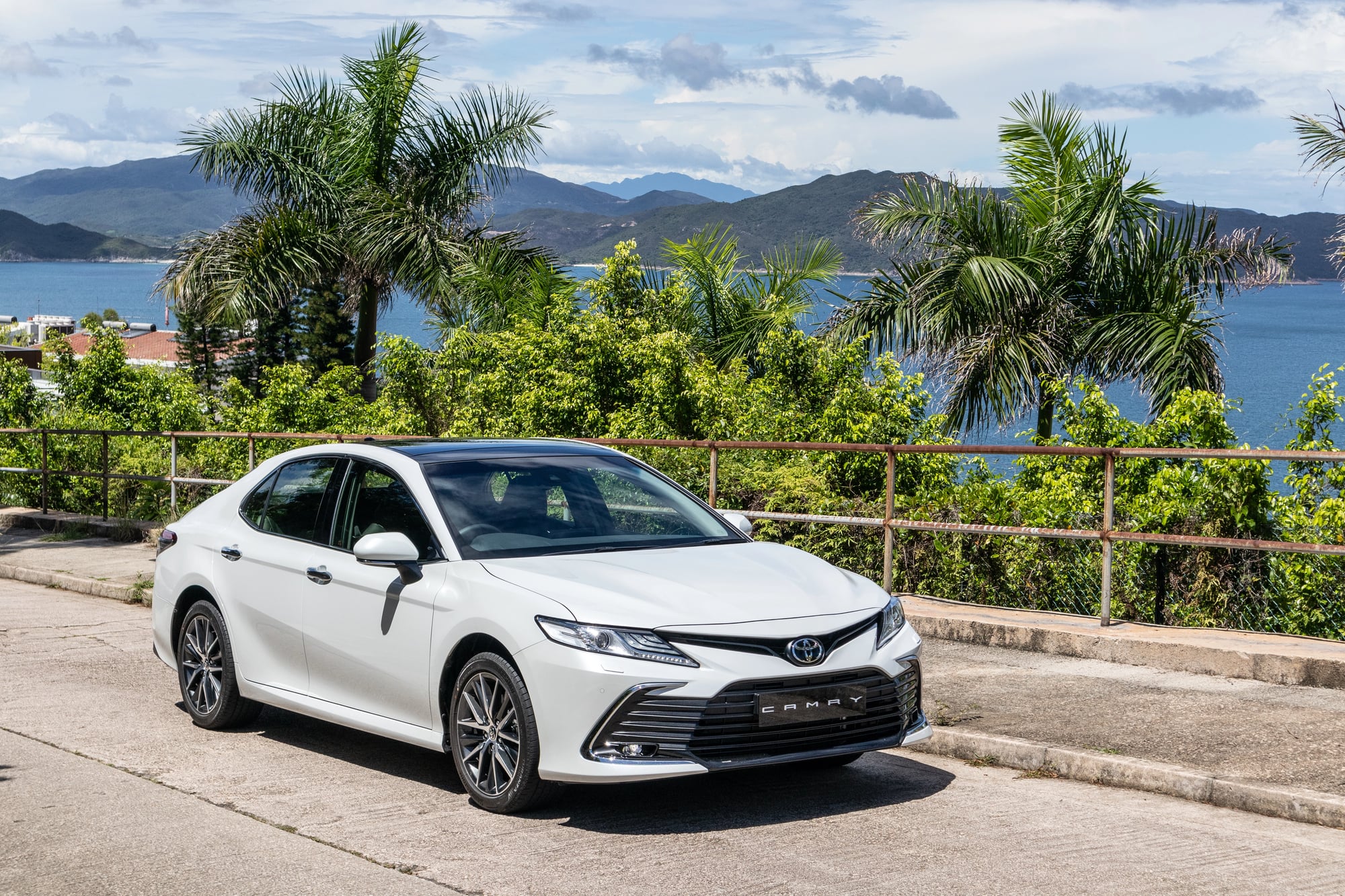
Toyota’s reputation for building indestructible sedans made the Camry the car that careful parents chose. The beige ones seemed to outnumber all other colors combined, becoming a running joke about boring but dependable transportation.
Nothing ever went wrong with these cars, which meant parents drove them for decade after decade. The back seat had enough room for kids to avoid touching each other during arguments.
Camrys represented the ultimate in no-surprises, drama-free family transportation.
Chrysler Minivan
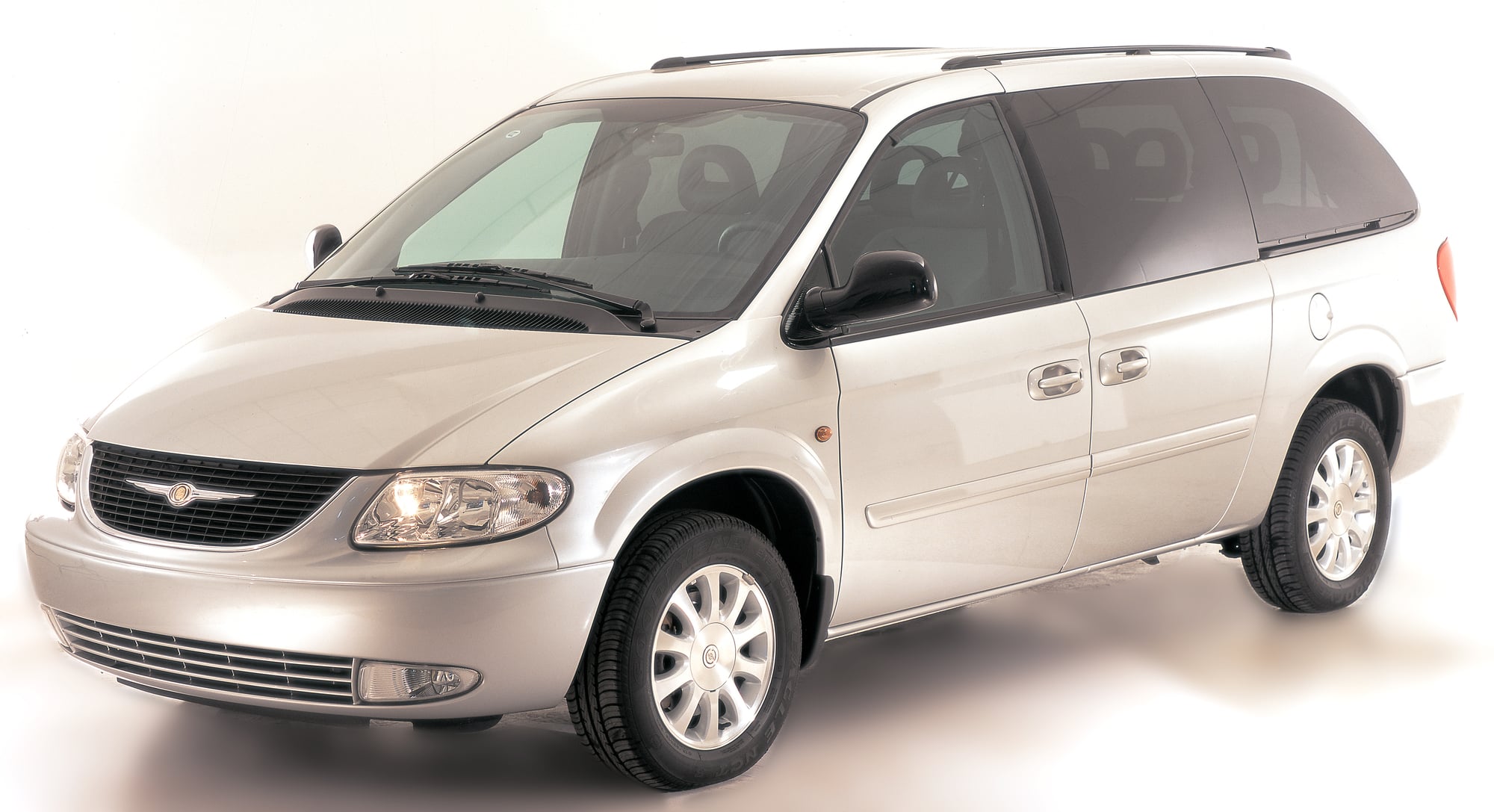
Chrysler invented the modern minivan in 1983 and changed family transportation forever. Sliding doors made loading kids and groceries easier than any car trunk ever could.
The third row meant families could actually take friends on trips without anyone sitting on the floor. Wood paneling on the sides became iconic, even though it was just vinyl stickers.
These vans turned parents into chauffeurs, but they did it with more space and comfort than station wagons ever offered.
Volvo 240
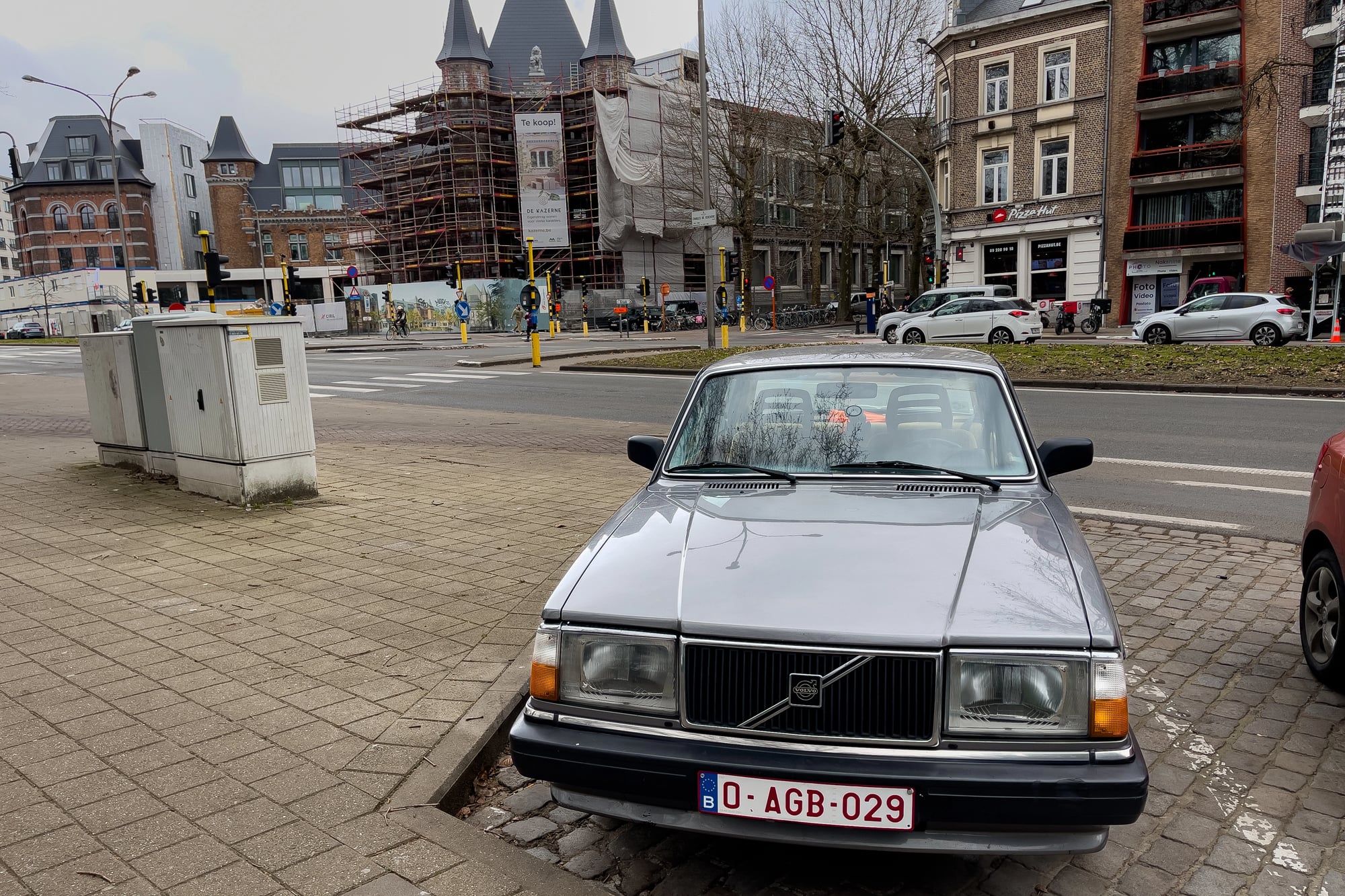
Safety-obsessed parents drove boxy Volvos that looked like armored tanks. These Swedish sedans could survive crashes that totaled other cars, making them perfect for families with teenage drivers.
The cars lasted so long that many got passed down to kids learning to drive. Rear-facing third-row seats in the wagon version made road trips feel like riding backward through time.
Volvos weren’t stylish, but they kept families safe, which mattered more to worried parents.
Chevrolet Suburban
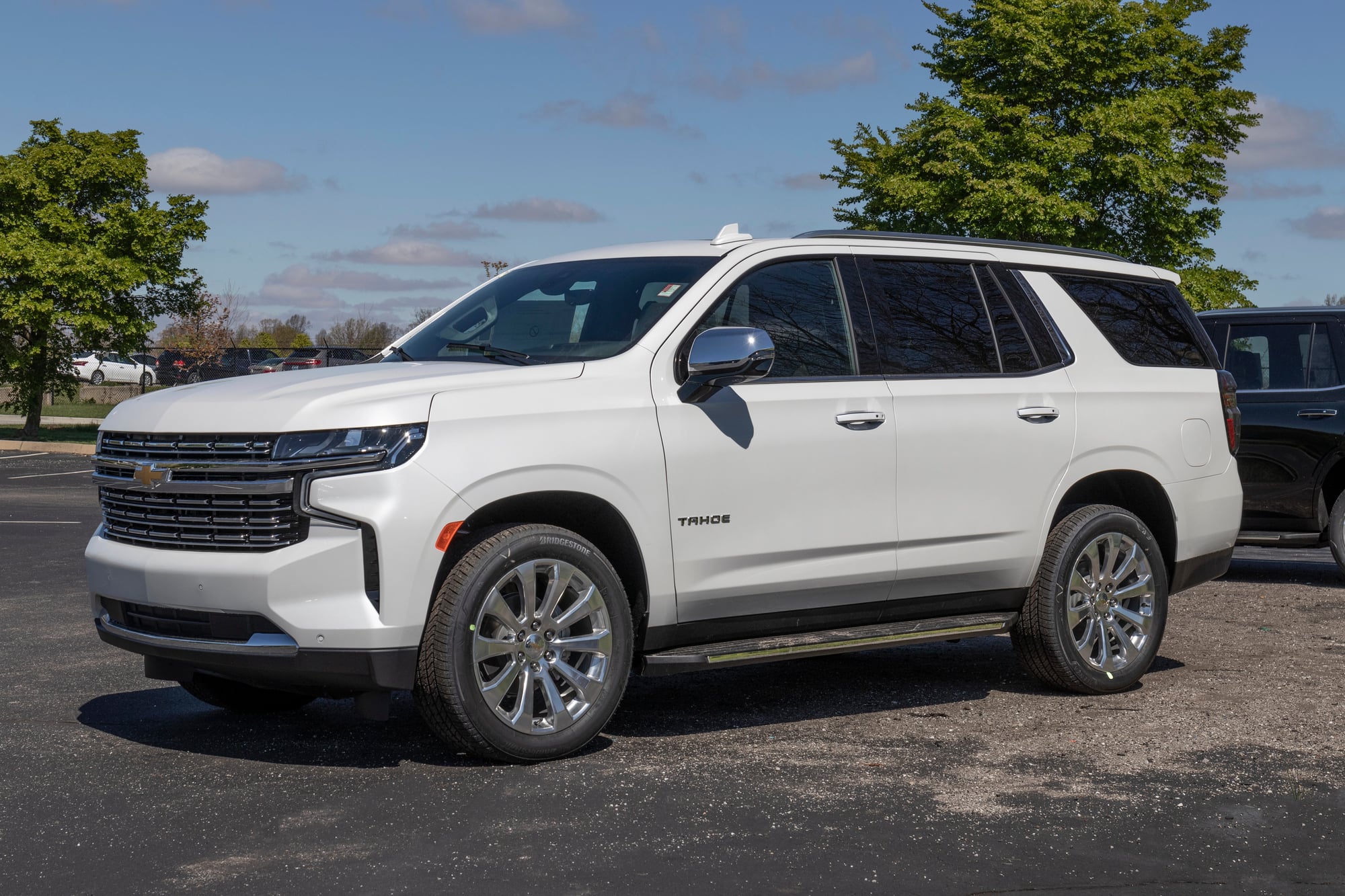
Families who needed to haul lots of people or pull trailers chose the massive Suburban. This truck-based SUV could seat nine people and still have room for luggage.
The thing was so big that parking lots felt too small for it. Gas mileage was terrible, but that didn’t matter when cheap fuel filled the tank for twenty bucks.
Suburbans represented American excess in the best possible way, giving families more space than they knew what to do with.
Subaru Outback
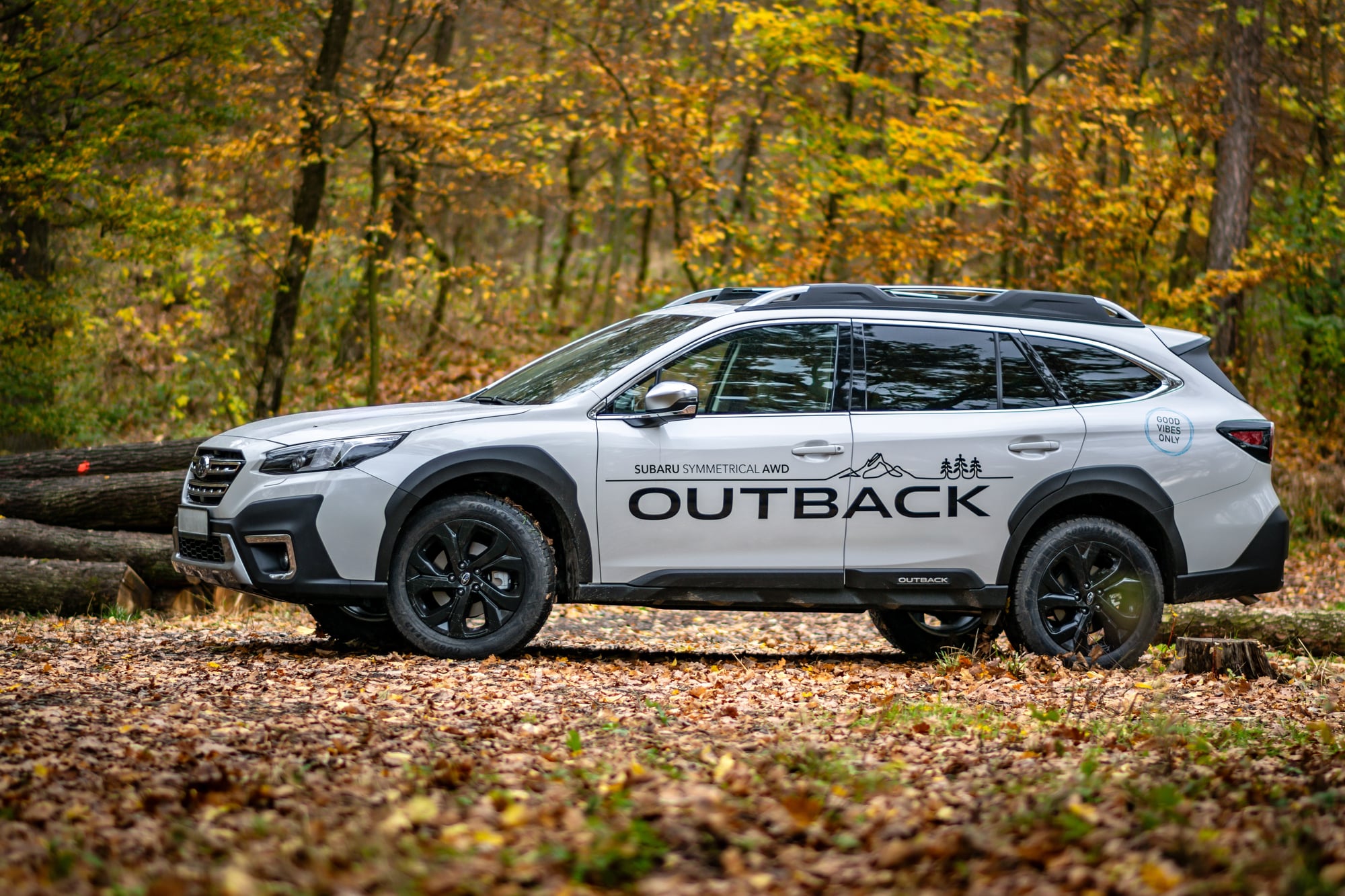
The Outback became the official vehicle of outdoorsy families who went camping and skiing every weekend. All-wheel drive meant these cars handled snow better than most other family vehicles.
The raised height gave it some SUV capability without the terrible fuel economy. Golden retrievers seemed to automatically come with every Outback purchase.
These cars signaled that the family inside valued adventure and practicality in equal measure.
Dodge Caravan
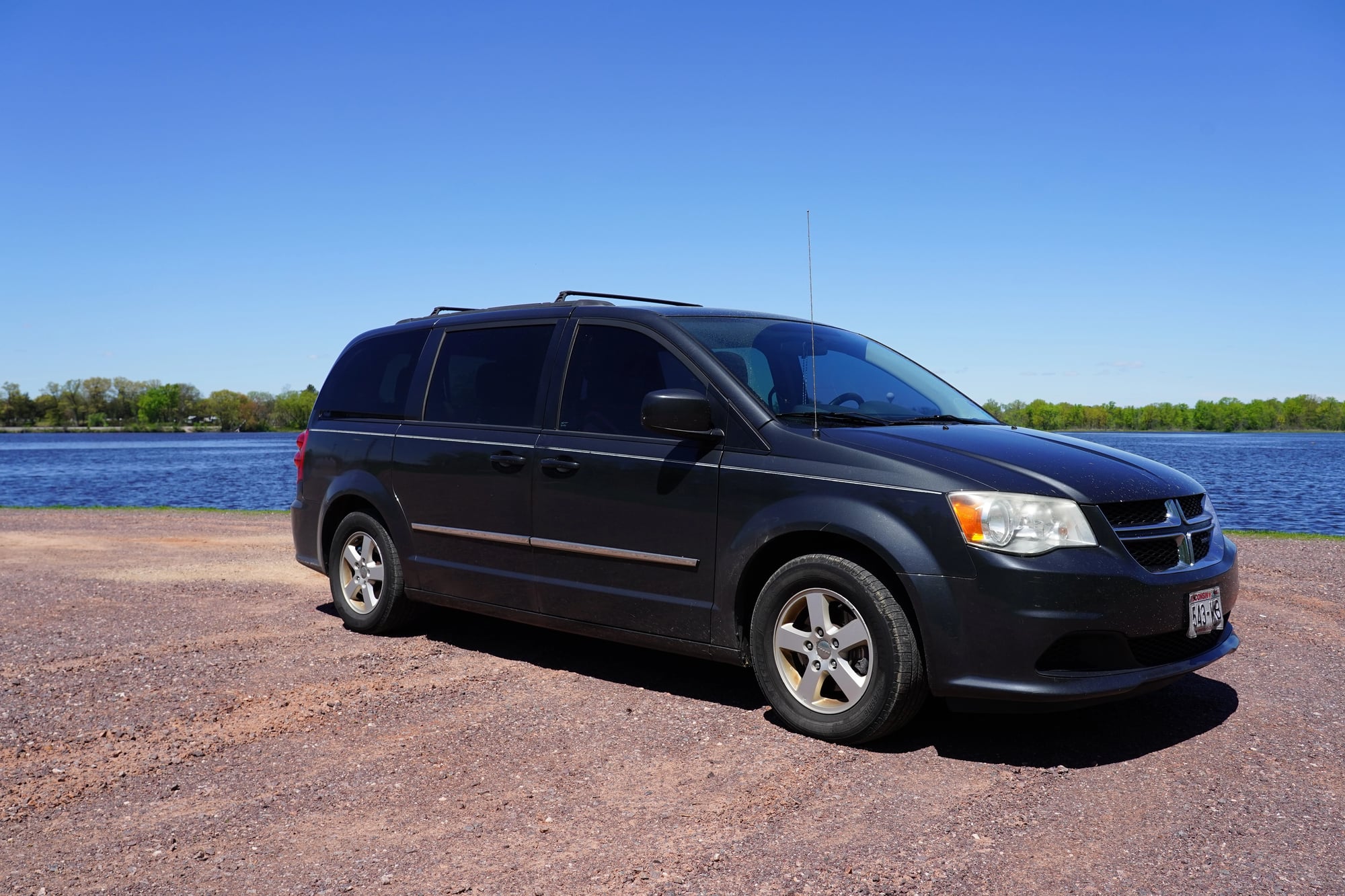
Dodge’s version of the minivan competed directly with Chrysler but cost a bit less. Families on tighter budgets chose Caravans and got most of the same features.
The stow-and-go seating that came later made these vans incredibly versatile for hauling both people and cargo. Breaking down became more common than with Japanese competitors, but loyal Dodge fans stuck with them anyway.
These vans represented the more affordable path to minivan ownership.
BMW 3 Series
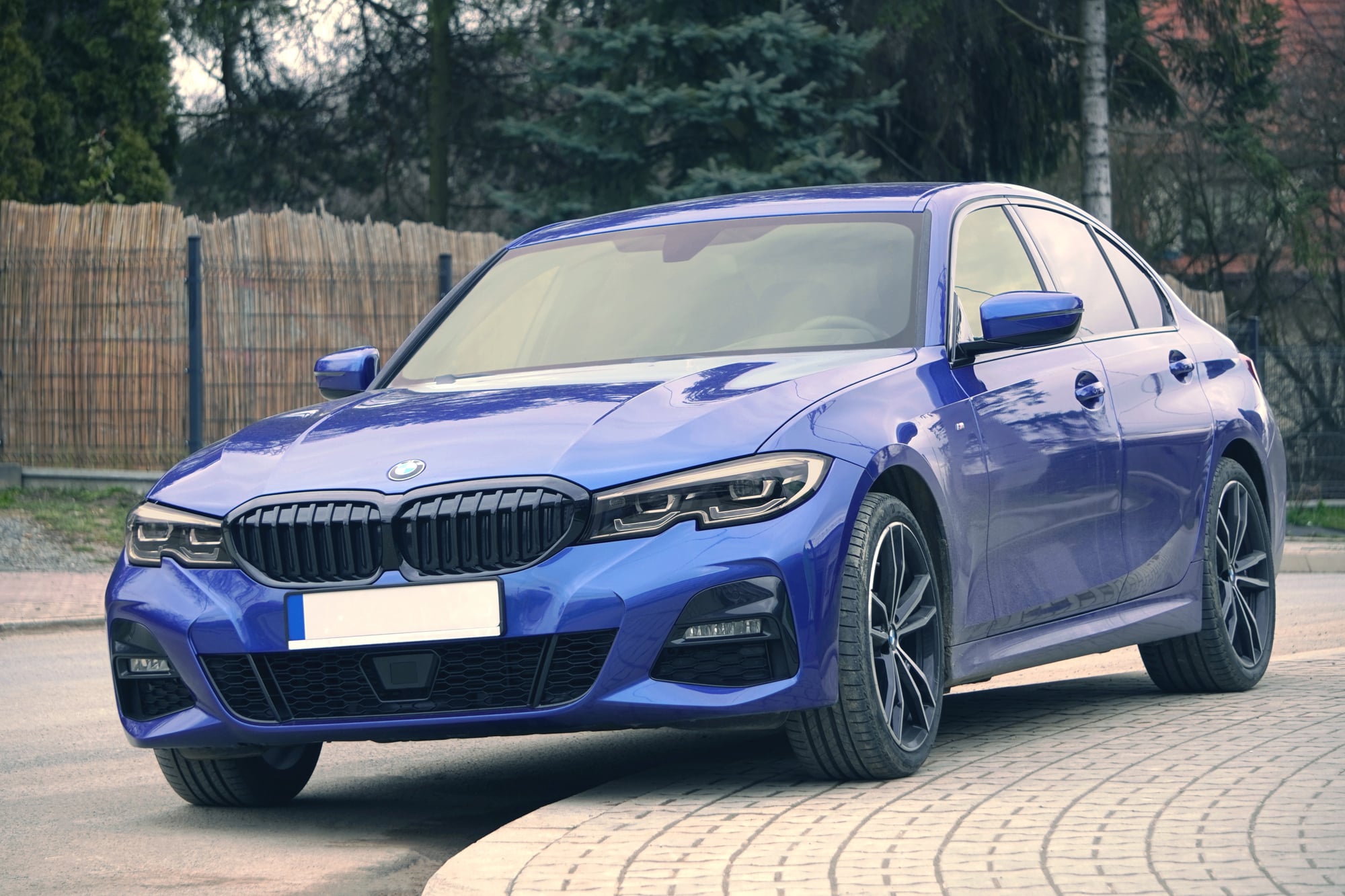
Some parents splurged on BMWs and showed everyone else on the block that they had made it financially. The driving experience in these German sedans far exceeded anything domestic cars offered.
Kids felt a bit fancier getting dropped off at school in a BMW instead of a boring sedan. Repair costs shocked parents who were used to cheap Honda parts.
The 3 Series proved that family cars didn’t have to be completely practical and boring.
Jeep Cherokee
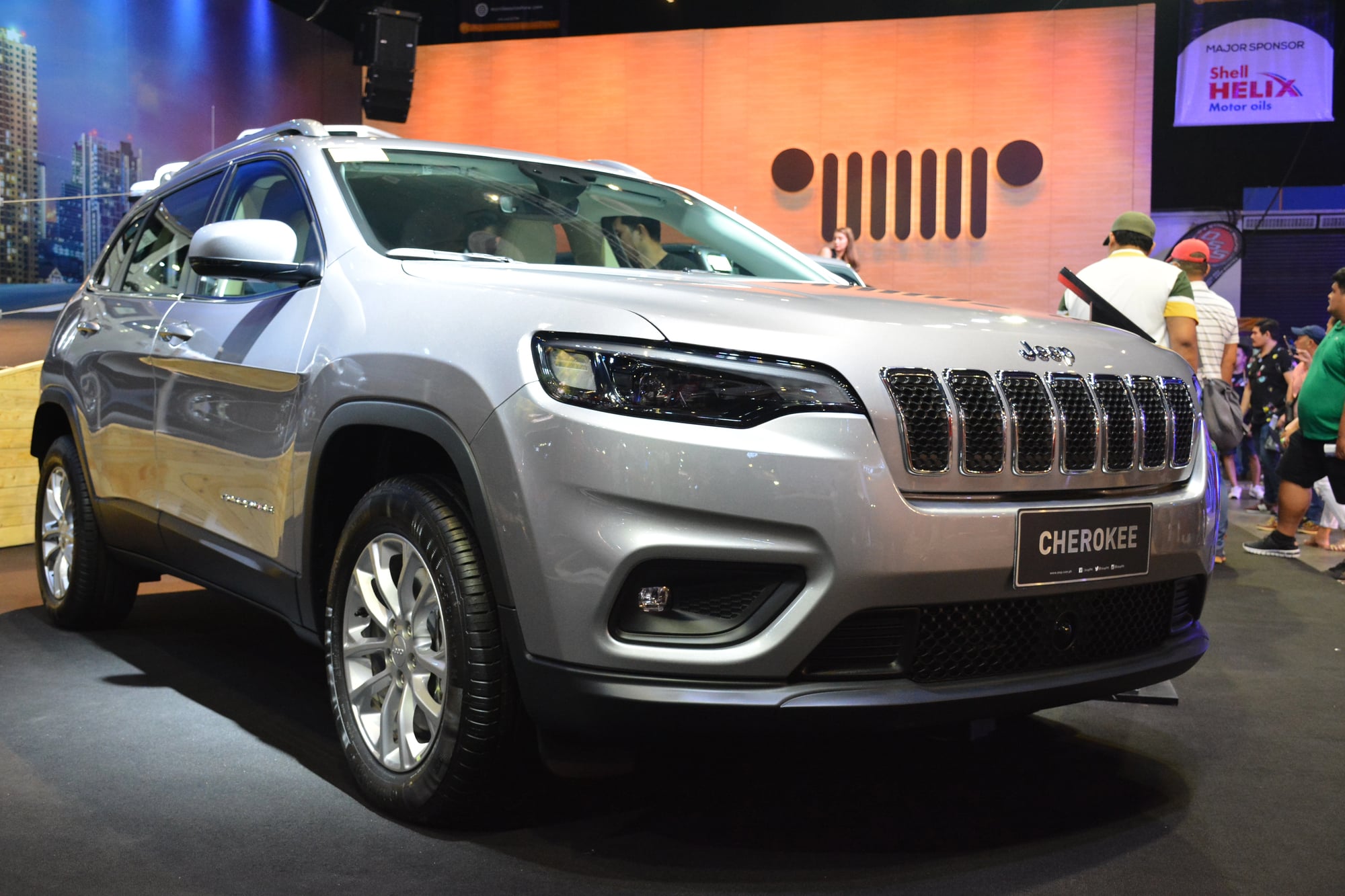
The boxy Cherokee became popular before SUVs dominated every driveway in America. Four-wheel drive made these vehicles perfect for snowy climates and dirt roads to cabin getaways.
The squared-off design looked tough without being overly aggressive. Reliability improved throughout the 90s, making later models much better than earlier ones.
Parents who drove Cherokees usually had some sense of adventure mixed with their practical side.
Station wagons with rear-facing seats
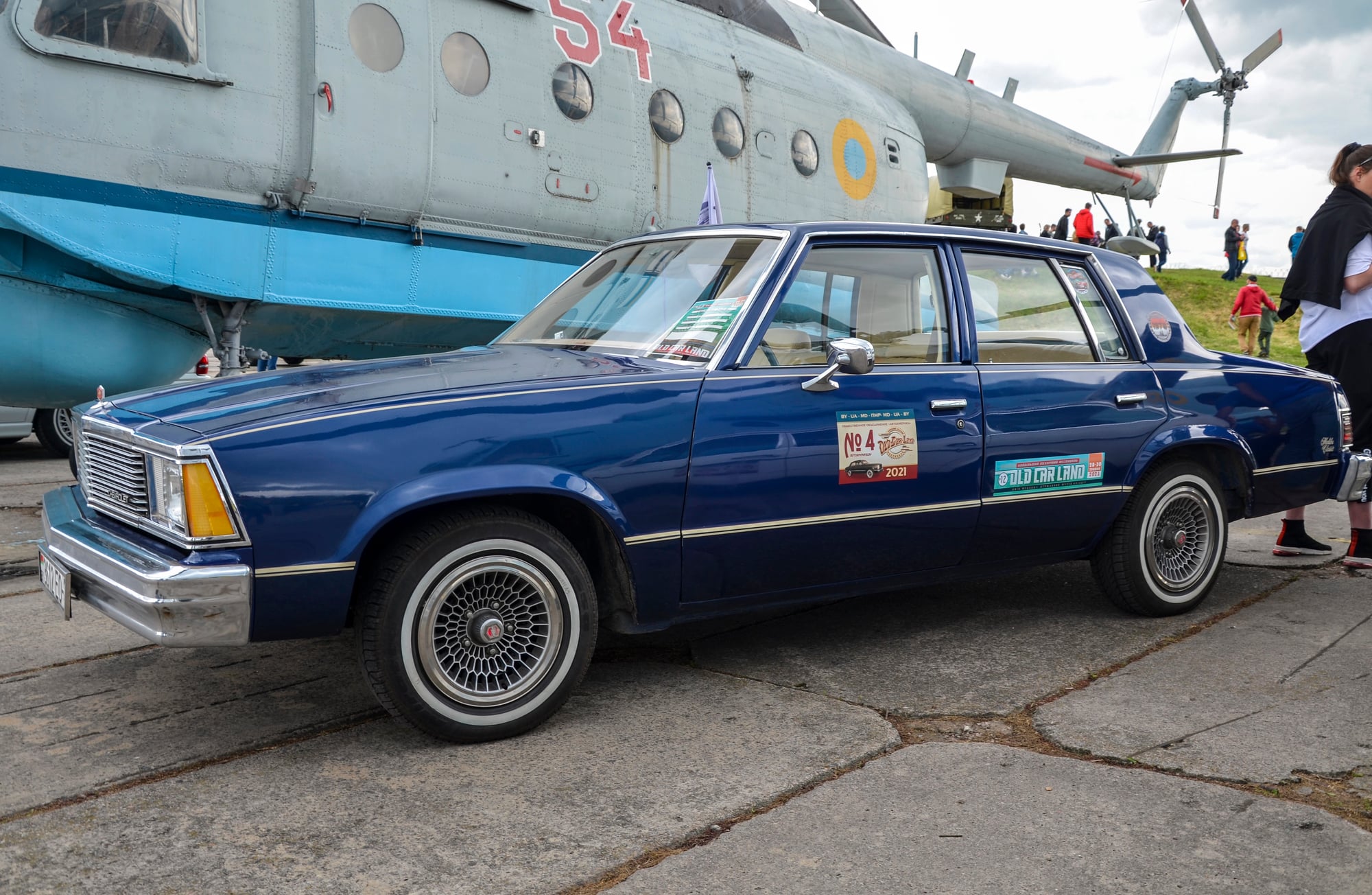
Multiple manufacturers offered wagons with backward-facing third-row seats that thrilled kids on road trips. Sitting on the way back felt like having a private compartment separate from parents in front.
Waving at cars behind became a favorite activity during highway drives. The exposed position in a rear-end crash would horrify modern safety experts.
These seats created memories that millions of kids from the 70s and 80s still talk about today.
Ford Explorer
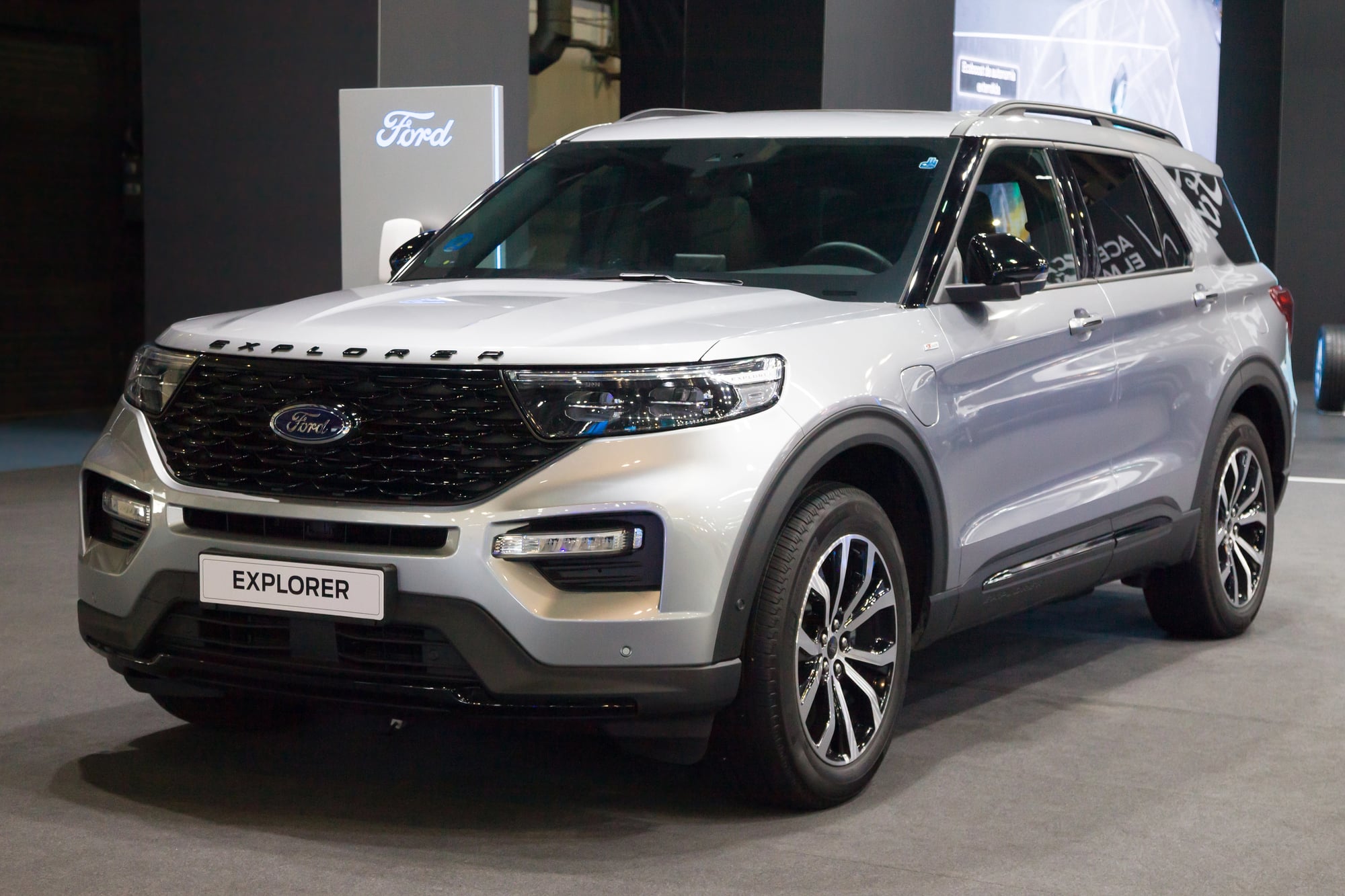
The Explorer helped start the SUV craze that eventually killed off station wagons and sedans. Families wanted the commanding view and perceived safety of a bigger vehicle.
The third-row seat made it practical for larger families. Rollover problems and tire issues plagued early models, creating a scandal that Ford eventually fixed.
Despite the controversy, Explorers became one of America’s most popular family vehicles throughout the 90s.
Mazda MPV
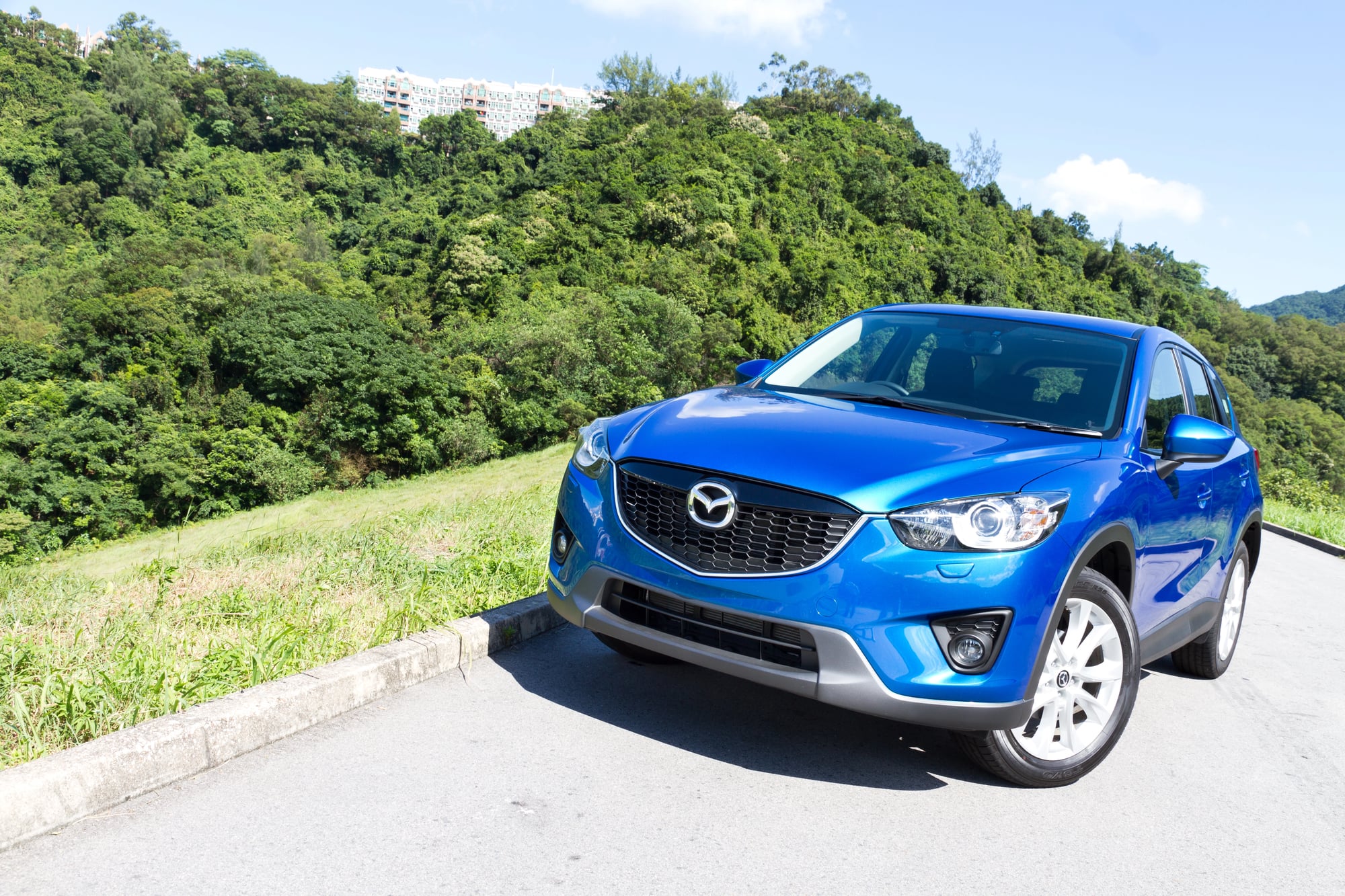
Mazda’s minivan never achieved the popularity of Chrysler or Honda versions, but it offered something different. The rear-wheel-drive layout made it handle better than other minivans.
Smaller families appreciated the compact size that fit in tighter parking spaces. Reliability matched other Japanese vehicles, meaning it rarely needed repairs.
The MPV represented the road less traveled in minivan choices.
Honda Odyssey
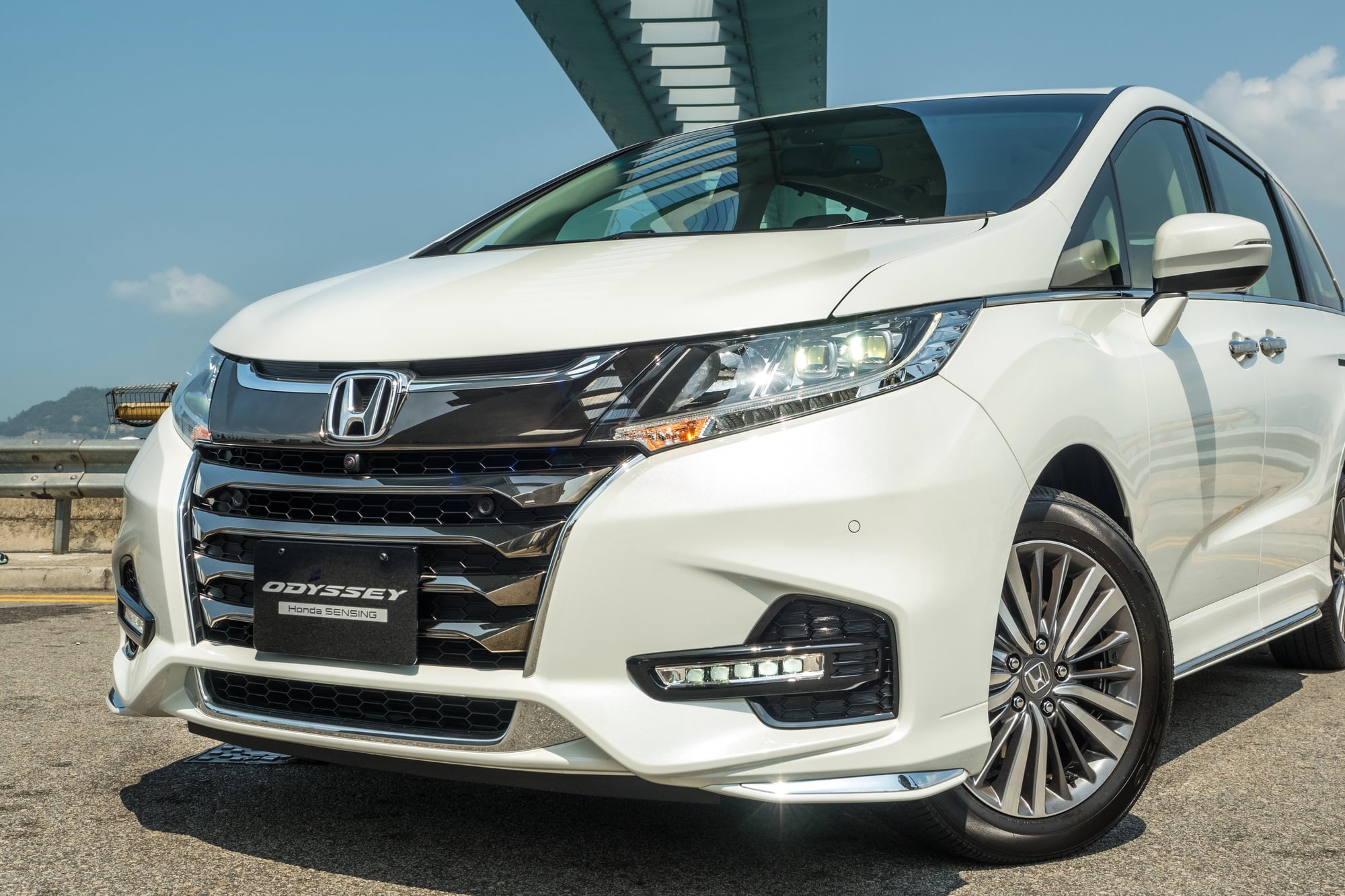
Honda entered the minivan market later but quickly built the best one. The Odyssey combined Honda reliability with clever features that other vans lacked.
Sliding doors on both sides became standard when competitors still offered them on just one side. The smooth V6 engine made highway driving pleasant instead of loud and harsh.
Soccer moms everywhere upgraded to Odysseys when their older vans finally gave up.
Pontiac Grand Am
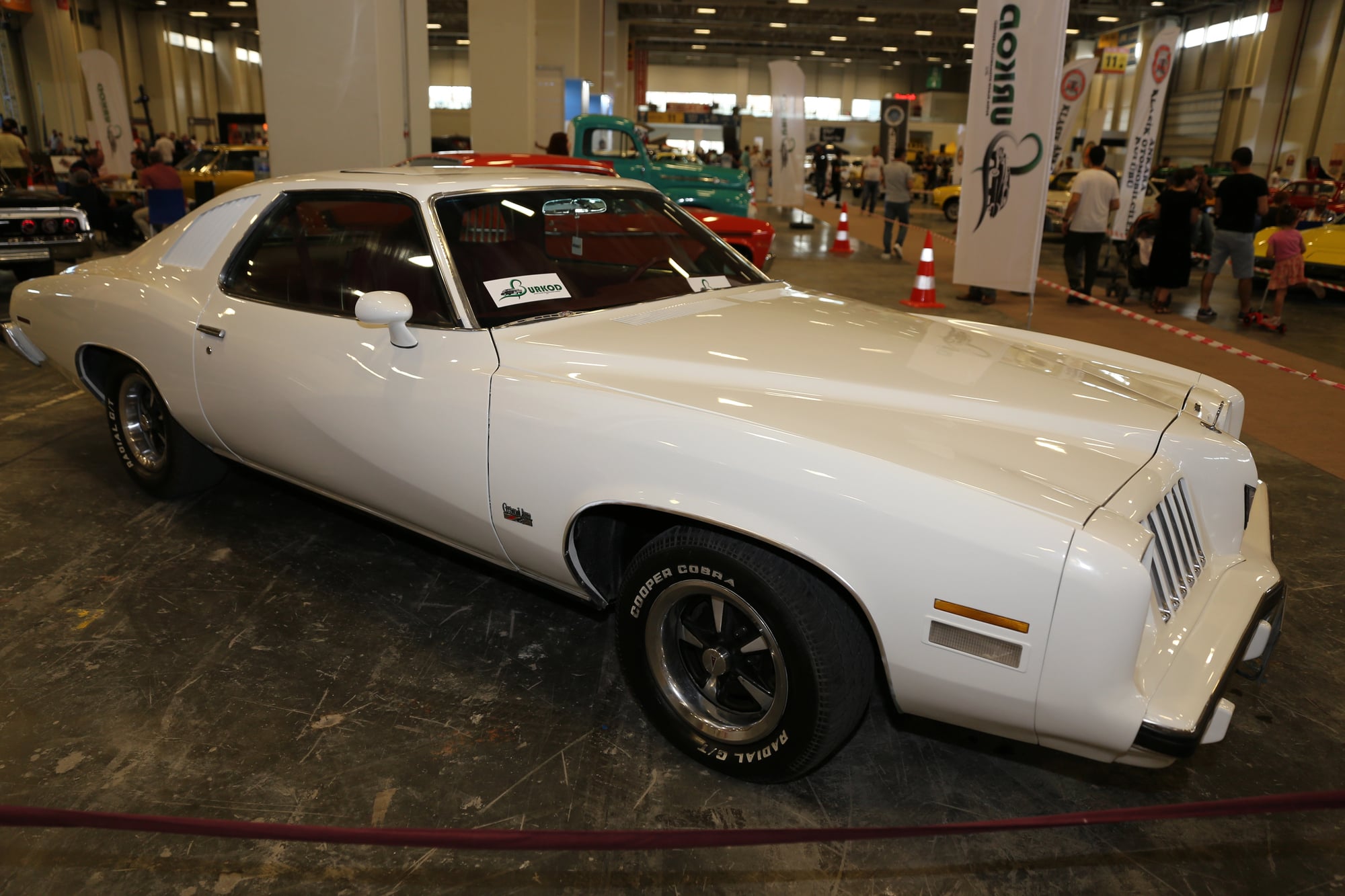
A different kind of ride caught on when minivans felt too dull. Bright warning glows across the dash made evening trips exciting for younger passengers.
Flash stood out where usefulness usually ruled, yet stayed far below true performance pricing. Fixing them often took more time than fixing imports.
One model proved grown-ups could still pick something with a pulse.
Nissan Maxima

It wasn’t just another sedan – Nissan gave the Maxima sharp edges and a loud voice. Zooming into fast lanes became fun, thanks to its strong six-cylinder heart.
Fancy materials inside tricked people into thinking it cost way more. Moms and dads behind the wheel often had one hand on the gear stick, grinning.
Room for kids plus speed meant no need to own separate cars for chores and thrills.
Still they follow, those moments tucked beside us
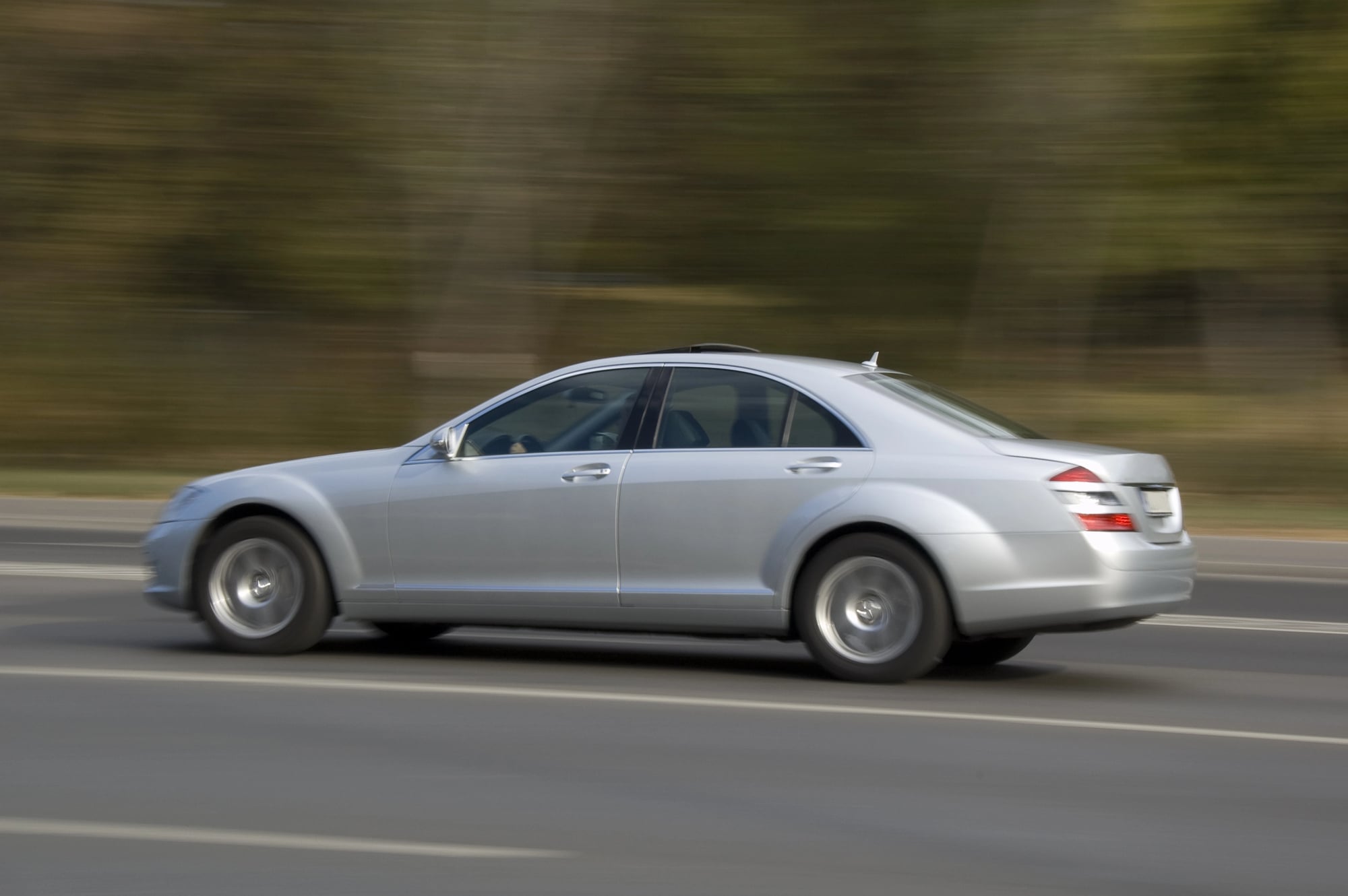
Out on dusty roads, those cars from back then still echo with laughter and long drives. Moving forward, each trip held more than miles – it stored moments never planned but always remembered.
Even now, spotting a faded model can pull you straight into summer evenings and packed trunks. Without trying, they stood there – durable, worn, doing what was asked without fuss.
Time passes, yet somehow their presence feels like an open window to younger years. What stayed wasn’t glamour, but scratched seats soaked in routine and surprise.
Often overlooked, every bump in the fender marked a moment someone grew. Behind slow engines and mismatched hubcaps, lives unfolded quietly.
Reaching any destination mattered less than who rode along. Through rain, noise, and broken radios, something deeper traveled too – the weight of belonging.
More from Go2Tutors!

- The Romanov Crown Jewels and Their Tragic Fate
- 13 Historical Mysteries That Science Still Can’t Solve
- Famous Hoaxes That Fooled the World for Years
- 15 Child Stars with Tragic Adult Lives
- 16 Famous Jewelry Pieces in History
Like Go2Tutors’s content? Follow us on MSN.