Can AI Make Your Kid Smarter?
Artificial intelligence has stormed into classrooms faster than most parents can keep up with.
One day your child is asking Alexa what seven times eight equals, and the next they’re using ChatGPT to outline their history essay.
The technology promises personalized learning, instant feedback, and engagement levels that would make any teacher jealous.
But beneath the hype lies a more complicated question: Is AI actually making kids smarter, or just better at getting quick answers? The research is starting to roll in, and the picture is neither as rosy as tech companies claim nor as dystopian as worried educators fear.
AI tools can genuinely boost learning in specific ways, but they come with trade-offs that matter more than anyone initially expected.
Let’s dig into what the evidence actually shows.
The Personalization Promise Is Real
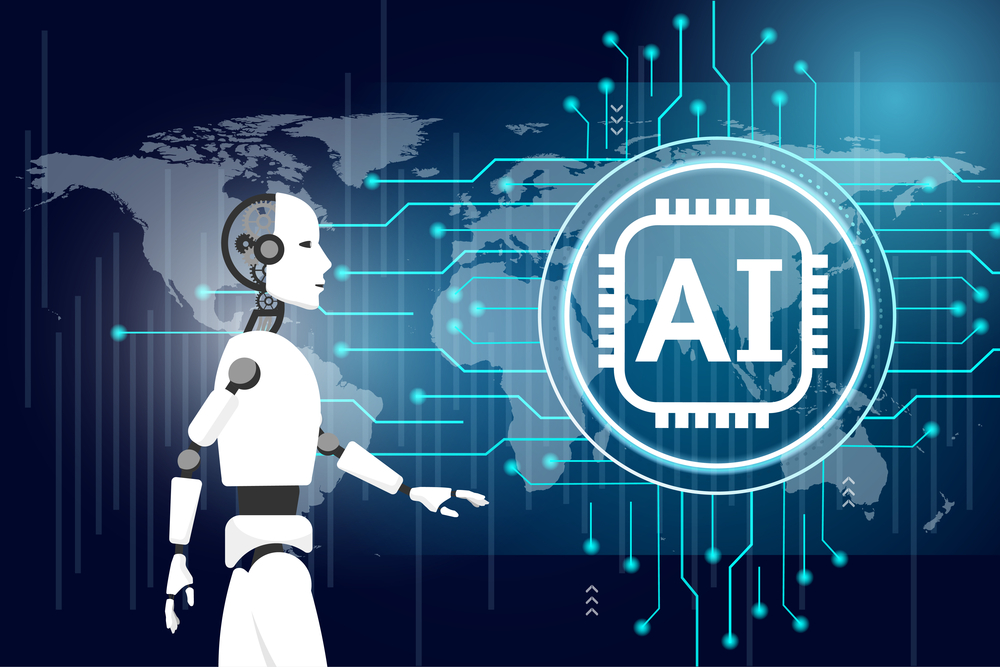
One of AI’s biggest selling points is its ability to adapt to each child’s learning pace and style.
AI can provide personalized lessons and activities that match what a child needs to learn, adjusting if they need more time to understand concepts or providing extra challenges if they’re ready to move ahead.
This isn’t just theoretical marketing speak.
Research from Harvard shows that when students use AI assistants like ChatGPT while writing essays, they tend to produce higher quality work.
The technology can break down complex topics, offer multiple explanations, and provide scaffolding that helps kids grasp difficult material.
In a 2024 survey, over half of young people aged 13 to 18 said generative AI helped them understand things better, and about half said it helped them learn new things.
Studies on early language learning found that AI tools have been linked to better outcomes in storytelling, vocabulary, literacy knowledge, reading, and handwriting acquisition.
When the technology works as designed, it can fill gaps that traditional classroom instruction might miss.
Every kid learns differently, and AI’s ability to meet them where they are represents genuine progress.
The Catch Nobody Talks About
Here’s where things get messy.
Yes, students produce better essays with AI help.
But there’s a critical follow-up question that researchers are now scrambling to answer: Can those same students write well without AI? The evidence so far suggests maybe not.
Harvard researcher Ying Xu puts it bluntly in her work on AI and child development.
When children turn to ChatGPT for homework help, the key issue is whether they’re actually engaging in the learning process or simply bypassing it by getting easy answers.
The concern isn’t hypothetical.
If AI functions as a crutch rather than a tool, students might improve their output without improving their actual skills.
The distinction matters enormously.
Think of it like spell-check on steroids.
Spell-check helps you catch typos, but it doesn’t teach you to spell.
AI can help students organize their thoughts and polish their prose, but if they’re not doing the cognitive heavy lifting themselves, they’re outsourcing the very thinking that makes them smarter.
One study found that students using ChatGPT reported lower levels of flow experience, self-efficacy, and actual learning achievement compared to those using conventional methods.
The technology helped them complete tasks, but it didn’t help them learn.
Teachers Are Scrambling to Keep Up
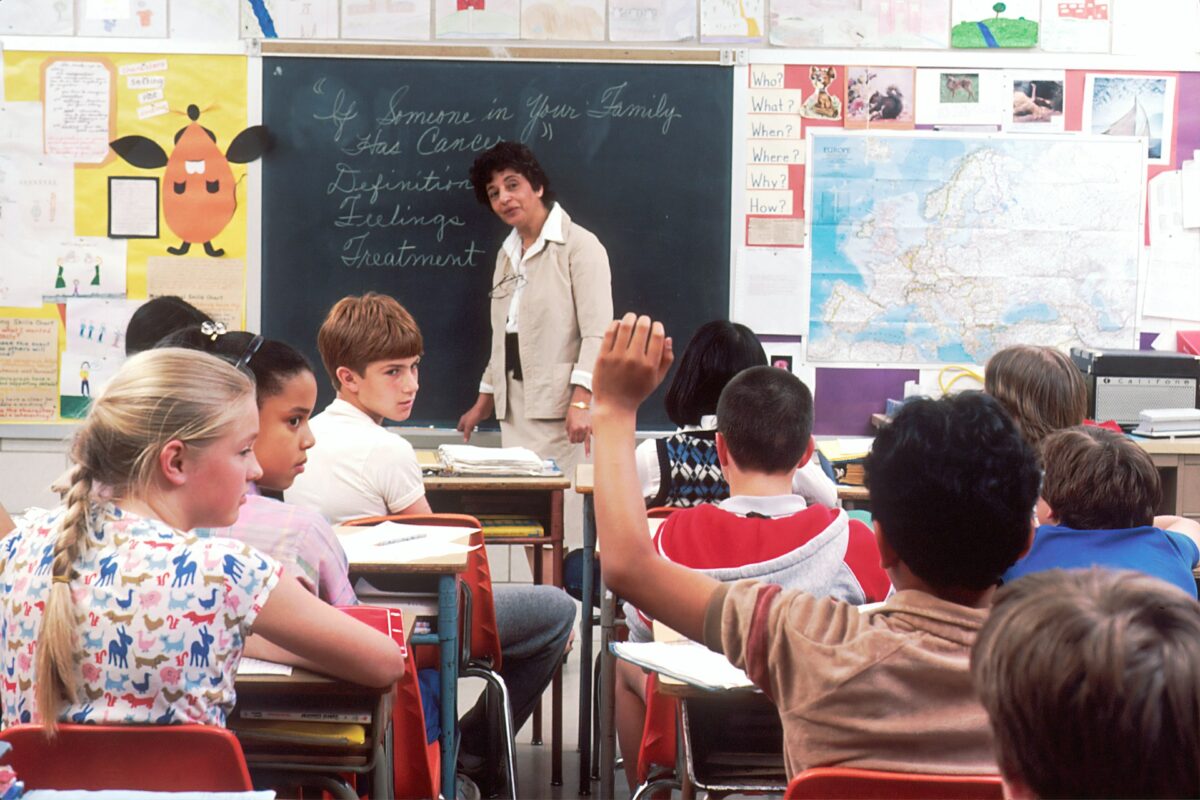
Adoption rates tell their own story about how quickly AI has infiltrated education.
Six in ten teachers said they used an AI tool for work in the 2024-2025 school year.
Student usage has exploded even faster.
Nearly 50 percent of K-12 students use ChatGPT at least weekly, and that number jumps to 86 percent among university students.
By 2025, 92 percent of students were using AI tools in some capacity.
But here’s the problem: Teachers aren’t getting the support they need to navigate this shift.
Over 50 percent of teachers report that their schools don’t have formal policies regarding AI use in schoolwork.
About 56 percent haven’t received any training on using AI chatbots in the classroom, though they’d like to.
Schools that do have policies often make them voluntary rather than mandatory, leaving individual teachers to figure things out on their own.
The result is chaos.
Some teachers ban AI entirely and assign only in-class work.
Others embrace it fully and teach students how to use it effectively.
Most fall somewhere in between, uncertain about where to draw the line between helpful assistance and academic dishonesty.
The Cheating Question Won’t Go Away
Educators used to worry that Wikipedia would destroy critical thinking.
Now AI has made that debate look quaint.
The cheating concerns are real, even if they’re sometimes overstated.
One English teacher with 23 years of experience described current AI-related cheating as the worst he’s seen in his entire career.
Yet the data reveals something unexpected.
A Stanford study found that 60 to 70 percent of high school students admitted to cheating both before and after generative AI tools became widely available.
The overall rate hasn’t budged much.
What changed is how students cheat.
Traditional plagiarism cases dropped, while AI-related misconduct rose.
Students stopped copying from each other and started copying from machines instead.
The gray area between legitimate help and outright cheating has grown vast and murky.
Many teacher-approved tools like Grammarly are themselves based on large language models.
Having AI work out a difficult math problem could be learning support or academic dishonesty depending on how it’s used.
The boundaries have blurred so much that teachers are asking themselves what cheating even means anymore.
Detection tools haven’t helped clarify matters.
AI detectors are programmed to recognize more literary and complex language as more ‘human,’ which means non-native English speakers are far more likely to be falsely accused of using AI.
Some studies suggest they’re 12 times more likely to be flagged incorrectly.
The technology meant to catch cheaters might be punishing the wrong students.
Engagement Doesn’t Always Equal Learning

One area where AI consistently shines is engagement.
Kids get excited about using the technology.
Teachers report that students are more enthusiastic when AI tools are involved.
The interactive nature of AI conversations can make learning feel more like play than work.
But engagement and learning aren’t the same thing.
Research on early language education found that children were more engaged with AI interventions that adapted to them personally, but that didn’t always translate to better learning gains.
The interventions that actually produced superior results involved personalization to both cognitive and affective states.
Simply keeping a child’s attention isn’t enough.
The AI needs to connect emotionally as well as intellectually for engagement to translate into genuine learning.
This distinction becomes crucial when evaluating whether AI makes kids smarter.
A child who enjoys using an AI tutor might spend more time on a subject, which could lead to learning.
Or they might just enjoy the novelty of talking to a robot without absorbing much of anything.
The jury is still out on which outcome dominates in most cases.
Some Tools Actually Work
Despite all the concerns, certain AI applications show real promise.
Tools designed specifically for children rather than adapted from general-use products tend to perform better.
Platforms that teach AI literacy alongside subject matter help kids understand both what they’re learning and how the technology works.
Language learning apps like Duolingo use AI to personalize lessons and provide instant feedback, adapting to each child’s pace and style.
AI-powered tools for children with dyslexia offer text-to-speech and speech-to-text capabilities that genuinely improve accessibility.
For students learning English as an additional language, AI can provide practice conversations without the fear of judgment that might come from speaking with peers.
The key seems to be intentional design.
AI tools that function as scaffolding, guiding students through problems step by step rather than simply providing answers, show more promise for lasting learning gains.
The technology works best when it enhances rather than replaces human instruction and when it’s deployed with clear educational goals rather than as a technological band-aid.
What Parents Should Actually Do

The evidence suggests a middle path between banning AI entirely and letting kids use it without guardrails.
AI can make children smarter, but only if it’s used thoughtfully and with proper supervision.
Parents should treat AI tools the way they treat any other learning resource.
A calculator doesn’t make kids worse at math if they already understand the concepts, and AI won’t make kids worse at writing if they’re using it to polish work they’ve genuinely created themselves.
The danger comes when kids bypass the learning process entirely, outsourcing thinking rather than enhancing it.
Having conversations with children about how they’re using AI matters more than most parents realize.
Are they asking it to explain a concept in different ways, or are they asking it to complete their assignment? The former builds understanding.
The latter undermines it.
The technology isn’t going anywhere.
By 2030, an estimated 65 percent of jobs that today’s kids will hold don’t exist yet, and many of those future roles will require AI literacy.
Preventing children from learning how to work with AI might do more harm than good.
The goal should be teaching them to use it as a tool that amplifies their intelligence rather than a crutch that replaces it.
The Smarter Question

Whether AI makes kids smarter depends entirely on how it’s used.
The technology has genuine potential to personalize learning, improve accessibility, and help students grasp difficult concepts.
Research shows it can enhance task performance and engagement when deployed properly.
At the same time, it risks creating a generation that can produce polished work without developing the underlying skills that matter.
The answer isn’t to panic or to ban AI from schools.
It’s to be intentional.
Teachers need training and support to integrate AI effectively.
Schools need clear policies that distinguish between helpful assistance and academic dishonesty.
Parents need to monitor how their children use these tools and have honest conversations about learning versus shortcut-taking.
And kids themselves need to develop AI literacy alongside traditional academic skills.
AI won’t automatically make your child smarter any more than having a library card guarantees they’ll read.
But used thoughtfully, it can be a powerful addition to their learning toolkit. Technology is here to stay.
The question is whether we’ll teach kids to use it wisely.
More from Go2Tutors!

- The Romanov Crown Jewels and Their Tragic Fate
- 13 Historical Mysteries That Science Still Can’t Solve
- Famous Hoaxes That Fooled the World for Years
- 15 Child Stars with Tragic Adult Lives
- 16 Famous Jewelry Pieces in History
Like Go2Tutors’s content? Follow us on MSN.


