Why Are Billionaires Buying Up Hawaii?
The islands of Hawaii have always drawn people seeking paradise.But lately, a different kind of migration has been taking place — one that’s changing the face of the archipelago in ways that have locals worried.Tech moguls, media titans, and financial giants aren’t just visiting anymore.They’re buying up massive chunks of land, sometimes entire islands, and the scale of these purchases has turned what was once a quiet real estate trend into a full-blown controversy.
The numbers tell a startling story.According to a Forbes investigation, just 37 ultra-wealthy individuals now own at least 218,000 acres across the Hawaiian islands.
That’s approximately 5.3% of Hawaii’s total land and 11% of all privately owned acreage.To put that in perspective, this tiny group — representing a mere 0.003% of the population — controls more land than the entire island of Molokai.
And these figures might actually be conservative, since many billionaires hide their holdings behind layers of shell companies and mainland LLCs that make tracing the full picture nearly impossible.Here’s a closer look at what’s driving this billionaire land rush and why it matters.
The Buyers Behind the Headlines
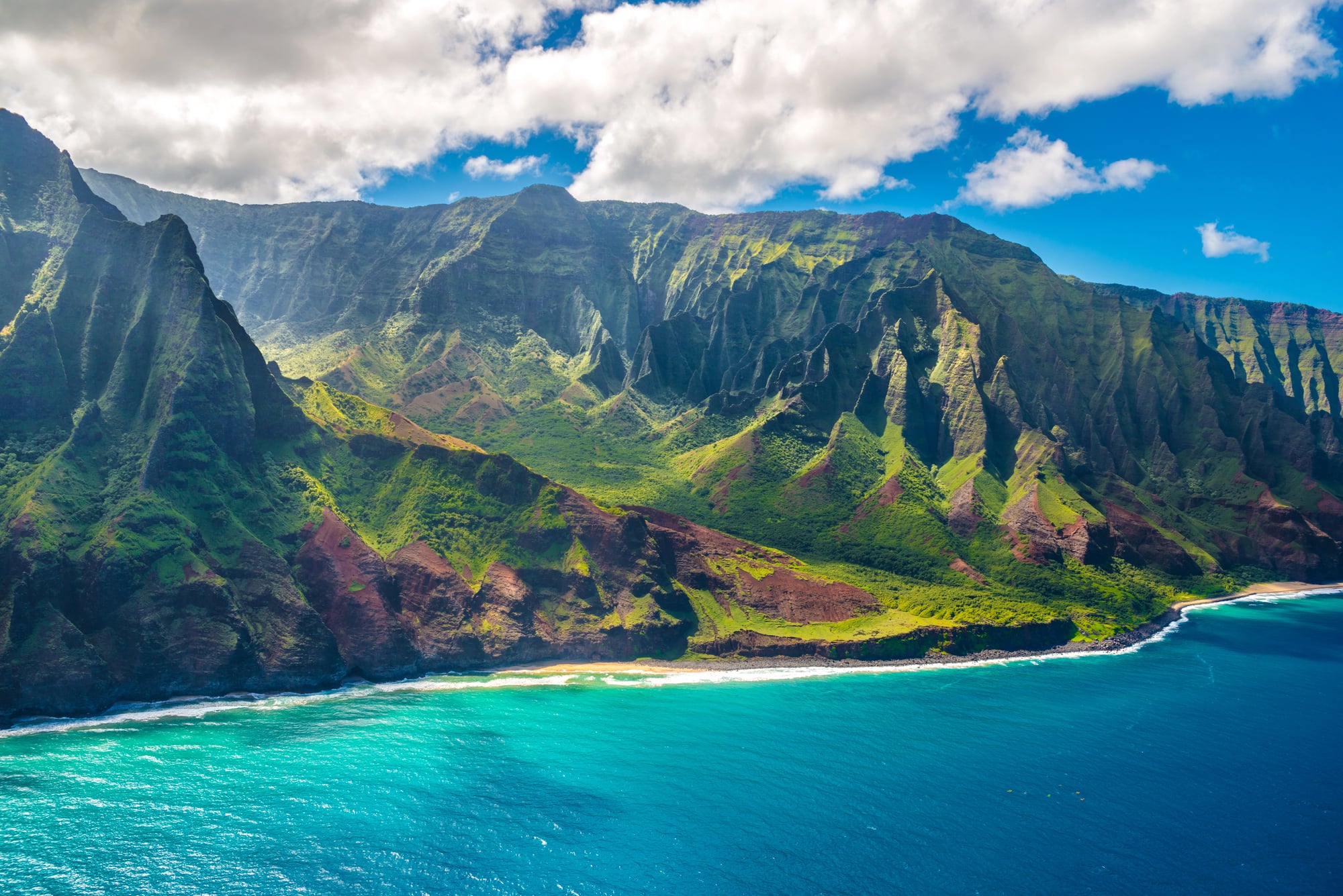
Larry Ellison stands at the top of the list.The Oracle co-founder purchased roughly 98% of Lanai, Hawaii’s sixth-largest island, back in 2012 for a reported $300 million.
That gives him control over approximately 88,000 acres of tropical real estate.He’s since invested in luxury resorts and renewable energy projects across the island, essentially becoming its landlord and primary employer in one fell swoop.
Many of these development initiatives remain ongoing rather than fully completed.Mark Zuckerberg has been equally aggressive on Kauai, where he and his wife Priscilla Chan have assembled more than 2,300 acres.
They started with a 700-acre estate in 2014, then continued buying — an 80-acre plot here, nearly 600 acres there, and most recently 962 acres of ranchland in 2025 — until their holding exceeded the size of several New York City neighborhoods combined.Plans reportedly include building an underground shelter, as reported by WIRED in December 2023, though Zuckerberg himself has described it as simply a ‘little shelter’ akin to a basement.
Following Maui’s devastating wildfires, the couple donated to local causes.Oprah Winfrey is one of the largest individual landowners on Maui, having accumulated approximately 870 acres in a 2023 purchase alone, adding to her existing holdings.
Her initial purchases began in 2003, and she’s continued acquiring agricultural land and structures over the years.She’s been a part-time Maui resident for nearly two decades, building a retreat in the island’s upcountry Kula district.
Then there’s Marc Benioff, the Salesforce CEO whose buying spree in the rural mountain town of Waimea has stirred particular unease.Unlike other billionaires who stick to coastal mansions in gated communities, Benioff has been quietly purchasing properties in a working-class, predominantly Native Hawaiian area.
He’s acquired nearly 600 acres through a maze of anonymous LLCs, often paying well above market value.When the longtime Mamane Bakery — beloved for its lilikoi cheesecake — closed soon after an LLC linked to Benioff bought the parcel at roughly 50% over assessed value, locals started asking harder questions about what was really happening to their community.
Privacy, Taxes, and Doomsday Prep
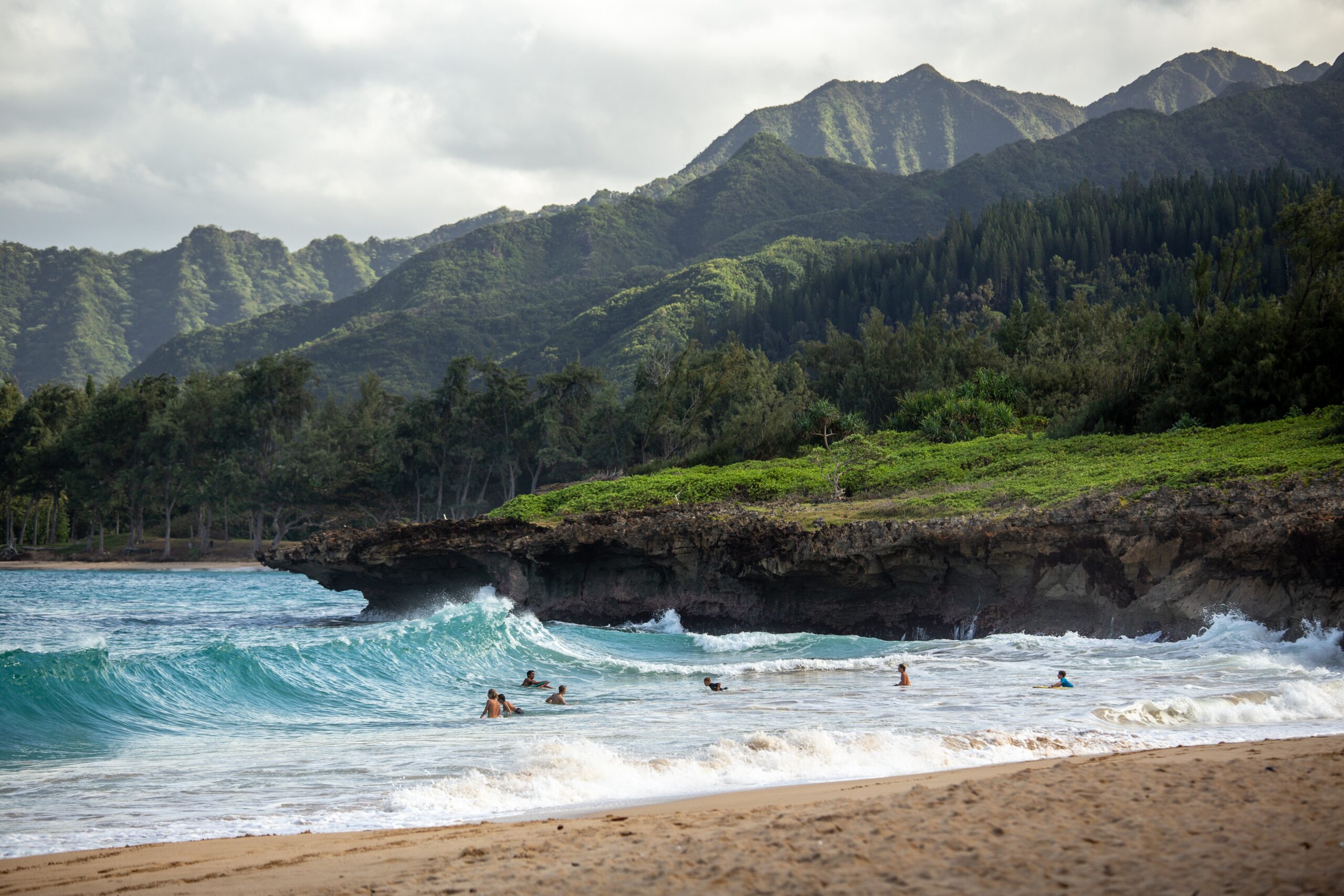
So what’s driving these purchases beyond simple vacation homes?Several factors make Hawaii uniquely attractive to the ultra-wealthy.Privacy ranks high on the list.
The islands’ geographic isolation — sitting more than 2,400 miles from the U.S. mainland — offers a level of seclusion that’s hard to match anywhere else.Paparazzi don’t casually stumble onto your estate when the nearest city is an ocean away.
The financial incentives sweeten the deal considerably.Hawaii’s statewide effective average property tax rate hovers around 0.27-0.30%, among the lowest in the entire nation.
Individual counties set their own rates, and agricultural-use exemptions can reduce tax bills dramatically for those who qualify.When you’re parking hundreds of millions in real estate, those tax savings add up fast, especially compared to what similar acreage would cost in property taxes in other states.
There’s also a darker motivation that some billionaires won’t openly discuss but that industry observers recognize.Hawaii is increasingly viewed as a ‘collapse-proof’ location — a refuge in case of unrest, economic meltdown, or environmental catastrophe.
The islands offer distance from mainland conflicts, access to self-sufficient agriculture, and the stability of U.S. legal protections.As climate change reshapes global migration patterns and political tensions simmer, land in Hawaii feels less like a lifestyle choice and more like a long-term insurance policy.
The Local Cost
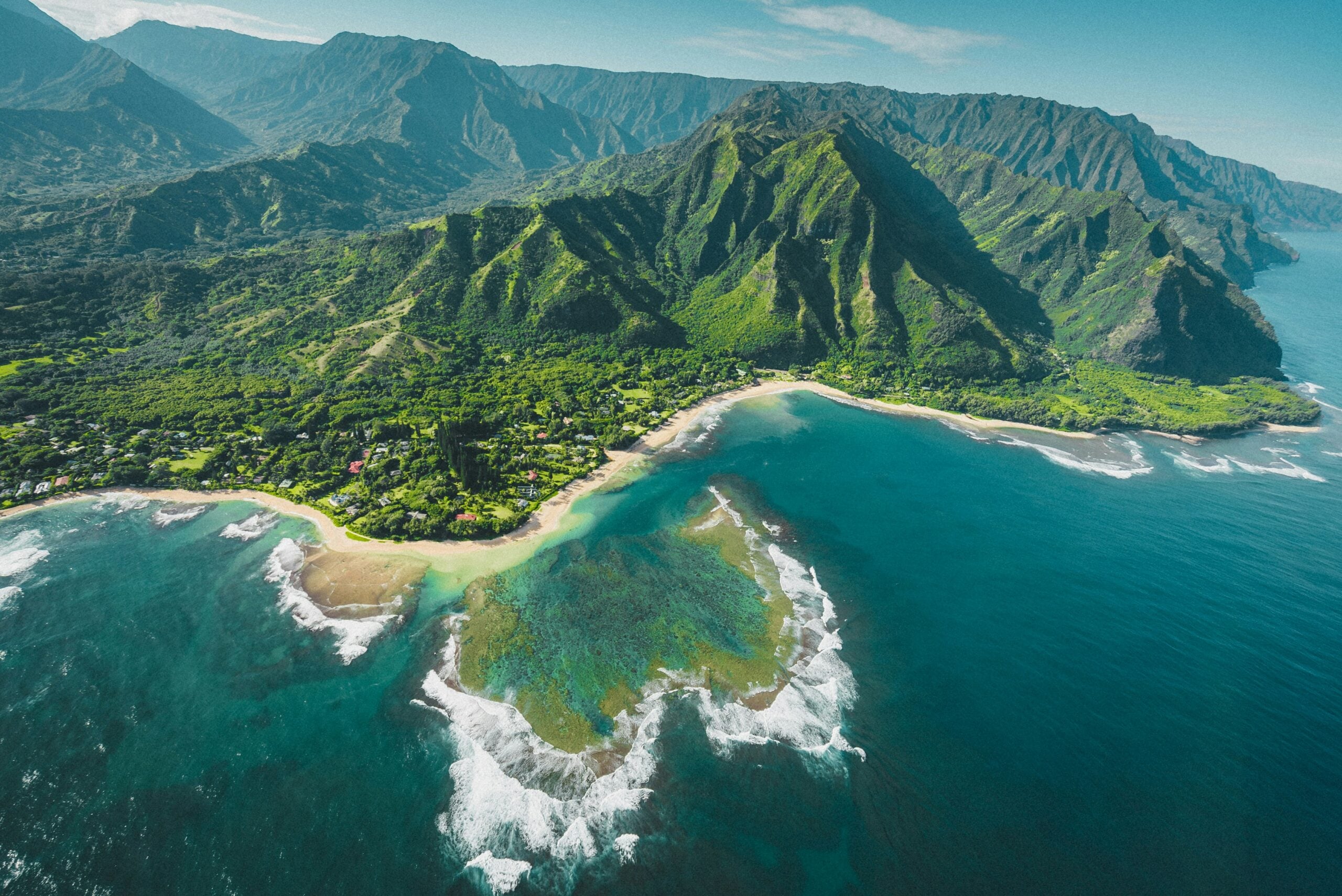
The billionaire buying spree has collided head-on with Hawaii’s existing housing crisis.In areas like Waimea, housing prices surged sharply since the pandemic began, with reports of increases approaching 90%.
Across the islands, median home prices have climbed significantly in recent years, with some communities now seeing million-dollar price tags as the norm.That’s created an impossible situation for locals, where the median household income on the Big Island sits around $70-75,000 while starter homes cost many times that amount.
The exodus tells the real story.More Native Hawaiians now live outside the state than on the islands themselves — a trend documented by census data and state reports.
They’re not leaving because they want to.They’re leaving because they can’t afford to stay in the place their families have called home for generations.
When a tech billionaire can outbid everyone by paying significantly above market rates simply because they want the property, normal market forces cease to function in any meaningful way.Cultural preservation has become another flashpoint.
Waimea, the town where Benioff has been buying heavily, is known as the birthplace of the Hawaiian cowboy — the paniolo.It’s a tightknit community with deep Native Hawaiian roots and a distinct identity.
Residents worry that as land gets swallowed up by outside buyers, that culture gets swallowed up too.Fear isn’t abstract.
When longtime local businesses disappear because owners receive offers they can’t refuse, the community fabric starts to fray.There’s also the issue of access.
As billionaires fence off massive estates and post ‘no trespassing’ signs, locals find themselves cut off from trails and sites they’ve used for generations.On Kauai, longtime residents report that access to certain beaches and trails they once used has been restricted by locked gates and security measures.
On Molokai, where GL Limited (a Singapore-listed company, formerly Guoco Leisure) owns approximately 55,000 acres, barbed wire and abandoned developments sit like scars across ranch land.The company shut down operations in 2008 after the community opposed luxury development plans, and the land has sat in limbo ever since — neither available to locals nor being put to productive use.
The Nuanced Middle Ground
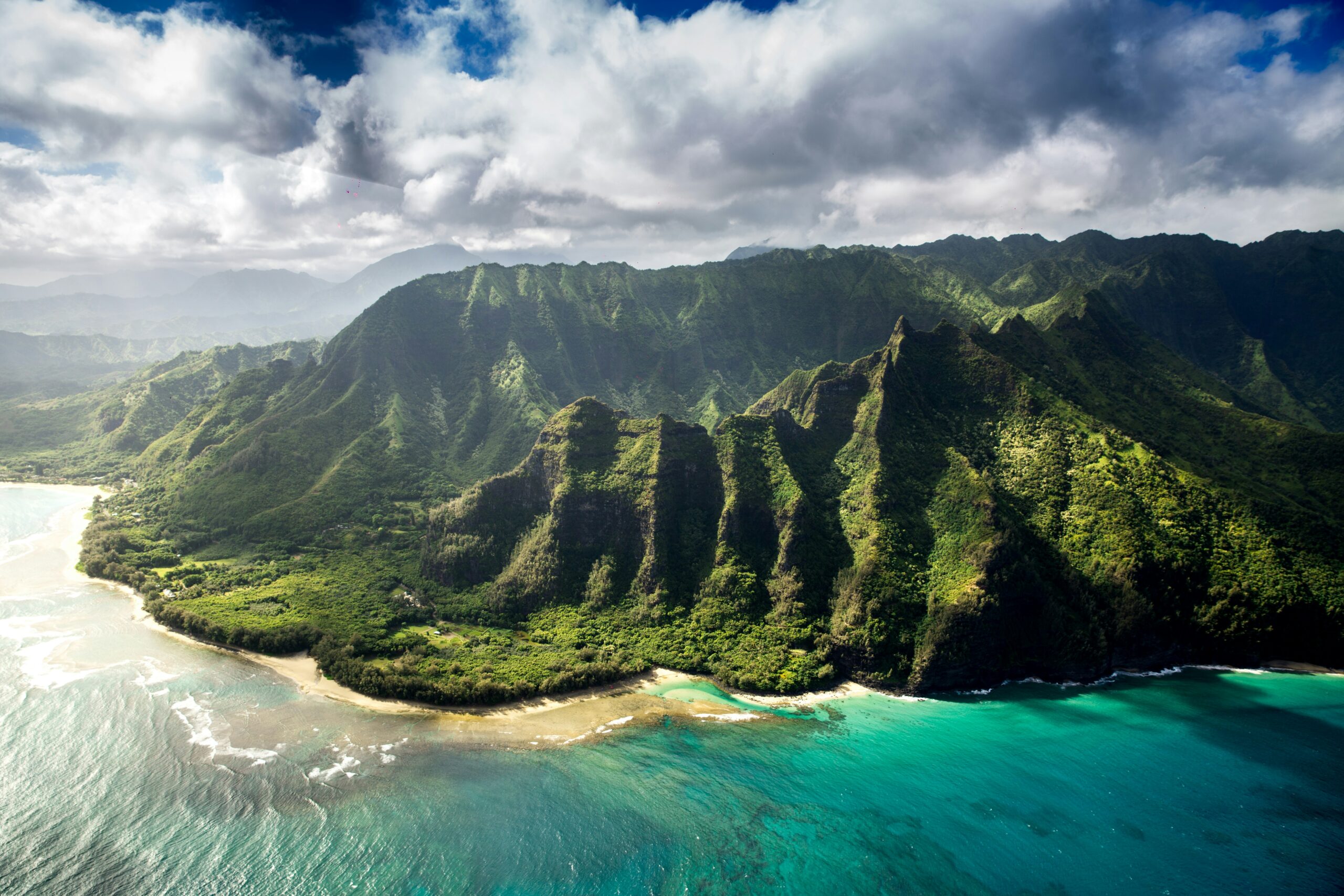
Not every billionaire buyer deserves the same criticism, and locals are quick to make distinctions.Benioff, for all the anxiety his land purchases have caused, has donated millions to fire departments, search and rescue operations, and handed over parcels of land for affordable housing projects, with plans to build about 40 affordable homes on donated property near Waimea.
Still, the vast majority of his holdings appear to be for personal and family use, and his insistence on using anonymous LLCs to make purchases has bred distrust.The contrast with Zuckerberg is particularly stark.
In 2016, Zuckerberg filed quiet-title and partition lawsuits against local residents with kuleana rights — traditional Native Hawaiian land claims passed through generations.Though he dropped the lawsuits after public backlash, the legal process continued under others, and the approach earned him particularly harsh criticism from those who saw it as using wealth and legal resources to pressure Hawaiian families.
Those lawsuits have since been paused or settled amid community opposition.
What Happens Next
Resistance is building.On Molokai, the community has formed the Molokai Heritage Trust with an ambitious goal — to buy back the 55,000-acre ranch from its foreign corporate owner.
It’s a ‘land back’ movement on a scale Hawaii has never seen, driven by the conviction that waiting for a benevolent buyer to do the right thing is a losing strategy.The community is organizing peacefully but determinedly, confident that they can eventually marshal the resources to reclaim what they view as stolen heritage.
Legislative proposals have emerged too.Some lawmakers have introduced measures around vacant land taxation and ownership transparency requirements, though specific bill names and years vary by county.
Proposals in Honolulu and Maui counties have addressed vacant homes taxes, while transparency bills regarding shell company ownership have been discussed in recent legislative sessions.The proposals face uphill battles — Hawaii’s economy depends heavily on wealthy investors and tourism — but the political pressure is mounting as more residents realize how concentrated land ownership has become.
The question of who gets to decide Hawaii’s future sits at the heart of the controversy.Should 37 individuals be able to control more than 10% of privately owned land?
Should someone be allowed to buy up rural neighborhoods just because they can afford to pay well above the asking price?The answers aren’t simple, especially in a system that generally protects property rights and free-market transactions.
A Pattern Older Than Tech Money
Hawaii has a long, complicated history with land ownership.Large estates and concentrated holdings aren’t new — entities like Bishop Estate, Kamehameha Schools, Parker Ranch, and the Robinson family have controlled vast acreages for generations.
But there’s a crucial difference between legacy landowners with multigenerational ties to the islands and multinational billionaires with unlimited buying power who may not even live in Hawaii full-time.The historical parallel that locals reference goes back even further.
A statue in Waimea depicts Ikua Purdy, a legendary Hawaiian cowboy, roping a wild bull.The plaque beneath it tells how cattle first arrived in Hawaii in 1793 as gifts to King Kamehameha I.
Within years, those cattle overran the land, ‘overpopulating and plundering the countryside from the mountains to the seashores.’It’s hard not to see the echo in today’s billionaire influx — well-intentioned or not, the effect on the landscape and community is eerily similar.
Every new purchase, every fenced-off estate, every local business that closes after an above-market sale adds another data point to a worrying trend.The islands that once represented opportunity and cultural richness for Native Hawaiians are increasingly becoming playgrounds and retreats for the global elite.
Whether that transformation can be slowed, stopped, or reversed remains one of the defining questions for Hawaii’s future.
More from Go2Tutors!

- The Romanov Crown Jewels and Their Tragic Fate
- 13 Historical Mysteries That Science Still Can’t Solve
- Famous Hoaxes That Fooled the World for Years
- 15 Child Stars with Tragic Adult Lives
- 16 Famous Jewelry Pieces in History
Like Go2Tutors’s content? Follow us on MSN.



