Regional Slang from Across America
Drop someone from Boston into a conversation in New Orleans and watch what happens. The confusion goes beyond accents.
Americans speak the same language, technically, but the words they choose and the way they use them can feel like completely different dialects. Regional slang shows up in the most unexpected places—ordering food, describing the weather, talking about everyday objects.
You might not even realize you’re using it until someone gives you a blank stare.
Wicked in New England

People in Massachusetts and the surrounding states use “wicked” as an intensifier. It replaces “very” or “really” in almost any context.
You’ll hear someone say a movie was wicked good, or the traffic was wicked bad. The word works for anything that needs emphasis, positive or negative.
This usage stays fairly contained to New England. Try saying something is “wicked awesome” in Texas and people will assume you’re being ironic or watched too much TV.
The Southern “Might Could”

Double modals sound wrong to most English speakers, but in parts of the South, they’re perfectly normal. “Might could” means you’re considering doing something—it’s more tentative than a simple “might.”
When someone says they might could help you move next weekend, they’re leaving room for uncertainty. You’ll also hear “might should” and “used to could” in similar contexts.
These phrases pack more nuance into fewer words than standard English allows. The grammar might not follow textbook rules, but it communicates shades of meaning that a single modal can’t capture.
Jawn in Philadelphia

Philadelphia has “jawn,” and it deserves its own category. This word can mean literally anything.
It’s a noun that replaces any other noun when you can’t think of the specific word or don’t feel like saying it. Hand me that jawn.
Did you see that jawn over there? The jawn is broken.
Context determines meaning. If someone asks where the jawn is, you need to figure out from the situation whether they mean the remote control, the restaurant, or the concert.
Philadelphians use it constantly, and outsiders find it baffling.
Bubbler in Wisconsin and Parts of New England
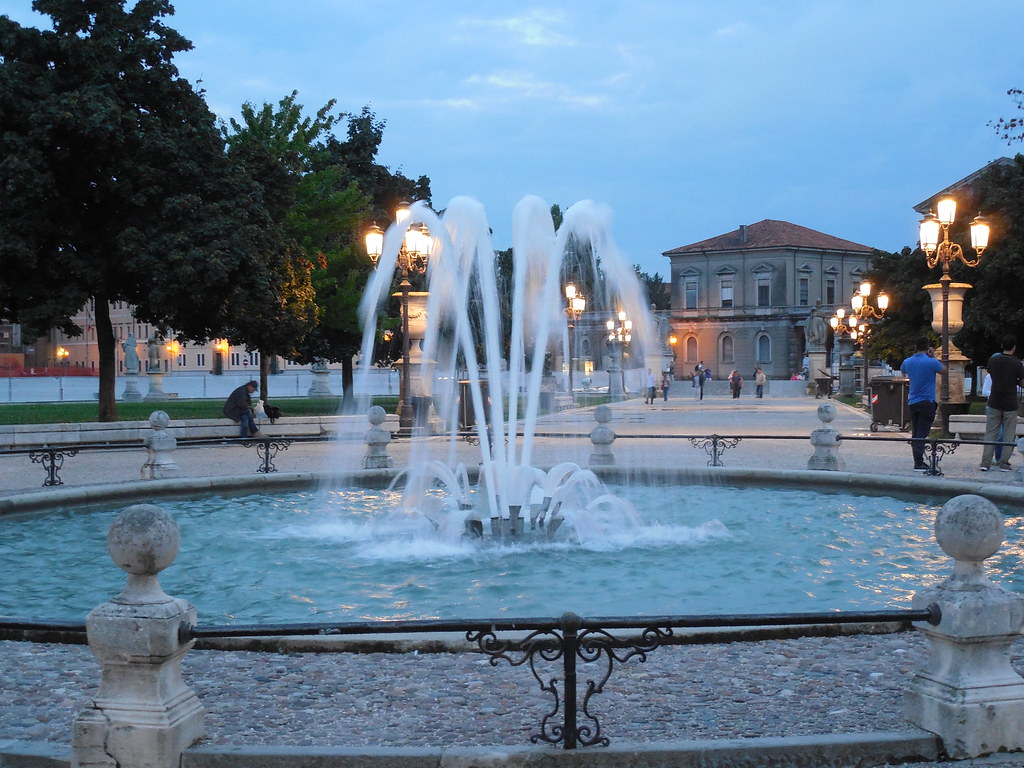
Most Americans call it a water fountain or a drinking fountain. In Wisconsin and pockets of New England, it’s a bubbler.
The term comes from a brand name—Kohler’s Bubbler was an early drinking fountain design—but it stuck as a generic term in certain regions. Ask for a bubbler outside these areas and you’ll get confused looks.
The word seems antiquated to most of the country, but it persists stubbornly in places where it took root generations ago.
Y’all, You Guys, and Yinz

English lacks a standard second-person plural, so different regions invented their own. The South has “y’all,” which has spread beyond its original territory and shows up in casual speech nationwide.
It’s efficient and unambiguous. The North defaults to “you guys,” which technically includes a gendered word but gets used for groups of any composition.
Pittsburgh has “yinz,” a contraction of “you ones” that identifies speakers from that specific area. These pronouns mark regional identity as clearly as any accent.
Pop vs. Soda vs. Coke
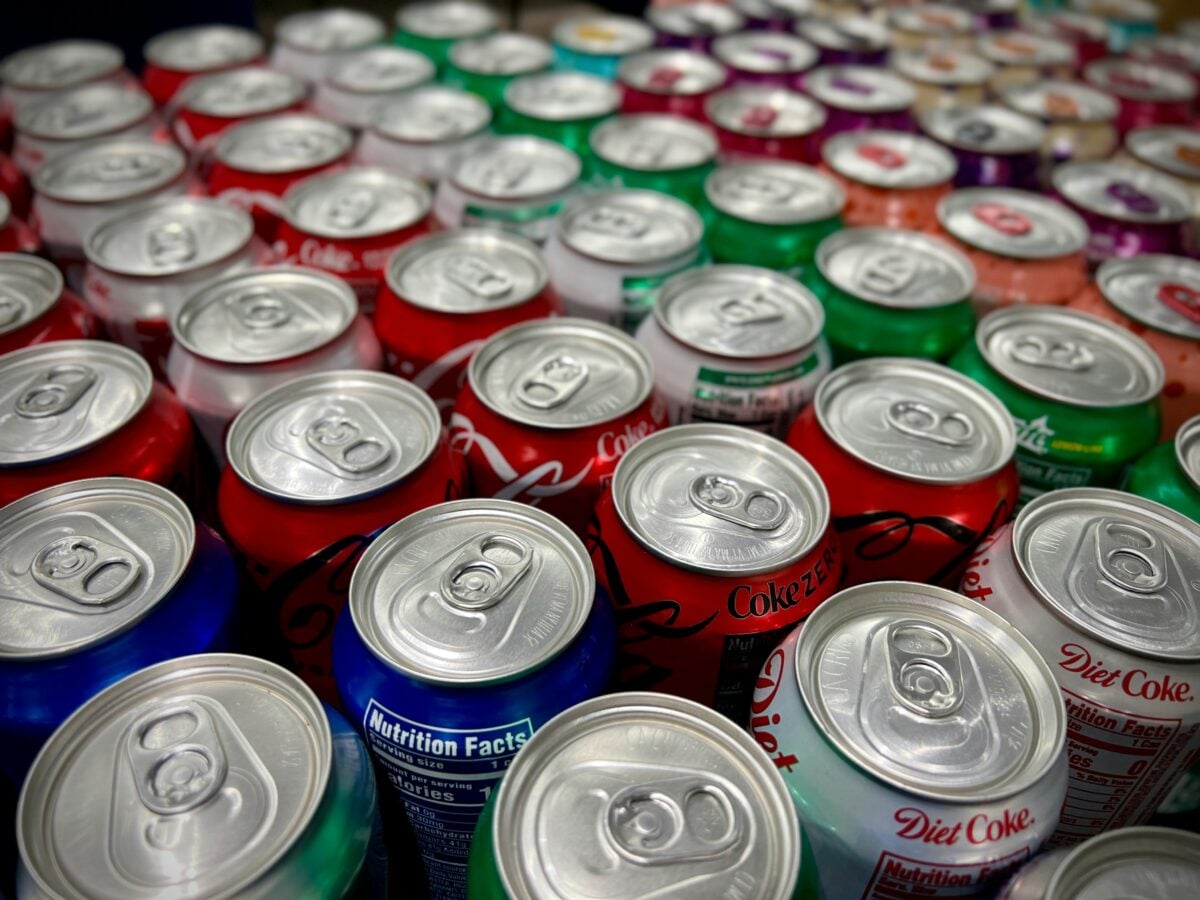
The word you use for a carbonated soft drink reveals where you grew up. The Midwest and Pacific Northwest say “pop.”
The Northeast and West Coast say “soda.” Much of the South says “Coke” for any soft drink, then specifies the actual brand when needed.
These boundaries create very precise linguistic maps. Drive through Ohio and everyone orders pop.
Cross into Pennsylvania and it becomes soda. The transition happens over just a few miles, and locals notice immediately when someone uses the wrong term.
Hella in Northern California

“Hella” started in the Bay Area and means “very” or “a lot.” Something can be hella expensive, hella cool, or hella complicated.
The word spread to other parts of California and beyond, but it still carries strong Northern California associations. Southern California rejected it for years, viewing it as distinctly Northern slang.
That resistance has softened with younger generations, but the word still marks you as someone with Bay Area connections or influences.
The Bronx’s Deadass

“Deadass” works as an adjective, adverb, or interjection in New York City slang. It means seriously, honestly, or for real.
When someone says they’re deadass tired, they’re emphasizing just how exhausted they are. “Deadass?” as a question asks if the other person is being serious. The word spread from the Bronx throughout the city and eventually to other urban areas through hip-hop and social media.
It carries a New York attitude—blunt, direct, no exaggeration.
Ope in the Midwest

Midwesterners say “ope” when they bump into someone, make a small mistake, or need to squeeze past in a tight space. It’s barely a word—more of a reflexive sound—but it’s deeply ingrained in regional behavior.
The sound often comes with an apology or an “excuse me.” You’ll hear it in grocery stores, hallways, anywhere people navigate shared spaces.
It signals politeness and awareness of others, core values in Midwestern culture.
Schnookered in Pennsylvania Dutch Country
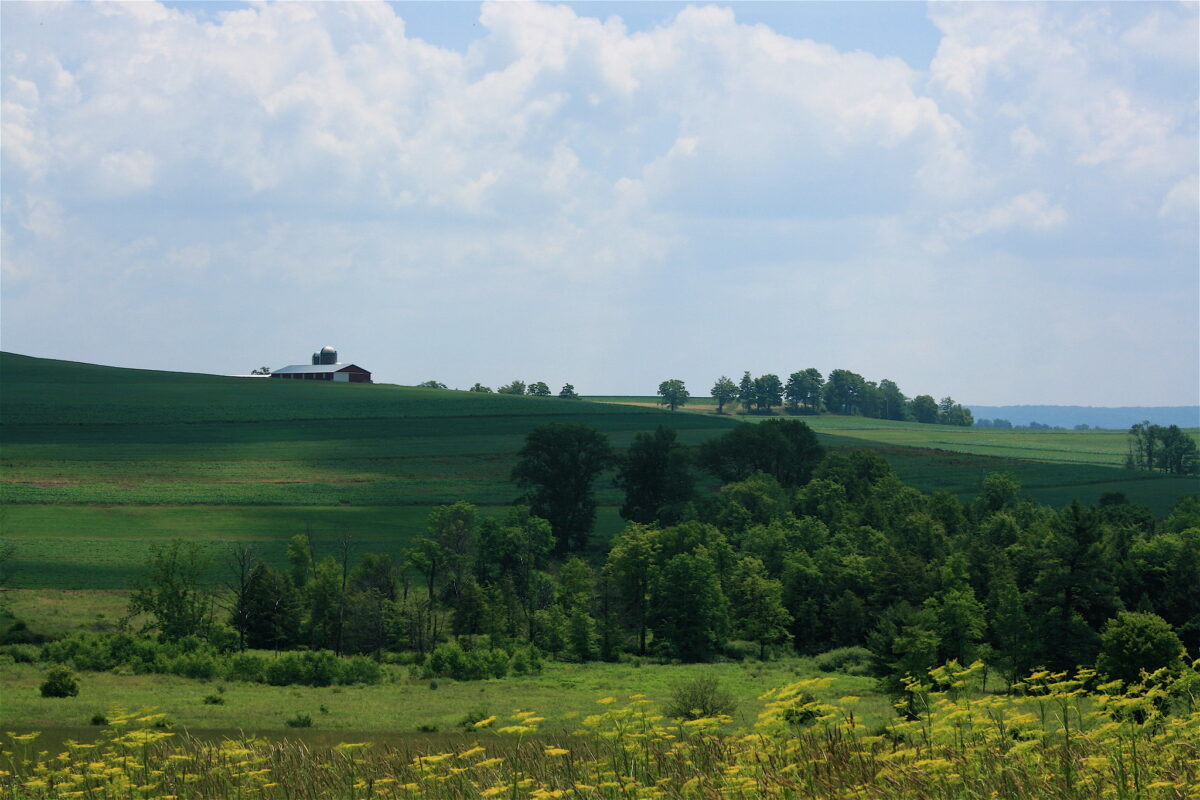
Some areas of Pennsylvania preserve words from Pennsylvania Dutch (which is actually German, not Dutch). “Schnookered” means drunk or messed up, coming from the German influence on local English.
The region has dozens of these hybrid words that sound strange to outsiders. You’ll also hear “outen the lights” instead of “turn off the lights,” and “make the bed up” instead of “make the bed.”
These phrases follow German grammatical patterns applied to English words. They persist in areas with strong Pennsylvania Dutch heritage.
Wawa and Sheetz as Verbs

In Pennsylvania and parts of the Mid-Atlantic, people turn convenience store names into verbs. “Let’s Wawa” means “Let’s go to Wawa.”
Same with Sheetz. The stores inspire such loyalty that they become actions, not just places.
This brand-name-as-verb pattern shows how deeply these stores embed themselves in regional culture. They’re not just where you stop for gas.
They’re gathering spots, meal sources, and landmarks for giving directions.
The Florida “Snowbird”
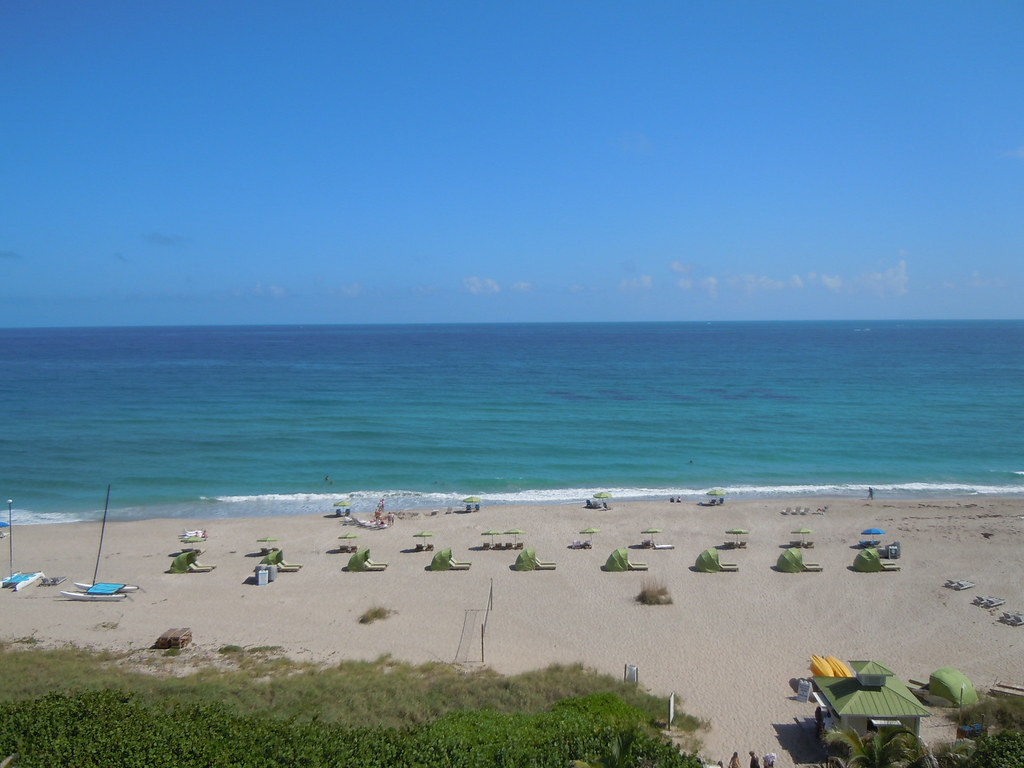
Florida uses “snowbird” to describe northerners who migrate south for the winter months. The term carries mixed feelings—sometimes affectionate, sometimes exasperated.
Snowbirds transform certain areas of the state from October through April, affecting traffic, restaurant wait times, and the general pace of life. Locals can spot snowbirds by behavior as much as by accent.
They drive slowly, wear Red Sox gear, and complain about anything above 75 degrees. The word captures a whole phenomenon that defines Florida’s seasonal rhythms.
Jimmies vs. Sprinkles

Over in Boston, folks toss chocolate sprinkles on ice cream and call them jimmies. Elsewhere across the U.S., people just say sprinkles.
Rainbow ones? Always sprinkles, no matter where you go.
Yet ask a New England local about the dark pieces, they’ll stick with jimmies every time. Some say one thing about where “jimmies” came from, others argue differently – still, people keep using it.
Ask for ice cream with jimmies beyond New England, confusion follows close behind. Younger folks aren’t picking up the term much these days, yet longtime locals still slip it into conversation.
Though fading slowly, it lingers like chalk marks on old sidewalks.
Words Claim Their Ground

Words shift slowly, shaped by where people move. Not every phrase travels far – some stick close, held by habit or pride.
Movement of folks carries talk across borders, quietly. Television nudges certain expressions into new soil.
Identity often decides what stays, what slips away. A term might sleep in one town for decades, then bloom suddenly elsewhere.
Out here, the web shifts how we live. Messages once needing years to travel coast to coast now move in days, riding posts and shares.
Still, despite quick replies and constant chat, certain phrases stick close to home. Folks keep using terms that whisper their roots, ones tied to dirt, accent, and local habit.
These bits of talk link them to corners of the map others might never notice.
More from Go2Tutors!

- The Romanov Crown Jewels and Their Tragic Fate
- 13 Historical Mysteries That Science Still Can’t Solve
- Famous Hoaxes That Fooled the World for Years
- 15 Child Stars with Tragic Adult Lives
- 16 Famous Jewelry Pieces in History
Like Go2Tutors’s content? Follow us on MSN.